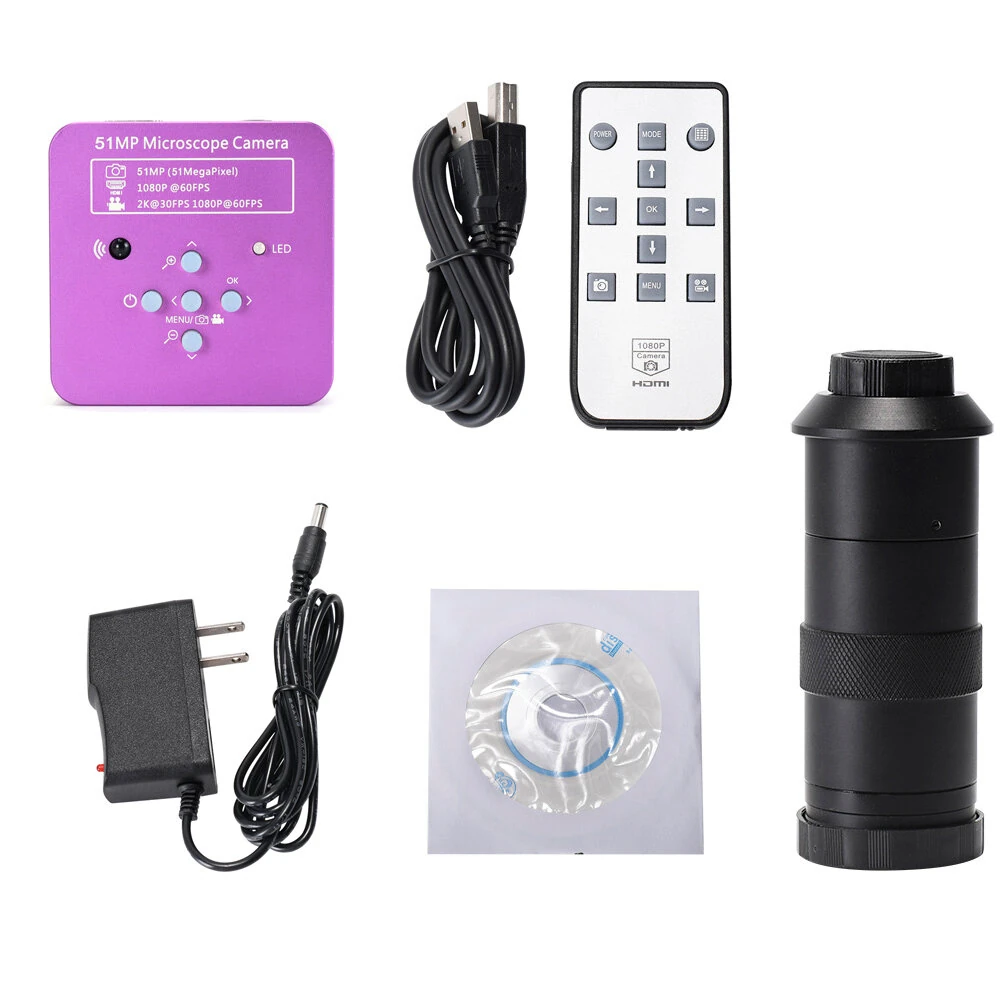
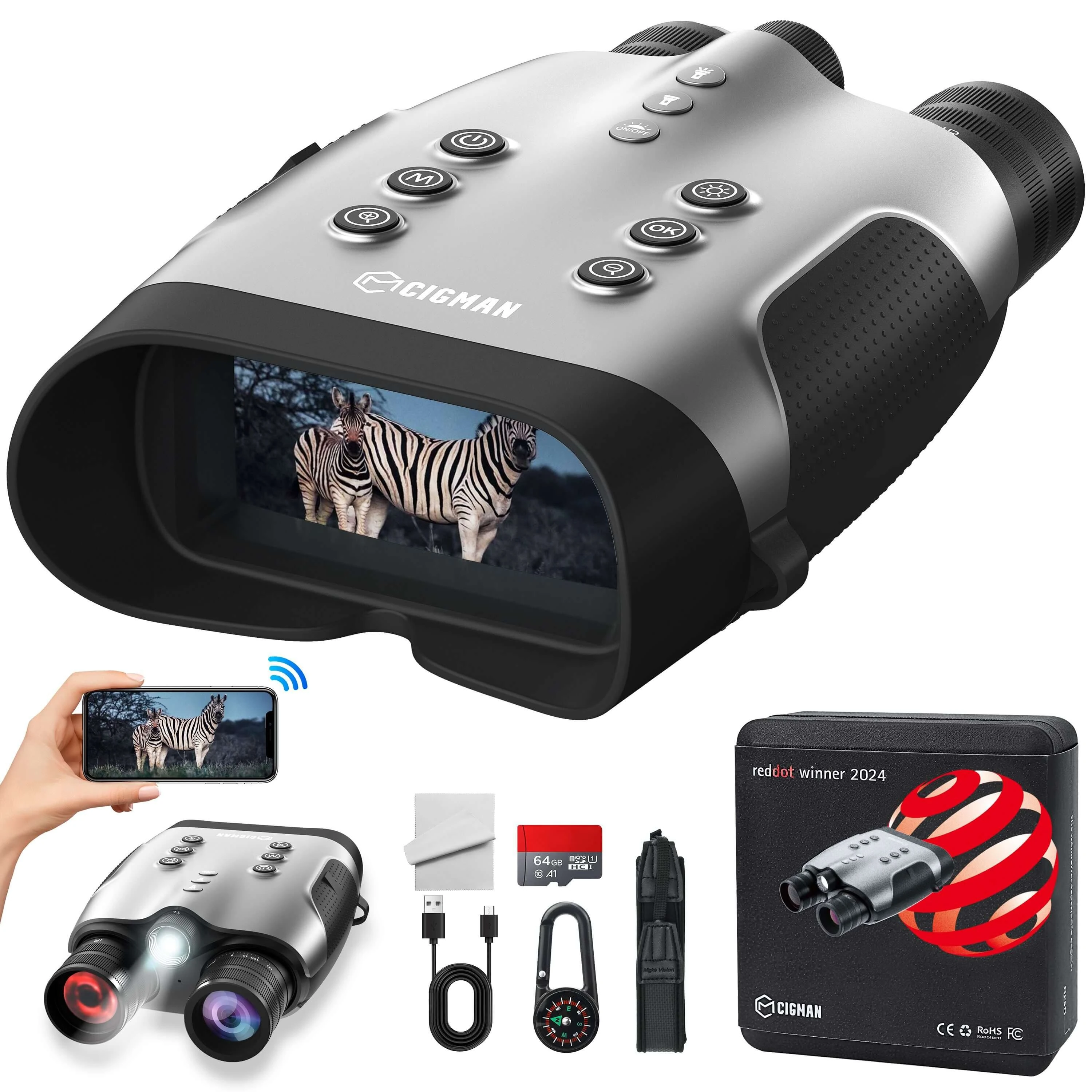
In today's data-driven world, precision is paramount. Measurement and Analysis Instruments form the critical backbone of scientific discovery, industrial quality assurance, and technological innovation. This comprehensive category encompasses a vast array of tools designed to quantify physical properties, monitor processes, and analyze materials with exceptional accuracy. From fundamental handheld devices to sophisticated automated systems, these instruments are indispensable for ensuring reliability, compliance, and optimization across countless applications.
Key products within this essential category include precision multimeters and oscilloscopes for electrical measurement, environmental data loggers for monitoring temperature, humidity, and pressure, and force gauges and torque analyzers for mechanical testing. Analytical instruments such as spectrophotometers, pH meters, and conductivity testers provide vital insights into chemical composition and properties. For dimensional analysis, calipers, micrometers, and laser measurement tools offer micron-level accuracy. In industrial settings, vibration analyzers, thermal imaging cameras, and flow meters are crucial for predictive maintenance and process control.
The primary benefit of investing in high-quality measurement and analysis tools is the assurance of accurate, repeatable data. This translates directly into improved product quality, enhanced operational efficiency, reduced waste, and rigorous compliance with international standards (ISO, ASTM, etc.). Whether you are a research scientist validating a hypothesis, a manufacturing engineer optimizing a production line, or a field technician performing diagnostics, the right instrument empowers you to make informed, confident decisions based on empirical evidence, driving progress and profitability.
Choosing the right measurement and analysis instrument requires careful consideration of your specific needs. Start by defining the parameters you need to measure, the required accuracy (often specified as ±% of reading), and the environmental conditions of use. Consider key features like data logging capability, connectivity (USB, Bluetooth, Wi-Fi) for data export, and software compatibility for in-depth analysis. For regulatory or quality-critical applications, ensure the instrument comes with a valid calibration certificate traceable to national standards.
FAQ: What is the difference between accuracy and resolution? Accuracy refers to how close a measurement is to the true value, while resolution is the smallest change the device can display. Do I need a calibrated instrument? For any official reporting, quality control, or legal compliance, a calibrated instrument is essential. How often should instruments be recalibrated? Recalibration intervals (e.g., annually) depend on usage frequency, environmental stress, and manufacturer recommendations, but are critical for maintaining accuracy. Investing in robust, fit-for-purpose measurement tools from reputable suppliers is an investment in the integrity of your work and the quality of your outcomes.