Optical instruments are the gateways to worlds unseen and details unnoticed, empowering professionals, hobbyists, and learners alike. This category encompasses a vast array of precision tools designed to manipulate light, enabling magnification, visualization, and measurement beyond the capability of the naked eye. From unlocking the mysteries of cellular biology to surveying distant galaxies, optical instruments are fundamental to discovery, quality control, and immersive observation.
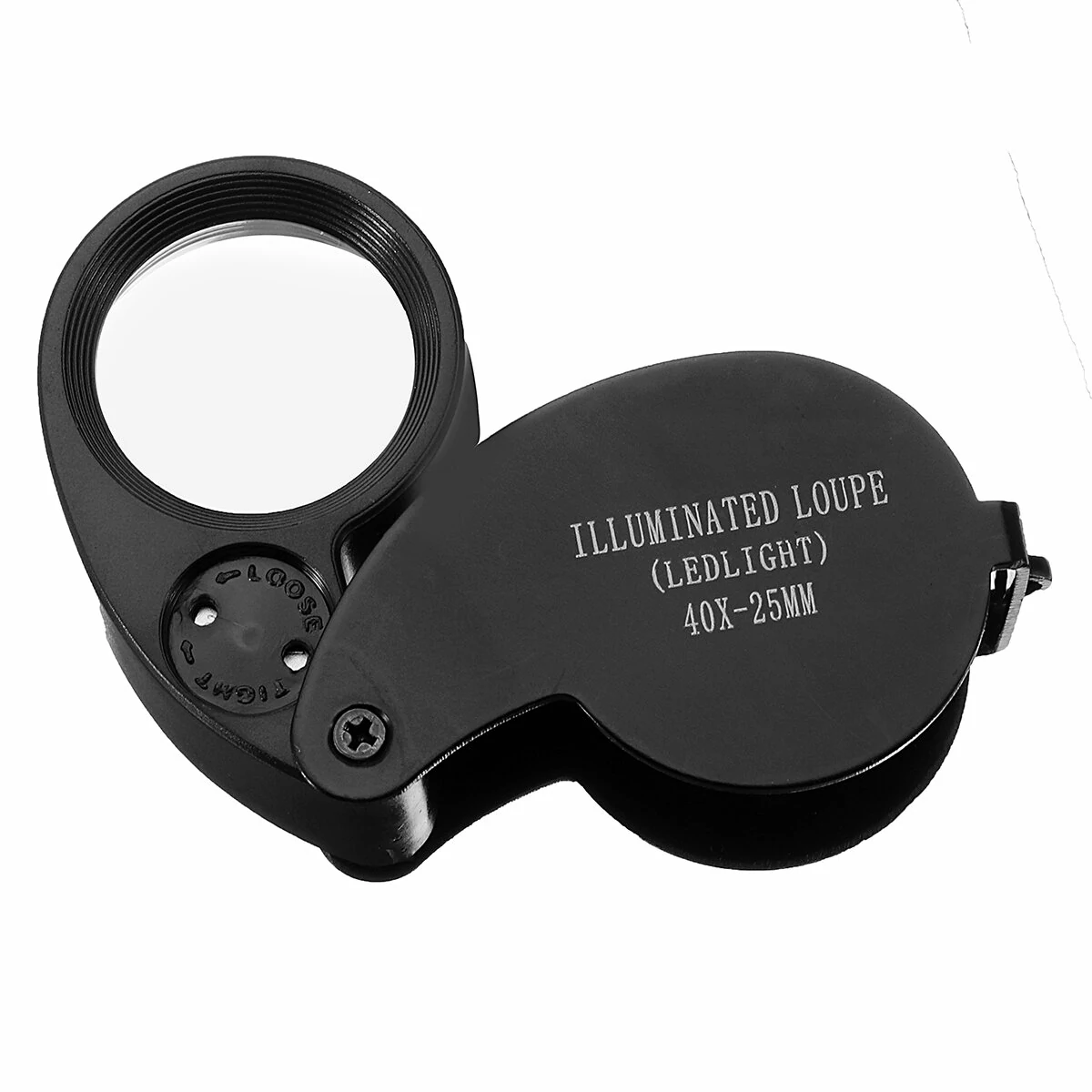
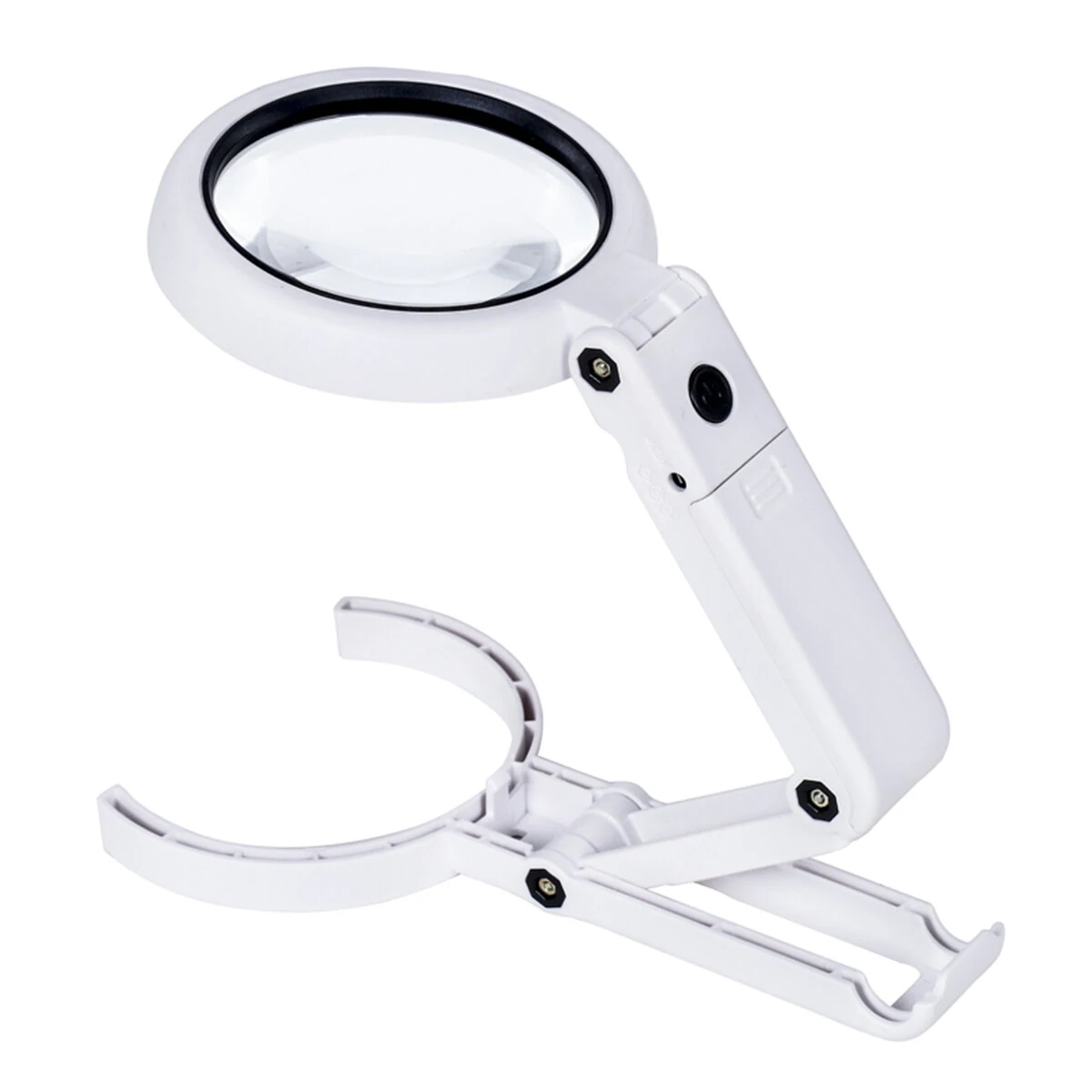
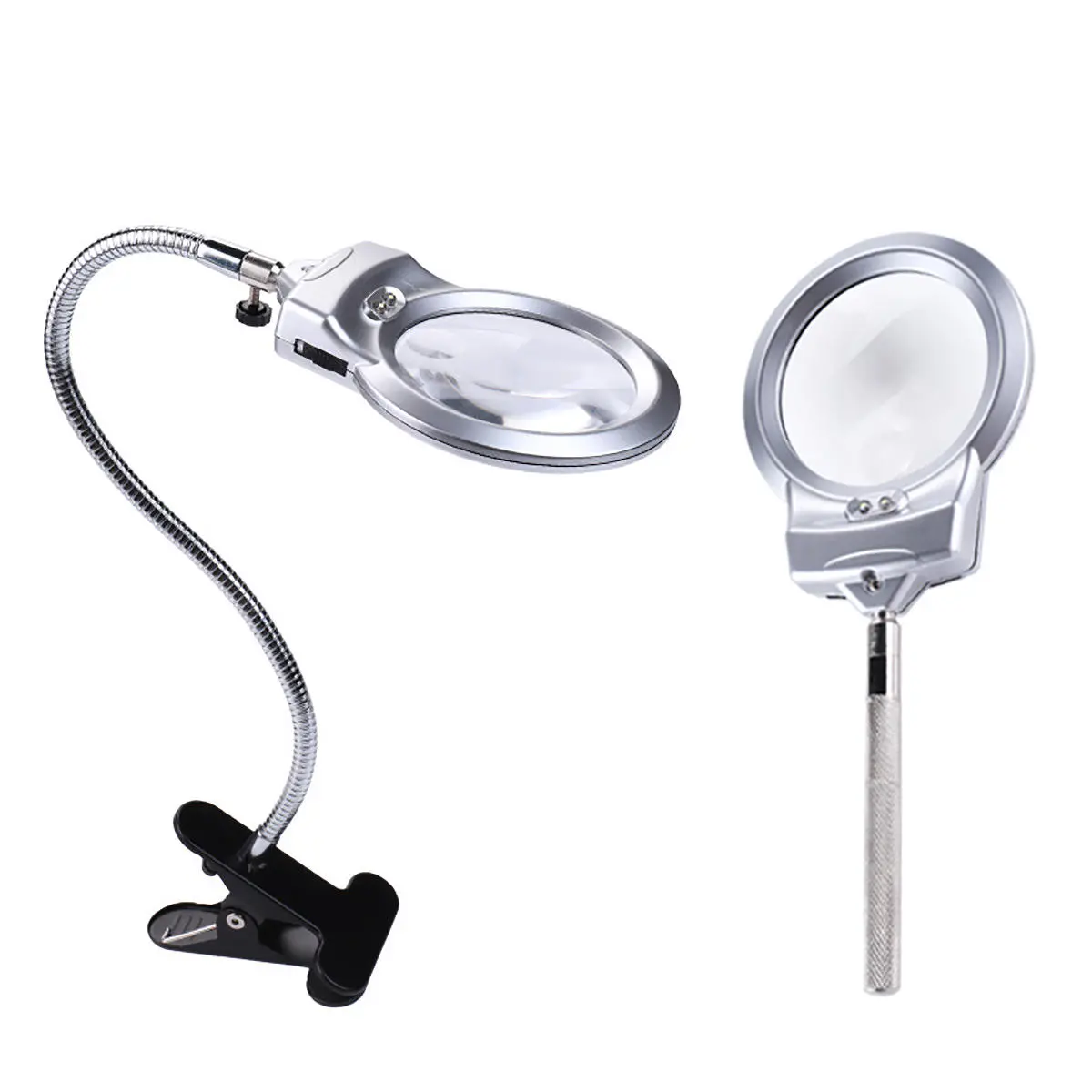
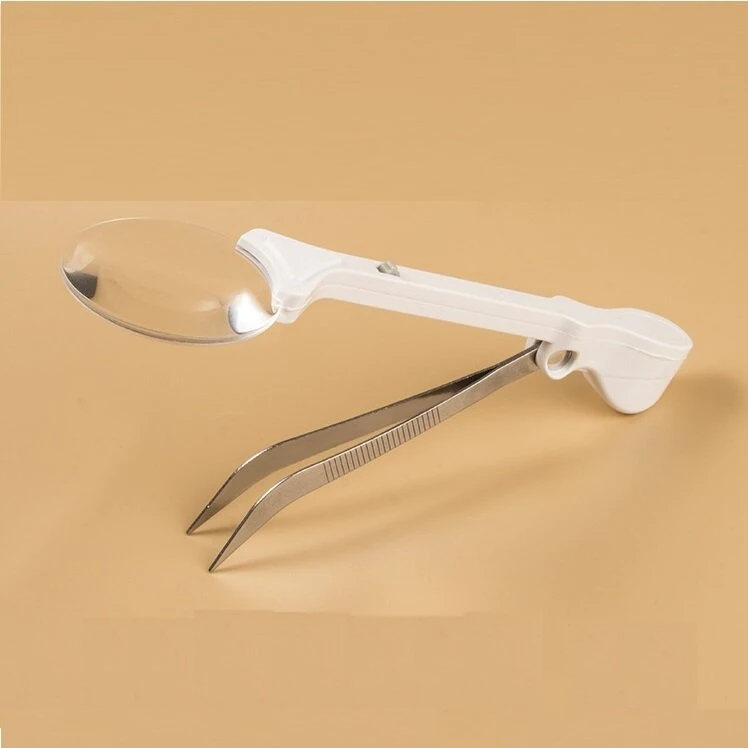
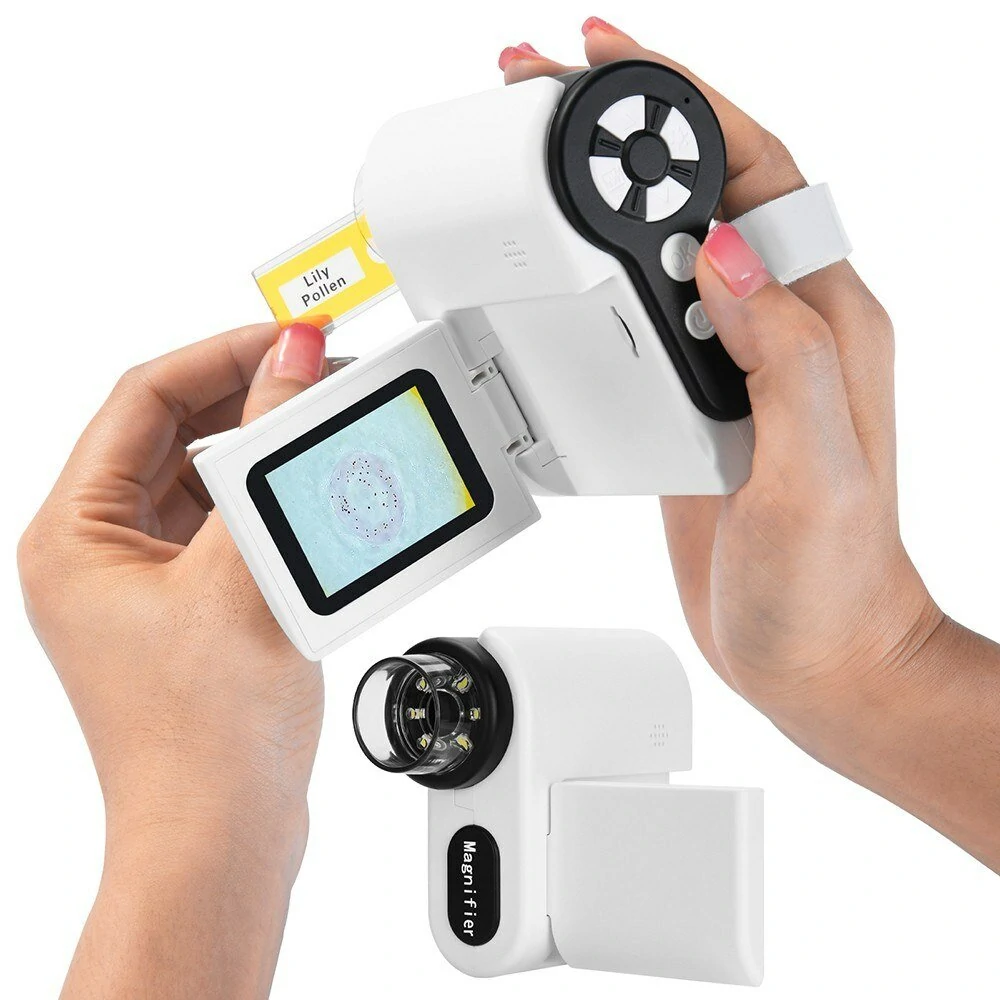
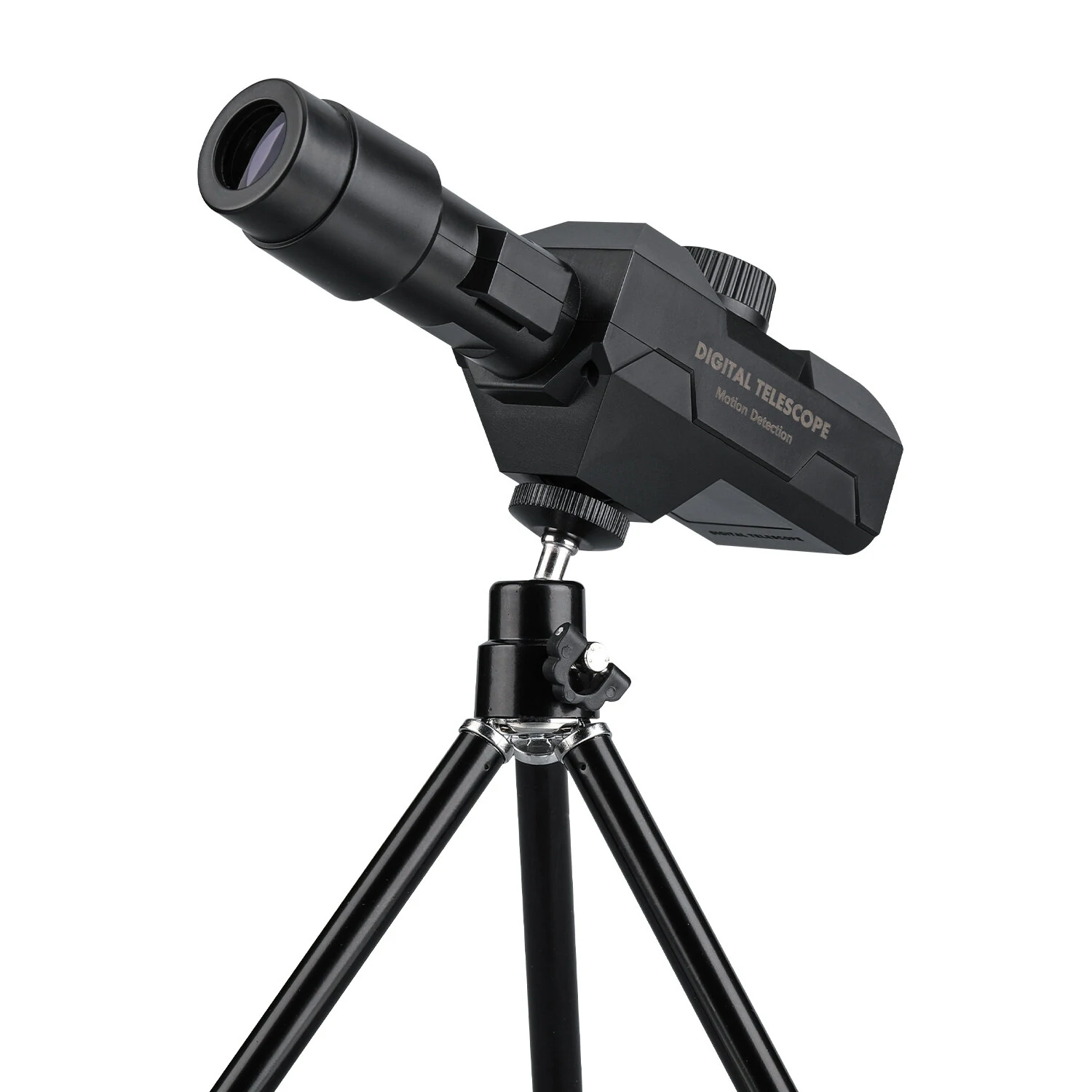
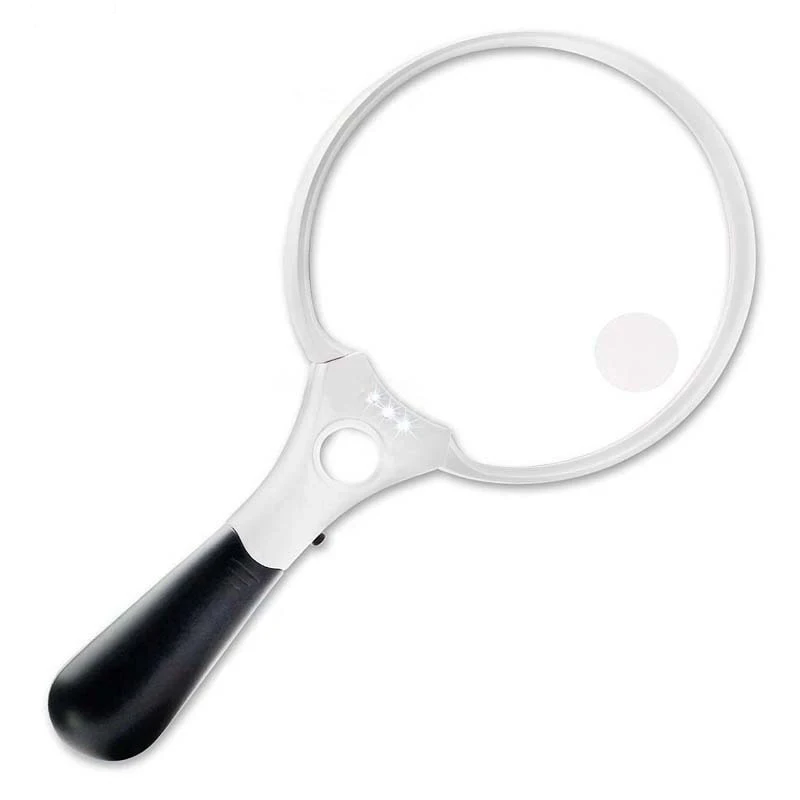
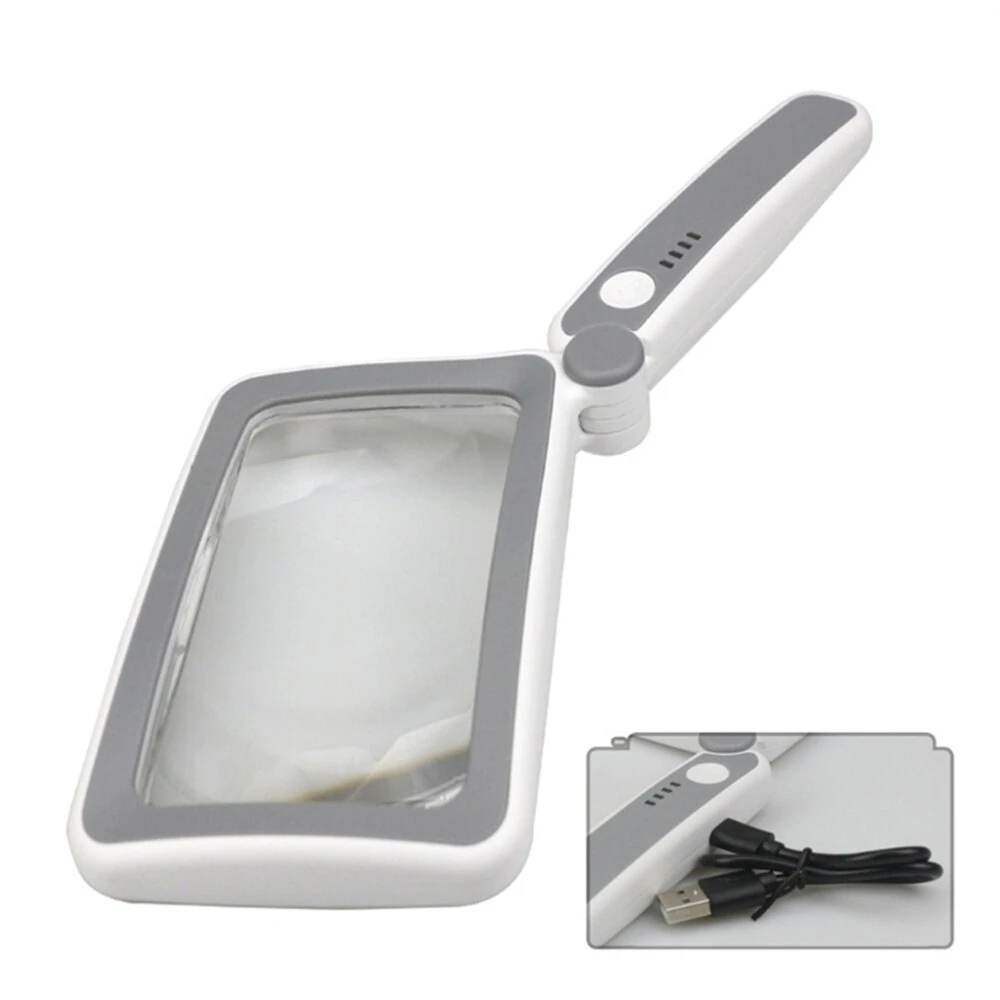
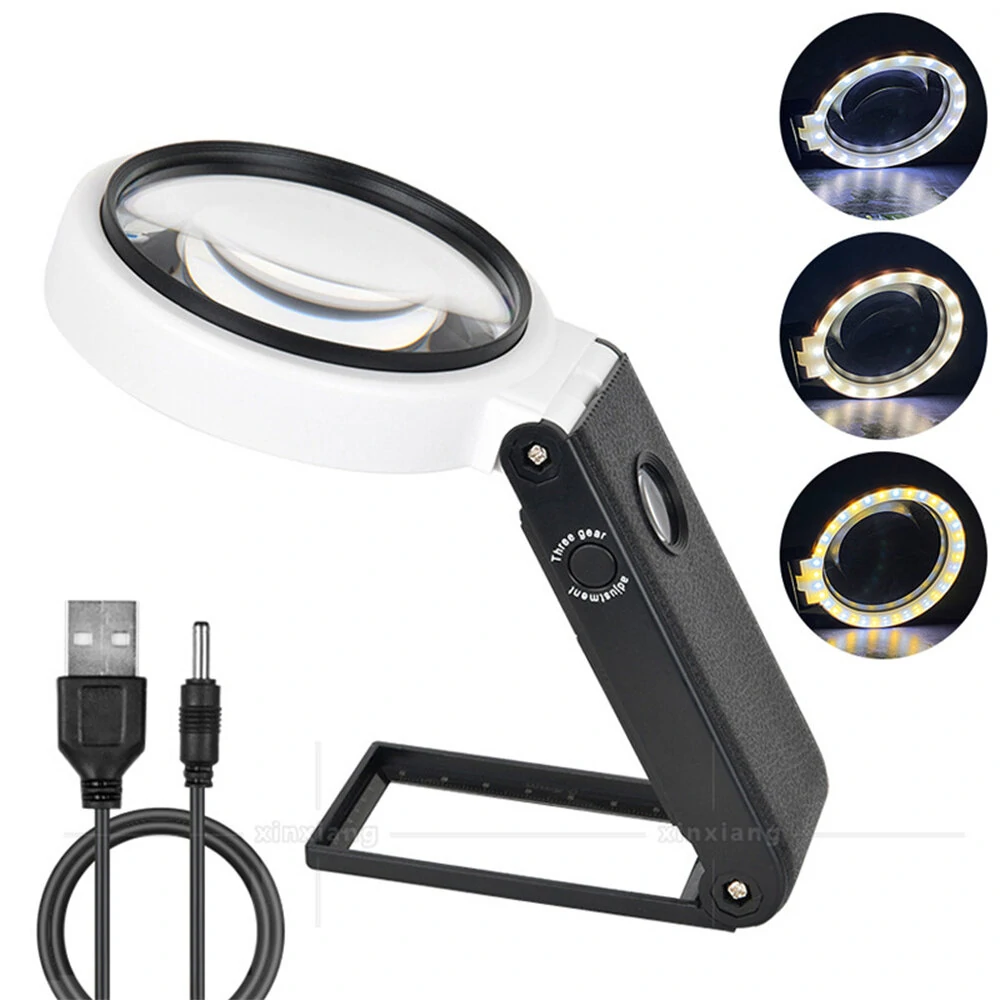
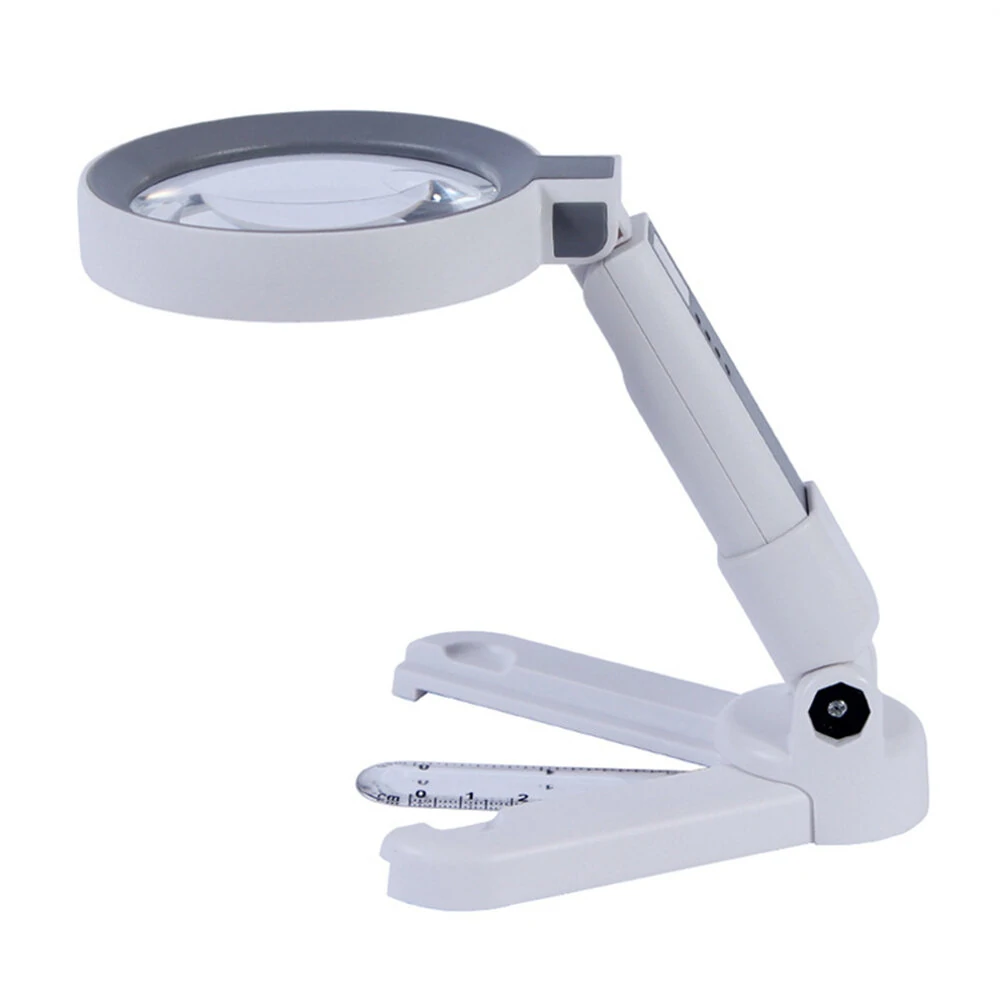
Key products in this essential category include compound and stereo microscopes for scientific research and education, revealing intricate details in biological samples, electronics, and materials. Telescopes, including refractor and reflector models, bring the cosmos within reach for astronomers of all levels. Binoculars offer portability and enhanced depth perception for birdwatching, sports events, and nature observation. Furthermore, the range extends to specialized devices like monoculars, magnifying lamps for intricate work, loupes for jewelers and dentists, and advanced optical comparators for industrial metrology.
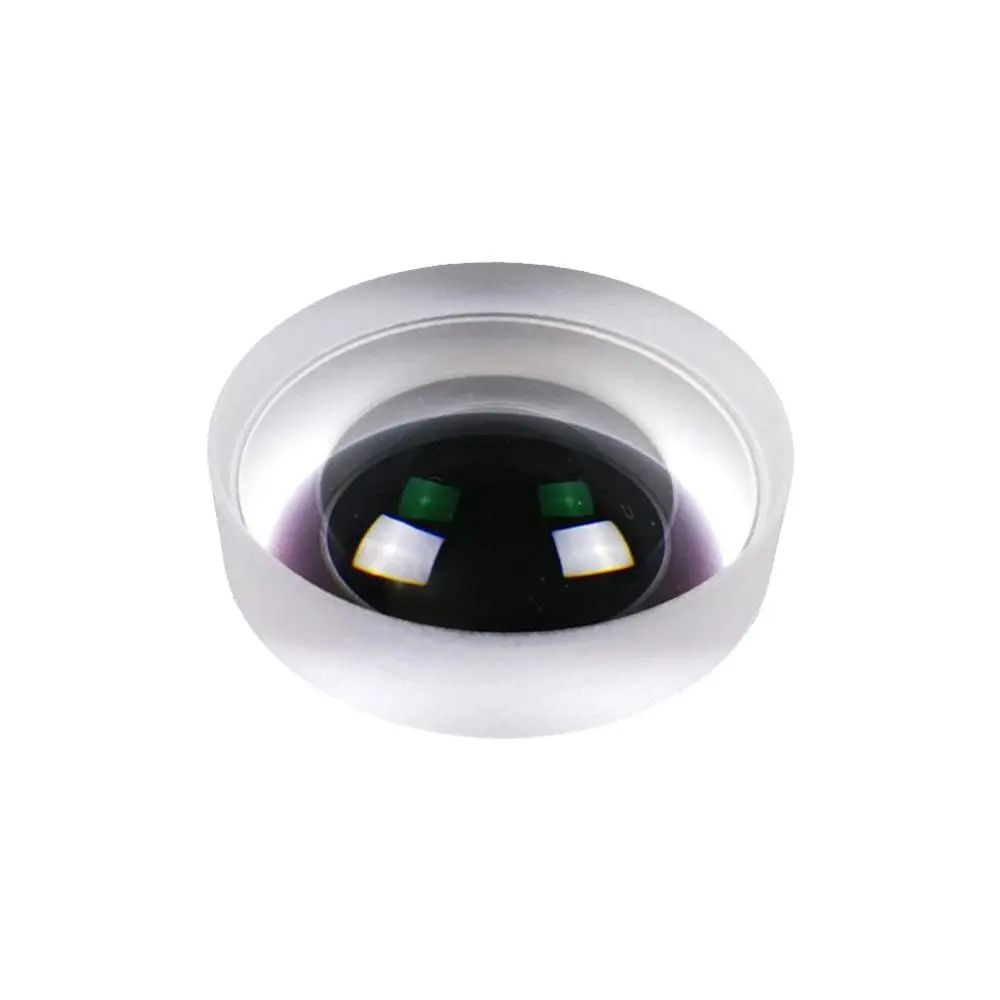
The core benefit of investing in quality optical instruments is unparalleled clarity and precision. Superior optics with multi-coated lenses minimize distortion and chromatic aberration, delivering bright, sharp, and true-color images. This translates to more accurate diagnoses in labs, detailed celestial observations, and confident identifications in the field. Whether for professional applications in healthcare, manufacturing, and research, or for personal enrichment through hobbies like astronomy and wildlife study, the right optical instrument is a transformative tool that expands perception, drives innovation, and deepens our understanding of the universe, both vast and minute.
Choosing the right optical instrument depends on your primary application and required specifications. Start by defining your main use case: high-magnification cellular imaging, long-range terrestrial viewing, or low-light astronomical observation. For microscopes, consider magnification power, illumination type (LED, halogen), and whether you need a binocular head for comfort. For telescopes, aperture size is critical—it determines light-gathering ability and resolution. For binoculars, prioritize a combination of magnification and objective lens diameter (e.g., 8x42), and look for features like waterproofing and rubber armoring for durability.
FAQ: What does 'fully multi-coated' optics mean? This indicates that all air-to-glass surfaces have multiple anti-reflective coatings, maximizing light transmission for brighter, clearer images. Is higher magnification always better? Not necessarily. Excessive magnification can reduce image brightness, stability, and field of view. Stability is key for handheld devices; for binoculars, 8x or 10x is often ideal. Can I use a telescope for terrestrial viewing? Yes, but an astronomical telescope may present an inverted image; an erecting prism is needed for correct orientation. Always balance optical quality with your budget, as superior lens and build quality significantly impact performance and longevity. Investing in reputable brands ensures reliability and access to technical support.