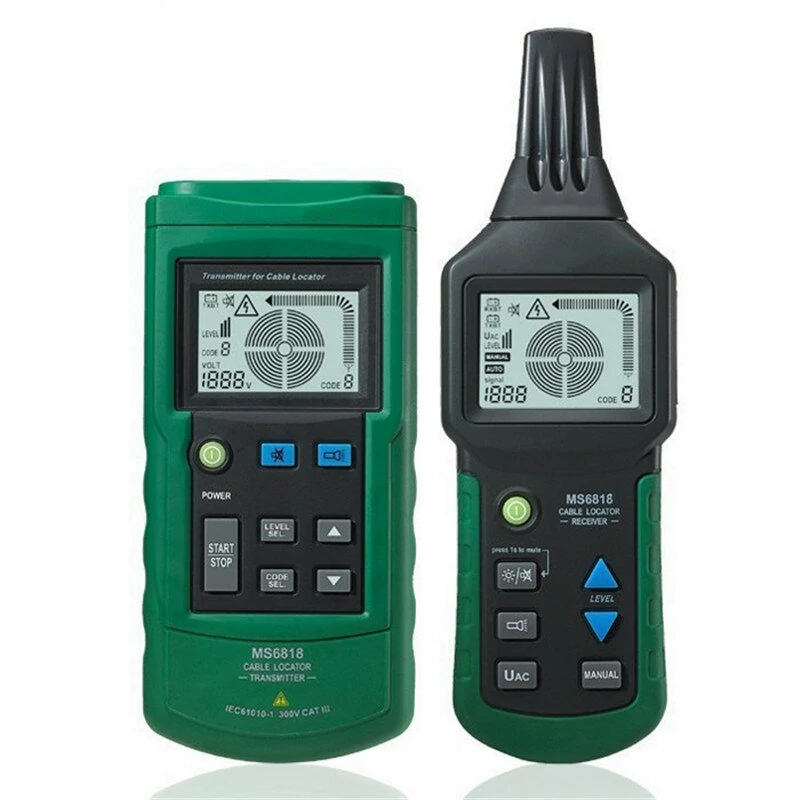
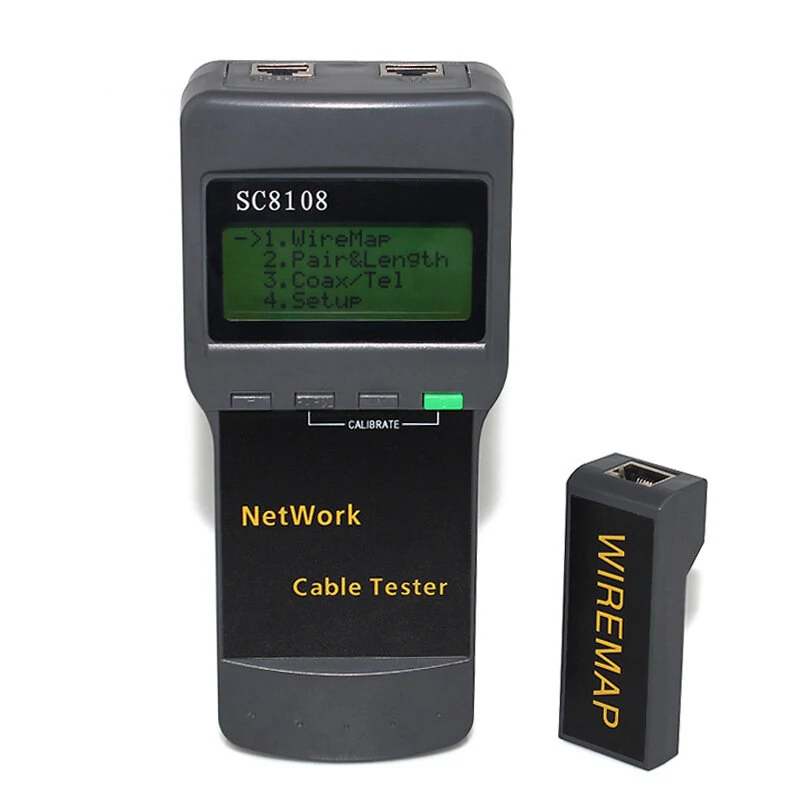
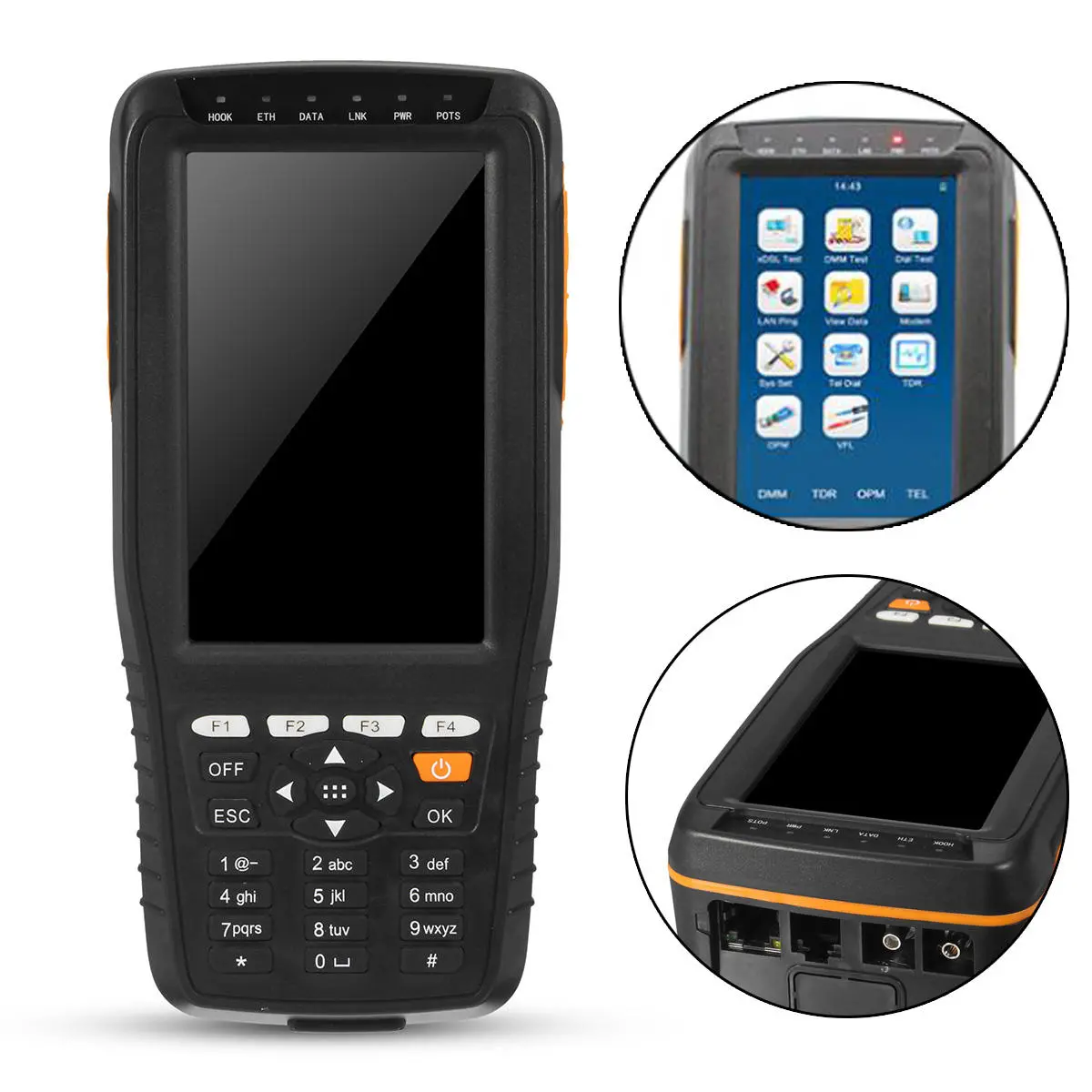
Network cable testers are indispensable tools for IT professionals, network installers, and even savvy DIYers. They are the first line of defense against network downtime, slow speeds, and connectivity headaches. At their core, these devices verify the physical integrity and performance of your Ethernet, coaxial, or fiber optic cabling. By identifying faults like opens, shorts, miswires, and split pairs, a good tester saves countless hours of frustrating troubleshooting.
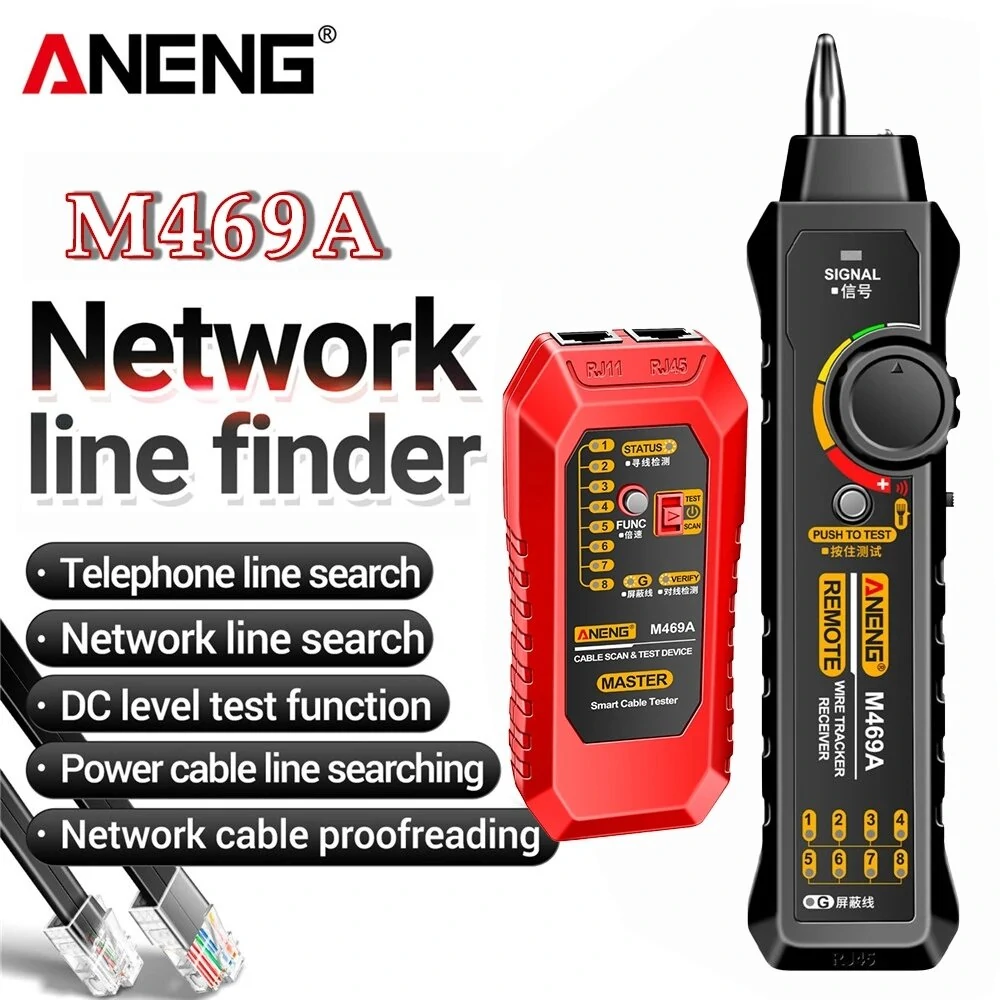
The category spans a wide range of devices to suit every need and budget. Basic **continuity testers** are affordable and perfect for quick checks of cable pinouts and simple connectivity. More advanced **wiremap testers** not only verify continuity but also detect wiring errors and provide length measurements. For professional installers, **certification testers** are the gold standard. These sophisticated tools perform comprehensive performance analysis against industry standards (like TIA/EIA), measuring critical parameters such as cable length, attenuation, crosstalk (NEXT, FEXT), and return loss to guarantee the cable plant can support specific network speeds like Gigabit or 10GbE.
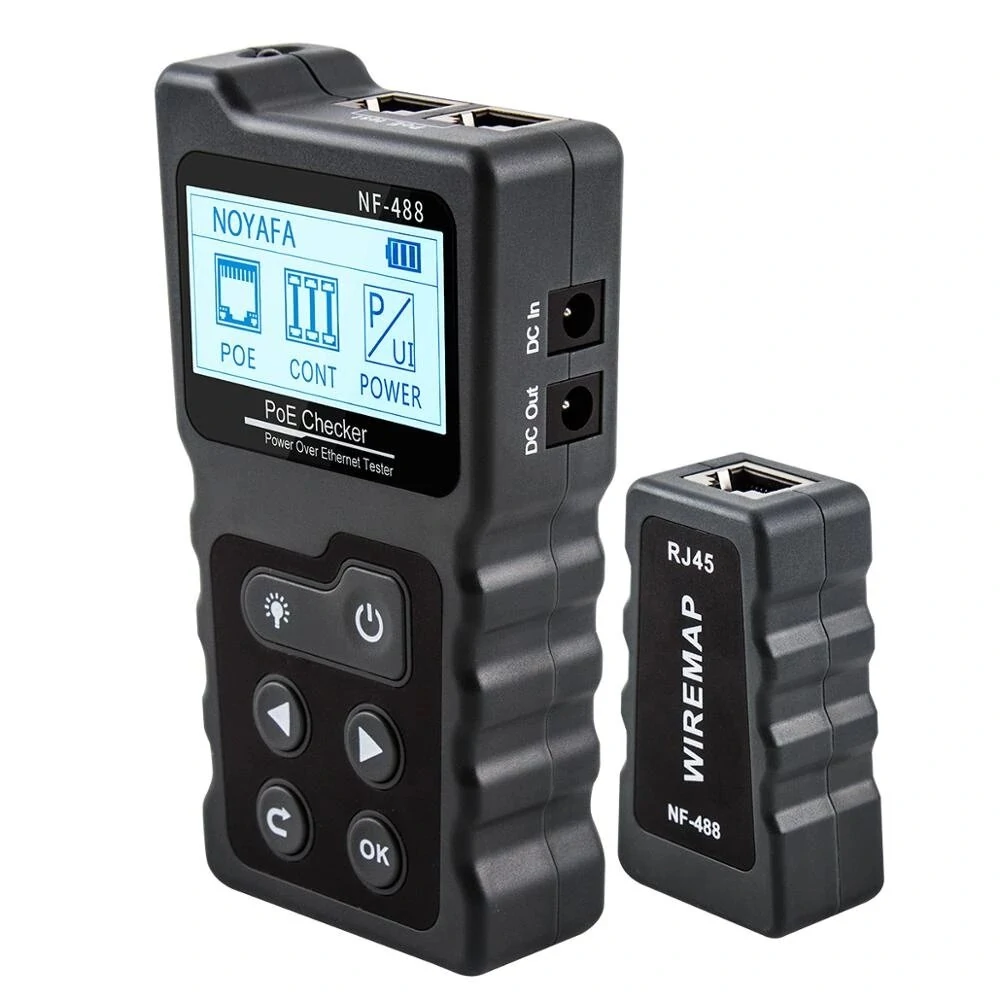
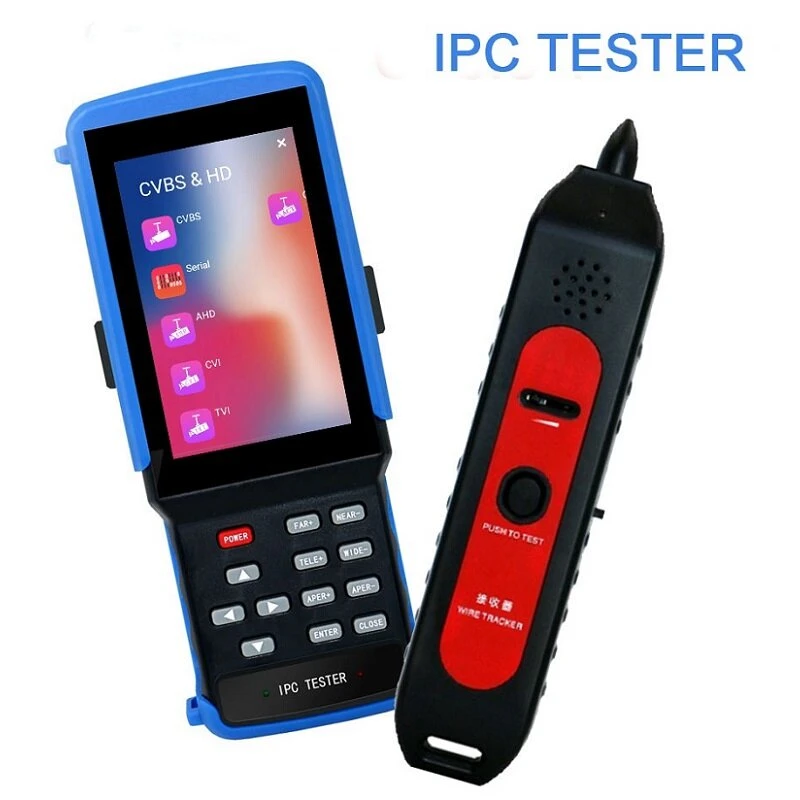
Modern testers often include valuable features like identifying remote switch ports, detecting Power over Ethernet (PoE) voltage, and tracing cables through walls or bundles. Investing in the right network cable tester means investing in network reliability, ensuring your infrastructure supports today's demands and future growth. Whether you're installing a new network, expanding an existing one, or diagnosing an intermittent fault, having the correct diagnostic tool is non-negotiable for maintaining optimal network health and performance.
**Choosing the Right Network Cable Tester: A Quick Guide**
**1. What is your primary use?** For simple 'pass/fail' checks on patch cables, a basic continuity tester suffices. For new installations or troubleshooting complex issues, a wiremapper or certification tester is essential.
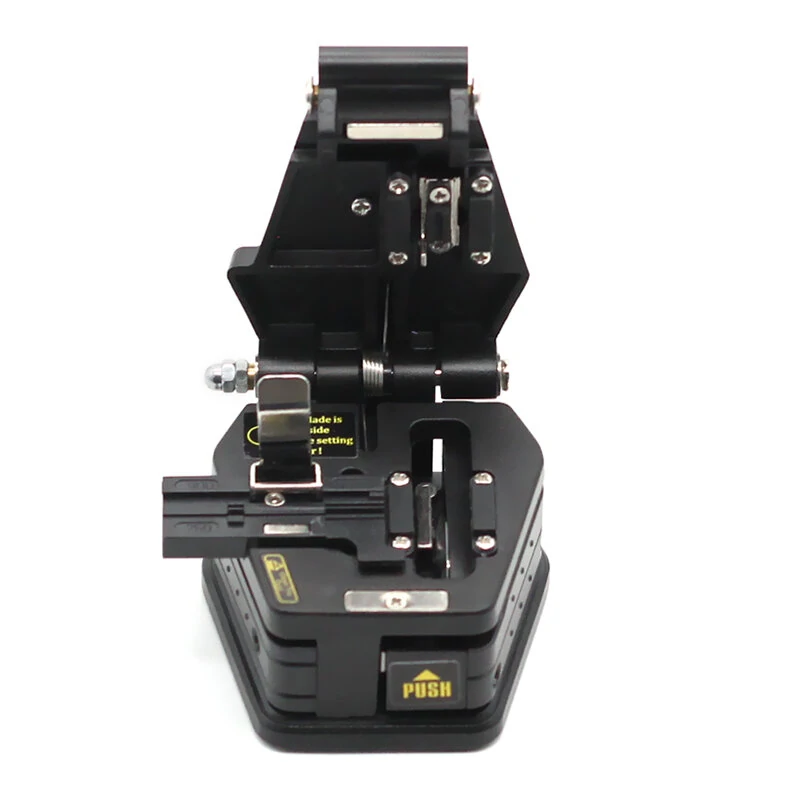
**2. What cable types do you need to test?** Ensure the tester supports the cables you use: Cat5e, Cat6, Cat6A, Cat7, or even coaxial and fiber optic (which often require specialized testers).
**3. Do you need performance certification?** If you're a contractor or need to guarantee cable performance for high-speed applications, a TDR-based certification tester is a necessary investment.
**4. Consider key features:** Look for PoE detection, cable length measurement, remote ID capabilities, and a clear, backlit display. Durability and a good warranty are also crucial for professional tools.
**FAQ:**
**Q: Can a network cable tester tell me my internet speed?**
A: No. Testers diagnose the physical cable and connection. Internet speed tests measure data throughput, which is affected by your ISP, router, and switches.
**Q: How do I test a permanently installed cable run?**
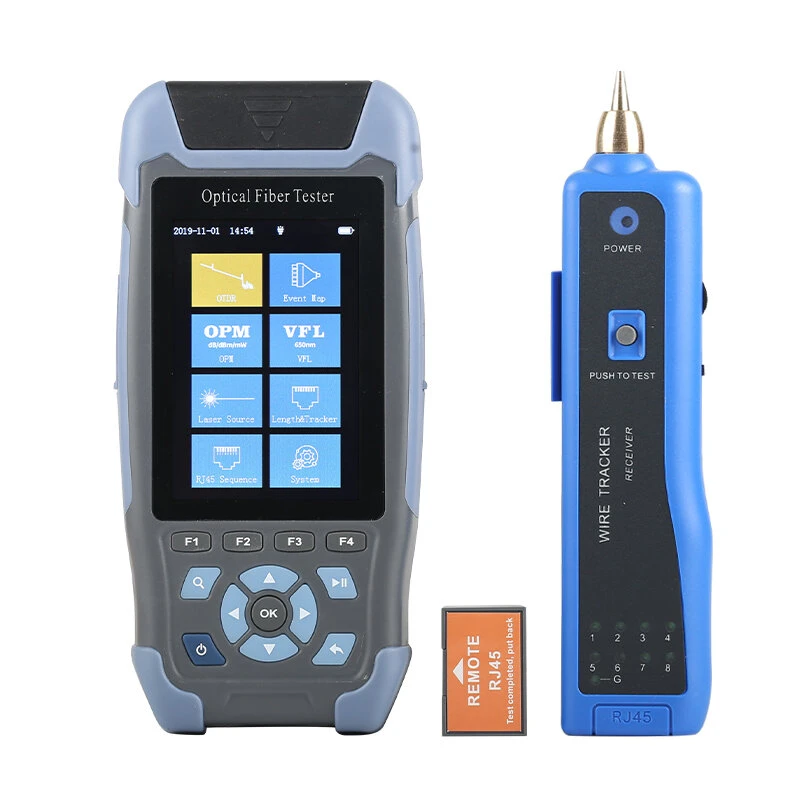
A: You'll need a tester with a main unit and a remote loopback unit (often sold separately) to plug into each end of the run.
**Q: What does 'wiremap' mean?**
A: It verifies that each of the eight wires in an Ethernet cable is correctly connected to the corresponding pin on both RJ45 connectors, with no mismatches or shorts.
By answering these questions and matching the tool to your task, you can select a network cable tester that delivers confidence and efficiency for every job.