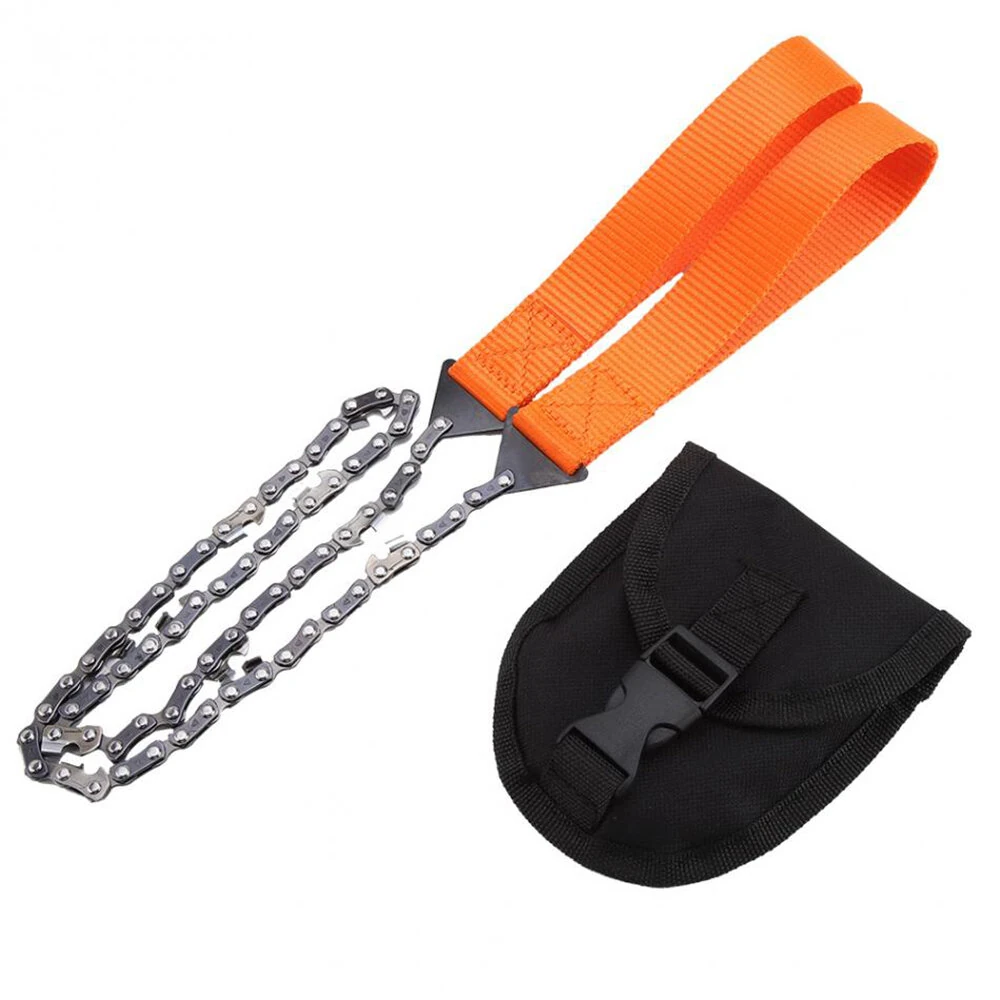
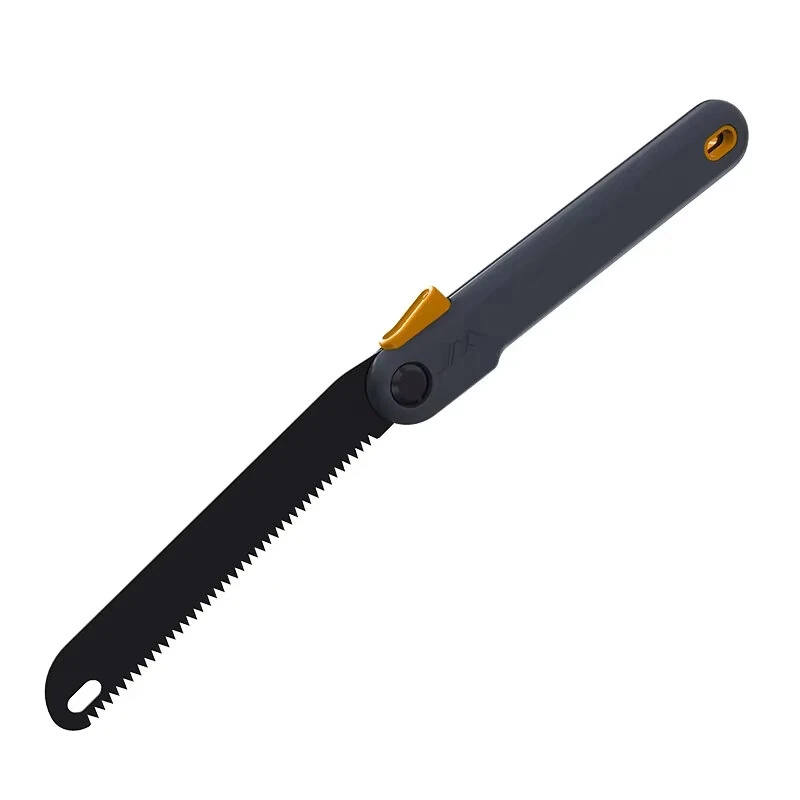
Choosing the right saw is fundamental to the success and safety of any cutting project, from simple DIY home repairs to complex professional woodworking. The category of 'saws' encompasses a vast array of tools, each engineered for specific materials, cuts, and user skill levels. Understanding the key types and their applications is the first step toward making an informed purchase and achieving clean, precise results every time.
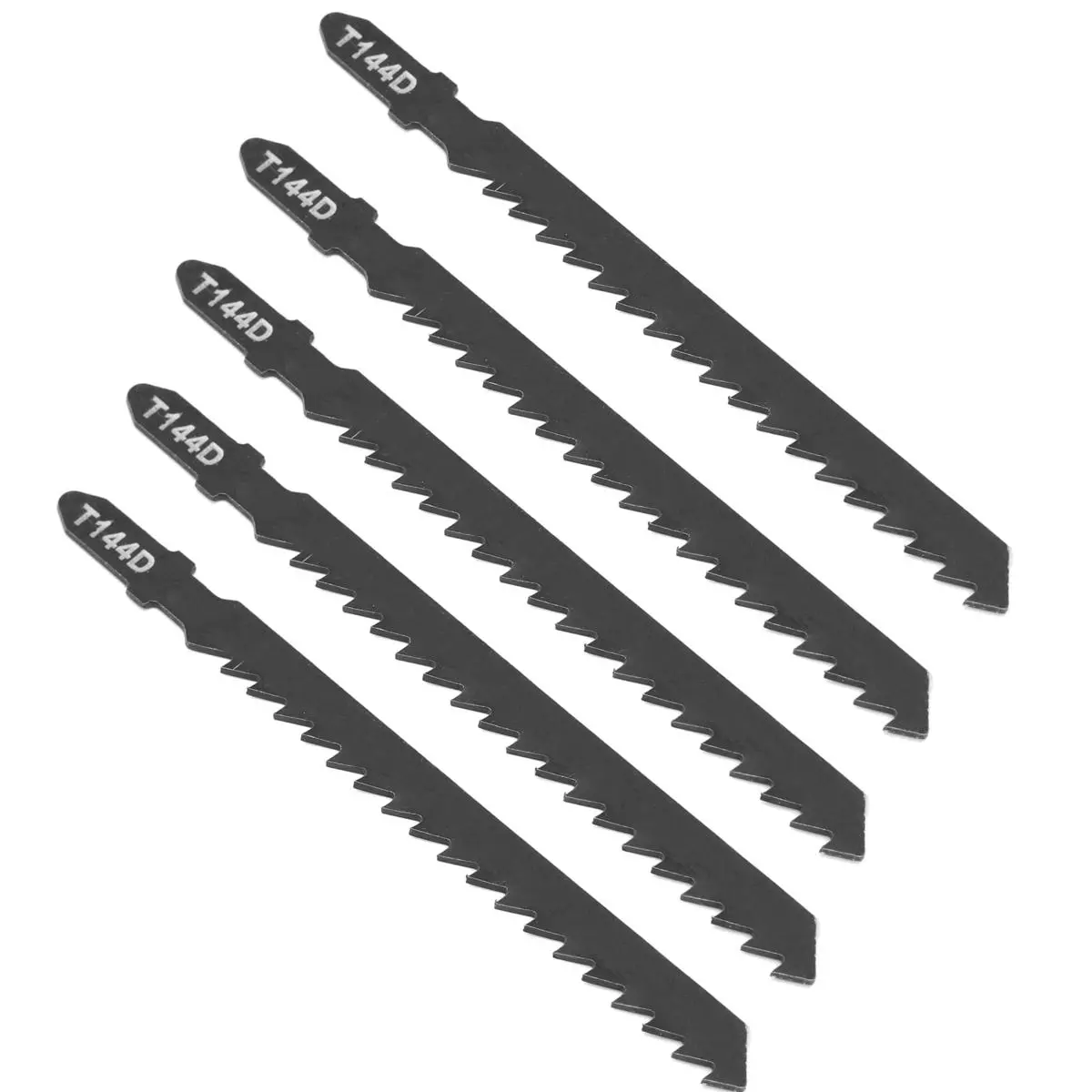
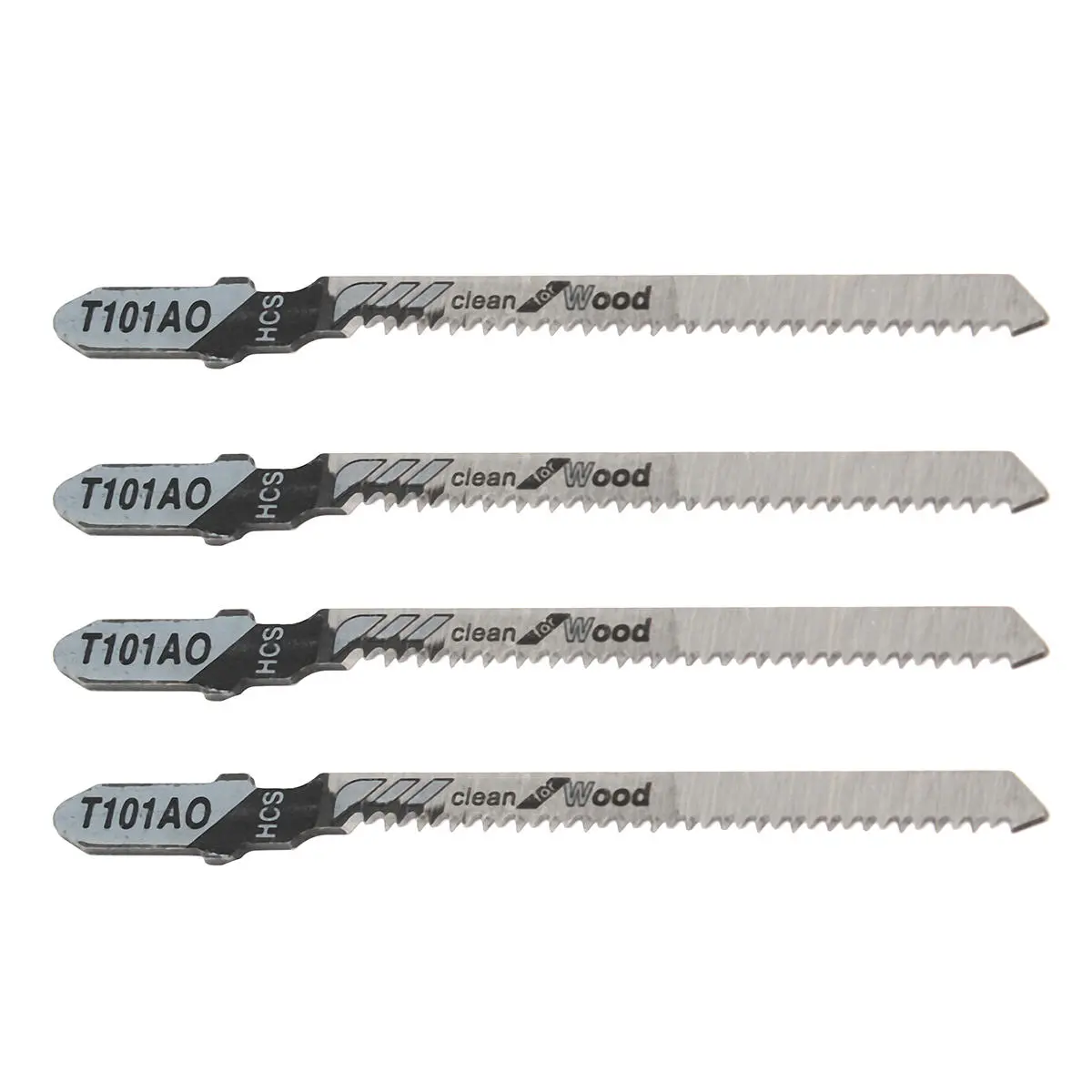
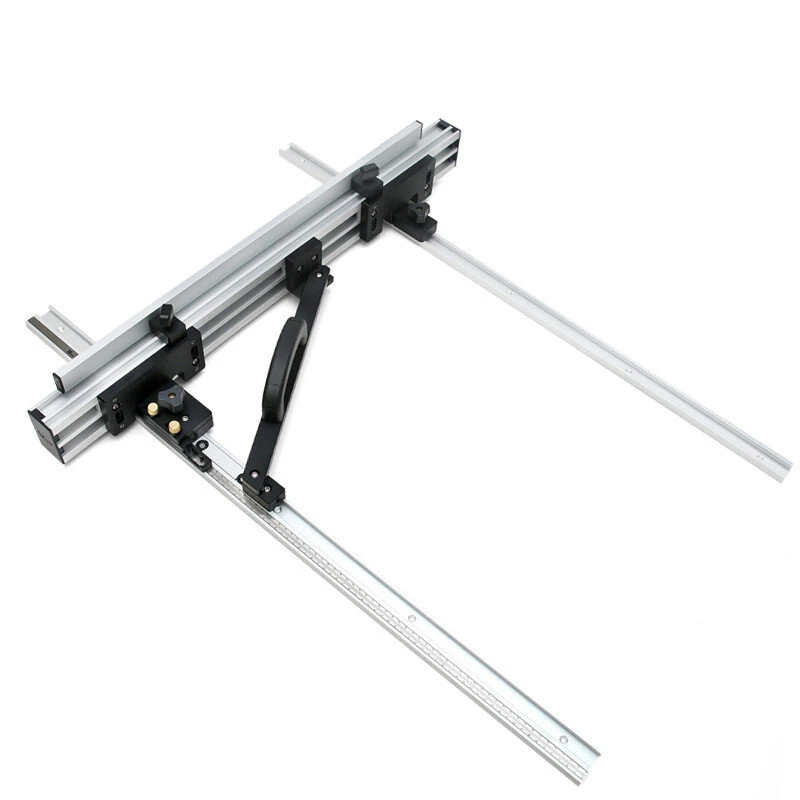
Power saws dominate for efficiency and versatility. The circular saw is the quintessential all-rounder, perfect for making long, straight cuts in lumber and sheet goods. For intricate curves and detailed shapes, a jigsaw is indispensable. When demolition or pruning is the task, a powerful reciprocating saw (Sawzall) makes quick work of wood, metal, and pipe. For the ultimate in precision and repeatability, a table saw is the cornerstone of any serious workshop, enabling perfectly straight rip cuts and dados.
Hand saws, on the other hand, offer portability, quiet operation, and fine control. A classic crosscut hand saw is perfect for quick trimming jobs, while a backsaw and miter box provide accurate angled cuts without power. Specialized saws like hacksaws for metal or coping saws for tight curves fill essential niches. The primary benefits of investing in the correct saw include increased project accuracy, significant time savings, enhanced user safety through proper tool application, and the sheer satisfaction of a job done right with the optimal tool for the task.
**Buying Guide & FAQ**
**Q: What is the most versatile saw for a beginner?**
**A:** A quality cordless circular saw is often the best starting point. It handles a wide range of straight cuts in wood and, with the right blade, other materials. Pair it with a jigsaw for curved cuts, and you can tackle most common projects.
**Q: How do I choose between corded and cordless?**
**A:** Corded saws offer consistent, unlimited power for heavy-duty, prolonged use. Cordless saws provide unmatched portability and convenience for jobsites without easy power access. For most homeowners, a modern cordless tool with a high-voltage battery platform is more than sufficient.
**Q: What should I look for in a saw blade?**
**A:** The blade is critical. Match the blade's material (carbide-tipped for longevity) and tooth count to your material: fewer teeth for faster, rougher cuts (ripping); more teeth for smoother, slower cuts (crosscutting and finish work). Always ensure the blade's arbor size matches your saw.
**Key Consideration:** Always prioritize safety. Wear appropriate eye and hearing protection, understand the tool's kickback zone, and use guides or clamps to secure your workpiece. Your first investment should be in knowledge and safety gear to ensure every cut is a safe one.