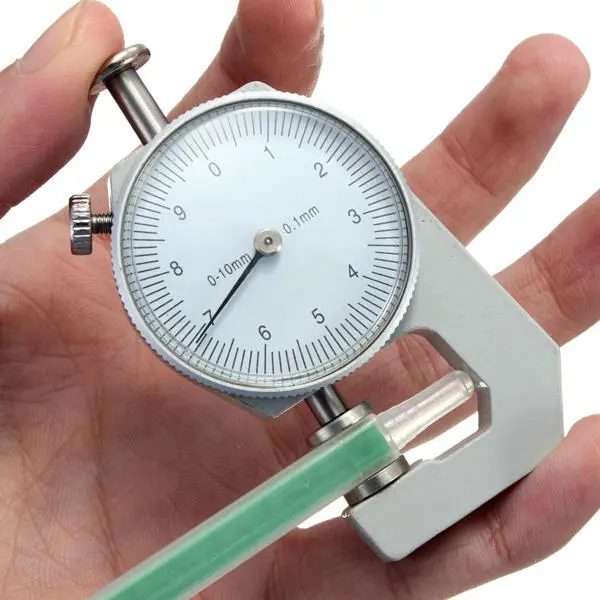
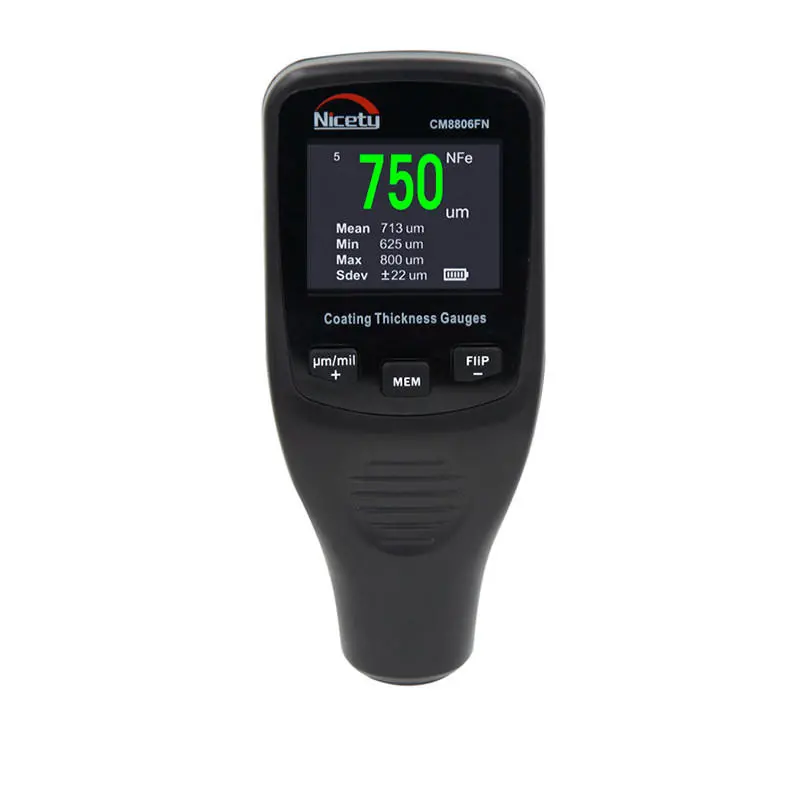
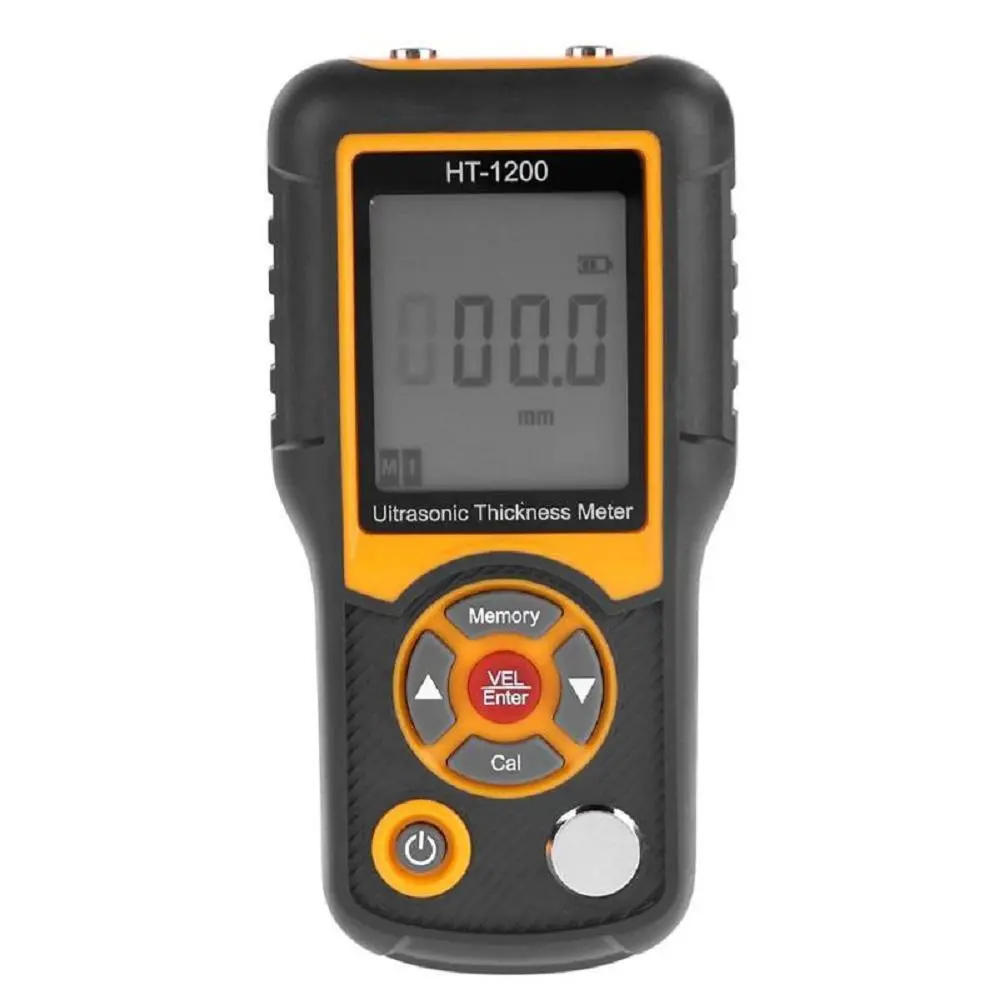
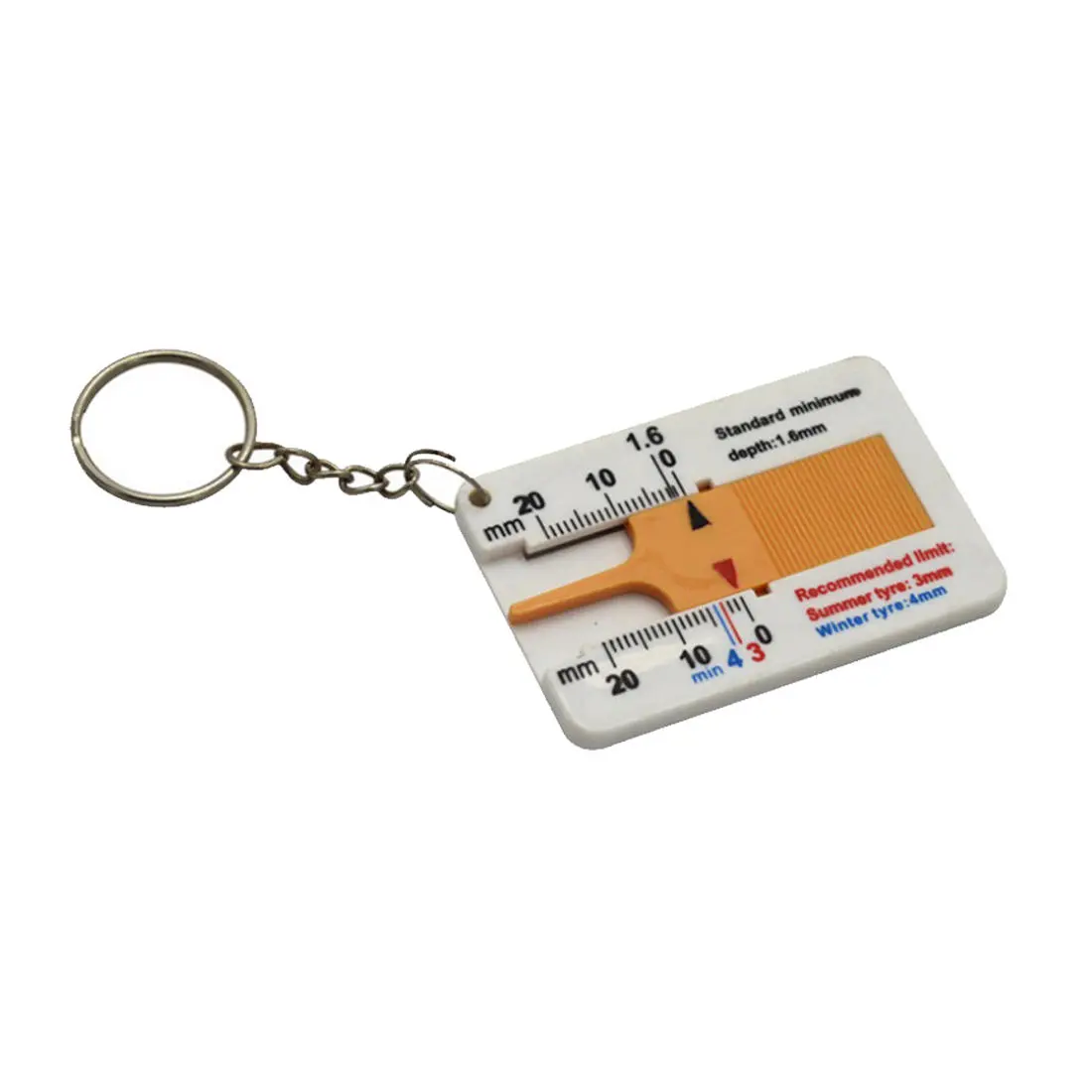
In any project, from fine woodworking to large-scale construction, accuracy is non-negotiable. Measuring and gauging tools are the fundamental instruments that transform guesswork into precision, ensuring every cut, fit, and assembly meets exact specifications. This category encompasses a wide range of devices designed to quantify dimensions, angles, depths, and levels with remarkable accuracy. For professionals and dedicated DIY enthusiasts alike, investing in the right measuring tools is the first critical step toward a successful and professional-quality finish.
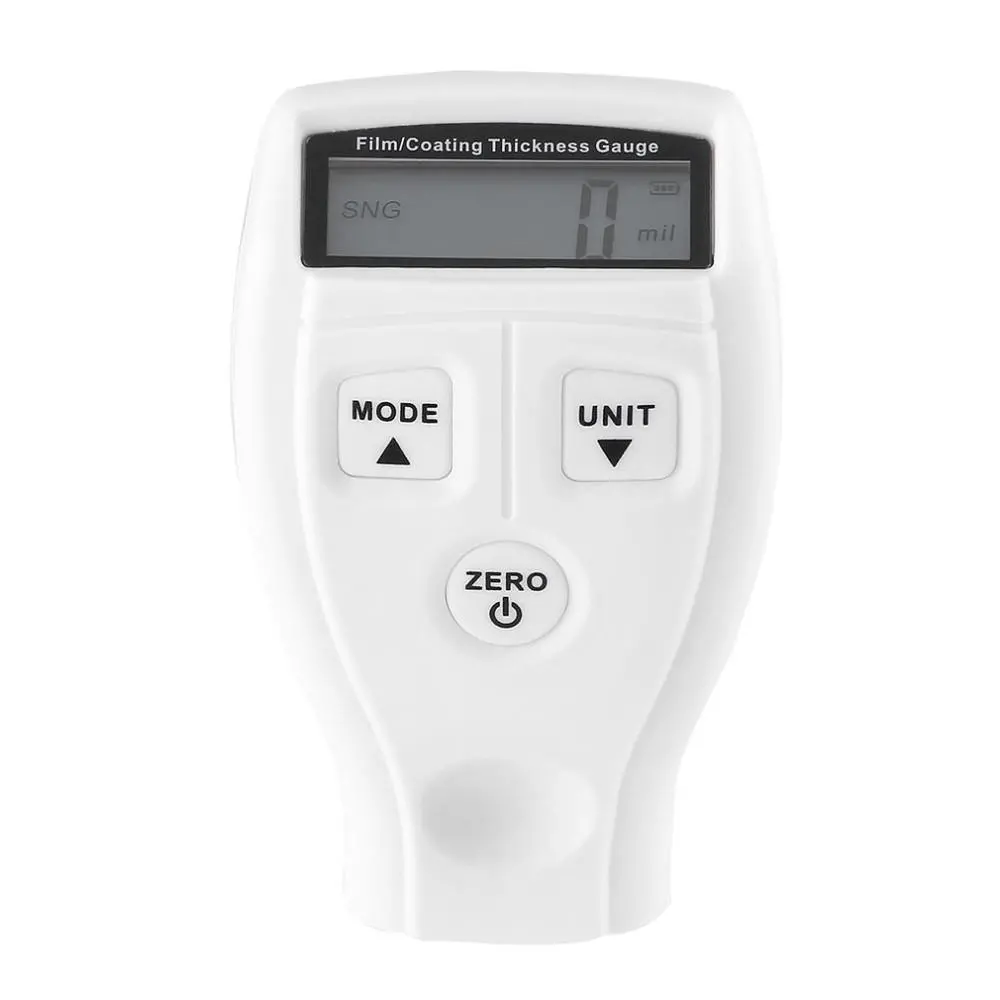
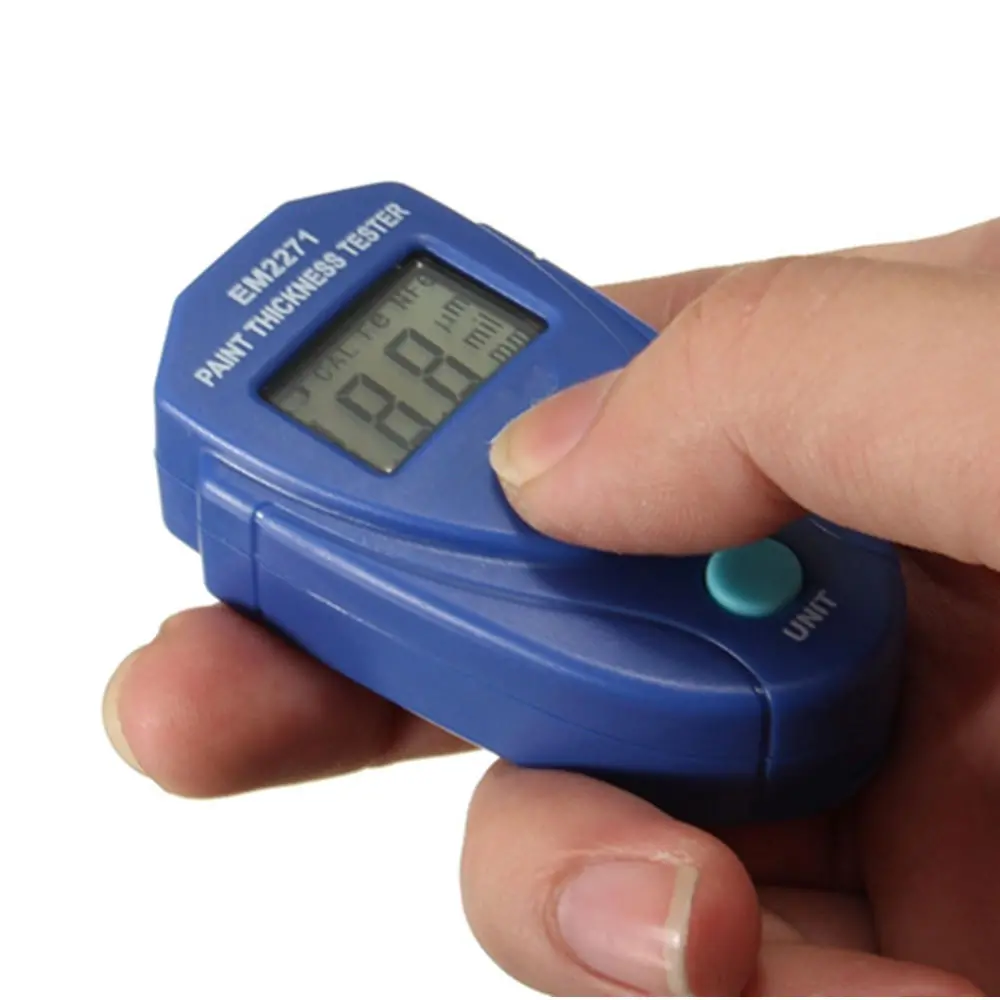
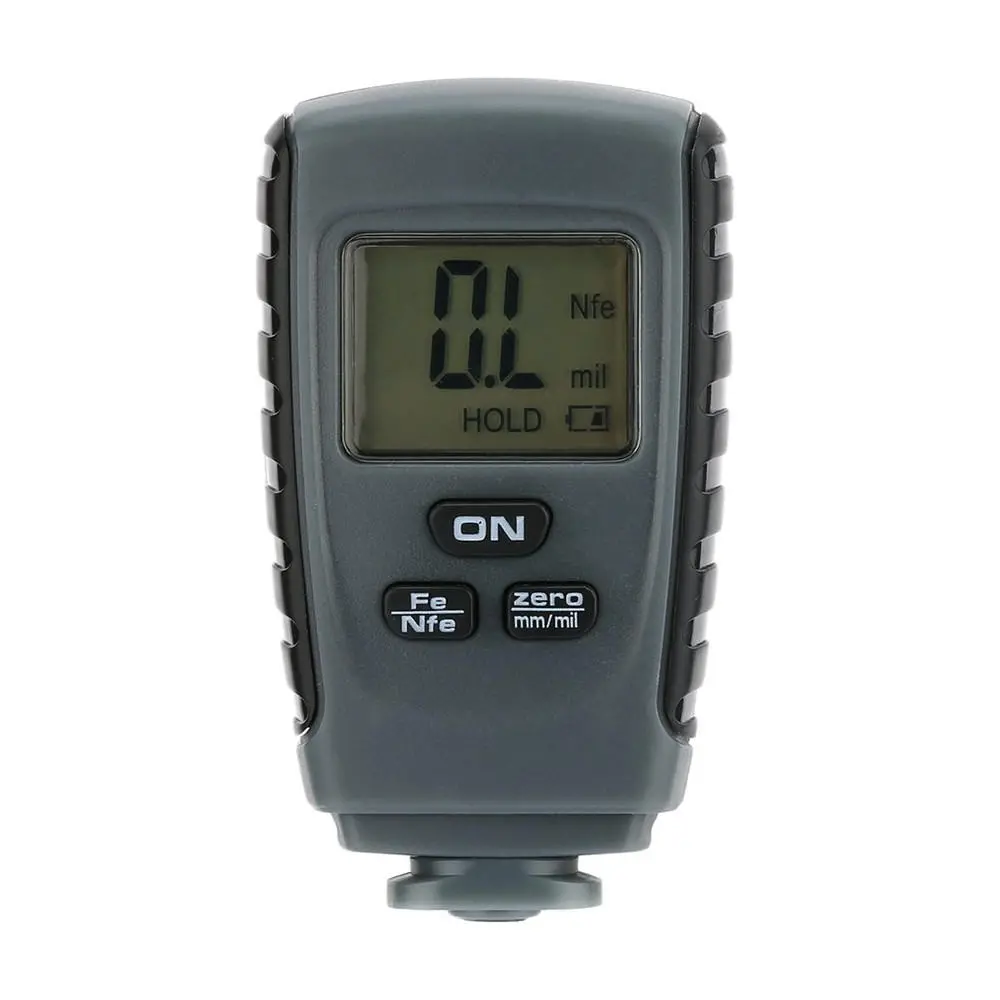
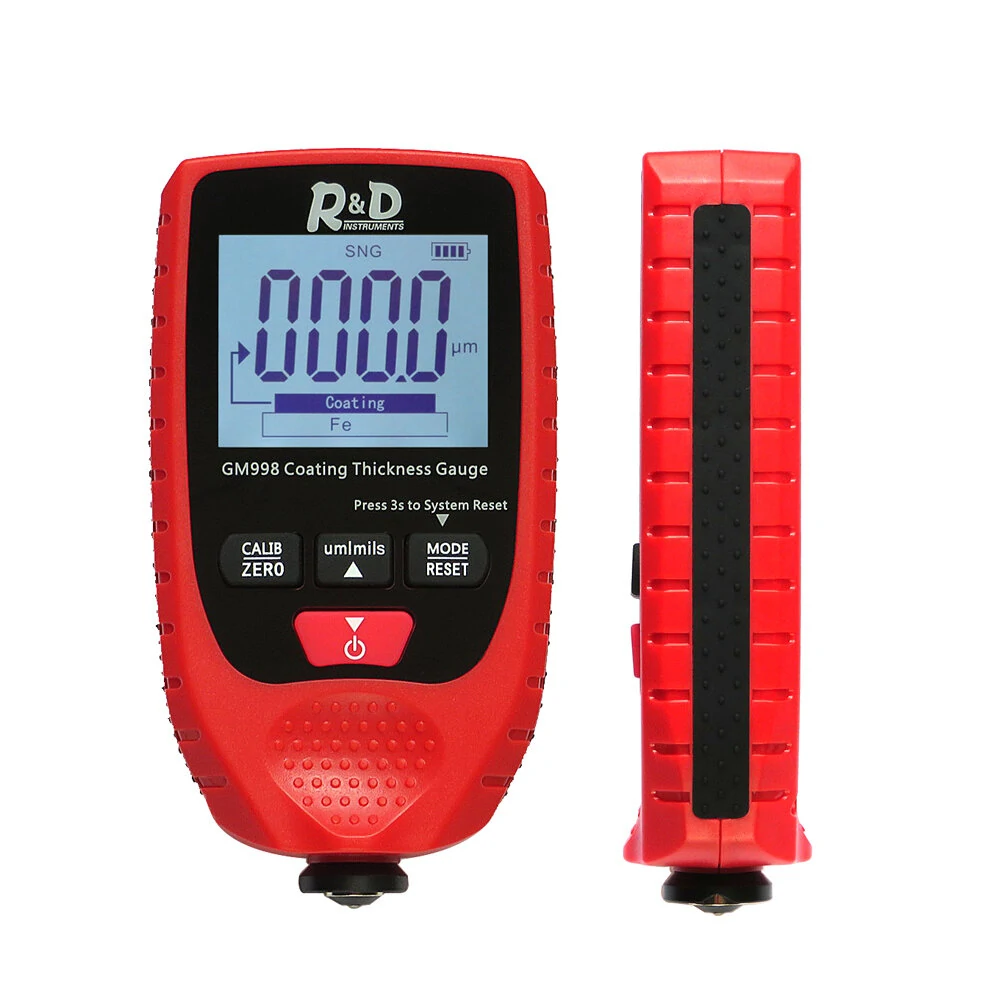
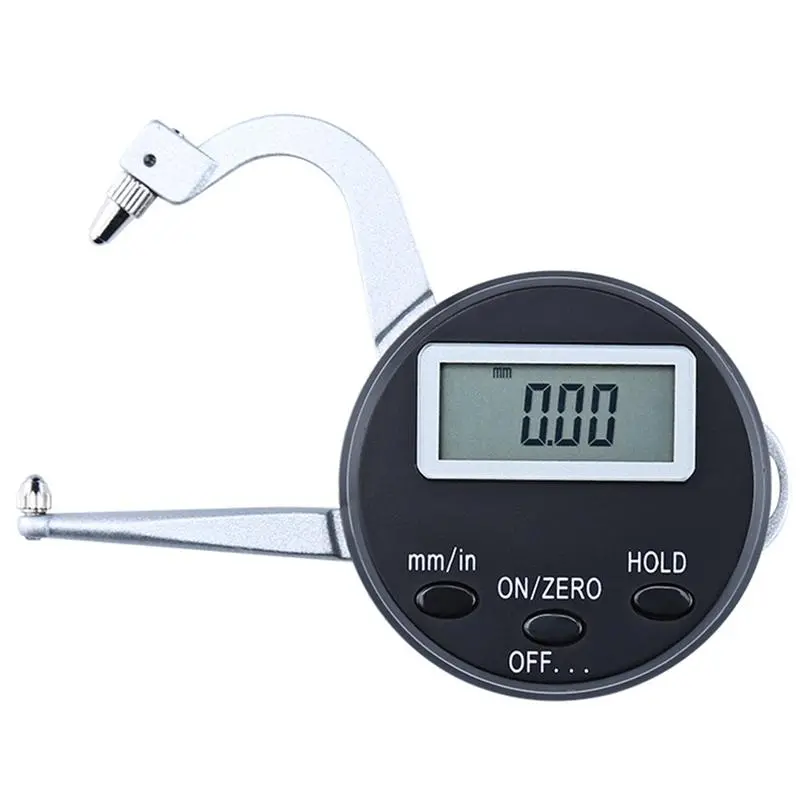
Key products in this essential category include versatile tape measures for quick linear measurements, precision calipers (digital, dial, and vernier) for internal, external, and depth measurements, and highly accurate micrometers for measuring tiny dimensions to thousandths of an inch or hundredths of a millimeter. Spirit levels and laser levels are indispensable for establishing true horizontal and vertical planes, while specialized tools like feeler gauges, bore gauges, and angle finders address specific technical needs. Modern advancements have also introduced digital laser distance measures, which provide fast, highly accurate long-distance readings with advanced calculation functions.
The primary benefit of using proper measuring and gauging tools is the elimination of costly errors and material waste. They provide repeatable consistency, which is vital for quality control in manufacturing and craftsmanship. Using precise tools boosts confidence, improves efficiency, and elevates the overall quality of your work. Whether you're framing a house, machining a part, or building custom furniture, reliable measurement is the cornerstone of excellence.
Choosing the right measuring tool depends on your specific application and required precision. For general carpentry and home projects, a quality tape measure and a sturdy spirit level are essential starters. For machining, engineering, or detailed woodworking, invest in a good set of digital calipers and a micrometer. Consider the measurement range, resolution (e.g., 1/16", 0.001"), and durability. Digital tools offer easy reading and often have data output, while analog tools don't require batteries.
FAQ: **Q: What's the difference between a caliper and a micrometer?** A: Calipers are versatile for inside, outside, and depth measurements over a moderate range (typically 0-6"). Micrometers are for extremely precise external or depth measurements over a smaller range (e.g., 1") and offer higher resolution. **Q: Are laser measures better than tape measures?** A: Laser measures excel for long distances, solo work, and calculating area/volume quickly. Tape measures are better for short, tactile measurements and marking directly. **Q: How do I ensure my tools remain accurate?** A: Store tools properly in protective cases, avoid dropping them, and clean measuring surfaces regularly. For critical precision tools, periodic calibration against a known standard is recommended. Always check the tool's zero point before use.