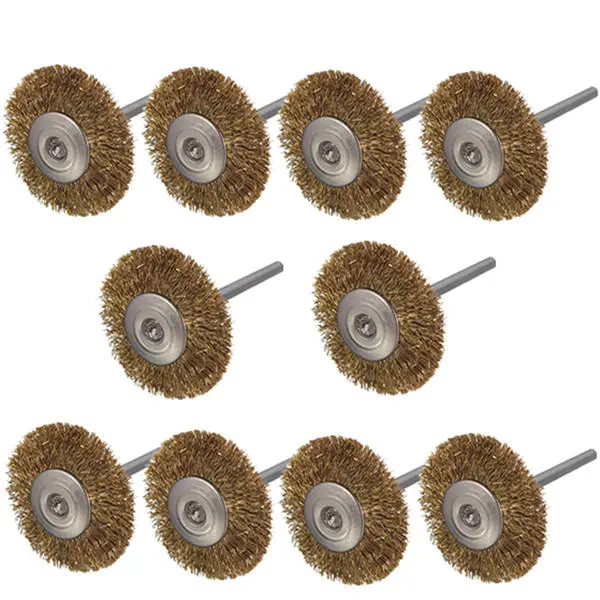
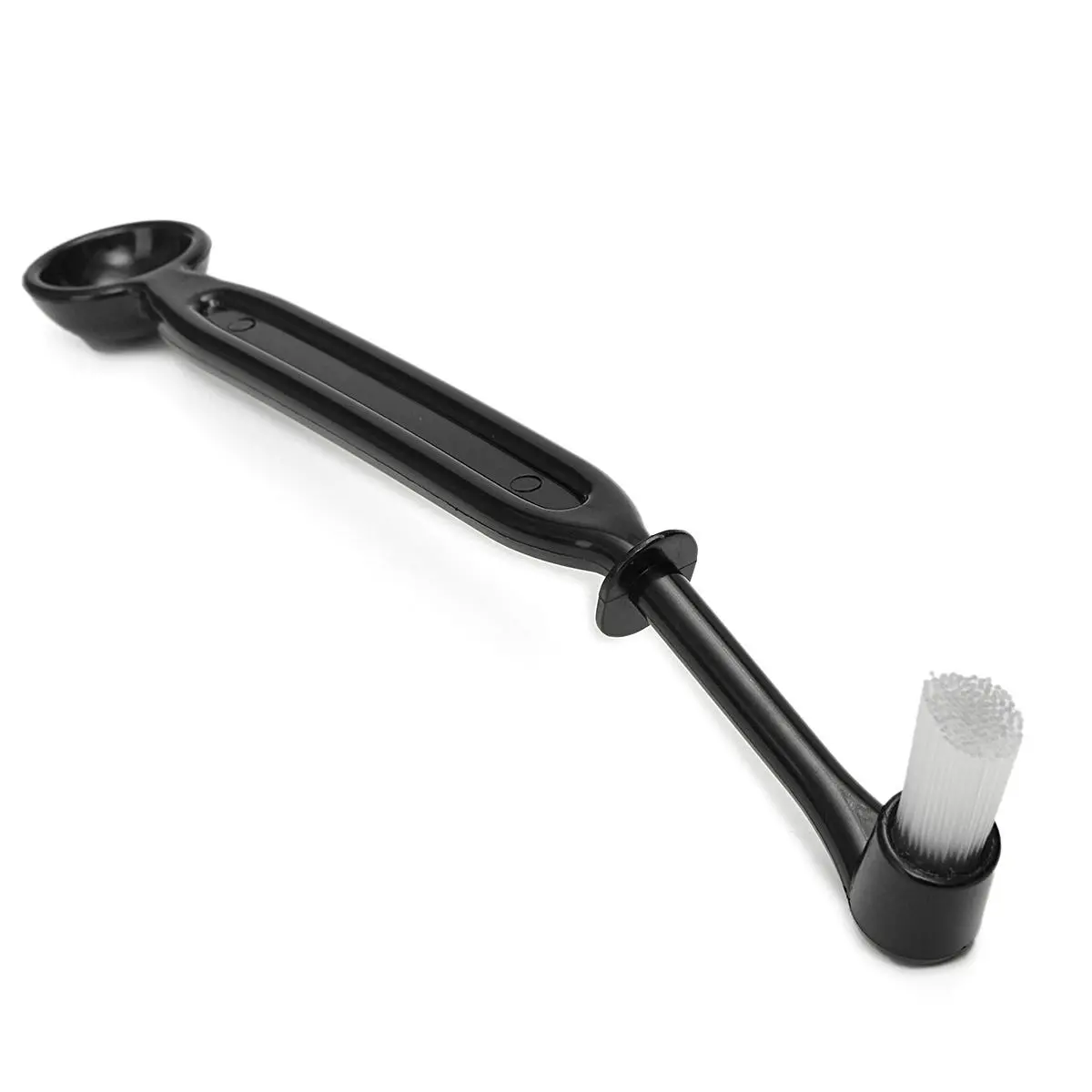
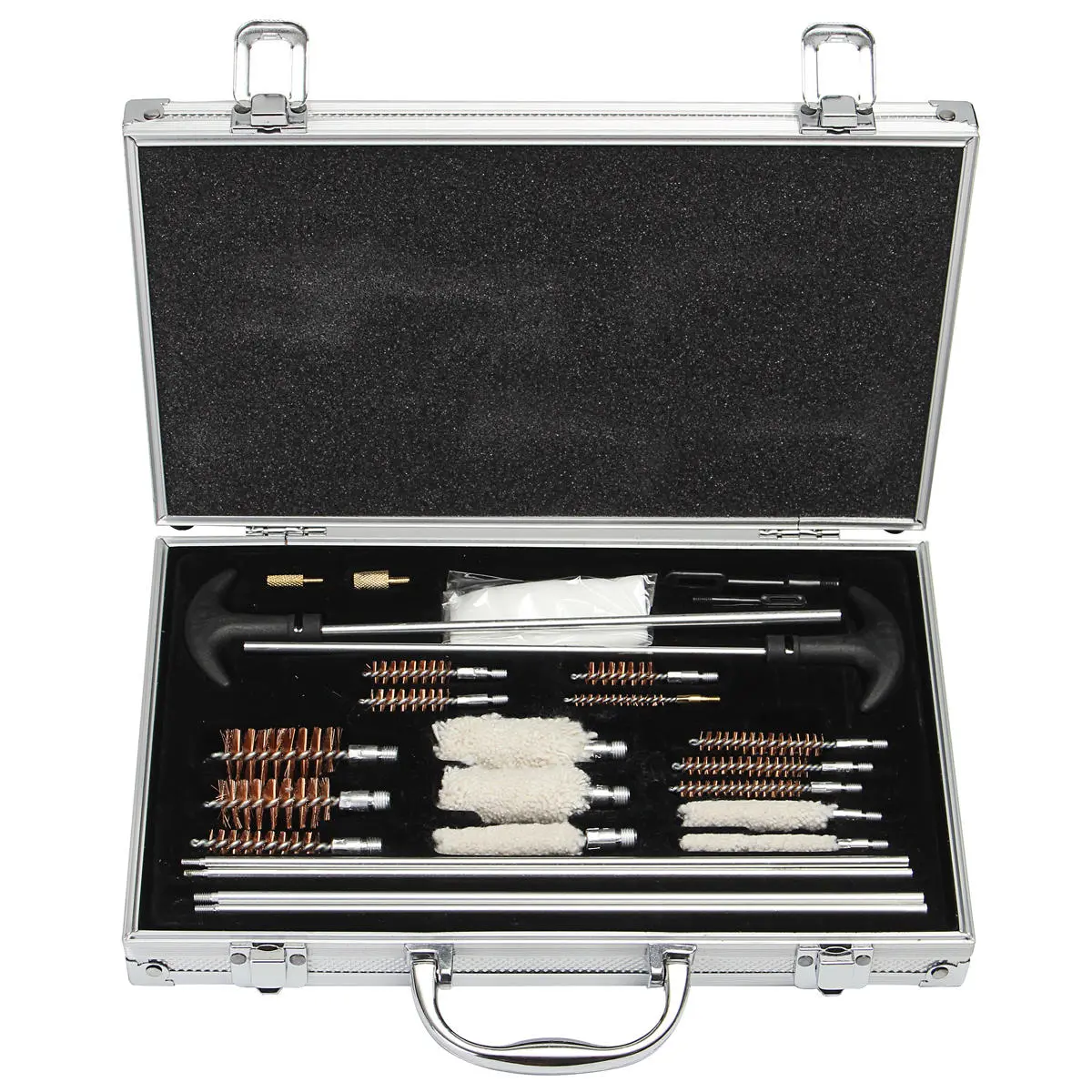
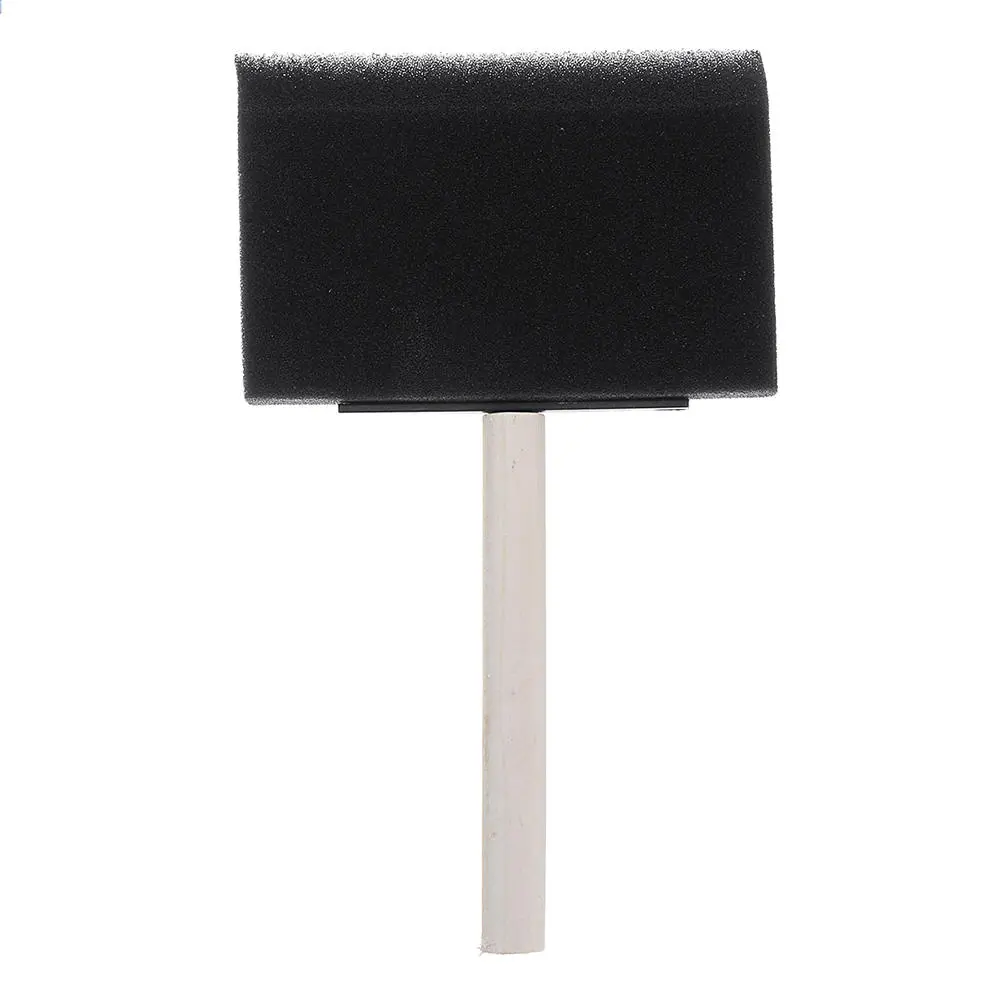
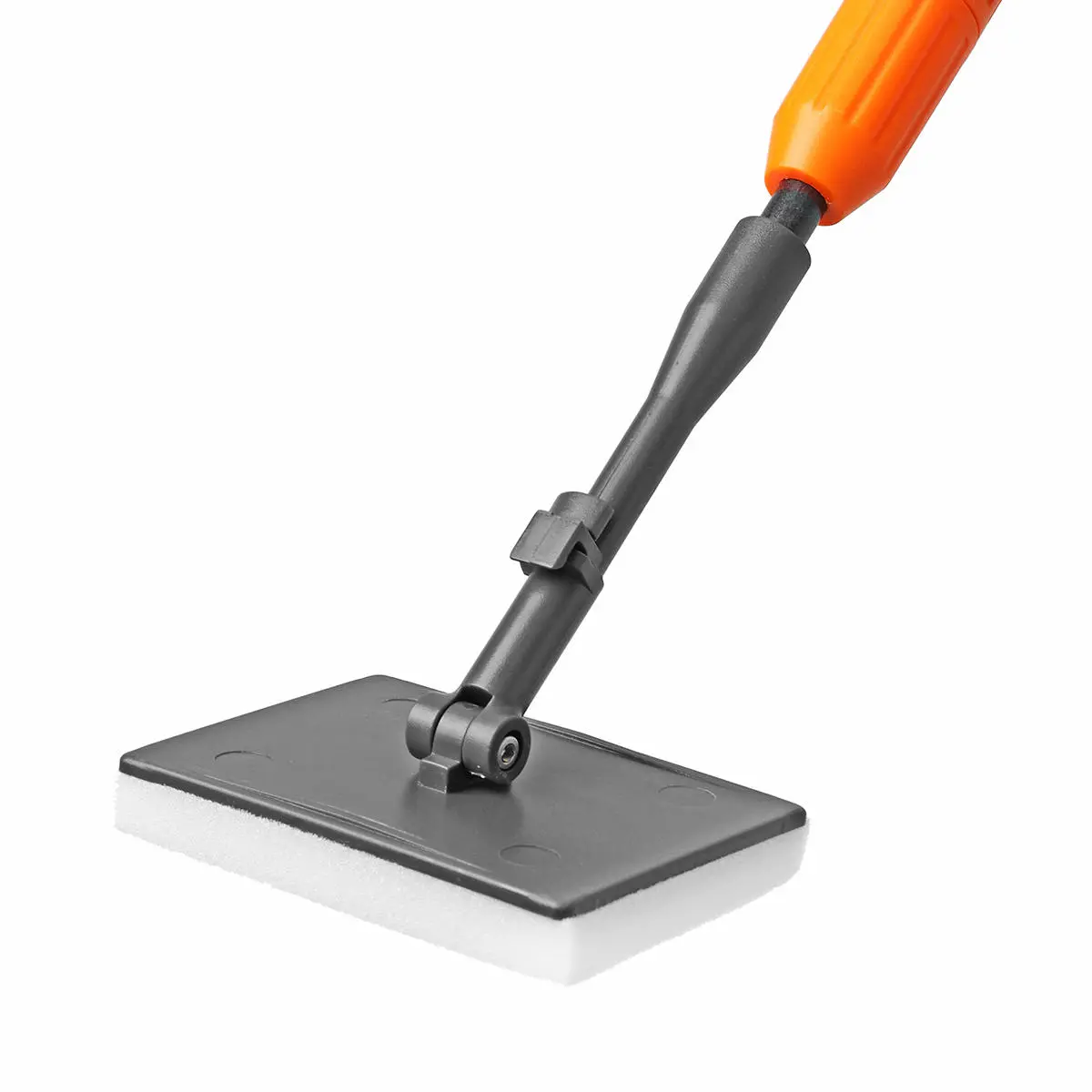
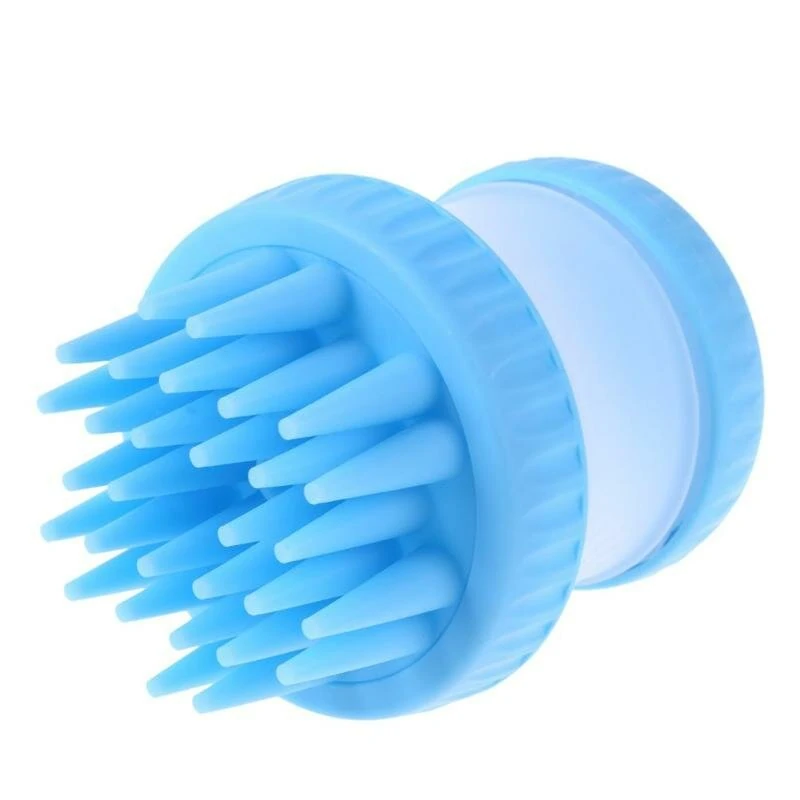
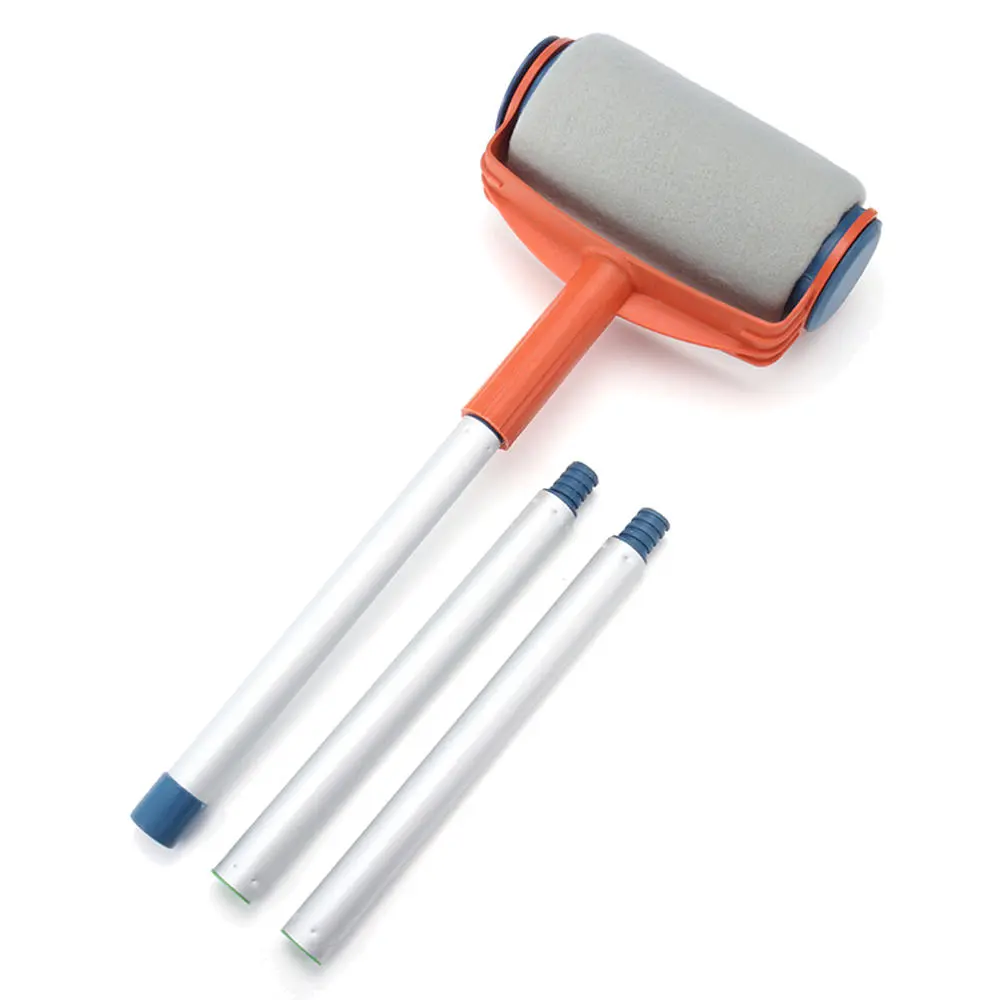
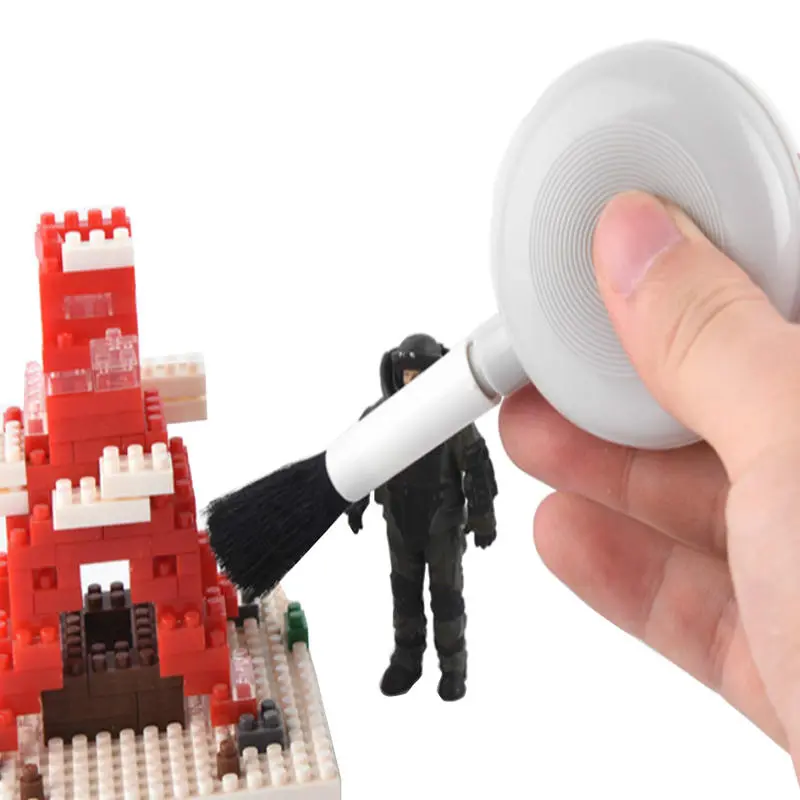
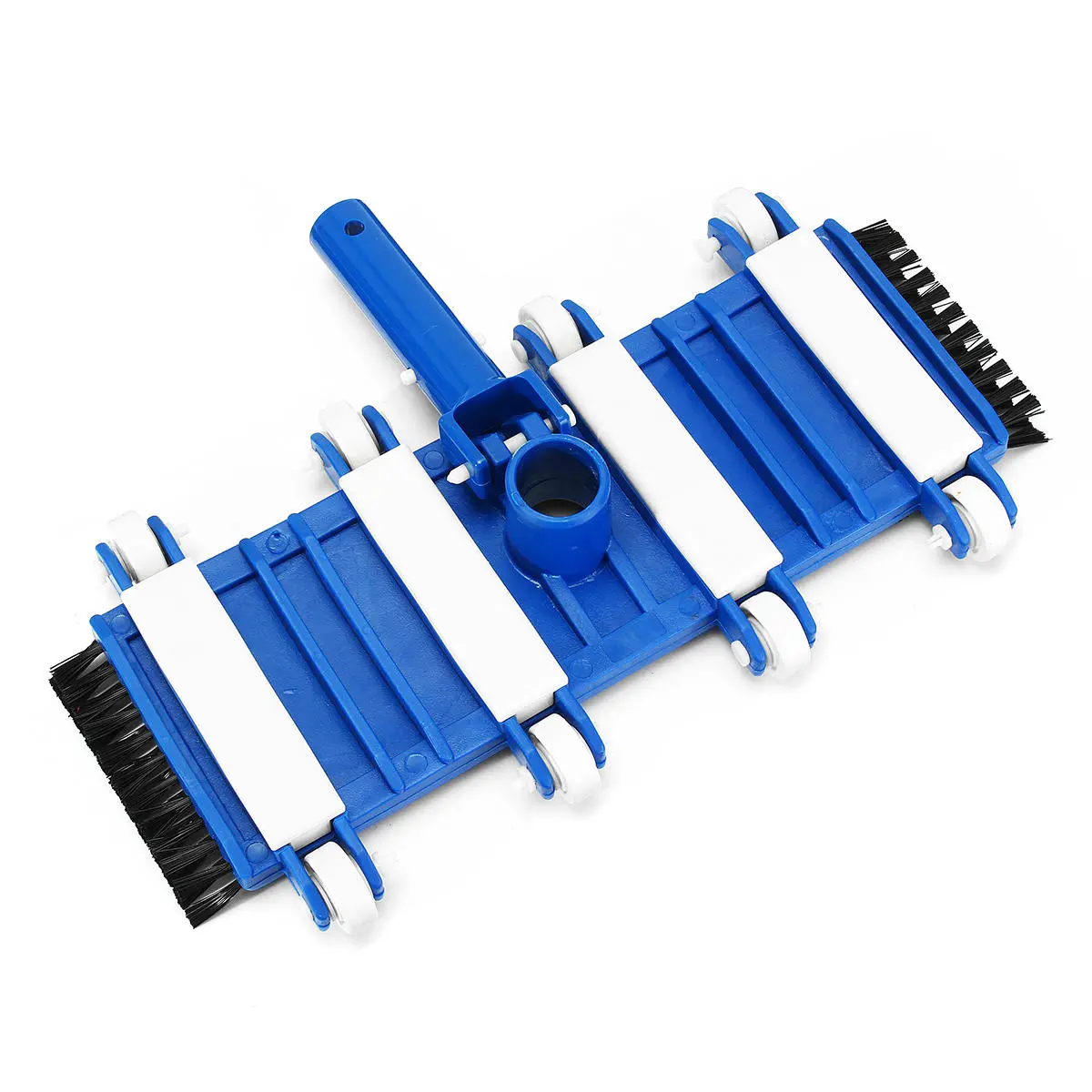
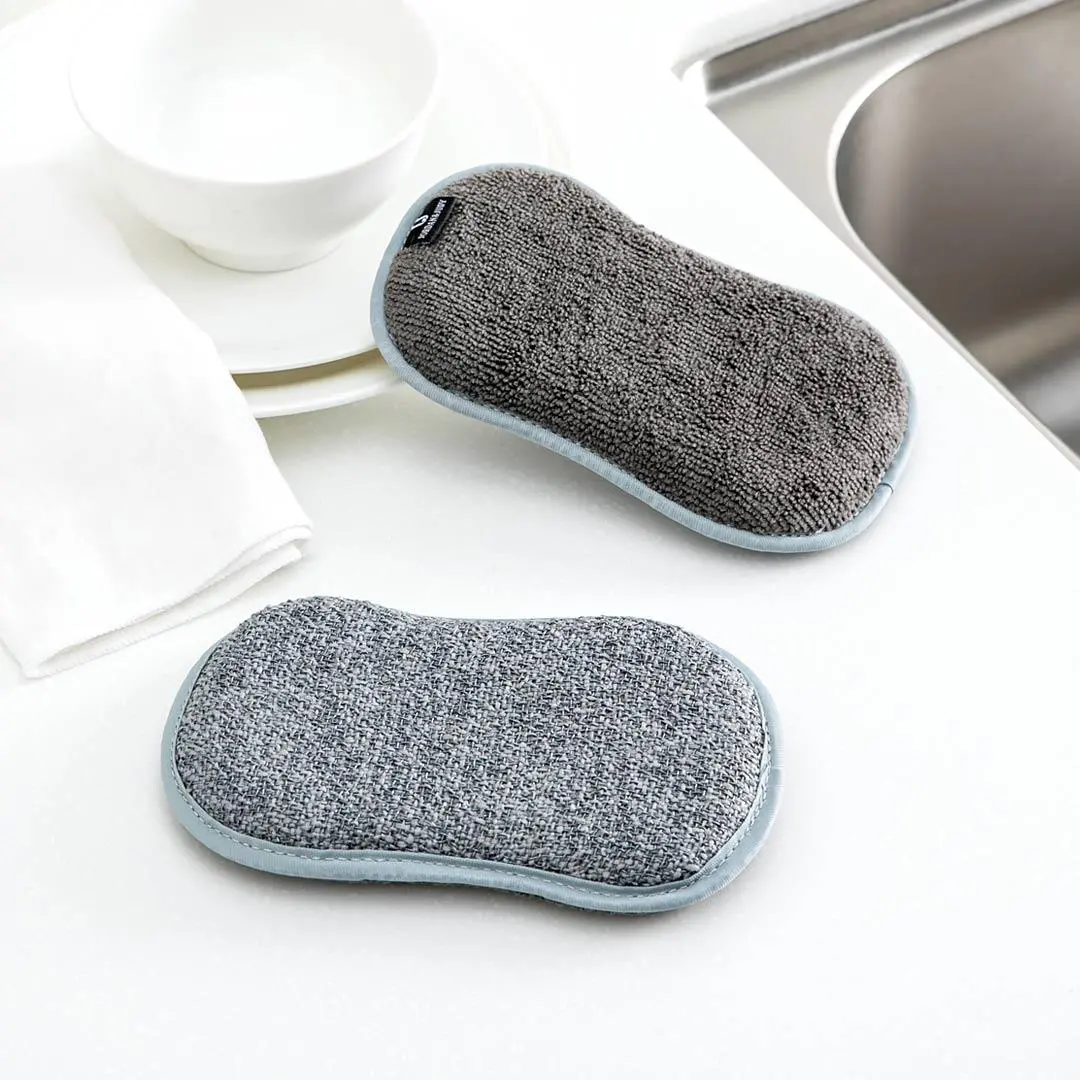
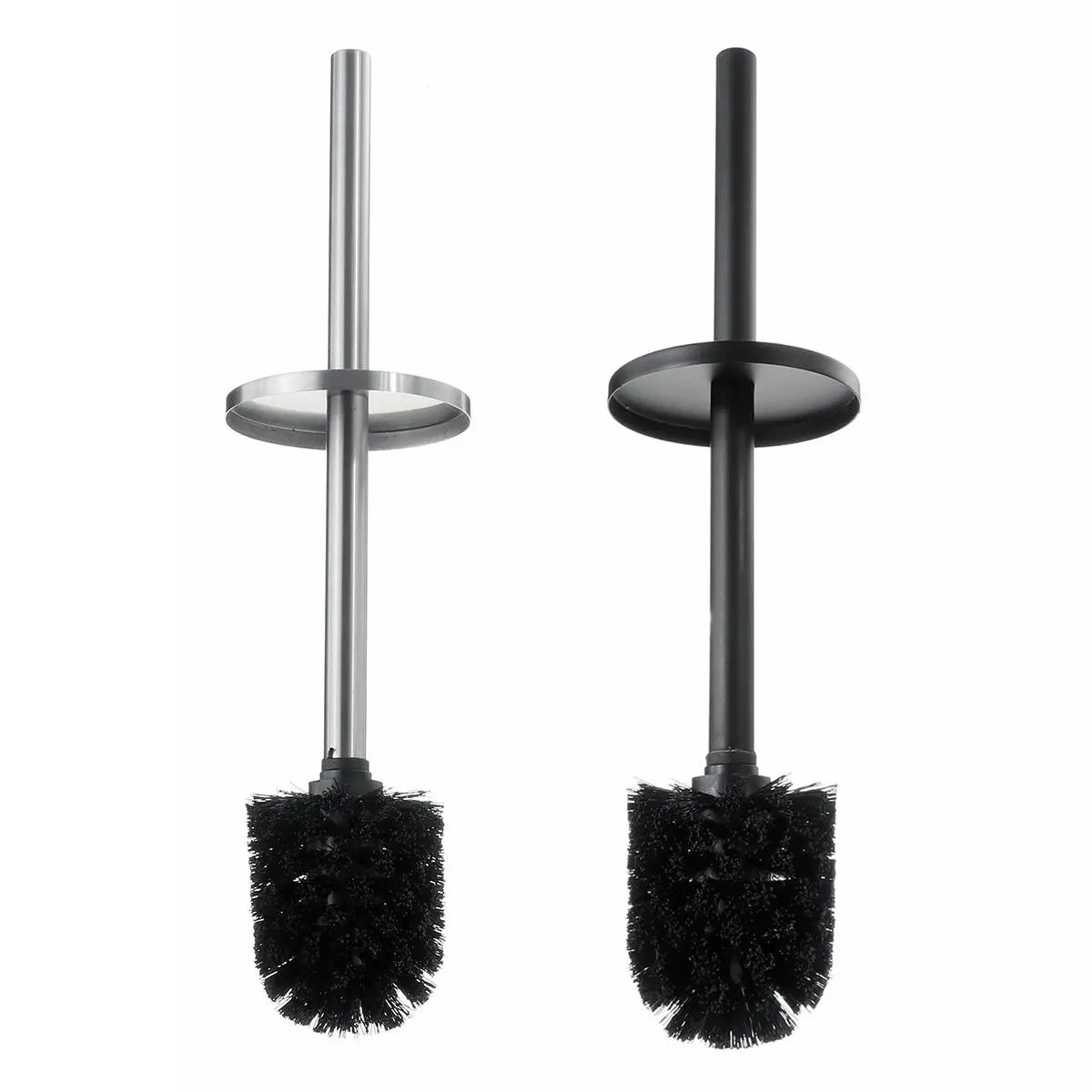
Brushes are indispensable tools found in nearly every home and profession, designed for precise application, grooming, and cleaning. Far more than simple utensils, the right brush can transform a task from a chore into an effortless, even enjoyable, activity. This category encompasses a vast array of specialized tools, each engineered for a specific purpose. From the delicate bristles of a makeup brush that blend pigments flawlessly onto the skin, to the sturdy filaments of a scrub brush that tackle tough grime, the design dictates the function. Key product families include painting brushes for artists and DIY enthusiasts, which vary by filament type (natural or synthetic), shape (flat, round, filbert), and size for different techniques and mediums. Makeup brushes offer specialized tools for foundation, blush, eyeshadow, and more, where bristle density and softness are critical for a flawless finish. Hair brushes, including paddles, round brushes, and detangling models, are crafted to style, smooth, and promote scalp health without causing breakage. Finally, cleaning brushes for kitchens, bathrooms, and outdoor use provide the mechanical action needed for deep cleaning. The core benefits of choosing the right brush are precision, efficiency, and protection—for your surfaces, your hair, your skin, and your artistic vision. Investing in quality brushes designed for their specific task ensures better results, longer tool life, and a superior experience.
Choosing the perfect brush can be simple with a few guiding principles. First, identify the primary task: Are you painting a wall, applying foundation, detangling wet hair, or scrubbing a grill? The material is crucial: Natural bristles (like hog or sable) are ideal for oil-based paints and powders, while synthetic bristles (nylon, polyester) excel with water-based products, liquids, and are easier to clean. For makeup, synthetic is often preferred for cream products and is vegan-friendly. Consider the handle: A comfortable, ergonomic grip reduces fatigue during extended use. For painting, a longer handle offers better control for canvases, while a shorter one is good for detail work. Maintenance is key: Look for brushes that are easy to clean and designed to retain their shape. A common FAQ: How often should I replace my brushes? Replace cleaning and hair brushes when bristles become misshapen or fall out. Makeup and paint brushes should be replaced when they no longer hold their shape, shed excessively, or cannot be cleaned thoroughly, as this affects performance and hygiene. Always store brushes properly, ideally hanging or lying flat, to preserve the bristle shape. By matching the brush to the job and caring for it well, you ensure peak performance and value from your purchase.