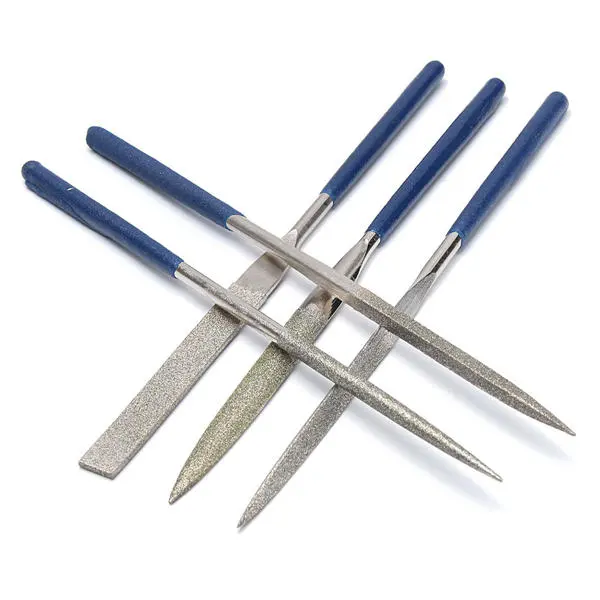
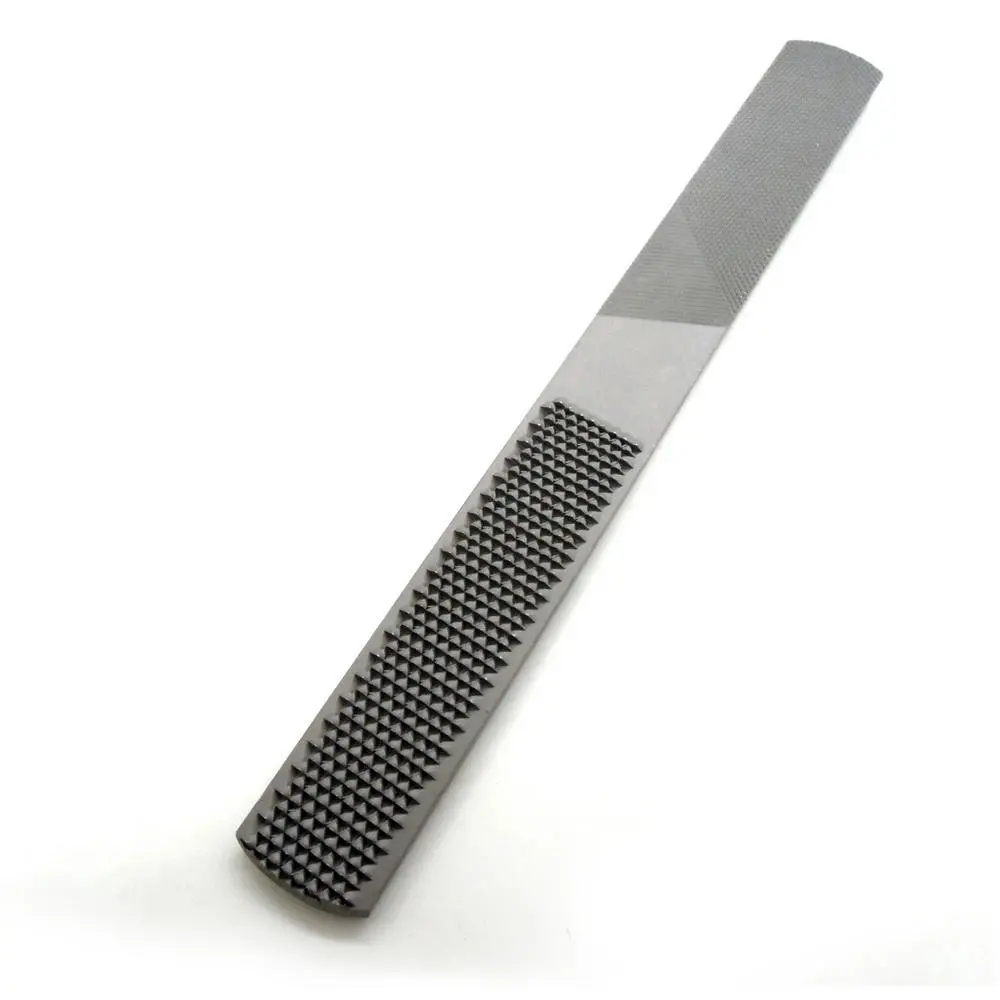
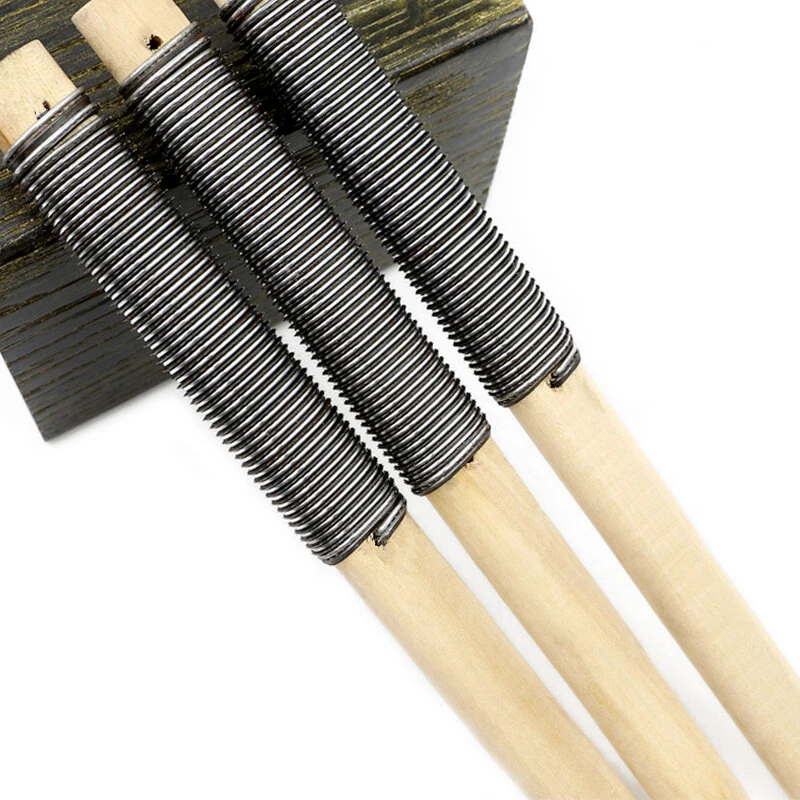
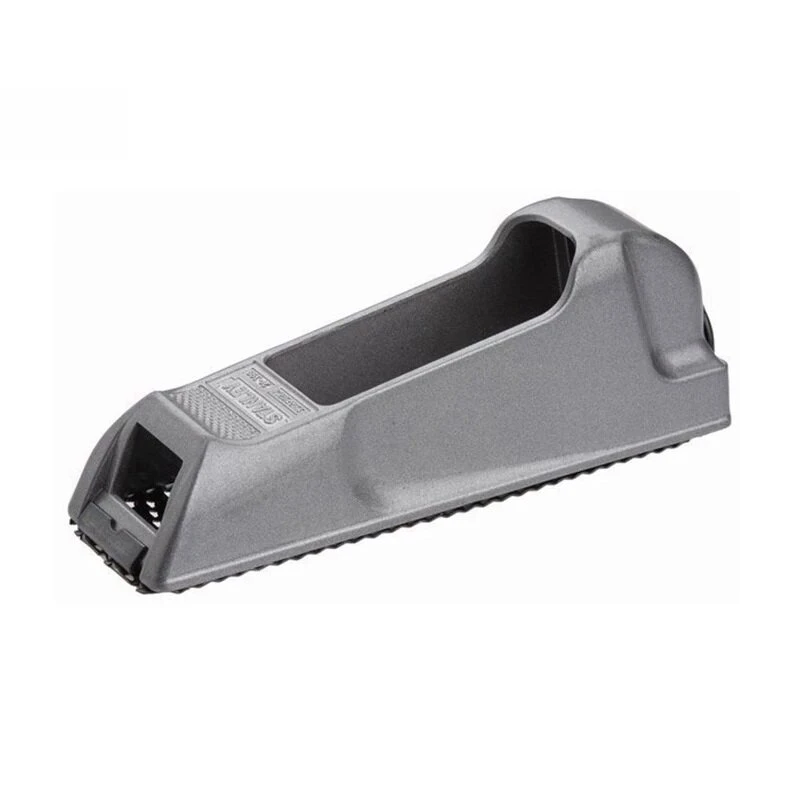
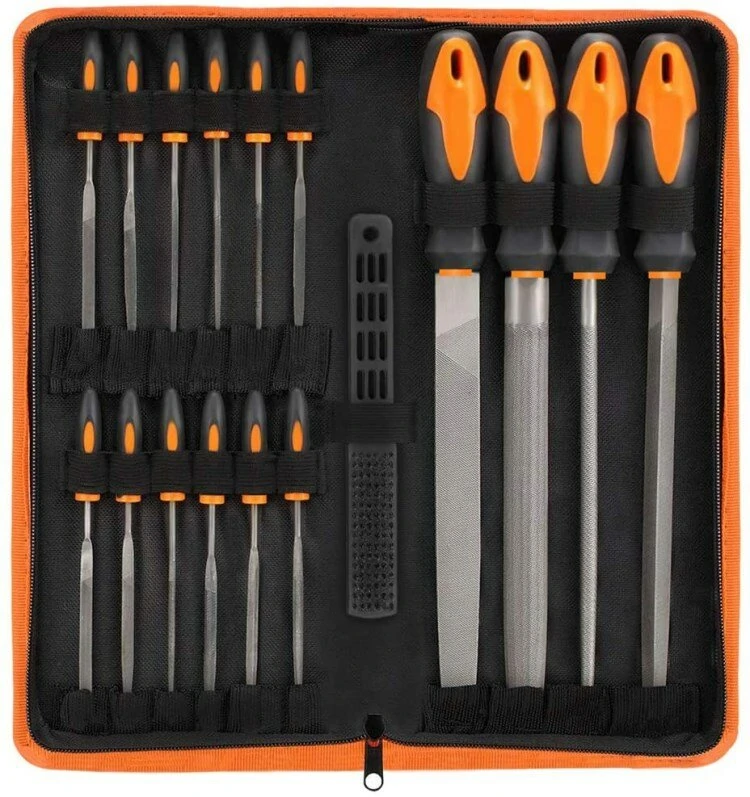
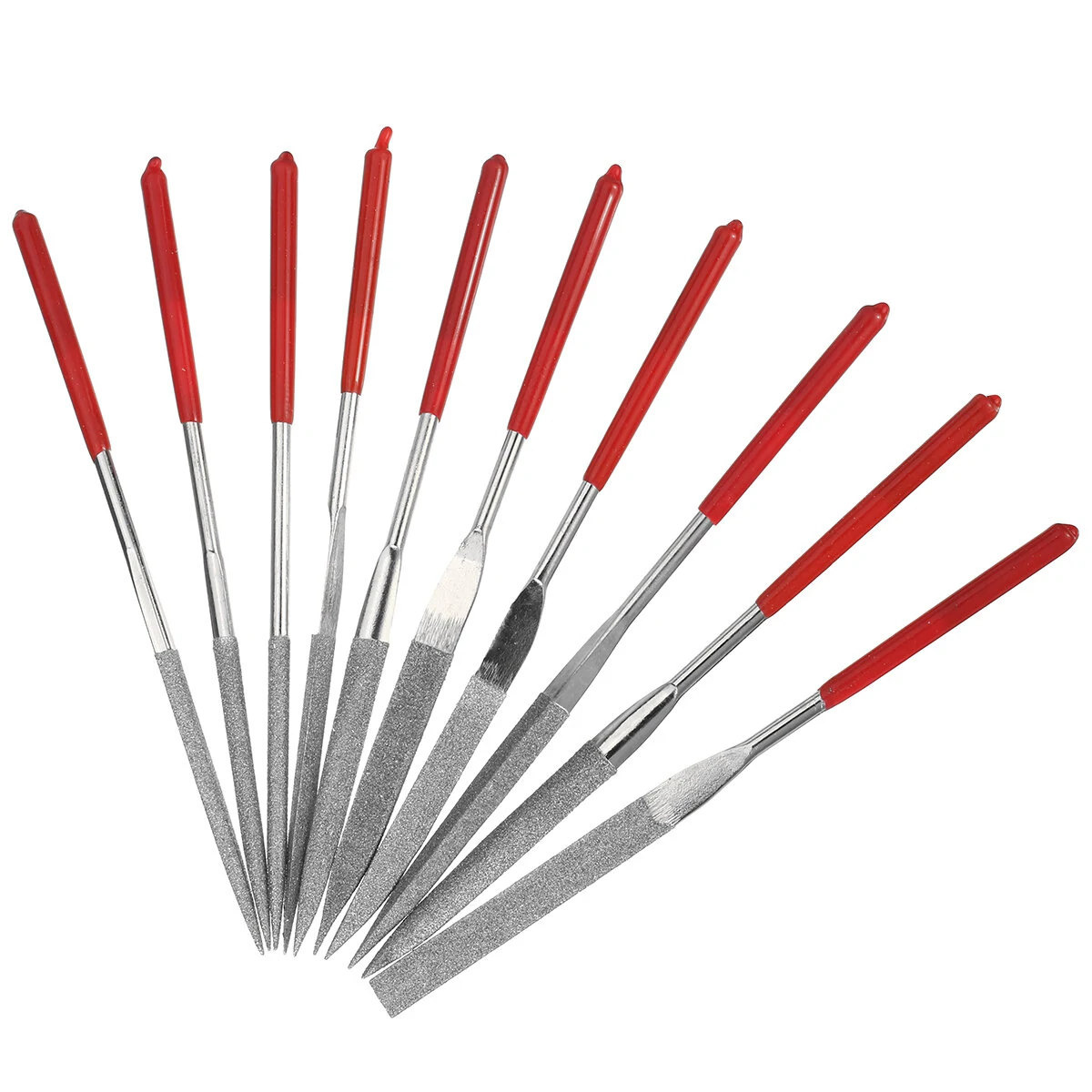
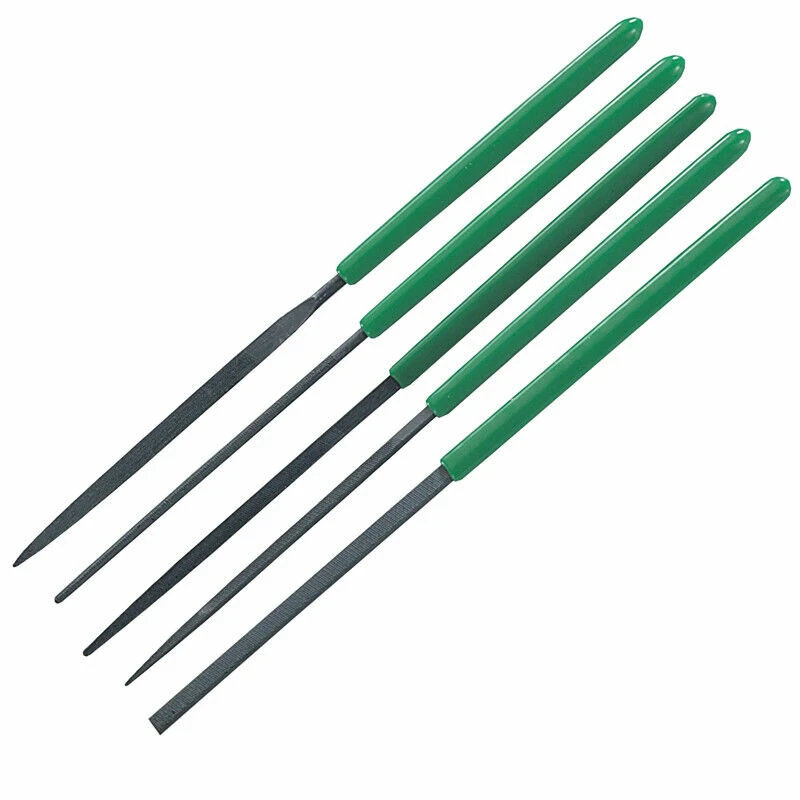
Files are the fundamental hand tools for precise material removal, shaping, and finishing across countless materials. Whether you're a metalworker smoothing a weld, a woodworker shaping a curve, or a DIY enthusiast deburring a plastic edge, the right file is indispensable. This category encompasses a wide range of tools designed for specific tasks and materials. Key products include flat and half-round hand files for metalwork, aggressive rasps for fast wood removal, and delicate needle files for intricate detail work in jewelry or model-making. For power tool users, rotary files and burrs that fit into drills or Dremel tools offer high-speed shaping and carving capabilities. The primary benefit of using quality files is control. They allow for incremental material removal to achieve exact dimensions and smooth surfaces that sandpaper alone cannot. A well-chosen file can transform a rough-cut piece into a perfectly fitted component, remove dangerous sharp edges (deburring), and prepare surfaces for finishing. Investing in a varied set ensures you have the right tool for metal, wood, plastic, and even soft materials like drywall. From basic workshop maintenance to advanced craft projects, files are a cornerstone of precision craftsmanship.
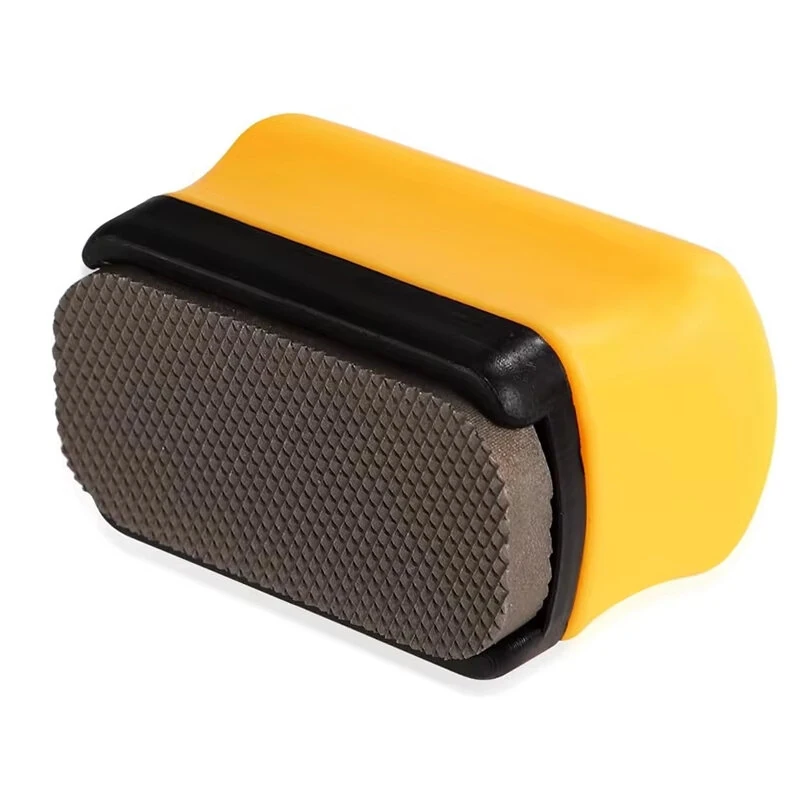
Choosing the right file depends on your material and desired finish. For general metalwork, a bastard-cut file is ideal for rapid stock removal, followed by a second-cut or smooth file for finishing. Woodworkers should start with a coarse rasp for shaping, moving to a finer wood file or cabinet rasp for smoothing. Always consider the file's cut (coarseness), shape (flat, round, triangular), and length. For beginners, a small set of the most common shapes is a great start. FAQ: How do I maintain my files? Clean them regularly with a file card or brush to remove lodged material (pinning). Never use them without a handle for safety. Can files be used on hardened steel? No, standard files are for softer metals; hardened steel will damage the teeth. What's the difference between a file and a rasp? Rasps have individual, raised teeth for fast, rough cutting in wood, while files have continuous rows of teeth for a smoother cut in metal and wood. Store files separately to prevent them from dulling each other.
.jpg.webp)