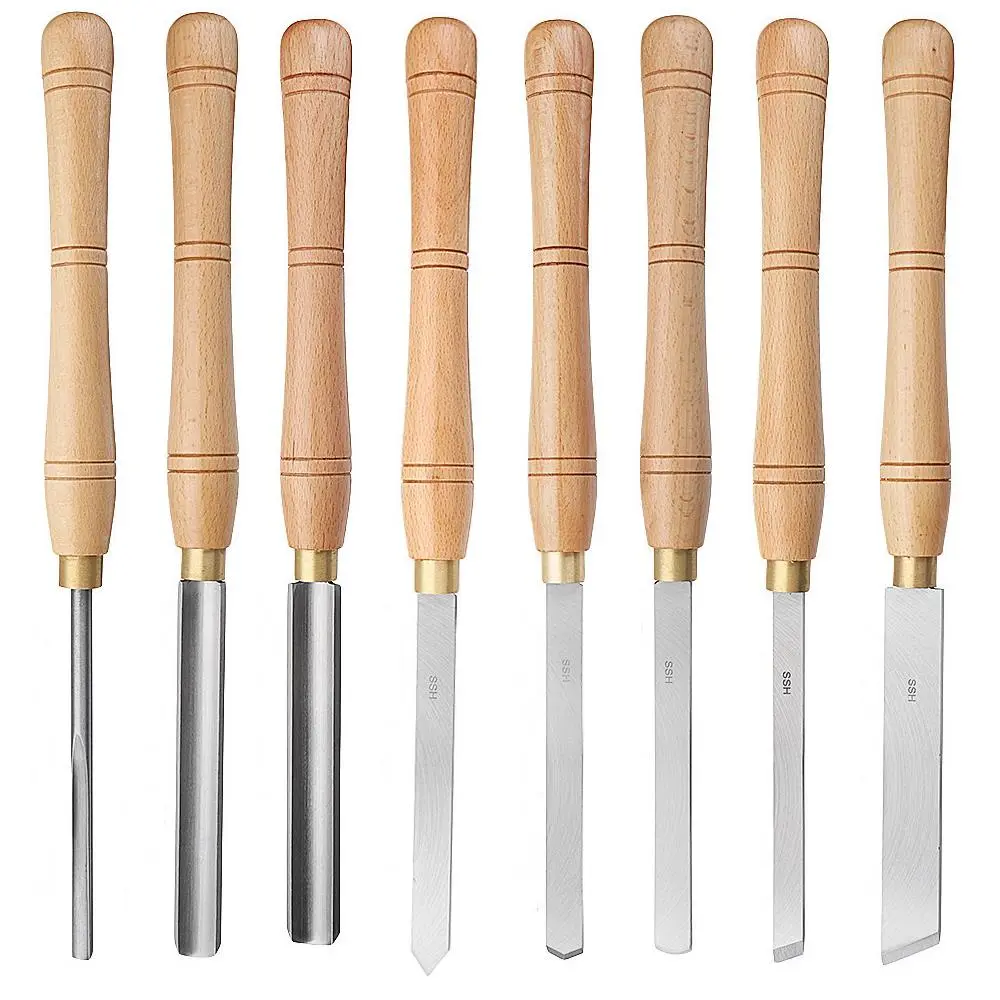
Woodworking is a timeless craft that transforms raw timber into functional art and beautiful furniture. The foundation of every successful project lies in having the right woodworking tools. This category encompasses the essential instruments that empower both beginners and seasoned artisans to cut, shape, join, and finish wood with precision and efficiency. A well-equipped workshop balances robust power tools with reliable hand tools, creating a synergy that elevates your craftsmanship. Key power tools include table saws and miter saws for accurate cuts, routers for intricate edges and joinery, and planers and jointers for preparing perfectly flat and square stock. For detailed work, nothing replaces the feel of quality hand tools like sharp chisels for fine joinery, hand planes for smoothing surfaces, and a selection of clamps for secure assembly. The benefits of investing in quality woodworking tools are immense. They enhance safety through better control and built-in features, improve accuracy for seamless joinery, boost productivity by reducing manual effort, and increase the longevity of your work. Whether you're building a simple shelf or a heirloom-quality dining table, the right tools are not just purchases; they are investments in your skill, safety, and the joy of creating something lasting with your own hands. Understanding the core categories—measuring and marking, cutting, shaping, joining, and finishing—is the first step to building a versatile and capable workshop tailored to your projects.
Choosing the right woodworking tools can be daunting. Start by assessing the types of projects you most often undertake. For general carpentry and DIY, a core set including a circular saw, drill/driver, orbital sander, and a basic set of chisels and clamps is ideal. For more advanced furniture making, a table saw, router, and planer become central. FAQ: What's the most important tool for a beginner? A quality drill/driver and a combination square are invaluable starters. Should I prioritize power or hand tools? Begin with essential power tools for efficiency, then gradually acquire hand tools for finer control and detail work. How important is tool brand? While reputable brands often ensure better durability and precision, many value-oriented brands offer excellent performance for hobbyists. Always prioritize sharp blades and bits, as a sharp tool is a safe and accurate tool. Finally, remember that building your collection is a journey. Invest in foundational tools first, learn their capabilities thoroughly, and expand your workshop as your skills and project ambitions grow. Happy building!