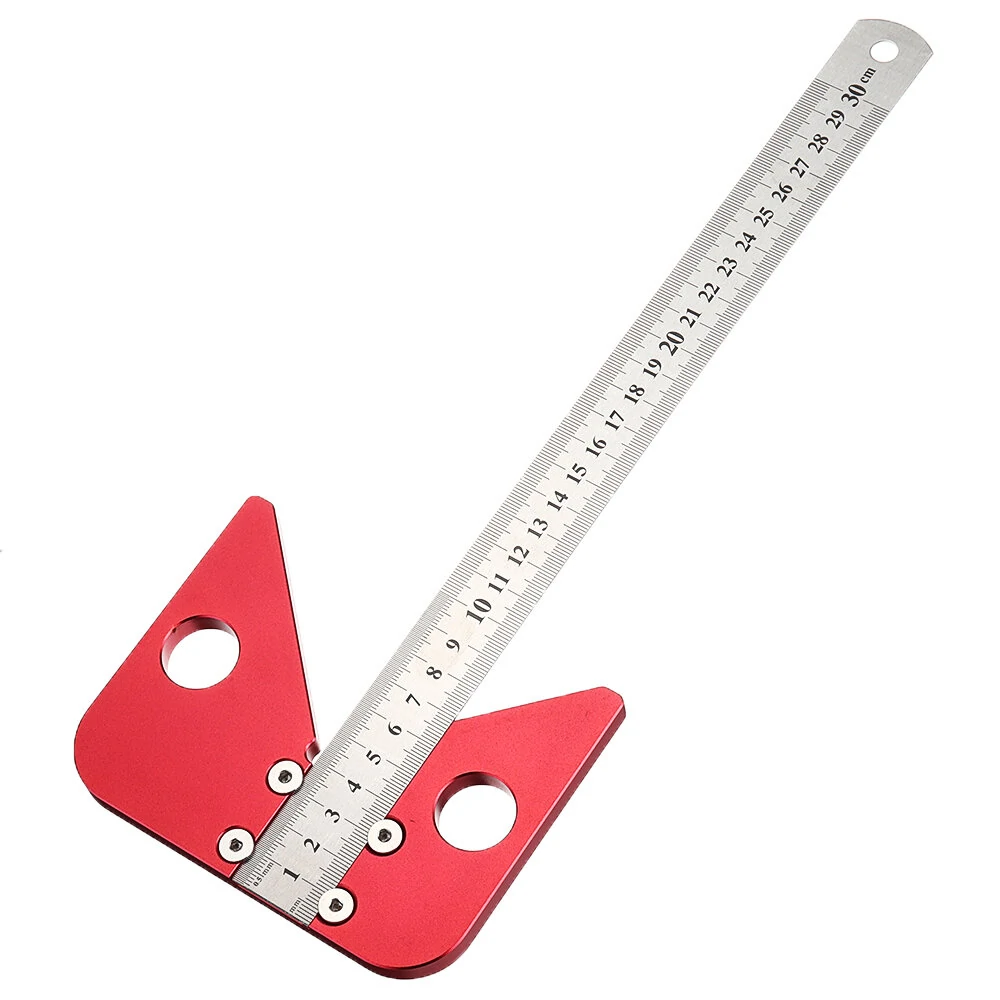
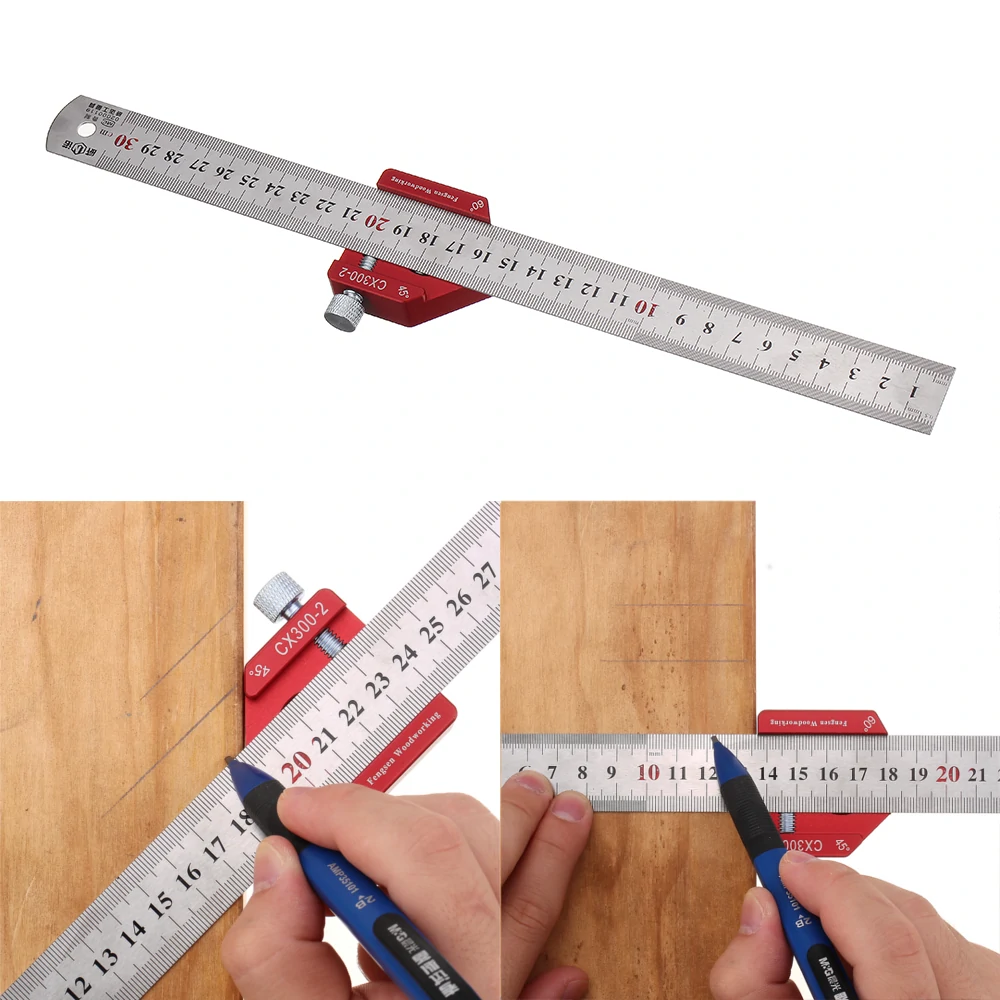
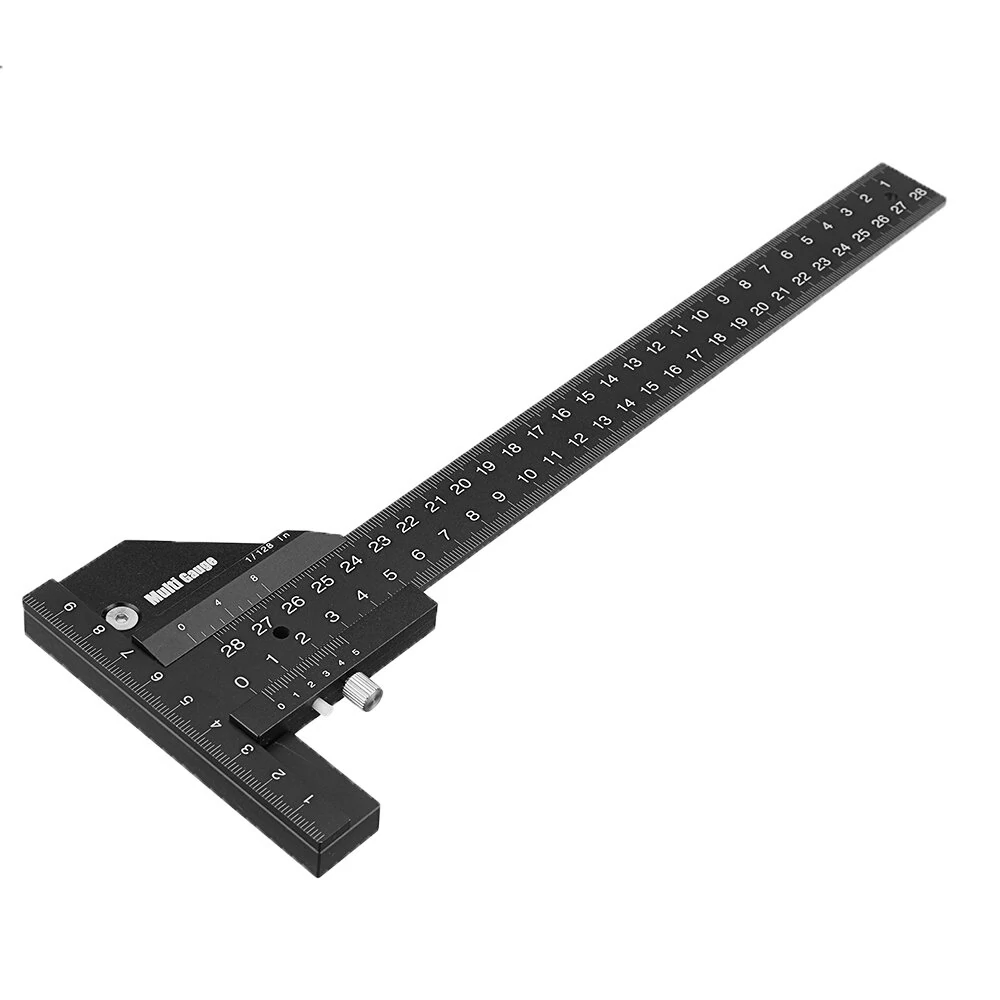
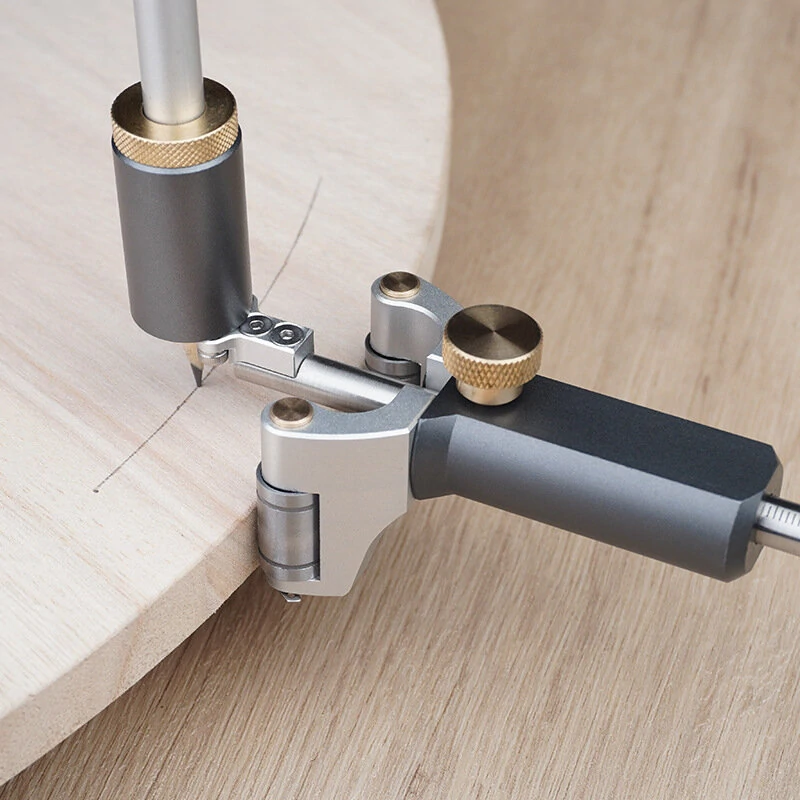
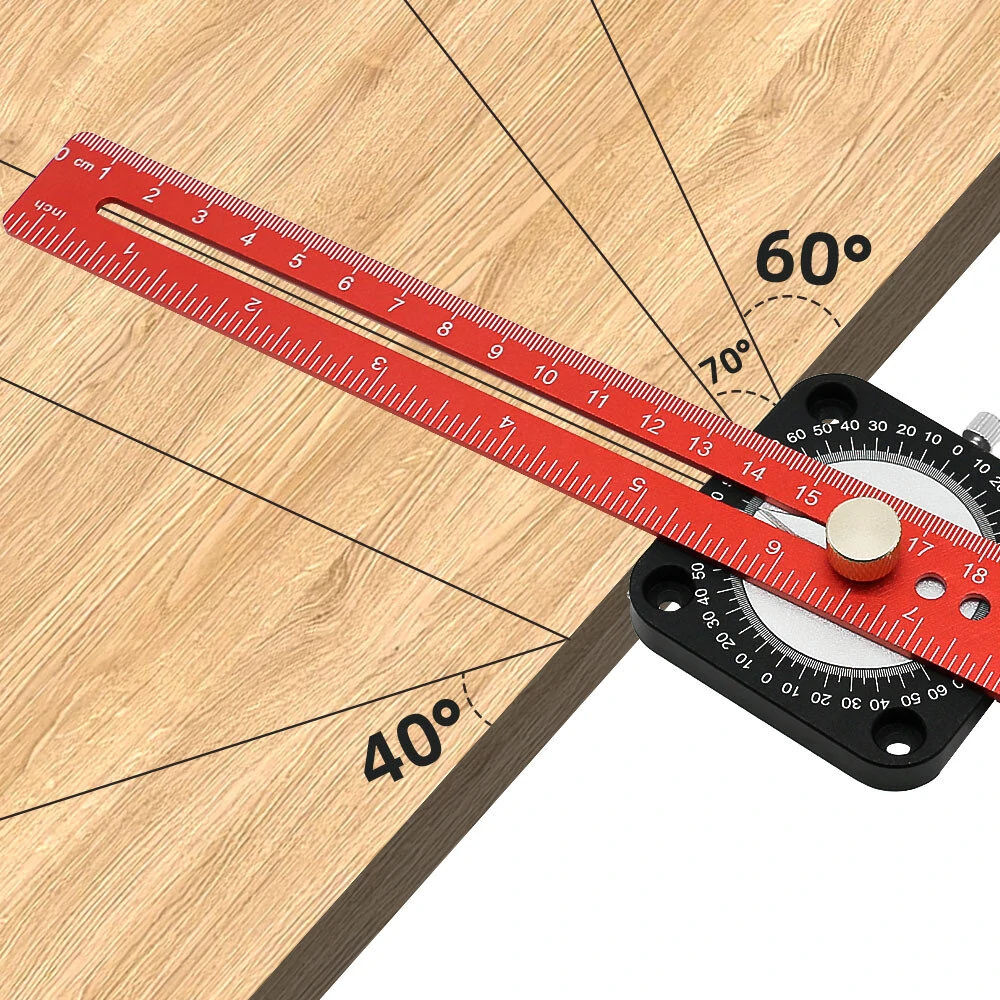
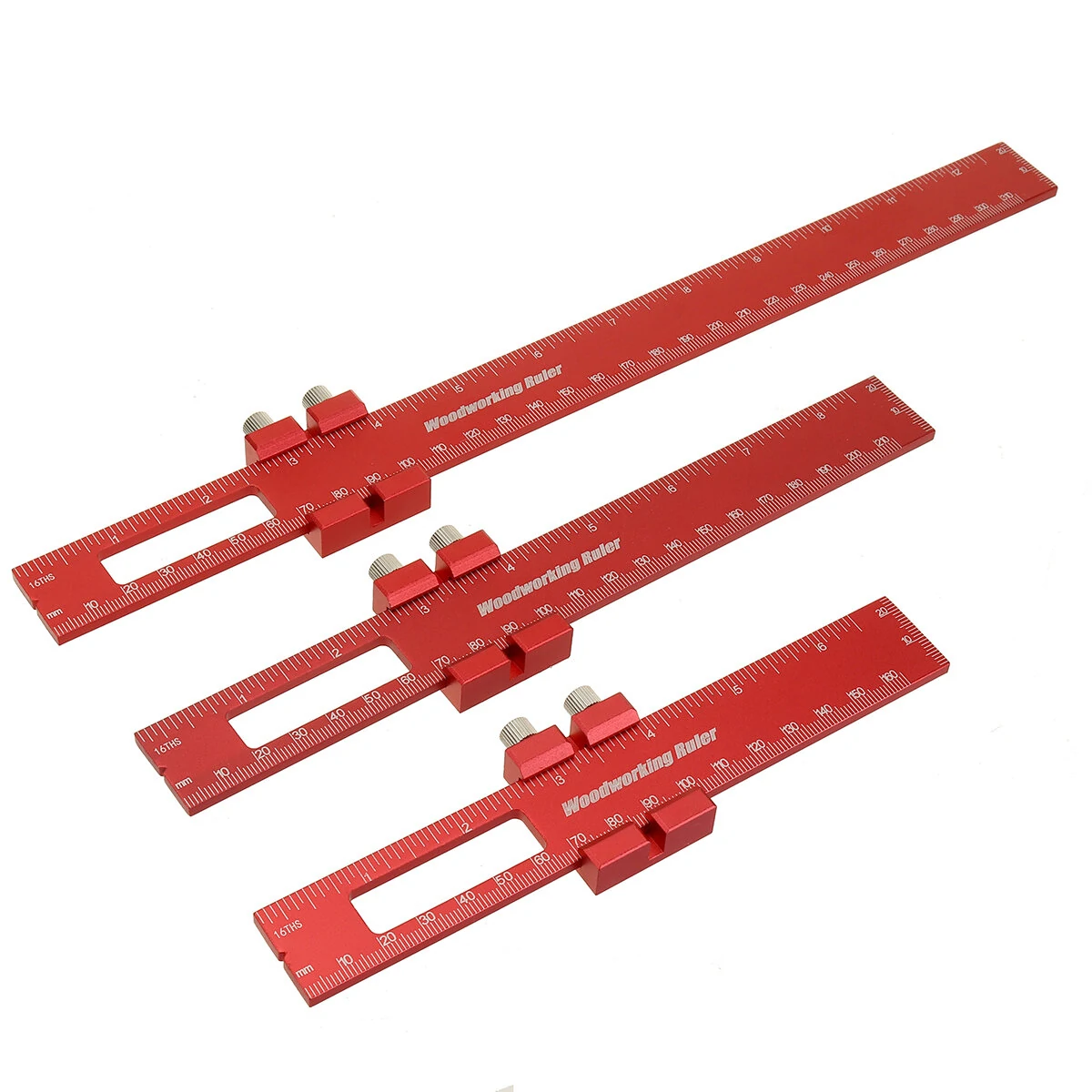
In the world of fine woodworking, precision isn't just a goal—it's the foundation of every successful project. A woodworking scriber, often called a marking or mortise gauge, is the unsung hero that bridges the gap between your plans and perfect execution. This essential hand tool is designed to scribe crisp, accurate lines parallel to the edge of your workpiece, guiding your chisels and saws for flawless joinery like dovetails, mortise and tenons, and inlays. Unlike a pencil line, a scriber's sharp pin or cutter scores the wood fibers, creating a clean, tear-out-free reference that ensures your cuts are exactly where they need to be.
Key products in this category include the traditional single-pin marking gauge, ideal for basic layout work. The dual-pin mortise gauge is indispensable for marking out the twin walls of a mortise. For superior results across the grain, a cutting gauge features a small, sharp blade instead of a pin, slicing the fibers cleanly to prevent splintering. Modern innovations include micro-adjustable gauges for incredible accuracy and combination tools that function as both a marking gauge and a depth stop.
The benefits of using a dedicated woodworking scriber are immense. It eliminates guesswork and measurement errors, directly translating to tighter-fitting joints and more professional results. It enhances safety by providing a clear path for your tools, reducing the chance of slips. Whether you're a hand-tool purist or a hybrid woodworker, a quality scriber is a fundamental investment that elevates the accuracy and quality of your craft, making complex joinery accessible and repeatable.
Choosing the right woodworking scriber depends on your projects and workflow. For general use, a versatile marking gauge with a hardened steel pin is an excellent starting point. If you frequently create mortise and tenon joints, invest in a dedicated mortise gauge. For fine work like dovetails or working with delicate veneers, a cutting gauge with a blade is superior to prevent tear-out.
FAQ: Do I need a scriber if I have a pencil and ruler? For rough work, perhaps not. But for precise joinery, a scriber scores a definitive line that guides your tools perfectly. FAQ: What's the difference between a pin and a blade? A pin is like a sharp nail and can sometimes cause minor tear-out along the grain. A blade slices cleanly, making it better for cross-grain marking and delicate woods. FAQ: How do I maintain my scriber? Keep the pin or blade sharp with a fine file or honing stone. Ensure the locking mechanism on the stem and stock remains secure. A drop of oil on the threads of adjustable models will keep action smooth. Ultimately, the best scriber is one that feels solid in your hand, locks securely, and inspires confidence for every mark you make.