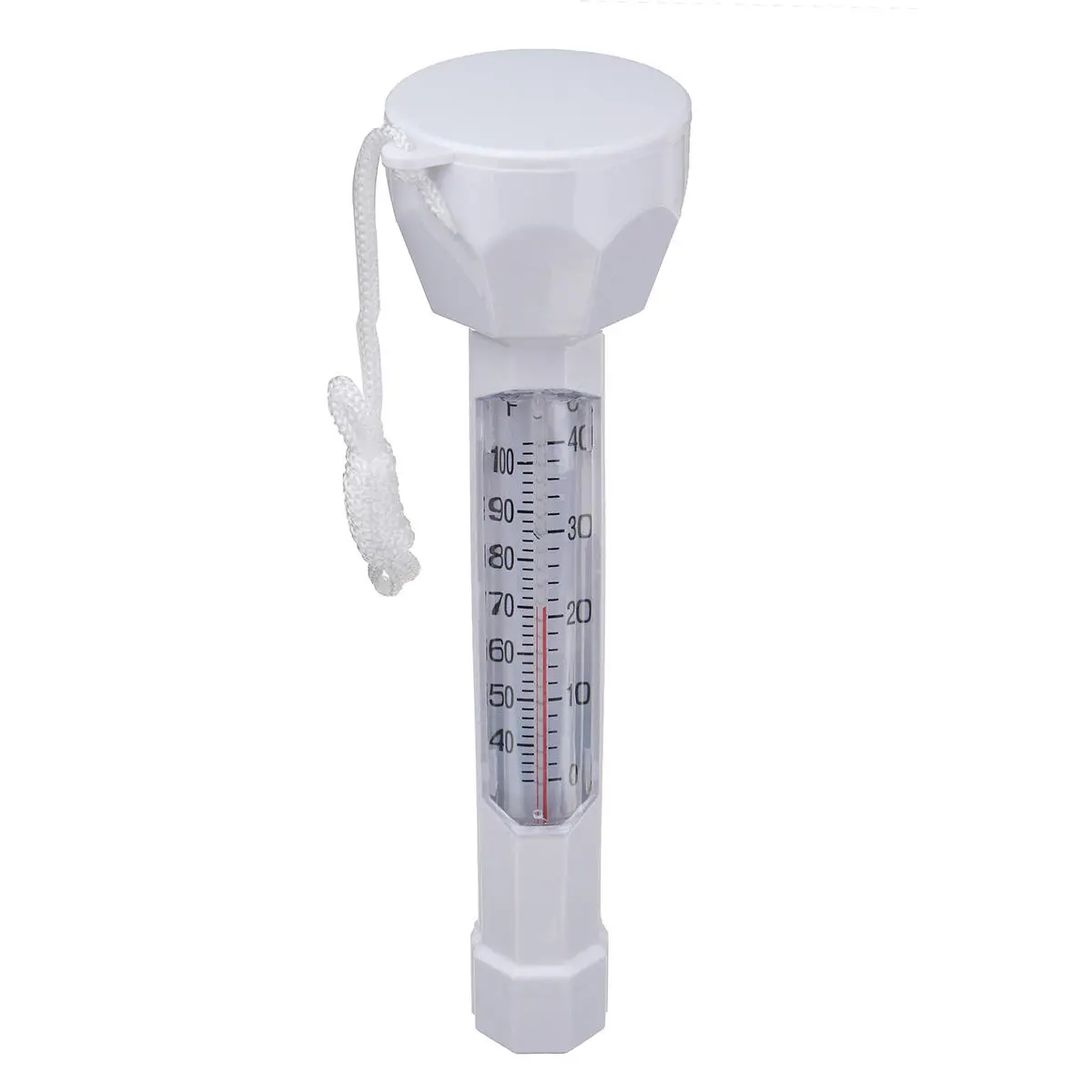
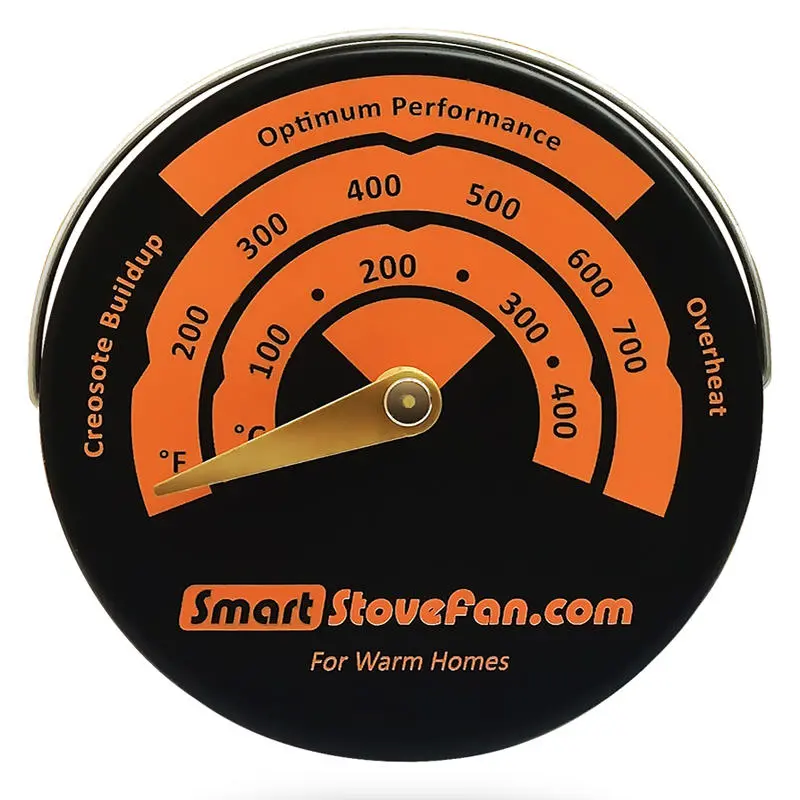
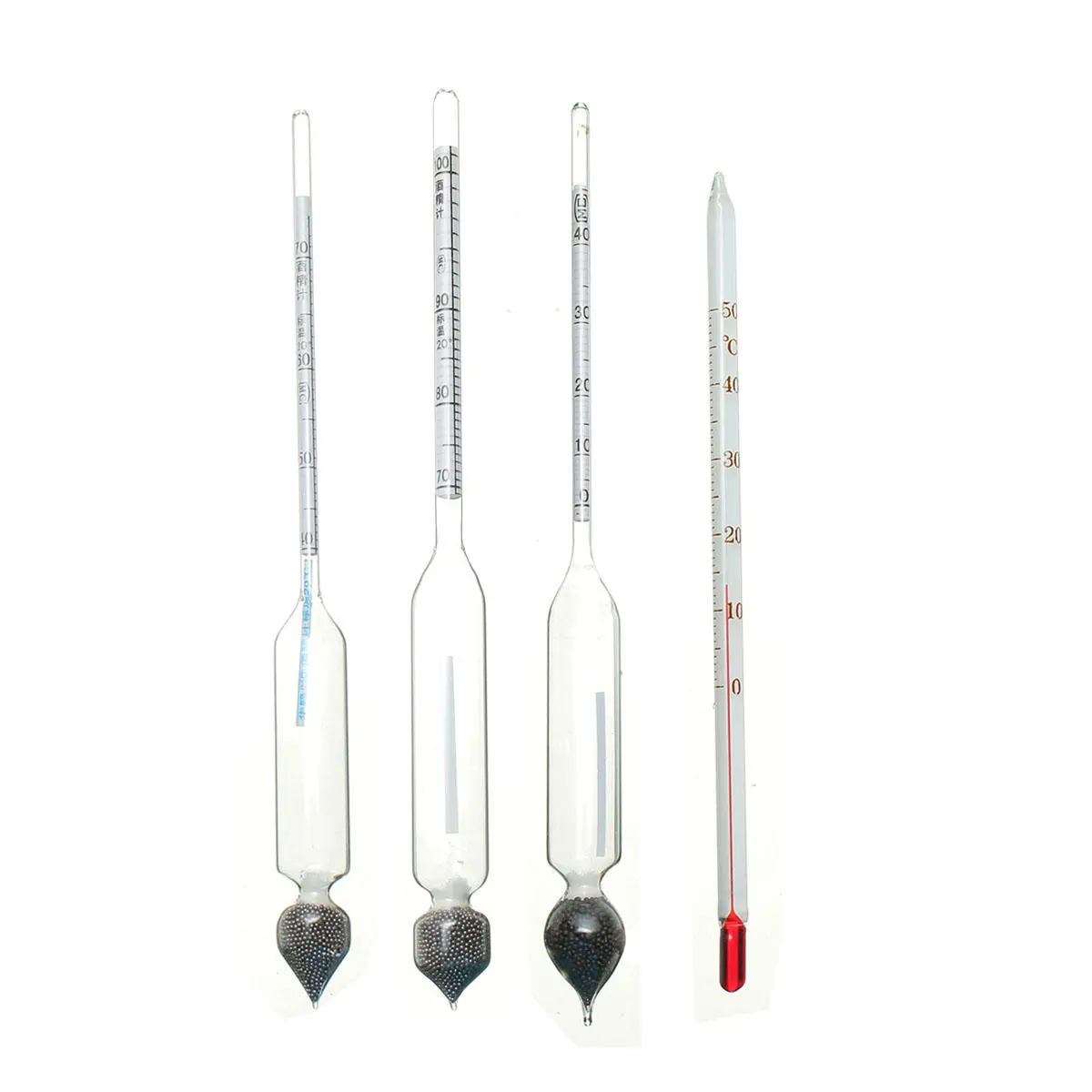
Accurate temperature measurement is a fundamental requirement across countless applications, from ensuring food safety and medical diagnostics to optimizing industrial processes and maintaining comfortable indoor environments. This category encompasses a vast array of tools designed to deliver precision, reliability, and ease of use. Whether you're a professional technician, a culinary enthusiast, or a facility manager, selecting the right instrument is crucial for obtaining trustworthy data and making informed decisions.
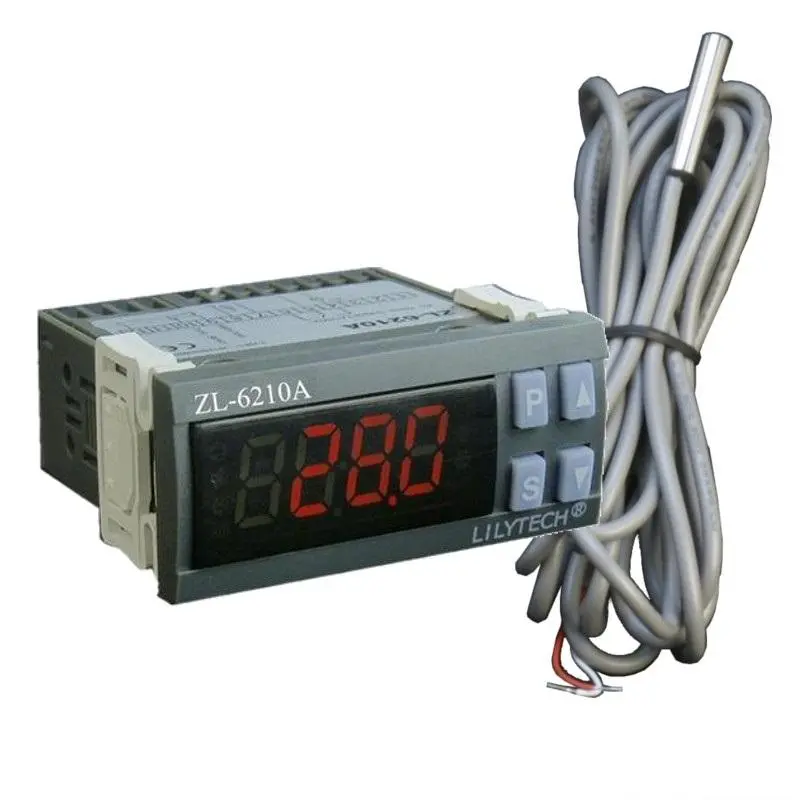
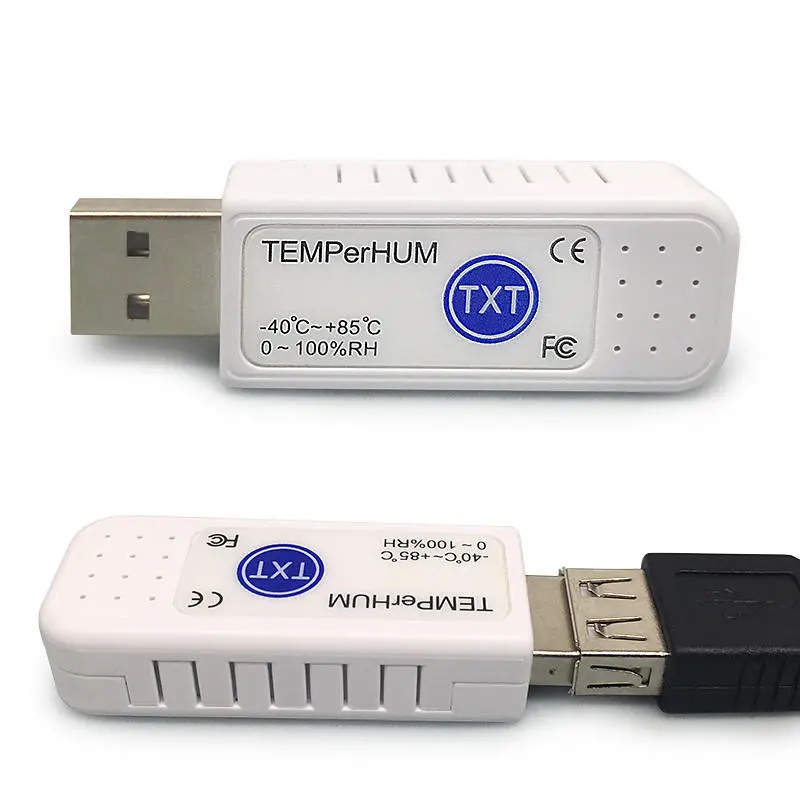
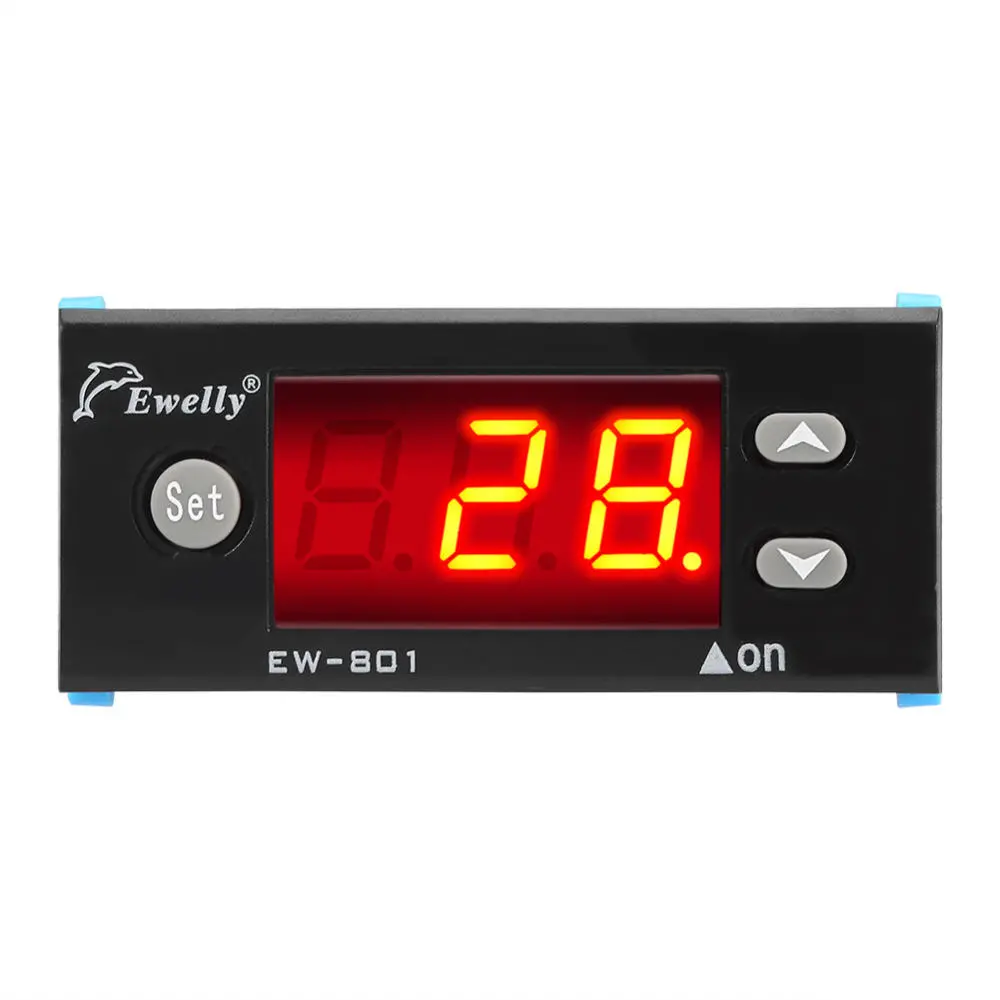
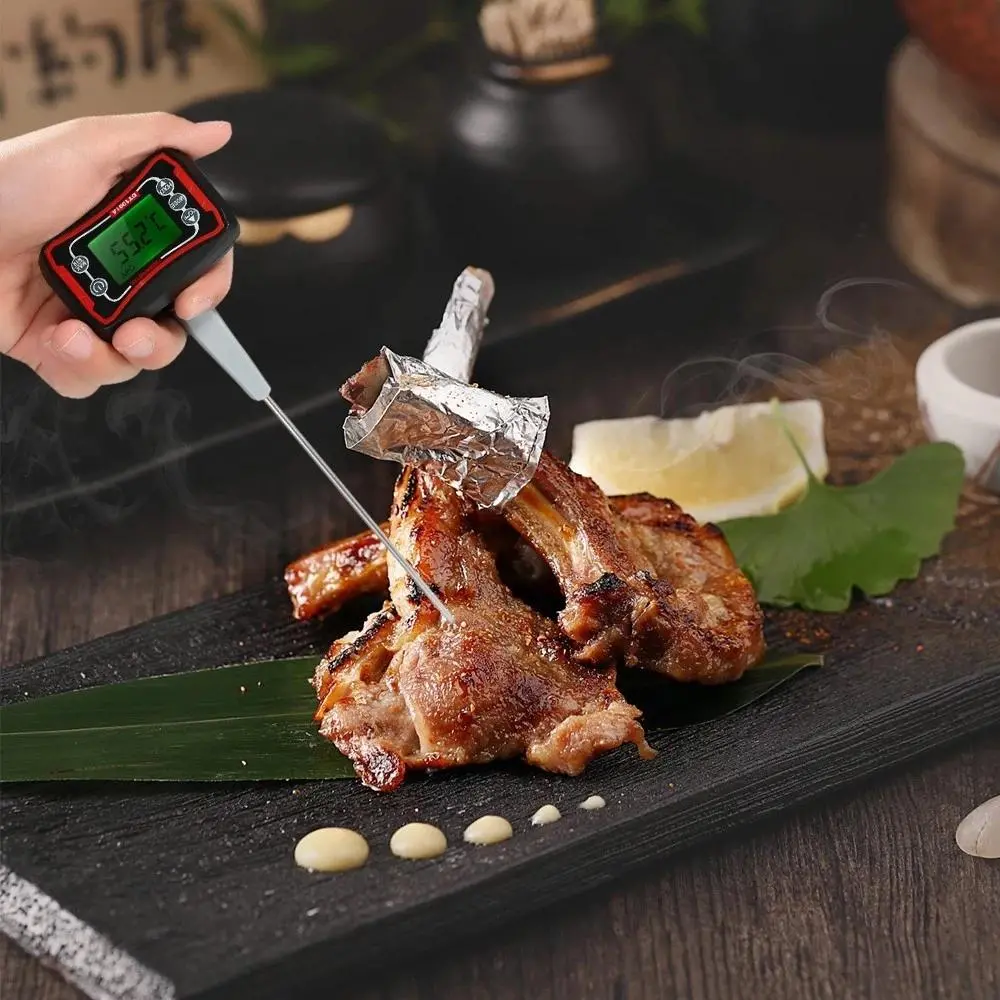
Key products in this category include versatile digital thermometers with fast-response probes, ideal for HVAC, laboratories, and food service. Non-contact infrared (IR) thermometers offer safe, instantaneous readings from a distance, perfect for electrical maintenance, automotive diagnostics, or checking surface temperatures without contamination. For continuous monitoring, temperature data loggers provide invaluable insights over time, tracking conditions during storage, transport, or manufacturing. Specialized devices like oven thermometers, refrigerator/freezer monitors, and precision medical thermometers address specific needs with targeted accuracy.
The benefits of investing in quality temperature measurement tools are substantial. They enhance safety by preventing overheating in mechanical systems and ensuring food reaches safe internal temperatures. They improve efficiency in industrial settings by maintaining optimal process conditions, reducing energy waste, and preventing costly downtime. In scientific research and quality control, precise measurements are non-negotiable for valid results. Modern tools often feature user-friendly digital displays, robust data logging capabilities, rugged designs for harsh environments, and quick calibration, making them more accessible and reliable than ever before.
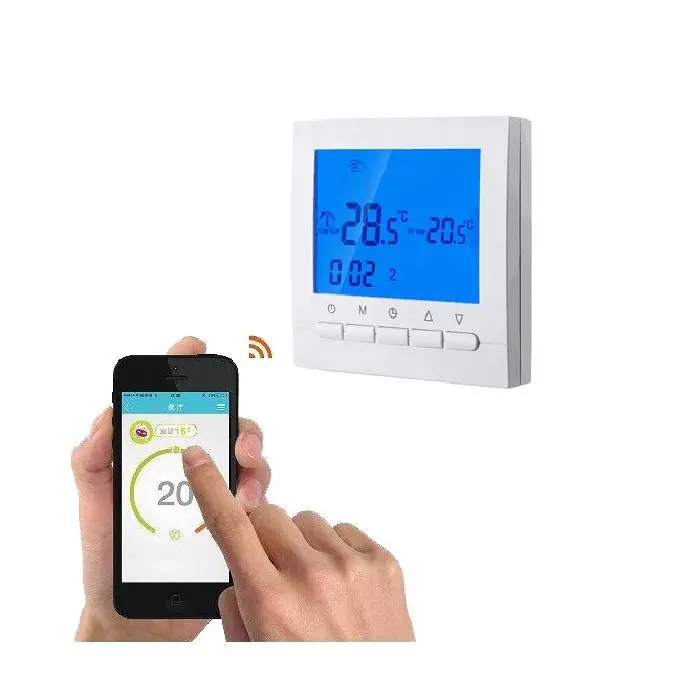
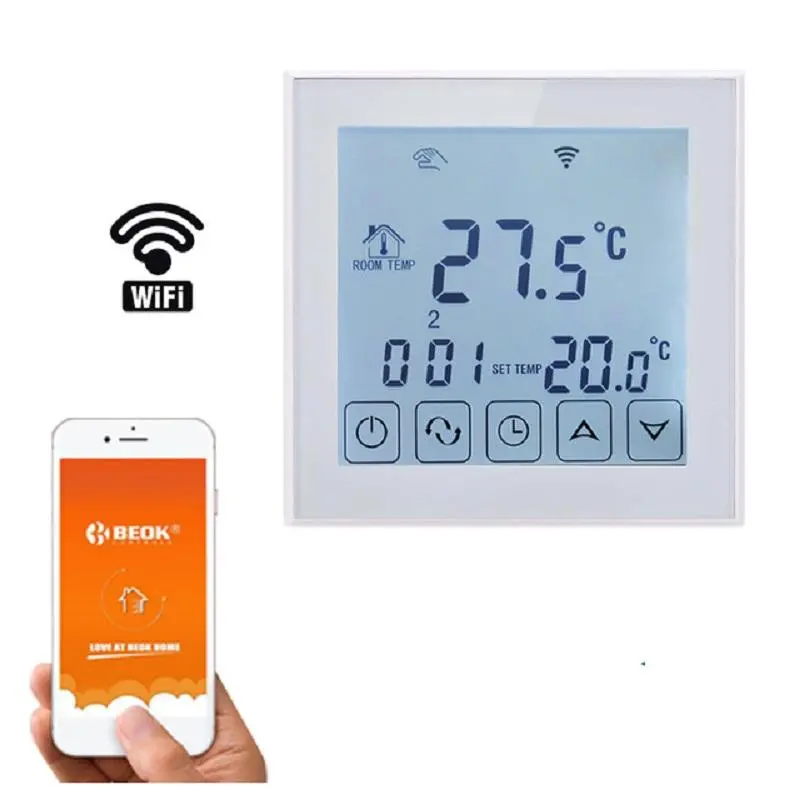
Choosing the right temperature measurement device depends on your specific needs. Consider these key factors: **Application:** Is it for food, industrial machinery, ambient air, or medical use? **Temperature Range:** Ensure the device covers the minimum and maximum temperatures you need to measure. **Accuracy & Resolution:** High-stakes applications like pharmaceuticals or calibration require superior accuracy (e.g., ±0.1°C). **Response Time:** Need an instant reading? Fast-response probes or IR guns are ideal. **Probe Type & Durability:** Consider probe material (stainless steel for food, ruggedized for industry) and cable length. **Features:** Do you need data logging, alarms, waterproofing, or connectivity to a smartphone/computer?
**FAQ:** **Q: What's the difference between contact and non-contact thermometers?** A: Contact types (probe thermometers) measure the internal or surface temperature by direct touch. Non-contact (IR) thermometers measure infrared radiation from a surface, ideal for moving objects or hazardous materials. **Q: How often should I calibrate my thermometer?** A: Calibration frequency depends on use. Critical applications may require annual or semi-annual calibration, while casual use may need less. Always refer to the manufacturer's guidelines and industry standards. **Q: Can one thermometer handle all my tasks?** A: While some multi-purpose models exist, specialized tools (e.g., a candy thermometer vs. an engine block thermometer) offer better safety, accuracy, and durability for their intended use. Investing in the right tool for the job ensures long-term reliability and accurate results.