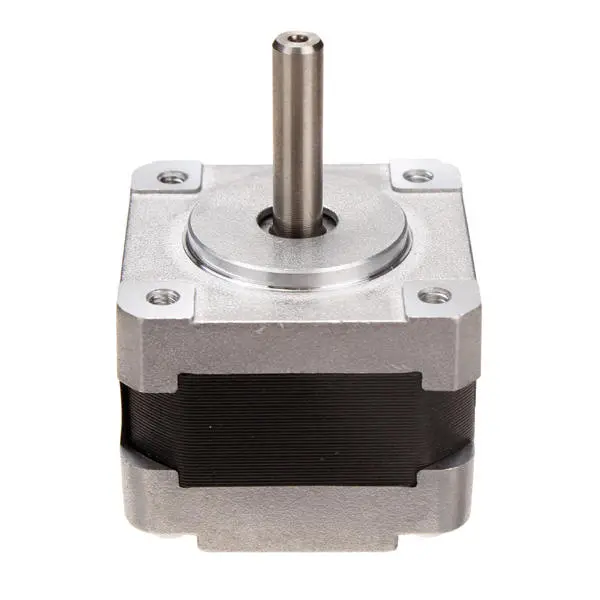
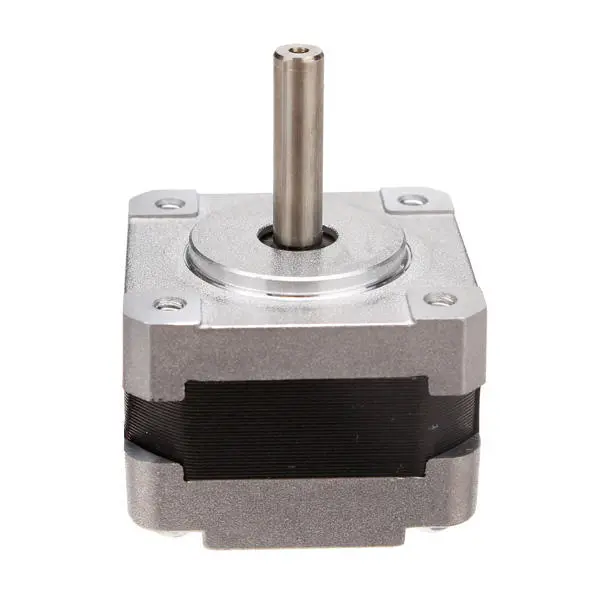
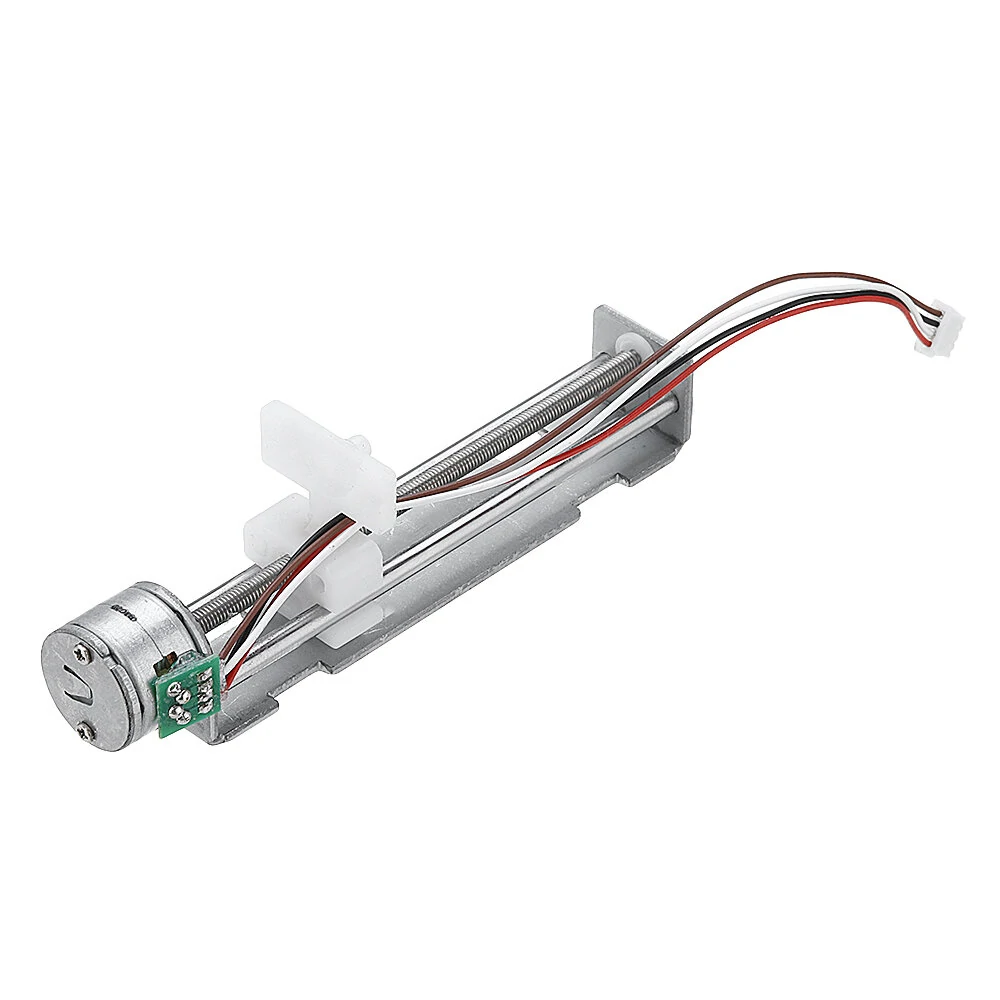
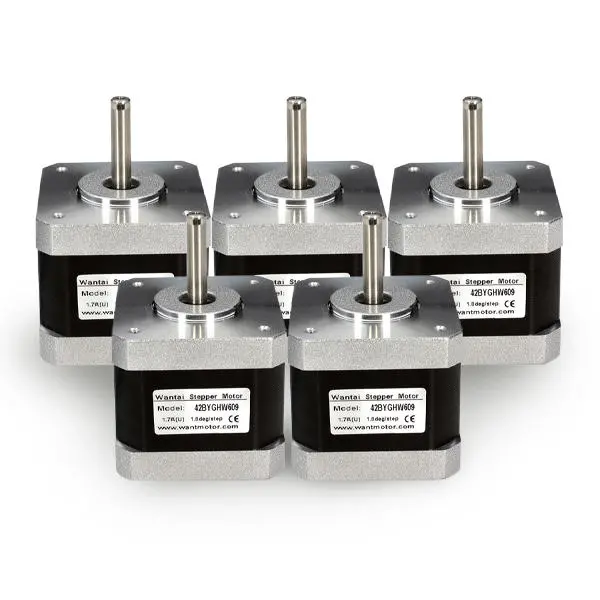
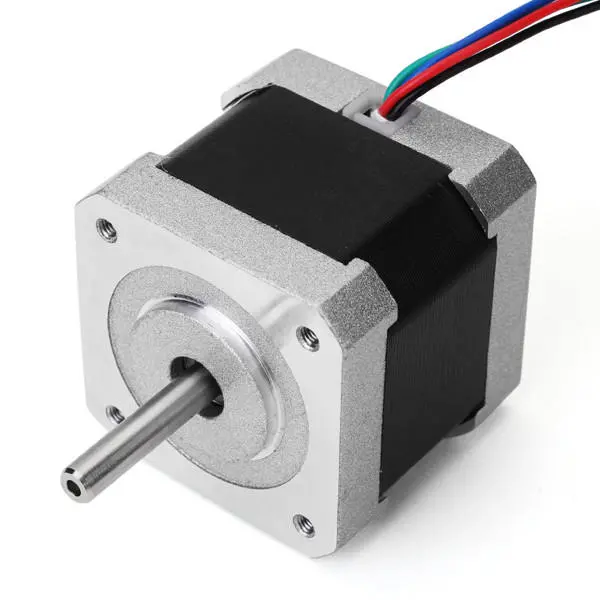
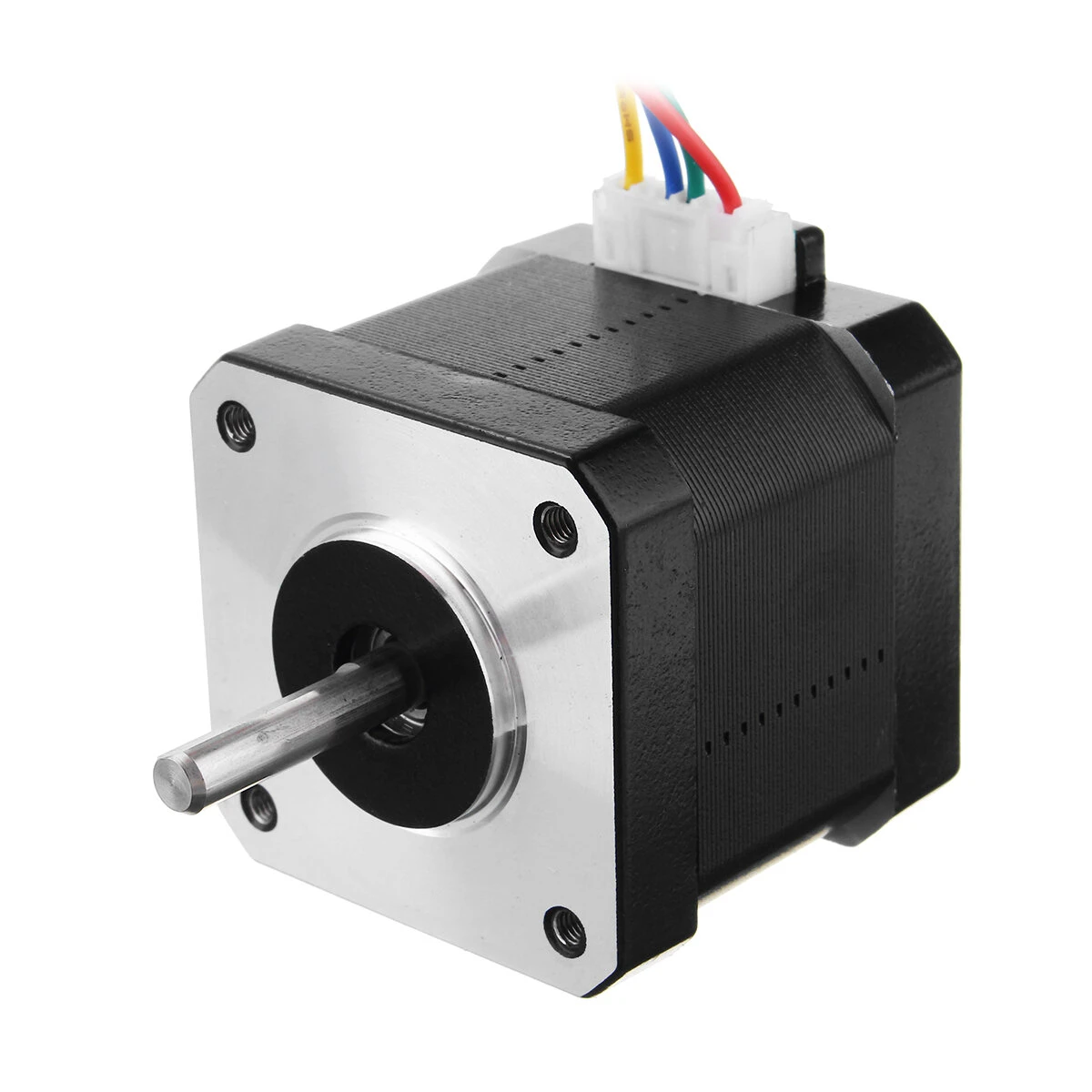
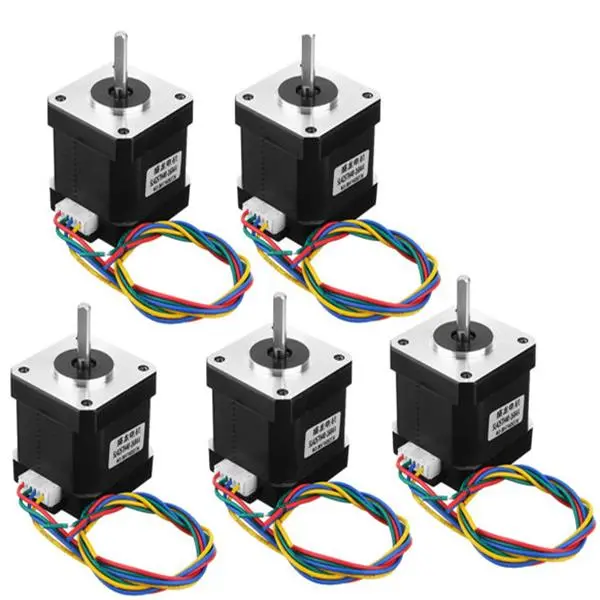
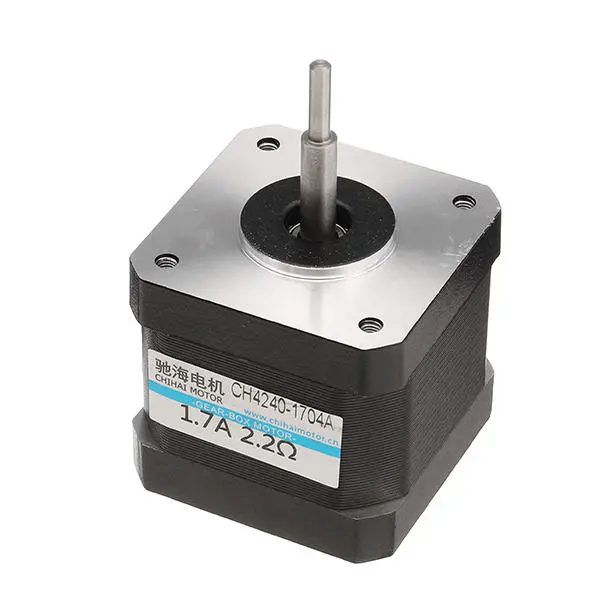
Motors are the indispensable workhorses of modern industry and daily life, converting electrical energy into precise mechanical motion. This category encompasses a vast array of electric motors designed to power everything from massive industrial machinery and HVAC systems to precision automation equipment and commercial appliances. Understanding the right motor for your application is crucial for efficiency, reliability, and cost-effectiveness. Key product types include robust AC Induction Motors, known for their durability and widespread use in pumps, fans, and conveyors. For applications requiring precise speed and torque control, Brushless DC Motors (BLDC) and Servo Motors offer superior performance in robotics, CNC machinery, and automated systems. Additionally, Gear Motors integrate a gearbox with a motor to provide high torque at low speeds, essential for material handling and automotive applications. The benefits of selecting the correct motor are substantial: reduced energy consumption through high-efficiency designs, lower long-term operational costs, enhanced process control, and improved system longevity. Whether you're upgrading a production line, maintaining facility infrastructure, or engineering a new product, the right motor is the cornerstone of performance and productivity. Our comprehensive selection ensures you find a solution tailored to your specific voltage, power, frame size, and duty cycle requirements.
Choosing the perfect motor requires careful consideration of several key factors. Start by defining your application's core requirements: What is the necessary power (HP or kW) and speed (RPM)? Will it operate continuously or intermittently? Next, consider the power source: Is it single-phase or three-phase AC, or is a DC motor more suitable for your control needs? Don't overlook the importance of the motor's enclosure type—such as Open Drip-Proof (ODP) for clean environments or Totally Enclosed Fan Cooled (TEFC) for dusty or damp conditions—to ensure durability. Efficiency class (e.g., IE3, IE4) is also critical for reducing electricity costs over the motor's lifespan. FAQ: Q: What's the difference between an AC and a DC motor? A: AC motors are typically used for constant speed applications and run on alternating current, while DC motors offer excellent speed control and start-up torque, often running on direct current. Q: How important is motor efficiency? A: Highly important. A more efficient motor may have a higher upfront cost but significantly lowers energy bills, offering a faster return on investment, especially in continuous-use scenarios. Always consult with a specialist or cross-reference manufacturer specifications to ensure optimal compatibility and performance for your system.
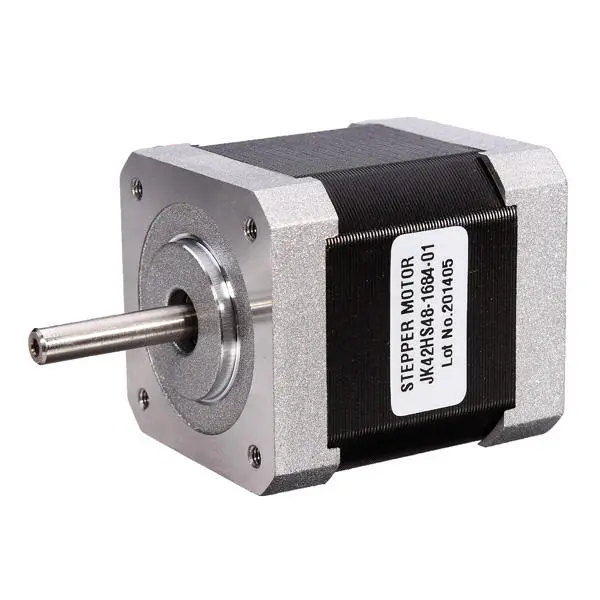
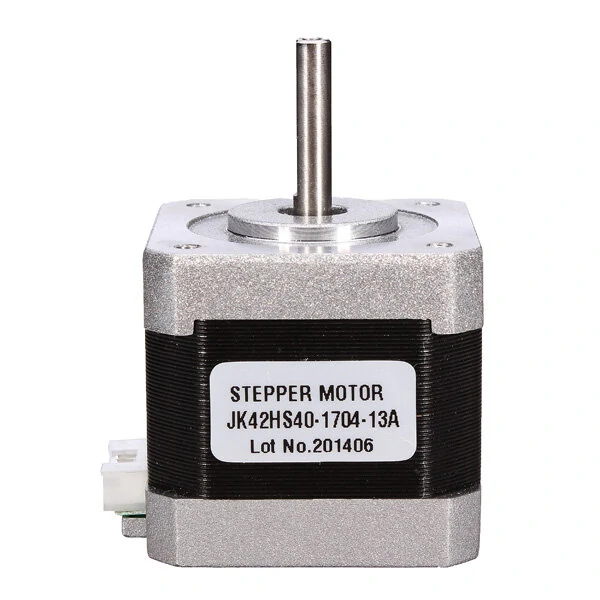
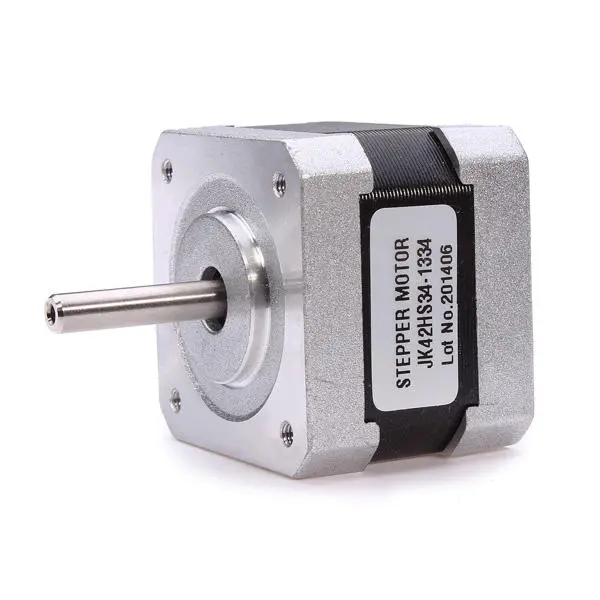
![42mm L Alloy Steel Bracket - NEMA17 Stepper Motor Mount - [Model/Specs]](https://www.vqtool.com/uploads/products/main/243b39f4-240c-47bd-ad5e-87e4095118a5.jpg.webp)