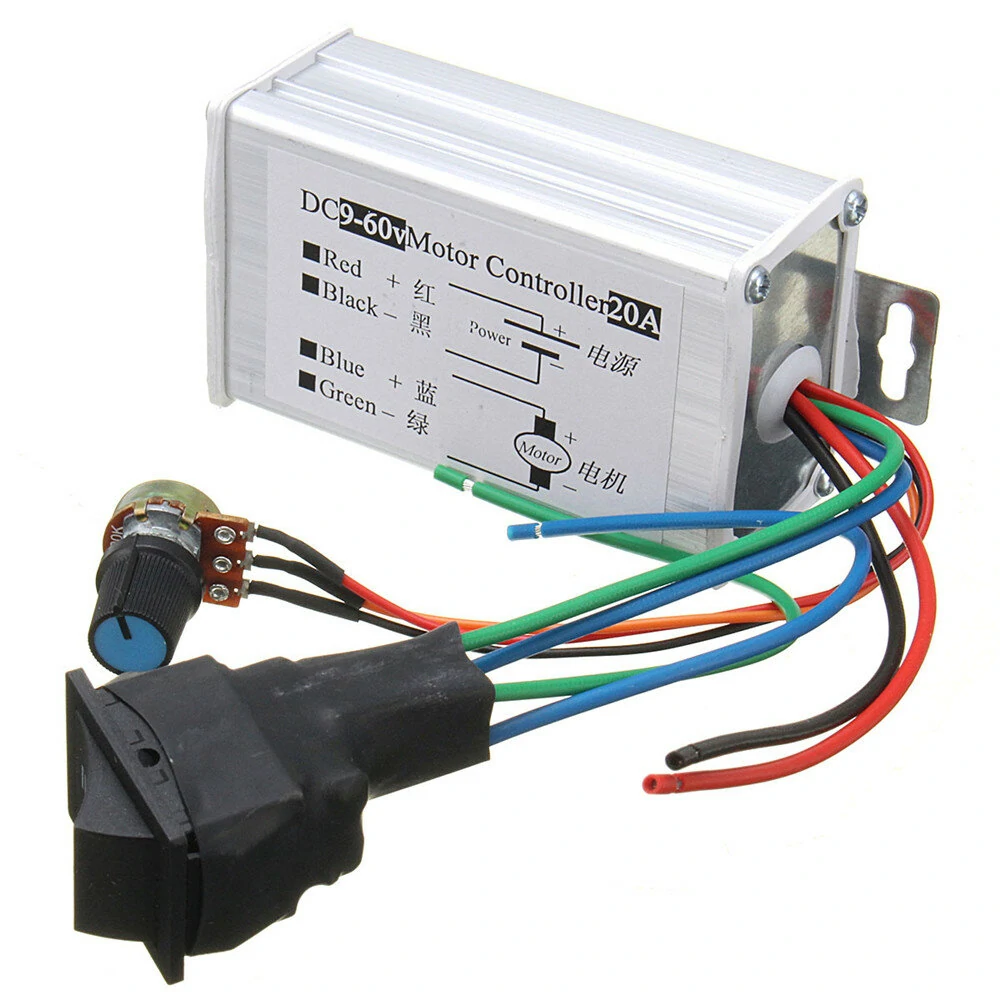
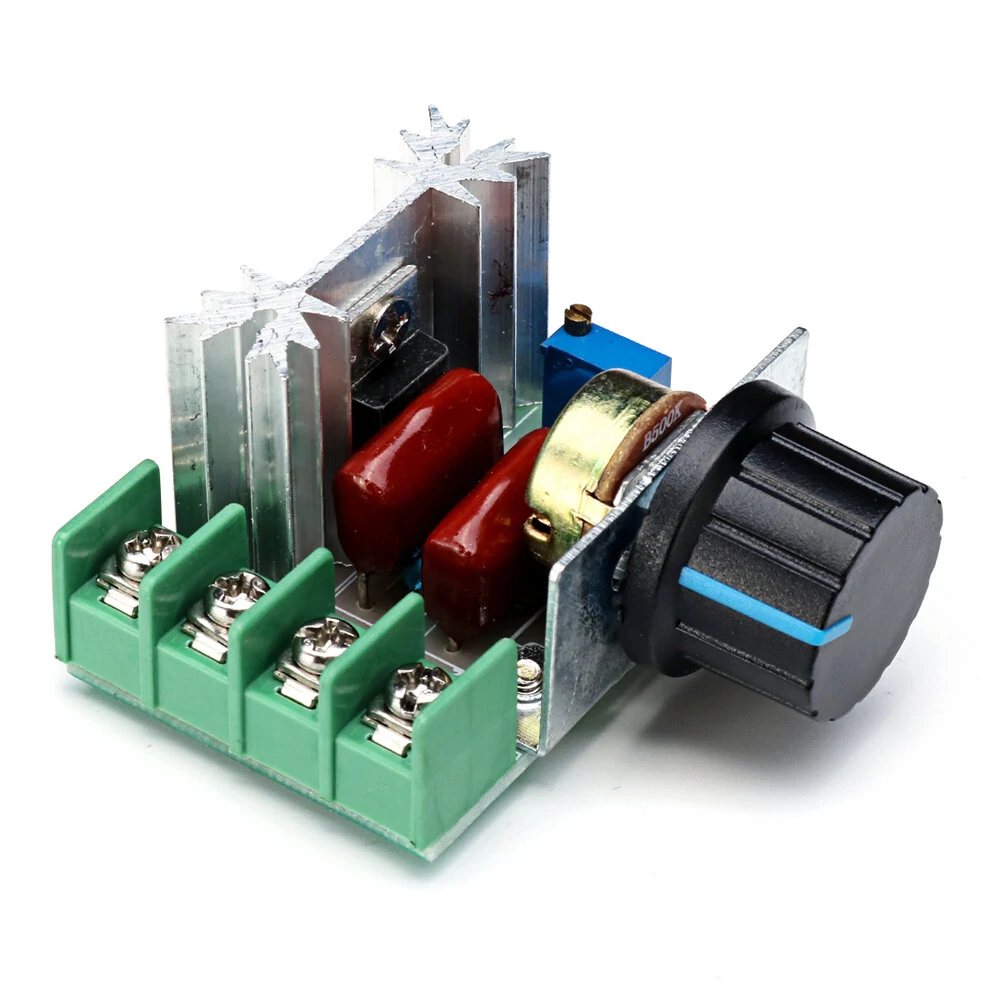
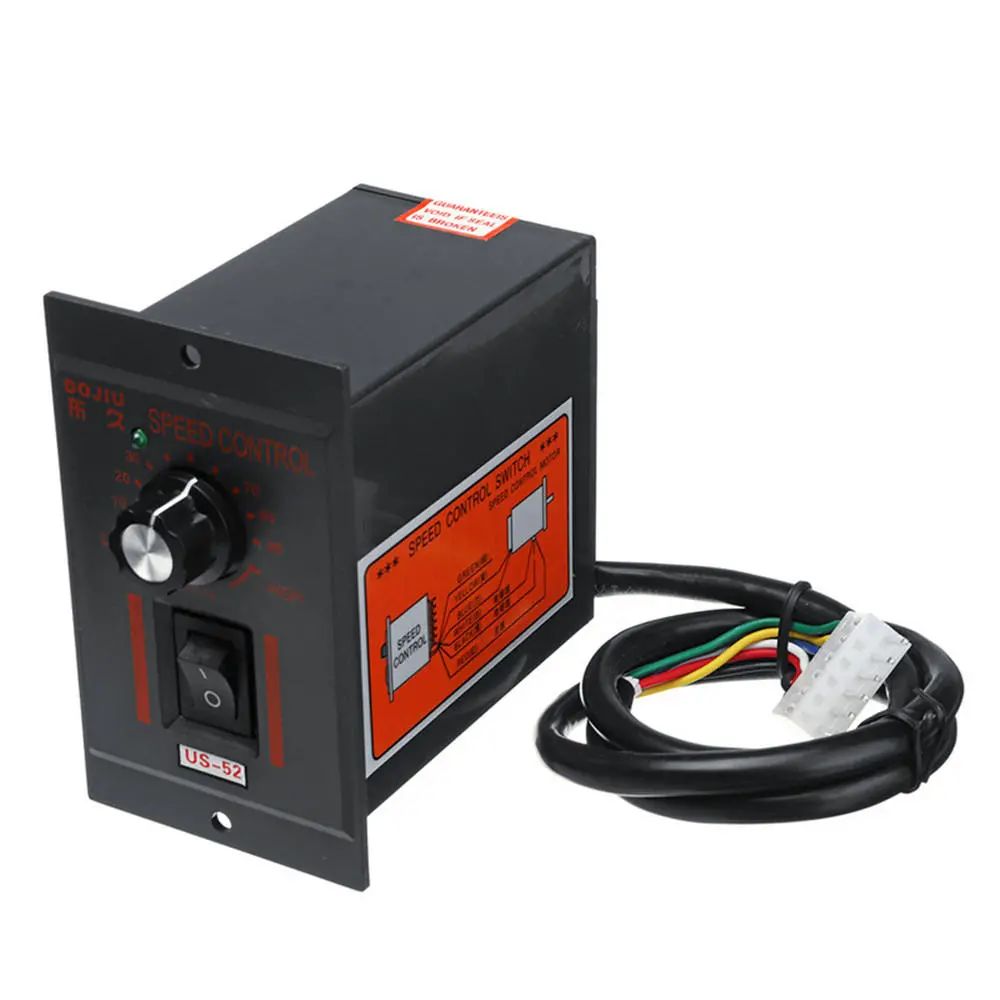
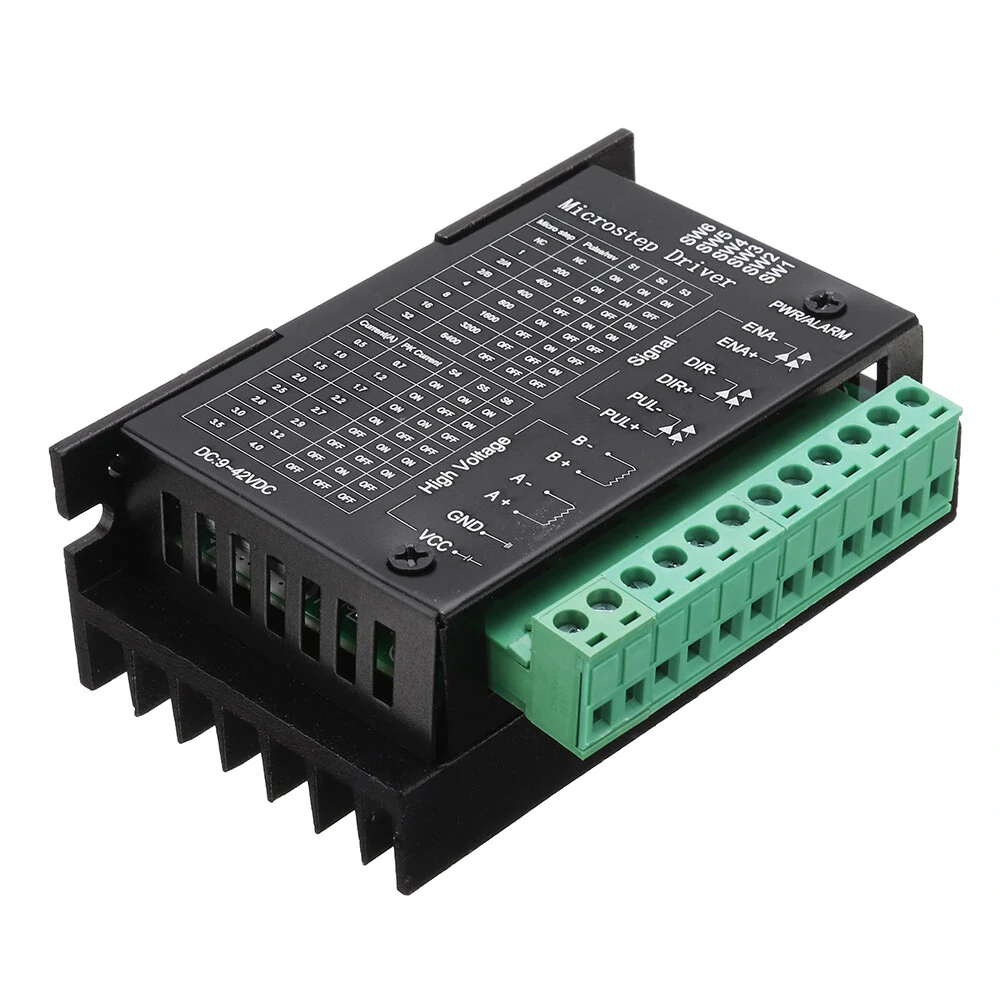
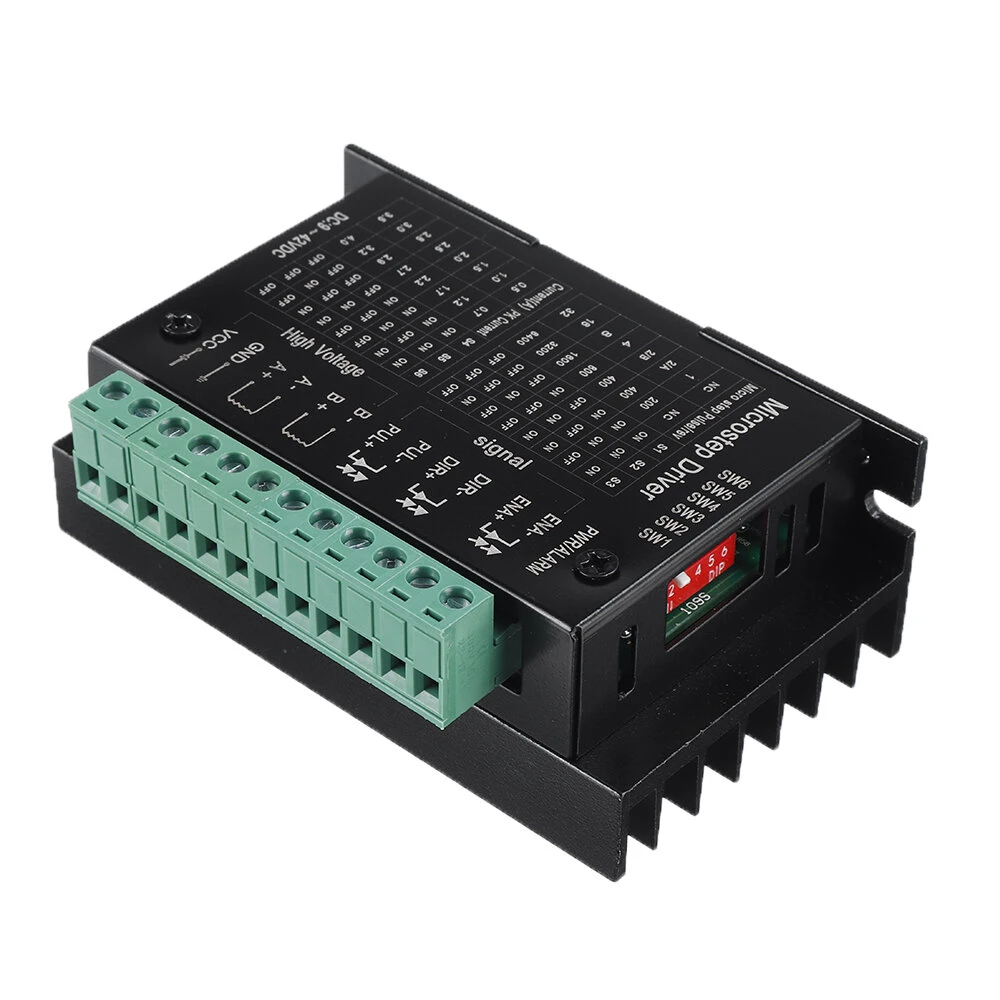
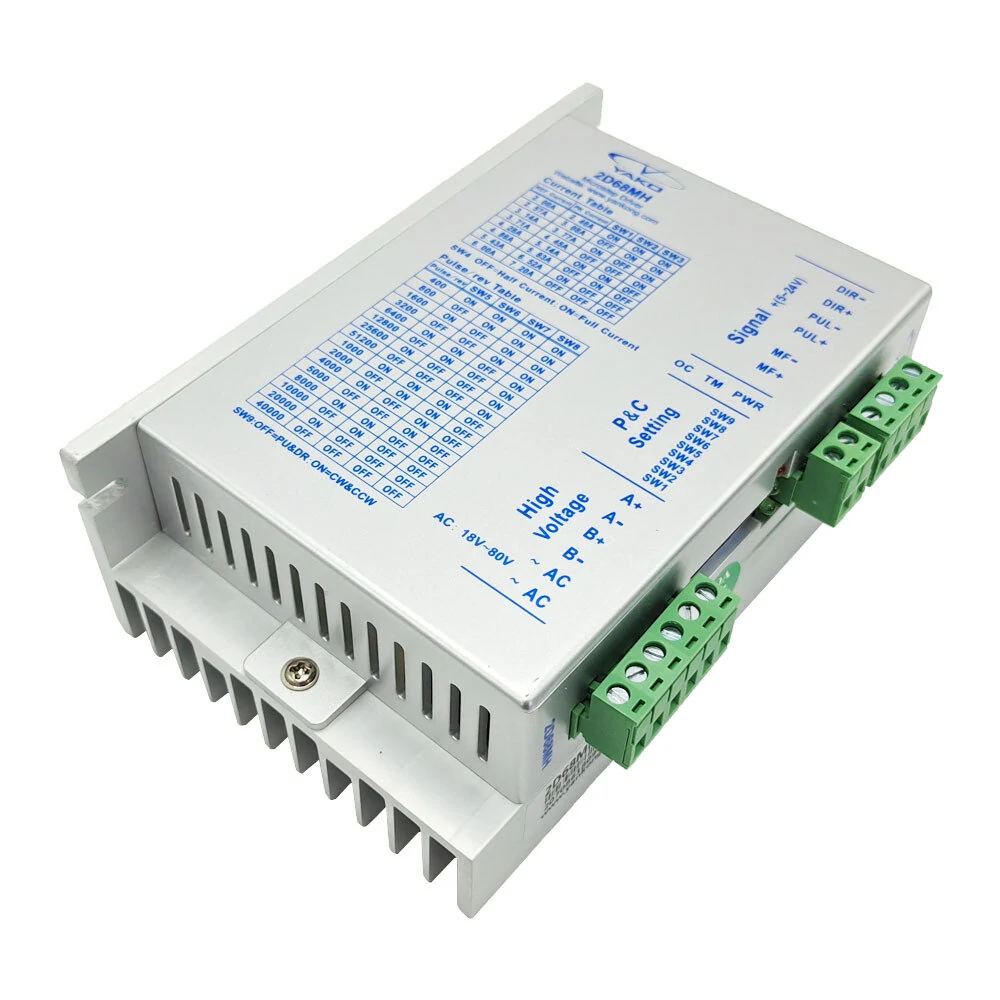
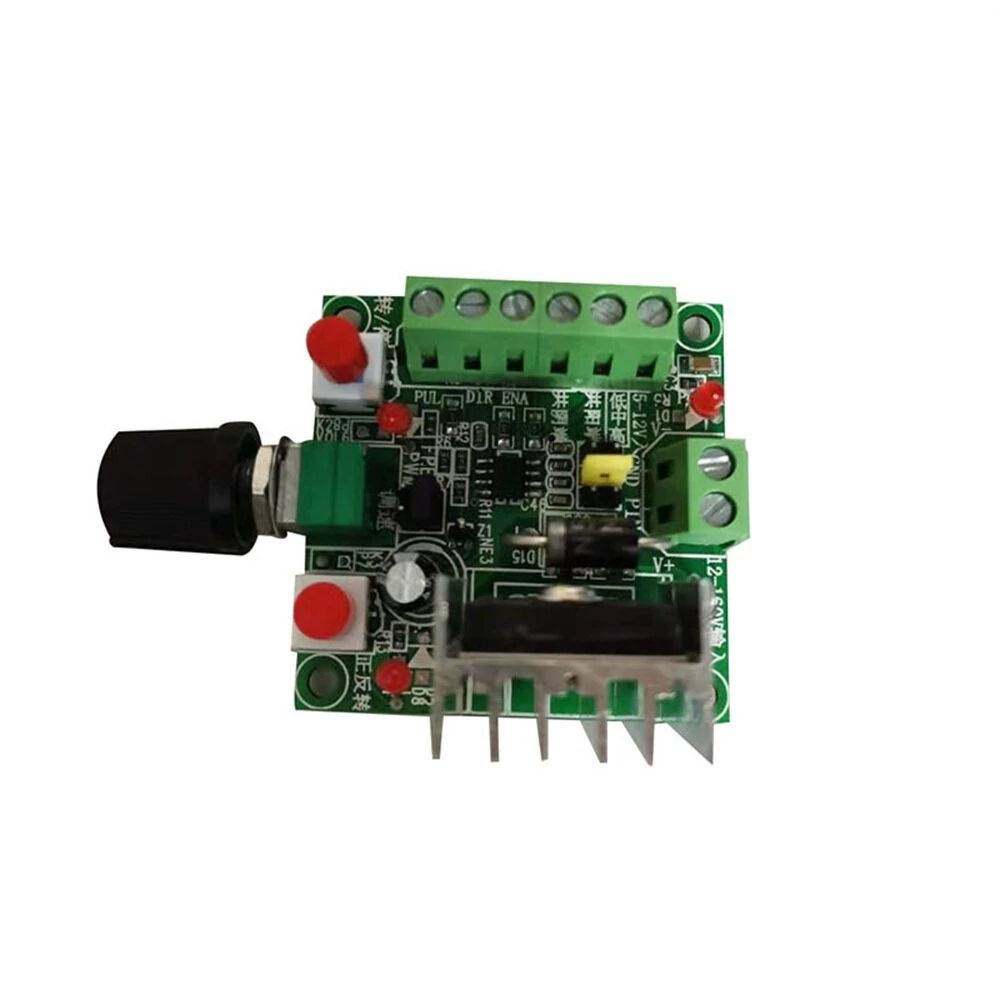
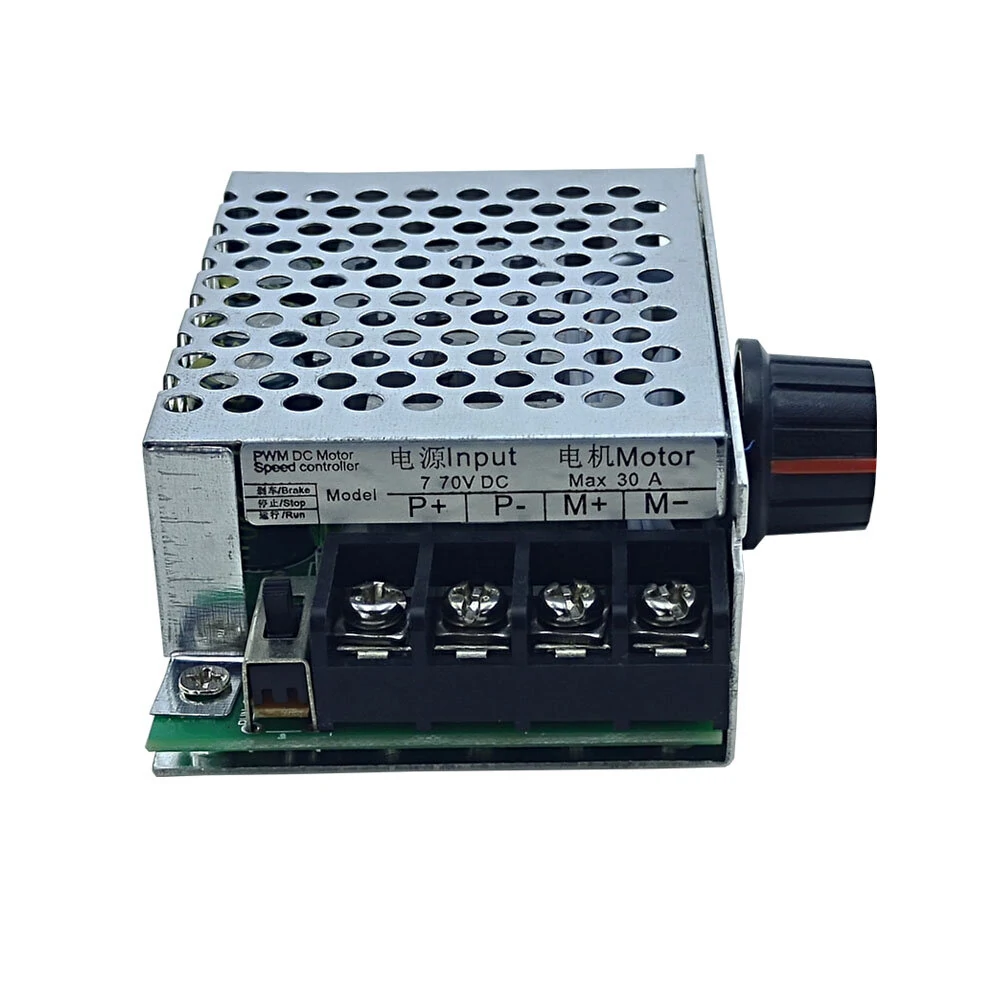
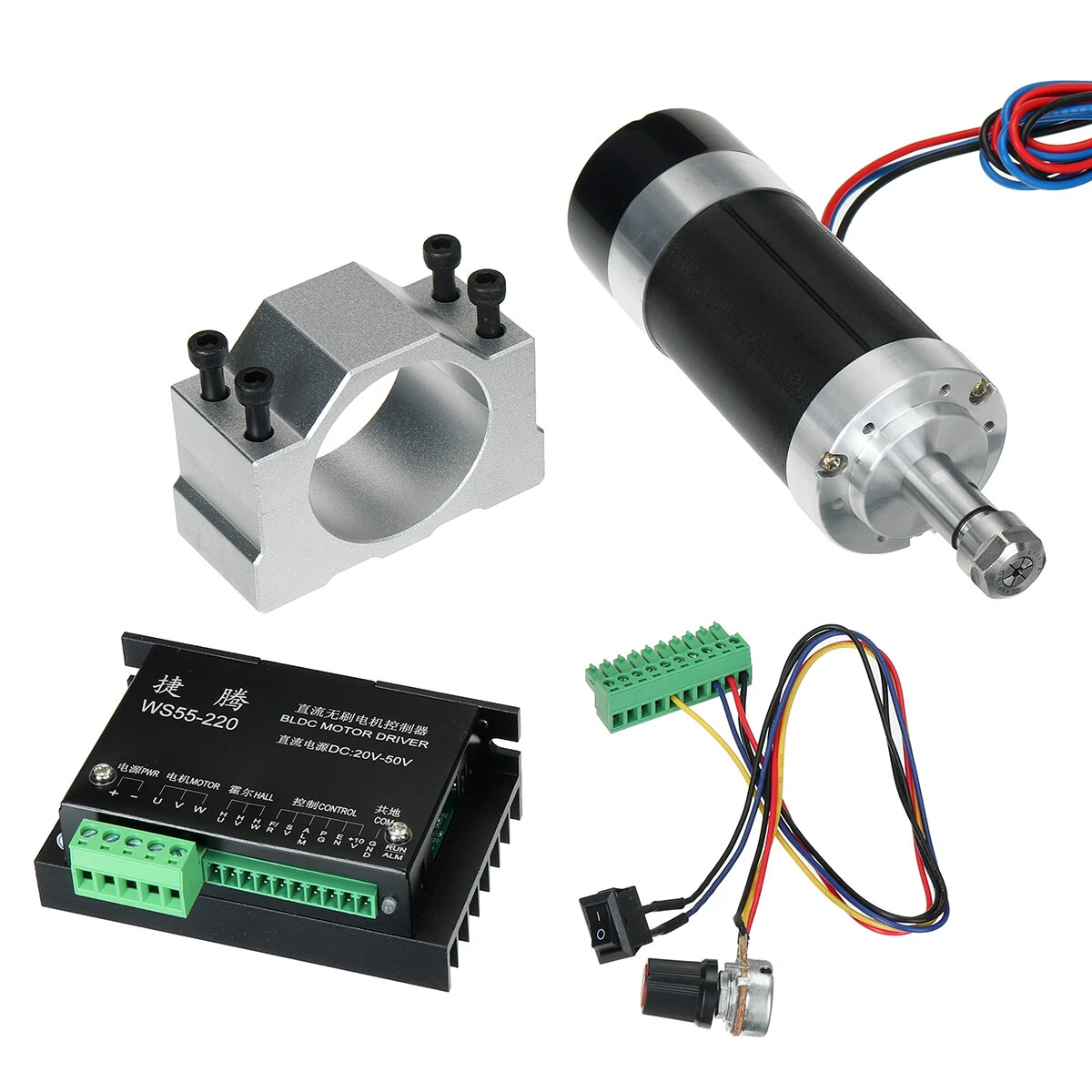
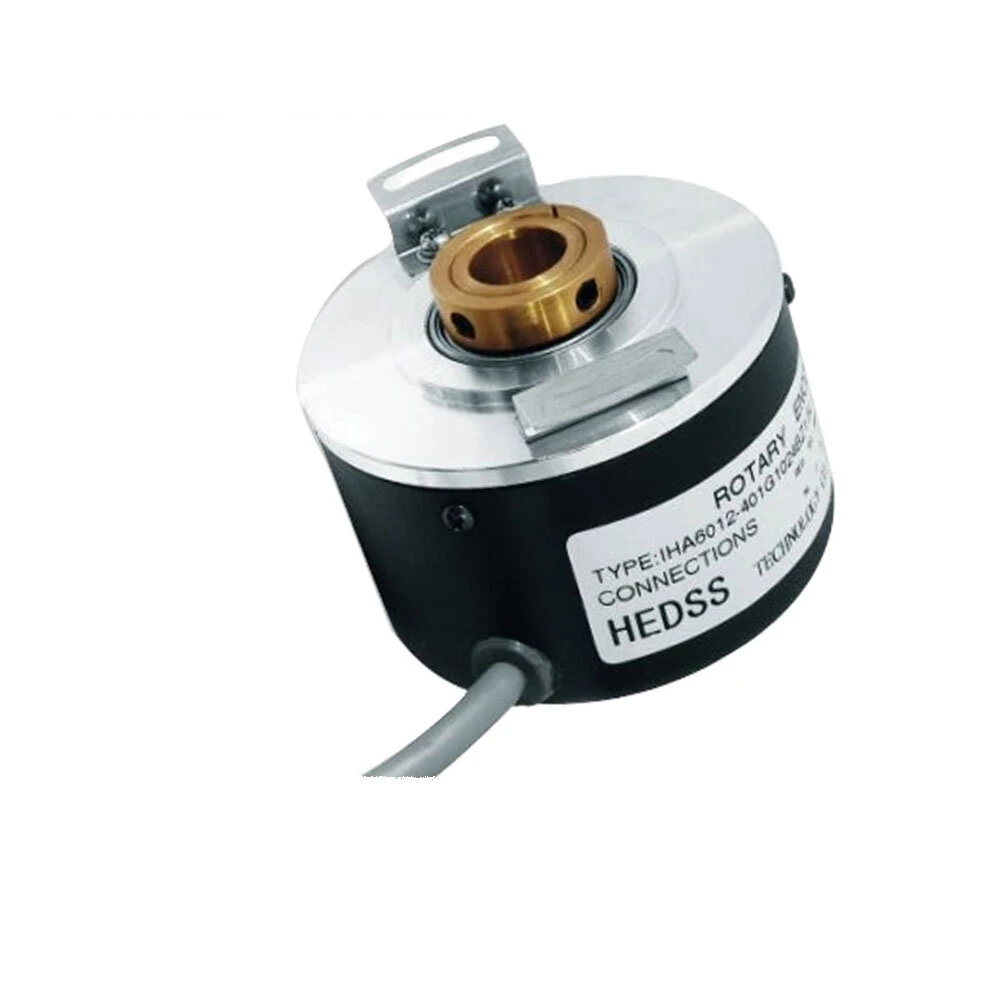
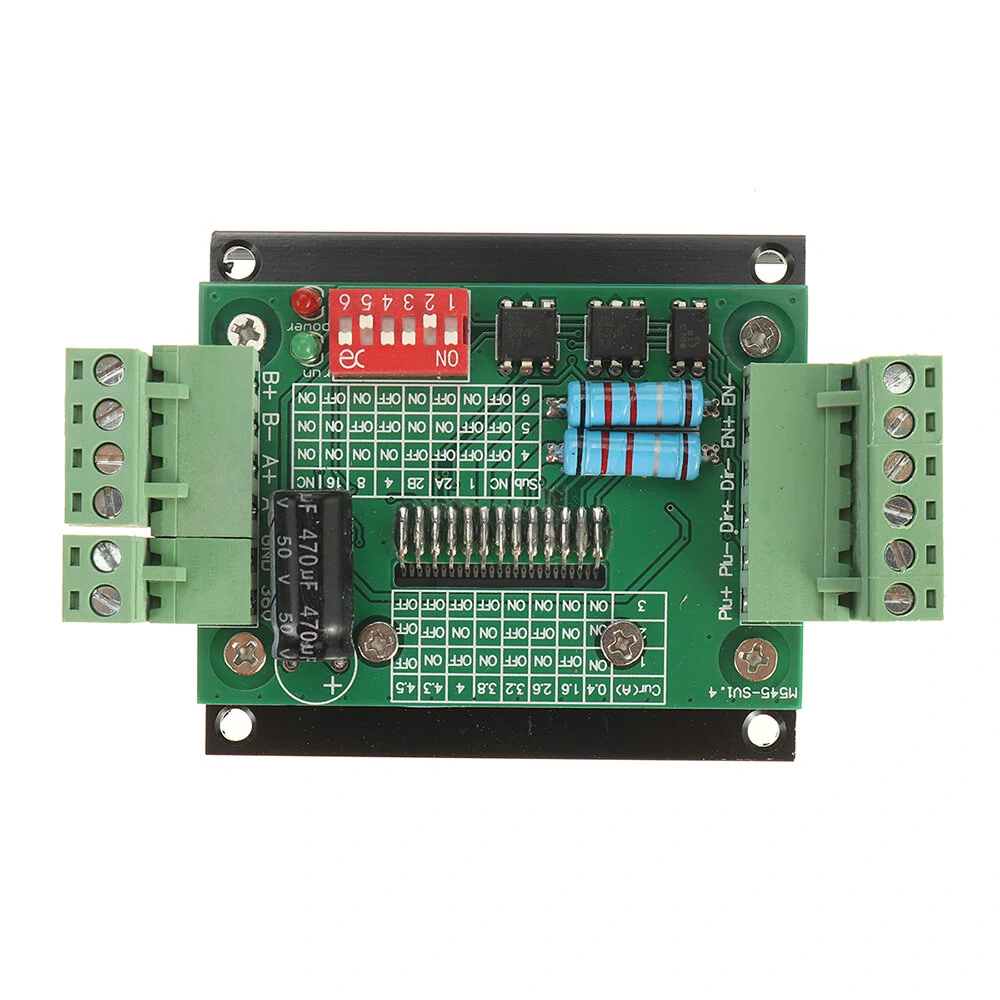
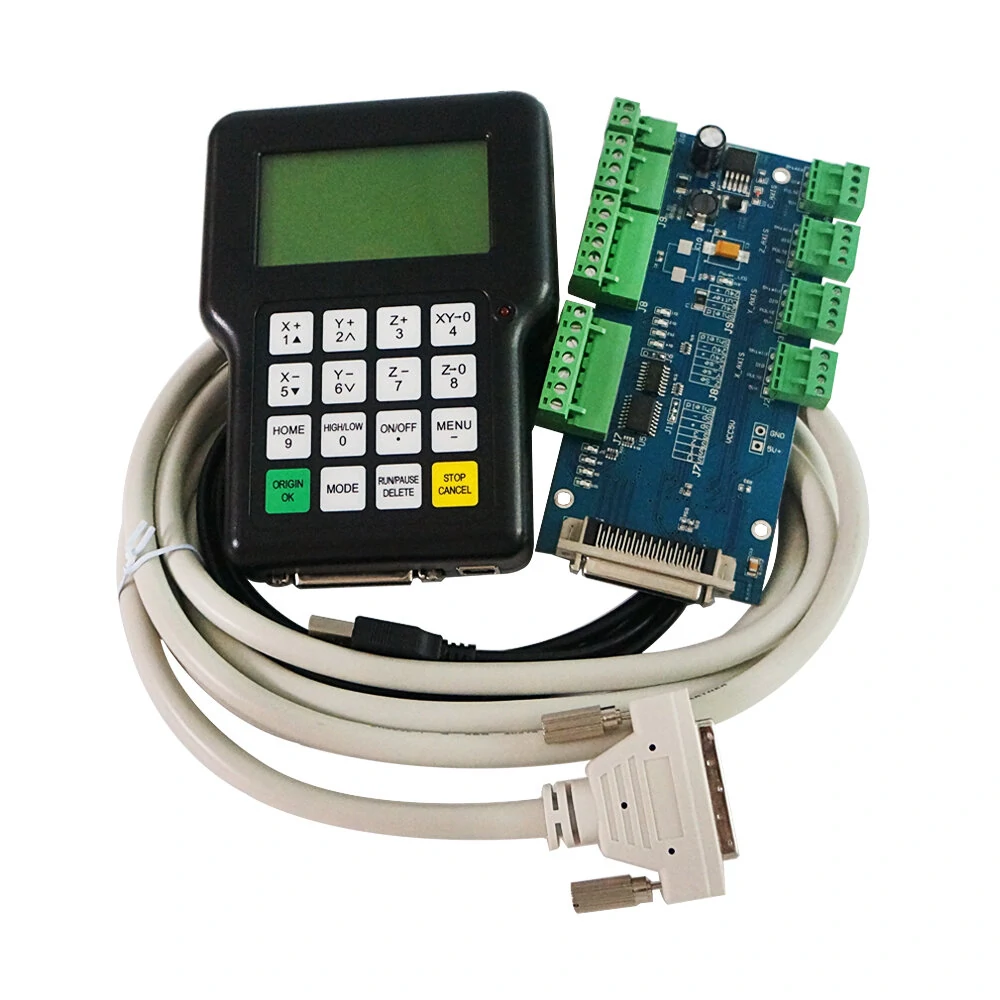
Motor drivers are the essential interface between a low-power control circuit (like a microcontroller or PLC) and a high-power motor. They act as the muscle, translating delicate command signals into the robust current and voltage required to make motors spin, stop, and change direction with precision. Without a motor driver, your microcontroller could never directly power a motor, making these components fundamental to robotics, automation, CNC machines, 3D printers, and countless DIY electronics projects. The core categories include DC motor drivers, which manage speed and direction of simple brushed and brushless DC motors; stepper motor drivers, which enable precise positional control through microstepping; and servo drivers, which control the angle of hobbyist or industrial servo motors. Key benefits of using a dedicated driver include protection for your sensitive control electronics from back-EMF and voltage spikes, efficient power management that reduces heat, and advanced features like current limiting, microstepping for smoother motion, and integrated diagnostics. When selecting a motor driver, consider the motor type, voltage and current requirements, control interface (PWM, STEP/DIR, serial), and necessary features like built-in protection. From compact H-bridge ICs for simple robots to sophisticated standalone controllers for complex multi-axis systems, the right motor driver is the key to unlocking reliable and accurate mechanical motion in any application.
**Choosing the Right Motor Driver: A Quick Guide**
**1. What type of motor are you using?** This is the first and most critical question. DC, stepper, and servo motors each require specific driver types. Using the wrong driver can damage both the motor and the controller.
**2. What are the voltage and current ratings?** Your driver must handle the motor's peak voltage and, crucially, its *peak current draw*. Always choose a driver with a current rating at least 20-30% higher than your motor's requirement for safety and longevity.
**3. What is your control method?** Ensure compatibility with your main controller (e.g., Arduino, Raspberry Pi). Common interfaces are simple PWM for speed, STEP/DIR for steppers, or serial communication (UART, I2C) for advanced configuration.
**4. Do you need advanced features?** For sensitive applications, look for features like current sensing, microstepping (for smoother stepper motor operation), thermal shutdown, and fault indicators. These protect your investment and improve performance.
**FAQ: Can I control a motor directly from an Arduino pin?** No. Microcontroller pins can only supply a small amount of current (typically 20-40mA), far less than what even a small motor requires. A motor driver provides the necessary power amplification and isolation.