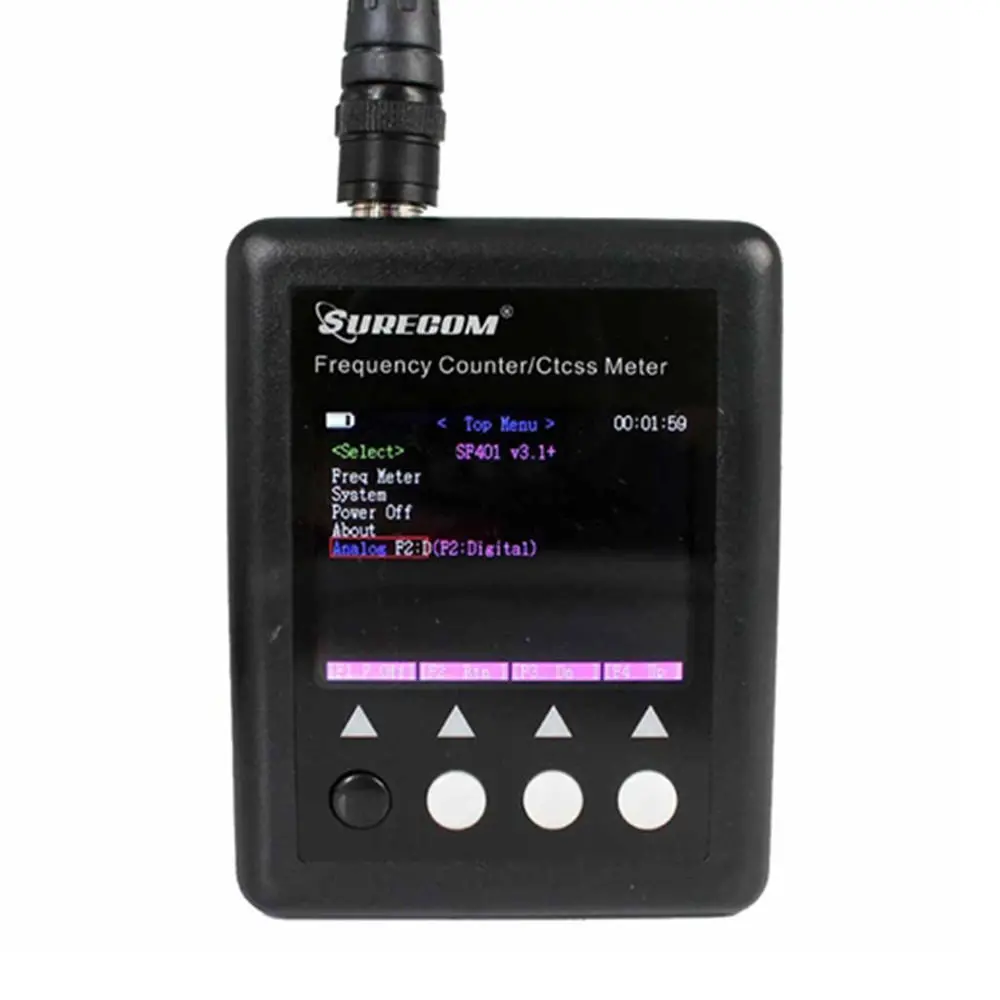
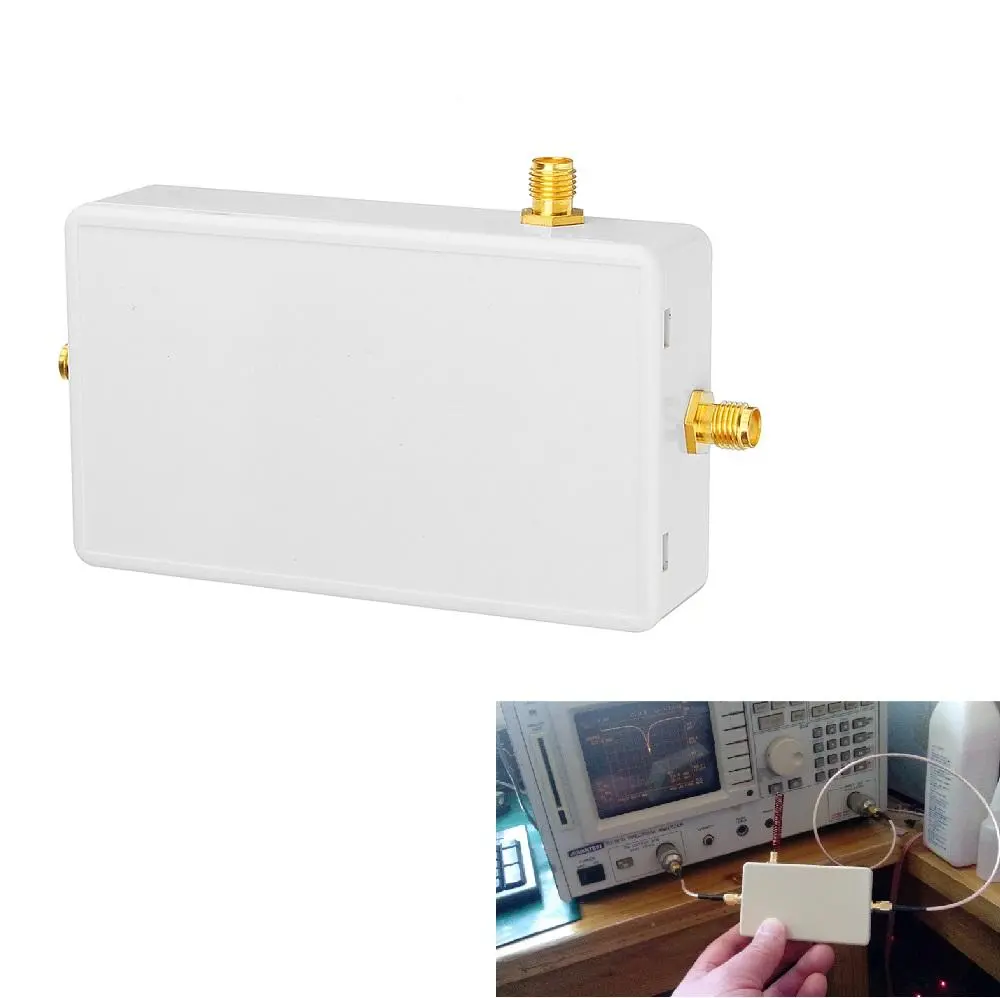
Spectrum analyzers are indispensable electronic test instruments used to visualize and measure the frequency spectrum of electrical signals. By displaying signal amplitude (power) versus frequency, they provide critical insights into signal behavior, interference, modulation, and distortion that other tools cannot. This category encompasses a wide range of devices tailored for diverse applications, from high-performance benchtop models for R&D labs to rugged handheld units for field service and installation. Key product types include traditional swept-tuned spectrum analyzers, real-time spectrum analyzers (RTSA) for capturing transient signals, and vector signal analyzers (VSA) that also measure modulation quality. For engineers and technicians, the primary benefits are clear: identifying unknown signals, measuring signal strength, detecting spurious emissions, troubleshooting electromagnetic interference (EMI), and ensuring compliance with wireless standards. Modern analyzers often integrate advanced features like built-in tracking generators (effectively creating a scalar network analyzer), demodulation capabilities, and extensive connectivity for automated testing. Whether you're developing the latest 5G device, maintaining broadcast equipment, diagnosing automotive radar, or ensuring audio system fidelity, selecting the correct spectrum analyzer is fundamental to achieving accurate, reliable, and efficient signal analysis.
Choosing the best spectrum analyzer depends on your specific application and requirements. Start by defining your key parameters: **Frequency Range** – Ensure it covers your fundamental frequency and harmonics. **Resolution Bandwidth (RBW)** – Critical for distinguishing closely spaced signals; lower RBW offers better resolution. **Dynamic Range** – The ability to measure small signals in the presence of large ones. **Phase Noise** – Important for discerning low-power signals near a high-power carrier. Consider the form factor: benchtop analyzers offer maximum performance and features for lab environments, while portable and handheld models provide essential functionality for on-site troubleshooting. For field technicians, battery life, durability, and weight are key. For design engineers, features like real-time analysis, vector signal analysis, and application-specific software may be paramount. FAQ: **Q: What is the difference between a spectrum analyzer and an oscilloscope?** A: An oscilloscope shows signal amplitude over time (time domain), while a spectrum analyzer shows amplitude over frequency (frequency domain). **Q: Do I need a real-time spectrum analyzer?** A: RTSAs are essential for capturing intermittent, glitch, or frequency-hopping signals that a swept analyzer might miss. **Q: Can I use a spectrum analyzer for EMI pre-compliance testing?** A: Yes, many models offer EMI filters, quasi-peak detectors, and software to conduct preliminary tests before formal certification. Always verify the instrument's specifications against your test standards.