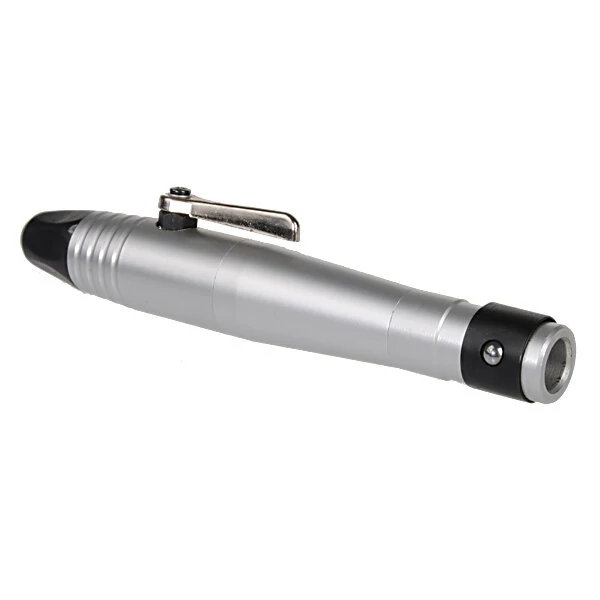
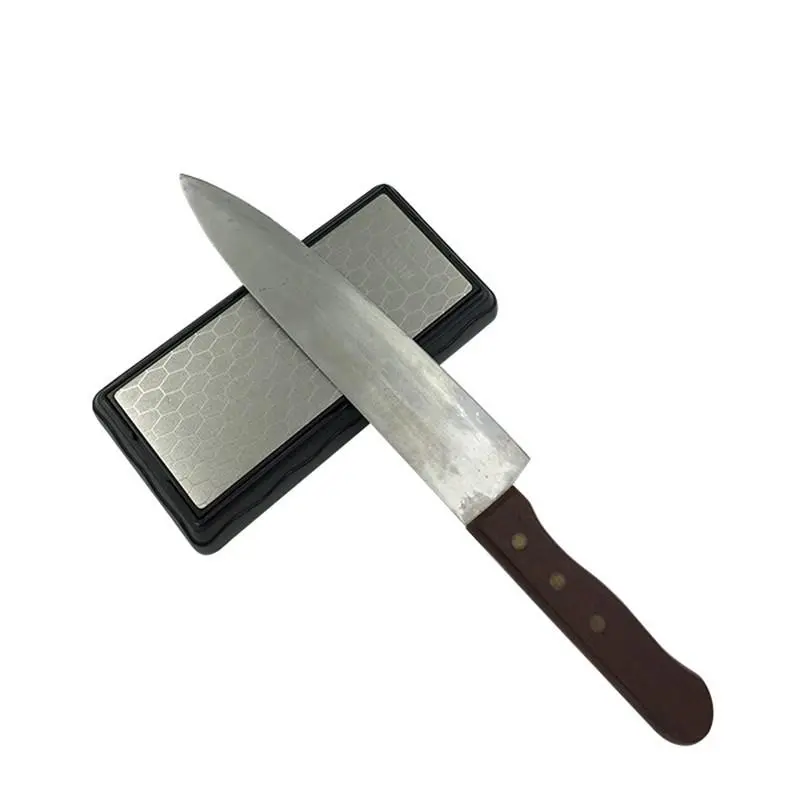
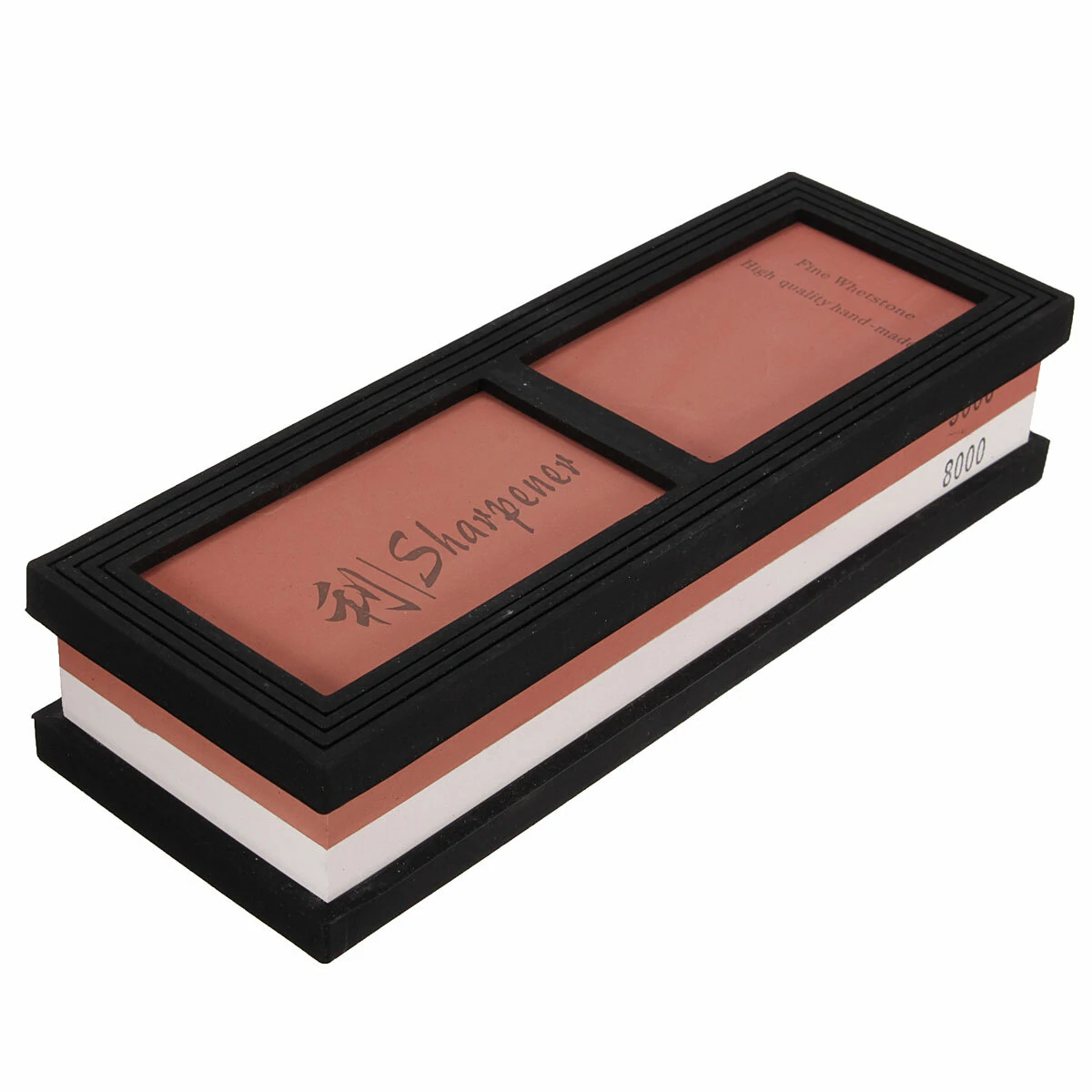
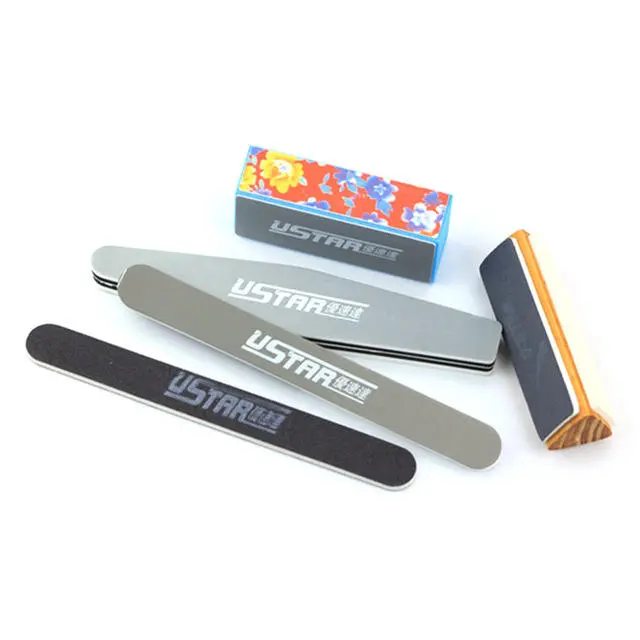
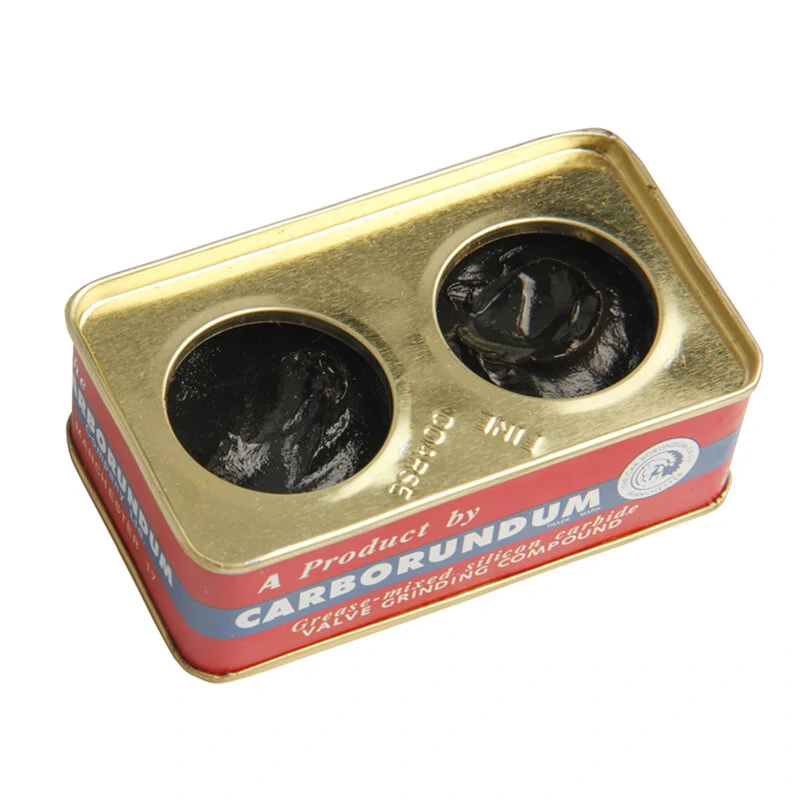
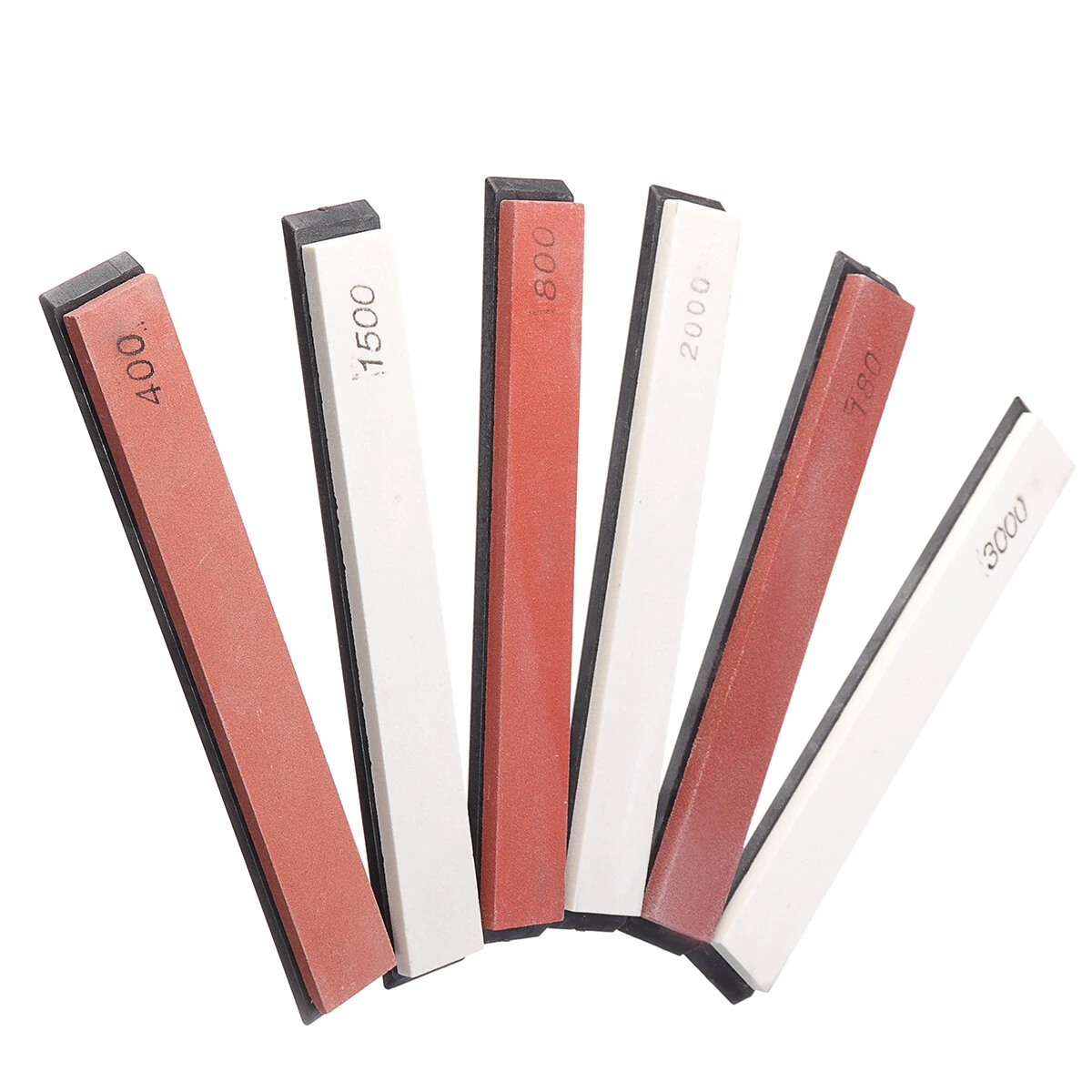
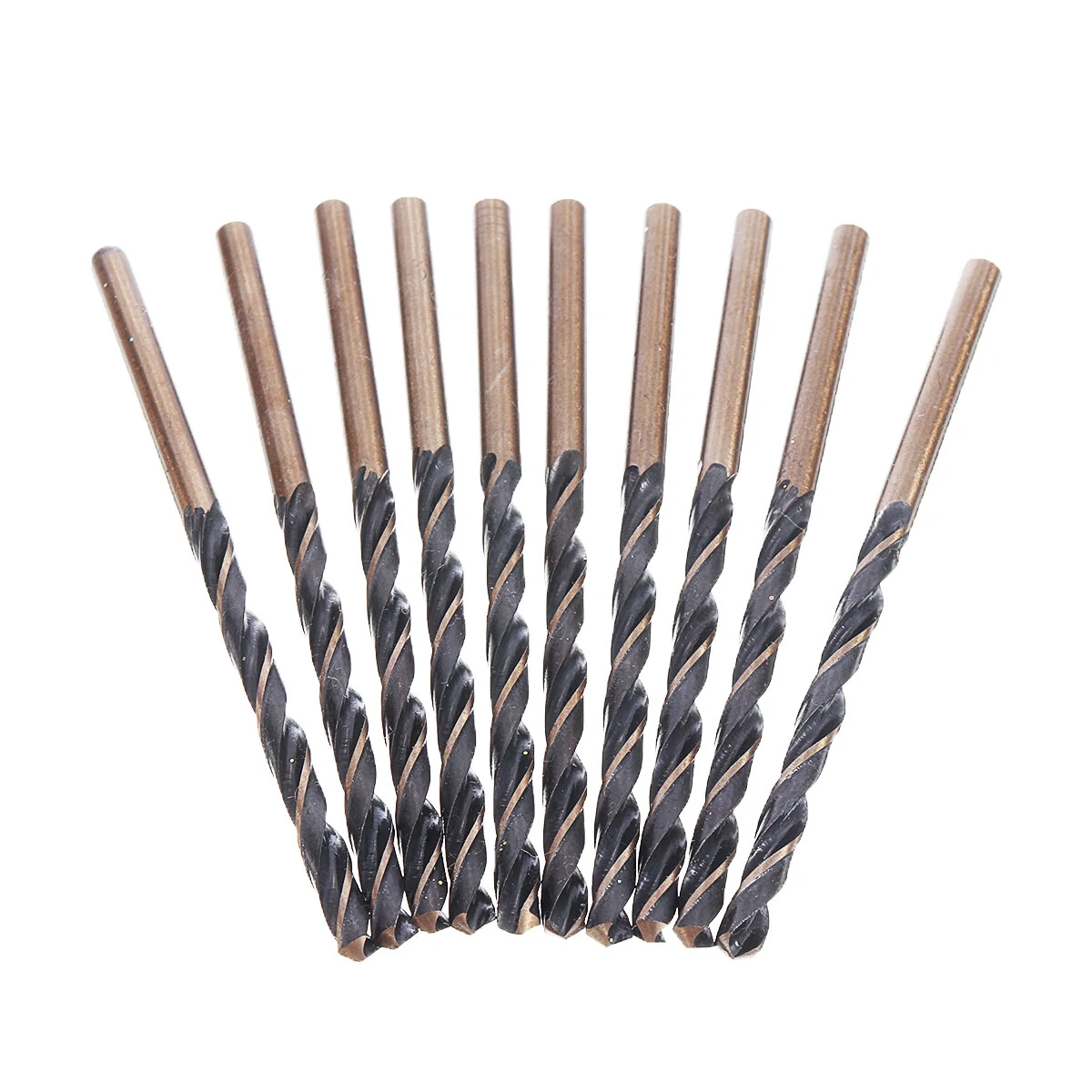
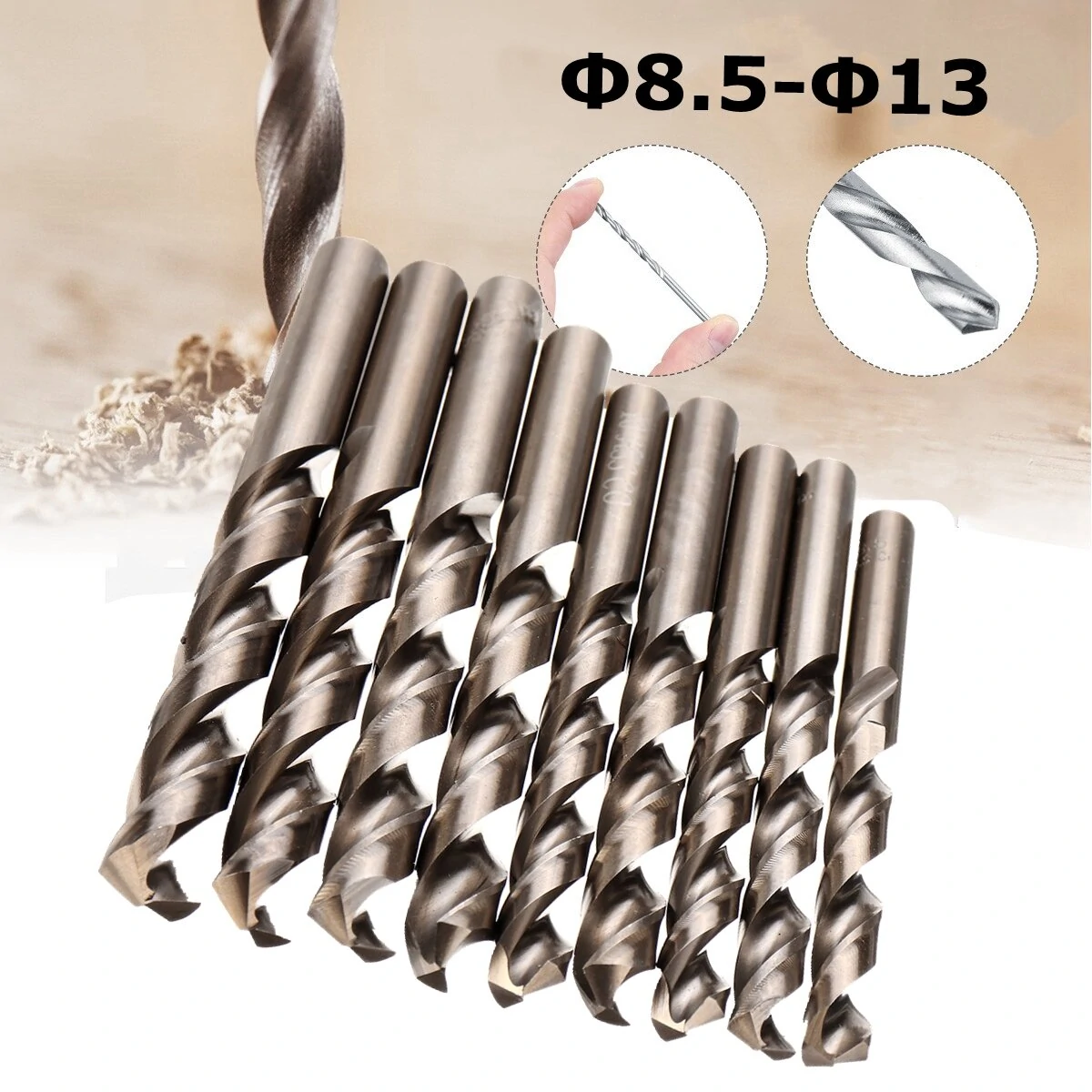
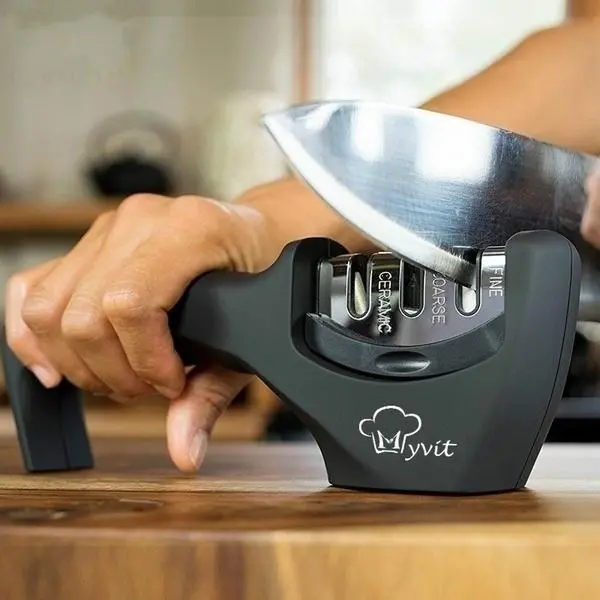
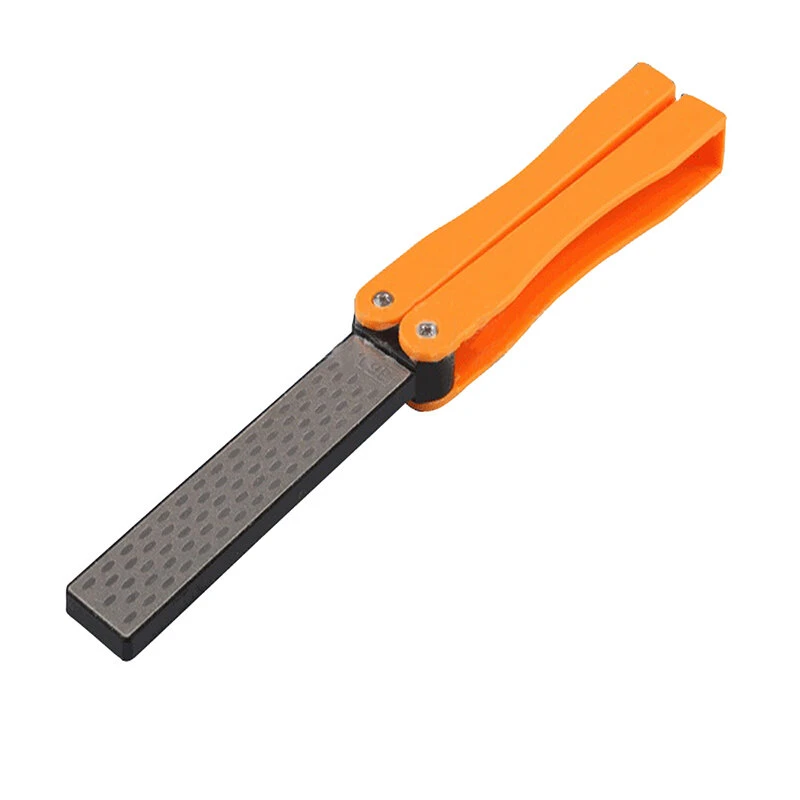
Abrasive tools are the indispensable workhorses of fabrication, construction, and fine craftsmanship. This category encompasses a vast array of products designed to cut, grind, sand, polish, and finish virtually any material, from hardened steel and concrete to delicate wood and composites. At their core, these tools use abrasive grains—like aluminum oxide, silicon carbide, zirconia, or ceramic—bonded to a backing (paper, cloth, fiberglass) or formed into a solid shape (wheels, stones) to remove material through friction.
Key products within this essential category include grinding wheels for heavy stock removal and weld preparation, cutting discs for slicing through metal and masonry, and sanding discs and belts for smoothing surfaces. Flap discs combine grinding and finishing in one versatile tool, while sandpaper sheets and rolls are fundamental for detailed woodworking and refinishing projects. Each type is engineered for specific applications, balancing aggressive material removal with controlled finishes.
The primary benefits of selecting the right abrasive tool are profound. They dramatically increase efficiency, saving time and labor on any project. Precision is enhanced, allowing for clean cuts, smooth bevels, and consistent finishes that meet professional standards. Furthermore, using the correct abrasive extends tool life, ensures operator safety by reducing kickback and breakage, and ultimately delivers superior, repeatable results. Whether you're a professional welder, a woodworking enthusiast, or a DIY homeowner tackling a renovation, understanding and utilizing the appropriate abrasive tool is key to project success.
Choosing the right abrasive tool is crucial for safety and results. Follow this quick guide: First, **match the material**. Use aluminum oxide for general-purpose metal and wood, silicon carbide for non-ferrous metals, glass, or stone, and specialized ceramics for hard metals. Second, **select the grit**. Lower grit numbers (24-80) are for aggressive cutting and grinding, medium grits (100-180) for smoothing, and high grits (220+) for fine finishing and polishing. Third, **consider the bond and backing**. Resin-bonded wheels are common for grinding/cutting, while fiberglass backing offers durability. For sanding, paper is economical, cloth is flexible, and film-backed discs provide a superior finish.
**FAQ: What's the difference between a grinding wheel and a cut-off wheel?** Grinding wheels are thicker, designed for removing material from a surface. Cut-off wheels are extremely thin to minimize material loss during slicing. **Can I use a wood sanding disc on metal?** No. The abrasive grain and backing are not designed for metal's heat and can clog or fail dangerously. Always use tools specified for your workpiece material. **How do I know when to replace a disc or sheet?** Replace cutting/grinding discs if chipped, cracked, or worn down. Replace sandpaper when it no longer cuts efficiently or is completely clogged with material (loaded). Investing in quality abrasives and using them correctly ensures cleaner work, longer tool life, and a safer workshop.
.JPG.webp)