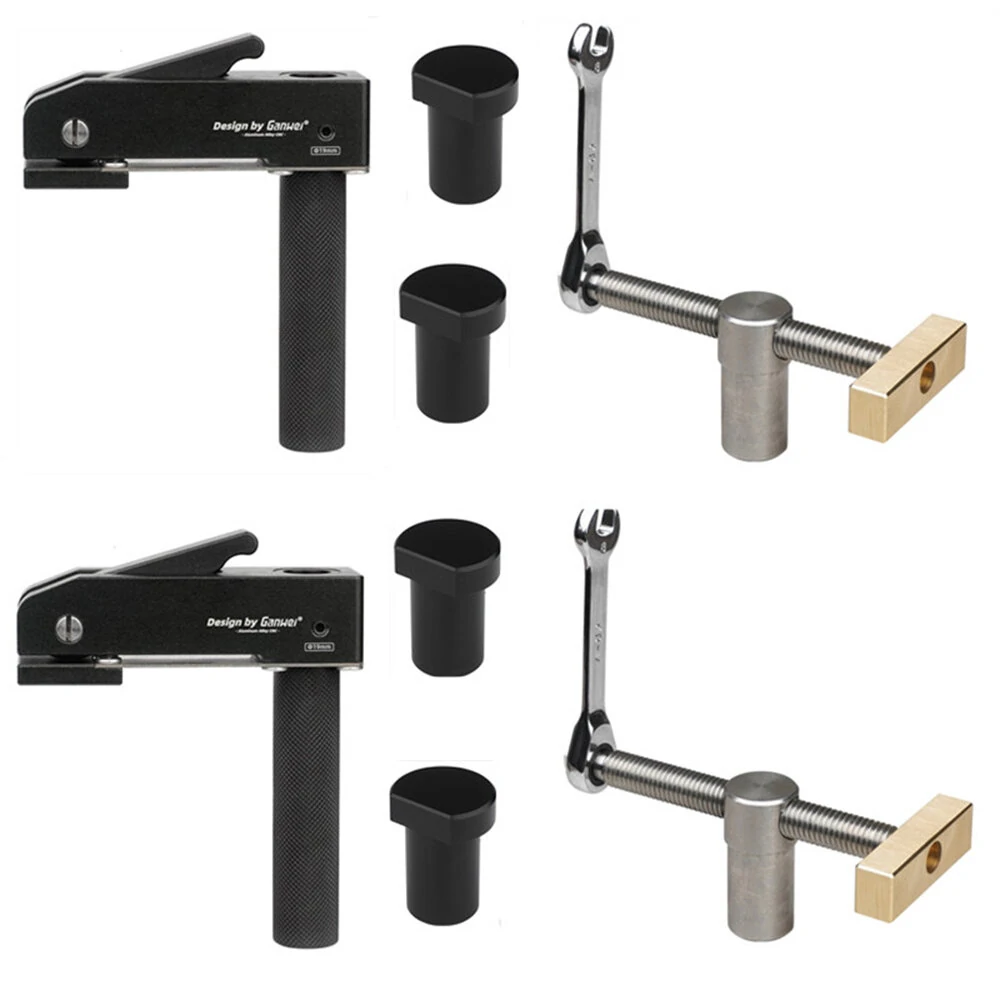
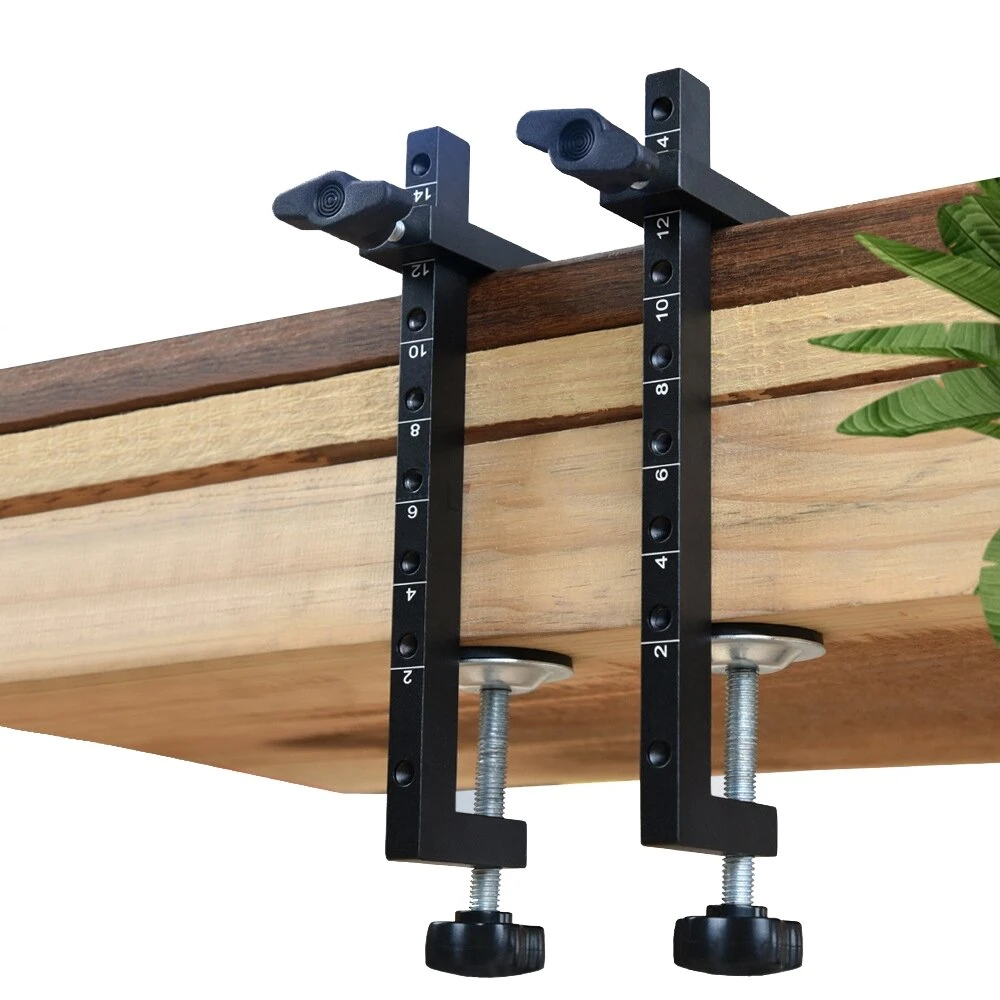
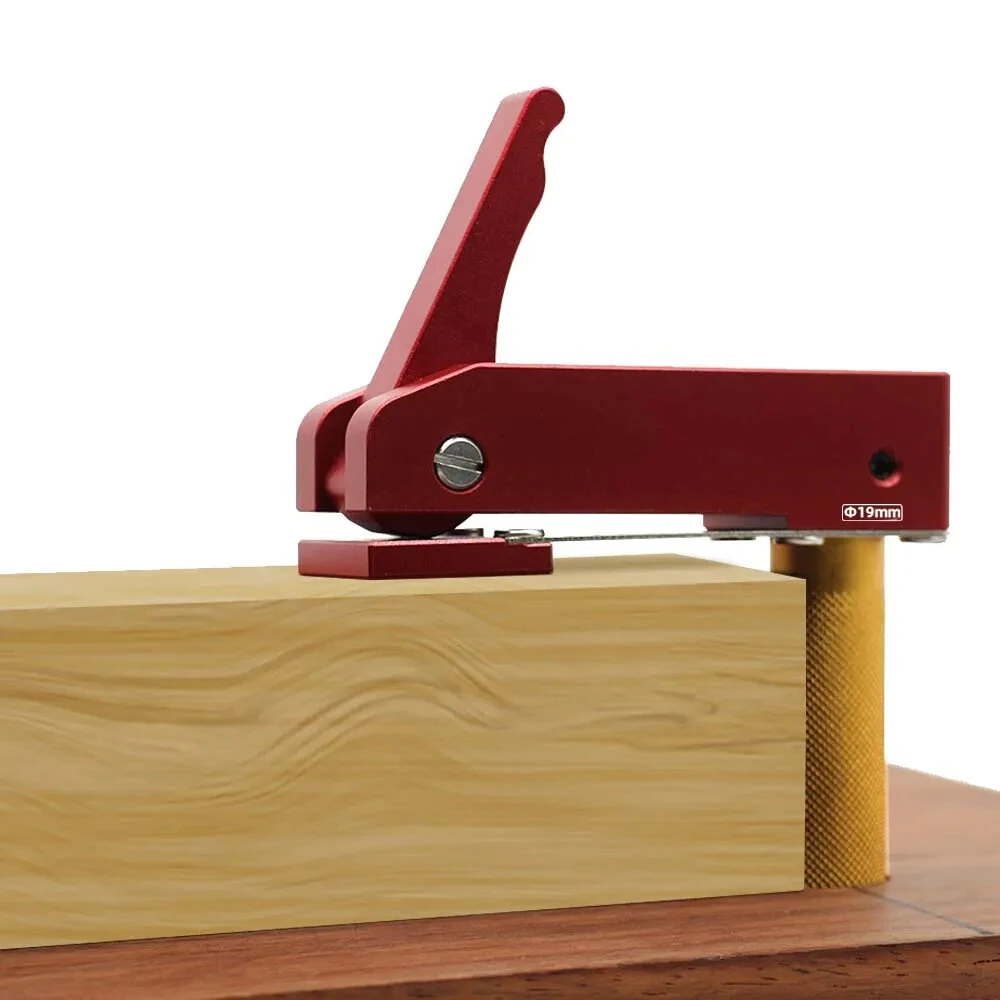
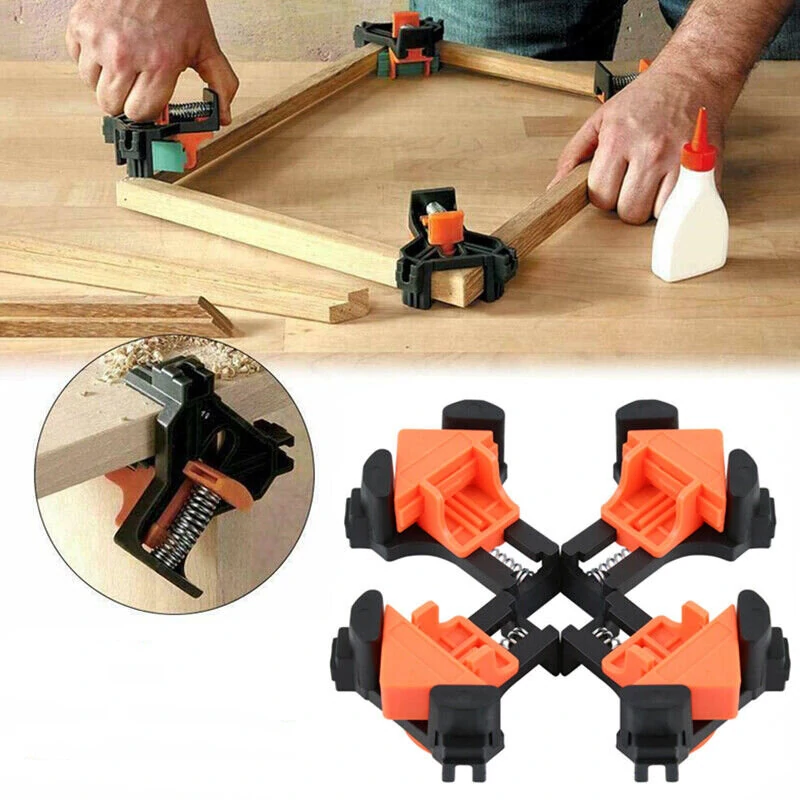
Woodworking clamps are the unsung heroes of any successful workshop. Far more than simple holding devices, they are fundamental tools that ensure precision, strength, and safety in every project. From delicate box assemblies to large-scale tabletop glue-ups, the right clamp provides the consistent, even pressure needed for perfect bonds and square constructions. Without them, even the most skilled craftsmanship can be compromised by misaligned joints or weak glue lines.
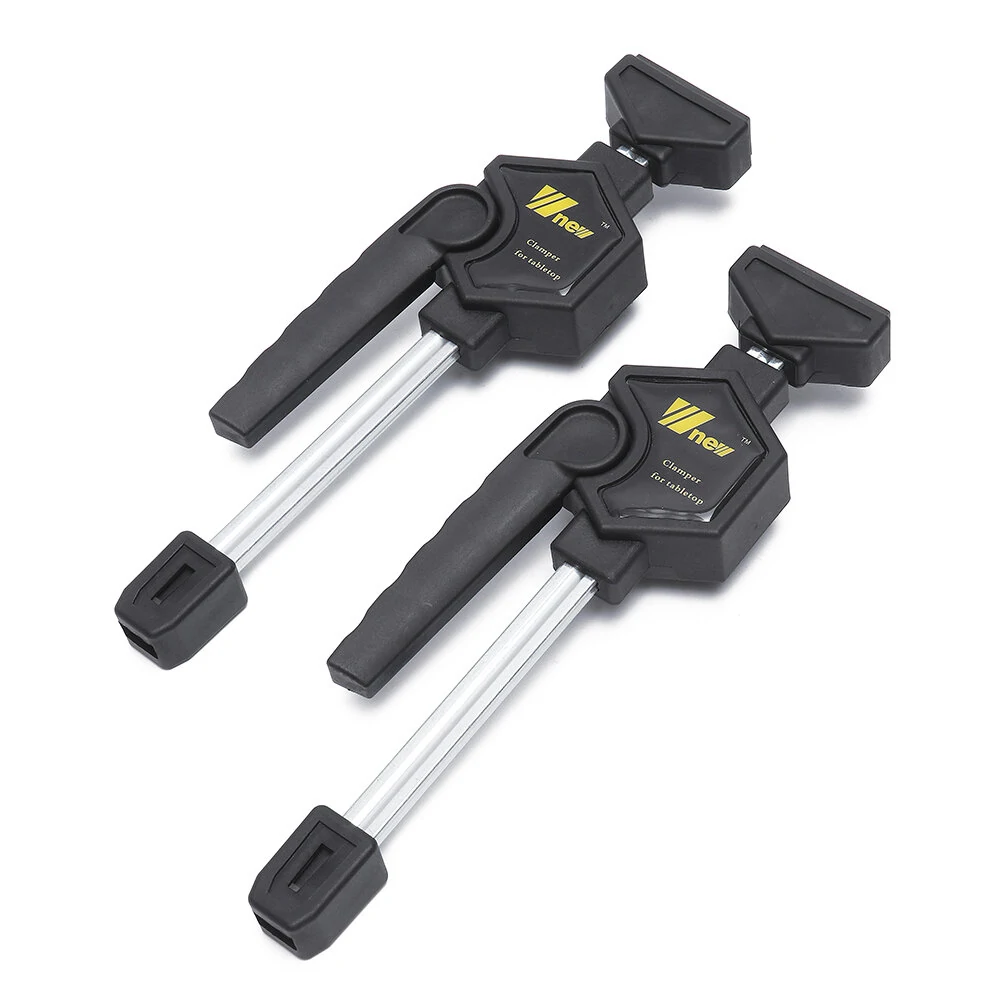
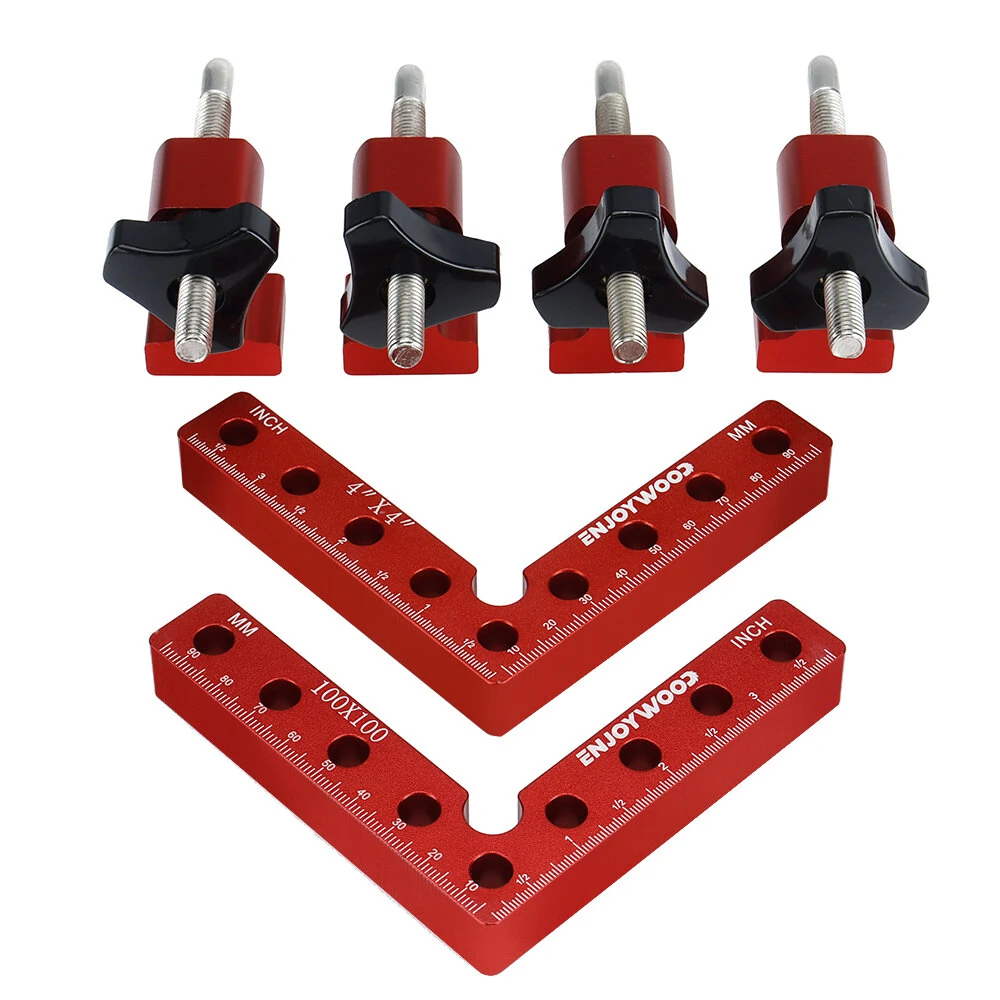
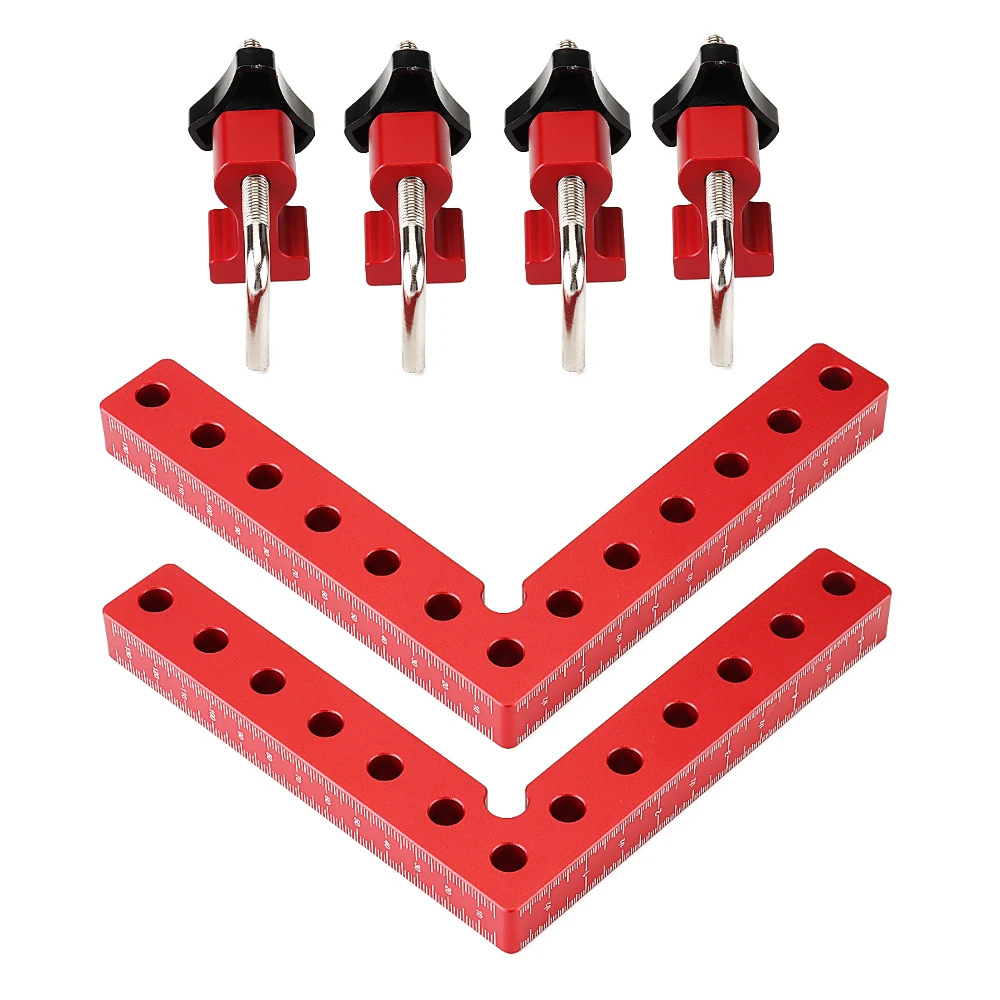
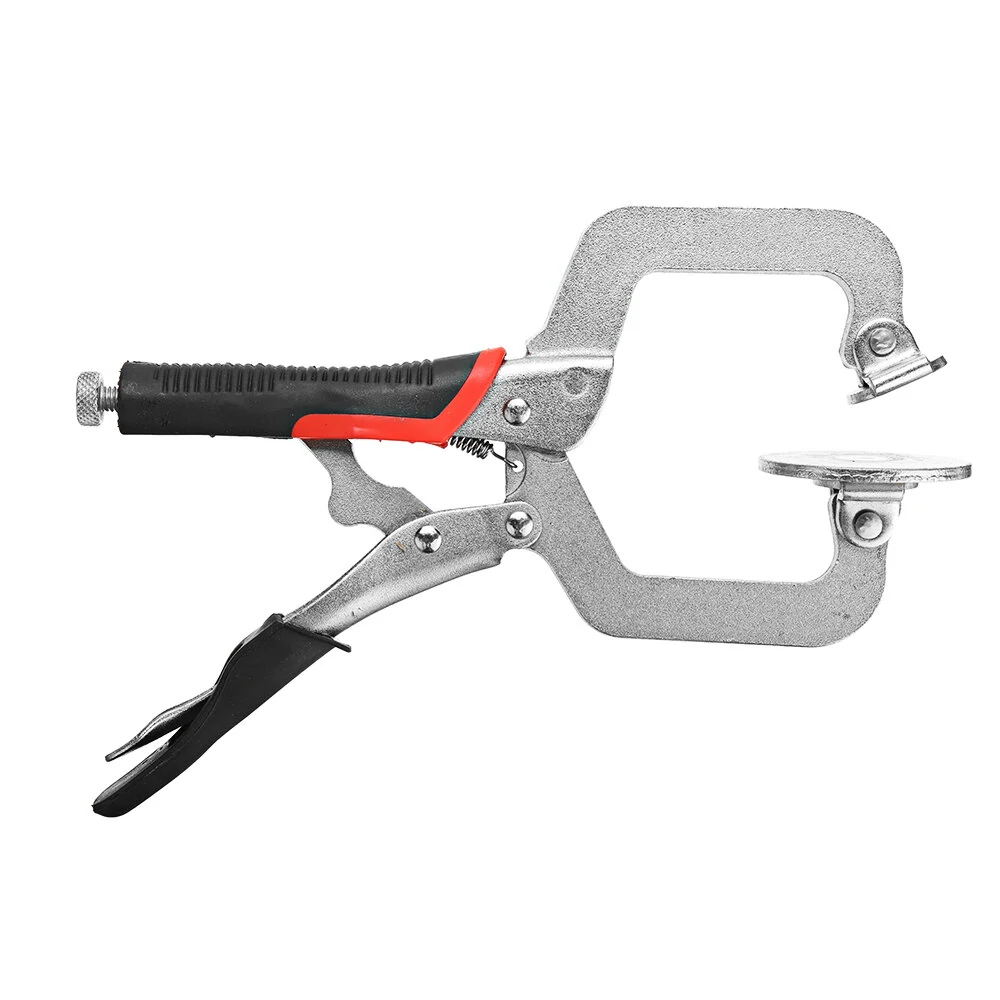
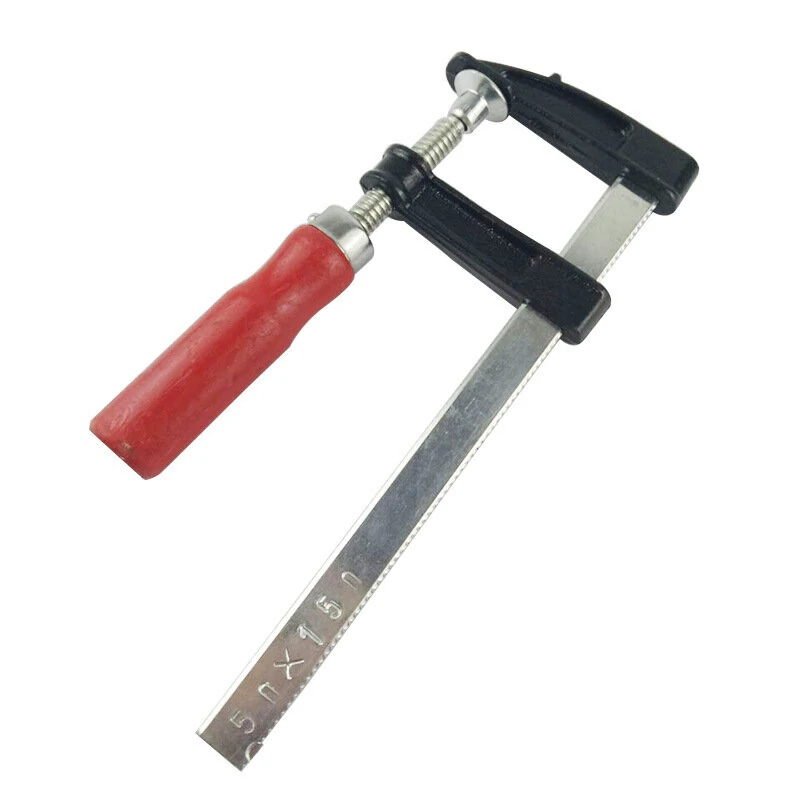
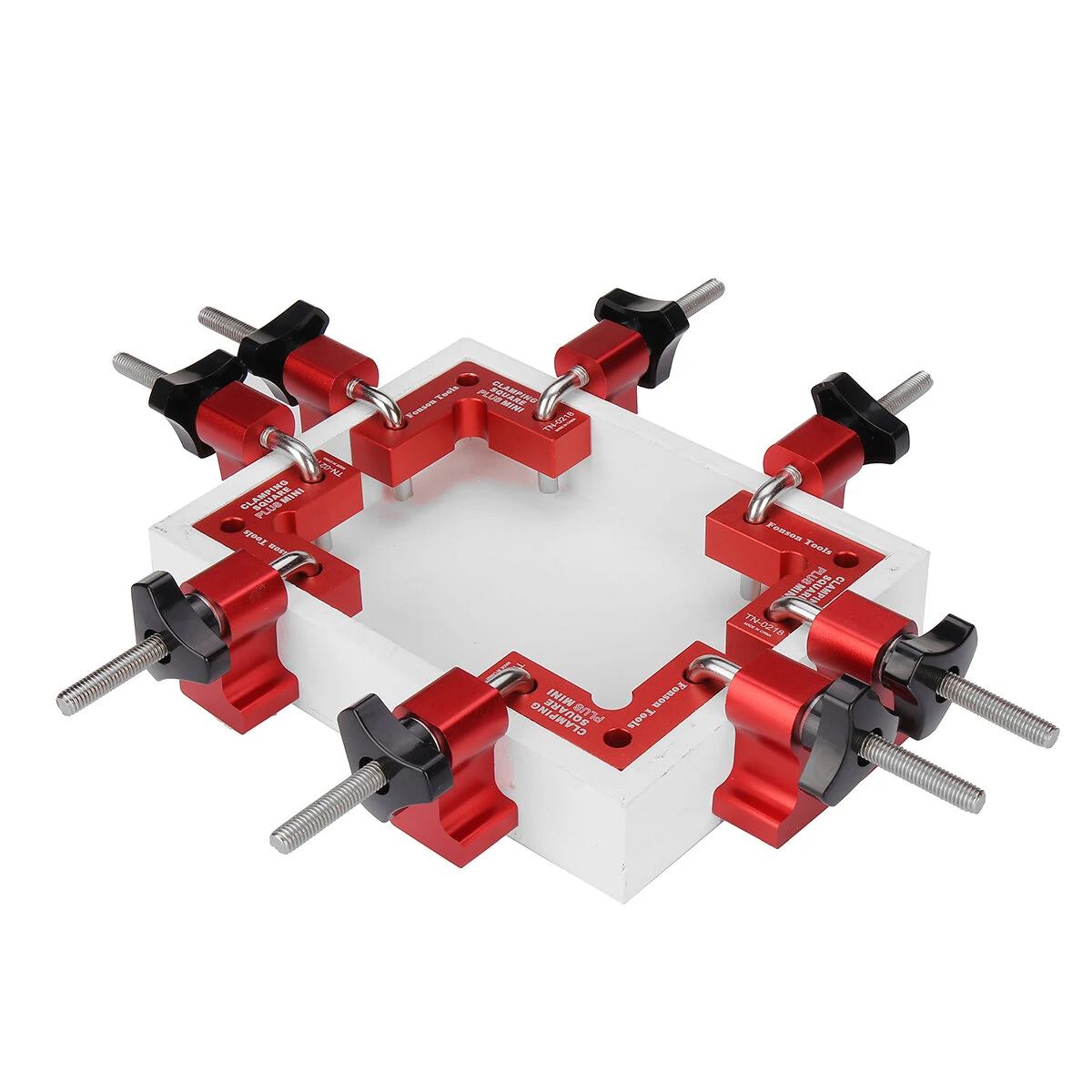
The core categories of woodworking clamps each serve a distinct purpose. Bar clamps and parallel clamps are the workhorses for panel glue-ups and large assemblies, offering long reach and strong, parallel pressure. Pipe clamps provide an economical and customizable solution for extra-long spans. For quick, light-duty tasks like holding a trim piece in place, spring clamps are invaluable. The versatile C-clamp, or G-clamp, is a staple for securing work to benches or applying pressure in tight spaces. For specialized tasks, corner clamps ensure perfect 90-degree angles, while band clamps are ideal for irregular shapes like frames or chair legs.
Investing in a variety of clamps is investing in the quality of your work. They transform a collection of individual wood pieces into a cohesive, professional-grade project by holding components immovably during critical steps like gluing, drying, drilling, and sanding. A well-equipped workshop features multiple clamps of each type, as most projects require several to distribute pressure evenly and prevent warping. Understanding which clamp to use and when is a key skill that elevates a woodworker's results from amateur to expert.
Choosing the right woodworking clamps depends on your projects. For beginners, a starter set including a few bar clamps, C-clamps, and spring clamps is ideal. As you tackle larger work, prioritize acquiring more long bar or pipe clamps. Always have more clamps on hand than you think you'll need for a glue-up to ensure even pressure distribution.
**FAQ: Woodworking Clamp Buying Guide**
**Q: How many clamps do I need?**
A: A good rule is to use a clamp every 6-12 inches along a glue joint. For a 24-inch panel, plan for at least 3-4 clamps.
**Q: What's the difference between F-style and parallel clamps?**
A: F-style clamps have a sliding jaw and are generally lighter-duty. Parallel clamps have fixed, parallel jaws that resist racking, making them superior for precise cabinet and panel work.
**Q: Can I use too much clamping pressure?**
A: Yes. Excessive force can starve a glue joint by squeezing out all the adhesive or even warp the wood. Apply firm, even pressure until a small bead of glue squeezes out.
**Q: How do I protect my workpiece from clamp marks?**
A: Always use clamp pads or scraps of softwood between the clamp jaws and your project to prevent indentations and protect the finish.