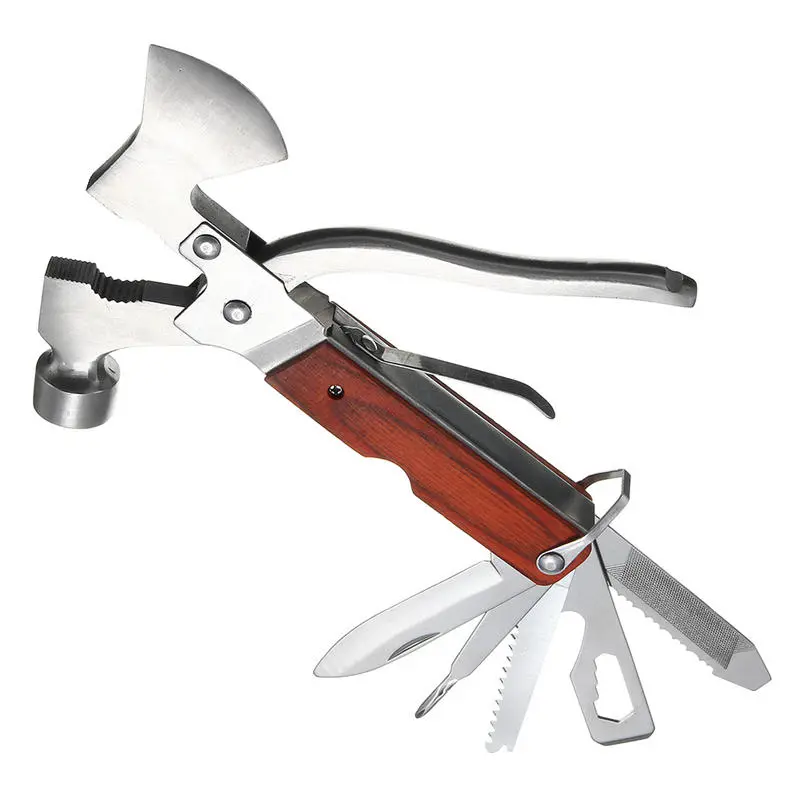
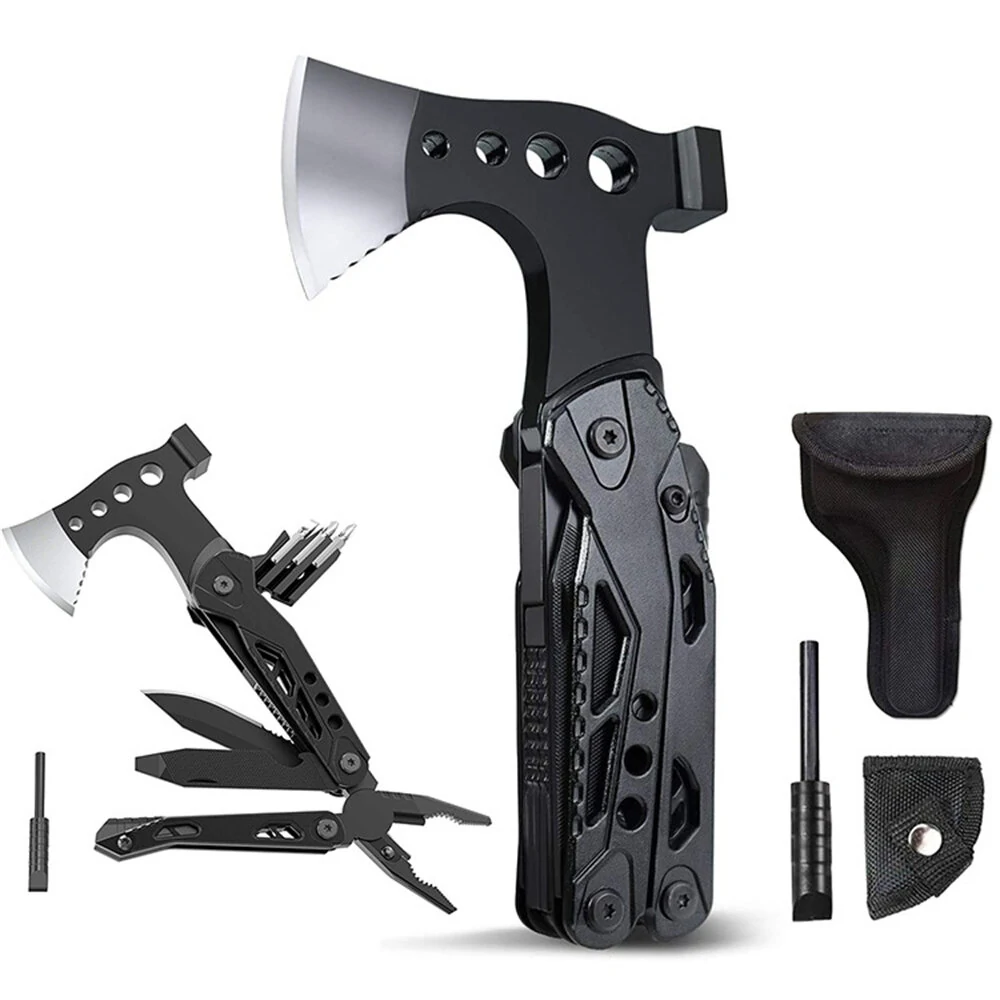
An axe is far more than a simple tool; it's an extension of human capability, a timeless instrument for shaping wood and conquering outdoor tasks. From managing your backyard woodpile to embarking on a wilderness adventure, the right axe is essential. This category encompasses a diverse range of specialized tools designed for peak performance and safety. Discover robust felling axes, engineered with long handles and sharp, heavy heads to efficiently cut down trees. For processing firewood, a splitting maul or wedge-shaped splitting axe is indispensable, using its weight and design to burst logs apart along the grain with powerful blows. For the camper, hunter, or survivalist, a compact and versatile hatchet offers a perfect balance of portability and utility, ideal for limbing branches, driving tent stakes, and preparing kindling. Modern axes combine traditional forging techniques with advanced materials like fiberglass or composite handles for shock absorption and durability, along with high-carbon steel heads that hold a keen edge. Key benefits of investing in a quality axe include unmatched efficiency in wood processing, long-term reliability built to last generations, and the versatility to handle everything from homestead chores to emergency preparedness. Whether you're a seasoned woodsman or a homeowner preparing for winter, understanding the specific design and purpose of each axe type is the first step to making your outdoor work safer, easier, and more effective.
Choosing the right axe hinges on your primary task. For splitting firewood, opt for a heavy maul (6-8 lb head) with a wide, wedge-shaped blade. For felling and limbing trees, a lighter felling or forest axe (2-4 lb head) with a sharper, thinner bit is key. For camping and backpacking, a hatchet with a 1-2 lb head and a handle under 20 inches offers the best balance of power and portability. Always prioritize safety: inspect the axe head for secure attachment, wear cut-resistant gloves and safety glasses, and ensure you have a clear, stable swing path. FAQ: What's the difference between an axe and a hatchet? Hatchets are small, one-handed axes designed for light chopping and carving. How do I maintain my axe? Keep the blade sharp with a file or whetstone, oil a wooden handle periodically to prevent drying, and store it in a dry place. Can one axe do everything? While a general-purpose camp axe is versatile, specialized tools like a splitting maul will dramatically outperform it for their intended task. Invest in the tool that matches your most frequent need.