Flow meters are essential instruments for measuring the rate of flow of a liquid or gas through a pipe or system. Accurate flow measurement is critical for process control, resource management, billing, and ensuring operational efficiency across countless industries. From monitoring water consumption in a building to precisely dosing chemicals in a pharmaceutical plant, the right flow meter provides the data needed for informed decision-making and optimal performance.
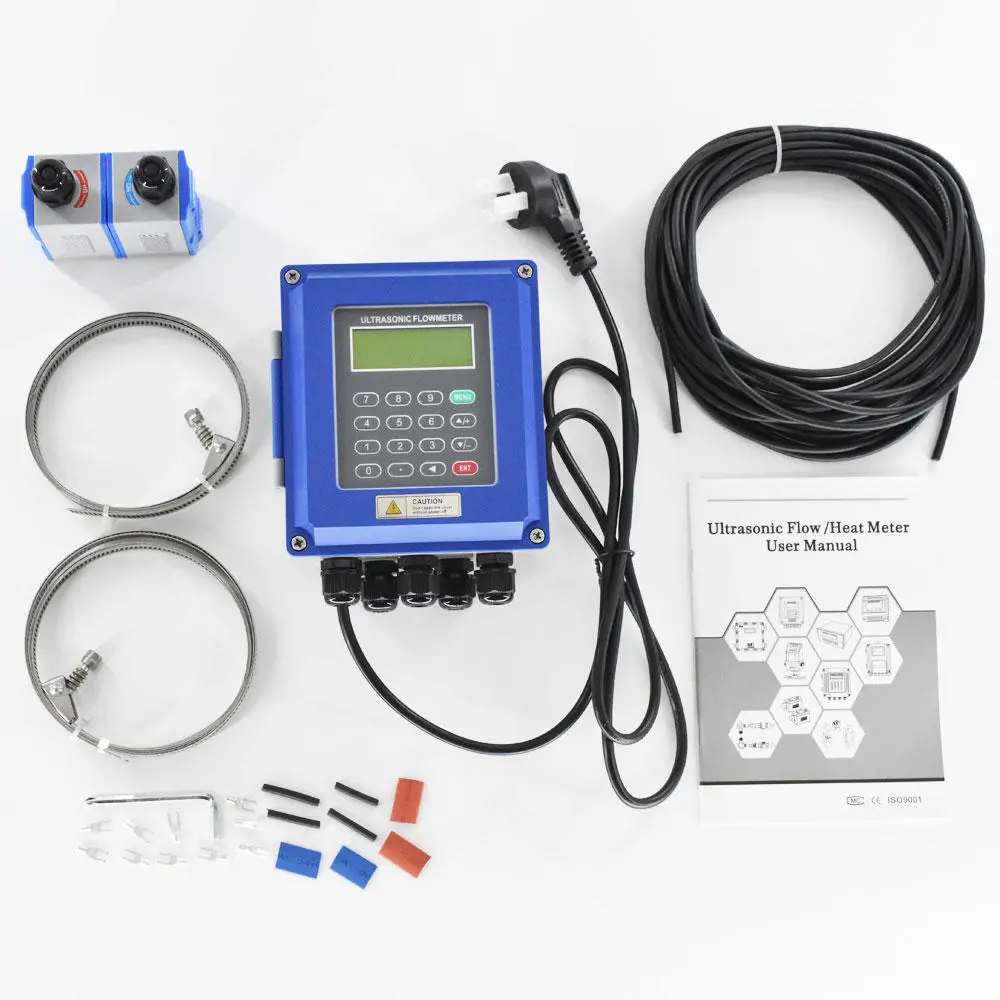
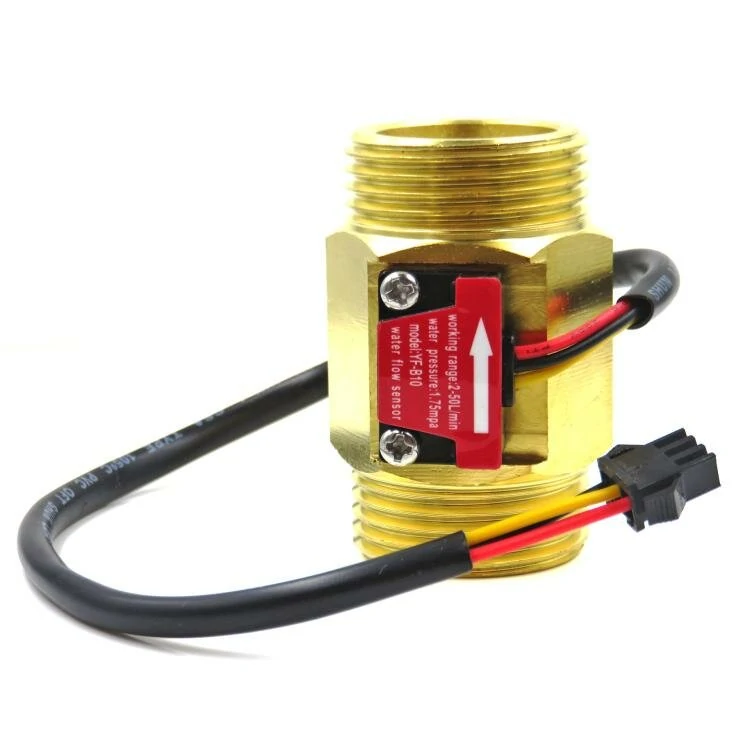
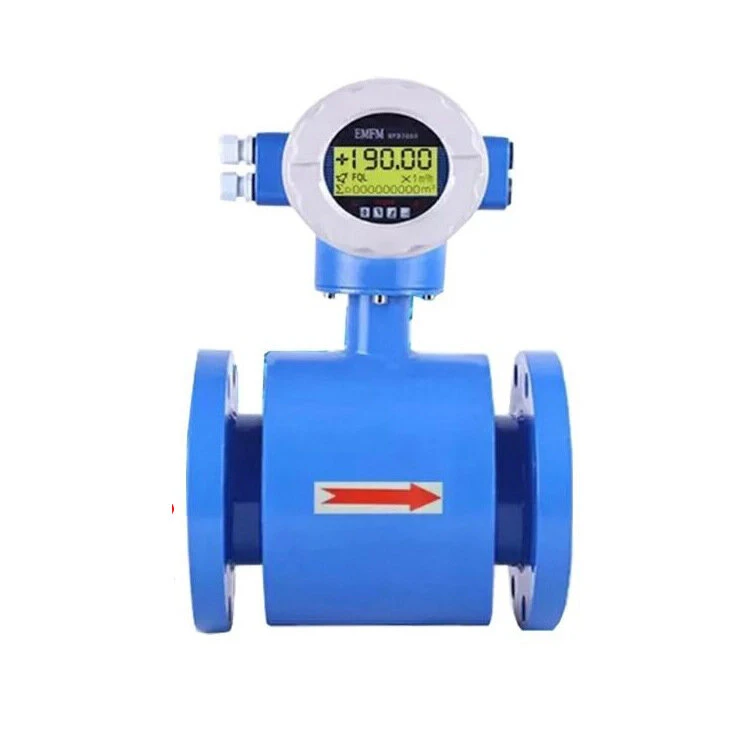
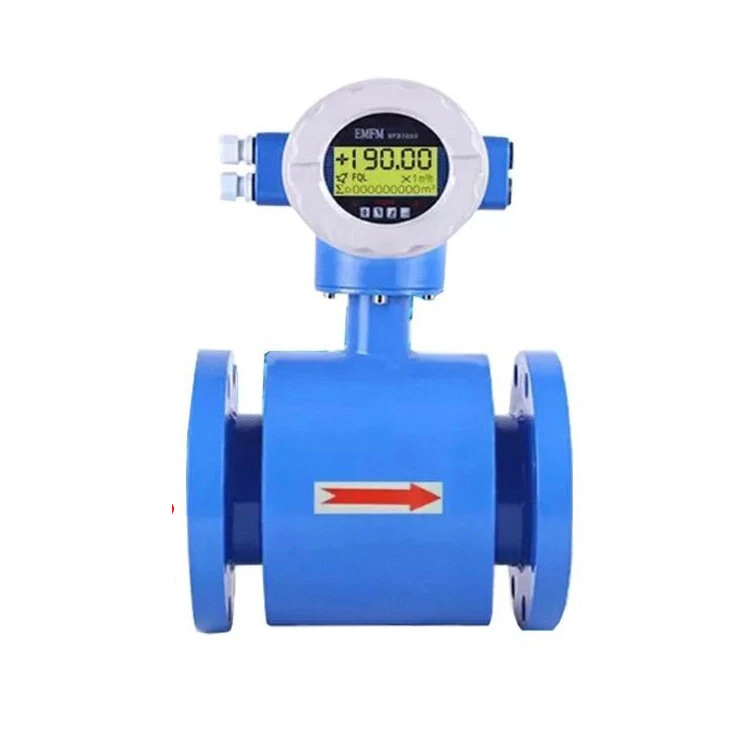
The category encompasses a diverse range of technologies, each suited to specific applications, fluids, and accuracy requirements. Key product types include ultrasonic flow meters, known for their non-invasive installation and versatility; turbine flow meters, prized for their high accuracy with clean liquids; electromagnetic flow meters (magmeters), ideal for conductive liquids like water or slurries; and variable area flow meters (rotameters), simple and cost-effective for visual flow indication. Other important variants are Coriolis meters for mass flow measurement and thermal mass flow meters for gases.
The primary benefits of implementing the correct flow meter are substantial. They enable precise process control, ensuring product quality and consistency in manufacturing. They are fundamental for custody transfer and billing, where measurement accuracy directly impacts revenue. Flow meters also play a vital role in resource conservation, helping to identify leaks and minimize waste of water, fuel, or chemicals. Furthermore, they contribute to system safety by monitoring flow rates to prevent overpressure or pump damage. Choosing a flow meter involves considering the fluid type, flow rate range, pipe size, required accuracy, pressure, temperature, and output needs.
Selecting the ideal flow meter requires careful consideration of your specific application. Start by asking these key questions: What fluid are you measuring (water, oil, gas, chemical, slurry)? Is it a liquid or a gas? What is the required flow rate range and pipe size? How critical is measurement accuracy? What are the process conditions (pressure and temperature)? Do you need a local display, or an electronic signal output for data logging or system integration?
For water and other conductive liquids, electromagnetic flow meters are often an excellent choice. For clean, low-viscosity liquids, turbine meters offer great value. Ultrasonic meters provide a versatile, clamp-on solution for many liquids without cutting into the pipe. For gas measurement, thermal mass flow meters are highly effective. Always consult manufacturer specifications and, when in doubt, seek advice from a flow measurement specialist to ensure your selection meets all operational parameters.
Proper installation and regular maintenance are crucial for long-term accuracy and reliability. Ensure straight pipe runs before and after the meter as recommended to stabilize flow profile. Follow calibration schedules and protect electronic components from harsh environments. Investing in the right flow meter technology for your system pays dividends in efficiency, cost savings, and process integrity.