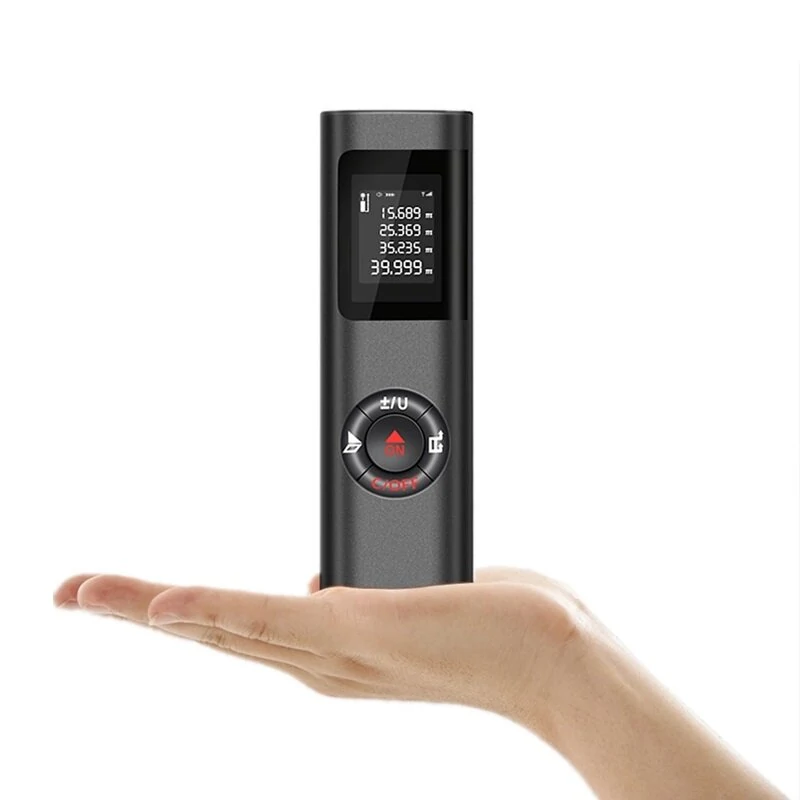
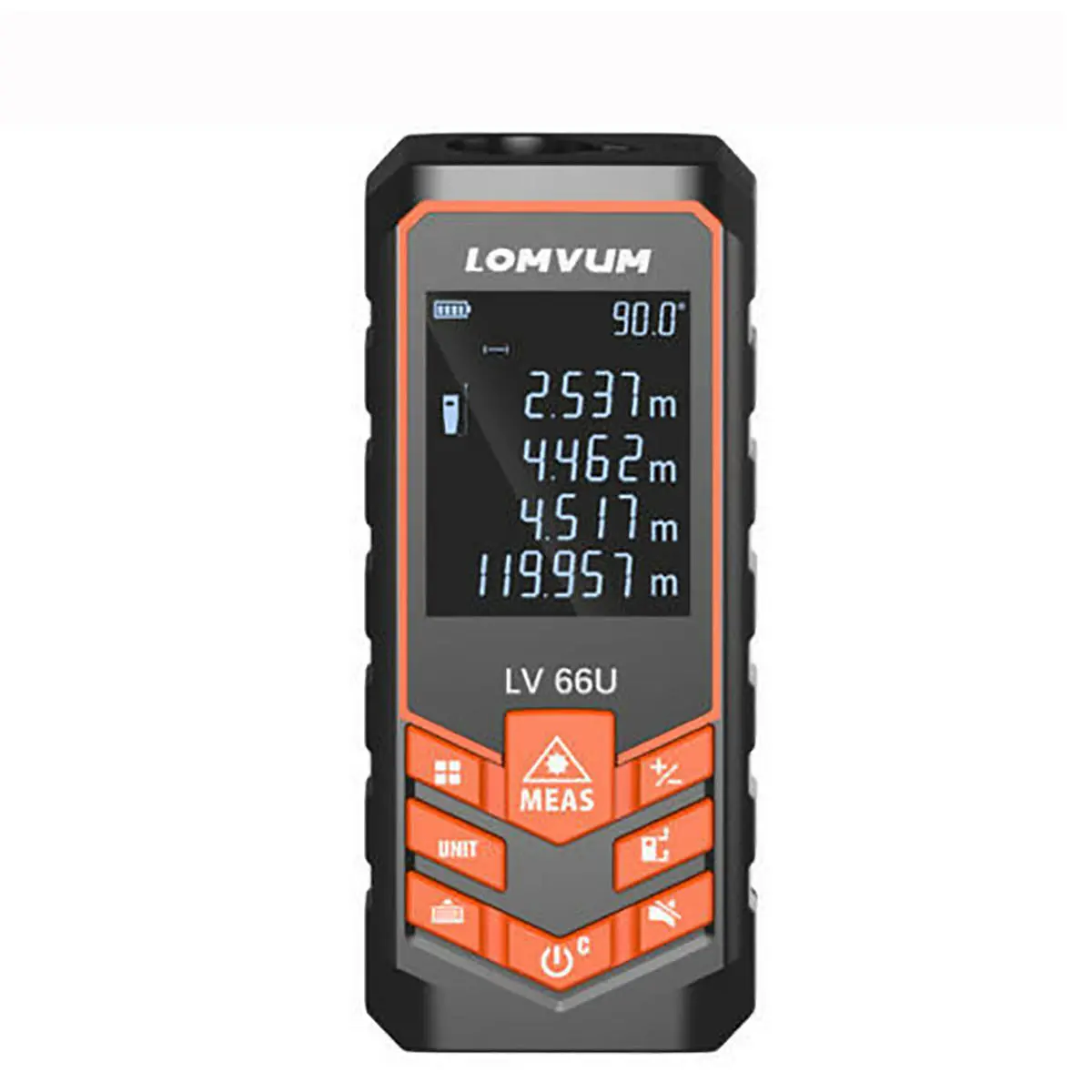
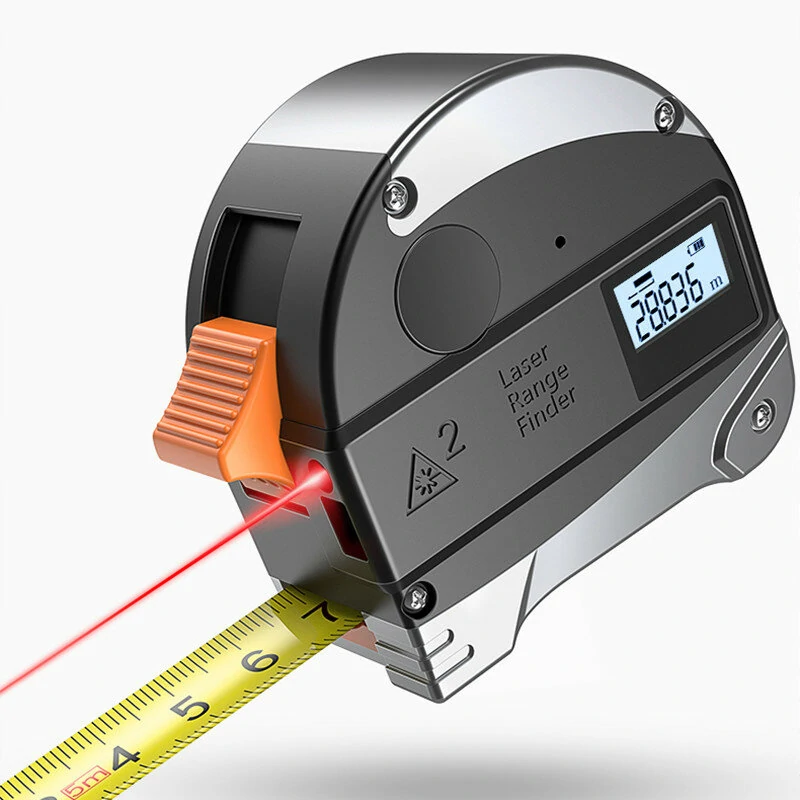
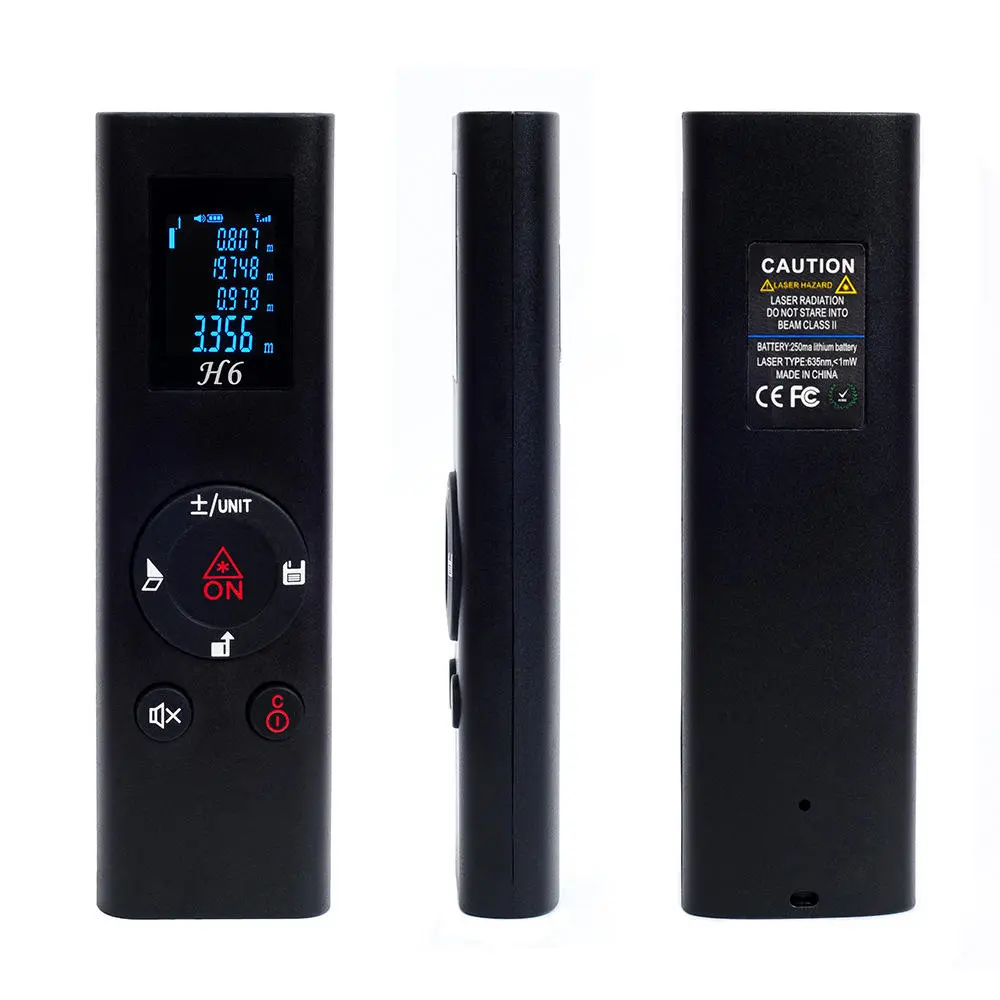
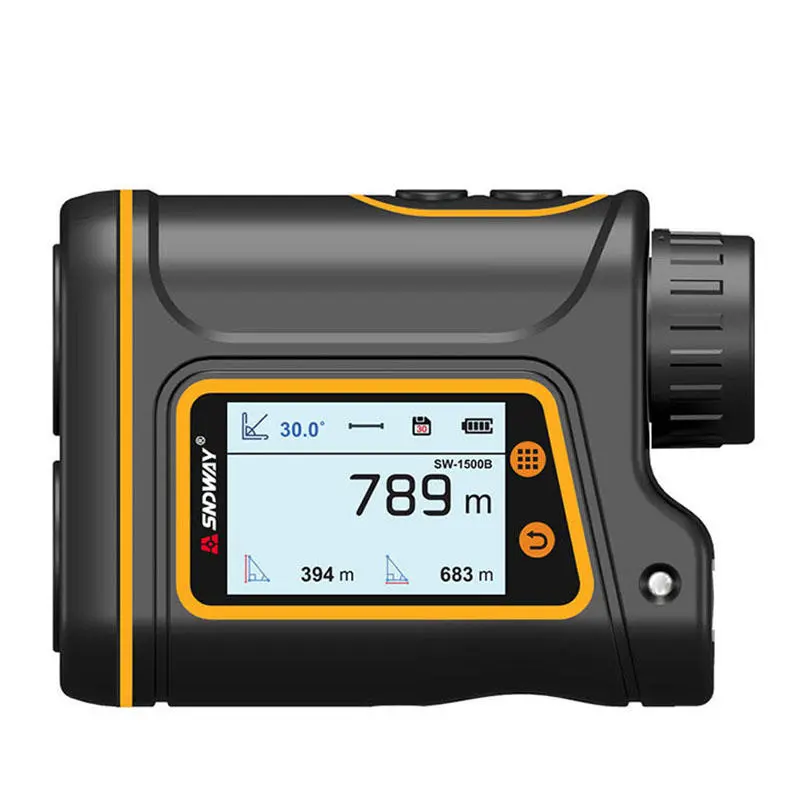
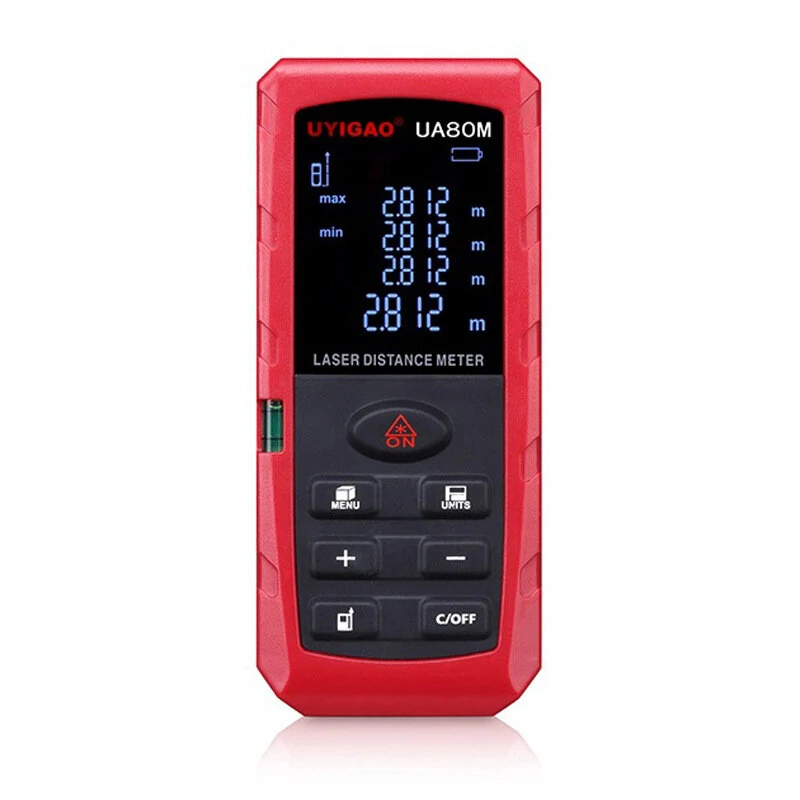
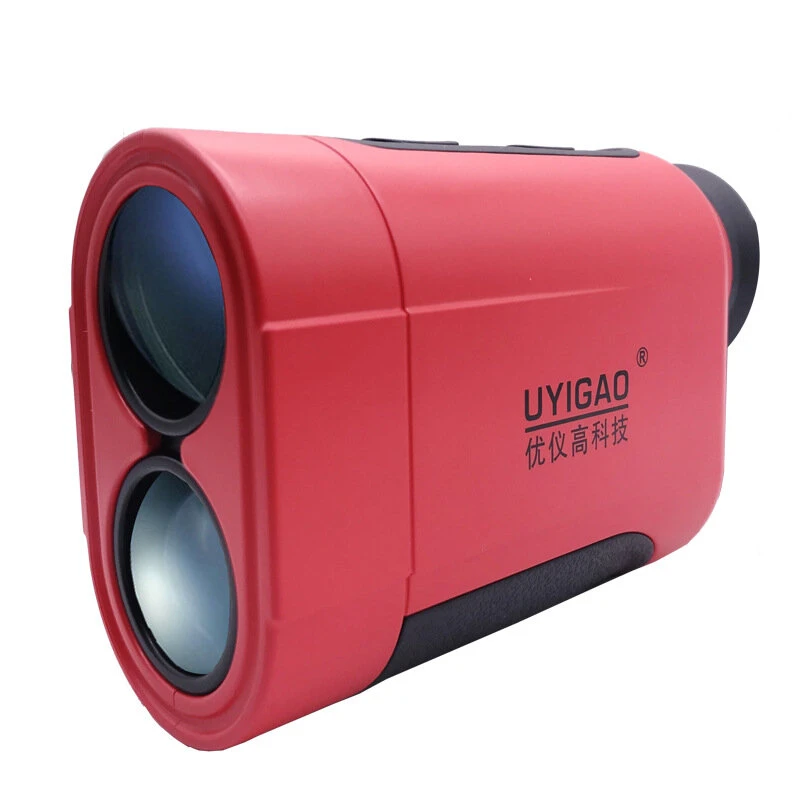
Laser rangefinders are the ultimate tool for precision distance measurement, transforming guesswork into exact data in an instant. By emitting a focused laser beam and calculating the time it takes to reflect off a target, these compact devices deliver unparalleled accuracy, often down to the yard or even the inch. This technology has become indispensable across several key activities, most notably golf and hunting, but also for archery, surveying, and general outdoor navigation. For the golfer, a laser rangefinder is a game-changer. It provides exact yardages to the flag, hazards, and layup points, enabling confident club selection and improved course management. Modern golf-specific models often feature 'slope' technology, which calculates adjusted distance based on elevation change, a critical factor for uphill and downhill shots. Hunters and long-range shooting enthusiasts rely on rangefinders to gauge the distance to game or targets accurately, which is crucial for making ethical and effective shots. Features like scan mode, which provides continuous distance updates as you pan across a landscape, and advanced optics for low-light conditions are vital in this field. When choosing a laser rangefinder, key considerations include maximum range (with most consumer models ranging from 600 to over 1500 yards), magnification level (typically 6x or 7x), the size and clarity of the display, and durability against the elements. Top brands like Bushnell, Nikon, Leupold, and Garmin offer a spectrum of models tailored to different needs and budgets, from basic, easy-to-use devices to feature-packed units with GPS integration and Bluetooth connectivity. The core benefit is universal: confidence through precision, allowing you to focus on execution rather than estimation.
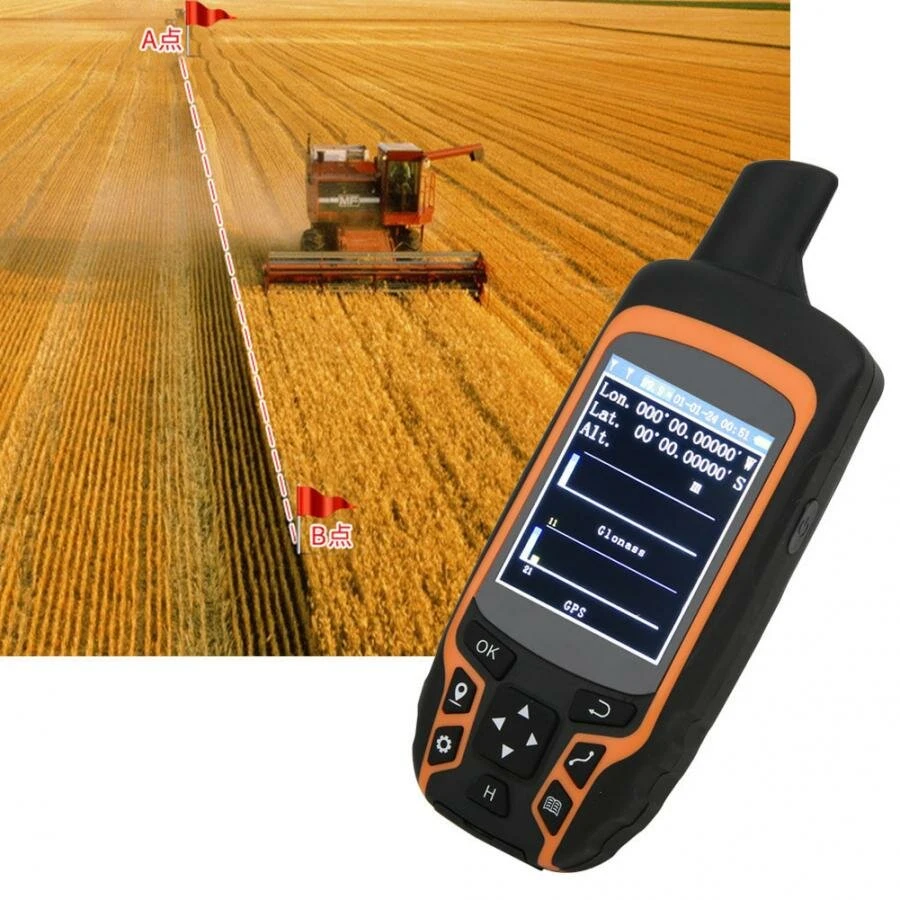
Choosing the right laser rangefinder depends on your primary use. For golf, prioritize flag-lock technology (like PinSeeker or JOLT) that confirms when the device has acquired the pin, and decide if you need slope adjustment (note: slope features are not legal for tournament play unless disabled). Hunters should look for longer ranges, fast acquisition speeds, and weather-resistant or waterproof construction. Consider the display type; some offer red or black readouts for better visibility in various lighting conditions. Battery life is also key—most use a standard CR2 battery. FAQ: What is the difference between a laser rangefinder and a GPS? A laser rangefinder measures the exact distance to a specific point you target, while a GPS device provides pre-mapped distances to front, middle, and back of greens. Many golfers find lasers more precise for exact pin locations. How important is magnification? 6x or 7x magnification is standard and sufficient for most users, helping to spot and hold steady on smaller targets. What does 'slope' mean? Slope compensation calculates the angle-adjusted distance, giving you the 'plays like' yardage. Always check local rules for its use in competitive golf. Ultimately, the best rangefinder is the one that feels intuitive, provides clear, fast readings, and reliably supports your outdoor pursuit, turning distance uncertainty into your strategic advantage.