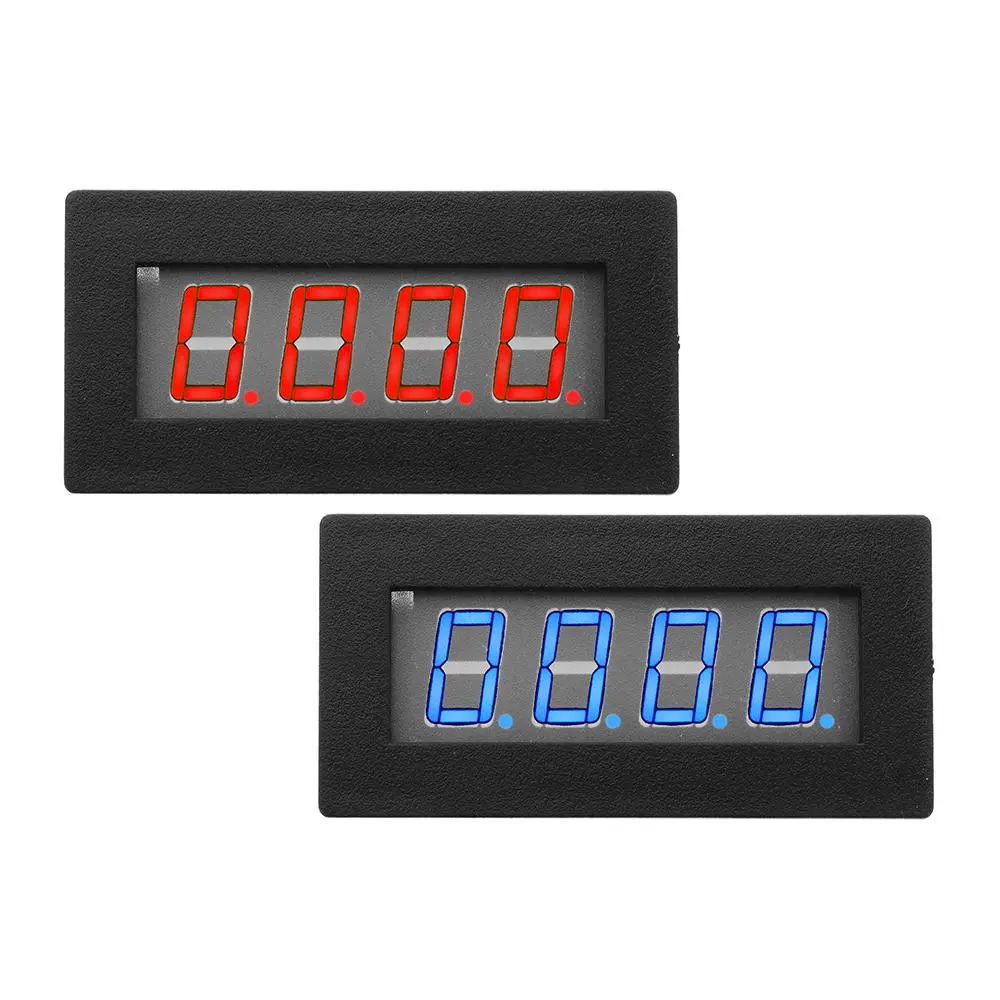
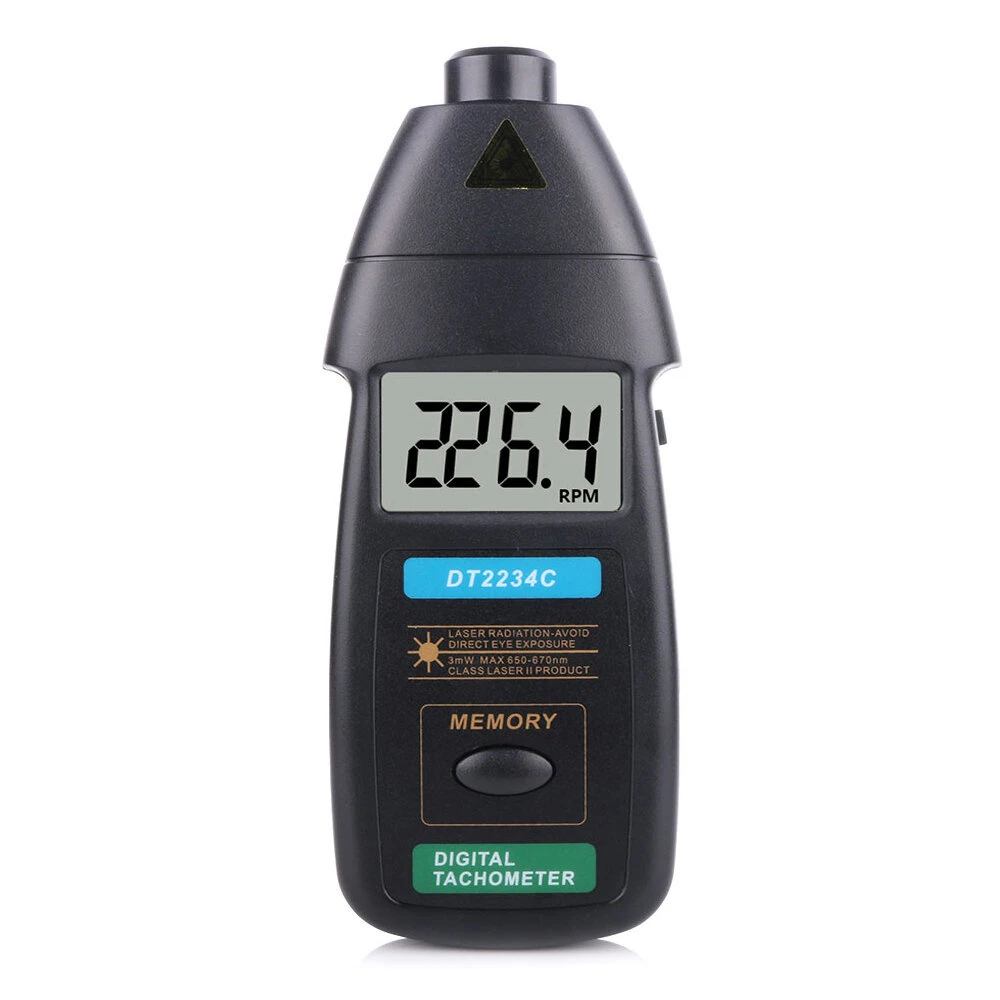
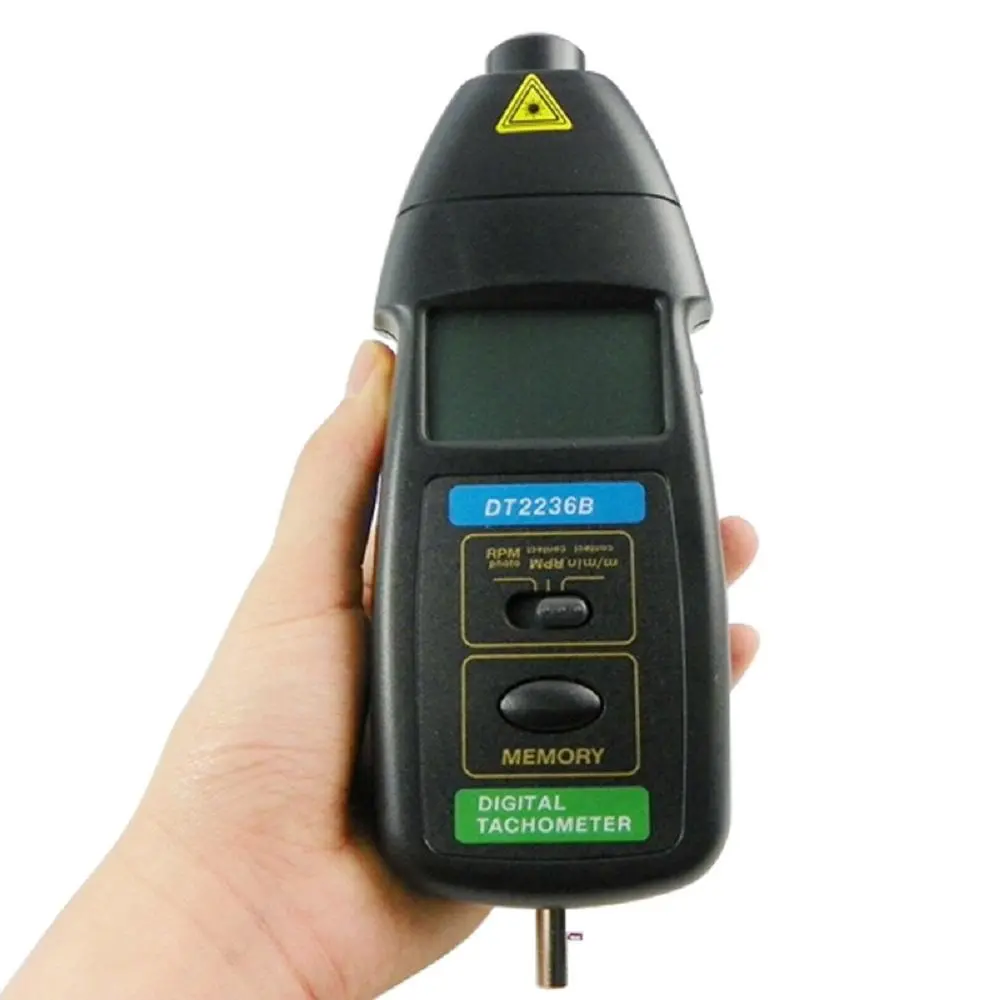
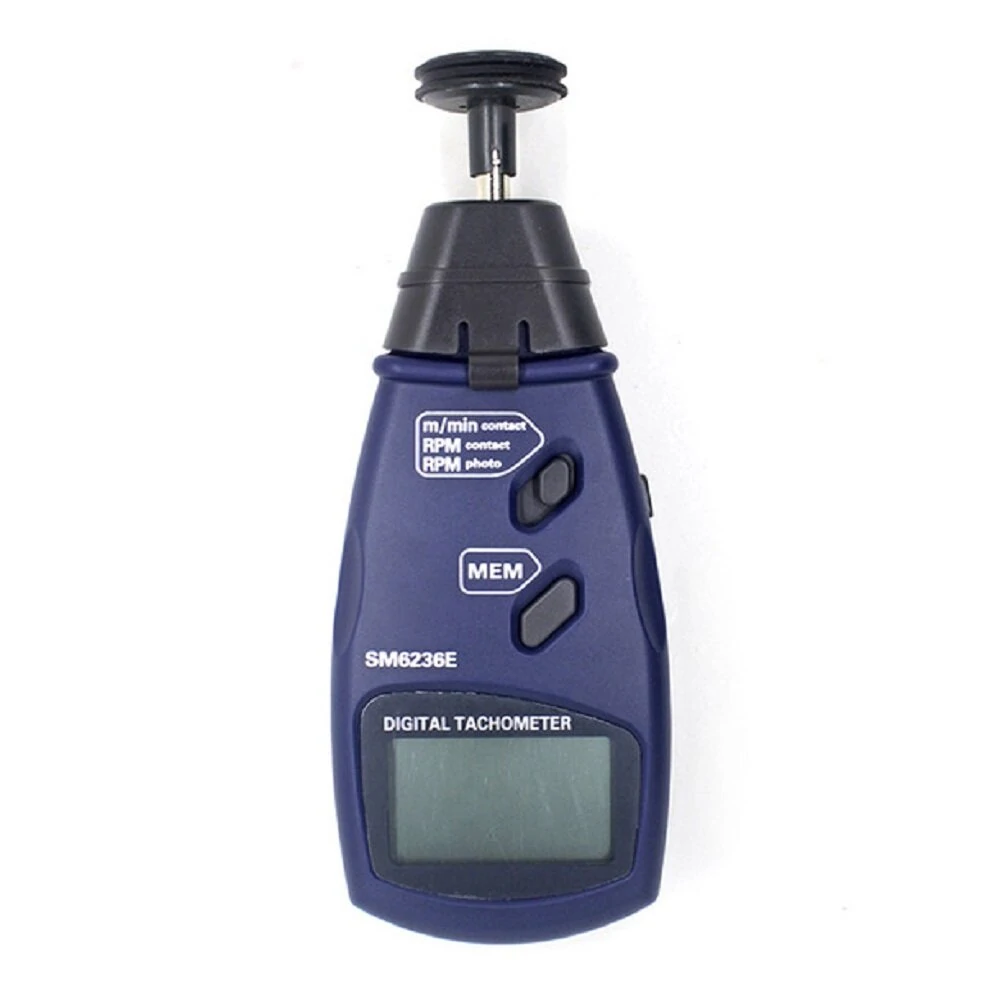
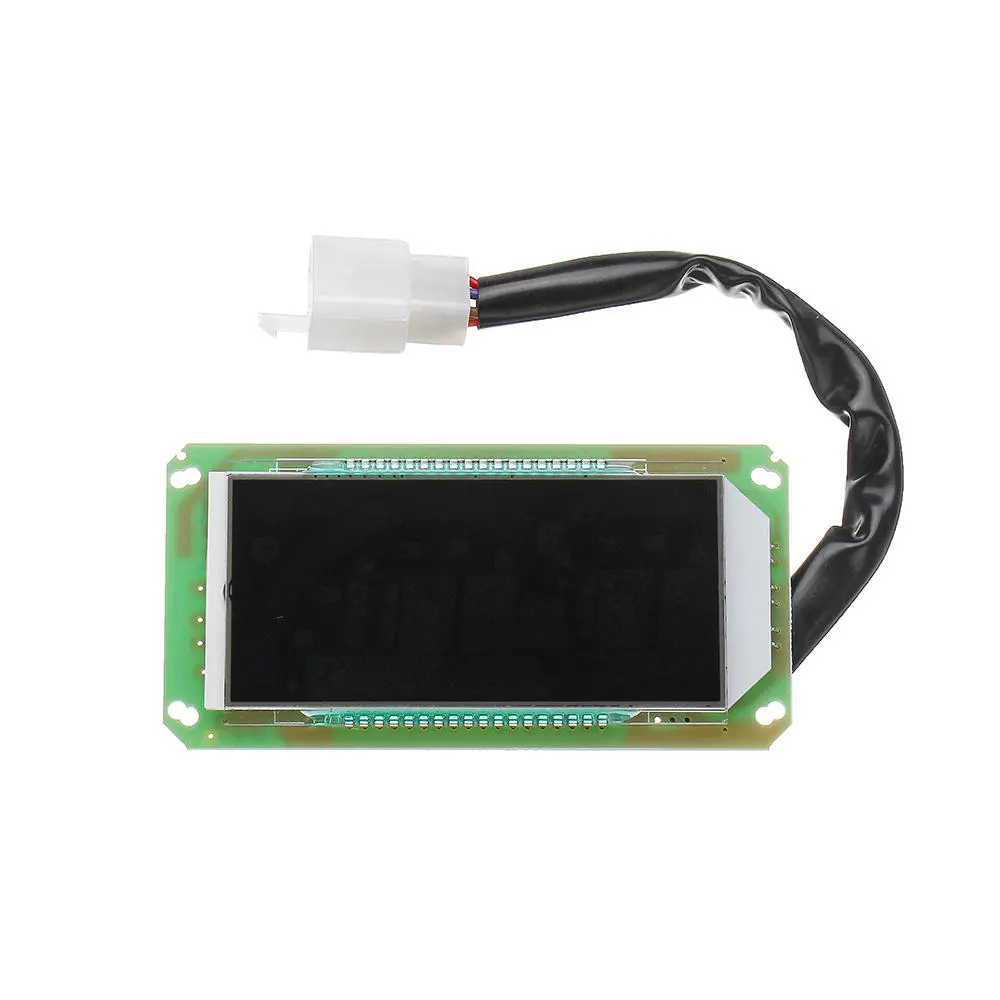
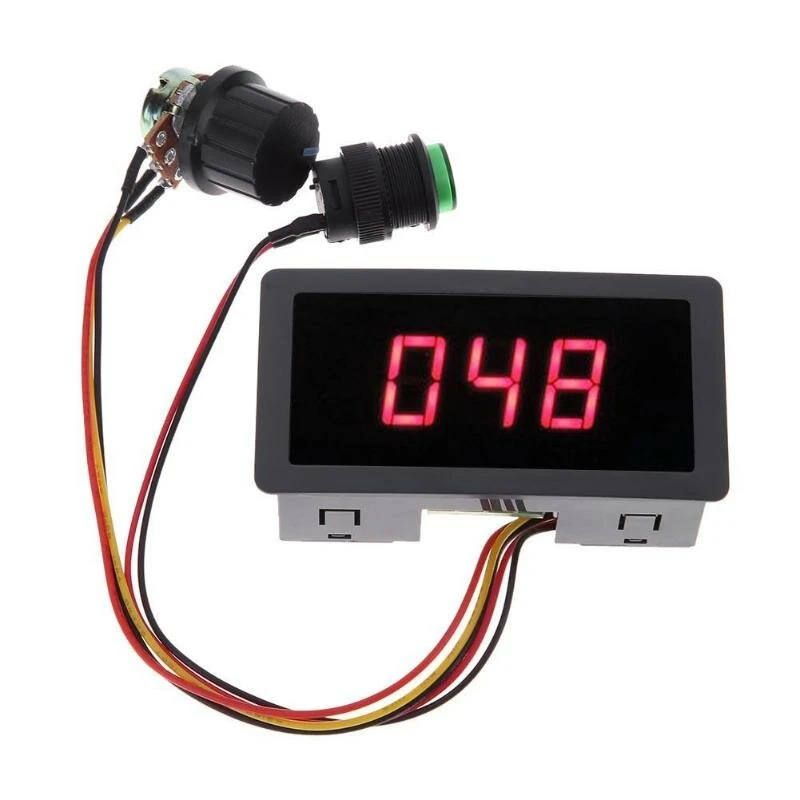
A tachometer is an essential instrument for any vehicle or machine operator, providing a real-time reading of an engine's revolutions per minute (RPM). This critical data is the key to understanding your engine's performance, health, and operational limits. Whether you're a car enthusiast tuning for peak power, a boat captain monitoring cruising speed, or a fleet manager maintaining industrial equipment, a reliable tachometer is your first line of defense against costly engine damage and inefficiency. Modern tachometers come in two primary types: analog and digital. Analog tachometers, with their classic sweeping needle and dial, offer quick, at-a-glance readability that many drivers prefer. Digital tachometers provide precise numerical readouts, often integrated with other data like hour meters or shift lights, and are known for their modern aesthetics and customization options. Key products in this category include vehicle tachometers for cars, trucks, and motorcycles; marine tachometers designed to withstand harsh saltwater environments; and universal tachometers that can be adapted for various engines, including diesel, gasoline, and small industrial motors. The core benefit of installing a quality tachometer is engine longevity. By keeping your RPM within the manufacturer's recommended range, you avoid over-revving, which can lead to catastrophic engine failure. It also aids in achieving optimal fuel efficiency, perfecting gear shifts for manual transmissions, and diagnosing potential engine problems before they lead to a breakdown. For performance applications, a tachometer is indispensable for finding the engine's power band and setting rev limiters.
Choosing the right tachometer depends on your specific application and preferences. First, ensure compatibility with your engine's number of cylinders and ignition type (e.g., gasoline, diesel, 2-stroke, 4-stroke). Most tachometers are configurable, but verifying this is crucial. Next, decide between an analog or digital display based on your readability needs and dashboard style. Consider the size—common diameters are 2-1/16", 3-3/8", and 5"—to ensure a proper fit in your desired mounting location. For marine or outdoor use, look for waterproof (IP67 or higher) and corrosion-resistant construction. FAQ: Do I need a tachometer for an automatic transmission? Yes, it's still valuable for monitoring engine load, towing, and diagnosing issues. Can I install a tachometer myself? Many aftermarket tachometers come with detailed wiring kits for DIY installation, but professional help is recommended for complex setups. What does a 'shift light' do? It's an LED that flashes at a preset RPM, signaling the optimal time to shift gears for performance driving. Ultimately, investing in a quality tachometer is investing in the heart of your machine, providing the insight needed for smarter operation and long-term reliability.