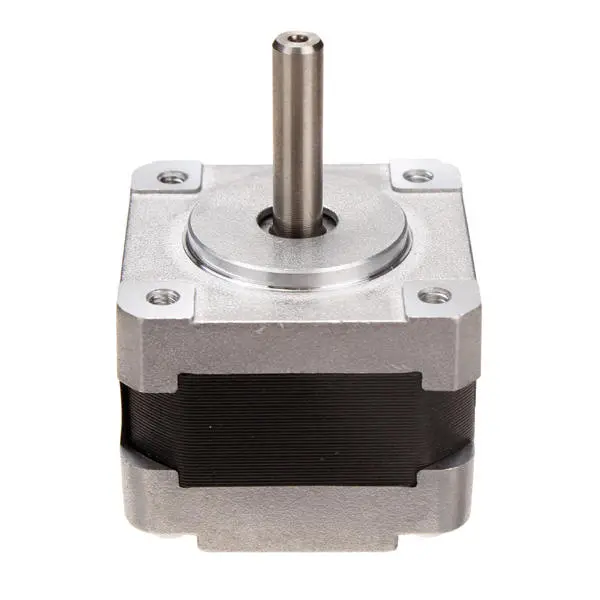
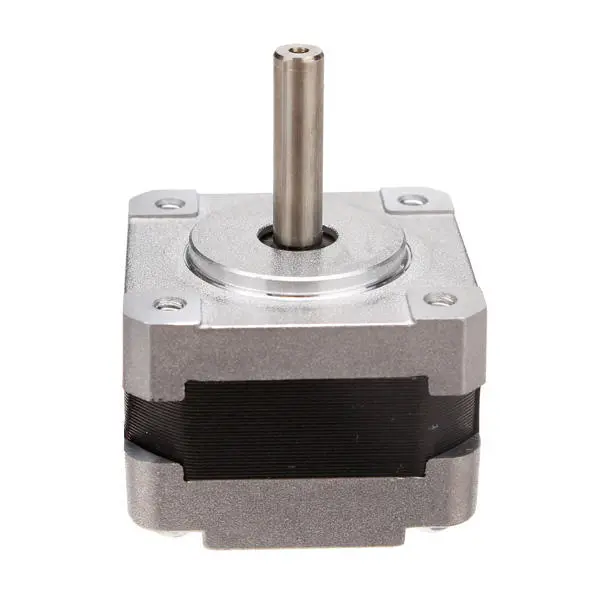
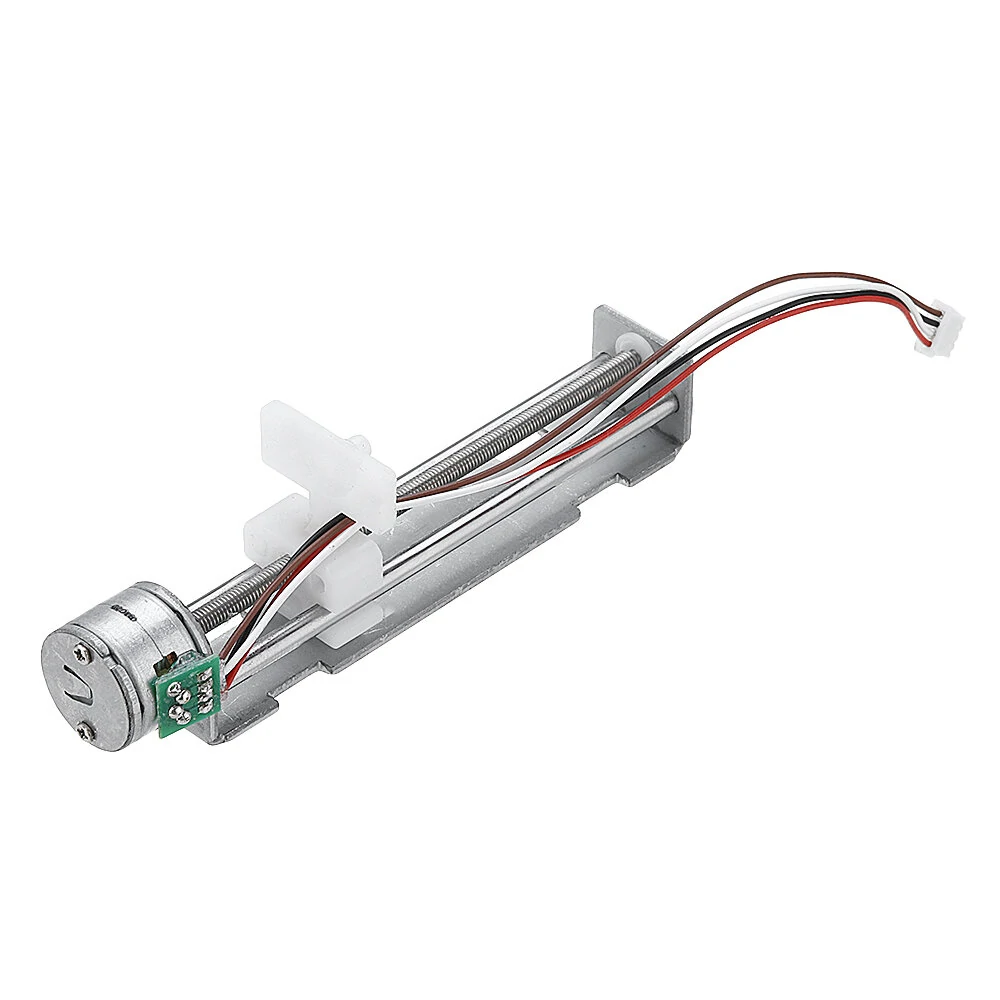
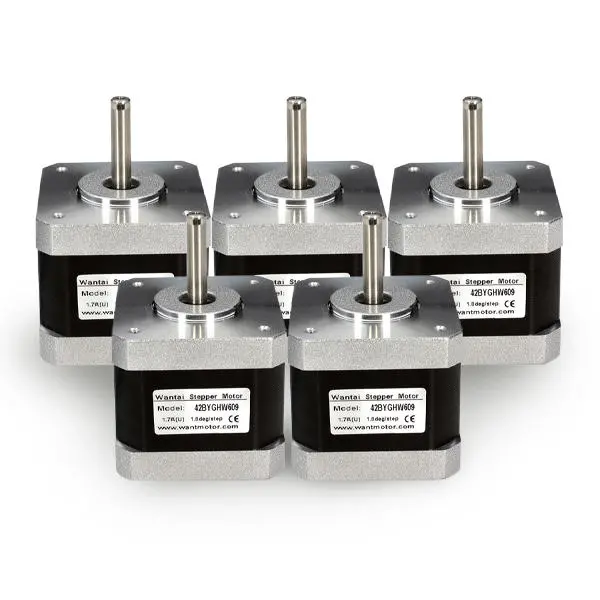
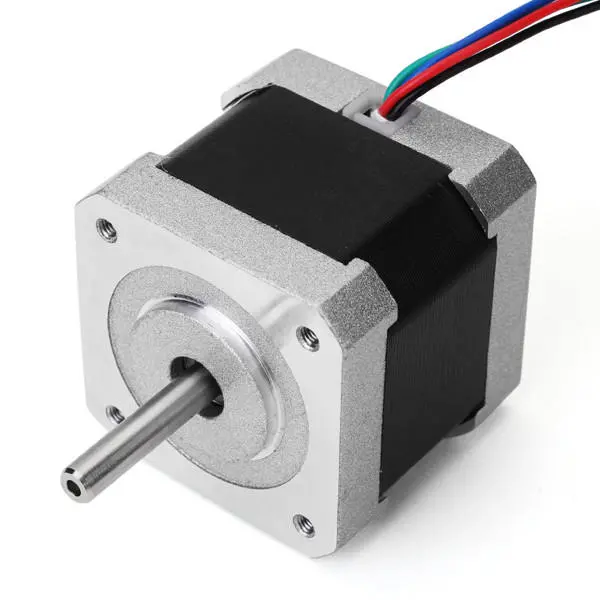
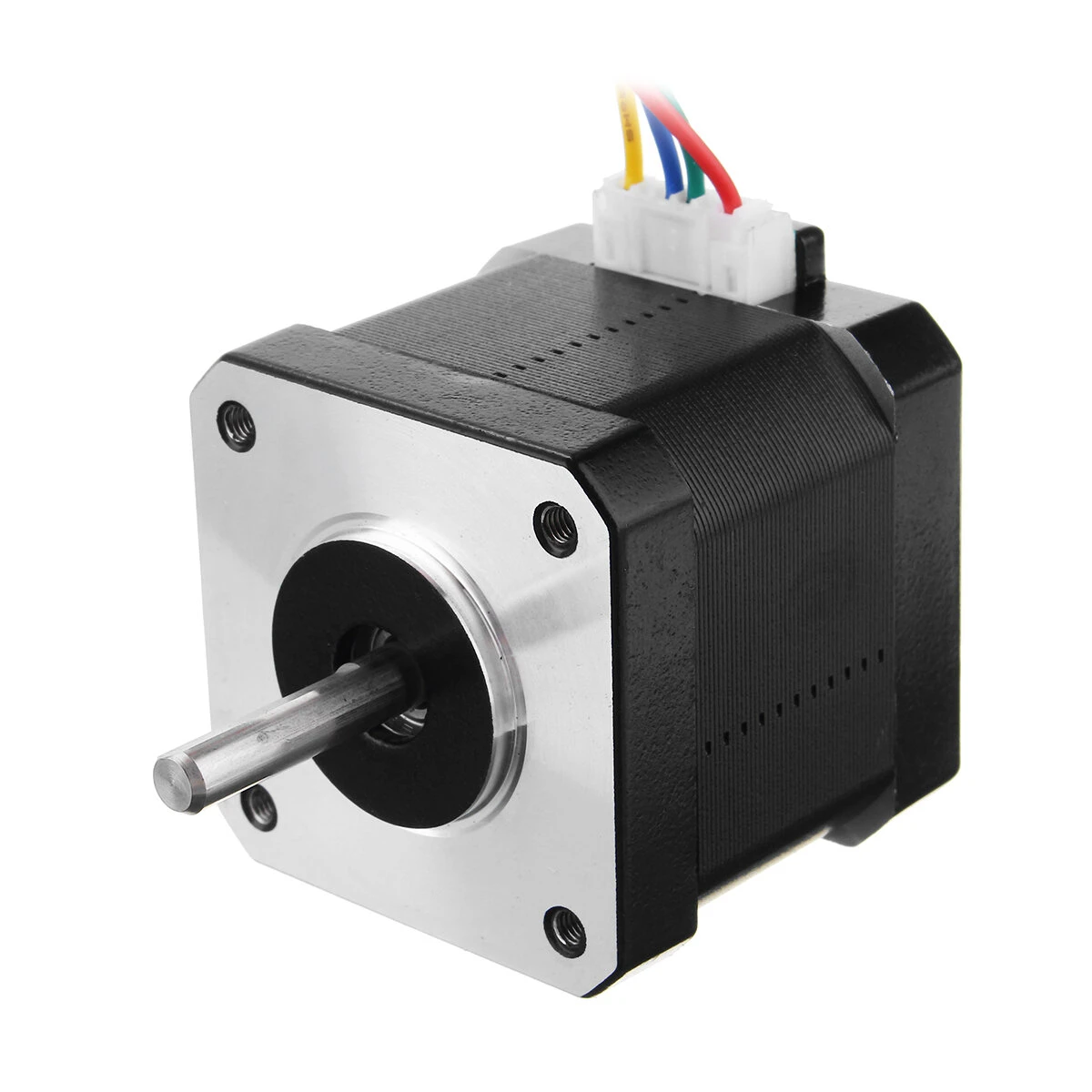
Stepper motors are the workhorses of precision motion control, transforming digital pulses into precise mechanical rotation. Unlike standard DC motors, steppers move in discrete 'steps,' allowing for exceptional accuracy in positioning and speed control without the need for feedback sensors in many applications. This makes them indispensable in a vast array of automated systems where reliability and repeatability are paramount. From the intricate layers of a 3D printer to the precise cuts of a CNC router, stepper motors provide the controlled movement that brings digital designs to life.
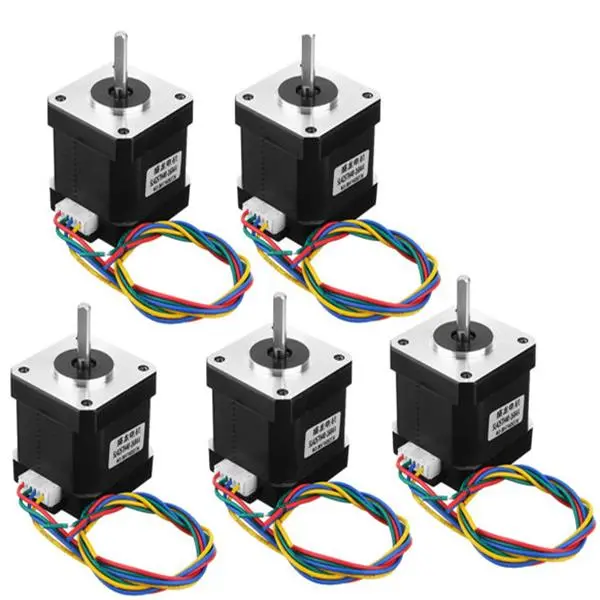
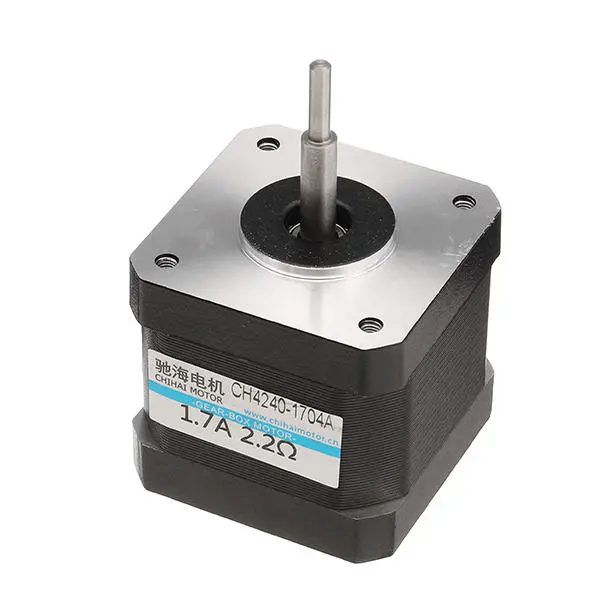
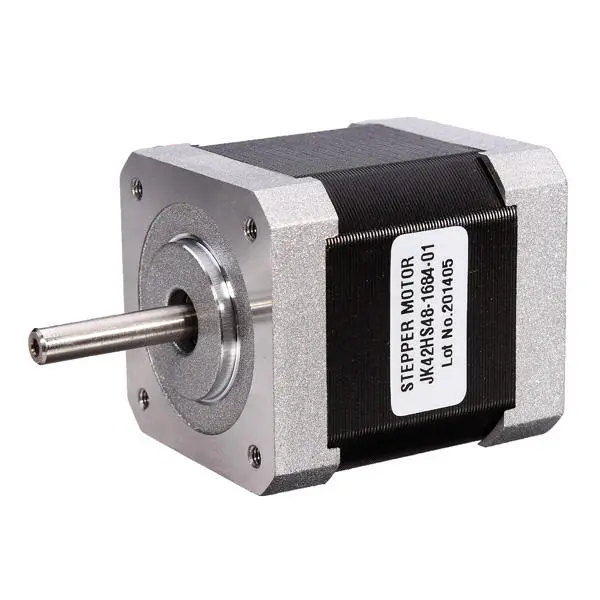
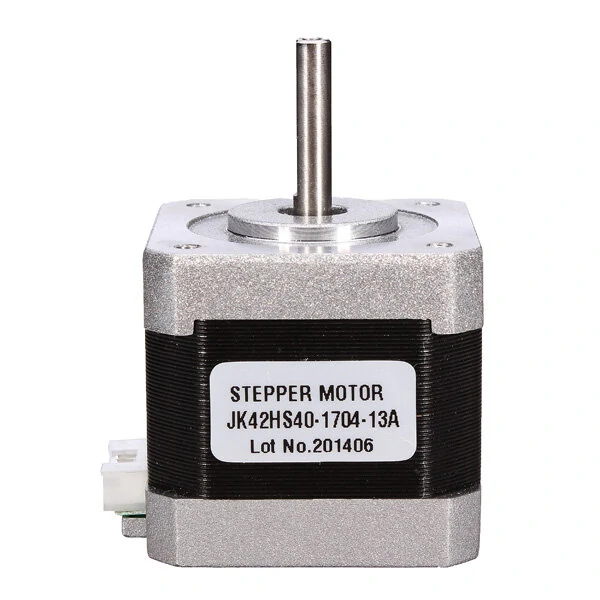
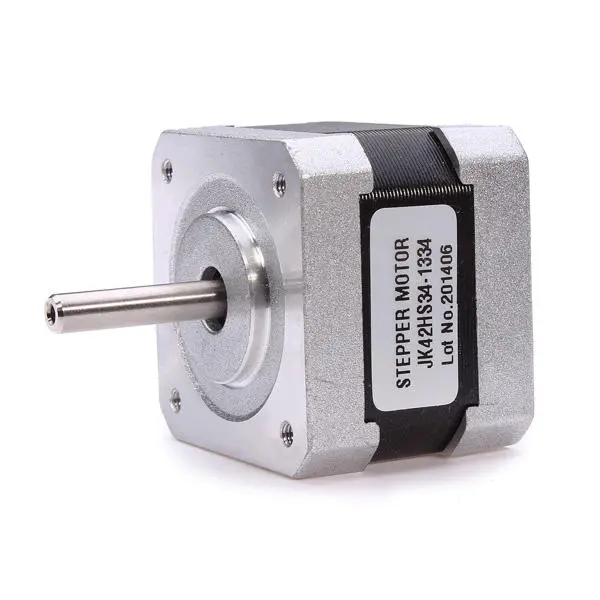
Key products in this category include popular frame sizes like NEMA 17 and NEMA 23, which are industry standards for DIY and professional machines. Bipolar and unipolar motor types offer different wiring configurations to suit various driver capabilities. Equally crucial are the stepper motor drivers—such as those based on the A4988 or DRV8825 chips—which manage current and translate controller signals into motor movement. Integrated solutions like stepper motor kits, which pair a motor with a compatible driver and cables, offer a convenient starting point for hobbyists and engineers alike.
The primary benefits of using stepper motors are their precision, torque at low speeds, and simplicity of control. They excel in open-loop systems, reducing complexity and cost. Whether you're building a robotic arm, an automated camera slider, a conveyor system, or a custom plotter, selecting the right stepper motor ensures smooth operation, minimal vibration, and consistent performance. Understanding torque ratings, step angle (like 1.8° or 0.9° per step), and current requirements is the first step toward optimizing your motion control project.
Choosing the right stepper motor involves answering a few key questions. First, consider your mechanical requirements: How much torque do you need to move your load? NEMA 17 motors are common for lighter-duty applications, while NEMA 23 or 34 provide higher torque. Second, determine the necessary precision: A standard 1.8° motor offers 200 steps per revolution, but microstepping drivers can significantly increase resolution for smoother motion. Third, match your motor to a compatible driver that can supply the required current and voltage.
FAQ: Do I need a driver? Yes, a stepper motor controller/driver is essential to energize the coils in the correct sequence. Can I run a stepper motor directly from an Arduino? No, you must use a driver module as the microcontroller pins cannot handle the motor's current. What is microstepping? It's a driver technique that divides a full step into smaller increments, providing smoother movement and reduced vibration. For beginners, starting with a pre-configured kit is often the best approach, ensuring all components work seamlessly together. Always verify your power supply specifications to ensure reliable and safe operation for your automation or fabrication project.
![42mm L Alloy Steel Bracket - NEMA17 Stepper Motor Mount - [Model/Specs]](https://www.vqtool.com/uploads/products/main/243b39f4-240c-47bd-ad5e-87e4095118a5.jpg.webp)