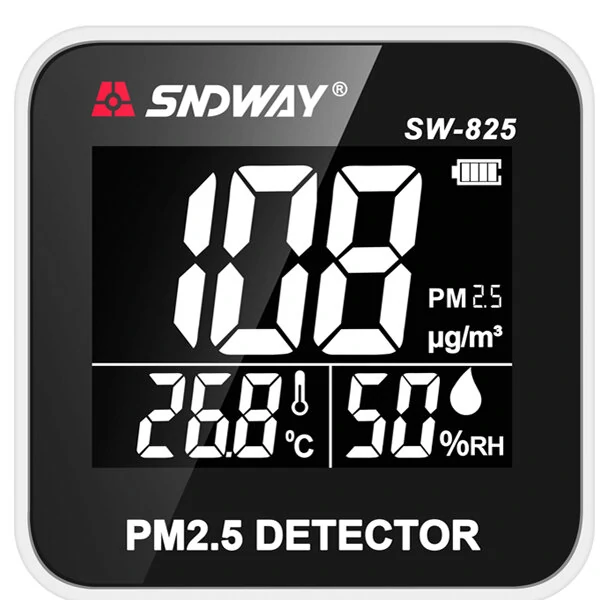
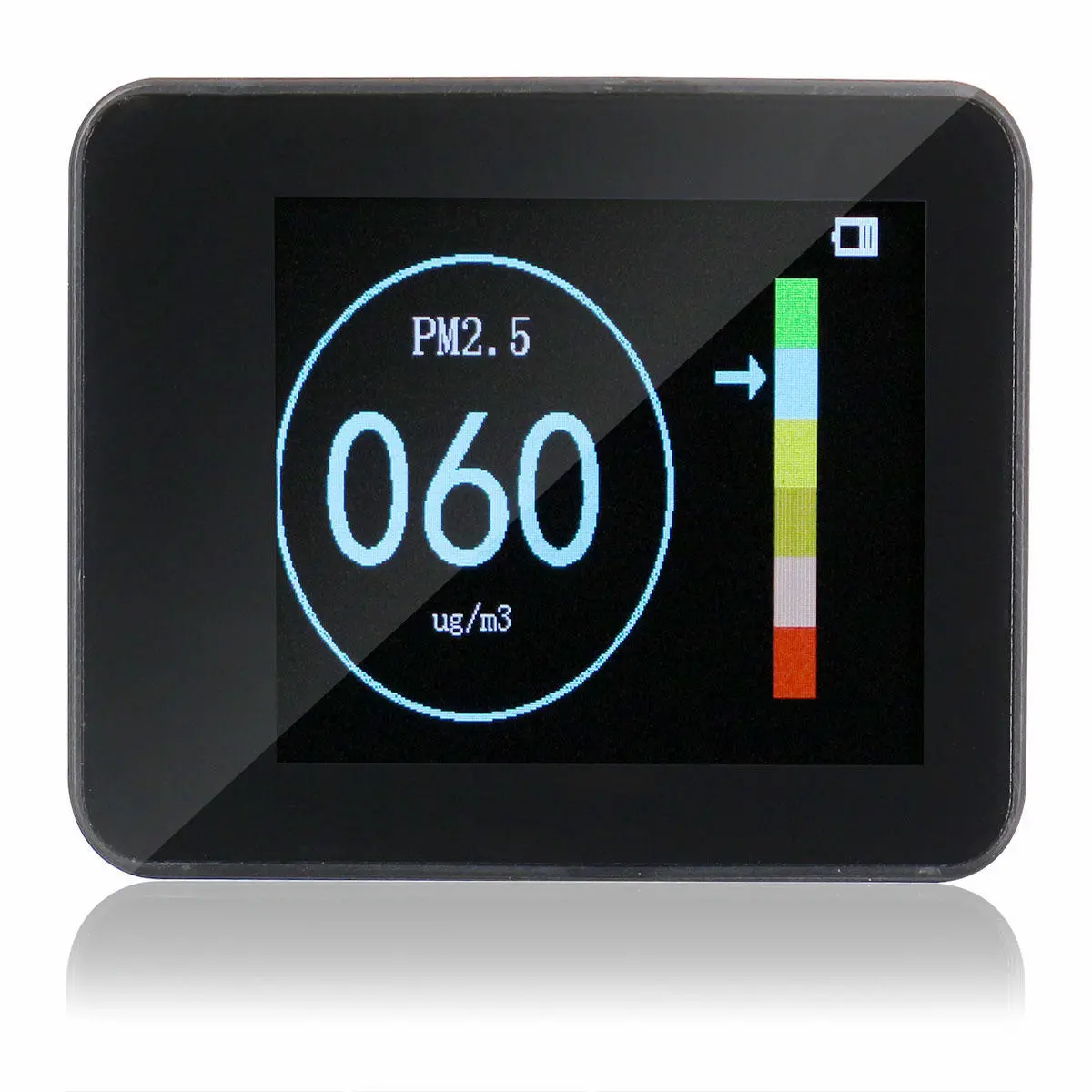
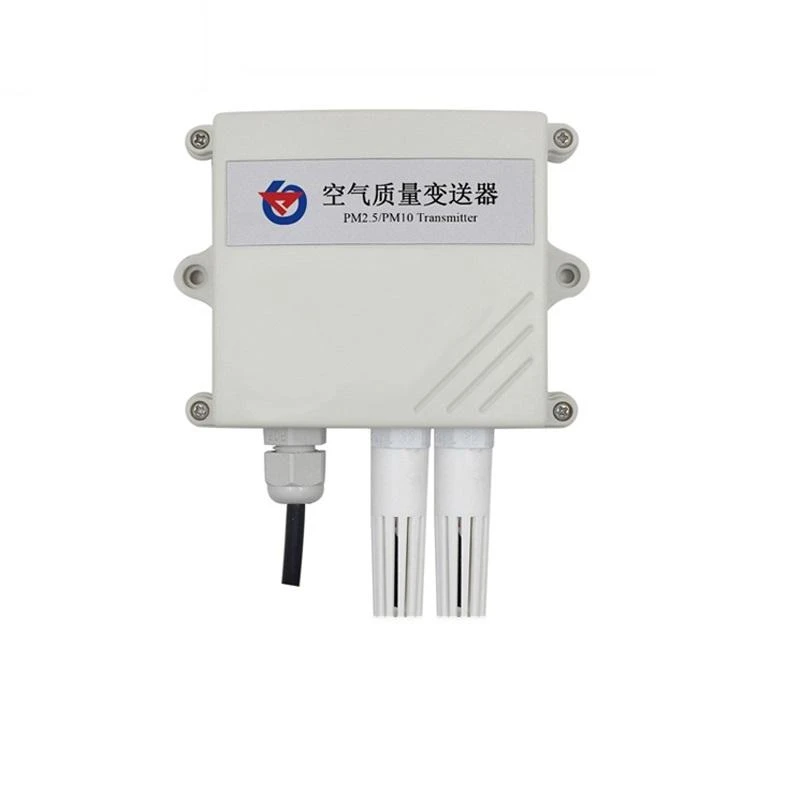
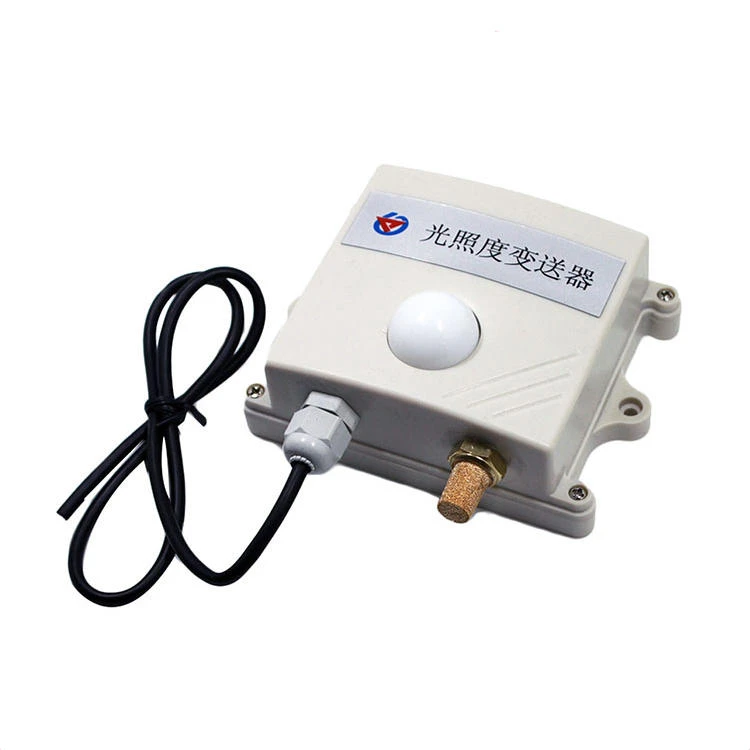
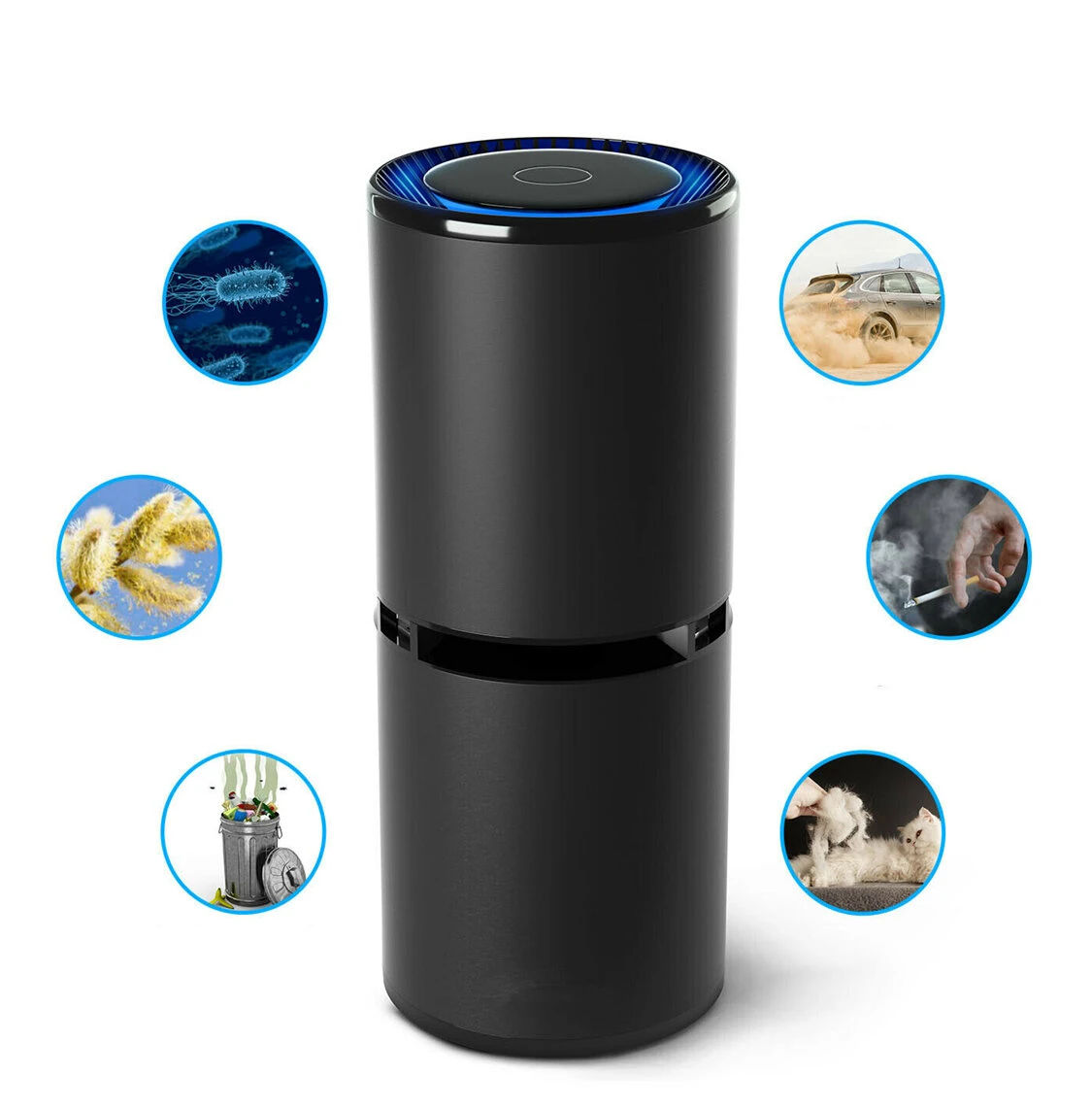
Gas analyzers are critical instruments designed to detect, measure, and monitor the concentration of specific gases in a given environment. They are indispensable tools across a vast range of industries, from ensuring workplace safety to protecting the environment and optimizing manufacturing efficiency. These sophisticated devices provide the data necessary to prevent hazardous exposure, comply with stringent environmental regulations, and maintain precise control over industrial processes. The core benefit of modern gas analyzers lies in their ability to deliver accurate, real-time data, enabling proactive decision-making and risk mitigation. Key product types within this category include portable gas analyzers for personal safety and field inspections, fixed continuous monitoring systems for permanent installation in plants and facilities, flue gas analyzers for combustion efficiency and emissions compliance, and ambient air quality monitors for environmental assessment. Utilizing technologies such as electrochemical sensors, infrared (IR) absorption, photoionization detection (PID), and laser-based spectroscopy, today's analyzers offer high sensitivity, selectivity, and reliability. Whether you need to detect toxic or combustible gases like carbon monoxide, hydrogen sulfide, or methane, measure oxygen levels in confined spaces, or analyze complex gas mixtures in stack emissions, there is a gas analyzer engineered for the task. Investing in the right analyzer technology directly contributes to operational safety, regulatory adherence, and enhanced process control, safeguarding both people and productivity.
Choosing the correct gas analyzer requires careful consideration of your specific application. Start by identifying the target gases you need to detect and their expected concentration ranges. Consider the environment: is it for personal portable use, fixed area monitoring, or precise process analysis? Key features to evaluate include sensor technology, response time, data logging capabilities, alarm functions, and intrinsic safety certifications for hazardous areas. For compliance-driven applications like emissions monitoring, ensure the analyzer meets relevant standards (e.g., EPA, MCERTS). Regular calibration and maintenance are non-negotiable for sustained accuracy and instrument longevity. FAQ: **Q: What is the difference between a gas detector and a gas analyzer?** A: Detectors typically provide a presence/absence alarm for safety, while analyzers quantify precise gas concentrations for process control and compliance. **Q: How often should gas analyzers be calibrated?** A: Most manufacturers recommend bump testing before each use and full calibration at least every 3-6 months, depending on use and sensor type. **Q: Can one analyzer detect multiple gases?** A: Yes, multi-gas analyzers with multiple sensor slots are common for personal safety and environmental monitoring. For a tailored solution, consult with a specialist to match the instrument's capabilities to your operational requirements and ensure optimal performance and safety.