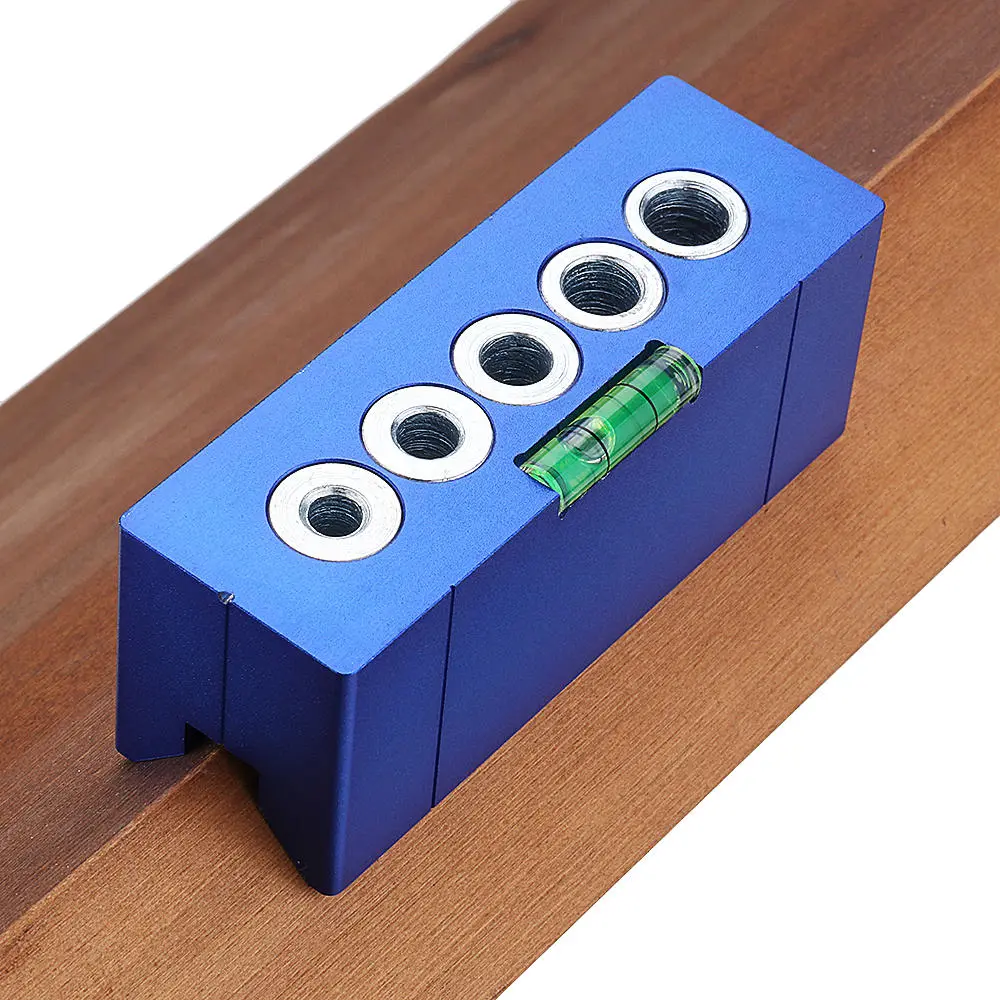
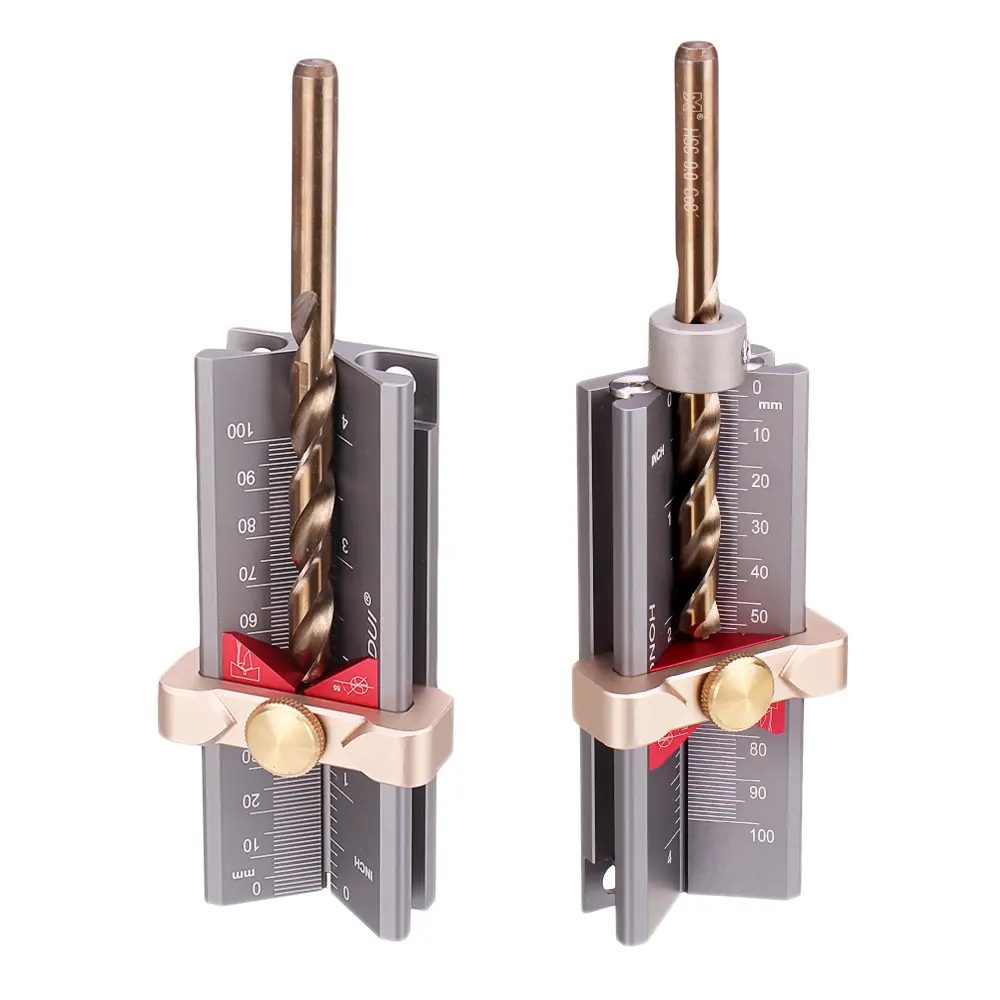
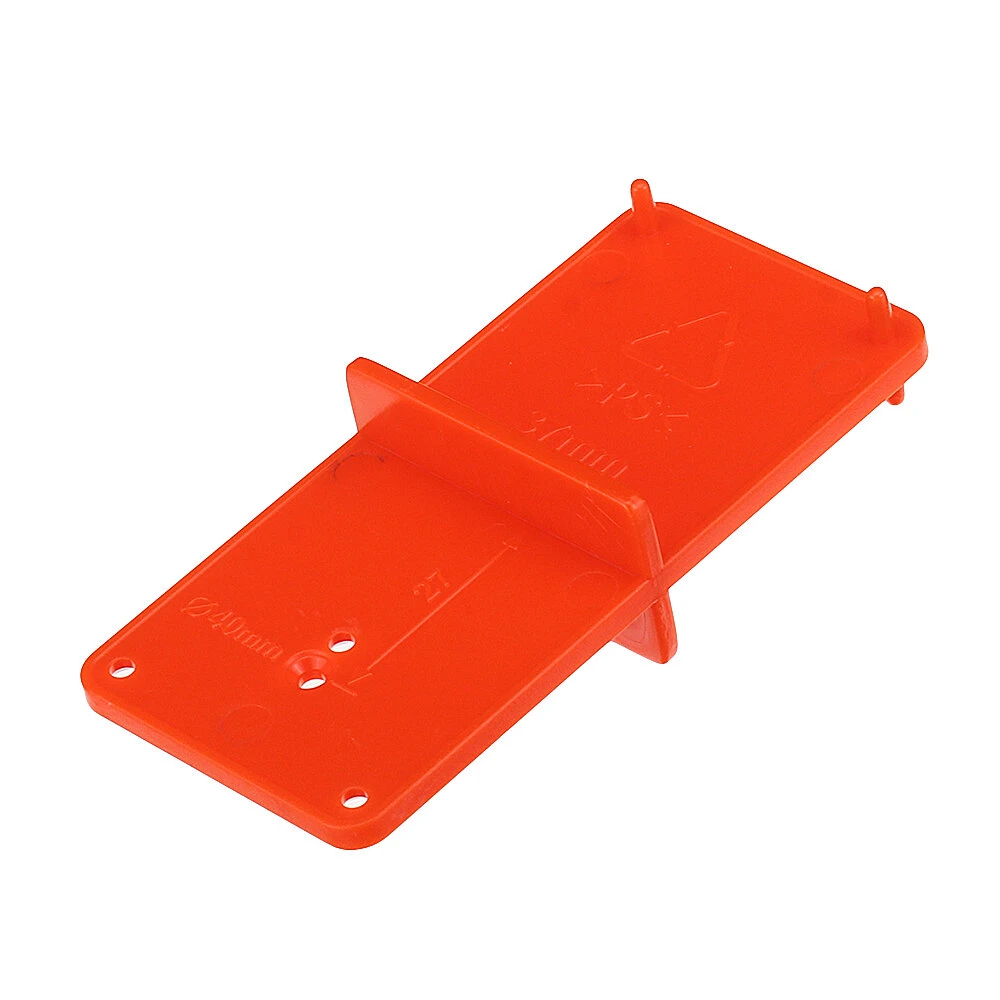
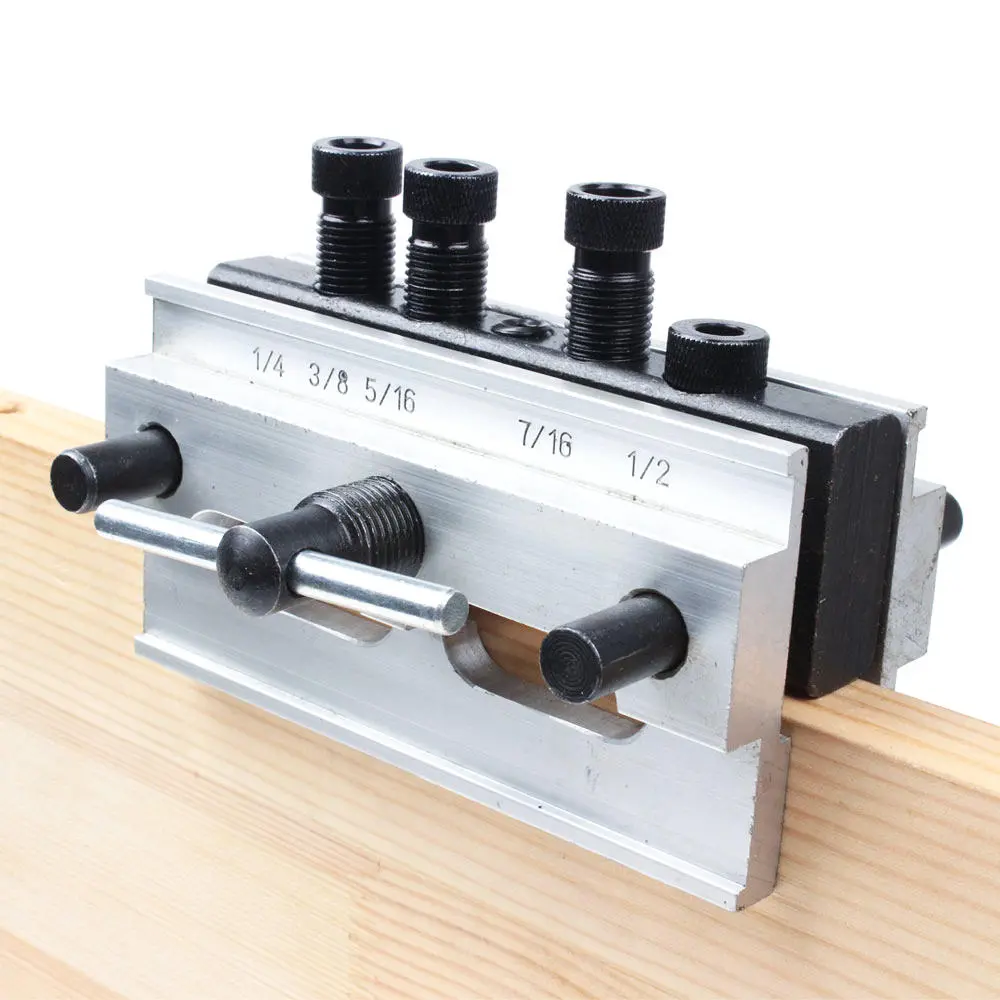
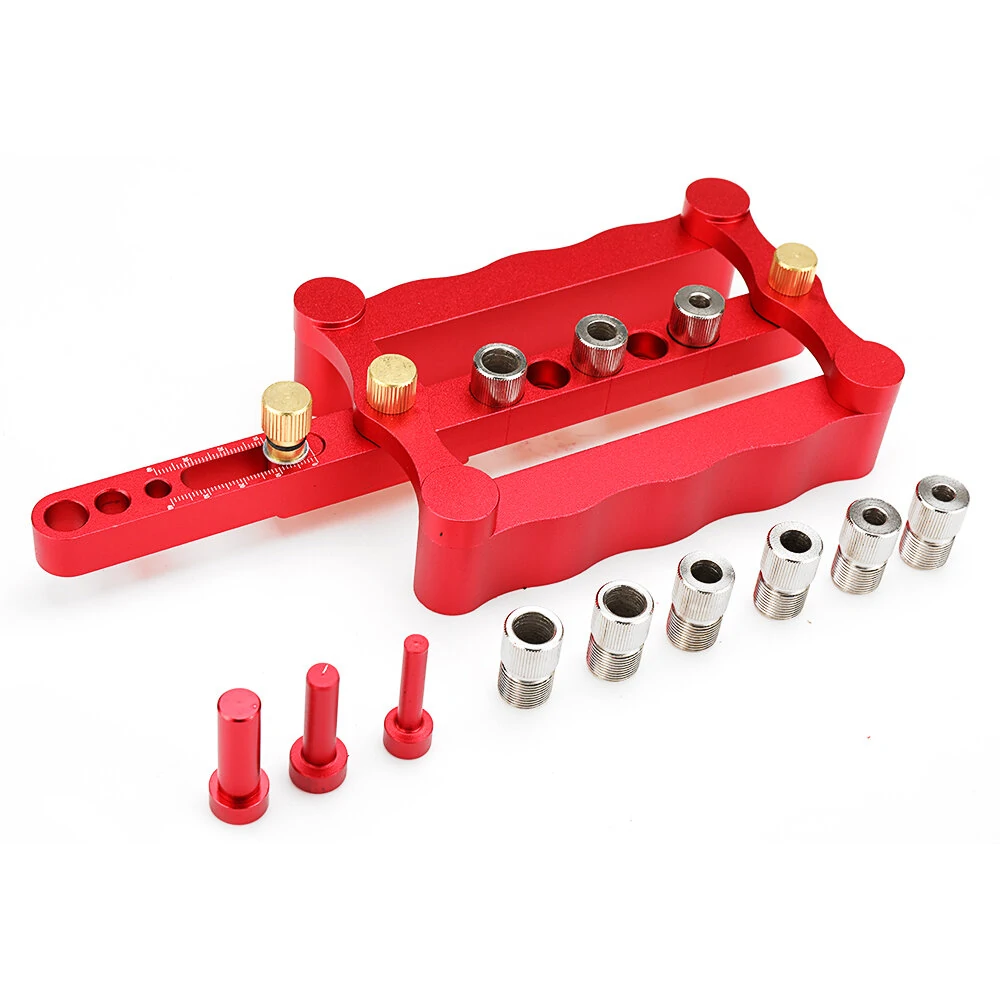
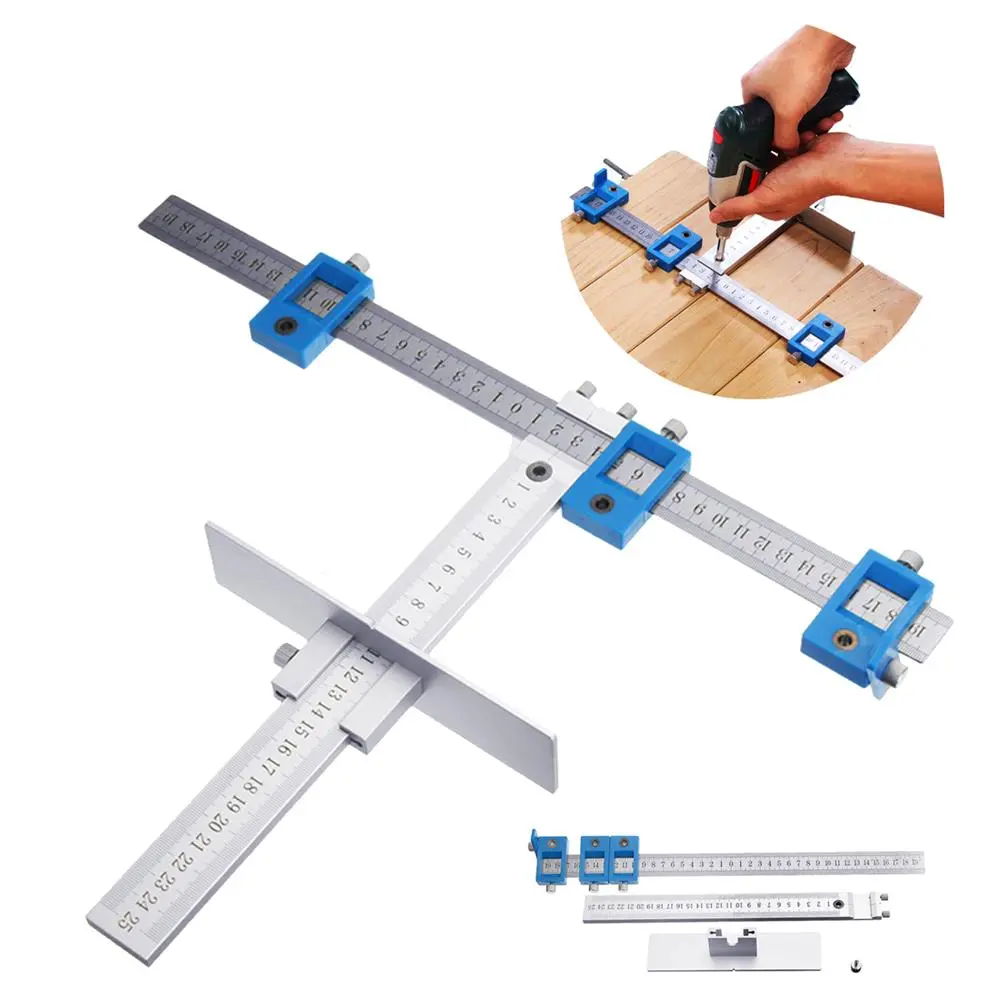
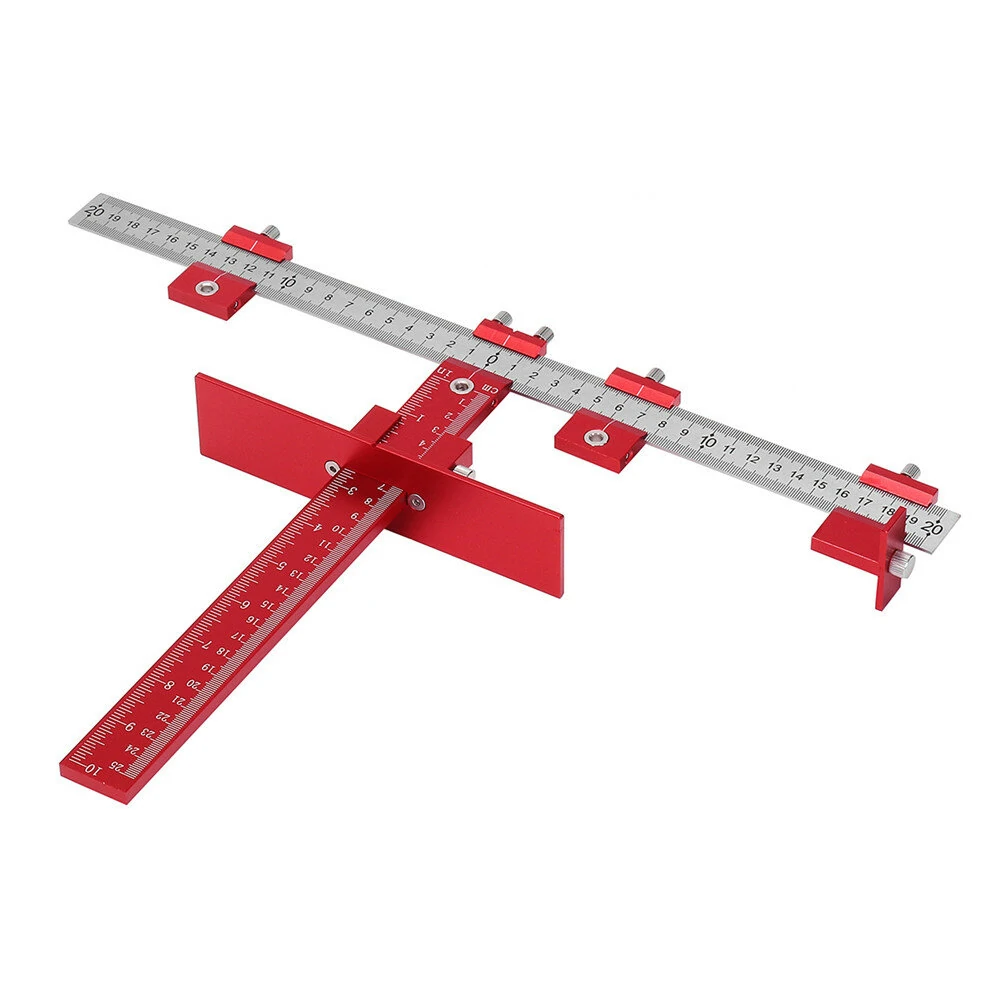
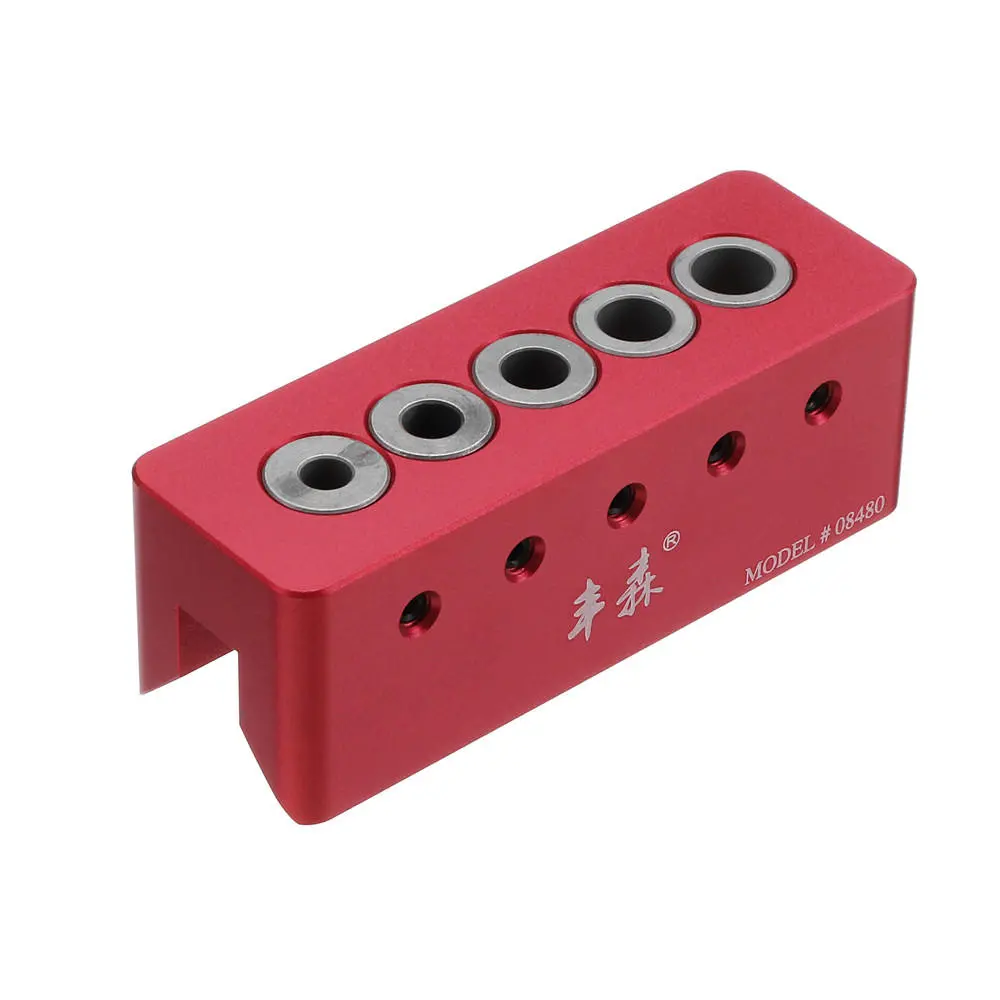
For woodworkers and DIY enthusiasts seeking a fast, strong, and remarkably simple method of joining wood, the pocket hole jig is an indispensable tool. This ingenious device allows you to create incredibly sturdy joints using angled screws driven into pre-drilled 'pocket holes.' The result is a connection that is far stronger than nails or standard screws, yet remains mostly hidden from view for a clean, professional finish. Whether you're building cabinets, assembling furniture, framing a shed, or crafting decorative projects, a pocket hole jig eliminates the need for complex mortise-and-tenon joinery or unsightly surface screws.
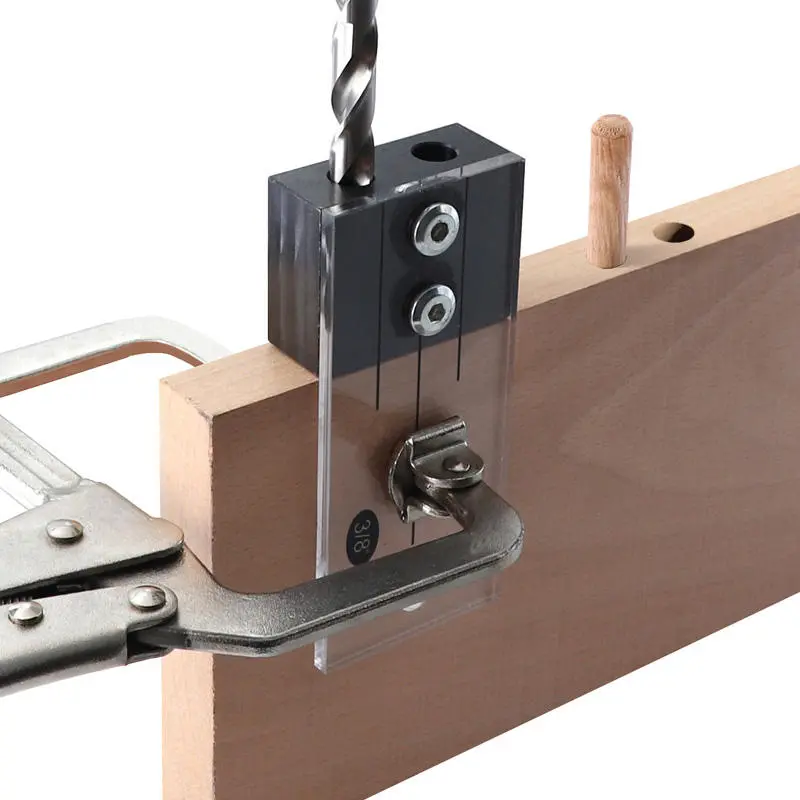
Key products in this category range from simple, single-hole jigs perfect for occasional use and beginners, to advanced multi-hole systems with integrated clamps and depth settings for high-volume, precision work. Brands like Kreg have popularized the tool, offering kits that often include the jig itself, a specialized stepped drill bit, a driver bit, and a handy clamp. The core benefit is accessibility; with minimal setup and a basic understanding, even novice woodworkers can produce joints that look and feel professional. The technique is incredibly versatile, working beautifully with a wide range of wood types and thicknesses, from delicate 1/2" plywood to robust 2x4 lumber.
Investing in a quality pocket hole jig transforms your workshop capabilities. It speeds up project completion dramatically, reduces the need for extensive clamping and glue drying time, and opens up a world of design possibilities. The hidden nature of the joint means you spend less time filling holes or disguising fasteners, and more time enjoying the build process and the stunning final product. It's the secret weapon for creating frames, face frames, tabletops, and carcasses that are built to last.
**Choosing the Right Pocket Hole Jig: A Quick Guide**
**For Beginners & Occasional Use:** Start with a basic, single-hole jig kit. It's affordable, easy to store, and perfect for learning the technique on smaller projects like picture frames or simple shelves.
**For Enthusiasts & Frequent DIYers:** A multi-hole jig with an adjustable fence and built-in clamp is ideal. It offers faster production for larger projects like furniture and cabinetry, ensuring consistent hole spacing and depth.
**For Professionals & Serious Woodworkers:** Consider a full workstation-style system. These often feature robust construction, advanced material support, and quick-change mechanisms for high efficiency in a shop environment.
**FAQ: Do I need special screws?** Yes, pocket hole screws are shorter, with a self-tapping tip and a wide, flat head designed to sit perfectly in the pocket. Using the correct screw is crucial for joint strength.
**FAQ: Can I use it on all wood?** Pocket hole joinery works excellently on solid wood and plywood. It is not recommended for very hard woods like some exotics without pre-drilling, or for materials like MDF at the edges, as it may not hold securely.
Ultimately, the best pocket hole jig is the one that matches your project frequency and complexity, helping you build with confidence and precision.