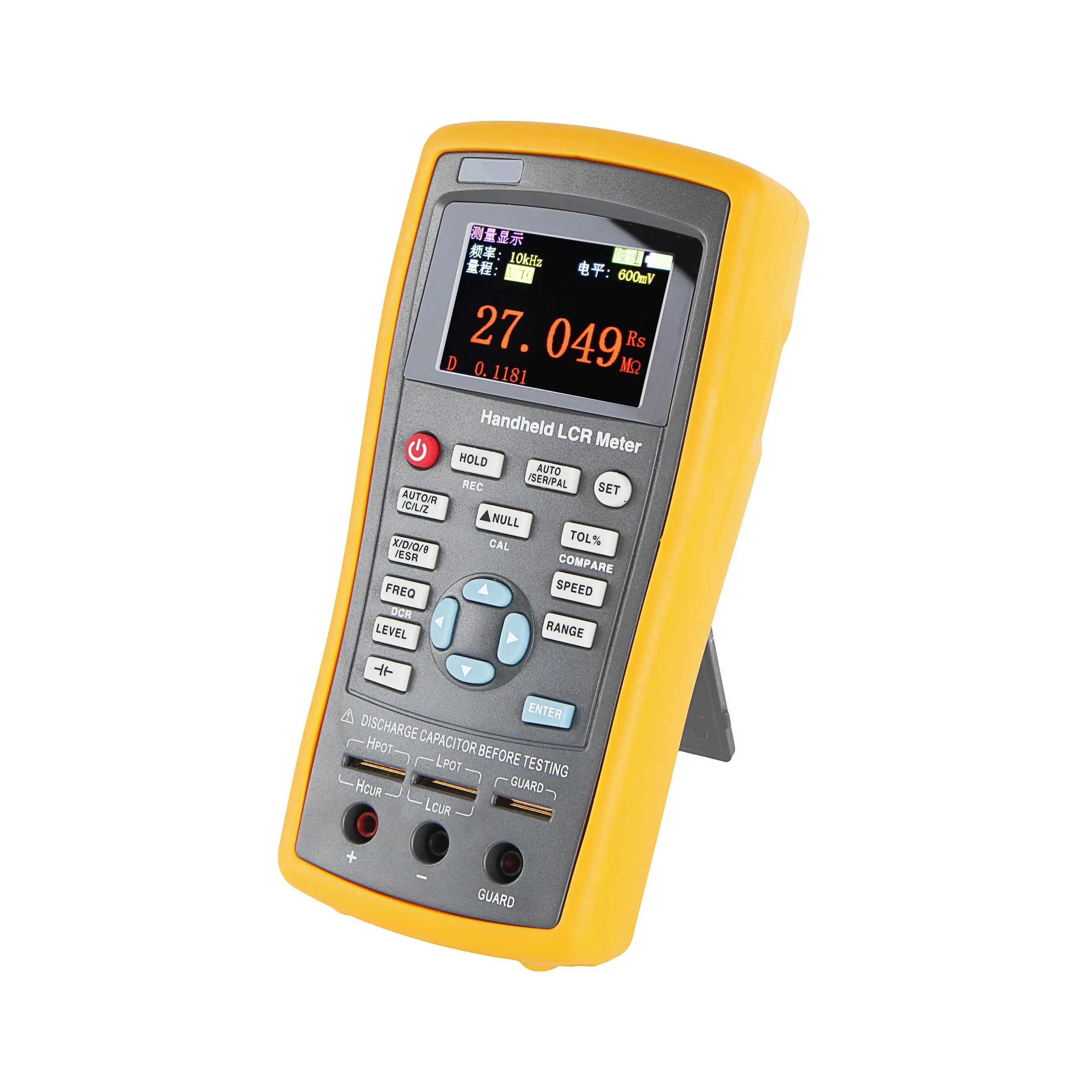
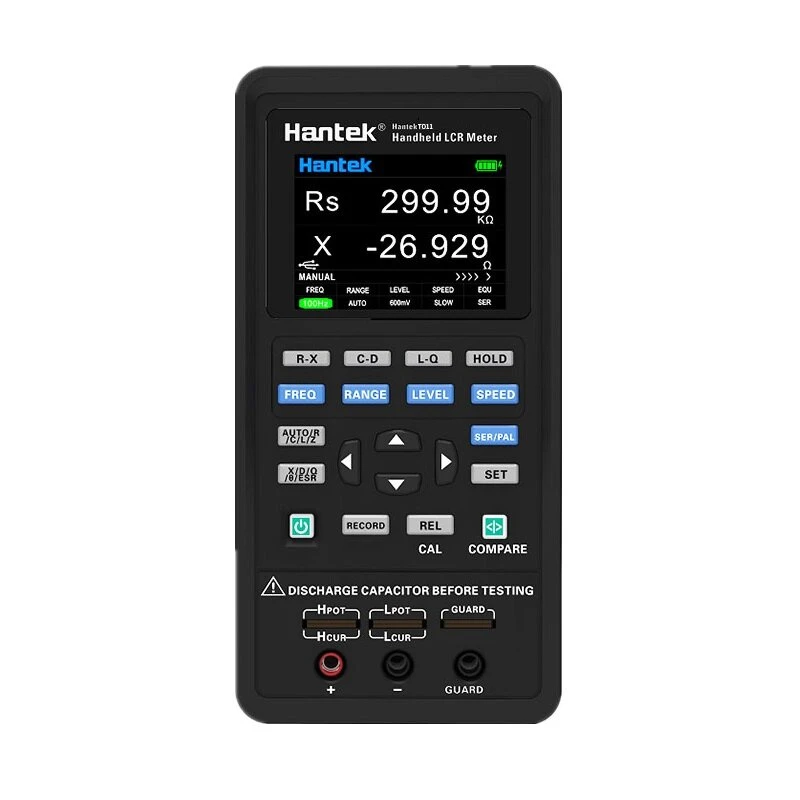
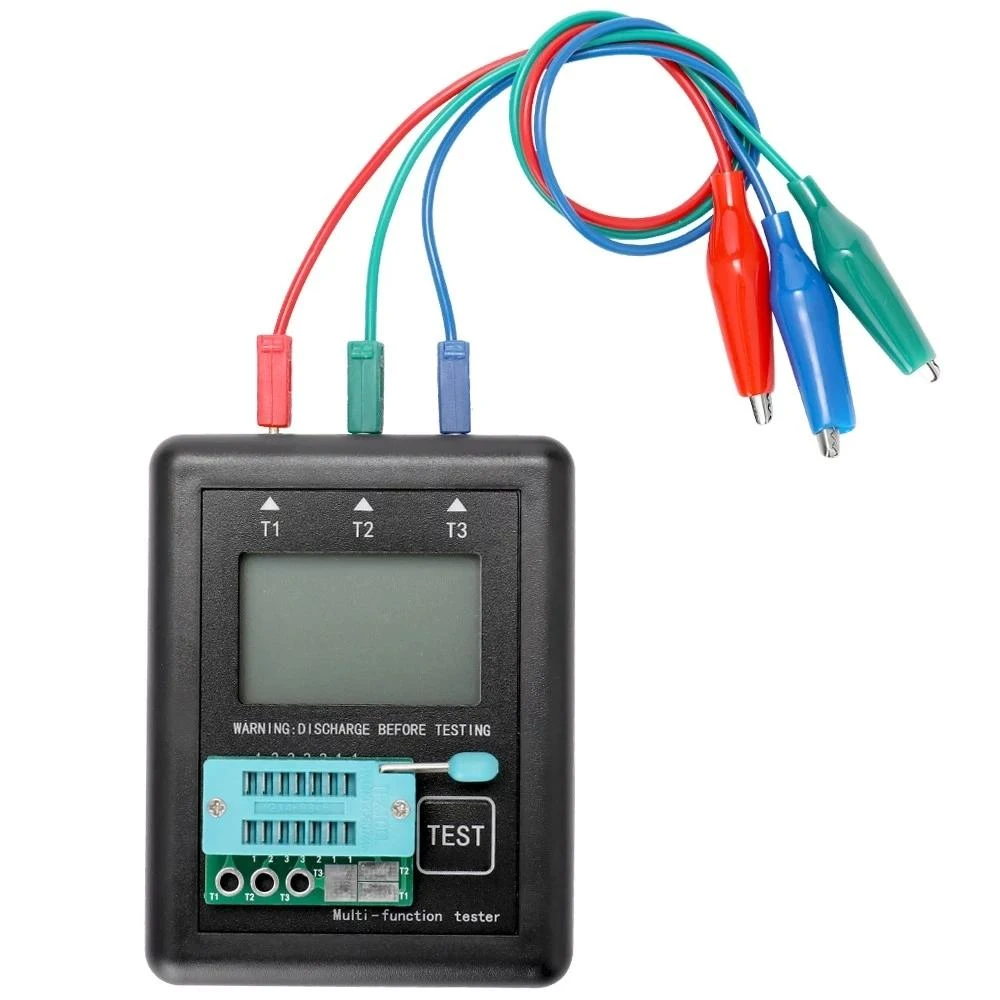
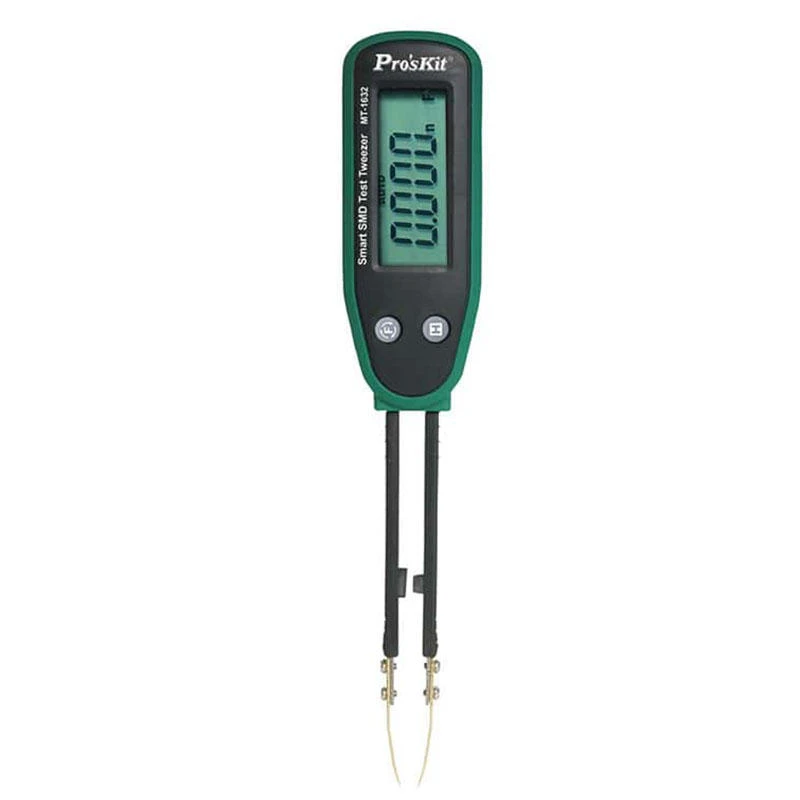
In the world of electronics, electrical work, and engineering, precision measurement is non-negotiable. This is where digital multimeters (DMMs) and oscilloscopes become indispensable tools. A digital multimeter is your versatile go-to device for measuring fundamental electrical values like voltage (AC/DC), current, and resistance. Modern DMMs offer advanced features such as capacitance, frequency, temperature, and continuity testing with audible beeps. They are the first line of defense for troubleshooting circuits, checking battery levels, diagnosing automotive issues, and ensuring electrical safety. From rugged, CAT-rated models for electricians to compact, auto-ranging units for hobbyists, there's a multimeter for every skill level and application.
While a multimeter tells you the 'what' (e.g., 5 volts), an oscilloscope shows you the 'how'—the actual waveform of that signal over time. Oscilloscopes are crucial for visualizing dynamic electrical signals, revealing details like noise, glitches, shape, and frequency that a multimeter cannot detect. They are essential for designing, debugging, and testing circuits involving microcontrollers, audio equipment, sensors, and communication signals. Today's market offers a fantastic range, from traditional benchtop scopes with large displays to portable, USB-connected, and handheld models that combine oscilloscope, multimeter, and data logger functionalities. Together, these tools form a complete diagnostic duo, empowering you to move from basic verification to in-depth signal analysis with confidence and accuracy.
Choosing the right tool depends on your needs. For a digital multimeter, consider: **Safety First:** For mains voltage work, ensure a high CAT (Category) rating (e.g., CAT III or IV). **Accuracy & Resolution:** Look for a unit with suitable counts (e.g., 4000 or 6000) for your required precision. **Features:** Auto-ranging, True RMS for AC measurements, data logging, and a backlit display are valuable additions.
For an oscilloscope, key factors are: **Bandwidth:** This is the most critical spec. Choose a scope with bandwidth at least 5x the highest signal frequency you plan to measure. **Sample Rate:** A higher sample rate captures fast transients more accurately. **Channels:** Two channels are standard; four are needed for complex digital protocols. **Form Factor:** Benchtop for lab stability, or portable/handheld for fieldwork.
**FAQ:** *Can one device replace both?* Yes, some advanced handheld oscilloscopes include multimeter functions, offering a compact all-in-one solution for field engineers. *What's essential for a beginner?* A reliable auto-ranging DMM and an entry-level USB oscilloscope provide a powerful, affordable start. For professionals, investing in separate, high-performance dedicated tools is often best for optimal functionality and durability.