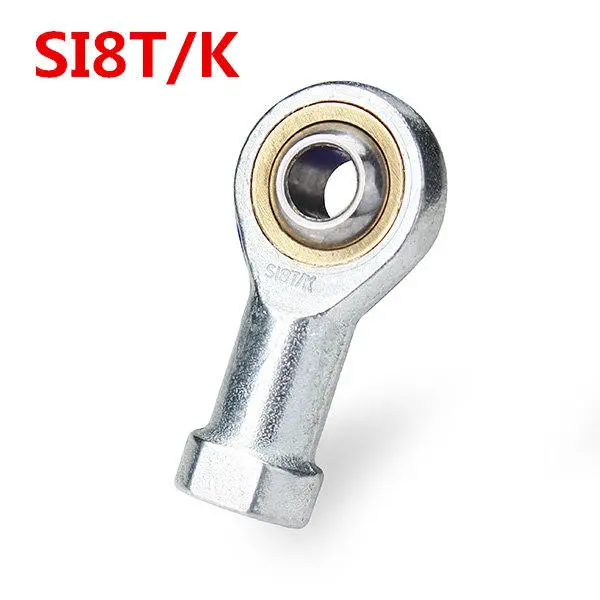
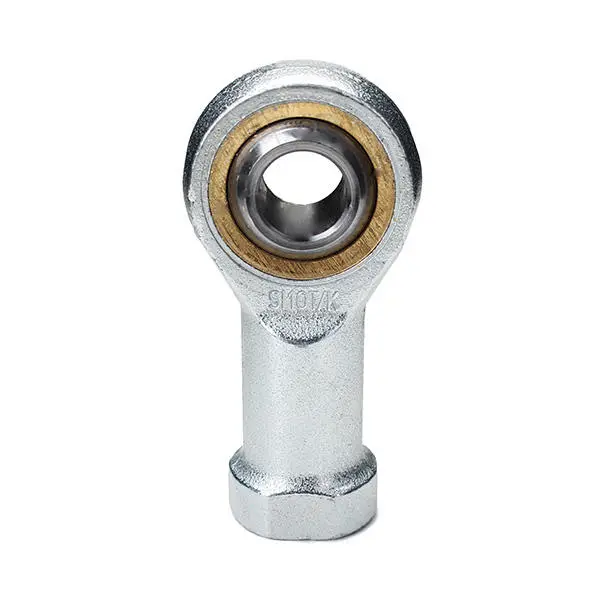
Linear motion is the fundamental technology behind precise, controlled movement in a straight line. It is the backbone of modern automation, robotics, CNC machinery, packaging equipment, and countless other industrial applications. At its core, a linear motion system converts rotational force from motors into accurate, repeatable linear travel, enabling machines to position, lift, push, or pull with exceptional reliability and minimal friction.
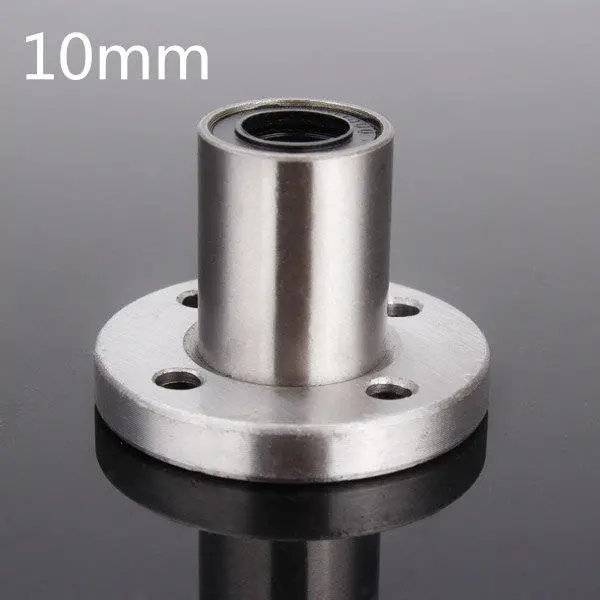
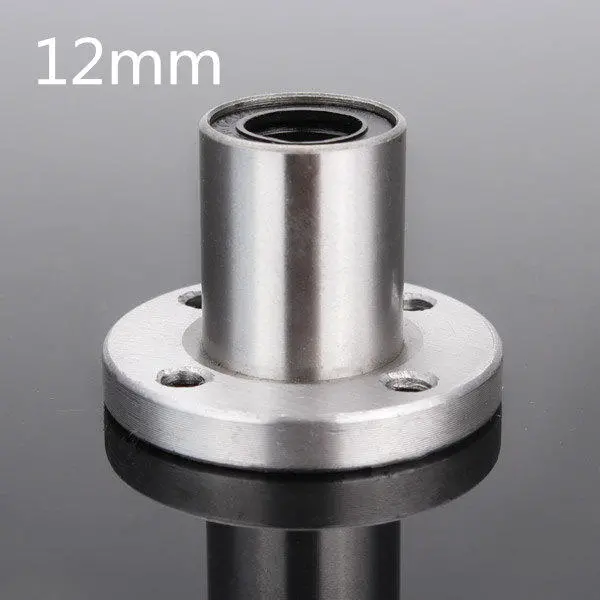
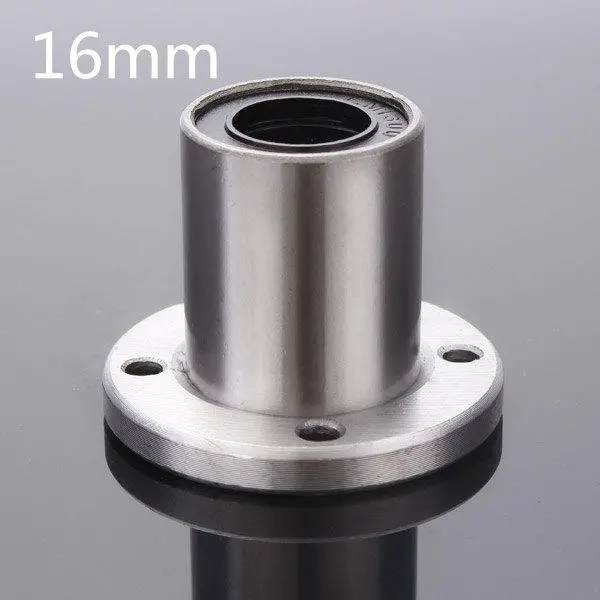
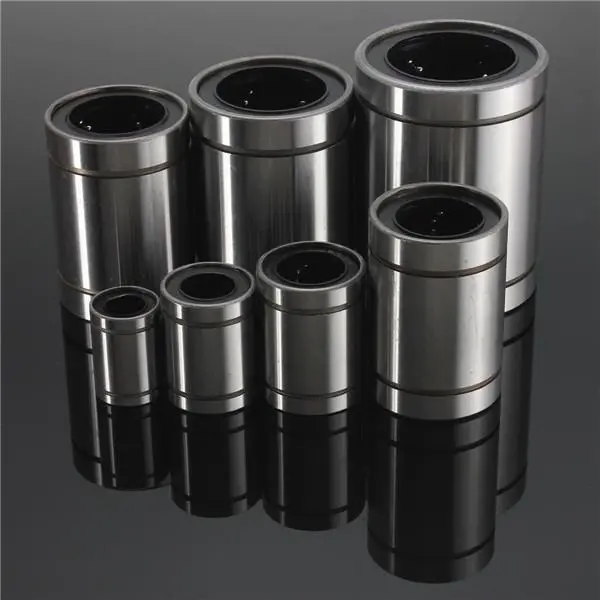
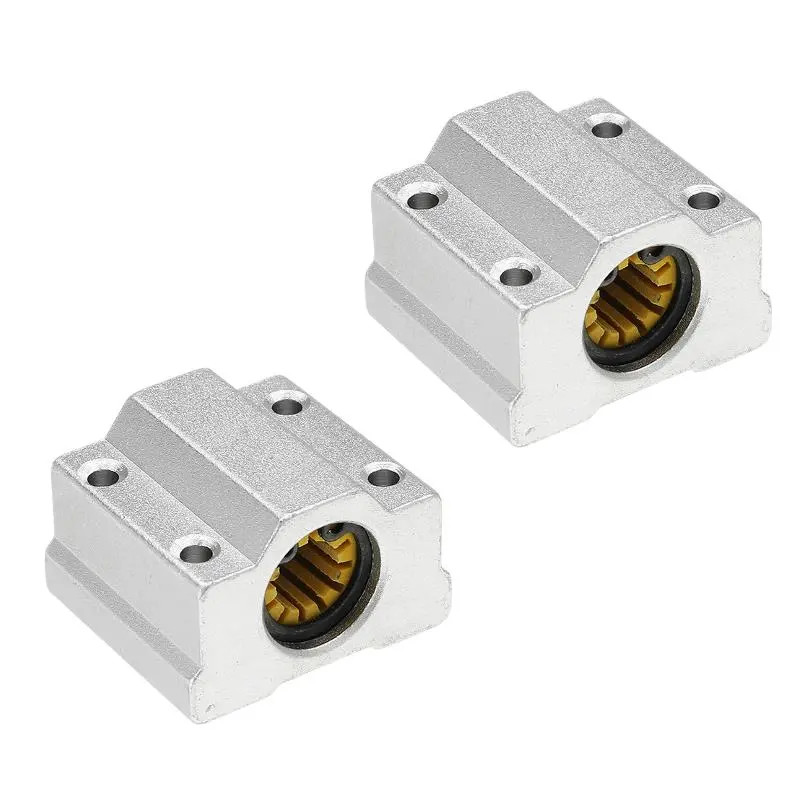
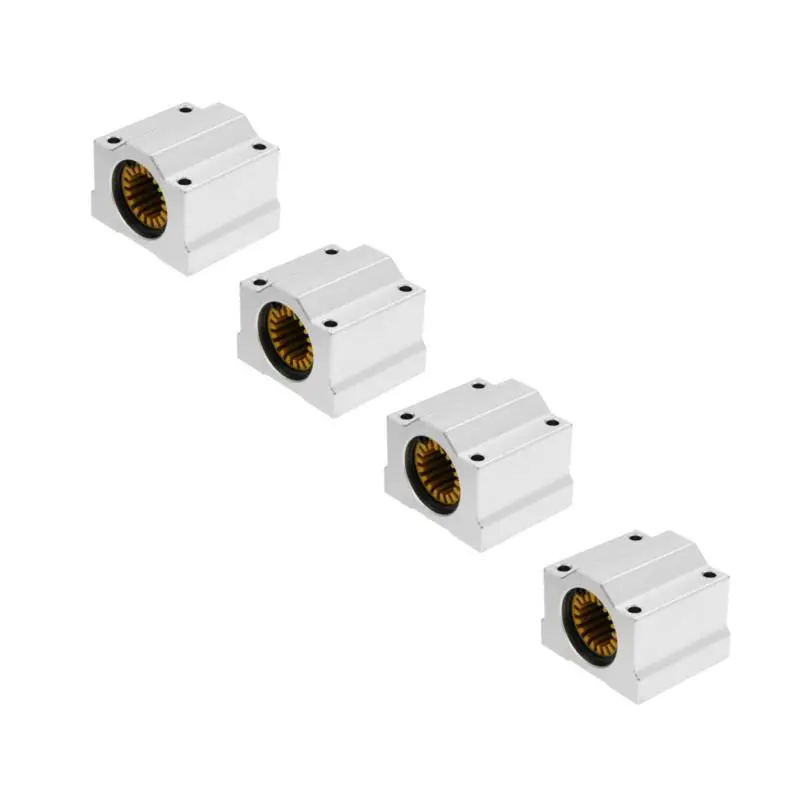
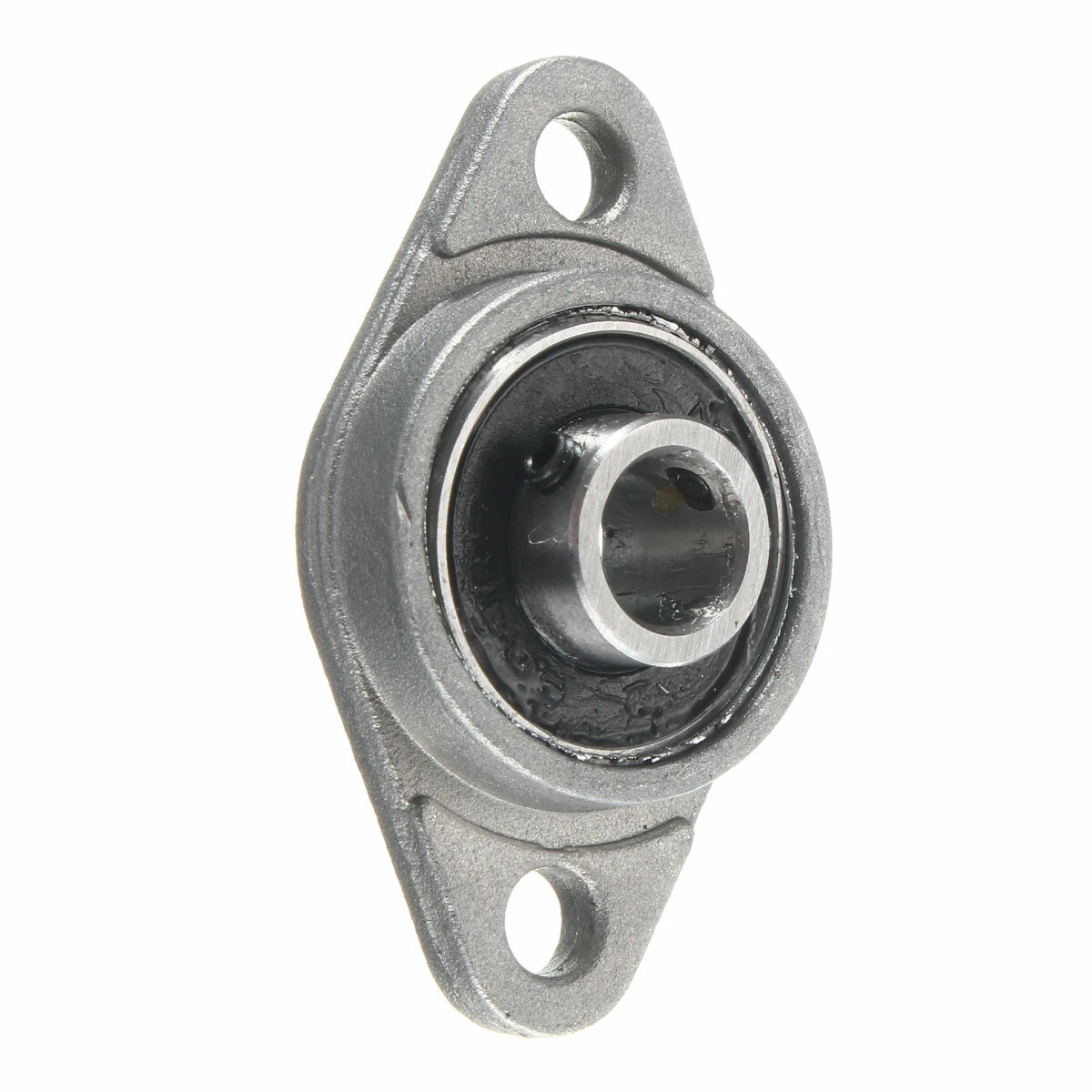
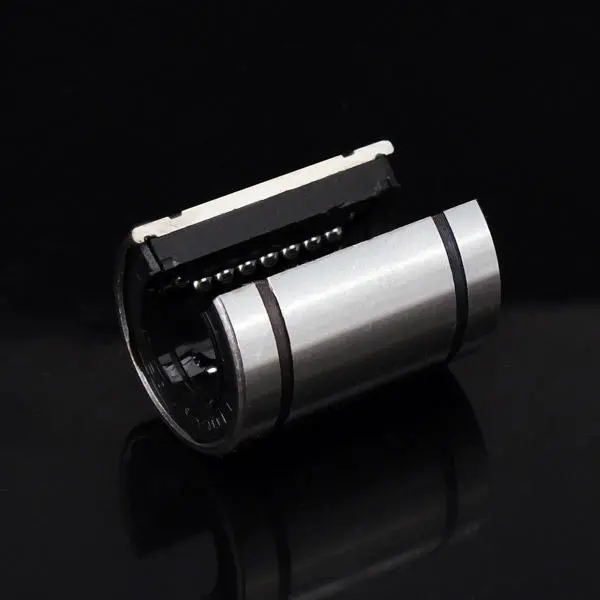
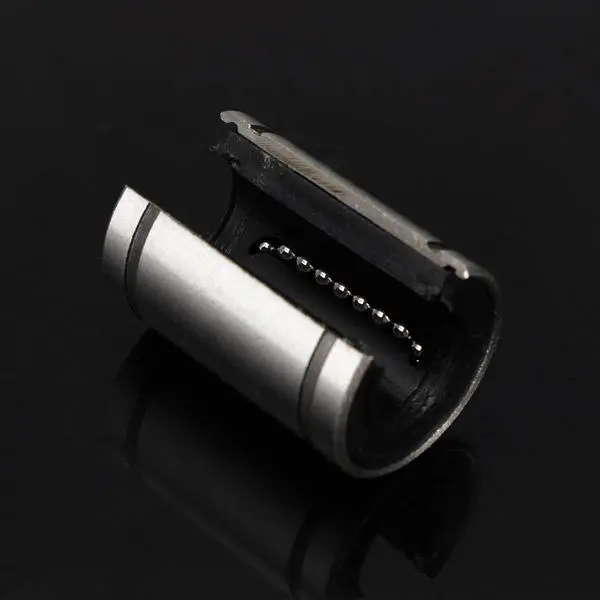
Key products in this category include linear guides and rails, which provide rigid support and smooth guidance for moving components. Paired with linear bearings—such as ball bushings or profiled rail bearings—they ensure low-friction travel even under heavy loads. Ball screws and lead screws are the critical components that translate rotary motion to linear motion with high efficiency and precision, essential for applications like CNC machining and semiconductor manufacturing.
Another vital product group is electric linear actuators, which integrate motor, drive, and guidance into a single, compact unit for push/pull applications. Benefits of implementing a well-designed linear motion system are substantial. They offer enhanced accuracy and repeatability, improved system rigidity and load capacity, reduced maintenance through sealed designs, increased operational speeds, and greater energy efficiency. Whether you are designing a new automated cell or upgrading existing equipment, selecting the right linear motion components is crucial for achieving optimal performance, longevity, and productivity in your mechanical systems.
Choosing the right linear motion components requires careful consideration of your application's specific needs. Start by defining key parameters: What is the required load capacity (static and dynamic)? What level of precision and repeatability is necessary? What travel length and speed are needed? Environmental factors like exposure to dust, chips, or washdowns will determine the required sealing and corrosion resistance.
Frequently Asked Questions (FAQ):
Q: What's the difference between ball screws and lead screws?
A: Ball screws use recirculating ball bearings for very high efficiency and precision, ideal for high-speed, continuous use. Lead screws have a sliding contact, offering good precision at a lower cost, suitable for lighter loads and less frequent operation.
Q: How do I choose between round shafts and profiled rails?
A: Round shaft guides are cost-effective and suitable for moderate loads and simpler applications. Profiled (square) linear rails offer superior rigidity, higher load capacity, and greater accuracy for demanding, high-precision machinery.
Q: What maintenance do linear systems require?
A: Most modern linear guides and ball screws are pre-lubricated and sealed. Primary maintenance involves periodic re-lubrication according to the manufacturer's guidelines and keeping way covers clean to prevent contaminant ingress, ensuring long service life.
.jpg.webp)