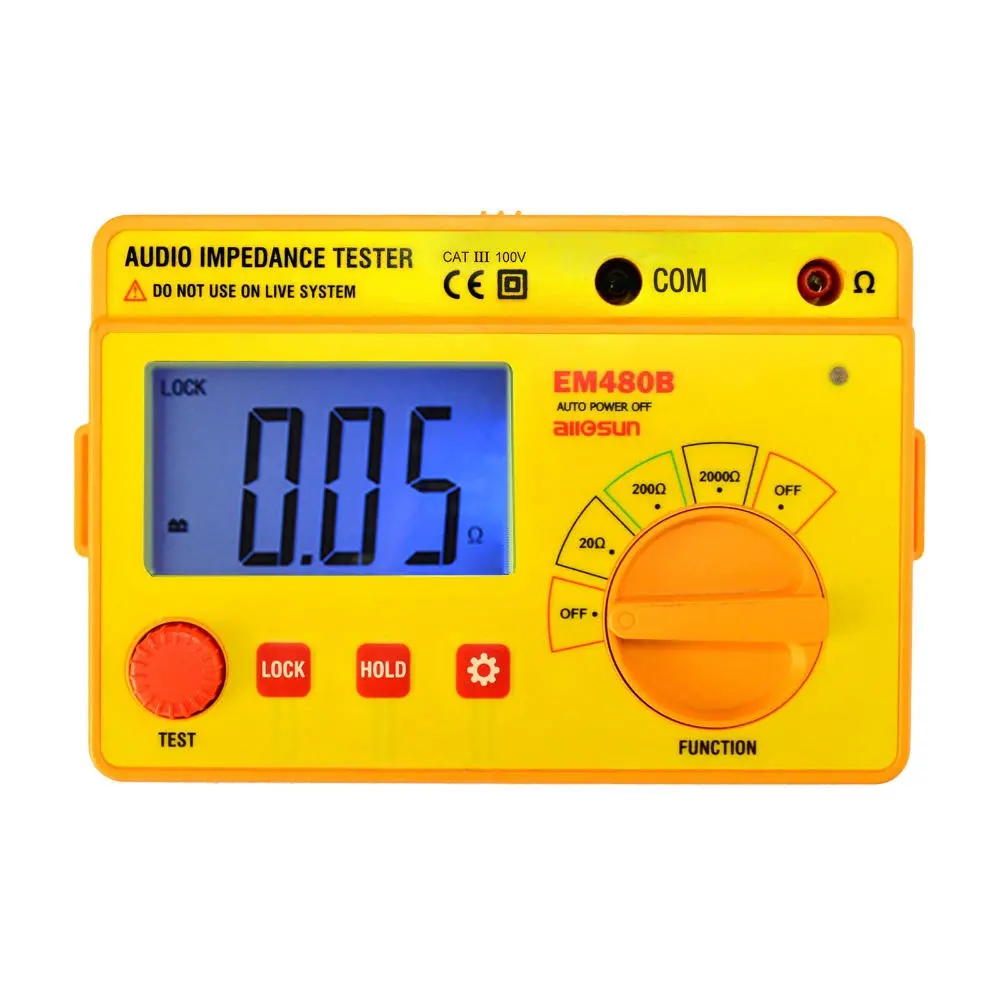
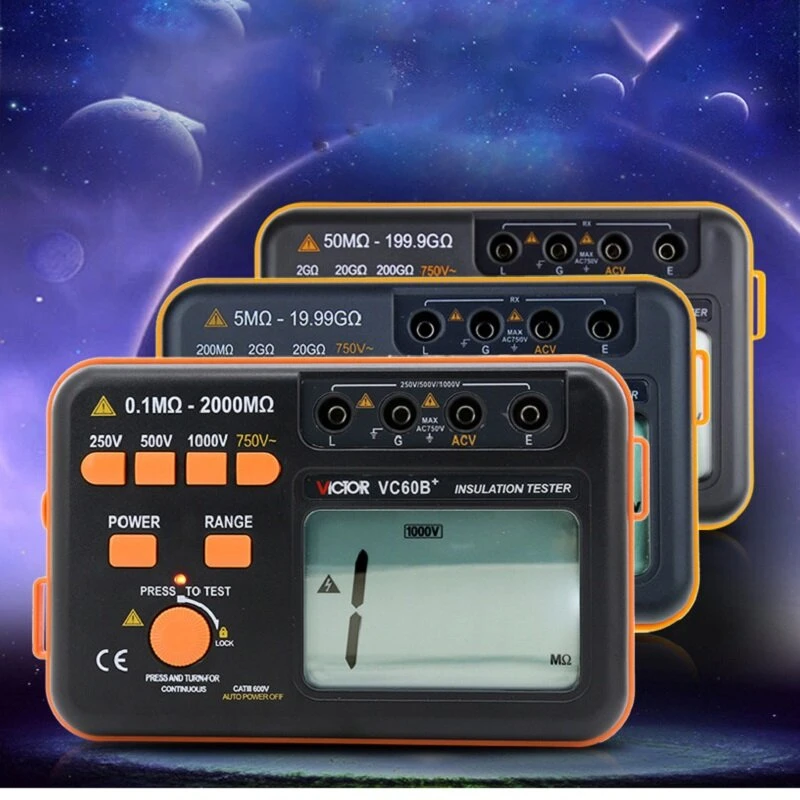
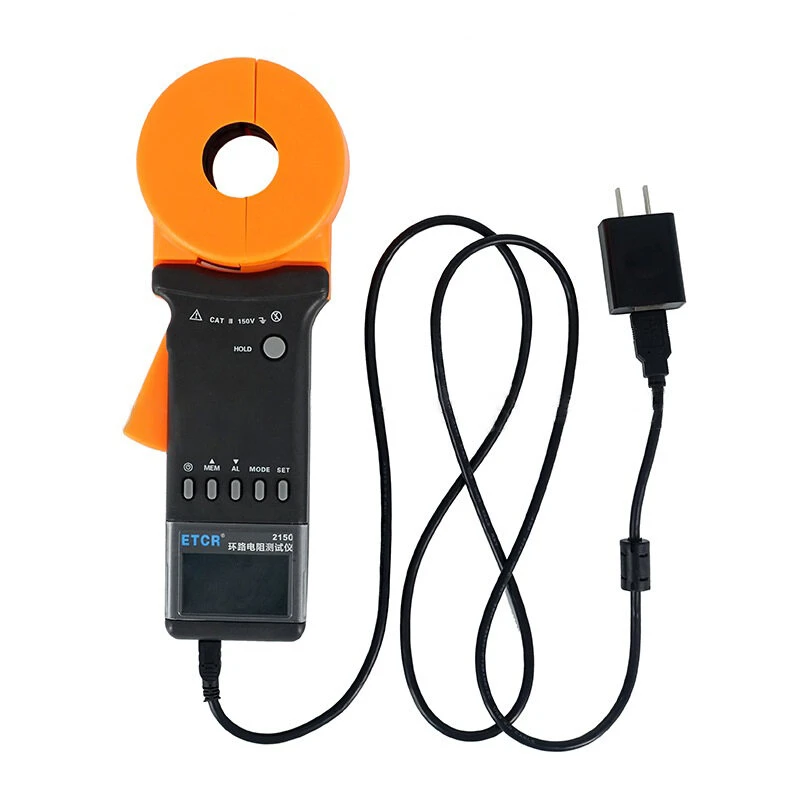
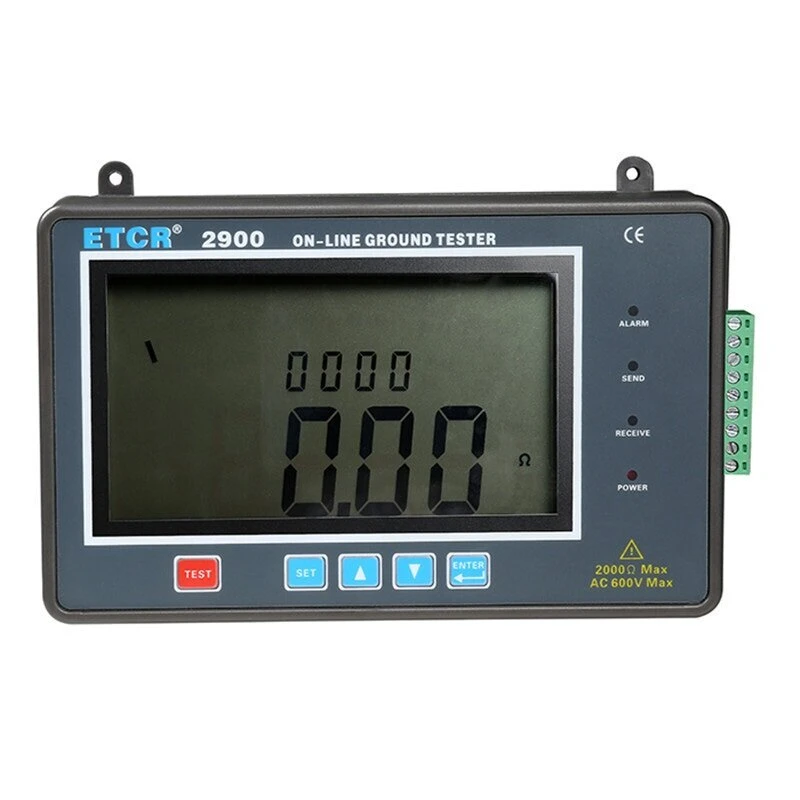
Resistance testers are essential diagnostic instruments for electricians, engineers, and maintenance professionals tasked with ensuring electrical system safety and reliability. This broad category encompasses specialized tools designed to measure electrical resistance, a fundamental property that indicates how easily current flows through a material or component. Accurate resistance measurement is critical for preventive maintenance, troubleshooting, and verifying compliance with safety standards.
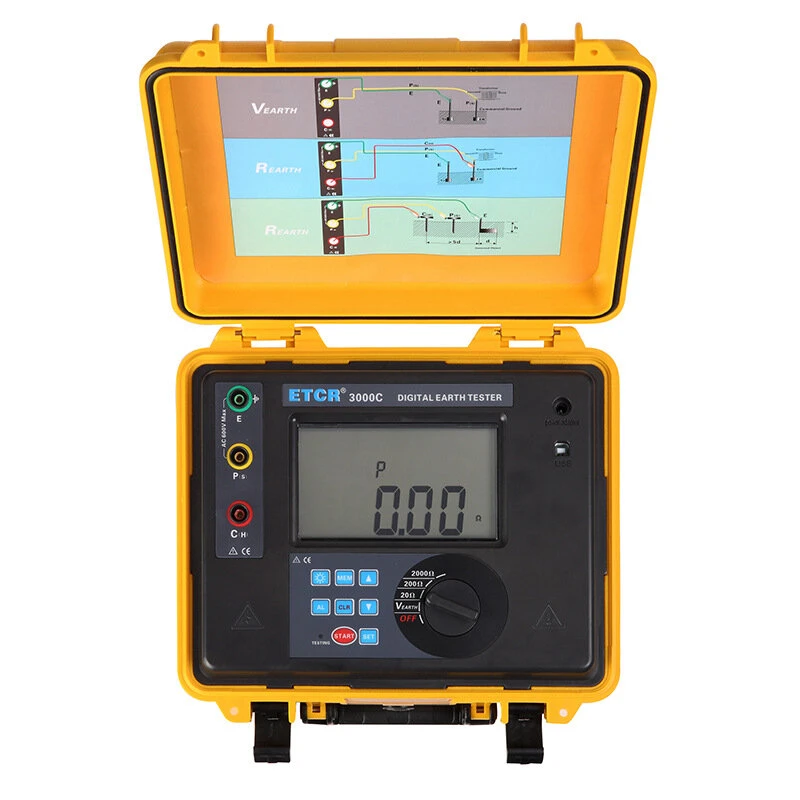
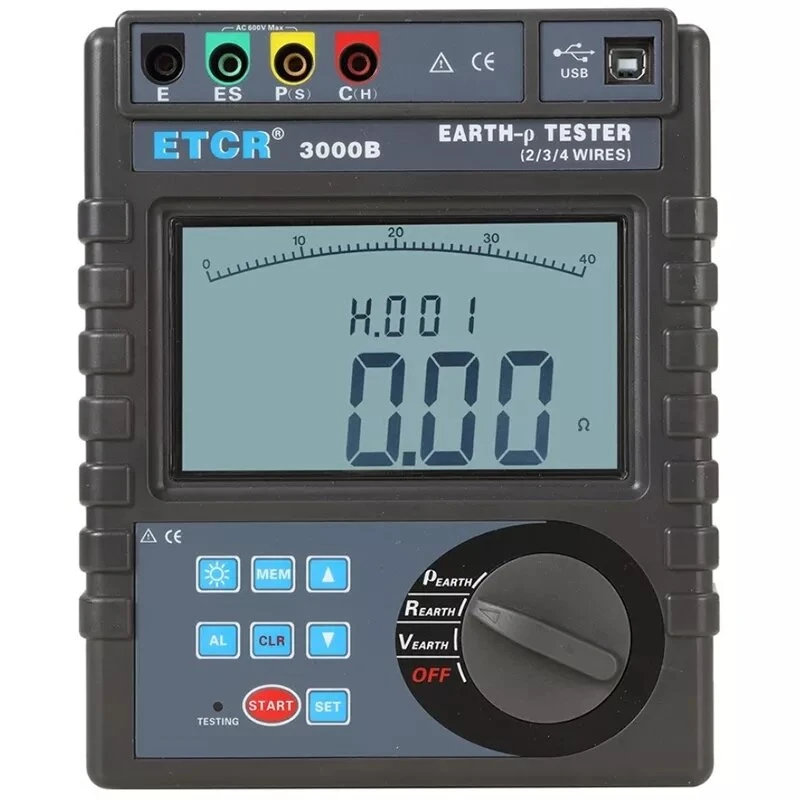
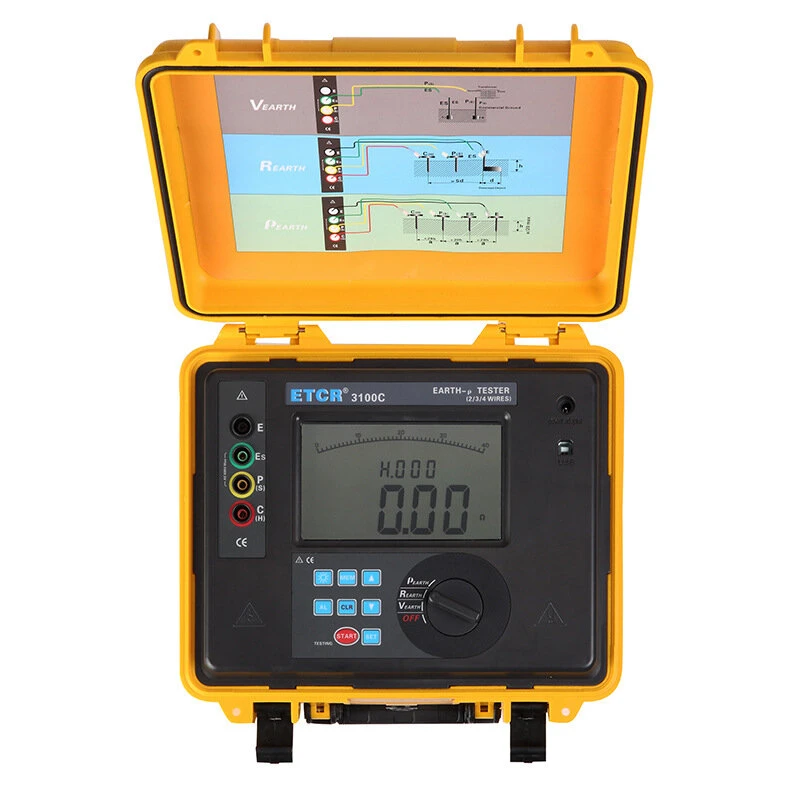
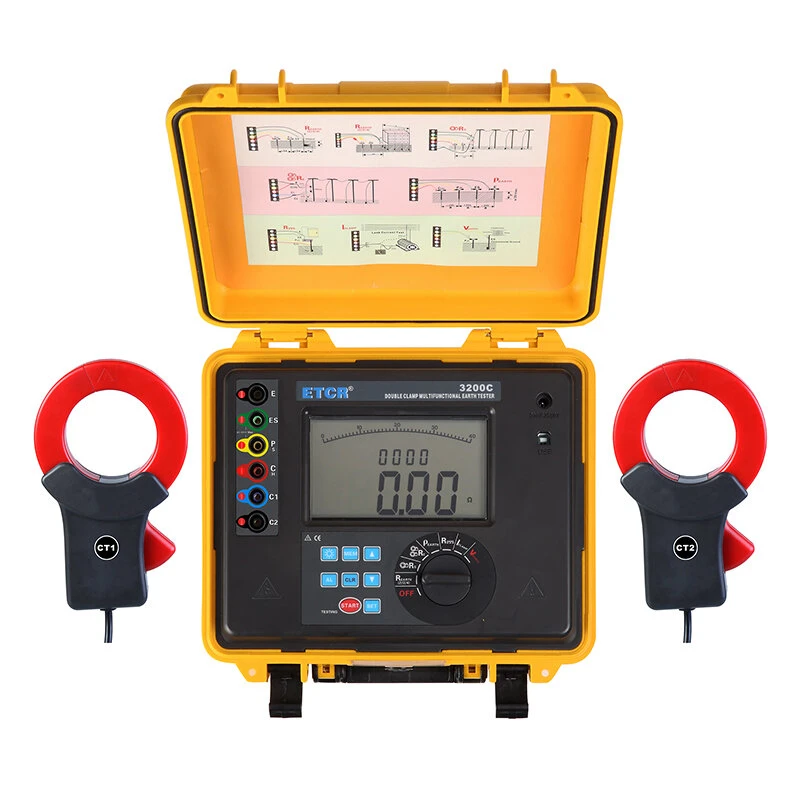
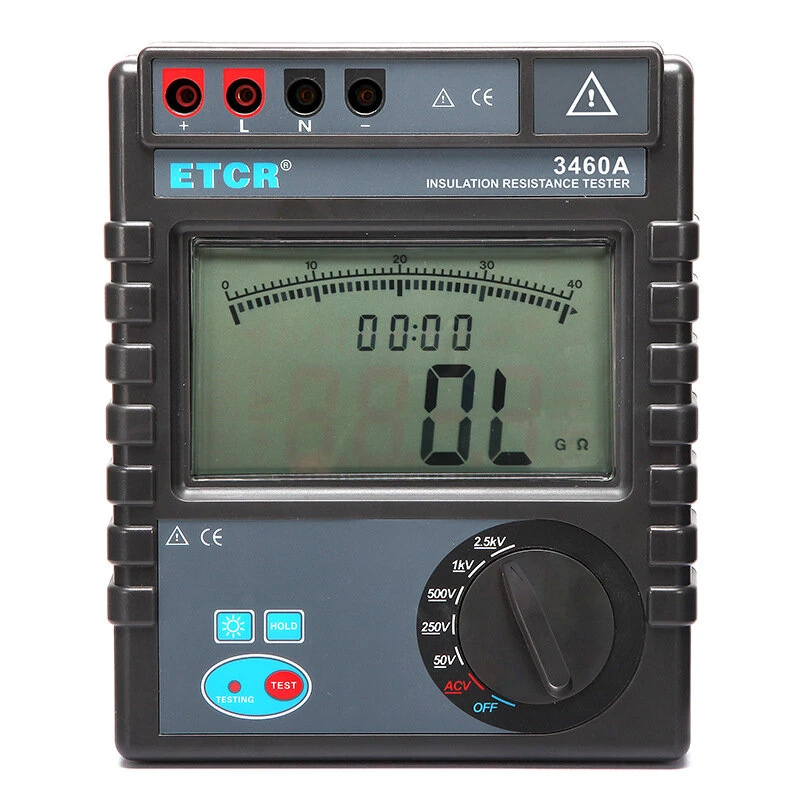
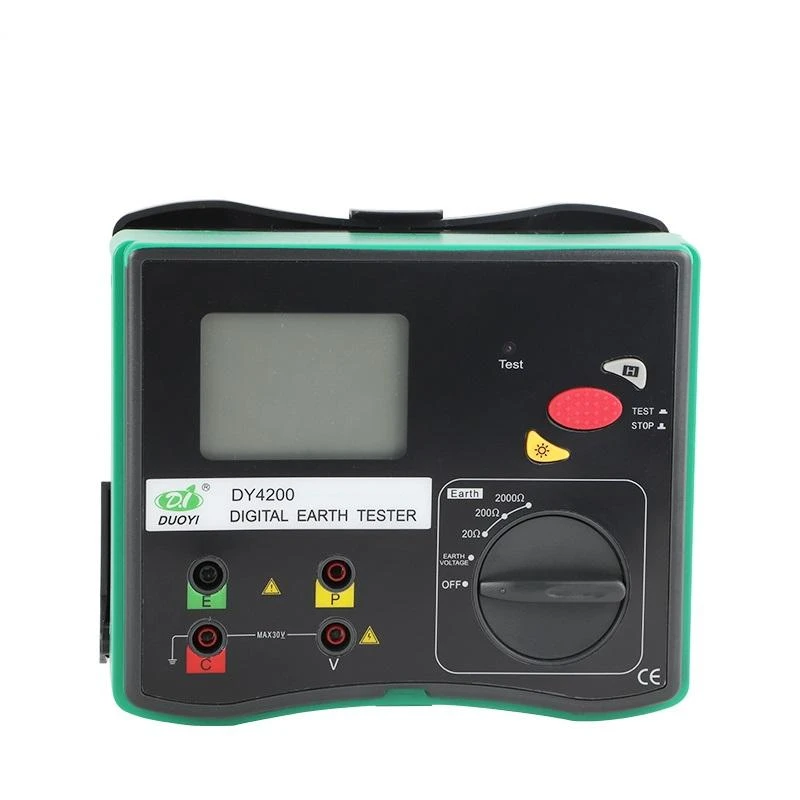
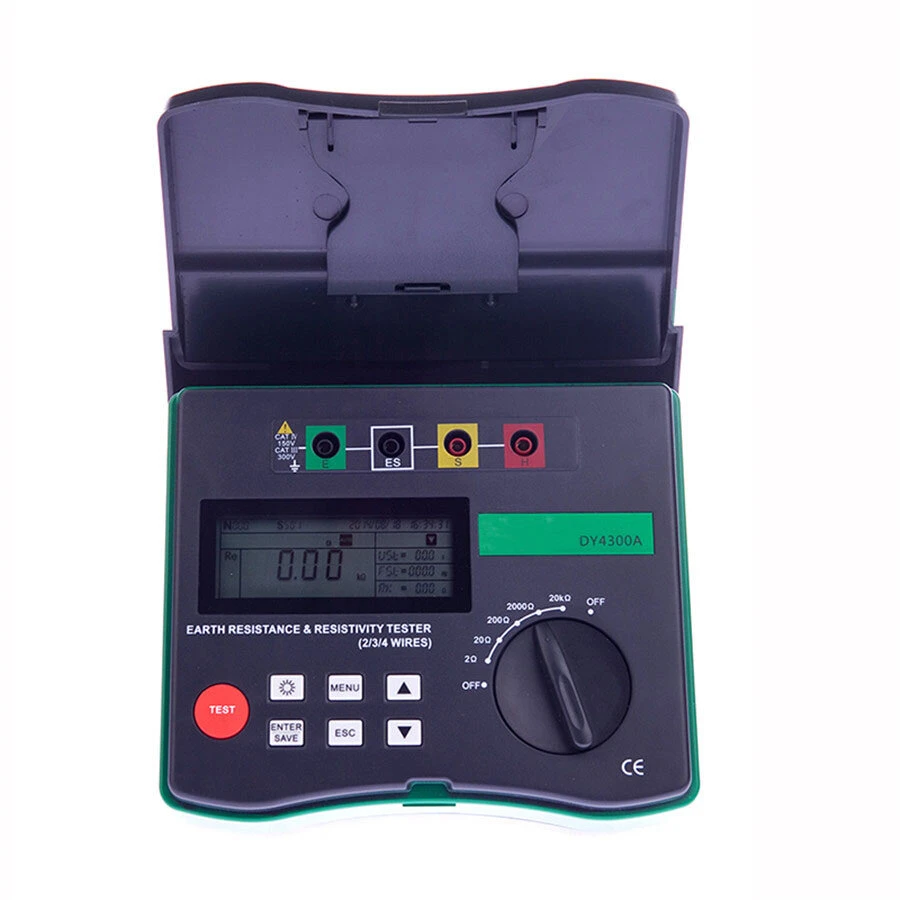
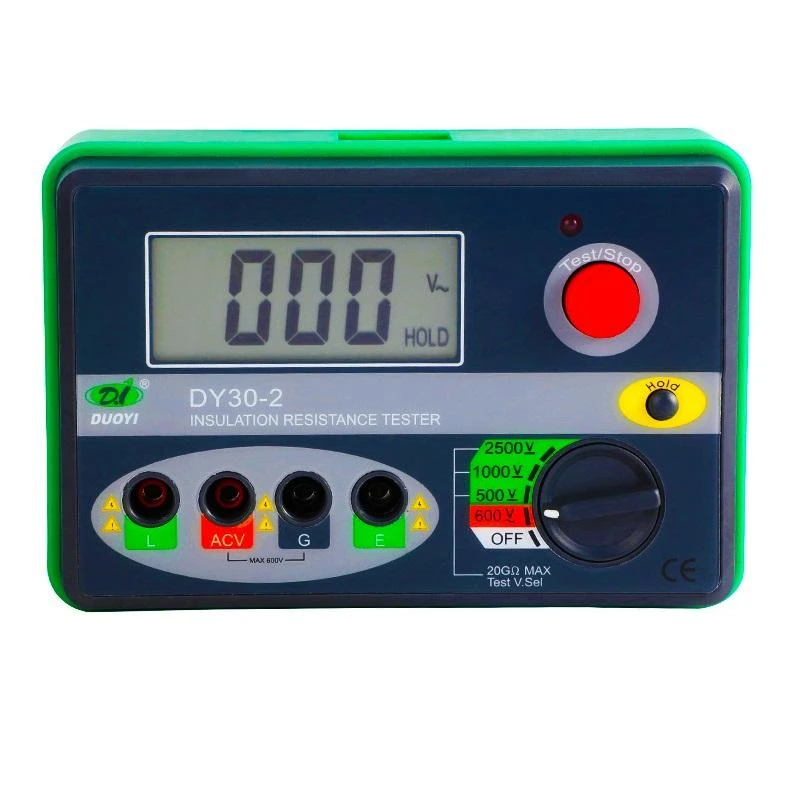
Key products within this category include Insulation Resistance Testers (Megohmmeters), which apply a high voltage to assess the integrity of wire insulation and prevent short circuits or electrical fires. Earth Ground Testers are vital for verifying that grounding systems provide a safe path for fault currents, protecting both equipment and personnel. For precision measurements of connections, busbars, and circuit breakers, Low Resistance Ohmmeters (Micro-ohmmeters) deliver highly accurate readings to identify faulty joints that cause overheating. Simpler Continuity Testers provide a quick pass/fail check for complete circuits, essential for basic wiring verification.
The primary benefits of using the right resistance tester are enhanced safety, reduced downtime, and prolonged equipment lifespan. By identifying deteriorating insulation before it fails, you can schedule repairs proactively, avoiding costly unplanned outages. Verifying low-resistance bonds in high-current applications ensures efficient operation and prevents dangerous hot spots. Modern testers offer features like digital displays, data logging, Bluetooth connectivity for report generation, and automatic test sequences that improve efficiency and accuracy in the field. Investing in a quality resistance tester tailored to your specific application—from residential electrical work to industrial plant maintenance—is an investment in operational safety and reliability.
Choosing the right resistance tester depends on your specific application and required measurements. For general electrical maintenance, a combination insulation and continuity tester is a versatile starting point. Industrial and utility applications often require separate, more robust megohmmeters and dedicated earth ground testers. Consider the test voltage range for insulation testers (typically 250V to 10kV) and the measurement range for low-resistance units (down to micro-ohms).
FAQ: What is the difference between a multimeter and a dedicated resistance tester? While multimeters measure resistance, dedicated testers apply higher test voltages and currents for more accurate and meaningful results on insulation and ground systems, following standardized test methods. How often should insulation resistance be tested? It's recommended as part of routine preventive maintenance, often annually, and after any installation, repair, or suspected damage. Can I test live circuits? No, resistance testing must always be performed on de-energized, isolated circuits for safety. Always follow lockout/tagout procedures and manufacturer instructions. For critical infrastructure, select testers with high safety ratings (CAT III/CAT IV) appropriate for the electrical environment.