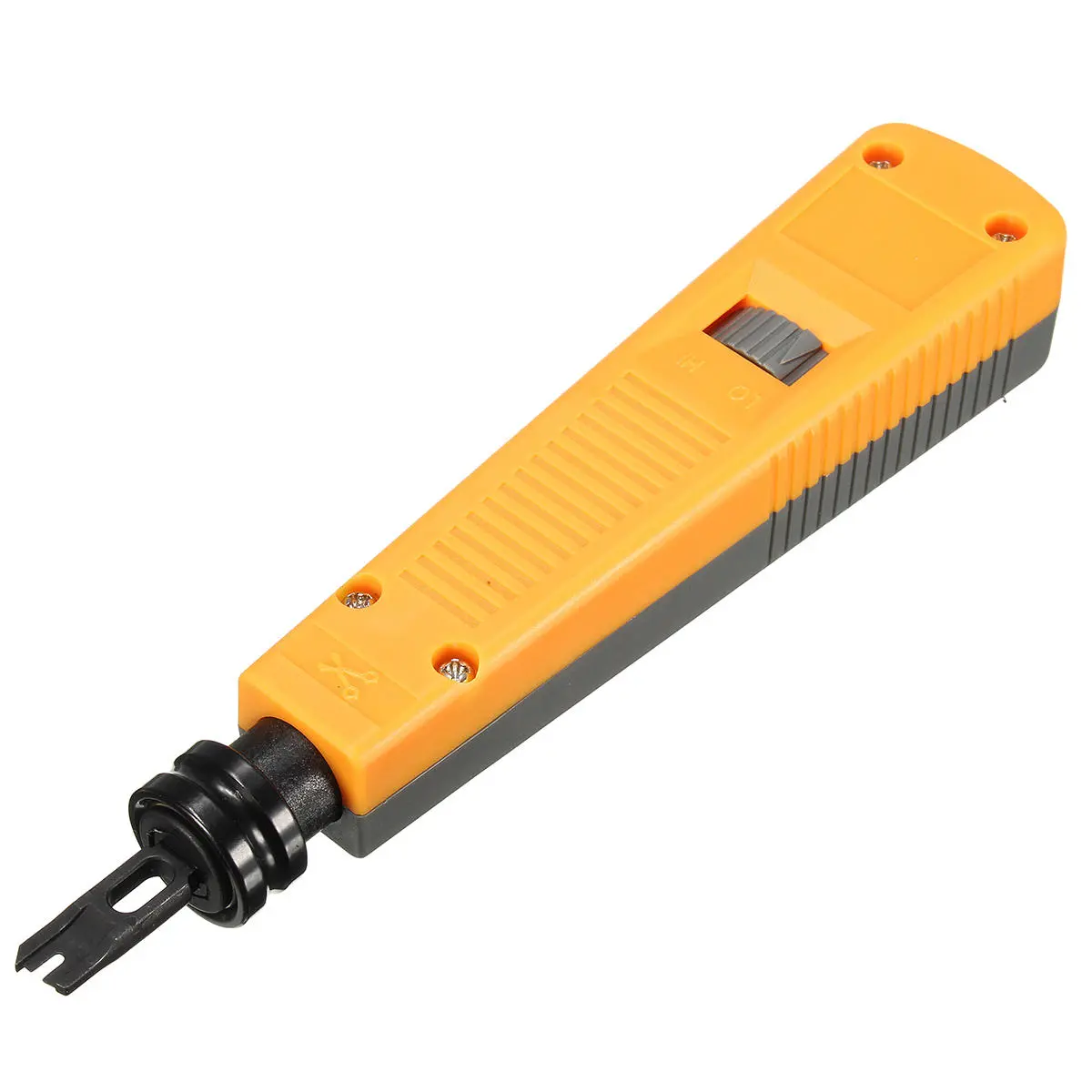
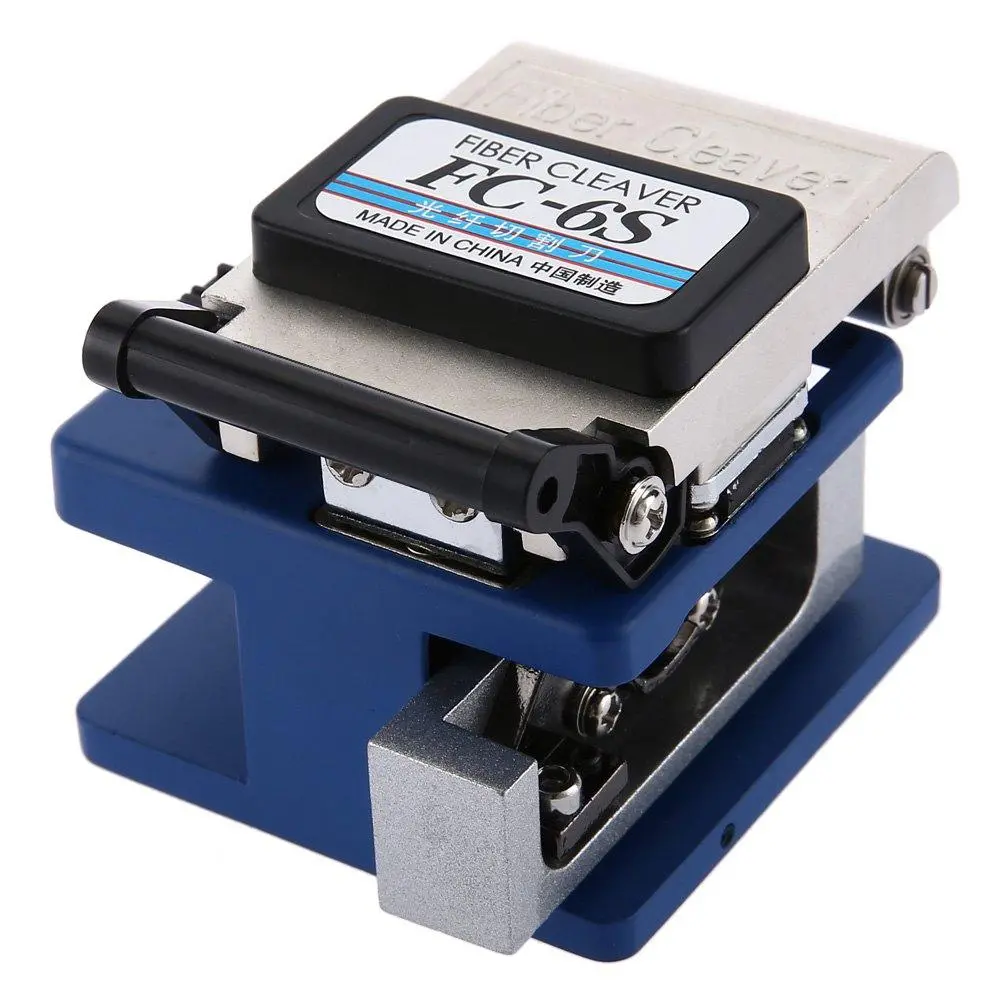
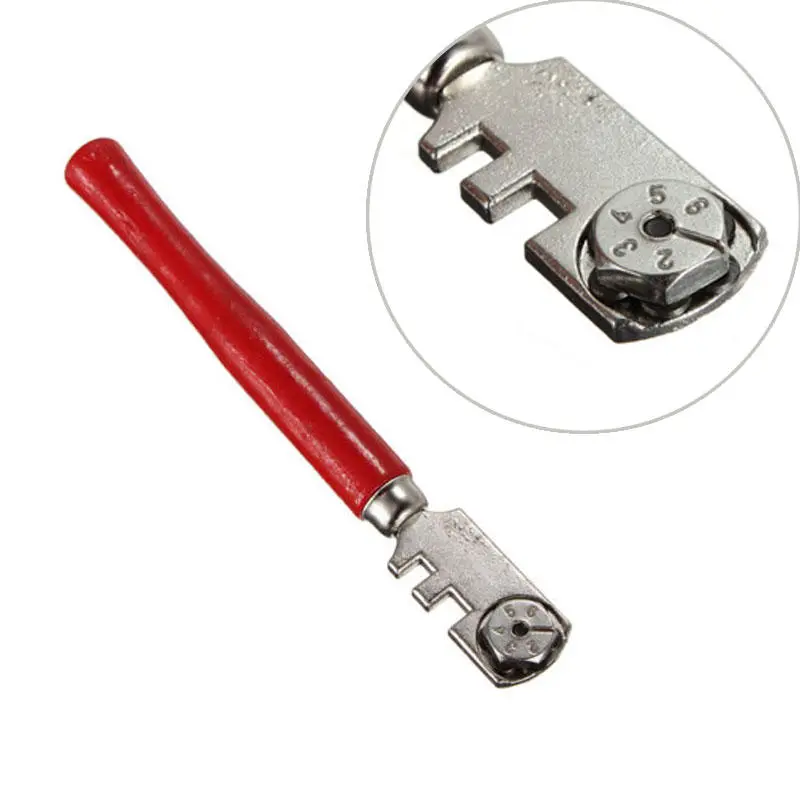
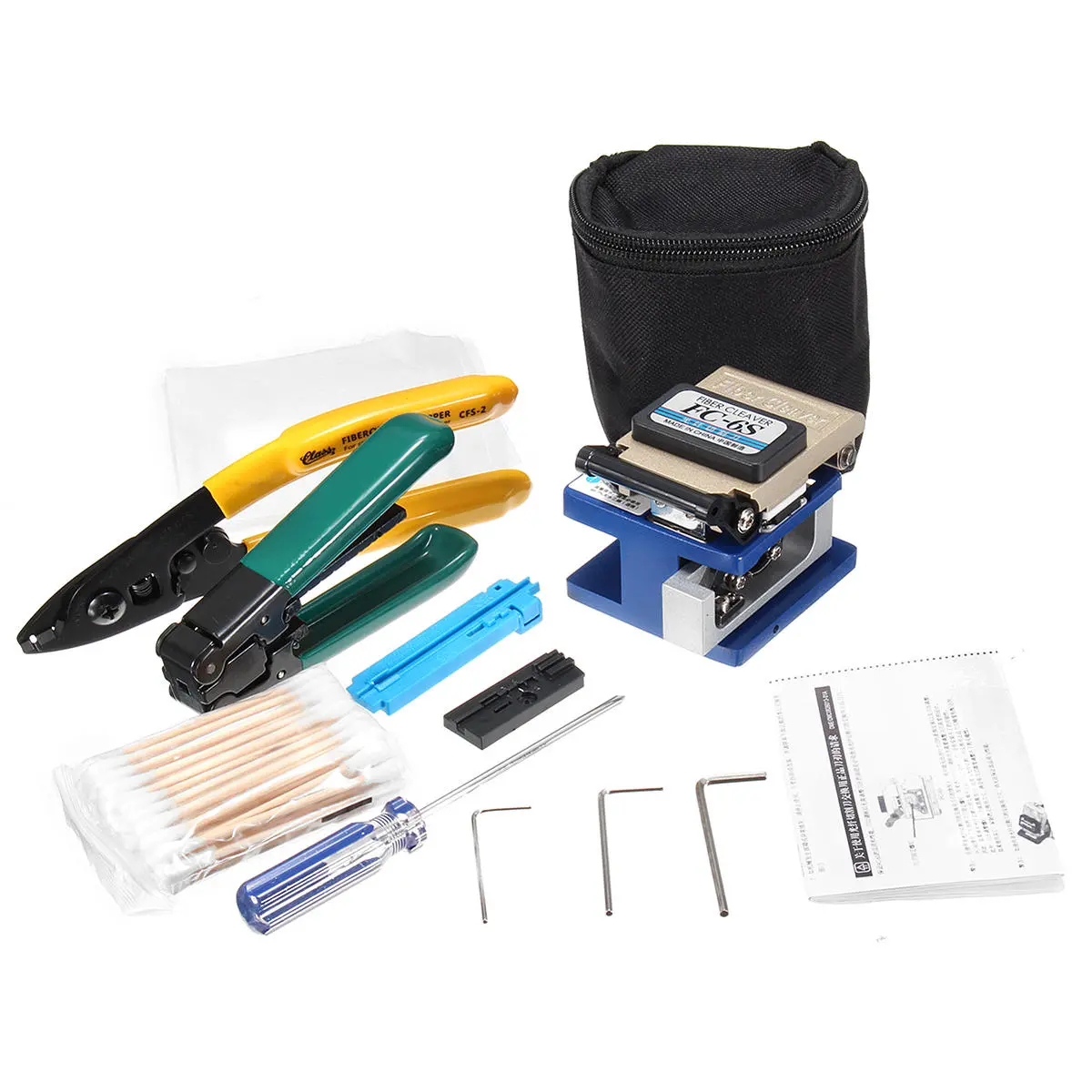
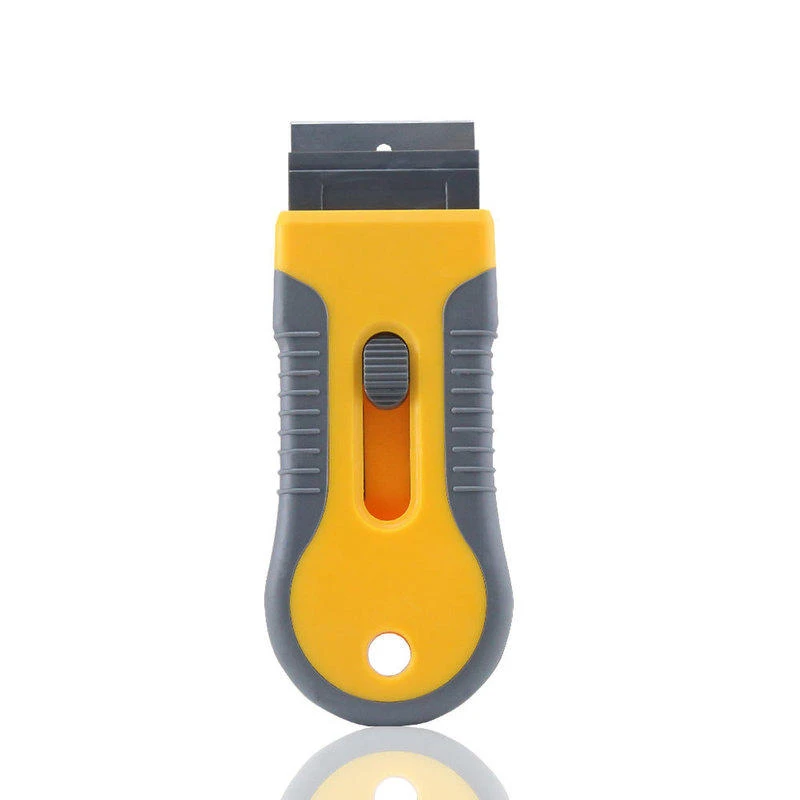
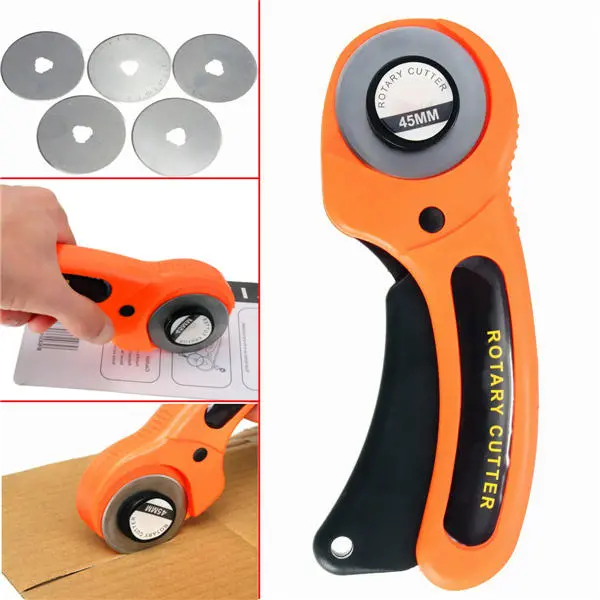
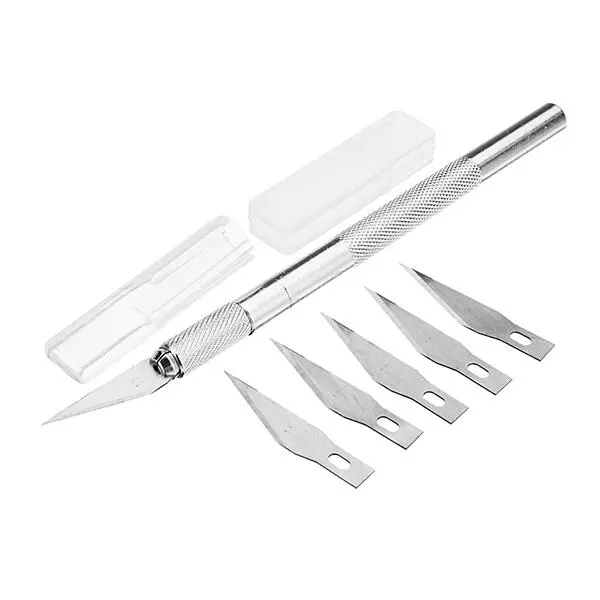
Cutters are the unsung heroes of the toolbox, essential for countless tasks in construction, manufacturing, DIY projects, and home maintenance. This broad category encompasses a wide range of tools designed to cleanly and efficiently sever materials, from delicate wires to thick metal rods and everything in between. Choosing the right cutter is not just about making a cut; it's about achieving precision, ensuring safety, and maximizing efficiency. The key to success lies in matching the tool to the specific material and application. For electrical work, **wire cutters** and **cable cutters** offer insulated handles and hardened steel jaws for clean cuts without damaging conductors. In metal fabrication and HVAC, **aviation snips** and **metal shears** provide the leverage needed to slice through sheet metal with controlled accuracy. For heavy-duty demolition, fencing, or lock removal, **bolt cutters** deliver immense cutting force with their long handles and powerful jaws. Meanwhile, versatile **utility knives** and **box cutters** handle everyday cutting of packaging, drywall, and carpets. The primary benefits of investing in quality cutters are clear: enhanced safety through secure grips and proper blade alignment, increased productivity with less user fatigue, and superior results with clean, burr-free cuts that require minimal finishing. Modern cutters also feature ergonomic designs, compound leverage mechanisms for easier cutting, and specialized coatings to resist corrosion and extend blade life. Whether you're a professional tradesperson or a weekend warrior, having the right cutter on hand transforms a challenging job into a simple, one-step process.
**Choosing the Right Cutter: A Quick Guide**
Selecting the ideal cutter can be straightforward if you consider these key factors:
* **Material:** What will you cut most often? Soft copper wire, hardened steel chain, or PVC pipe? Match the cutter's rated capacity to your material's hardness and thickness.
* **Cut Type:** Do you need a flush cut, a angled cut, or a slicing action? Tools like end nippers, diagonal cutters, and rotary cutters are designed for specific cut profiles.
* **Handle & Ergonomics:** For frequent use, comfort is critical. Look for cushioned, non-slip grips and consider compound-action tools that reduce hand strain by multiplying your force.
* **Durability:** High-carbon steel or chromium-vanadium alloy blades offer superior edge retention. Corrosion-resistant finishes are vital for tools used outdoors or in humid environments.
**FAQ:**
**Q: Can I use wire cutters on bolts or nails?**
A: No. Using a tool beyond its intended capacity can damage the jaws, cause injury from slipping, or lead to碎片. Always use bolt cutters or metal-cutting shears for hardened metals.
**Q: How do I maintain my cutters?**
A: Keep blades clean and occasionally apply a light machine oil to the pivot point. Store them in a dry place and never use them as a hammer or pry bar, as this can misalign the jaws. Regularly inspect for wear or damage.
By understanding your needs and the tool's purpose, you can invest in a cutter that delivers reliable performance for years to come.
.JPG.webp)
.JPG.webp)
.jpg.webp)
.jpg.webp)