Carving discs are specialized abrasive wheels designed for angle grinders, enabling craftsmen, metalworkers, stonemasons, and DIY enthusiasts to perform detailed cutting, shaping, and engraving work. Unlike standard cutting discs that are meant for straight cuts, carving discs are engineered for precision, allowing for intricate designs, beveling, and contouring on a variety of hard materials. The primary benefit of using a dedicated carving disc is the unparalleled control it offers, transforming a powerful grinder into a versatile sculpting tool.
Key products in this category include reinforced abrasive discs for metal carving and diamond-tipped blades for stone and masonry. For metal fabrication, thin, fiberglass-reinforced carving discs provide the flexibility needed for detailed work on steel, aluminum, and iron without compromising on safety or durability. When working with stone, tile, or concrete, diamond carving discs with a segmented or continuous rim are essential. These discs use industrial diamonds bonded to the edge to grind through exceptionally hard materials, creating clean lines and artistic patterns with minimal chipping.
The benefits of investing in quality carving discs are significant. They drastically reduce material waste by enabling precise removal, save time on finishing work due to cleaner cuts, and expand the creative possibilities of any project. Whether you're creating custom metal artwork, engraving memorials, shaping stone countertops, or performing detailed weld preparation, the right carving disc is the difference between a rough job and a professional, polished result. Choosing a disc matched to your specific material ensures optimal performance, longer tool life, and a safer working environment.
**Buying Guide & FAQ**
**What should I consider when choosing a carving disc?**
First, identify your primary material: use reinforced abrasive discs for metals and diamond blades for stone, concrete, or ceramics. Second, match the disc diameter and arbor hole size to your angle grinder. Finally, consider the disc thickness; thinner discs (1-1.6mm) allow for more intricate detail and less material waste.
**Can I use a carving disc for deep cutting?**
Carving discs are designed for detail work, shaping, and light cutting. For deep cuts or severing material, a standard cutting disc is more appropriate. Always use the right tool for the task to ensure safety and disc longevity.
**How do I ensure safety when using a carving disc?**
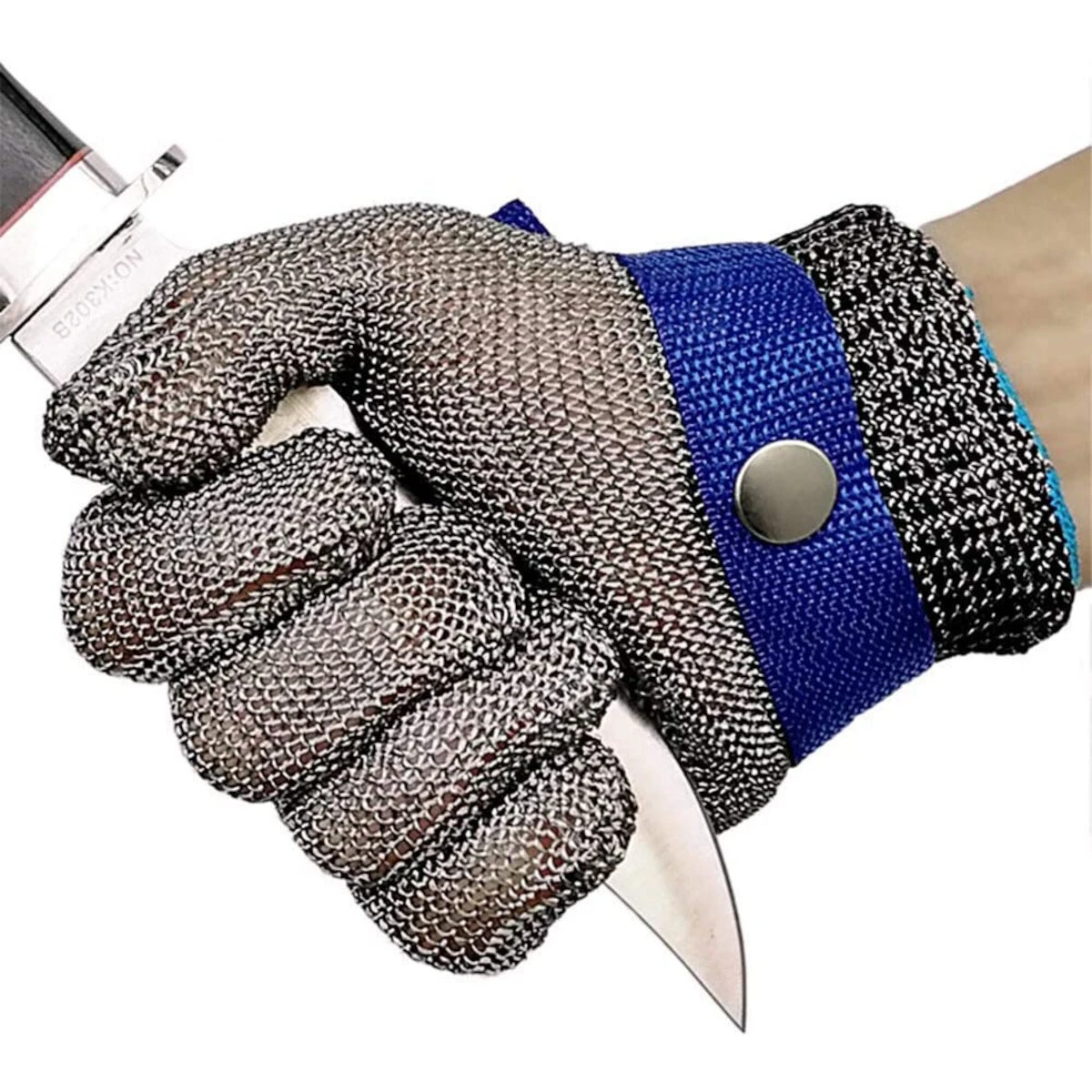
Always wear appropriate PPE: safety glasses, a face shield, gloves, and hearing protection. Ensure the grinder guard is correctly positioned and the disc is securely fastened. Never force the disc or use it on materials it's not rated for. Allow the tool to reach full speed before contact and avoid side pressure.
**What indicates a worn-out carving disc?**
Significant reduction in diameter, uneven wear, cracks, or excessive vibration are clear signs a disc needs replacement. Using a worn or damaged disc is dangerous and will compromise cut quality. For best results and safety, replace discs promptly.