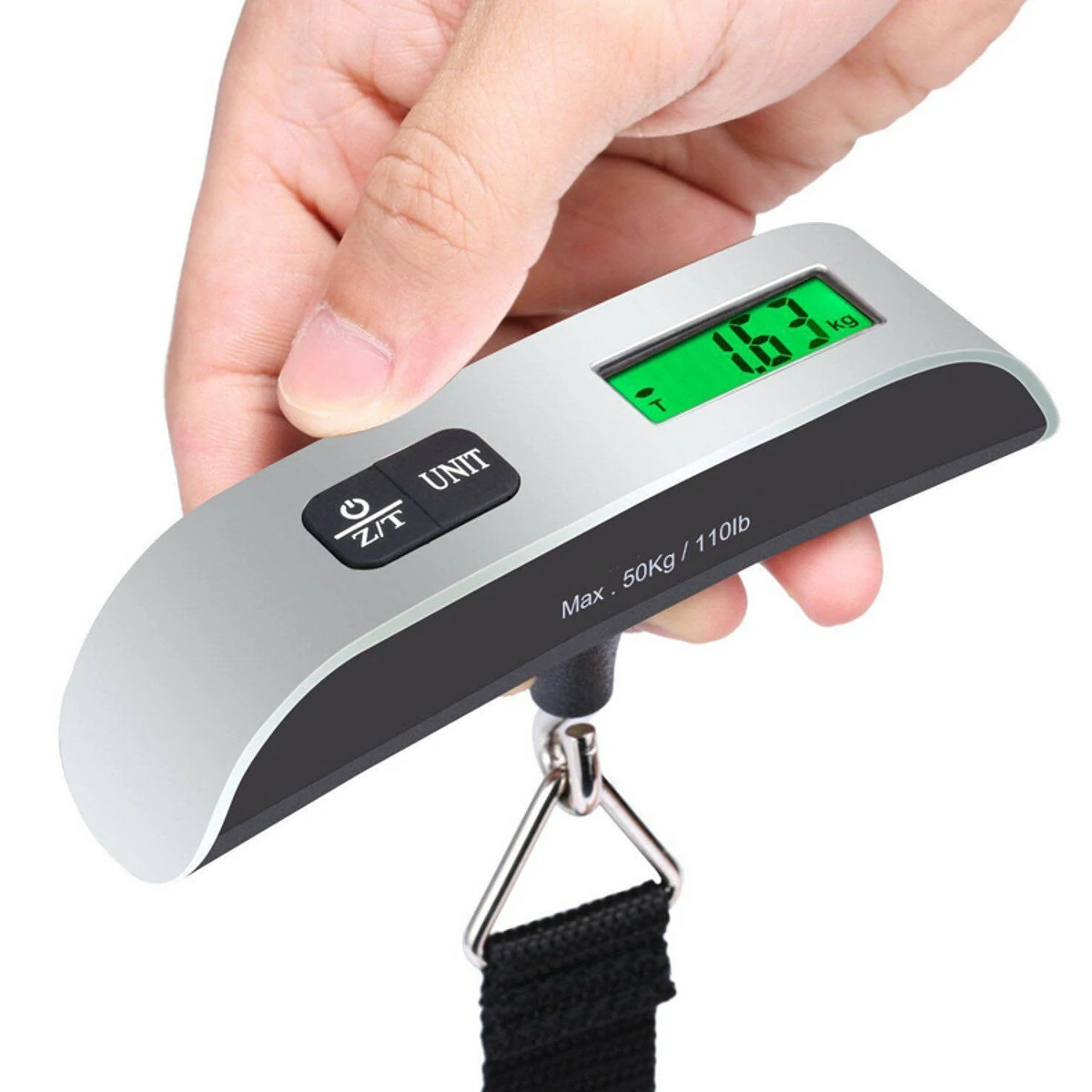
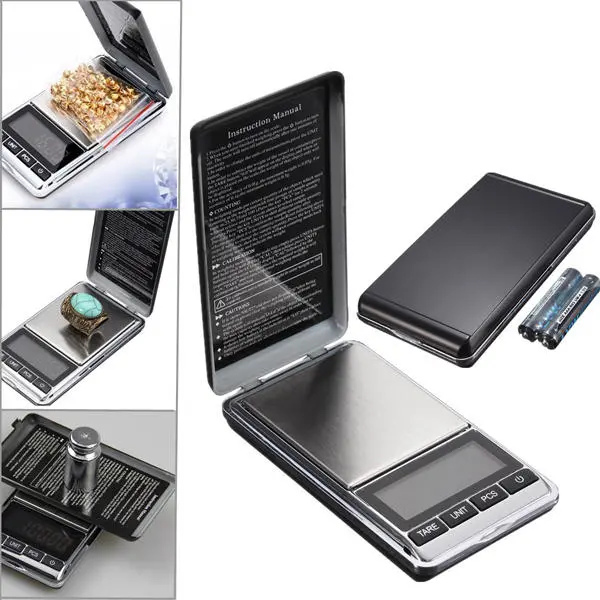
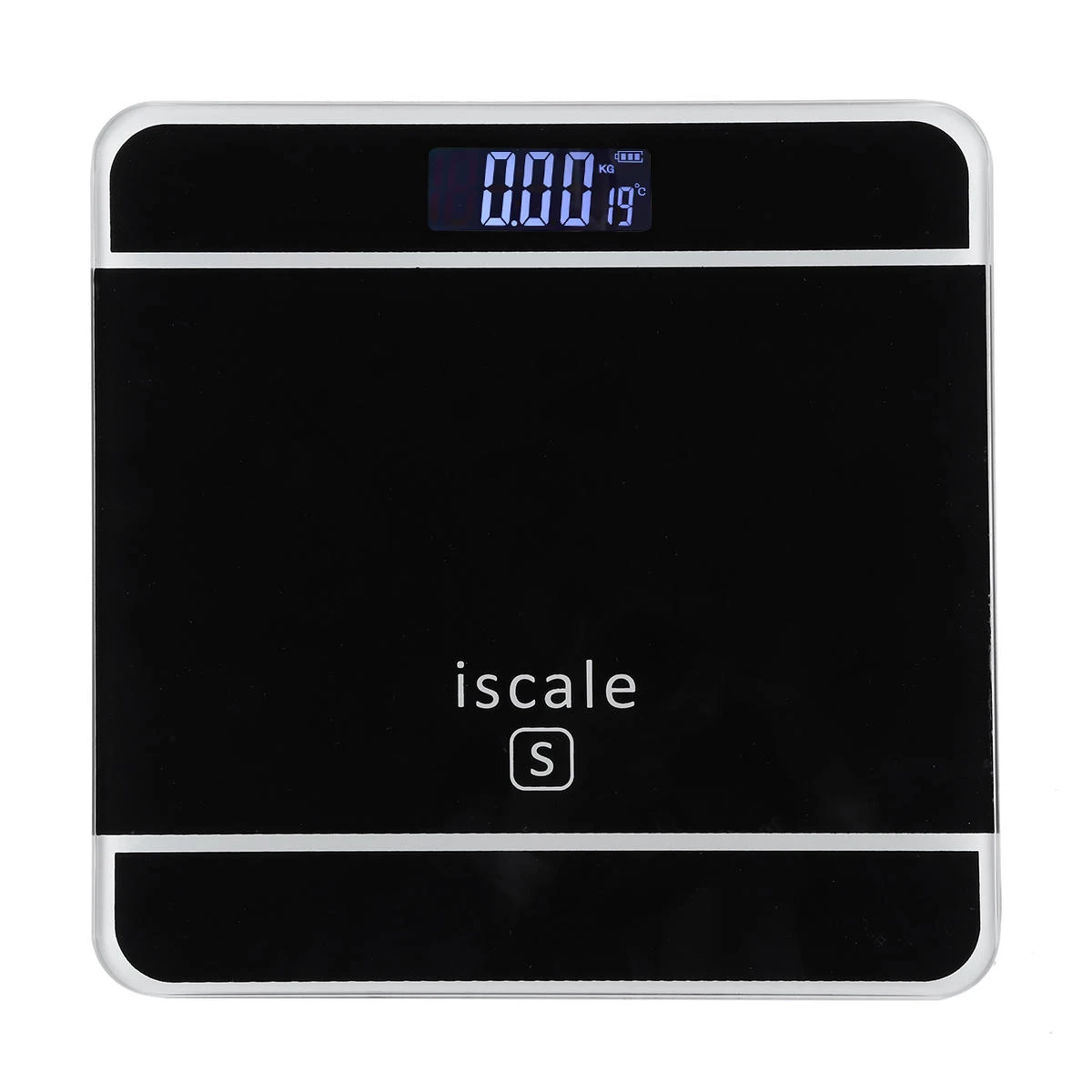
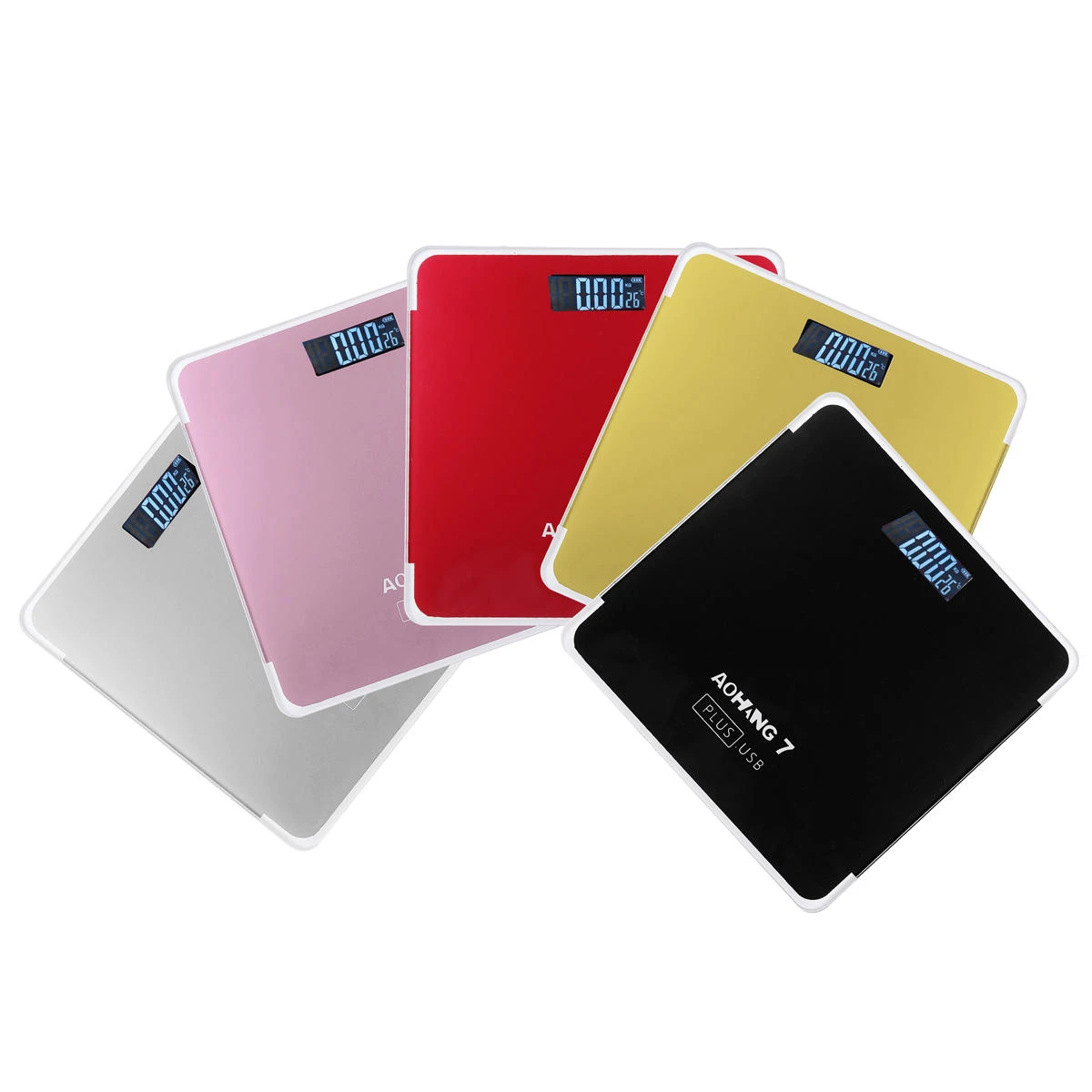
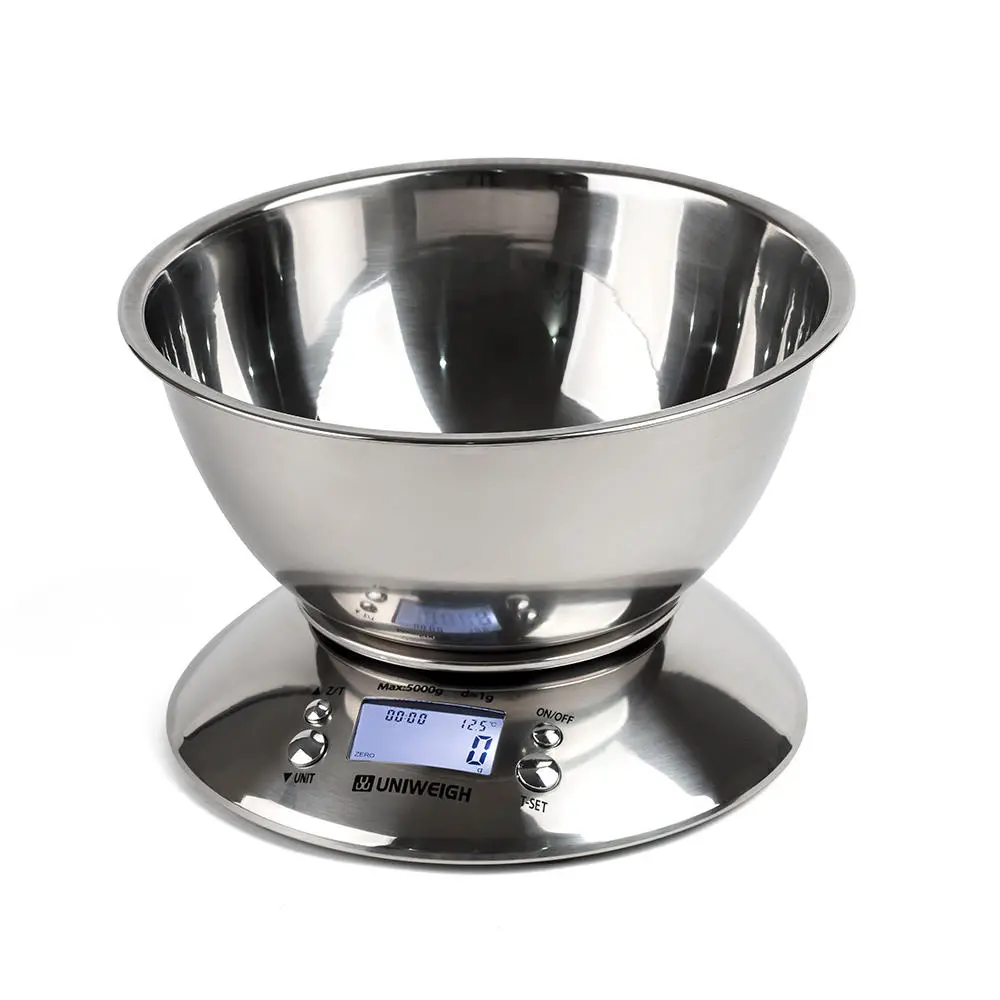
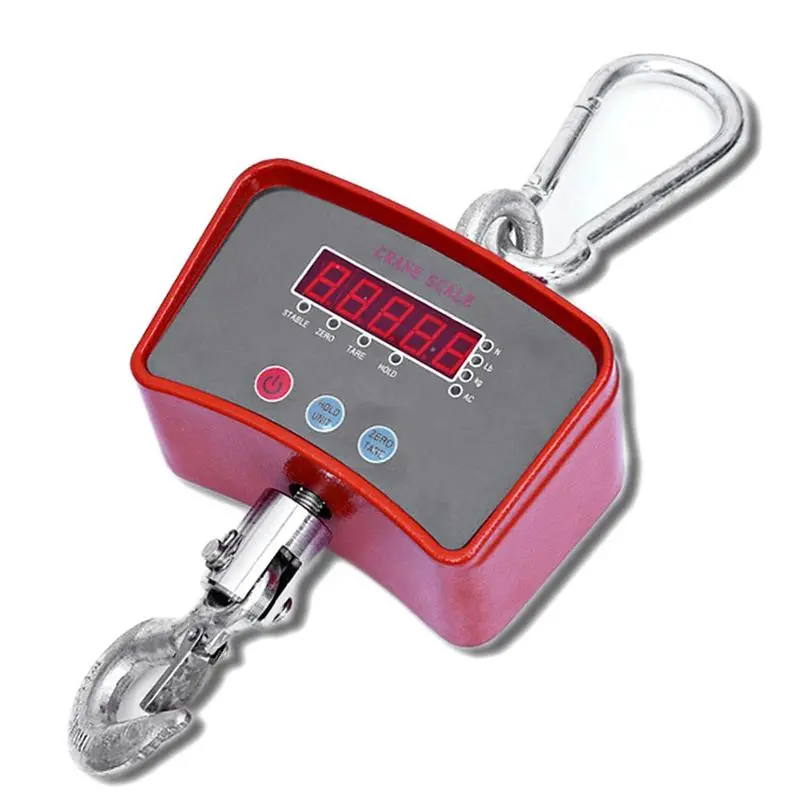
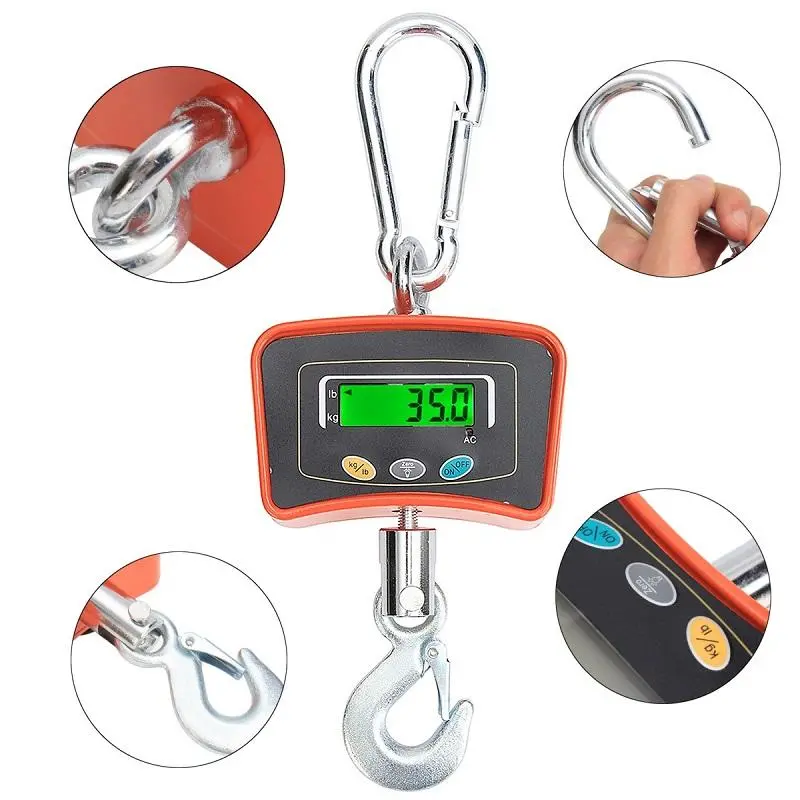
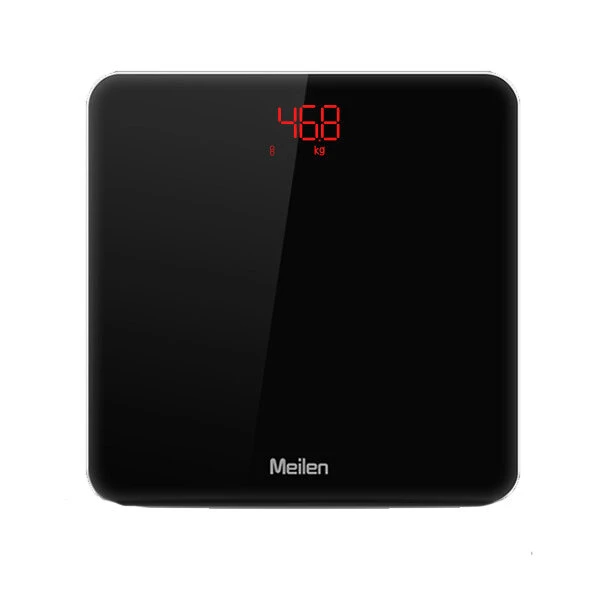
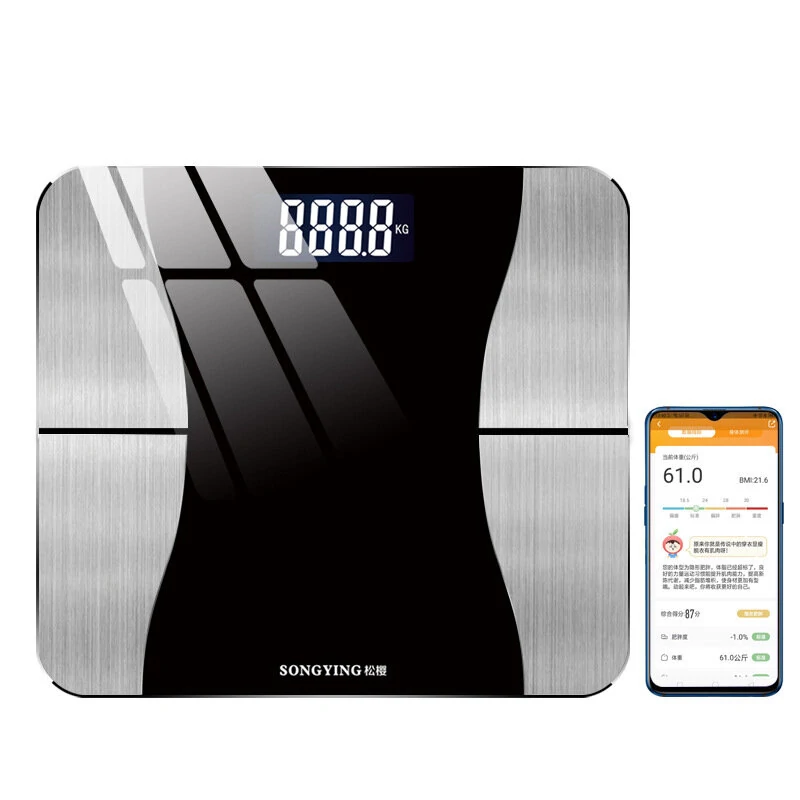
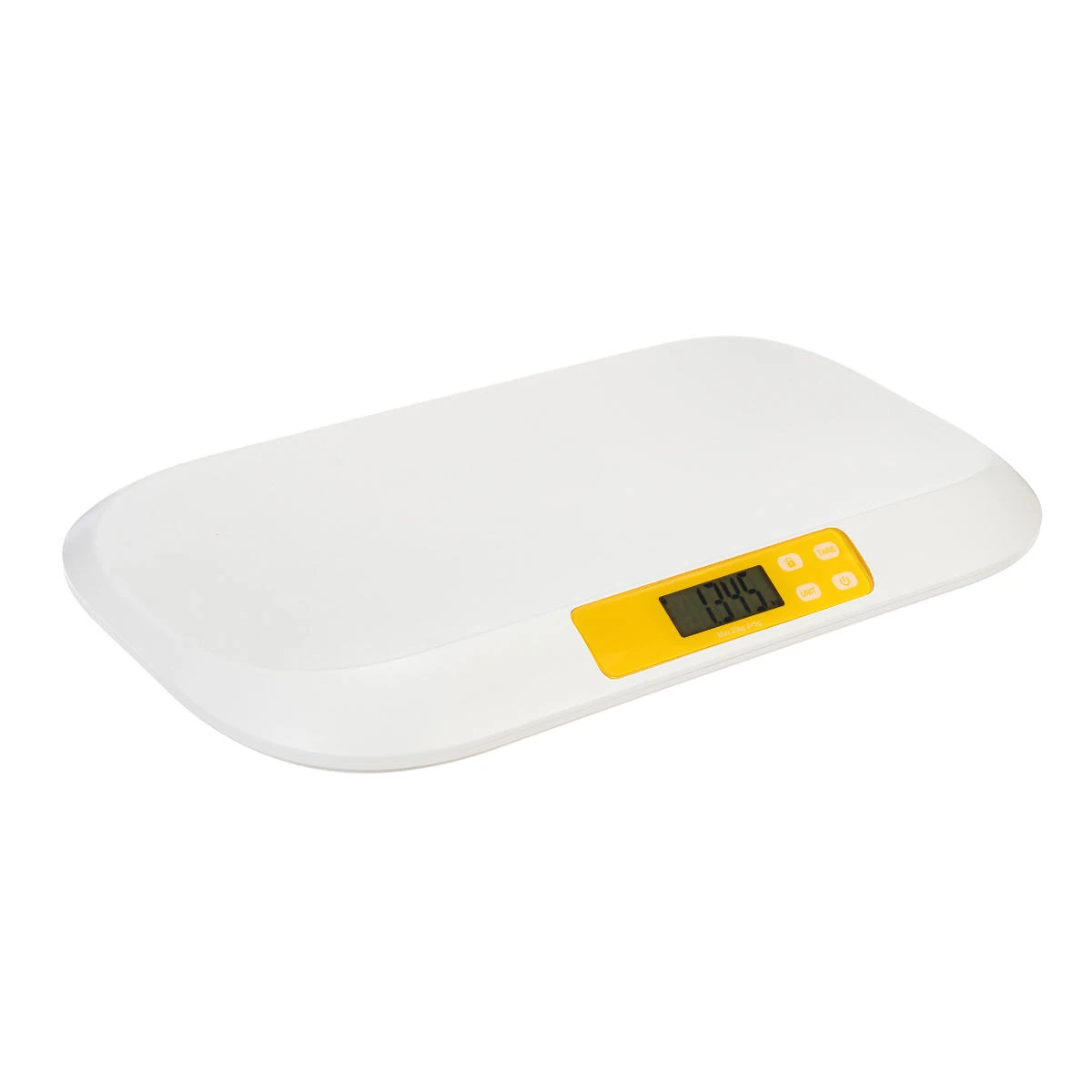
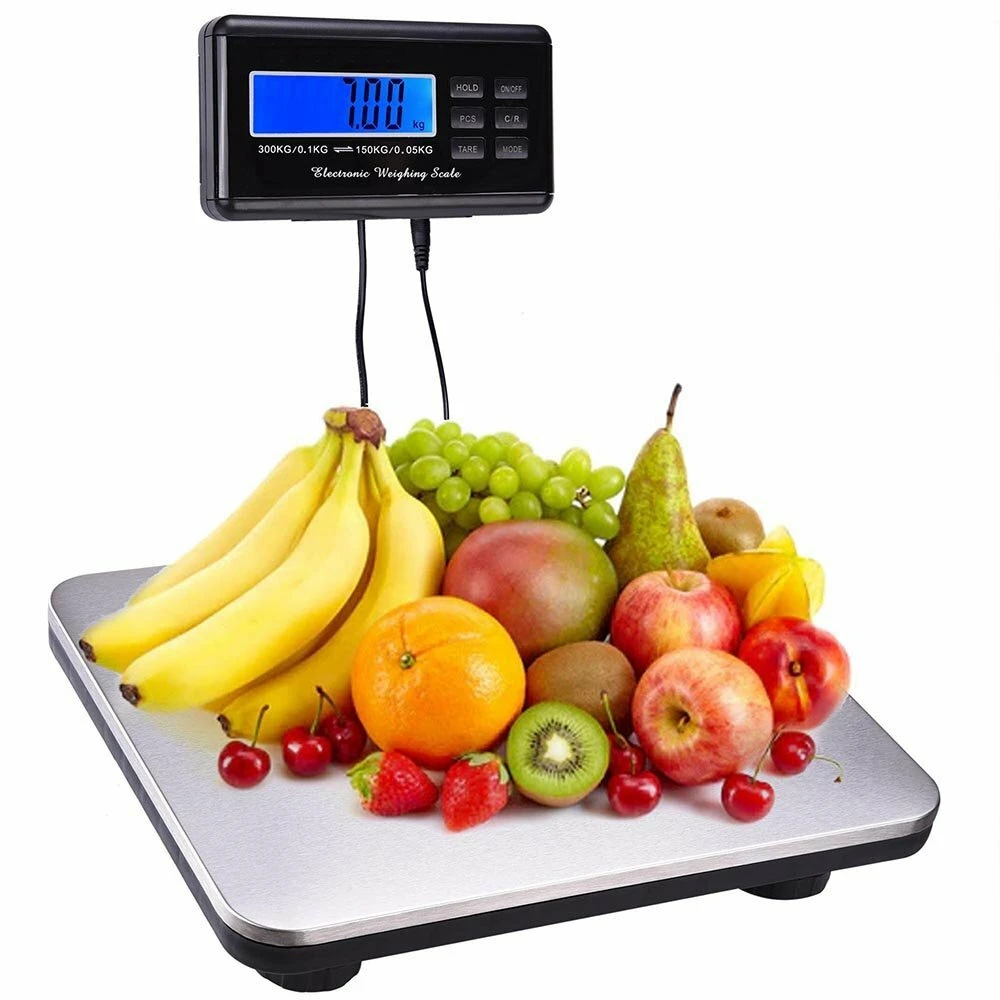
Weighing scales are indispensable tools for health, fitness, cooking, and commerce, providing the precise data needed to make informed decisions. Today's market offers a vast array of scales far beyond the simple bathroom model, each engineered for specific purposes with advanced digital technology. For personal health, modern **digital bathroom scales** and **smart scales** do much more than measure weight. They sync with smartphone apps to track body composition metrics like body fat percentage, muscle mass, bone density, and water weight, offering a holistic view of your wellness journey. In the kitchen, **precision kitchen scales** are a baker's and cook's best friend, ensuring recipe accuracy down to the gram or ounce for perfect results every time. Many feature tare functions and easy-to-clean surfaces. For specialized needs, **baby scales** allow parents to monitor infant growth with gentle precision, while **luggage scales** are essential travel companions to avoid overweight baggage fees. In commercial and industrial settings, durable **floor scales**, **postal scales**, and **counting scales** ensure accurate transactions and inventory management. The key benefits of upgrading to a modern scale include unparalleled accuracy, consistent reliability, and, for smart models, seamless integration into your digital ecosystem. Whether your goal is managing weight, mastering culinary arts, monitoring a newborn, or running a business, investing in the right type of weighing scale is a step toward greater control, awareness, and success.
**Choosing the Right Weighing Scale: A Quick Guide**
**1. Determine Your Primary Use:** Is it for body weight, body composition, cooking, travel, or commercial use? This will narrow your category instantly.
**2. Check Capacity and Precision:** Bathroom scales typically handle 300-400 lbs. Kitchen scales may have a 5-10 kg capacity but measure in 1g increments. Ensure the scale's range and graduations fit your needs.
**3. Consider Features:** For health scales, do you want basic weight or smart features like body fat analysis and app connectivity? For kitchen scales, look for a tare function and unit conversion.
**4. Evaluate Display & Design:** A large, backlit LCD is easy to read. A non-slip platform and slim profile are pluses for bathroom scales.
**5. Power Source:** Most digital scales use batteries; consider long-life lithium or models with auto-on/off to conserve power.
**FAQ:**
**Q: How do I ensure my scale is accurate?**
A: Place it on a hard, flat surface (not carpet). Calibrate it periodically, often by stepping on and off, or using a calibration weight for kitchen models.
**Q: Are smart scale body fat measurements medically accurate?**
A: They provide useful trends using Bioelectrical Impedance Analysis (BIA), but for clinical-grade accuracy, consult a professional. They are excellent for tracking relative changes over time.
**Q: What is the 'tare' function on a kitchen scale?**
A: It allows you to zero out the weight of a bowl or container, so you measure only the ingredients you add, simplifying the process.