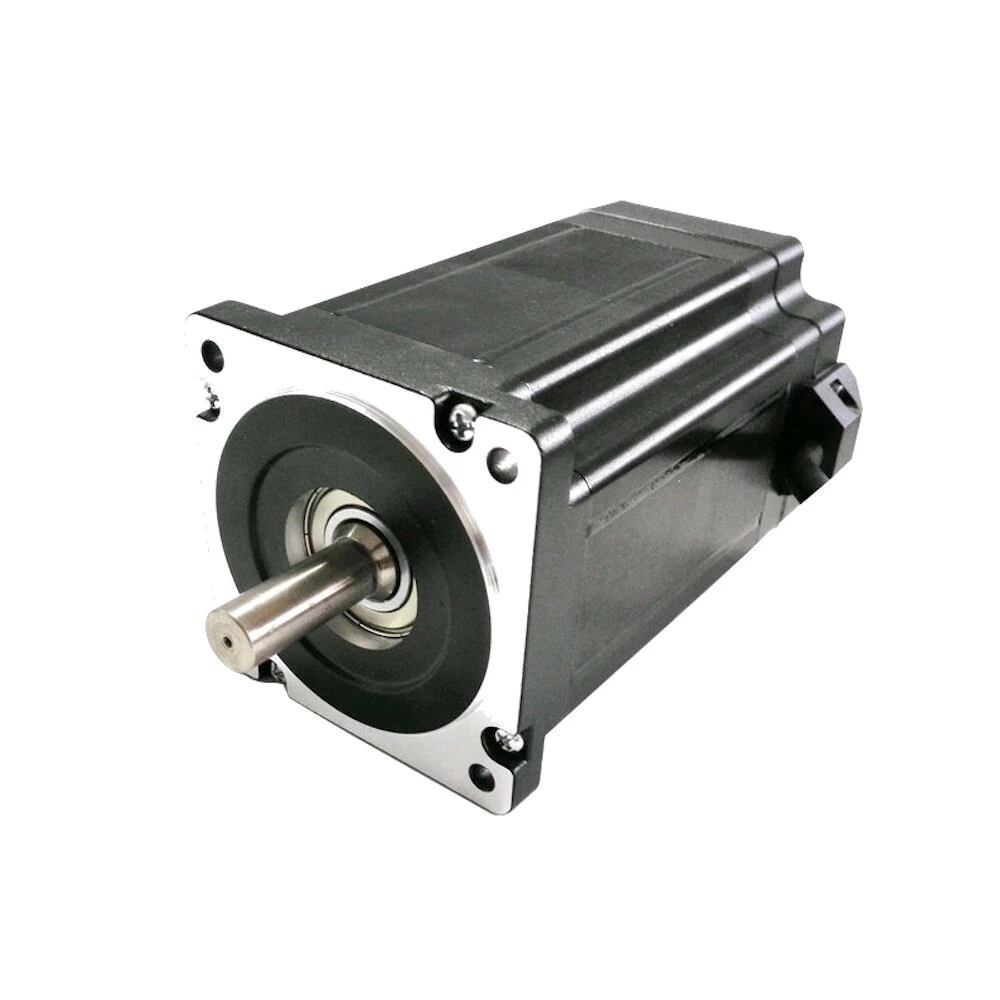
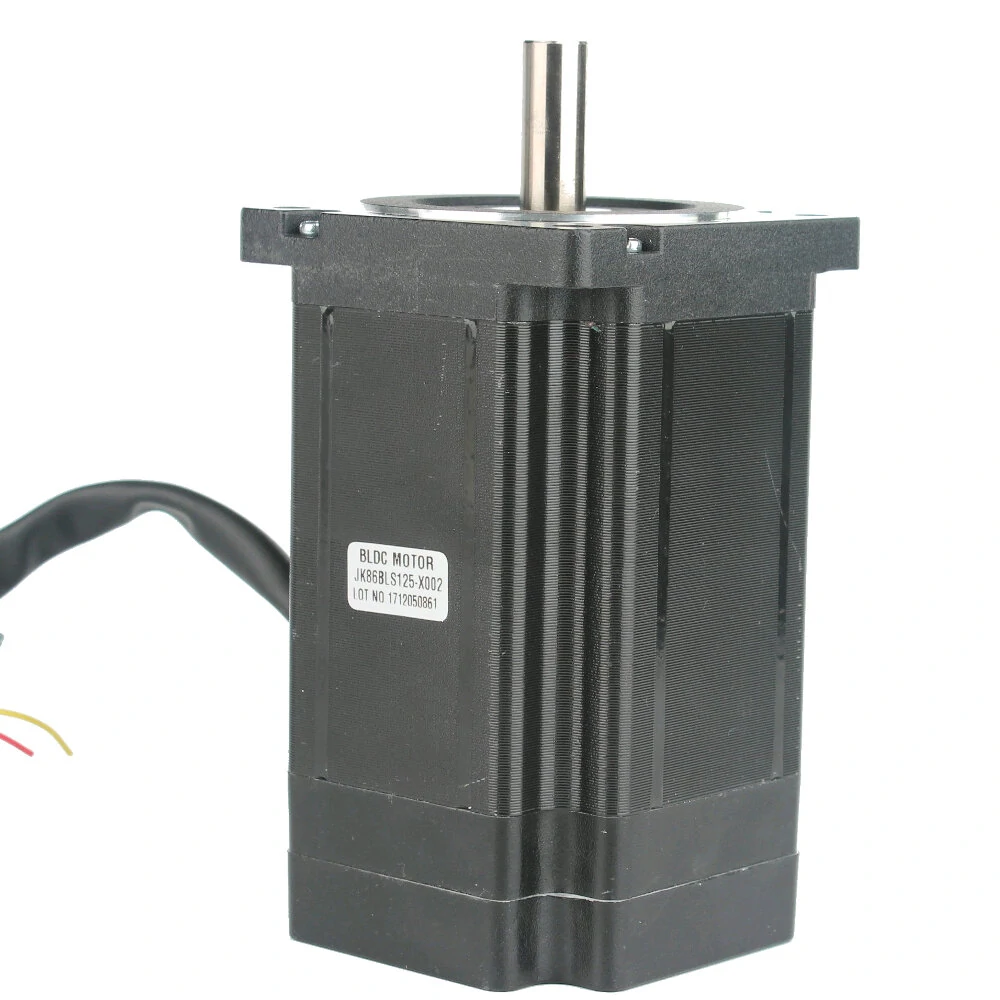
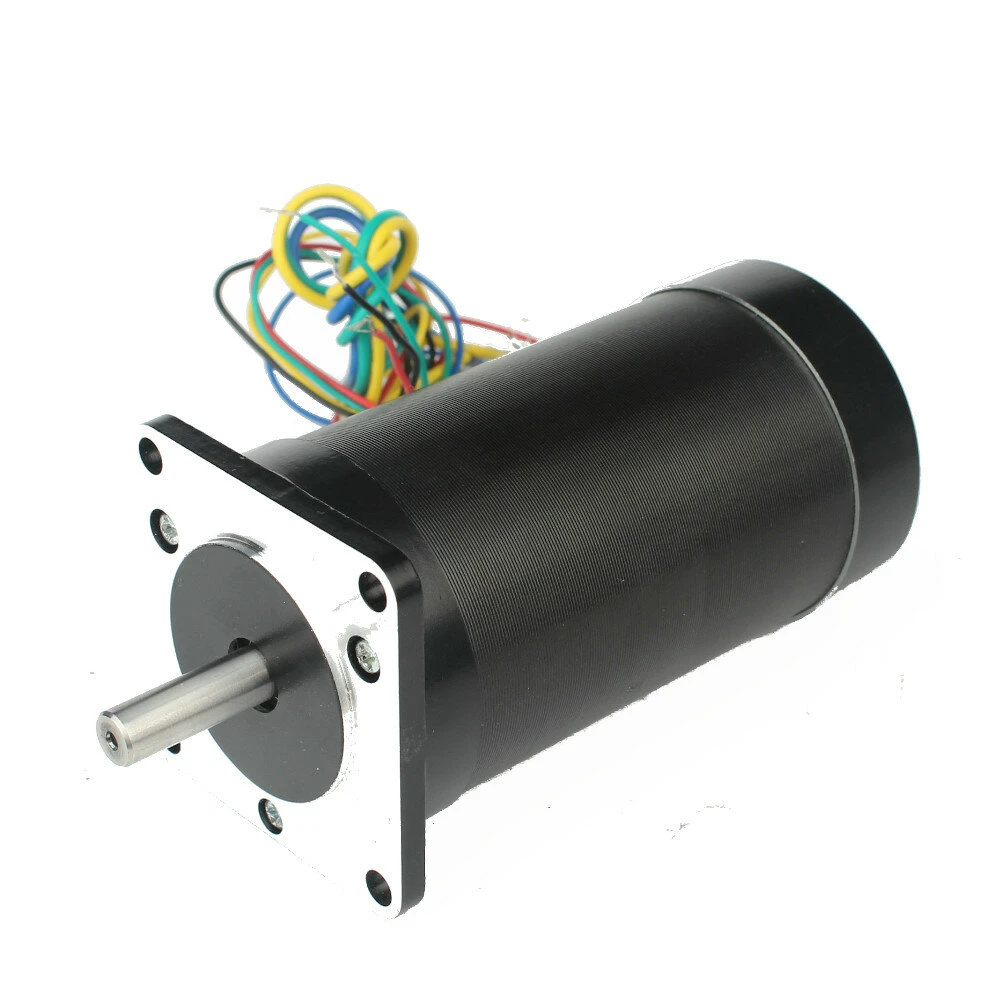
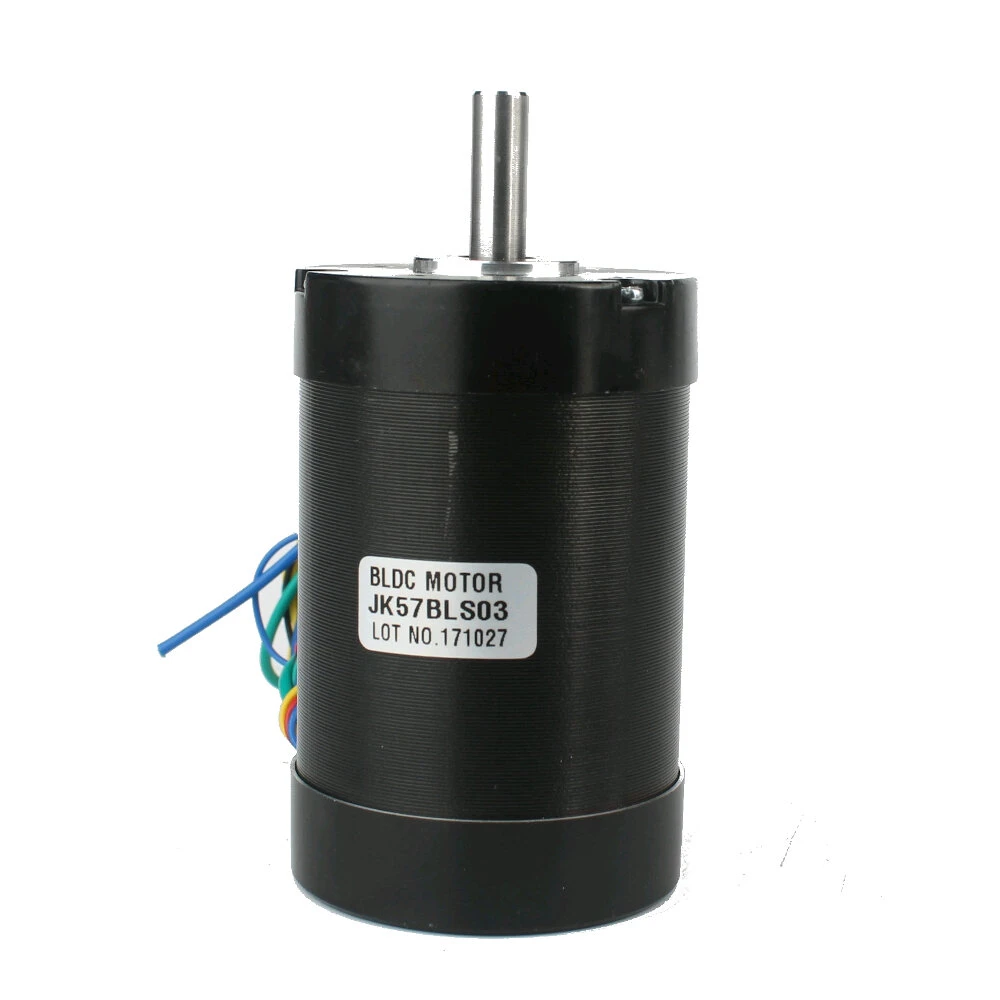
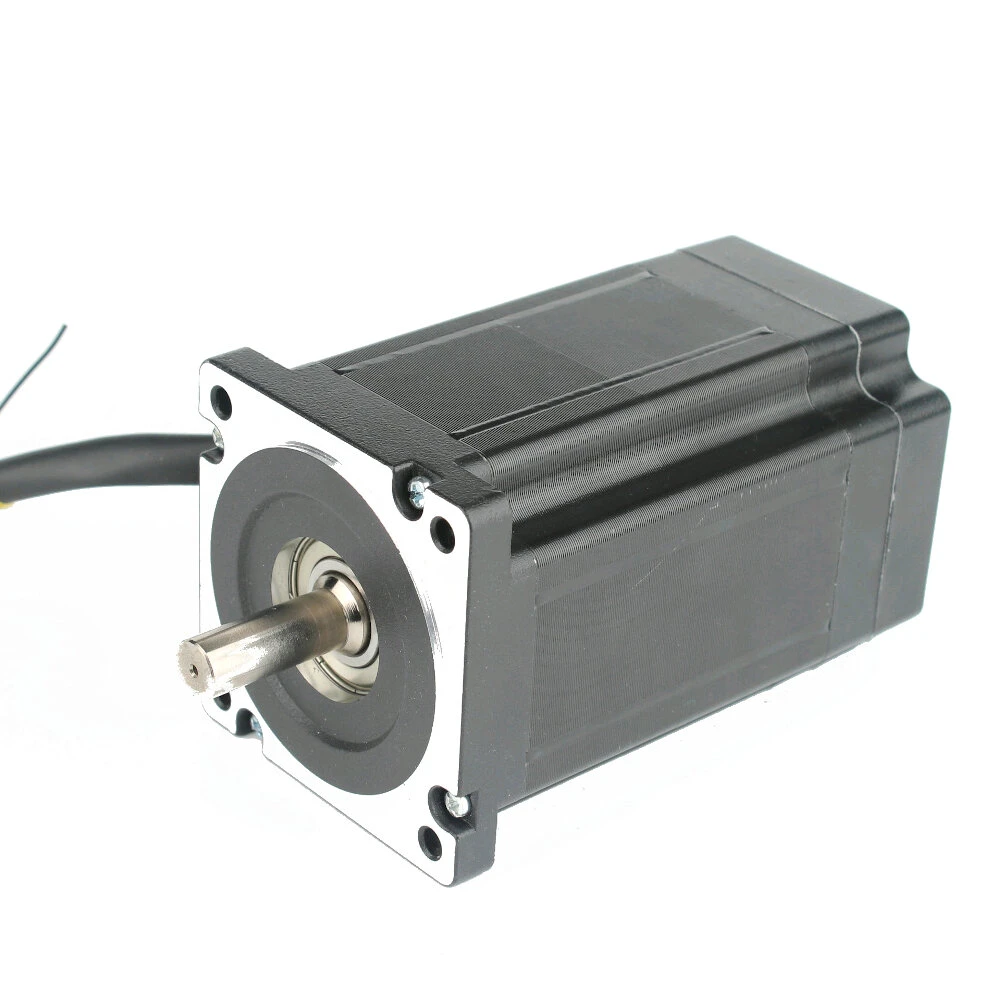
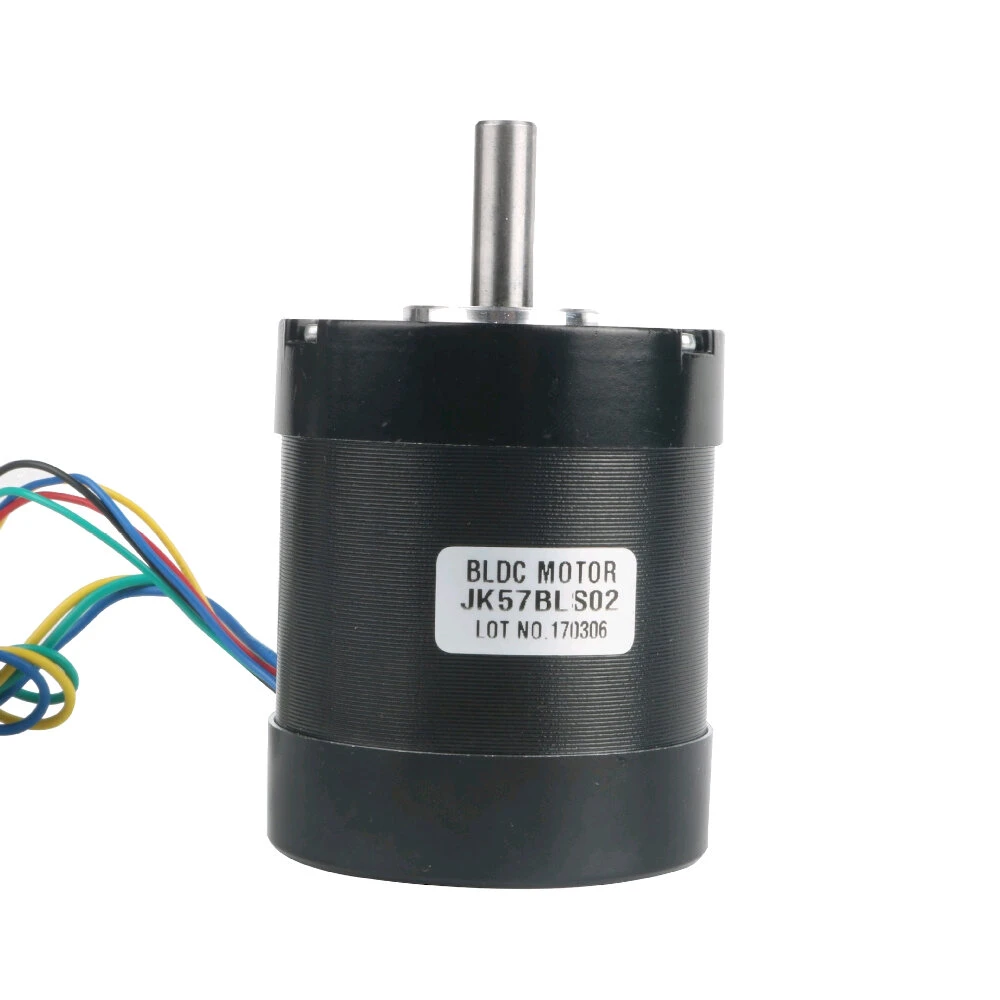
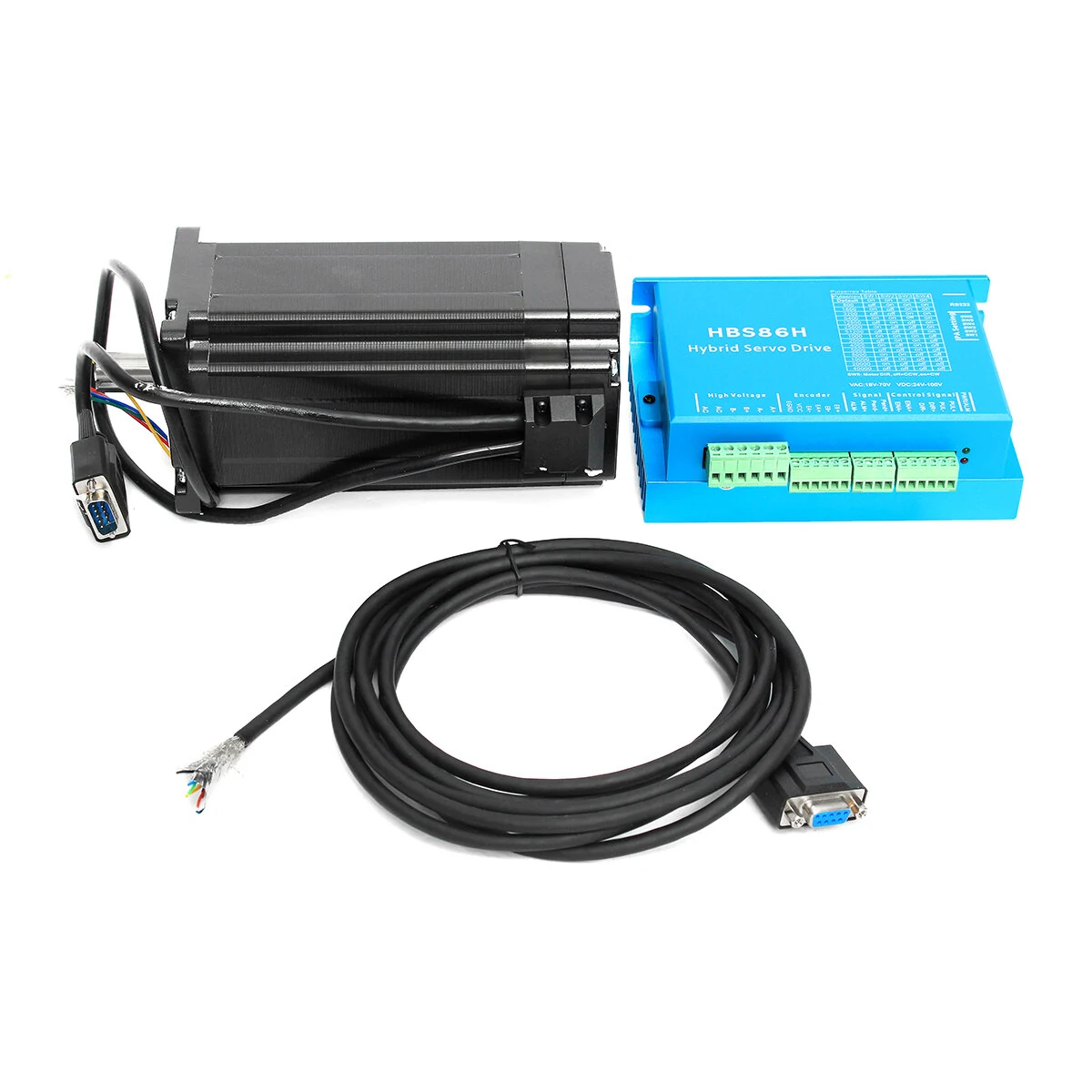
Servo motors are the cornerstone of modern precision motion control, providing the accuracy, speed, and reliability required in today's automated world. Unlike standard motors, servos incorporate a feedback device, typically an encoder or resolver, which constantly communicates the motor's position, speed, and torque back to a dedicated controller. This closed-loop system allows for real-time adjustments, enabling exceptional precision in positioning and velocity control. This makes them indispensable in applications where exact movement is critical.
The primary categories of servo motors include AC and DC types. AC servo motors are the most common in industrial settings, prized for their high efficiency, robust performance, and ability to handle high-speed operations with substantial torque. They are the driving force behind CNC machines, packaging equipment, and conveyor systems. DC servo motors, often brushed or brushless, offer excellent torque at low speeds and are frequently found in smaller robotics, medical devices, and aerospace applications where responsiveness is key.
The key benefits of integrating servo motors into your systems are manifold. They deliver superior positioning accuracy, often down to a fraction of a degree, ensuring repeatable and flawless operation. Their high torque-to-inertia ratio allows for rapid acceleration and deceleration, significantly improving cycle times in manufacturing. Furthermore, their efficiency and programmability lead to optimized energy use and flexible integration into complex automated processes. From robotic arms performing delicate assembly to high-speed pick-and-place machines, servo motors provide the intelligent muscle that drives innovation and productivity.
Choosing the right servo motor requires careful consideration of your application's specific needs. First, determine the required torque and speed profile. Calculate both continuous and peak torque demands to ensure the motor can handle the load without overheating. Next, consider the feedback resolution; higher resolution encoders provide finer control for precision tasks. Compatibility with your existing or chosen servo drive and controller is essential—ensure communication protocols (like EtherCAT, CANopen, or Pulse/Direction) match. Environmental factors such as ingress protection (IP) ratings for dust and moisture are crucial for harsh industrial settings.
Frequently Asked Questions:
**Q: What's the difference between a servo motor and a stepper motor?**
A: Servo motors use feedback for closed-loop control, offering higher efficiency, speed, and torque at high RPMs, and they don't suffer from mid-range resonance or losing steps. Steppers are open-loop, simpler, and cost-effective for low-speed, high-holding torque applications.
**Q: How important is maintenance for servo motors?**
A: Brushless AC servos are largely maintenance-free. Regular checks should focus on the feedback cable connections, cooling, and ensuring the drive parameters are correctly tuned. Brushed types require periodic brush inspection and replacement.
**Q: Can I use any drive with any servo motor?**
A: No. The drive (amplifier) must be specifically matched to the motor's voltage, current, and feedback type. Always consult manufacturer pairing recommendations for optimal performance and safety.