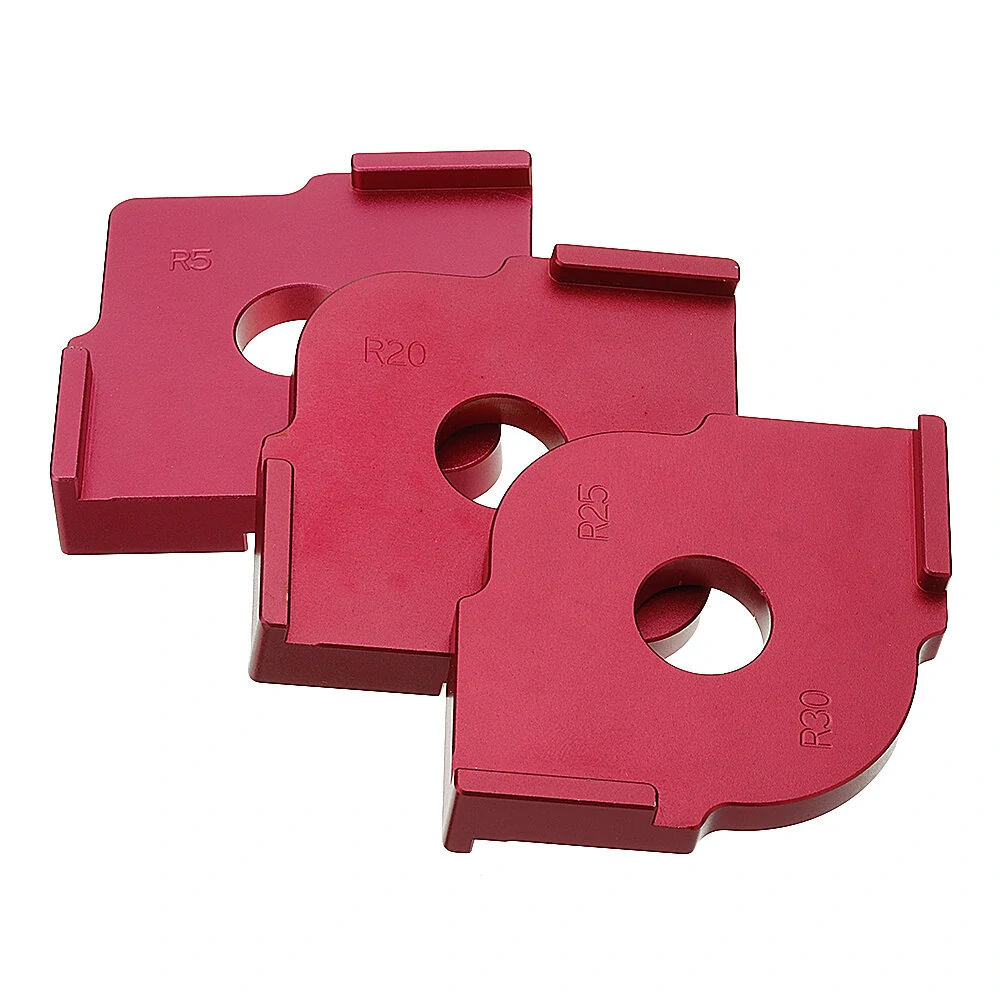
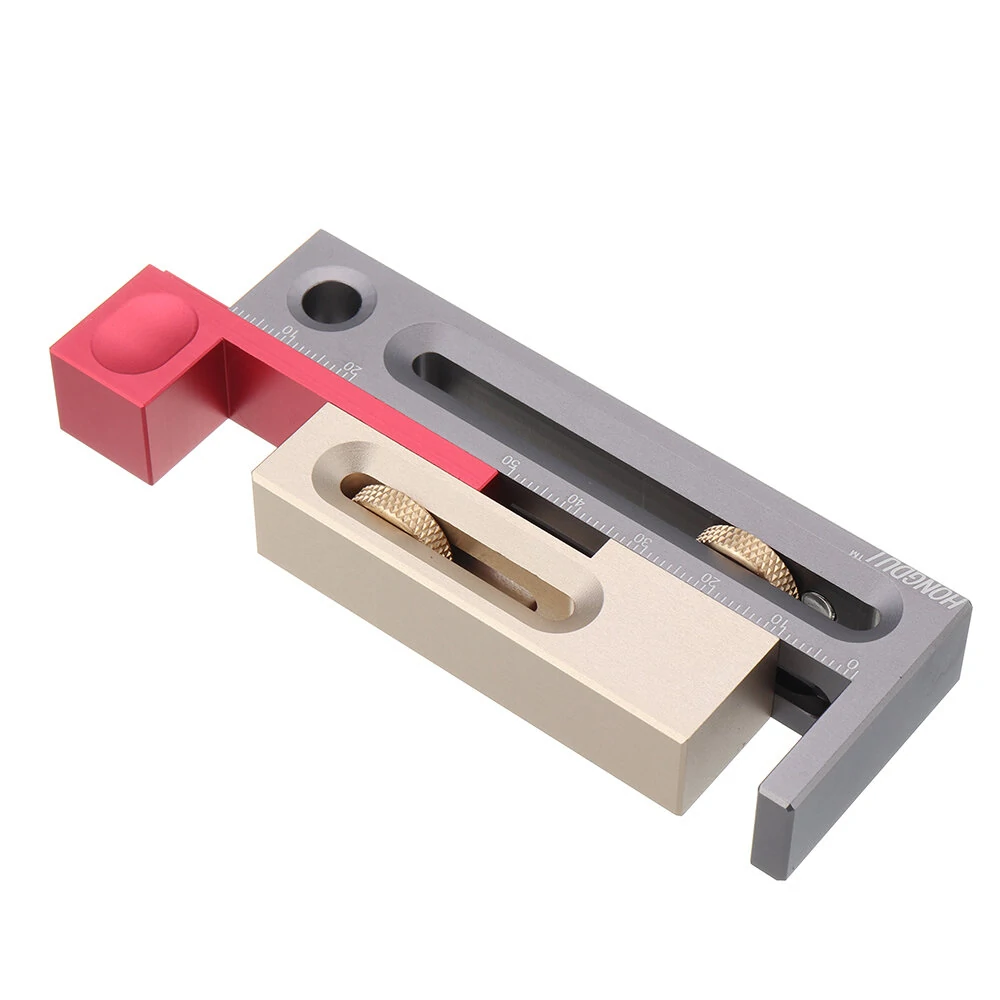
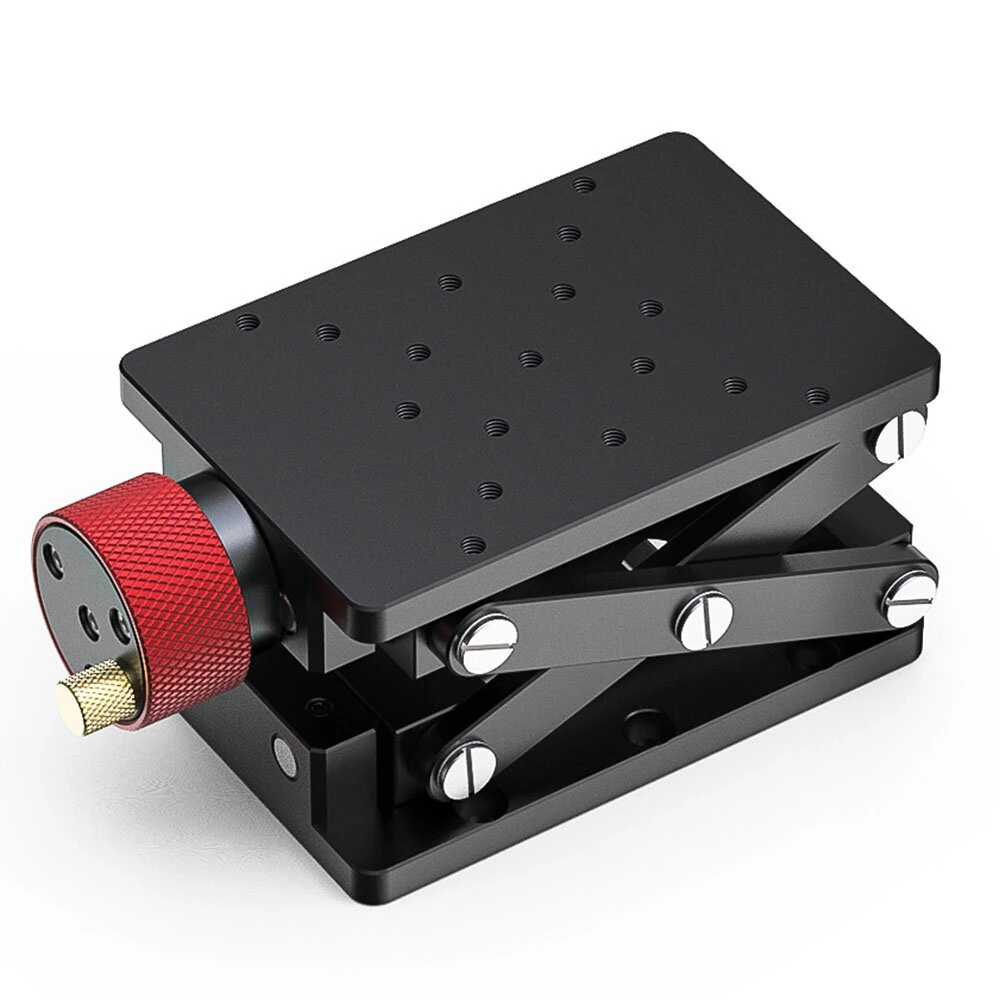
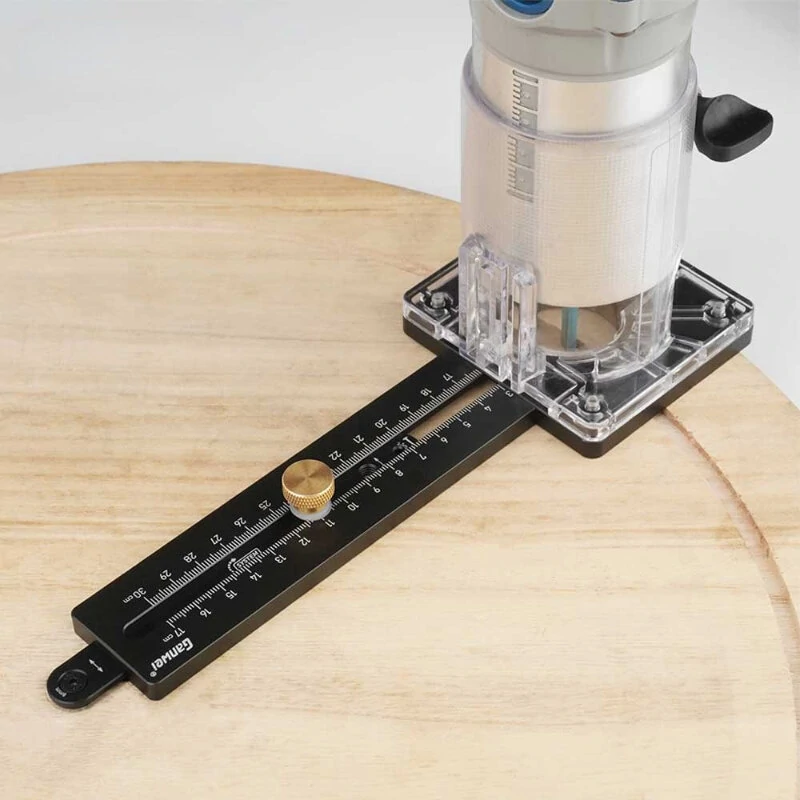
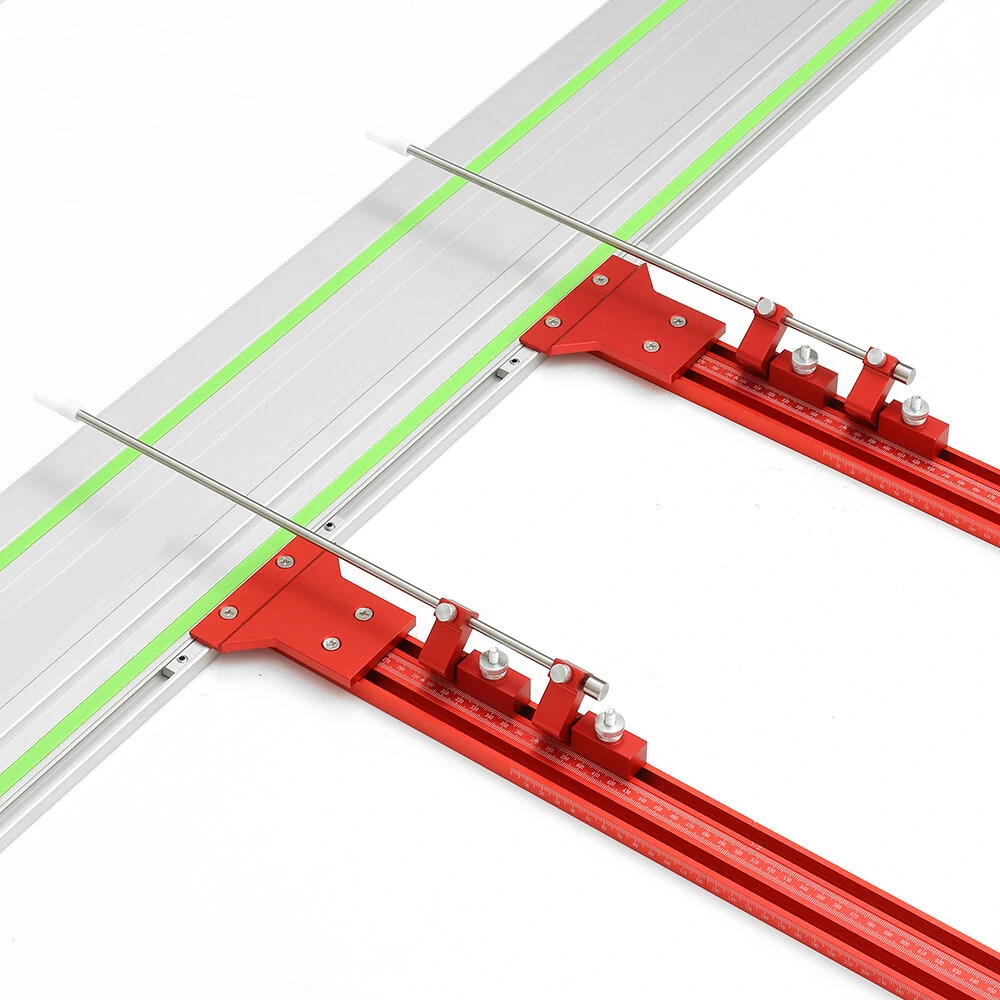
A router table plate, also known as a router mounting plate or insert plate, is the critical foundation of any high-performance router table setup. It's the flat, rigid surface that securely holds your router beneath the table, providing a stable and precise reference point for all your woodworking cuts. Choosing the right plate is essential for achieving professional-level accuracy, safety, and ease of use in your workshop. The primary benefit of a quality router table plate is its ability to create a perfectly flush, seamless surface with your tabletop, eliminating snags and ensuring smooth material feed. Key products in this category are defined by their material and compatibility. Durable, machined aluminum plates are industry favorites for their exceptional rigidity and resistance to warping, offering a lifetime of reliable service. Lightweight and durable phenolic (plastic composite) plates are another popular choice, prized for their affordability and smooth surface. For ultimate versatility, universal router plates feature a pattern of pre-drilled holes or adjustable mounting systems to fit a wide range of router models, making them a future-proof investment. Furthermore, specialized plates are designed to integrate seamlessly with router lifts, allowing for effortless bit height adjustments from above the table. Investing in a well-made router plate directly translates to cleaner cuts, reduced vibration, and a more enjoyable, efficient woodworking experience by transforming your router into a stationary power tool.
**Choosing the Right Router Table Plate: A Quick Guide**
**Material:** Aluminum offers maximum stiffness for heavy-duty use. Phenolic is a cost-effective, lightweight alternative that performs excellently for most hobbyists.
**Compatibility:** This is crucial. Ensure the plate is explicitly compatible with your specific router model or router lift system. Universal plates offer great flexibility if you plan to change routers.
**Thickness:** Standard plates are typically 3/8" or 1/2" thick. Thicker plates provide more stability but require a precisely routed recess in your table.
**Size & Opening:** Plate sizes are often standardized (like 9" x 12"), but confirm it fits your table. The center opening size should accommodate your router's collet and desired bit capacities.
**FAQ: Do I need a plate if my table has a built-in router mount?** Yes, a quality aftermarket plate often upgrades the stability and precision of factory setups. **Can I make my own router plate?** While possible, commercially manufactured plates are precision-machined for perfect flatness and alignment, which is difficult to achieve DIY. For consistent, professional results, a dedicated router table plate is a wise investment for any serious woodworker.