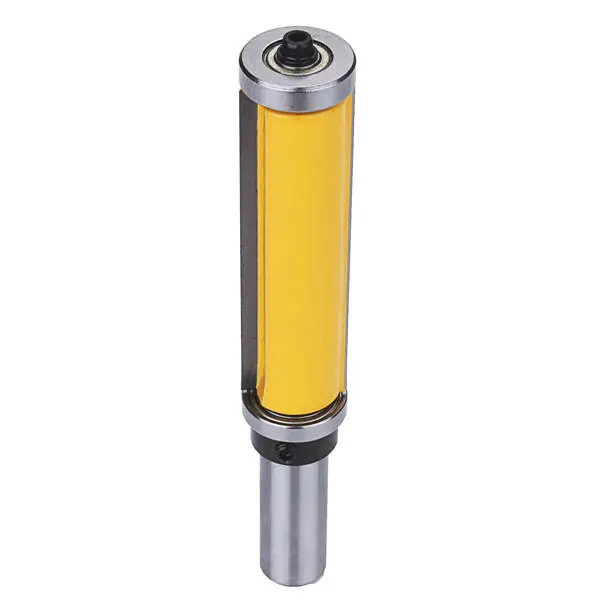
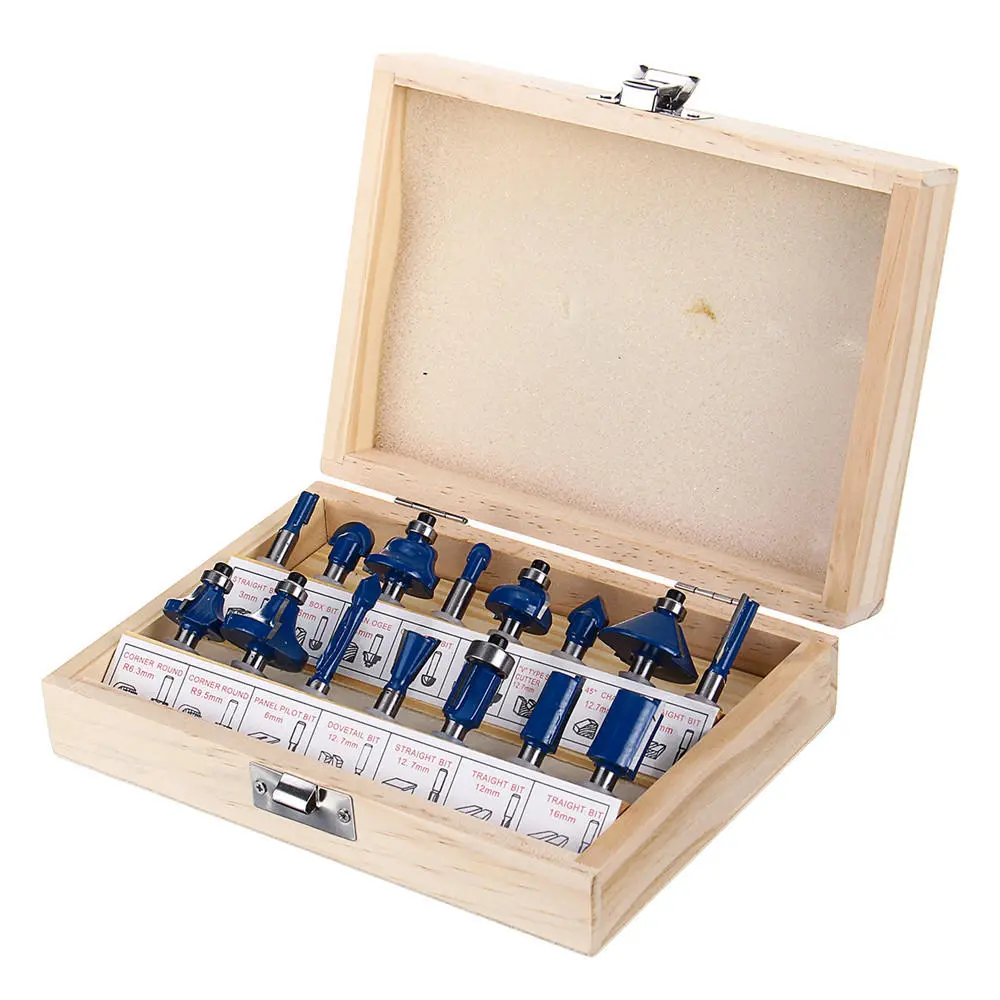
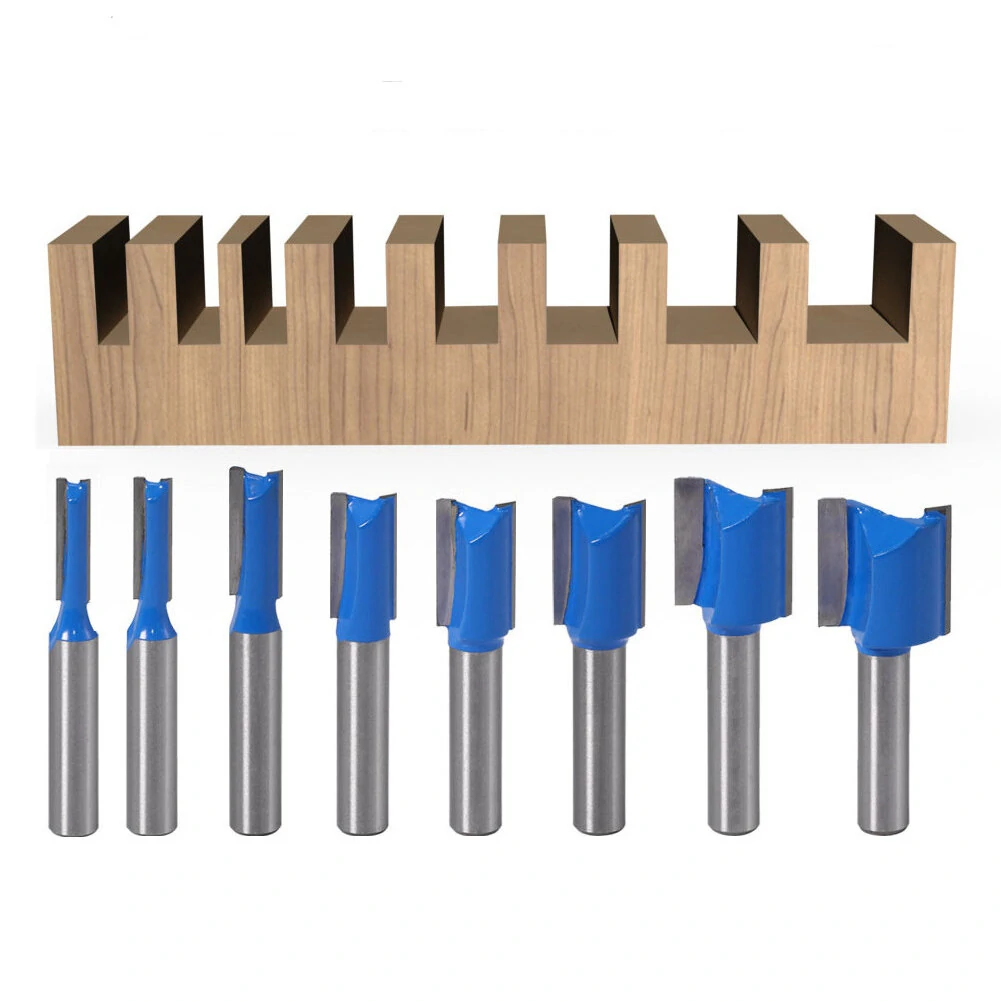
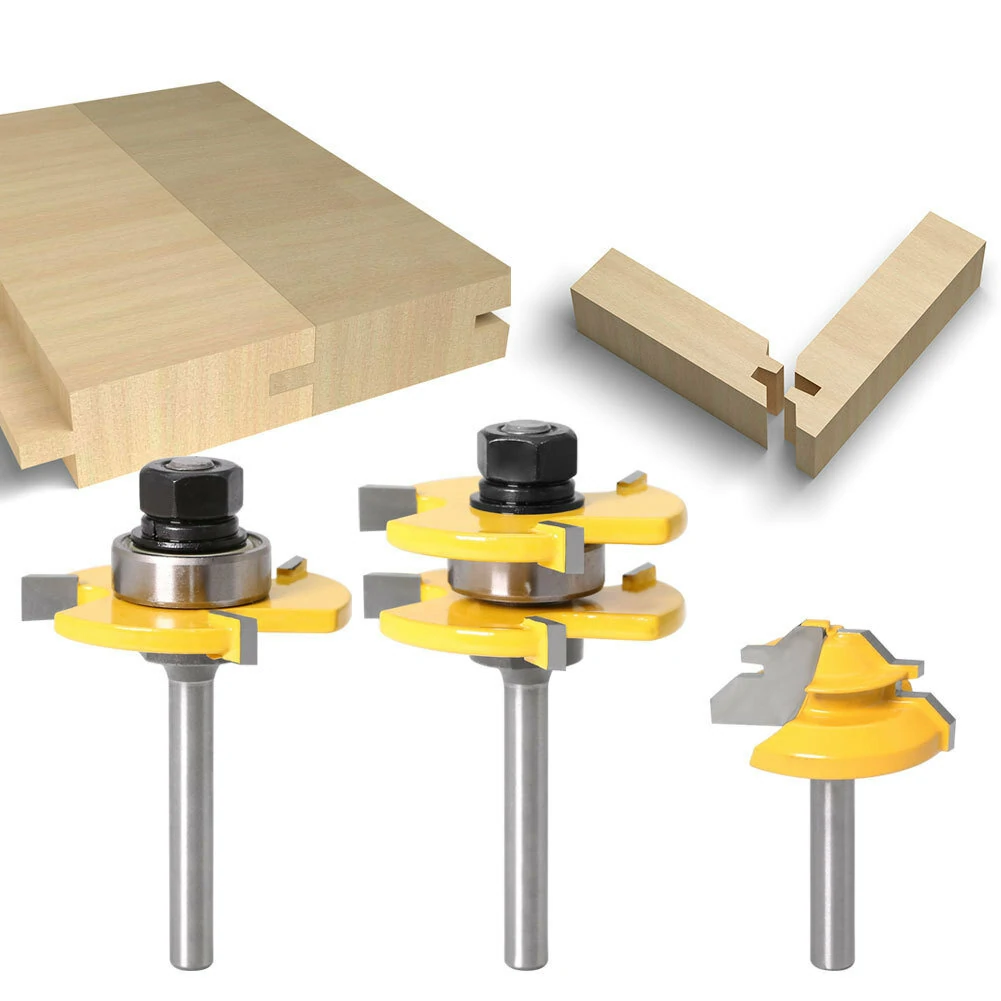
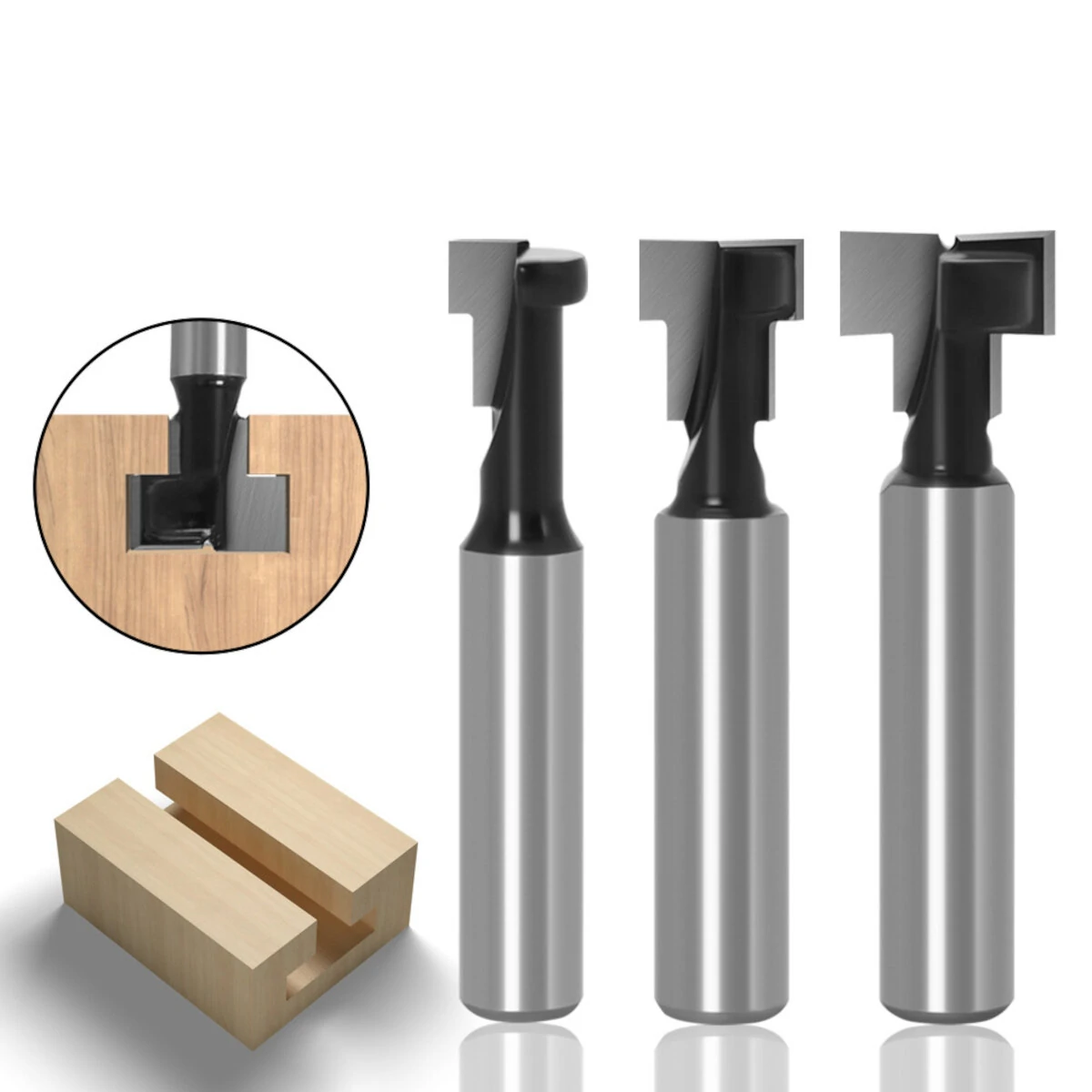
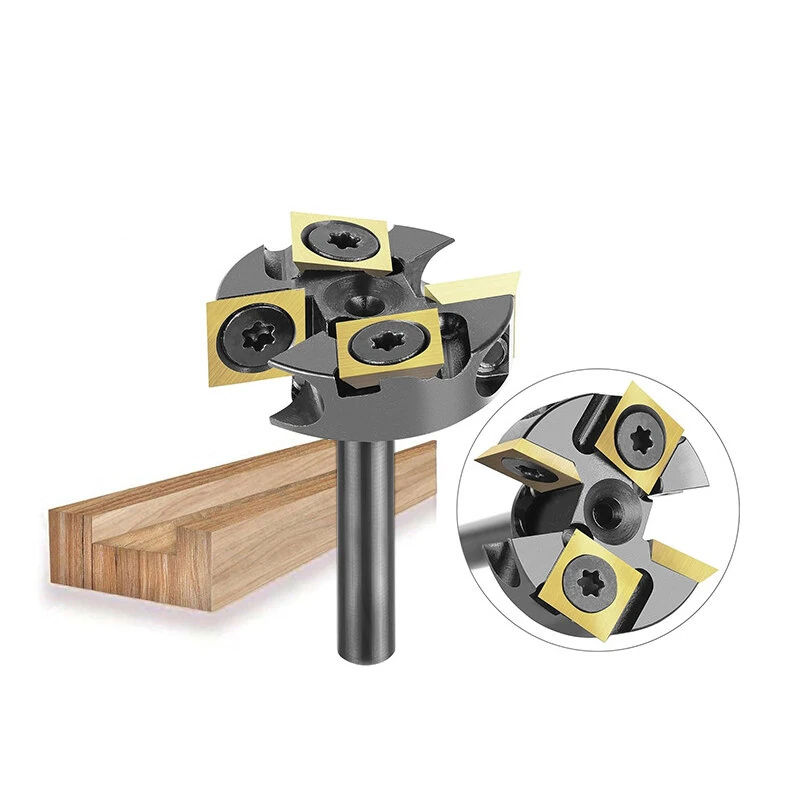
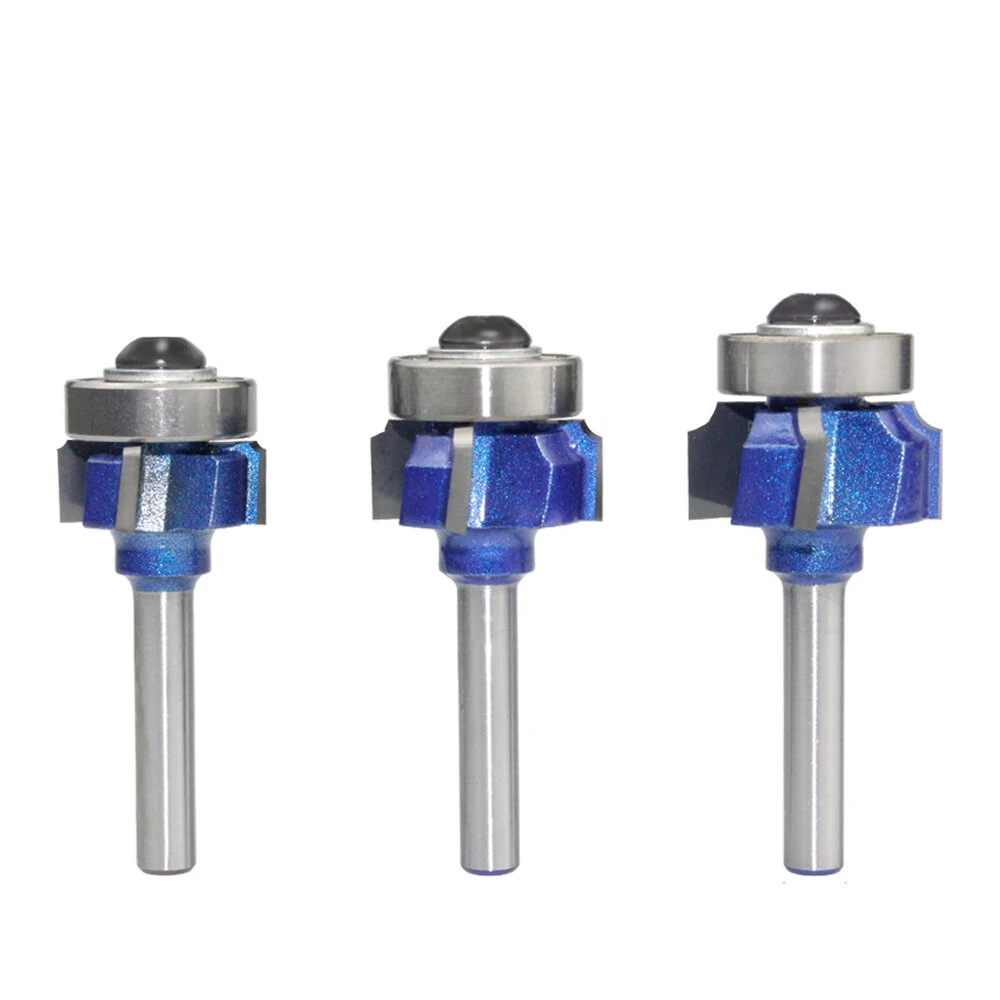
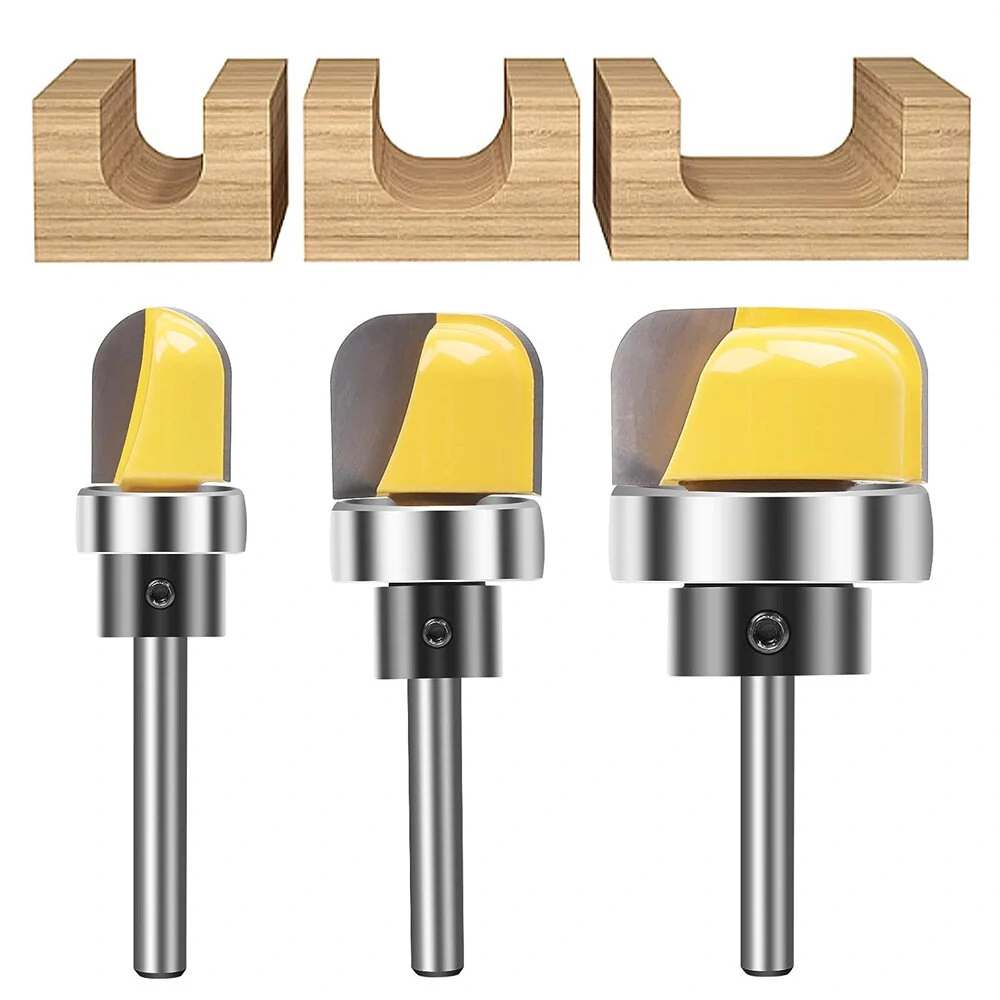
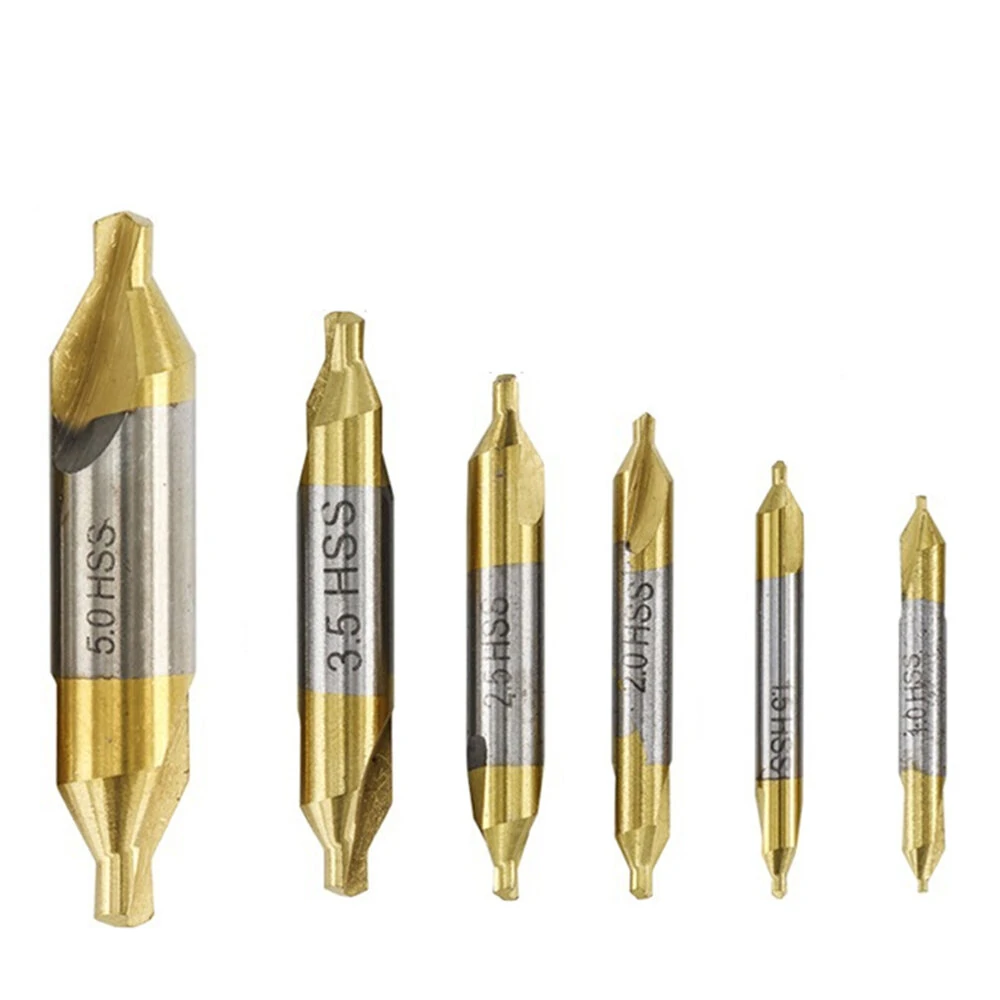
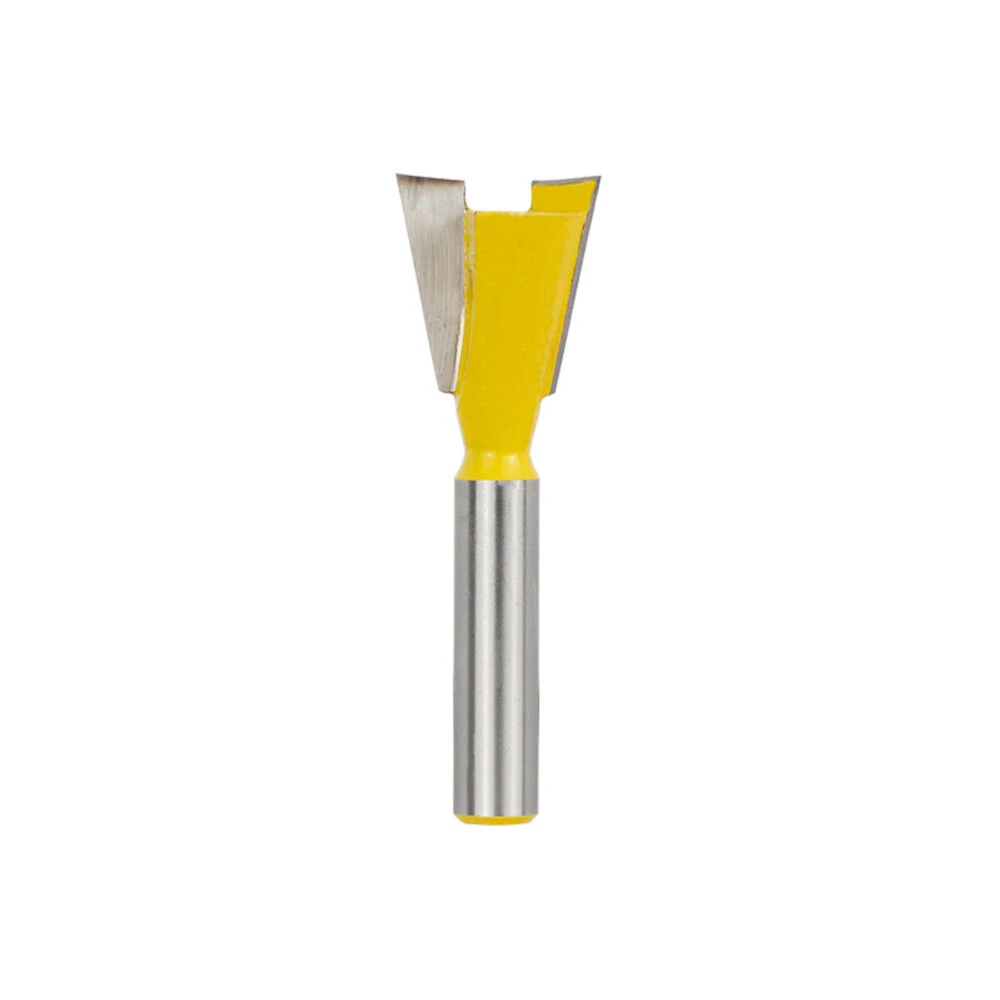
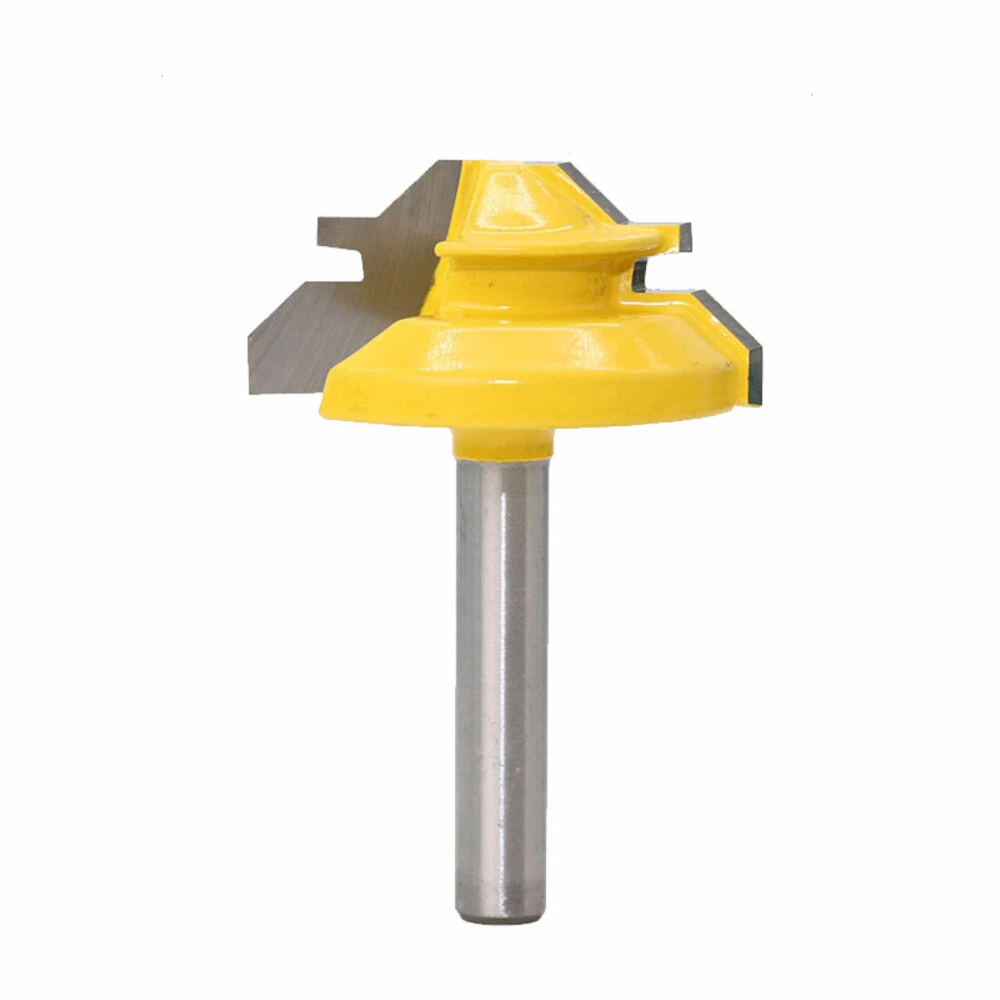
Router bits are the essential, interchangeable cutting tools that transform a router from a simple power tool into a versatile workshop powerhouse. These precision-engineered accessories are designed to create a vast array of cuts, profiles, and joints in wood, plastics, and composites. The right router bit selection is the key to unlocking professional-quality results, from decorative edge treatments to strong, hidden joinery. The core of a router bit's performance lies in its material. High-Speed Steel (HSS) bits are an economical choice for softer woods, while carbide-tipped bits are the industry standard for durability and long life, maintaining a sharp edge through extensive use on hardwoods and abrasive materials like MDF. For the ultimate in longevity and performance in production or CNC environments, solid carbide bits offer exceptional rigidity and heat resistance. Key product categories include edge-forming bits, such as roundover, chamfer, and ogee bits, which shape the profile of a workpiece. Joinery bits, like dovetail and lock-miter bits, create strong, precise connections between pieces. Grooving bits, including straight bits and rabbeting bits, are workhorses for cutting slots, dados, and recesses. Specialized bits like flush-trim bits are invaluable for pattern routing and template work, while v-groove and cove bits add intricate decorative details. Understanding this variety empowers woodworkers to execute complex designs with confidence and efficiency, elevating the craftsmanship of every project.
Choosing the correct router bit requires considering your project, router, and material. First, match the bit's shank diameter (commonly 1/4" or 1/2") to your router's collet capacity; a 1/2" shank offers less vibration and is preferred for larger bits. For hardwoods and frequent use, invest in carbide-tipped bits for their superior edge retention. Always check the bit's maximum safe speed (RPM) against your router's capabilities. Start with a core set: a straight bit, a roundover bit, a flush-trim bit, and a rabbeting bit with interchangeable bearings. This covers a wide range of fundamental tasks. FAQ: Can I use a router bit in a drill? No, drills lack the necessary speed and stability, making it dangerous and ineffective. How do I keep bits sharp? Clean pitch buildup after use and have them professionally sharpened when dull; a sharp bit is safer and produces cleaner cuts. What's the difference between a bearing-guided and a template-guided bit? Bearing-guided bits use a pilot bearing to follow the workpiece edge, while template-guided bits have a longer shaft to follow a separate template placed above the workpiece. By selecting quality bits and using them within their intended parameters, you ensure safety, achieve flawless results, and get the most value from your woodworking tools.