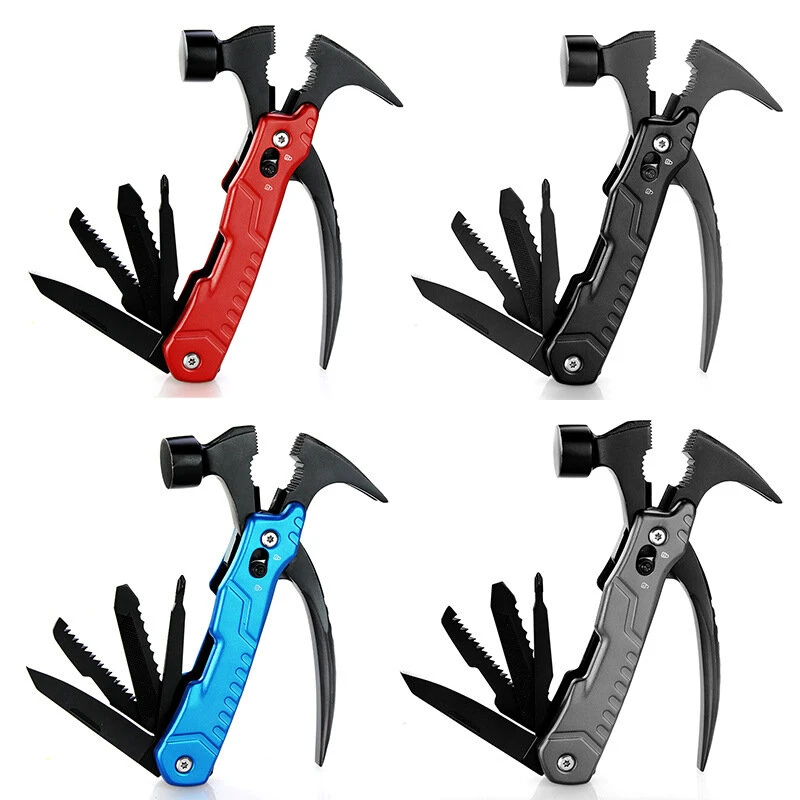
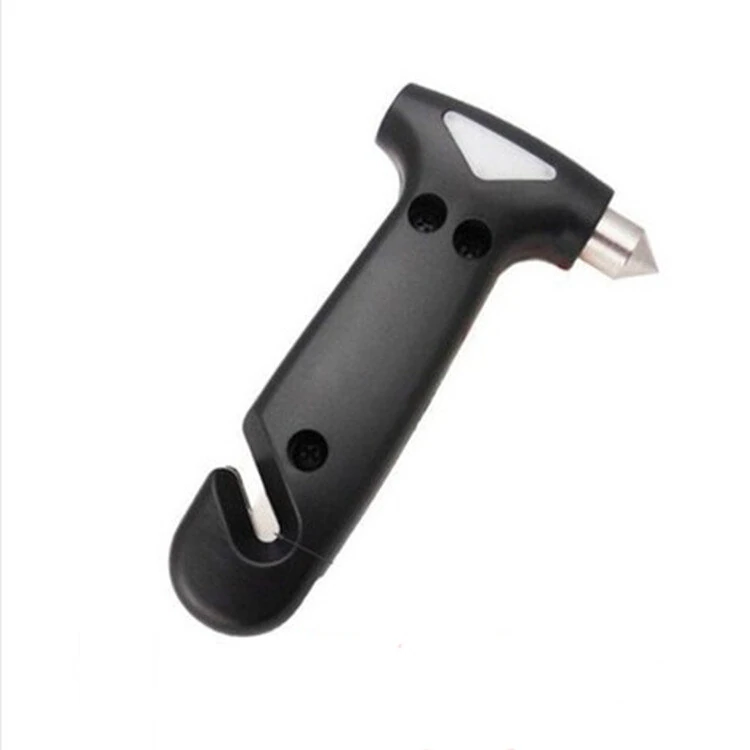
The hammer is the quintessential tool, a fundamental piece of equipment found in every toolbox, workshop, and jobsite. Far from being a single, simple tool, the category of 'hammer' encompasses a diverse range of specialized designs, each engineered for specific tasks and materials. Choosing the right hammer is crucial for efficiency, safety, and achieving professional-quality results, whether you're hanging a picture, framing a house, or working on delicate metalcraft.
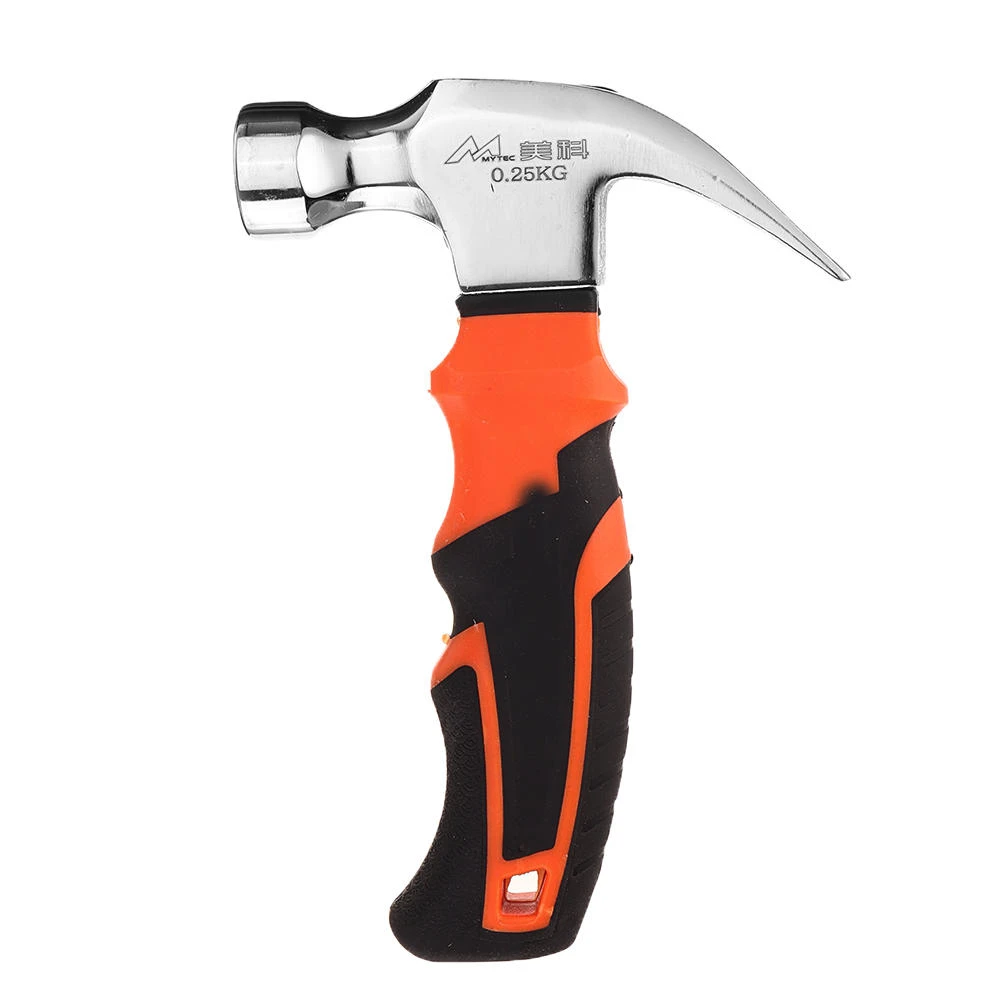
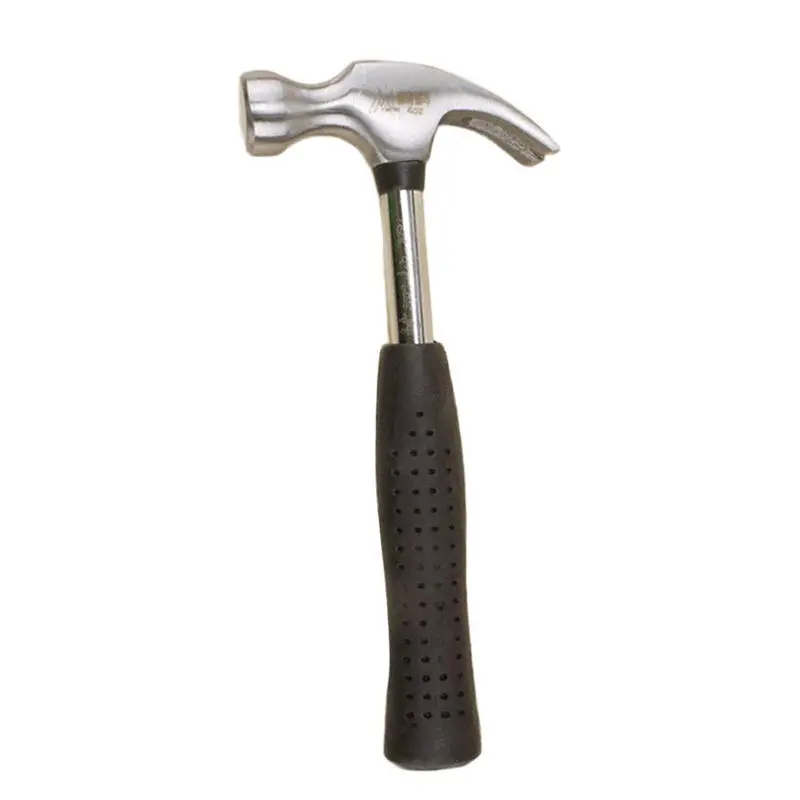
At the core of the category is the classic **claw hammer**, the versatile workhorse for general carpentry and DIY. Its curved claw is designed for pulling nails, while the smooth or milled (checkered) face drives them. For heavy-duty construction, the **framing hammer** stands out with its longer handle, heavier head, and aggressive milled face that grips nail heads to prevent slipping, though it can mar wood surfaces.
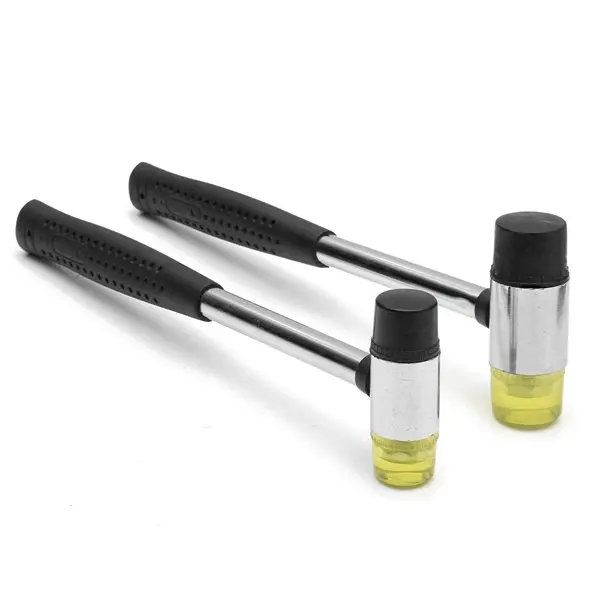
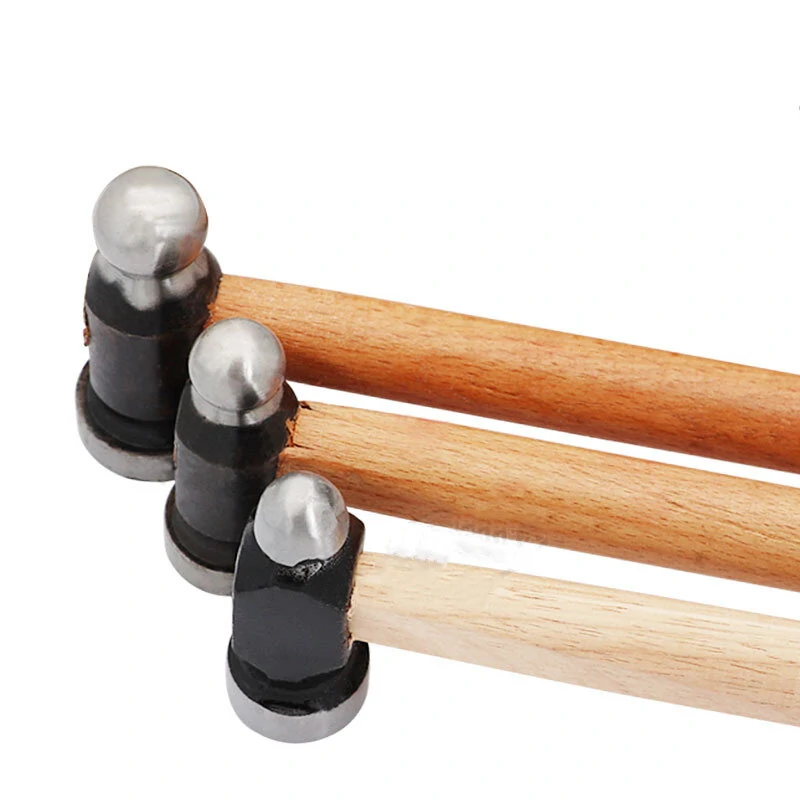
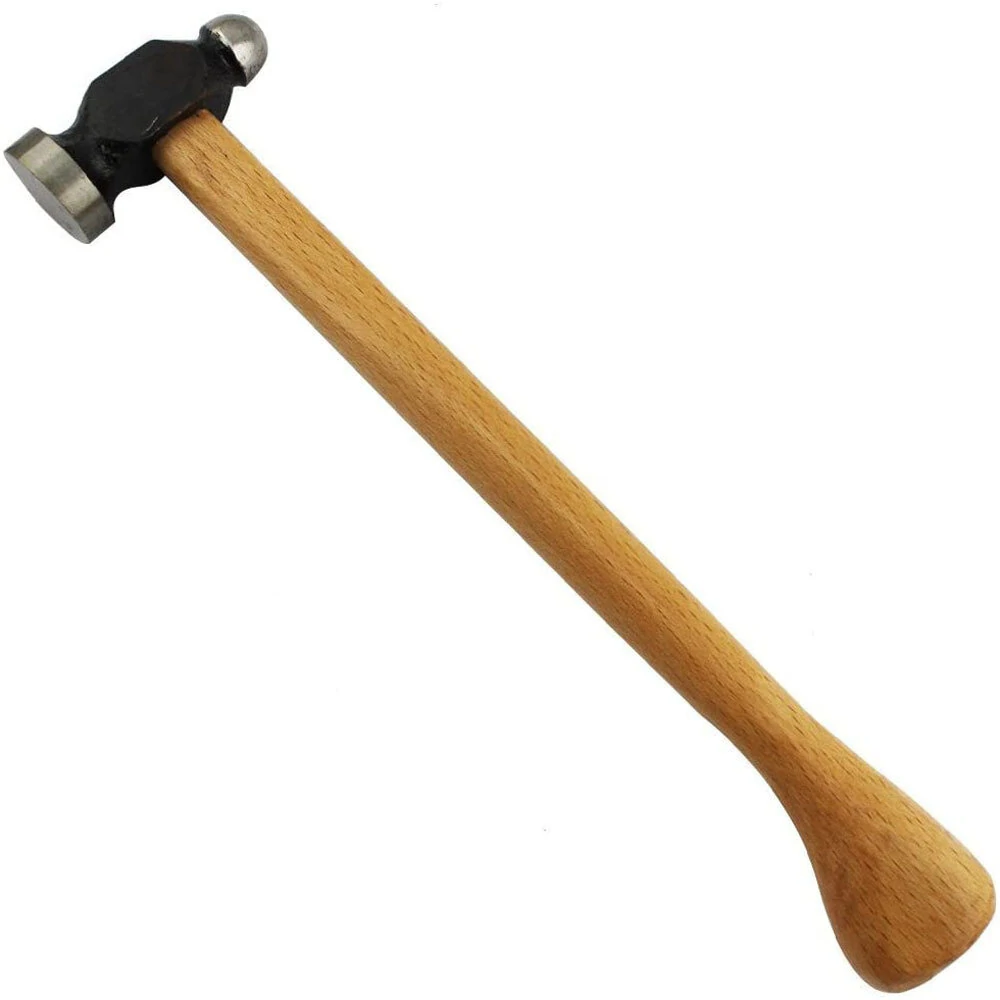
Beyond woodworking, specialty hammers serve critical roles. The **ball peen hammer**, with its rounded peen, is essential for metalworking, shaping, and riveting. **Rubber mallets** and **dead blow hammers** deliver force without marring surfaces, making them ideal for woodworking joints, automotive work, and assembly. For demolition and driving stakes, nothing matches the raw power of a **sledgehammer**.
Key benefits of selecting the proper hammer include reduced user fatigue, increased striking accuracy, minimized damage to your workpiece, and enhanced safety. Modern advancements offer ergonomic, shock-absorbing fiberglass or steel handles, perfectly balanced heads, and magnetic nail starters, transforming this ancient tool into a pinnacle of ergonomic design.
**Buying Guide & FAQ**
**How do I choose the right hammer?**
Consider your primary tasks. For general home use, a 16-ounce claw hammer with a curved claw and fiberglass handle is ideal. For framing, opt for a 20-22 ounce framing hammer. For automotive or metalwork, a ball peen hammer set is necessary.
**What is handle material best?** Steel offers durability, fiberglass reduces vibration, and wood (like hickory) provides a classic feel and good shock absorption. Ergonomic, non-slip grips are a valuable feature for comfort.
**What weight hammer should I get?** Lighter hammers (10-13 oz.) are for finish work and precision. Medium (16 oz.) is the all-purpose standard. Heavy hammers (20+ oz.) are for framing and demolition. Choose a weight you can swing accurately without strain.
**What's the difference between a milled and smooth face?** A milled (checkered) face grips nail heads to prevent slipping, which is great for construction but can leave marks. A smooth face is preferred for finish carpentry where marring the wood is a concern.
**Do I need a specialty hammer?** If you regularly work with sheet metal, tile, or upholstery, investing in a soft-faced, dead blow, or tack hammer will improve your results and protect materials. Start with a quality claw hammer and expand your collection as your projects demand.