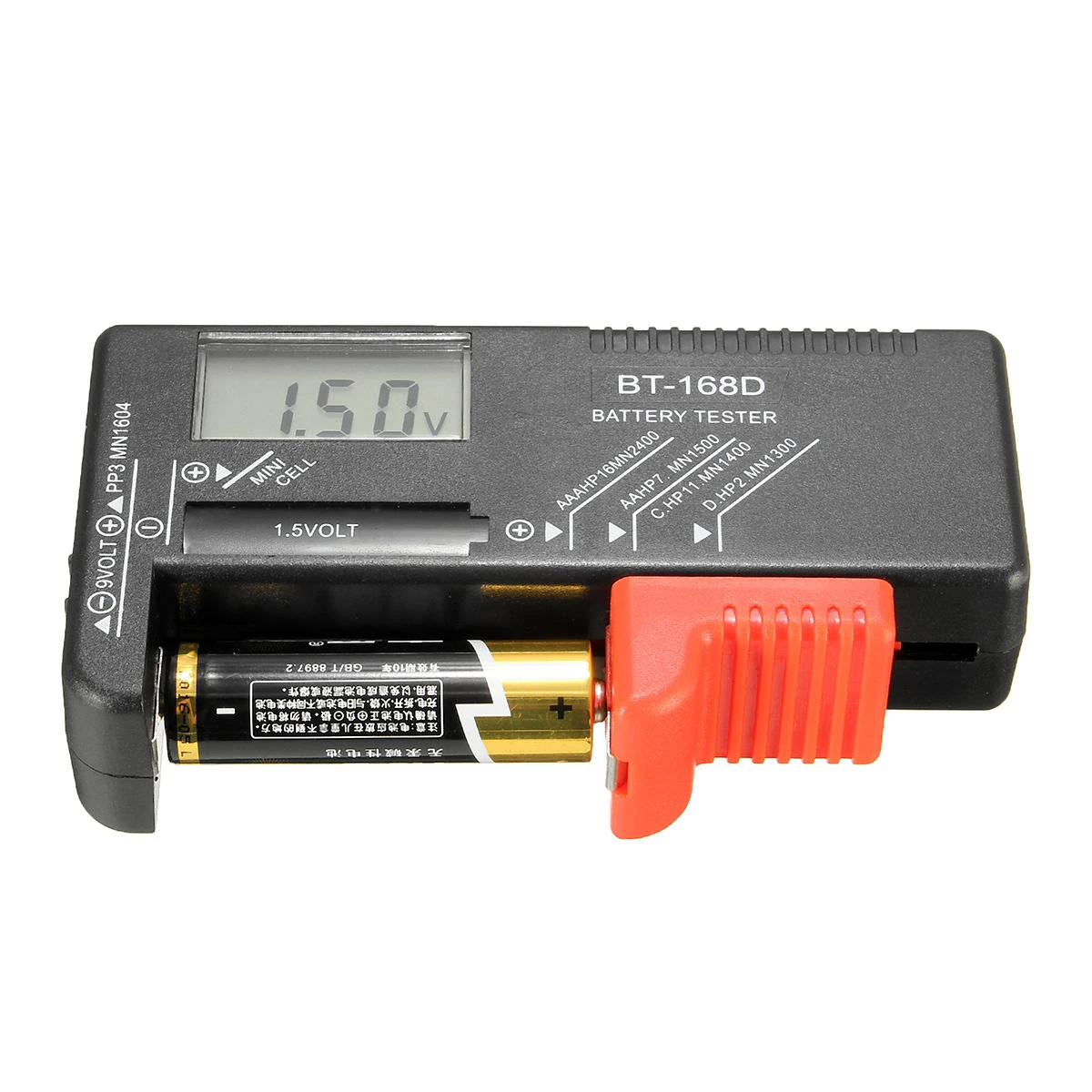
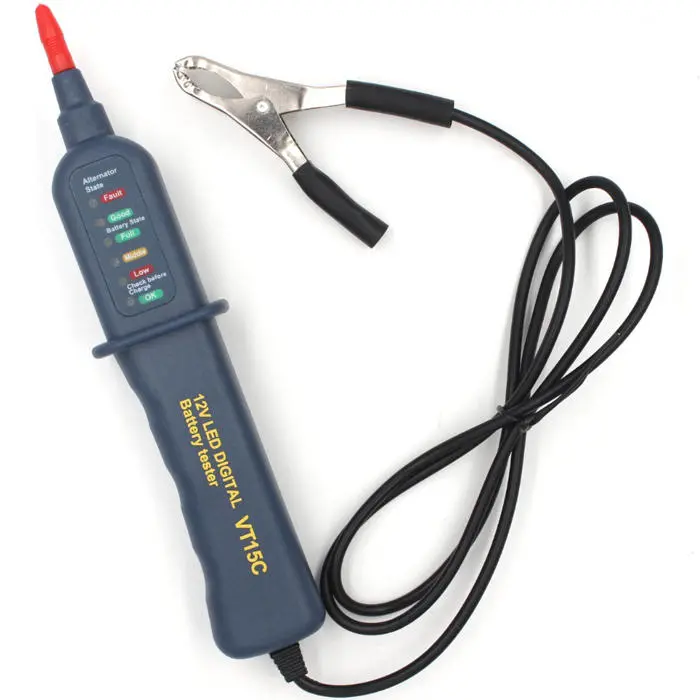
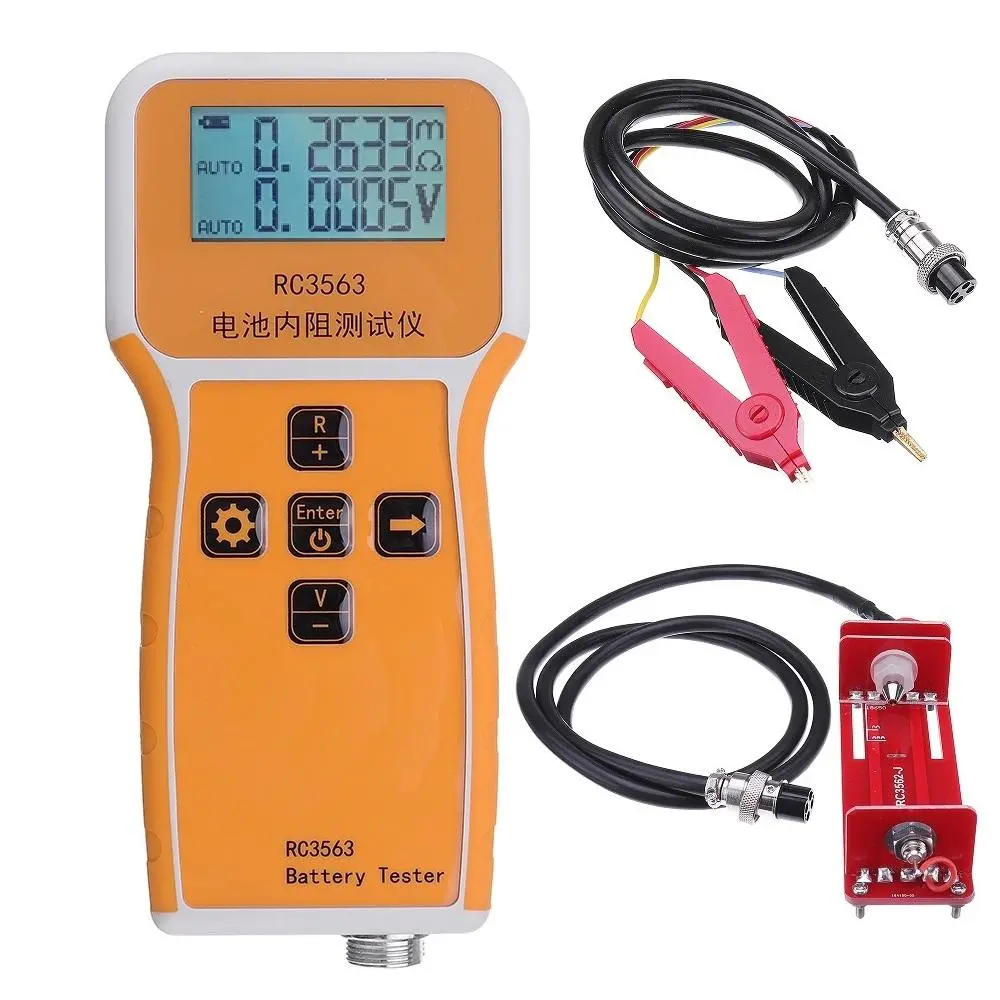
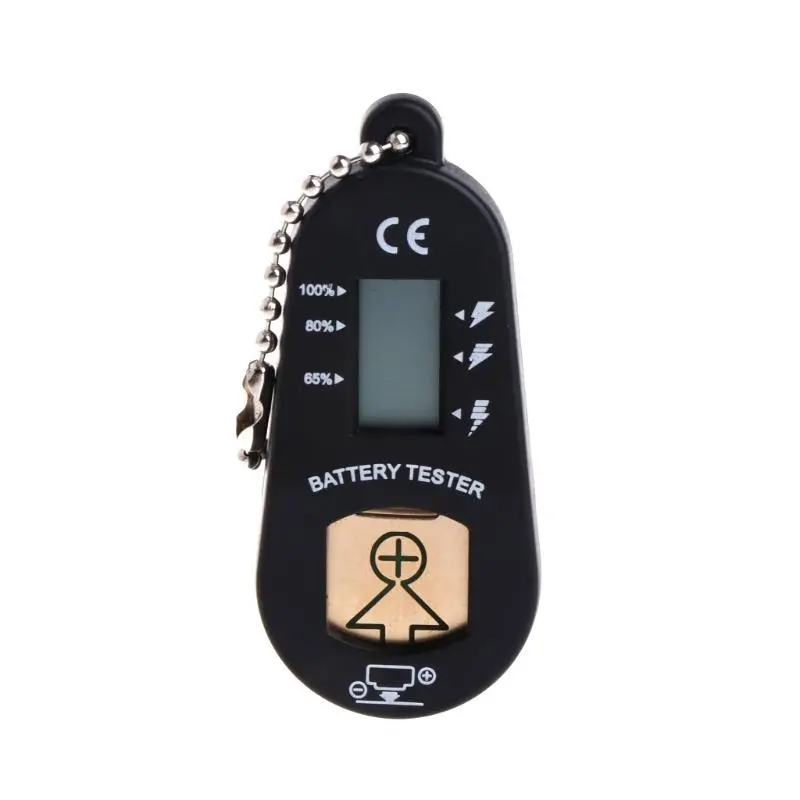
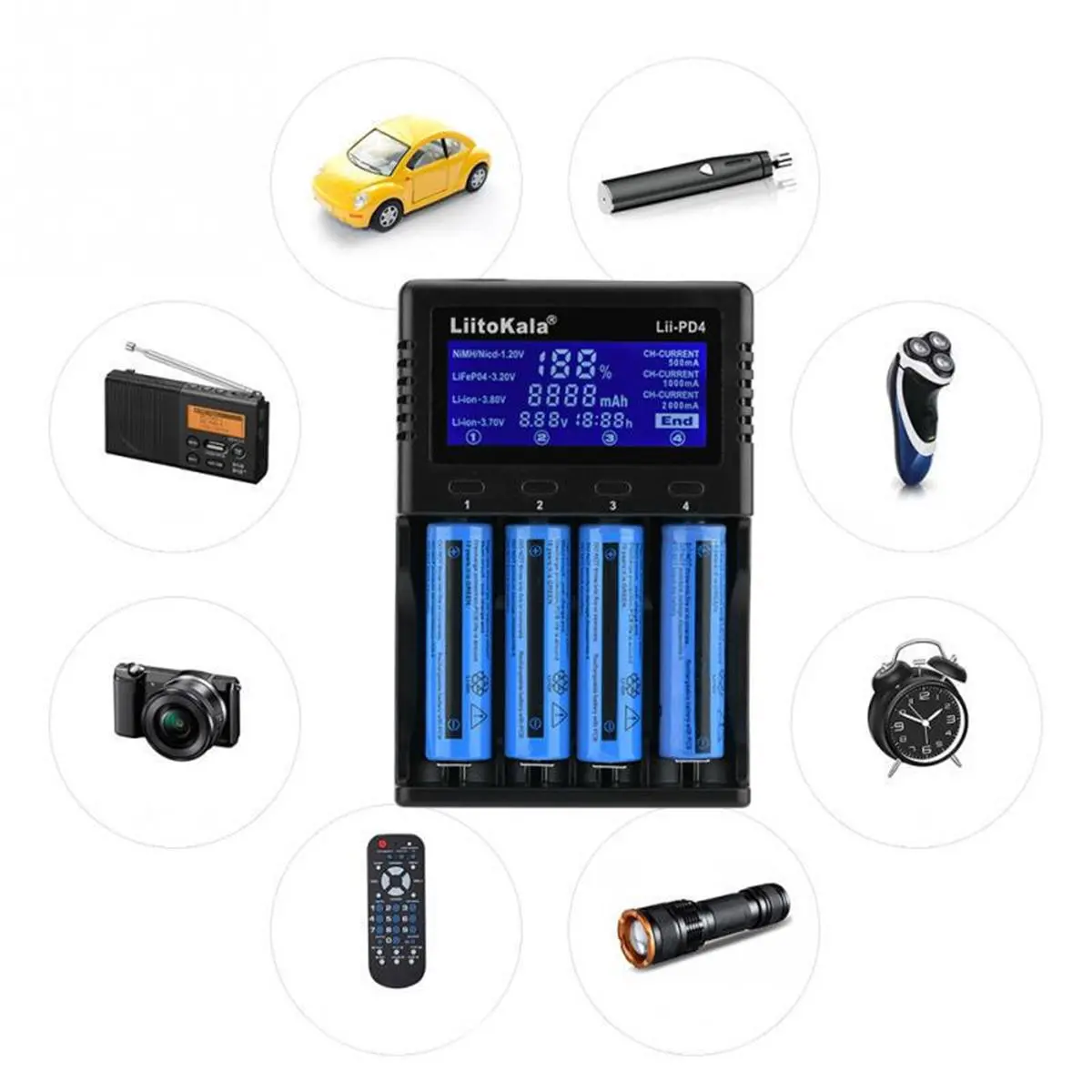
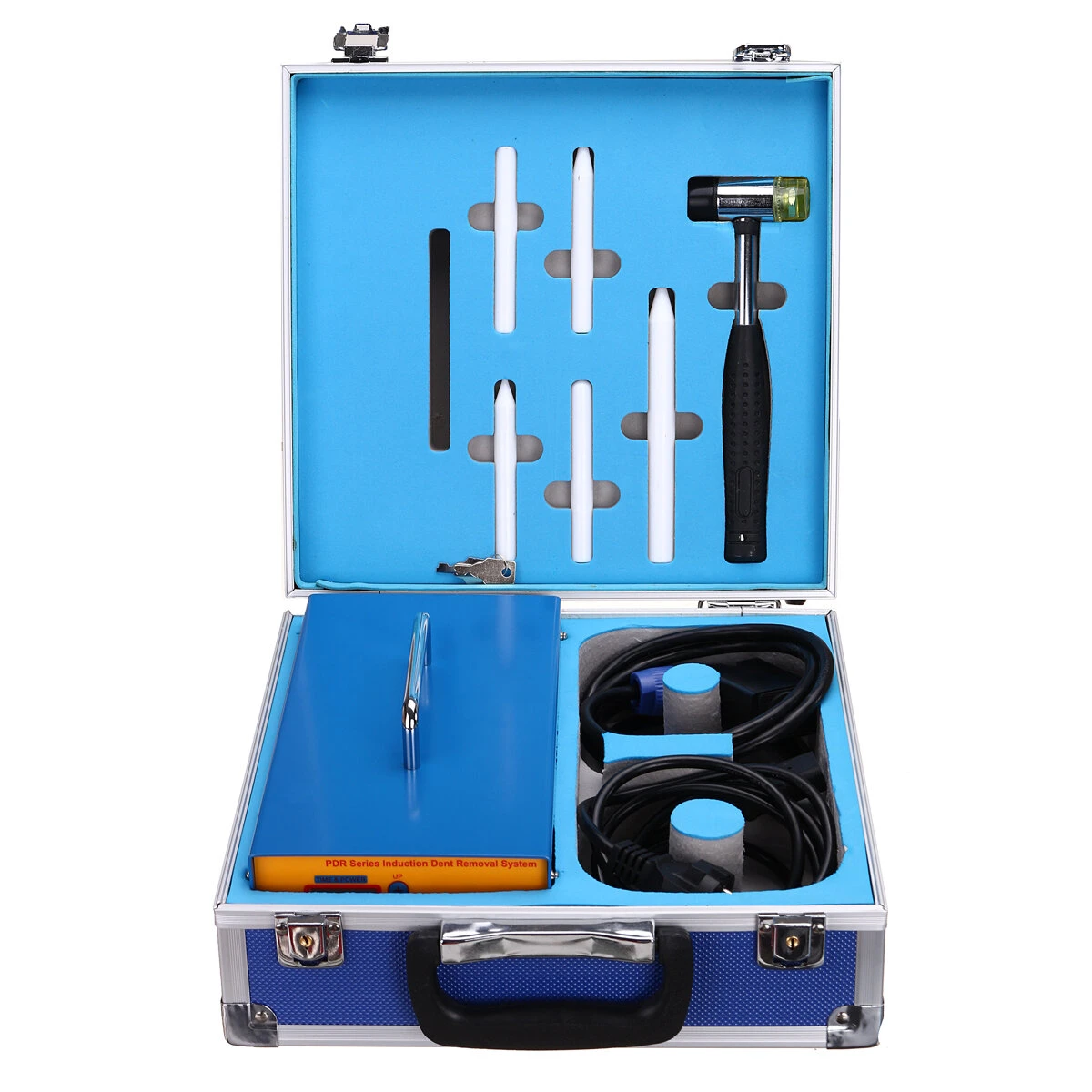
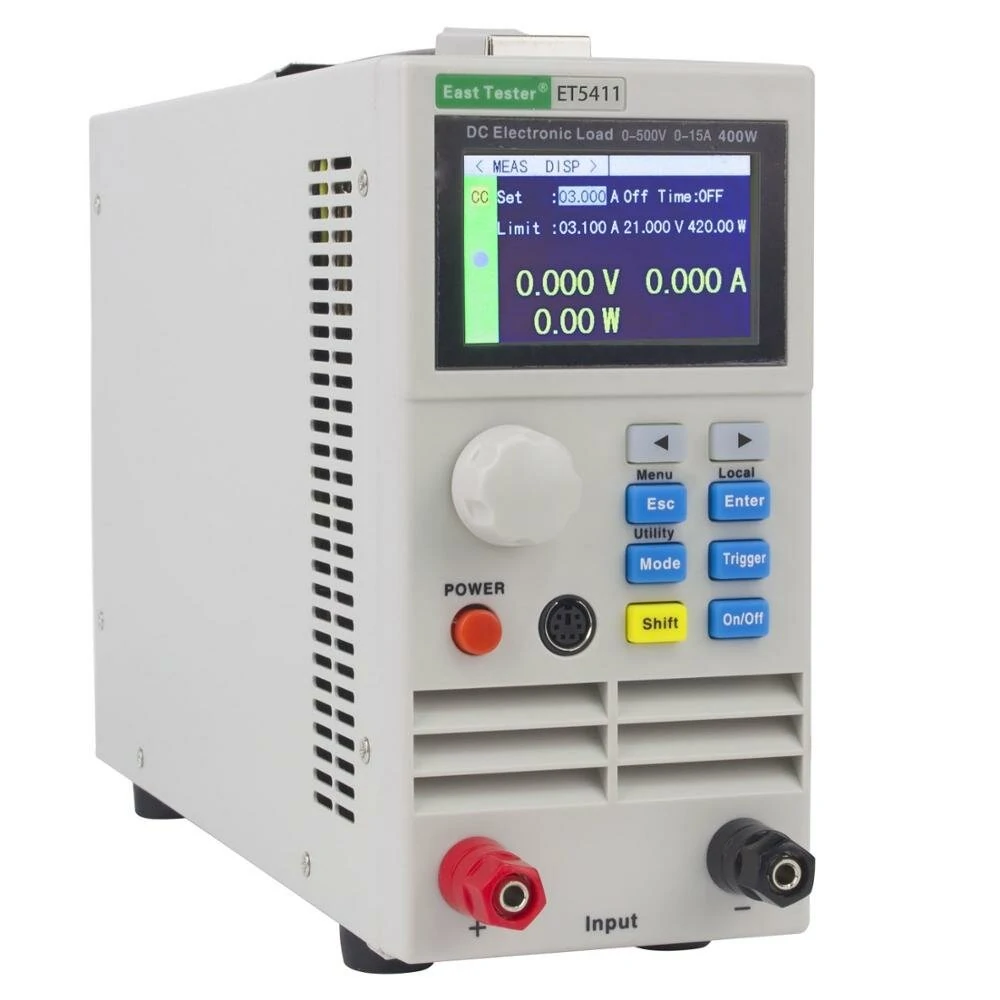
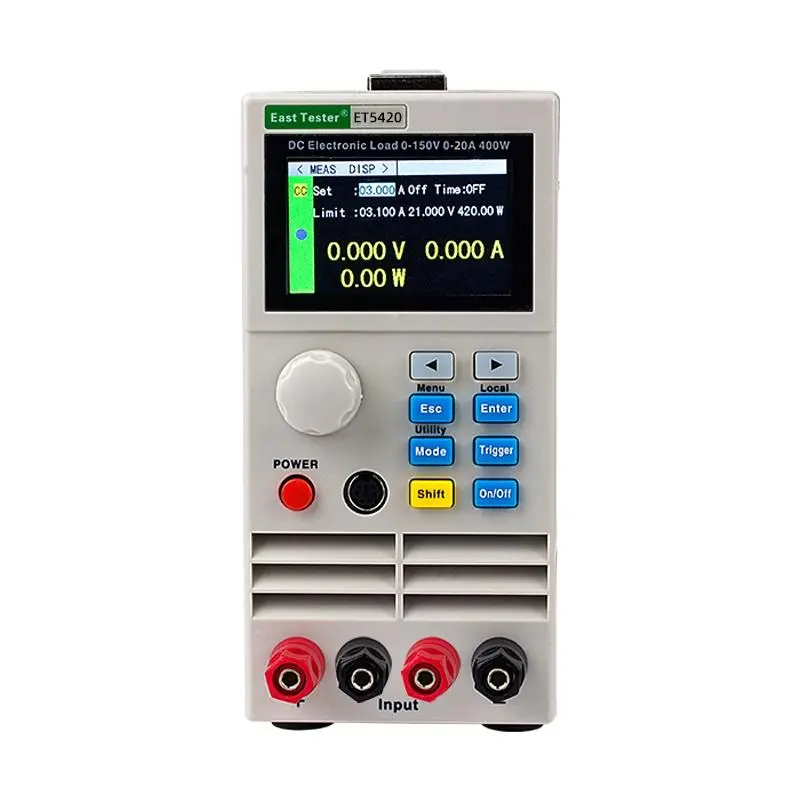
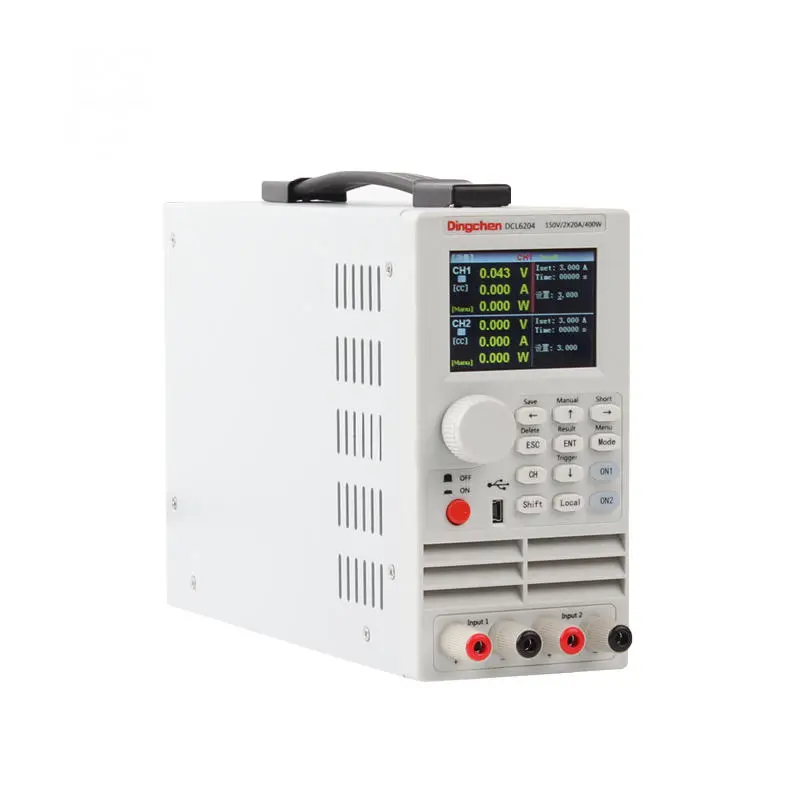
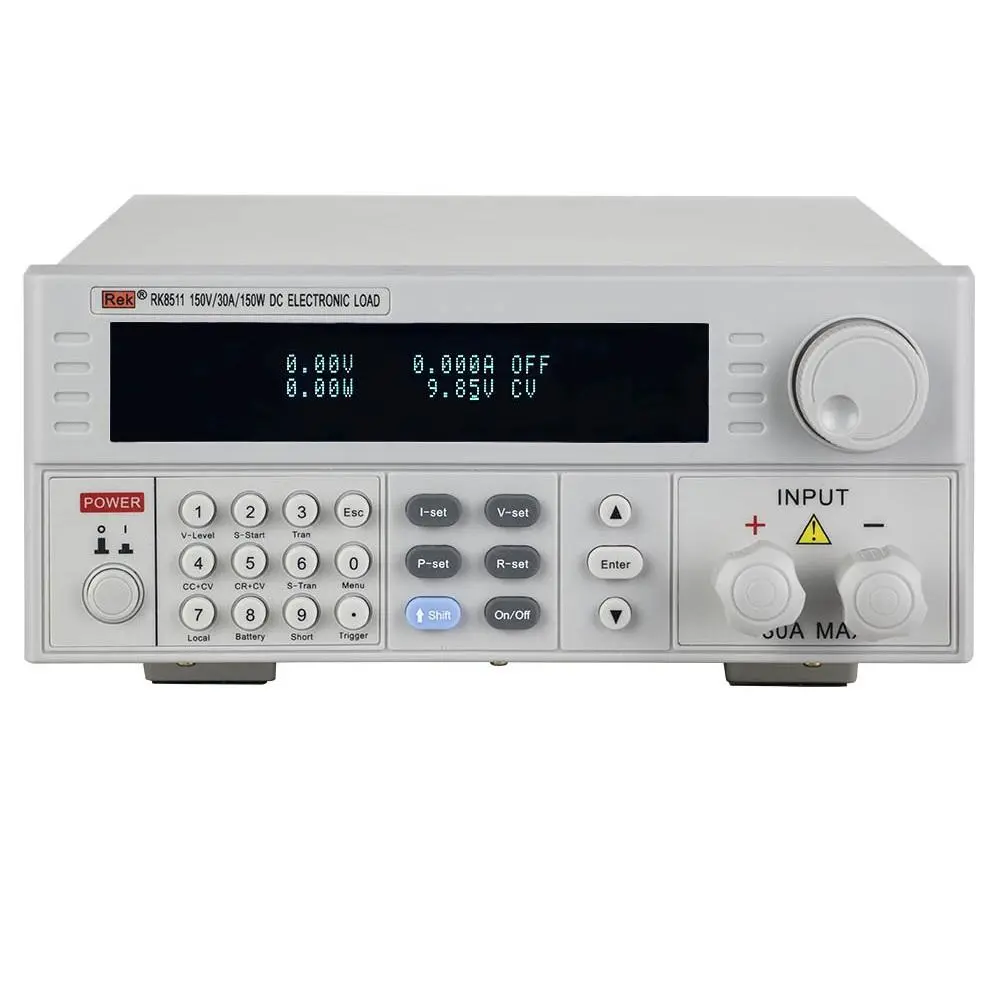
A reliable battery tester is an essential tool for every home, garage, and workshop. It's the quickest way to diagnose power issues, prevent unexpected failures, and save money by knowing exactly when a battery needs replacement. From checking the health of your car's 12V battery to sorting through a drawer of questionable AA and AAA cells, a quality tester provides clarity and confidence. Modern battery testers come in various forms to suit different needs. Simple, pocket-sized testers for common alkaline and rechargeable batteries are perfect for household use, offering a quick pass/fail reading. For automotive applications, advanced digital testers and load testers provide a comprehensive analysis of a battery's Cold Cranking Amps (CCA), voltage, and internal resistance, often with diagnostics for the vehicle's charging and starting systems. Professional-grade multimeters with battery testing functions offer the ultimate versatility for electronics hobbyists and technicians. The key benefits of owning a battery tester are undeniable: it eliminates guesswork, enhances safety by identifying potentially faulty batteries, and promotes cost-efficiency by extending the life of good batteries and preventing premature disposal. Whether you're a DIY car enthusiast wanting to avoid a dead battery in winter, a parent ensuring toys have full power, or someone managing backup power systems, investing in the right battery tester is a smart decision for proactive maintenance and peace of mind.
**Buying Guide & FAQ**
**How do I choose the right battery tester?**
First, identify your primary use. For basic household batteries (AA, AAA, C, D, 9V), a simple, inexpensive dedicated tester is sufficient. For car, motorcycle, or truck batteries, you need a 12V automotive tester capable of measuring CCA and internal resistance. For versatility, consider a digital multimeter with a battery test setting.
**What's the difference between a load tester and a digital analyzer?**
Traditional load testers apply a simulated electrical load to measure performance under stress, excellent for older battery types. Modern digital analyzers use conductance technology to assess battery health quickly and safely without a high load, and often provide more diagnostic data.
**Can a battery tester be used on any battery type?**
No. Always check the tester's specifications. Most are designed for specific chemistry types (e.g., lead-acid, Li-ion, NiMH, Alkaline). Using the wrong setting can give inaccurate readings or damage the tester.
**What do the readings mean?**
**Voltage:** Indicates charge level (e.g., 12.6V+ for a full 12V battery). **CCA Rating:** A battery's ability to start an engine in cold weather. **Internal Resistance:** Higher resistance often means a worn-out battery. Match your readings to the battery manufacturer's specifications for an accurate health assessment. Always prioritize testers from reputable brands for safety and reliability.