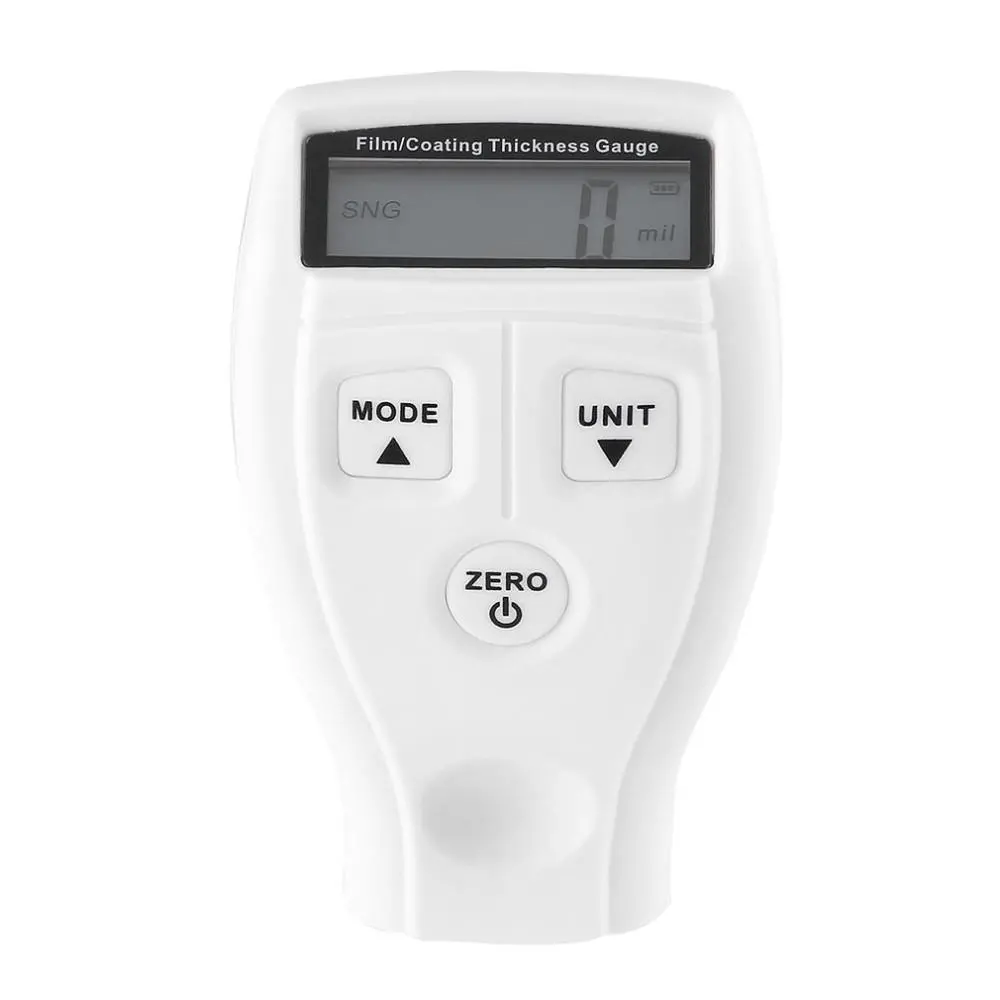
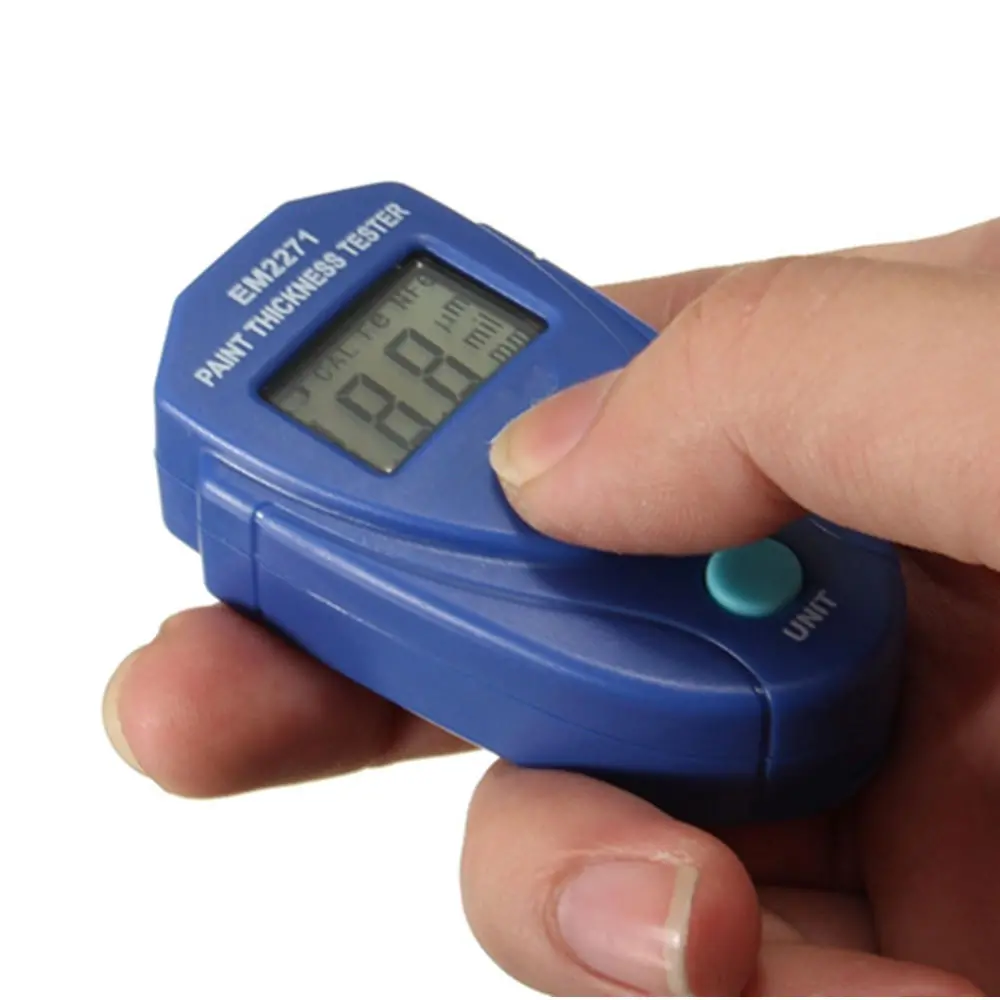
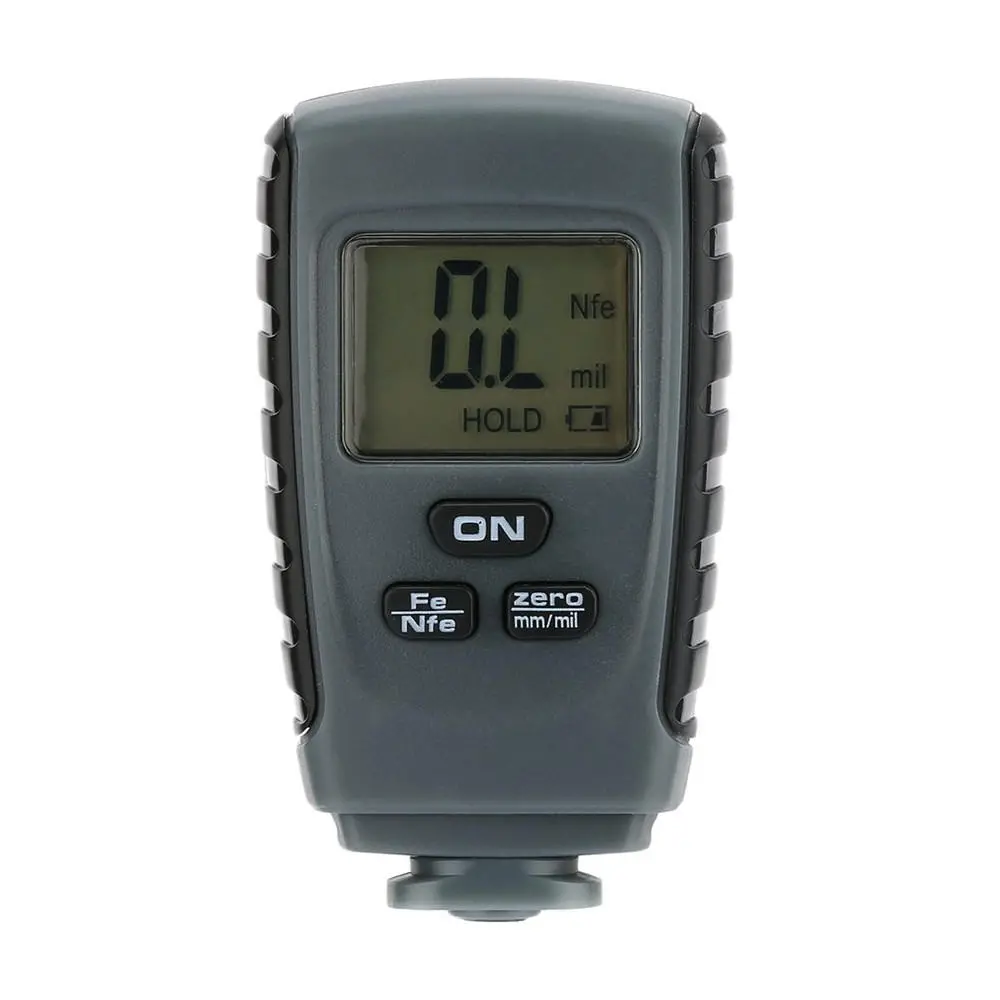
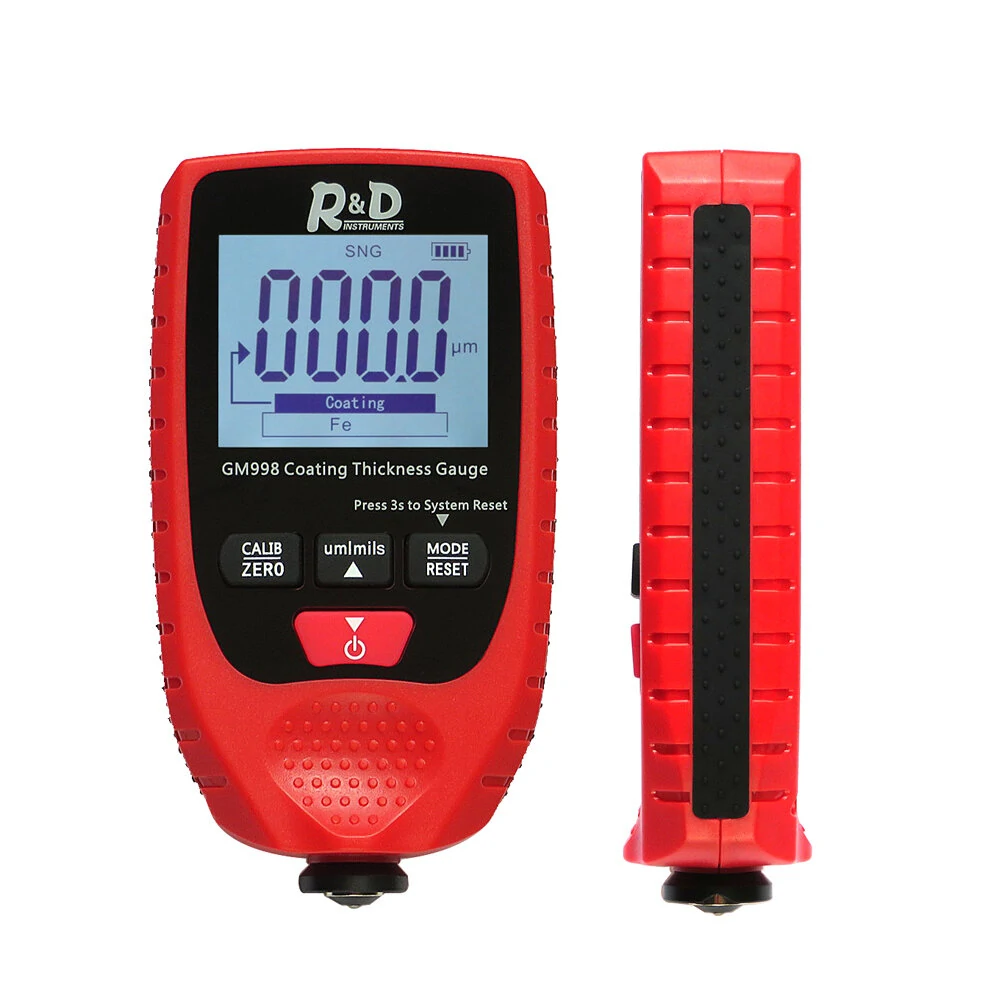
Thickness gauges are essential precision instruments used across countless industries to measure the thickness of materials and coatings quickly, accurately, and often without causing damage. From ensuring the structural integrity of pipelines and aircraft components to verifying paint thickness on a car or the quality of a manufactured part, these tools are vital for quality control, safety, and compliance. The primary benefit of using a dedicated thickness gauge is its ability to provide reliable, repeatable data that goes far beyond simple calipers, allowing for non-destructive testing (NDT) of a single layer or a complex multi-layered structure.
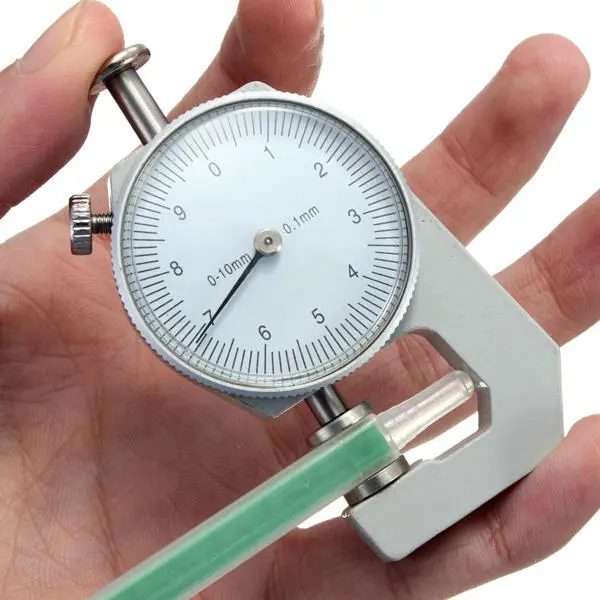
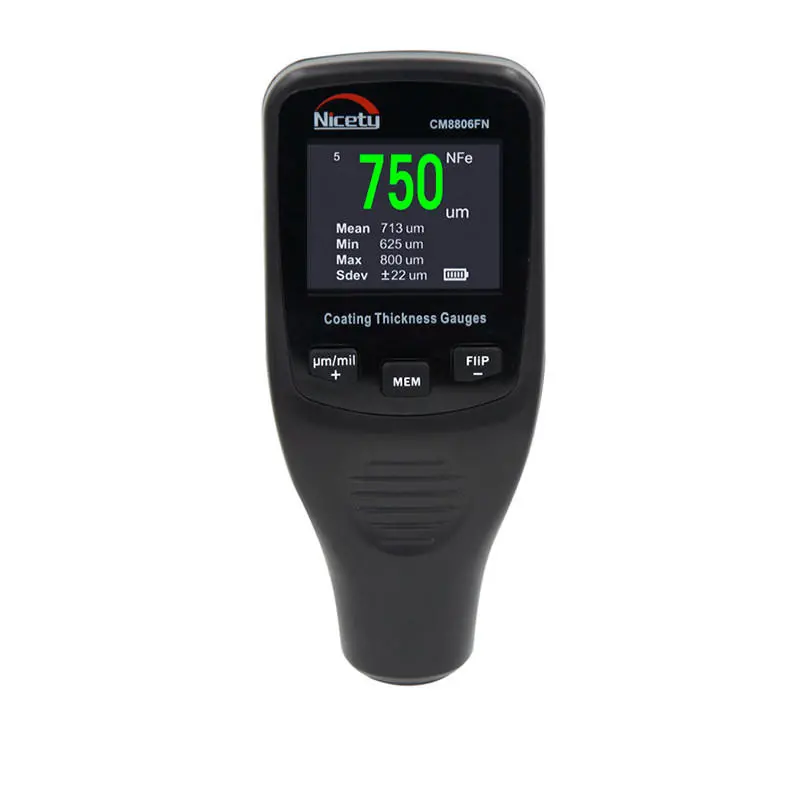
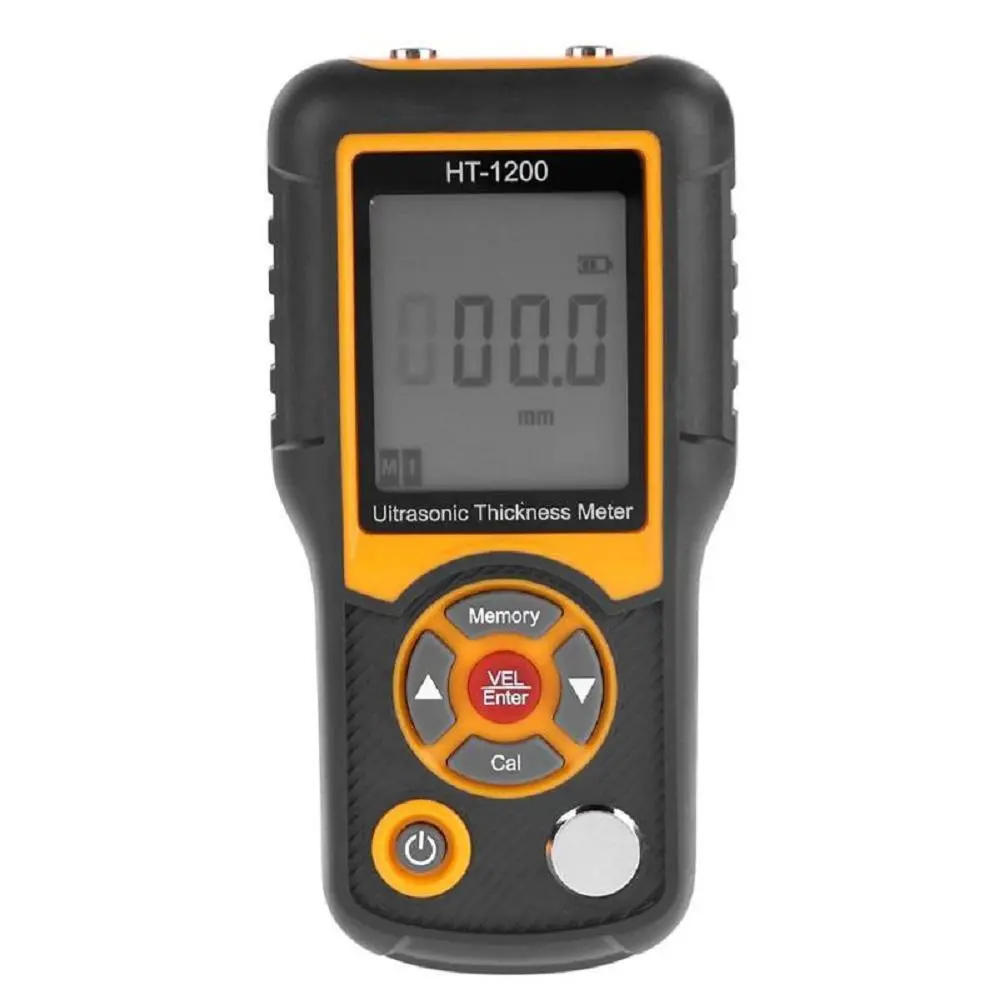
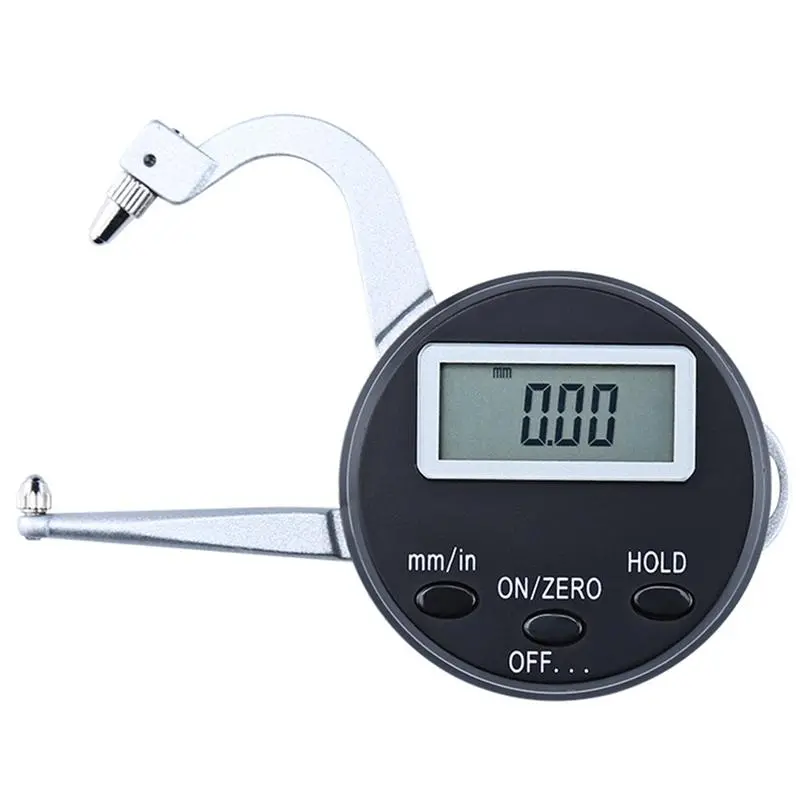
Key products in this category include several specialized types. Ultrasonic thickness gauges are incredibly versatile, using sound waves to measure the thickness of metals, plastics, glass, and composites from one side, ideal for pipes and tanks. Coating thickness gauges, which include magnetic induction (for non-magnetic coatings on steel) and eddy current (for non-conductive coatings on non-ferrous metals) models, are indispensable in automotive, aerospace, and manufacturing for checking paint, powder coating, plating, and anodizing. For simpler applications, digital and analog pocket gauges offer portability and ease of use for measuring sheet metal, plastic, and other materials.
Investing in the right thickness gauge delivers significant benefits: preventing material failure, reducing waste by ensuring coatings are applied to specification, saving costs on repairs, and guaranteeing product quality. Whether you're a professional inspector, a plant manager, or a dedicated DIYer working on restoration projects, having accurate thickness data is a cornerstone of successful work.
Choosing the right thickness gauge depends on your specific application and material. Start by identifying what you need to measure: is it a coating on a substrate, or the base material itself? For coatings, determine if the substrate is ferrous (magnetic) or non-ferrous to select between magnetic induction or eddy current probes. For base materials, an ultrasonic gauge is typically required. Consider the material's shape and accessibility; some probes are designed for small or curved surfaces. Also, evaluate the required accuracy, measurement range, and whether data logging or connectivity to a computer is needed for reporting.
FAQ: **Q: Can one gauge measure both coating and material thickness?** A: Some advanced ultrasonic models can measure both base material and certain coating thicknesses, but dedicated coating gauges are more precise for thin films. **Q: How do I ensure accuracy?** A: Always calibrate the gauge using certified calibration standards (shims) for the specific material you're testing. **Q: Are these tools easy to use?** A: Modern digital gauges are designed for user-friendly operation, with intuitive menus and clear displays, though proper probe placement and surface preparation are key. For critical inspections, operator training is recommended. By understanding your needs and these key factors, you can select a thickness gauge that provides confidence and precision for years to come.