Cutting tools are the fundamental instruments that shape, size, and finish materials across countless industries, from professional metal fabrication and woodworking to DIY home projects. This broad category encompasses any tool designed to remove material through shear deformation, and selecting the right one is critical for achieving precision, efficiency, and a superior finish. At its core, the right cutting tool transforms raw stock into functional parts and beautiful creations.
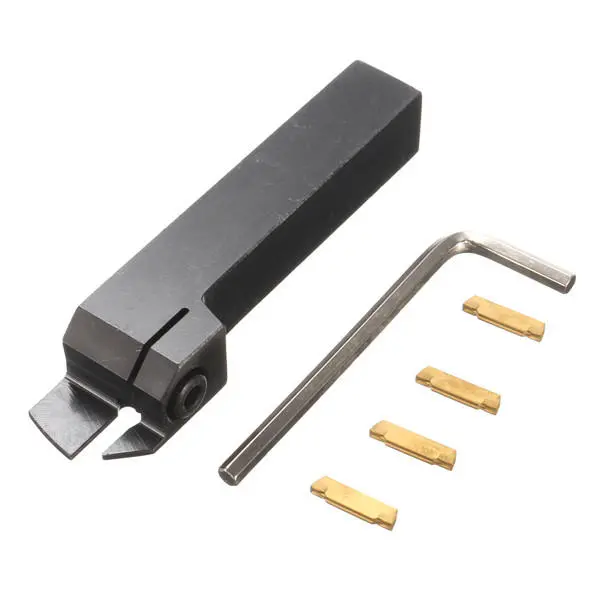
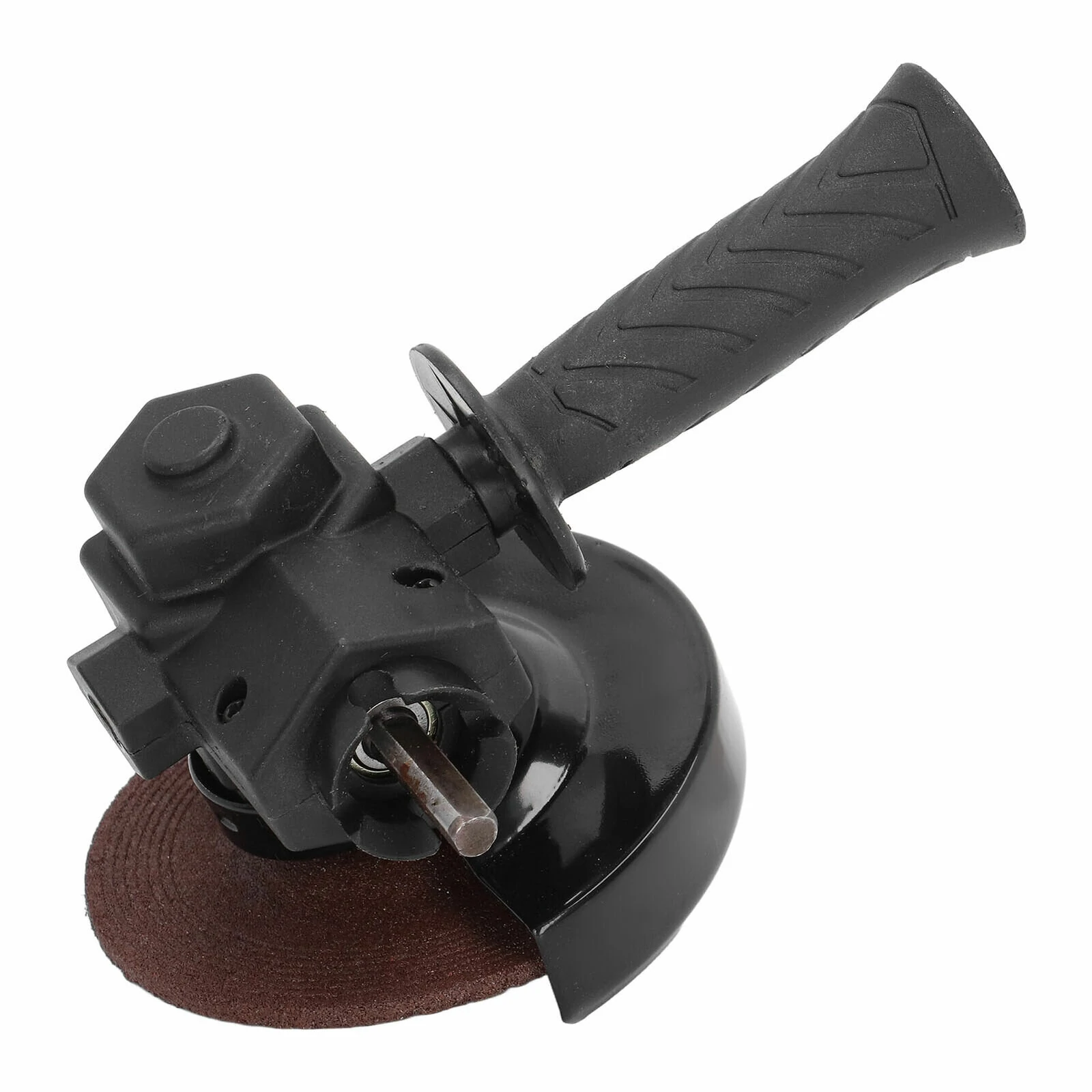
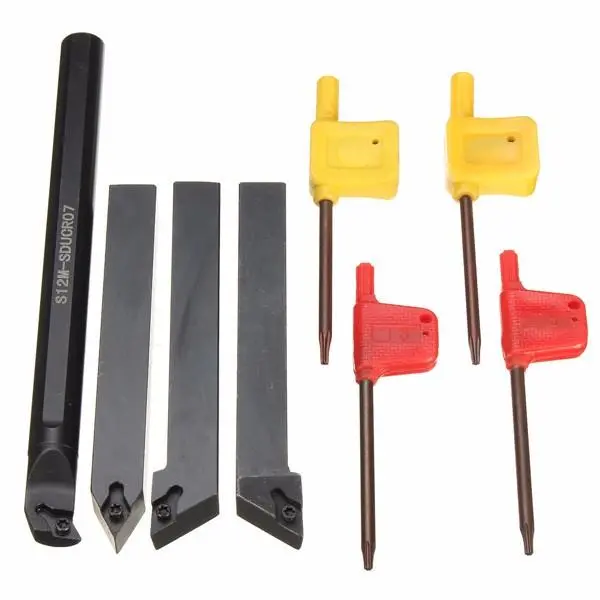
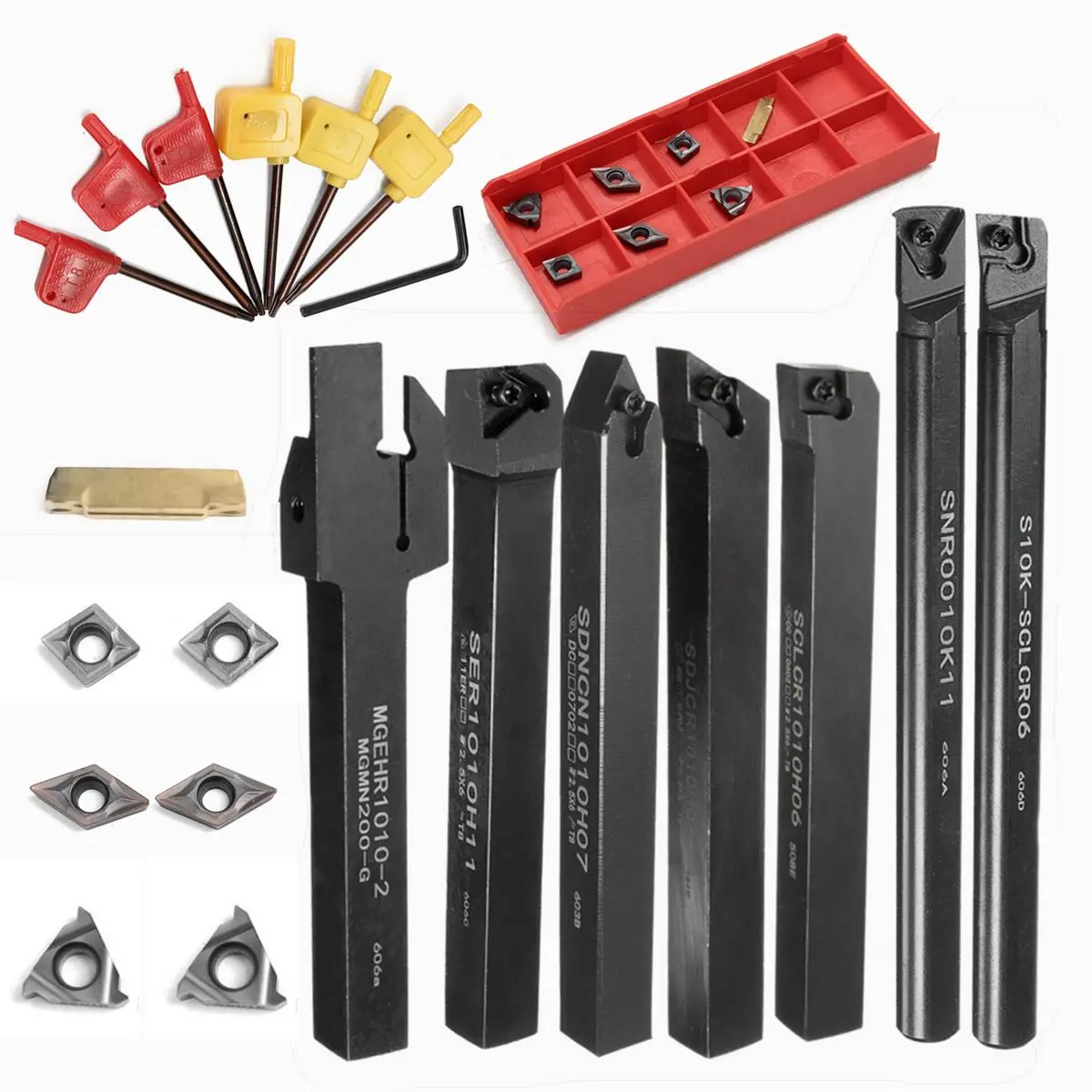
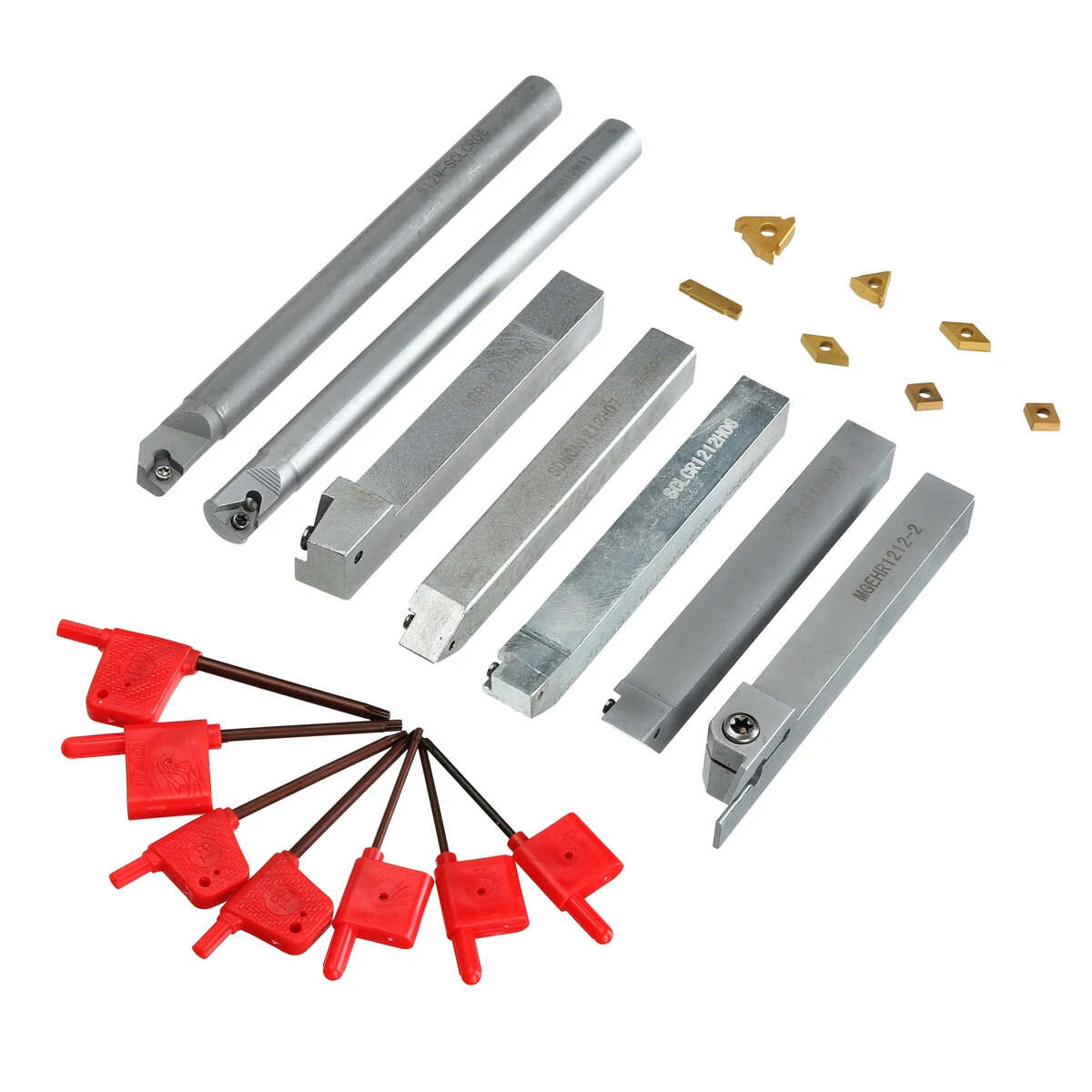
Key products within this essential category include milling cutters like end mills and face mills, which are vital for CNC and manual machining centers to create complex profiles and flat surfaces. Turning tools and carbide inserts form the backbone of lathe operations, enabling precise shaping of rotating workpieces. For separation and sizing, saw blades (band saw, circular, and reciprocating) and hole saws deliver clean, accurate cuts in metal, wood, and plastics. Drills and taps create and thread holes, while specialized tools like reamers and broaches refine those holes to exacting tolerances.
The benefits of using high-quality, application-specific cutting tools are immense. They directly impact productivity by enabling faster cutting speeds and feeds, reducing machine time and labor costs. Precision-ground geometries and advanced materials like carbide, cobalt, and ceramic composites ensure exceptional accuracy, superior surface finishes, and extended tool life—even when machining tough materials like stainless steel or hardened alloys. This durability translates to lower long-term costs and less frequent tool changes, maximizing uptime. Ultimately, investing in the correct cutting tool is an investment in the quality, consistency, and profitability of your manufacturing or crafting process.
Choosing the right cutting tool requires careful consideration of your specific application. Start by identifying the primary material you will be cutting (e.g., aluminum, steel, hardwood, plastic) as this dictates the tool material and geometry. For metals, carbide tools generally offer the best wear resistance, while high-speed steel (HSS) is a cost-effective option for softer materials. Next, match the tool to your operation: use end mills for milling, inserts for turning, and appropriately toothed saw blades for your specific material type.
Always consider the tool's coating, such as TiN (Titanium Nitride) or AlTiN (Aluminum Titanium Nitride), which can dramatically increase hardness and heat resistance, boosting performance in demanding applications. For CNC machining, ensure the toolholder compatibility (like CAT, BT, or HSK) and the precise cutting diameter and length are correct for your program. Don't overlook cutting parameters—using the manufacturer's recommended speeds, feeds, and depths of cut is essential for safety and optimal tool life. Finally, prioritize reputable brands known for quality control and consistency, as a reliable tool ensures repeatable results and protects your valuable workpieces and machinery from damage. By following this guide, you can select cutting tools that deliver precision, durability, and value for every project.