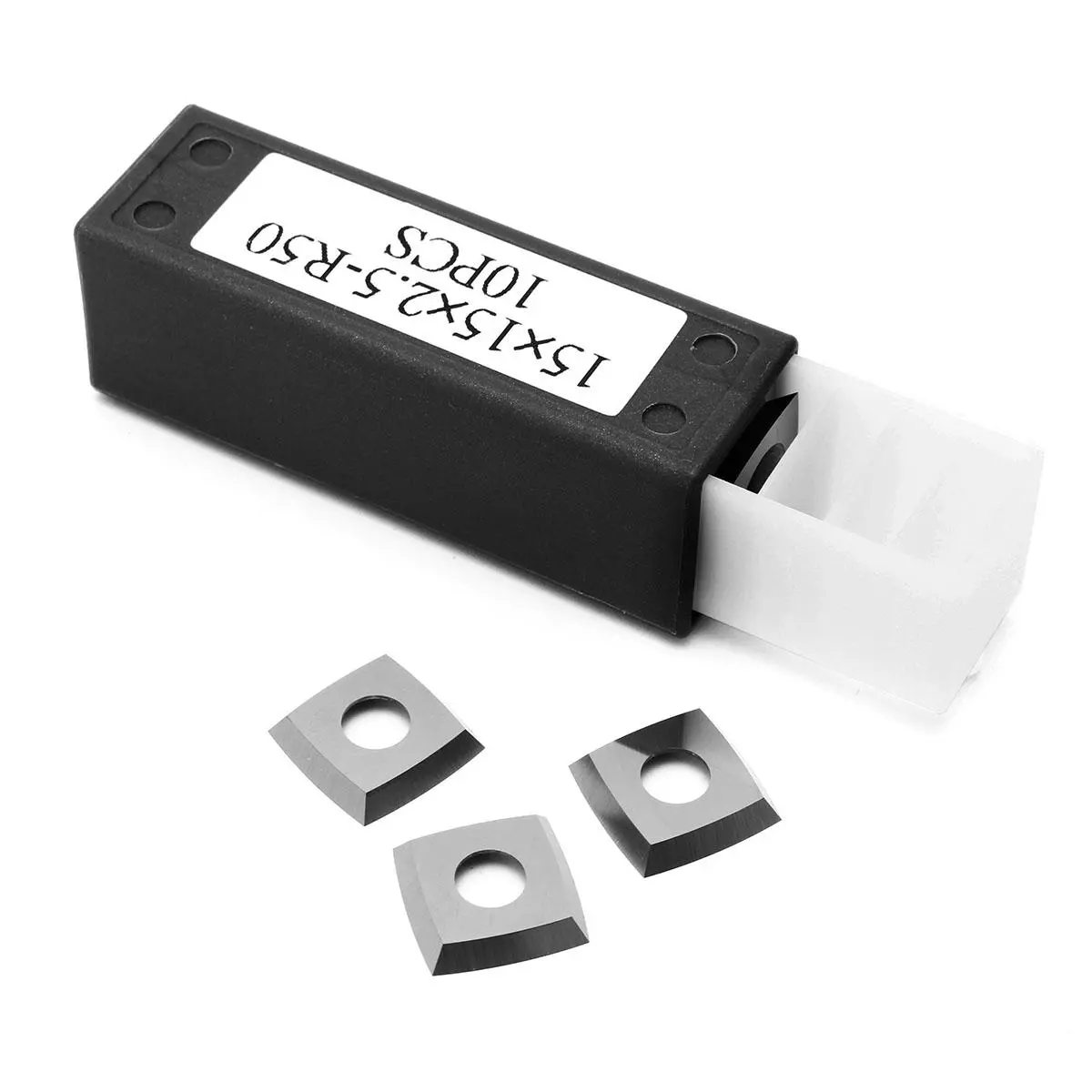
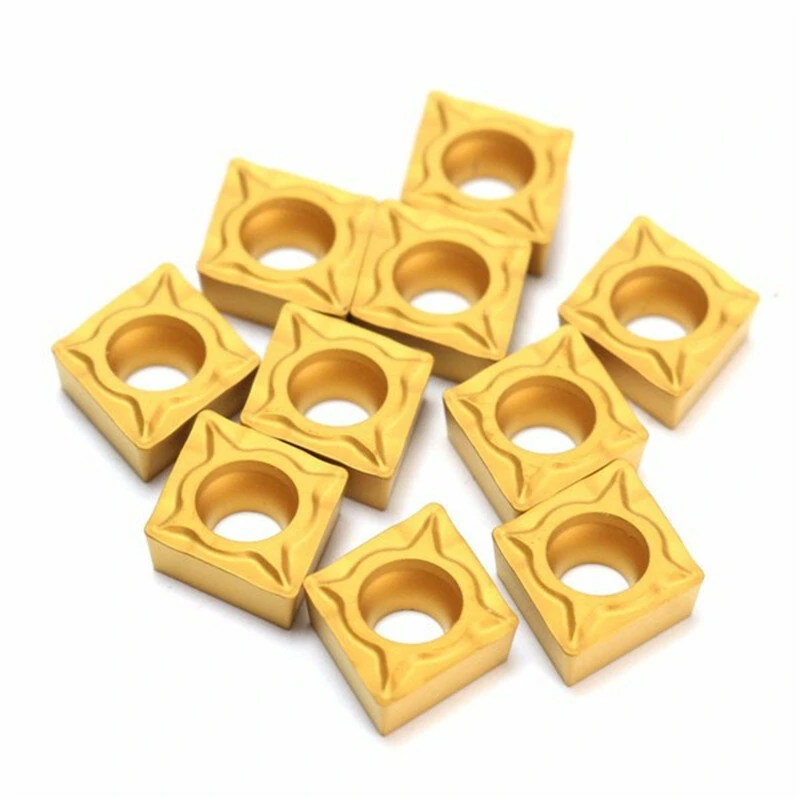
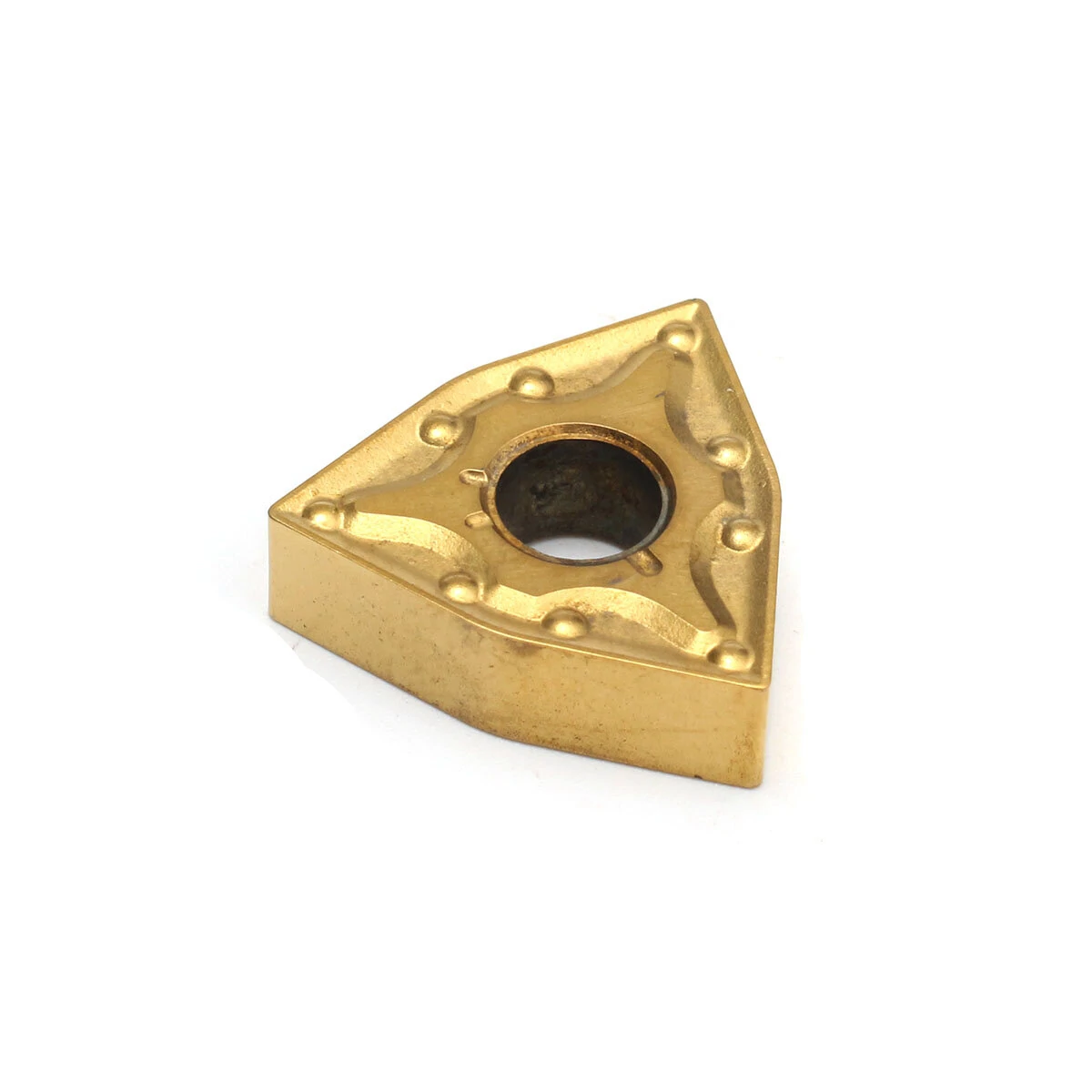
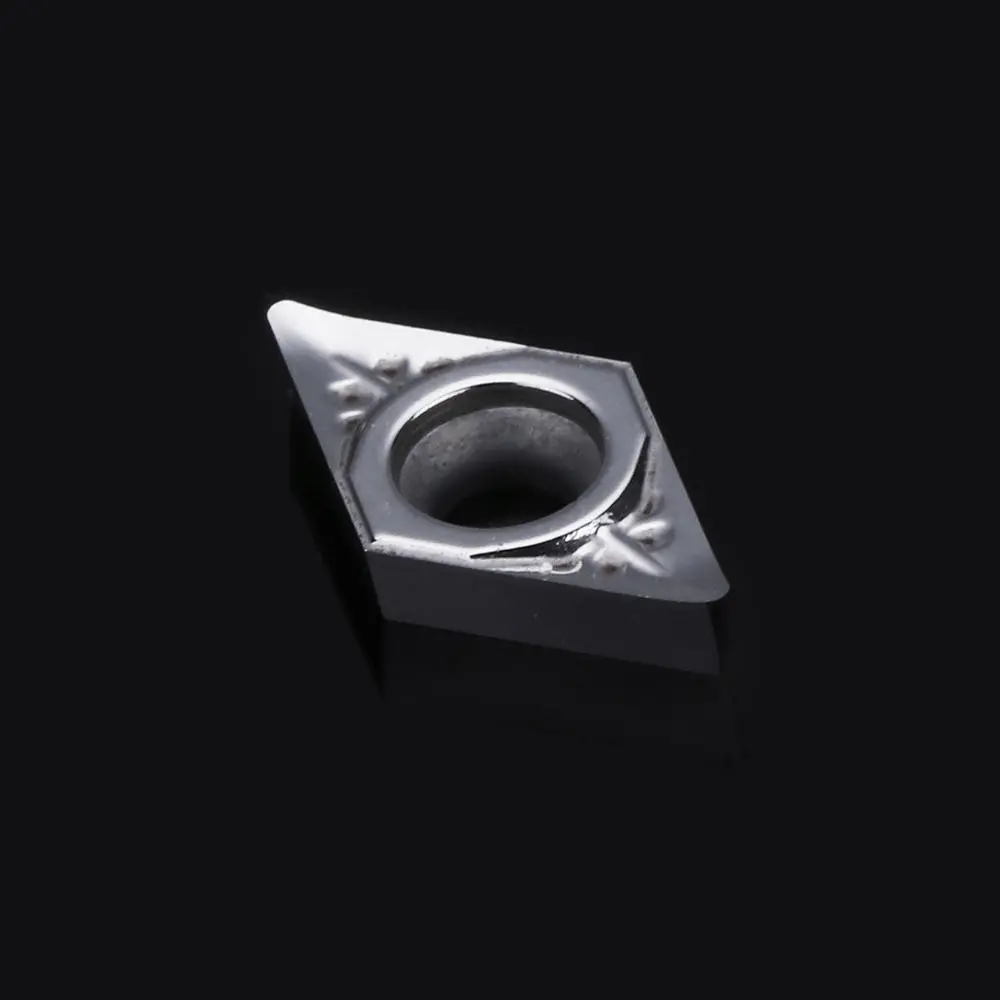
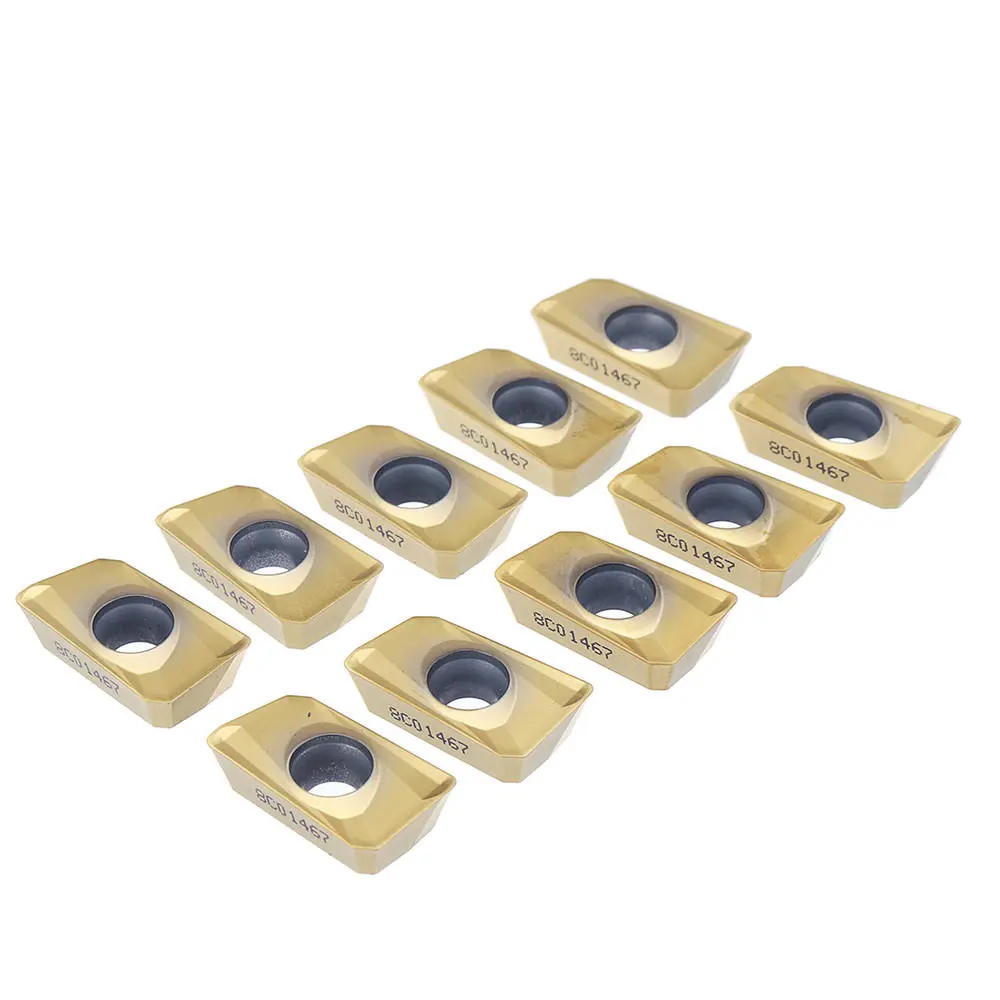
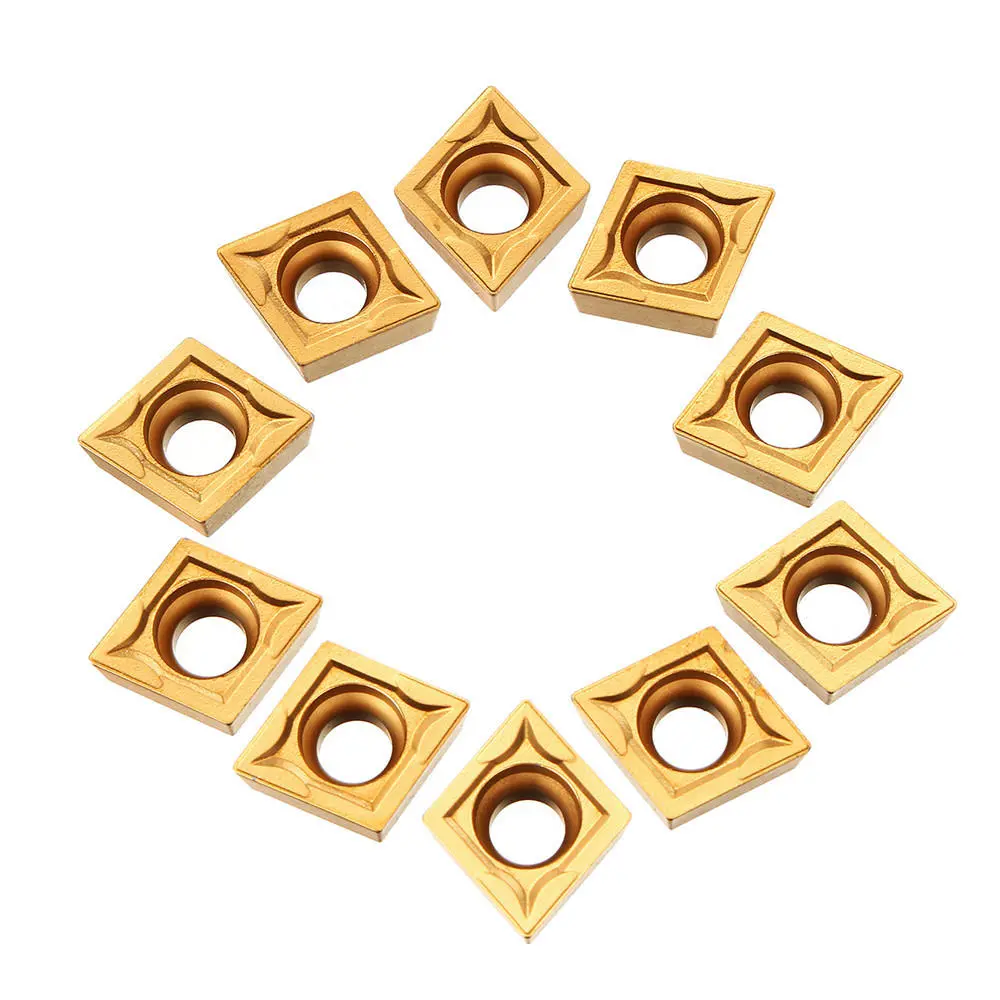
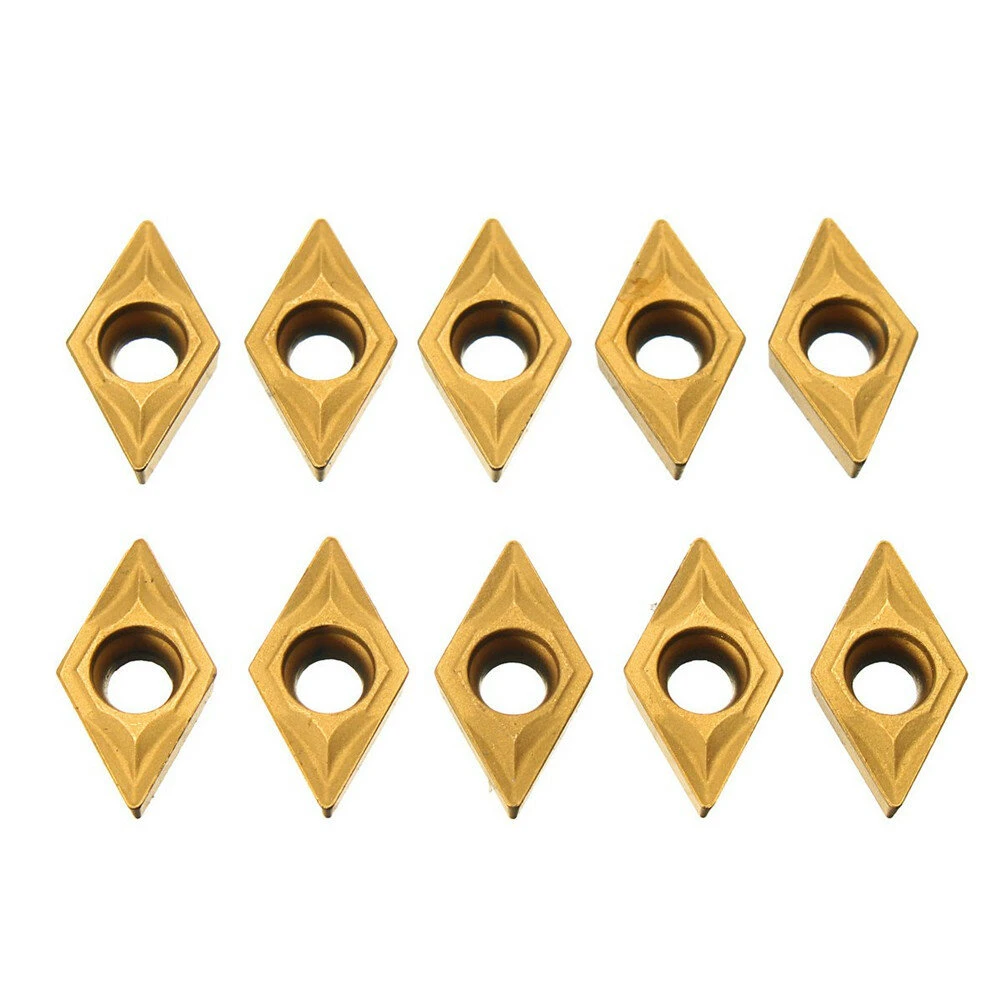
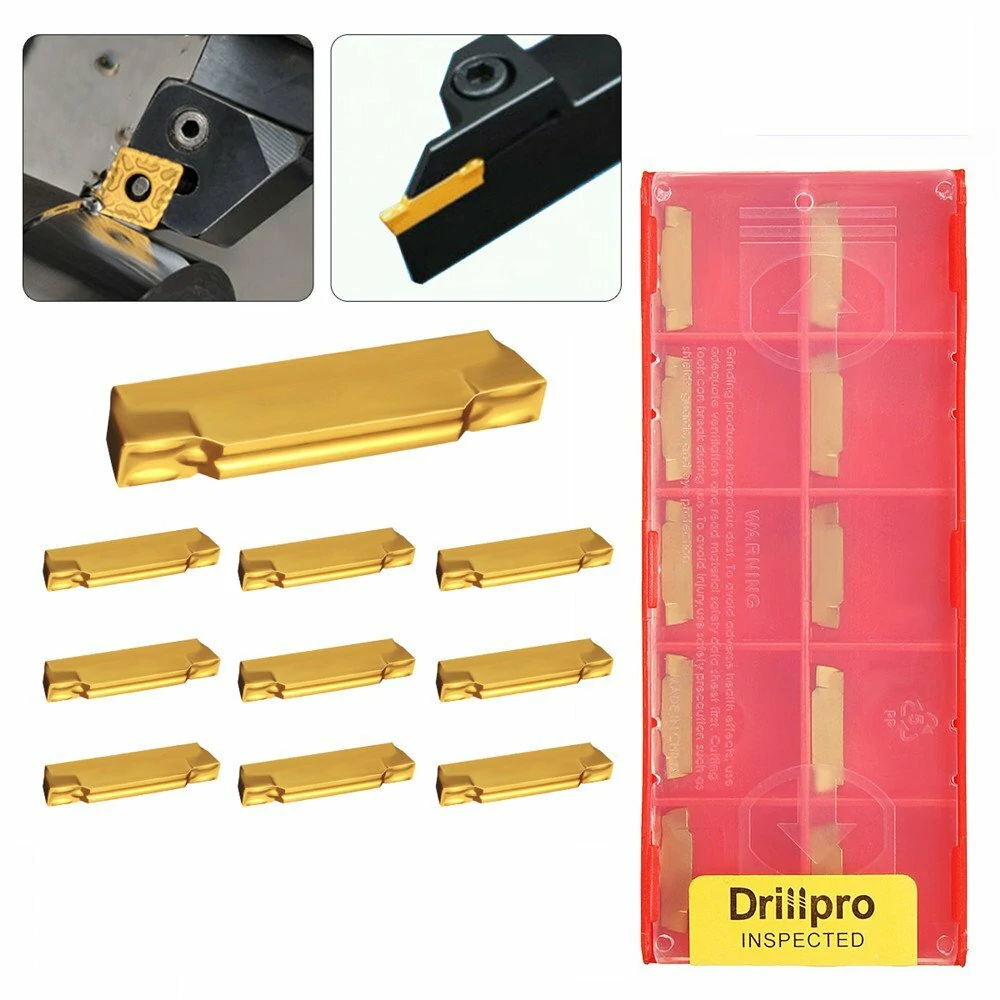
Carbide inserts are the cornerstone of modern machining, offering unparalleled efficiency and precision for industrial metalworking. These small, indexable cutting tools, typically made from tungsten carbide with a cobalt binder, are designed to be mounted on tool holders for lathes, CNC machines, and milling centers. Their primary advantage lies in their exceptional hardness and heat resistance, which far surpasses traditional high-speed steel (HSS). This allows for significantly higher cutting speeds, increased feed rates, and the ability to machine tough materials like stainless steel, cast iron, and superalloys with ease.
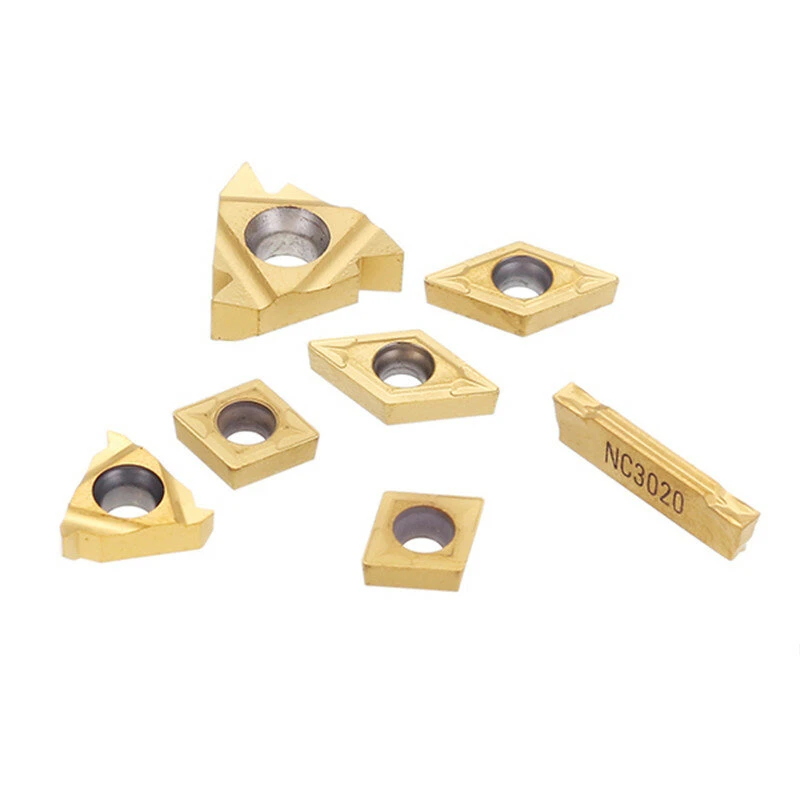
Key products within this category include turning inserts for external and internal diameter work, milling inserts for face and shoulder milling, threading inserts for creating precise threads, and grooving or parting inserts. Each insert geometry—such as positive or negative rake angles—and a vast array of specialized coatings (like TiN, TiAlN, and AlTiN) are engineered for specific applications. These coatings dramatically enhance performance by reducing friction, resisting crater wear, and dissipating heat, leading to longer tool life and improved surface finish on the workpiece.
The benefits of using premium carbide inserts are substantial. They maximize productivity by reducing machine downtime for tool changes, lower per-part machining costs through extended insert life, and ensure consistent, high-quality results batch after batch. By selecting the correct carbide grade, chipbreaker geometry, and coating for your material and operation, you unlock the full potential of your machining equipment, achieving faster cycle times and superior part accuracy.
Choosing the right carbide insert is critical for optimal results. Start by identifying the material you are machining (e.g., steel, aluminum, cast iron). Next, match the insert's ISO carbide grade and coating to that material's properties. The insert shape (like square, triangle, or round) and the cutting edge geometry determine the strength and type of cut. Consider the operation: roughing requires a robust, chip-breaking design, while finishing needs a sharper edge for a fine surface finish.
FAQ: How many cutting edges does an insert have? Most standard inserts are indexable, offering multiple cutting edges (e.g., 4, 6, or 8), which can be rotated when one edge wears, providing excellent value. What is the difference between positive and negative rake inserts? Positive rake inserts cut with less force and are ideal for finishing and lighter machines. Negative rake inserts are stronger and better for heavy-duty roughing on rigid equipment. How do I ensure proper installation? Always secure the insert firmly in a clean, undamaged tool holder pocket using the specified torque for the clamping screw to prevent movement and ensure safety and precision. For specialized applications, consulting with a technical expert or your tooling supplier is highly recommended.