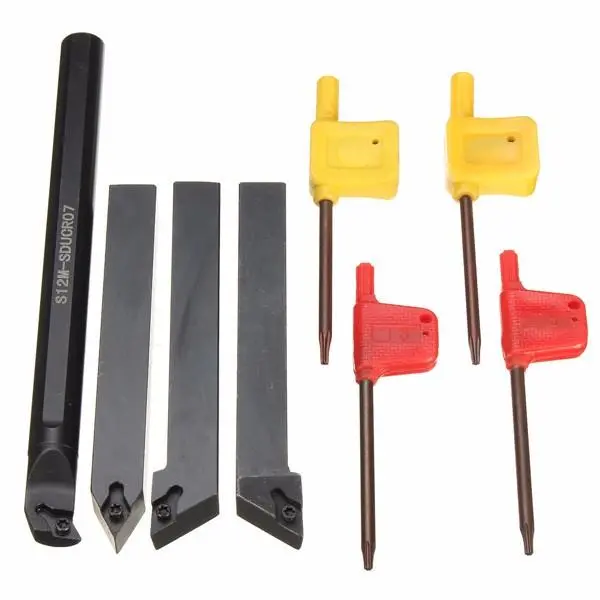
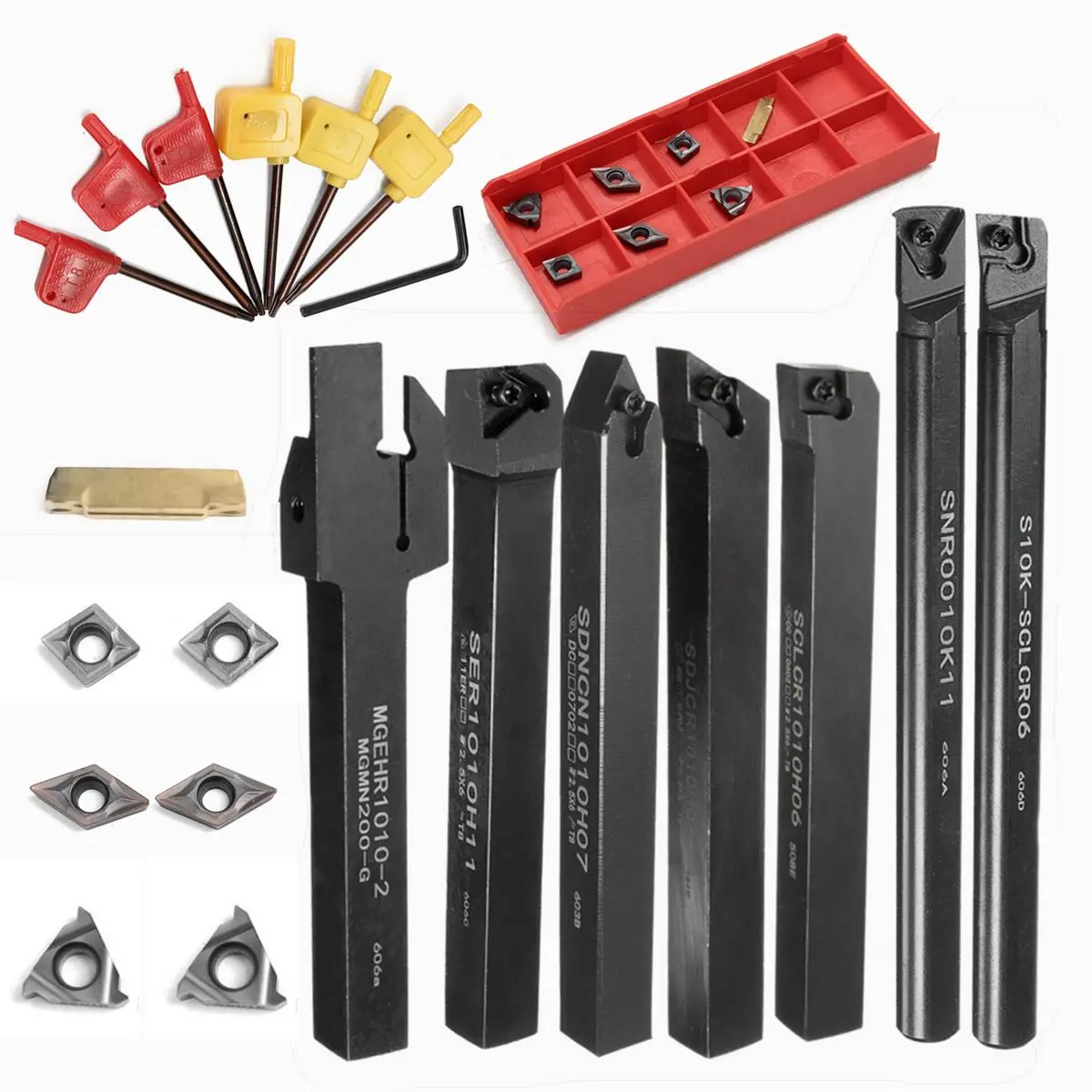
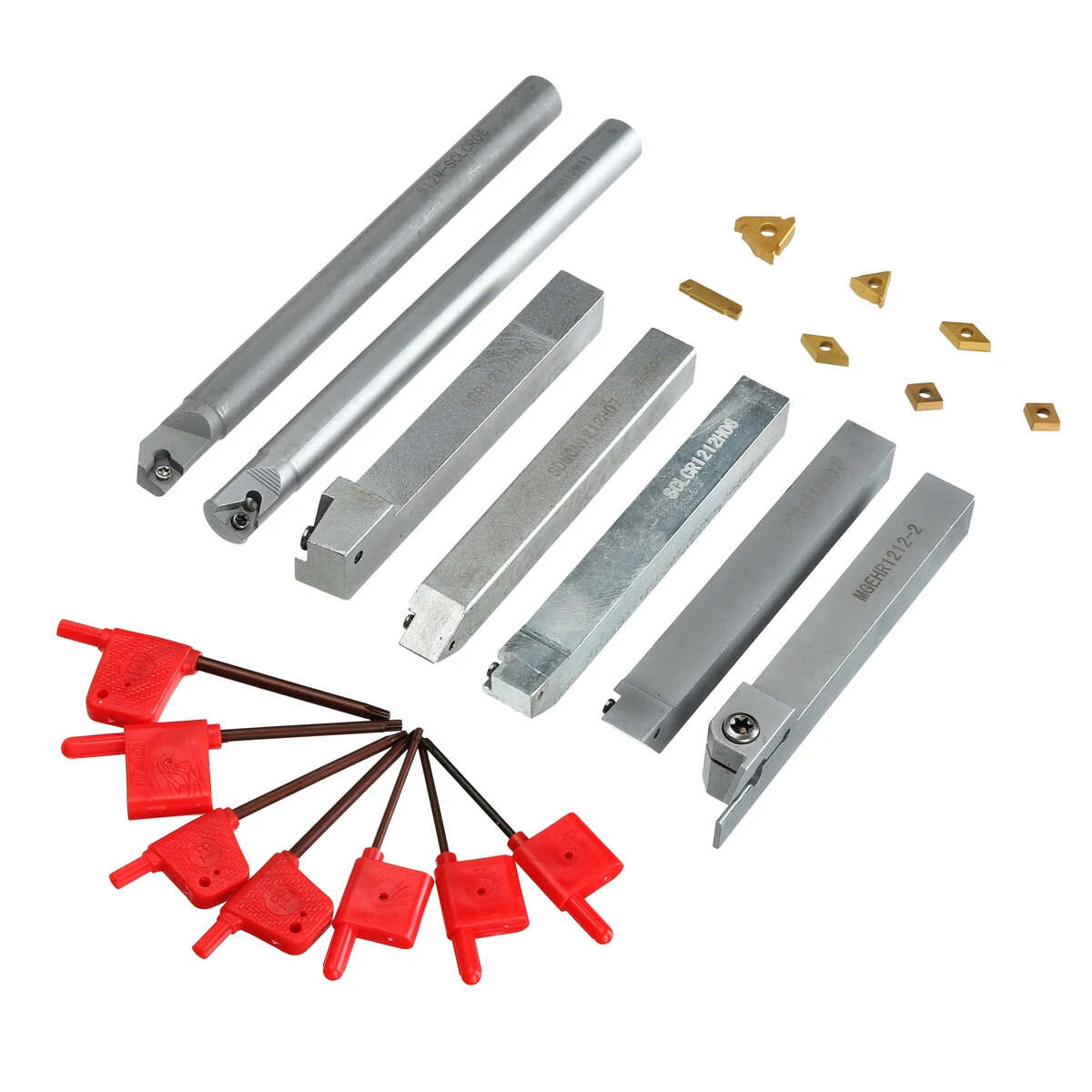
Turning tools are the fundamental cutting instruments used on lathes to shape rotating workpieces, primarily metal, but also wood and plastics. This essential category encompasses everything from the tool holder that mounts in the machine to the cutting insert that performs the actual material removal. The right turning tool setup is critical for achieving precision, efficiency, and cost-effectiveness in any machining operation.
Key products within this category include a wide array of tool holders, such as right-hand, left-hand, and grooving holders, designed for specific cutting directions and operations. The heart of modern turning, however, is the indexable carbide insert. These small, geometrically complex tips come in various shapes (diamond, square, round, triangle), grades, and coatings. Each is engineered for specific materials—from aluminum and stainless steel to hardened steels and exotic alloys—optimizing for wear resistance, heat management, and chip control.
The primary benefits of using advanced turning tools are substantial. They dramatically increase productivity by allowing for higher cutting speeds and feeds. Superior carbide grades and coatings, like TiAlN or AlTiN, extend tool life, reducing downtime for changes and lowering cost per part. Furthermore, precise insert geometries ensure excellent surface finishes, reduce vibration, and efficiently break chips for safer and cleaner operations. Whether you are performing roughing, finishing, threading, or parting-off, selecting the correct turning tool combination is the first step toward machining success.
Choosing the right turning tools requires considering your specific application. First, identify the primary material you are machining, as this dictates the recommended insert grade and coating. Next, determine the operation: general turning, finishing, threading, or grooving, which will guide the choice of insert shape and tool holder style. Always match the insert's ISO designation (like CNMG or VCMT) with the correct pocket in your tool holder.
**FAQ:**
**Q: What is the advantage of indexable inserts over brazed tools?**
A: Indexable inserts offer unmatched versatility and economy. When one cutting edge is worn, you can simply rotate the insert to a fresh edge or replace it quickly, without removing the entire tool holder from the machine. This saves time and money.
**Q: How do I choose between different insert coatings?**
A: Coatings enhance performance. For general-purpose steel machining, TiN or TiCN coatings are common. For higher speeds or tougher materials like stainless steel, AlTiN or TiAlN coatings provide superior heat resistance. For non-ferrous metals like aluminum, uncoated or polished inserts are often best to prevent material buildup.
**Q: What does the 'hand' of a tool holder mean?**
A: The hand indicates the direction of feed. A right-hand tool cuts when moving from right to left (tailstock to headstock), while a left-hand tool cuts from left to right. Selecting the correct hand is crucial for proper chip flow and tool clearance.
Investing in a systematic turning tool setup tailored to your most common jobs will yield consistent results, improved part quality, and greater shop floor efficiency.