Drilling tools are the fundamental components of any construction, renovation, or DIY project, transforming power into precision. This category encompasses far more than just a basic drill bit; it's a comprehensive system designed to create clean, accurate holes in a vast array of materials. From delicate woodworking to demanding masonry work, the right drilling tool is the difference between a professional finish and a frustrating failure.
Key products within this essential category include twist drill bits for general-purpose use in wood and metal, masonry bits with carbide tips for concrete and brick, and specialized hole saws for creating large-diameter openings. For fastening, screwdriver bits in Phillips, flathead, Torx, and hex configurations are indispensable. More advanced solutions include core drills for large, clean holes in concrete and rotary hammer bits for the toughest demolition and drilling tasks.
The primary benefits of investing in quality drilling tools are accuracy, efficiency, and longevity. High-speed steel (HSS), cobalt, and carbide-tipped bits maintain their sharpness longer, reducing work time and material splintering. Proper tool selection ensures the hole is the correct size and depth for anchors, pipes, or wiring, providing a secure and professional installation. Using a tool designed for the specific material—like a tile bit for porcelain or a step bit for thin metal—prevents damage to both the workpiece and the tool itself, saving time and money on replacements. Ultimately, a well-equipped toolkit with the right drilling accessories empowers you to tackle any project with confidence and precision.
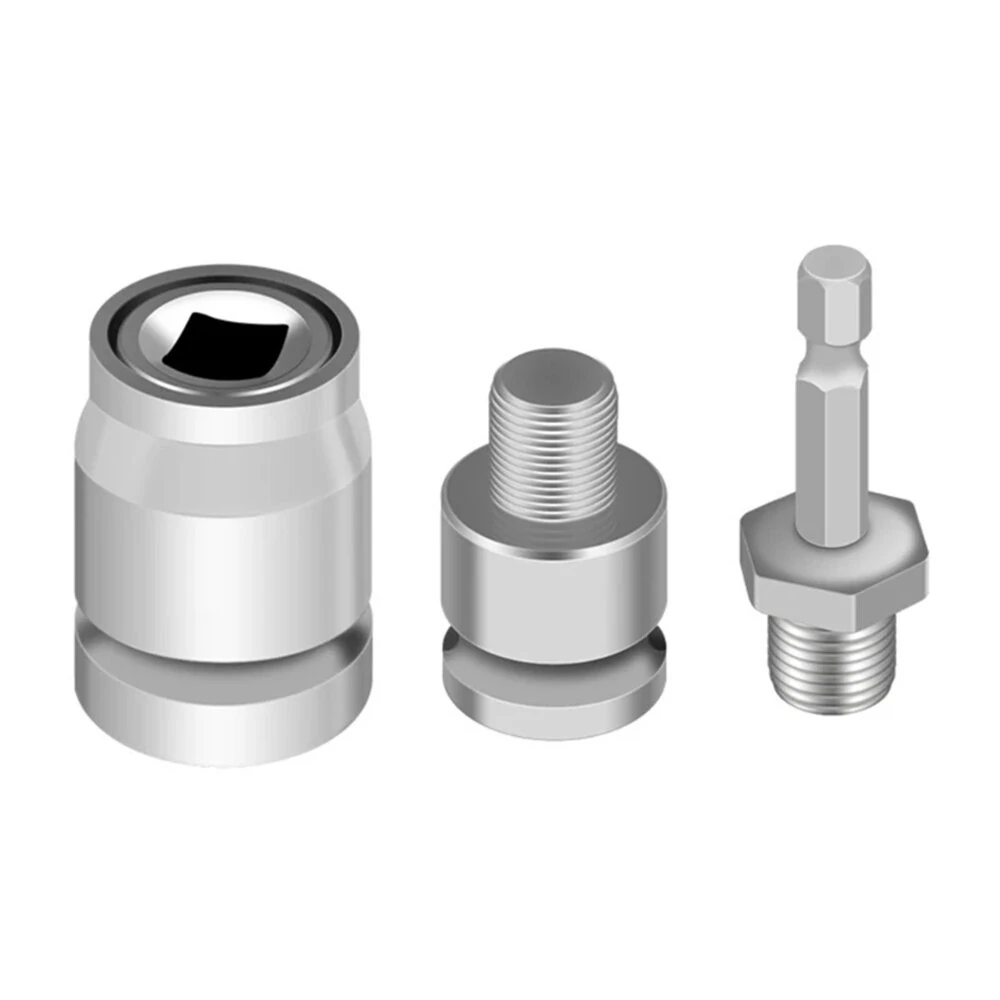
Choosing the correct drilling tool requires considering three main factors: the material, the required hole size, and your power tool. First, always match the bit to the material—wood, metal, masonry, glass, or tile—to ensure effective cutting and avoid bit damage. Second, select the appropriate shank type (e.g., round, hex, SDS) that securely fits your drill's chuck. For hammer drills, only use bits rated for rotary hammer action.
FAQ: How often should I replace my drill bits? Replace bits when they become dull, overheat frequently, or produce rough, inaccurate holes. A sharp bit requires less pressure and creates cleaner results. Can I use a wood bit on metal? It's not recommended. Wood bits have a different geometry and cutting edge that will dull quickly on metal and may cause unsafe binding. What's the difference between a drill bit and a driver bit? Drill bits are for making holes. Driver bits (like Phillips) are for installing or removing screws. Using the right tool for each task is crucial for safety and project success. Always wear appropriate safety glasses and secure your workpiece before beginning any drilling operation.