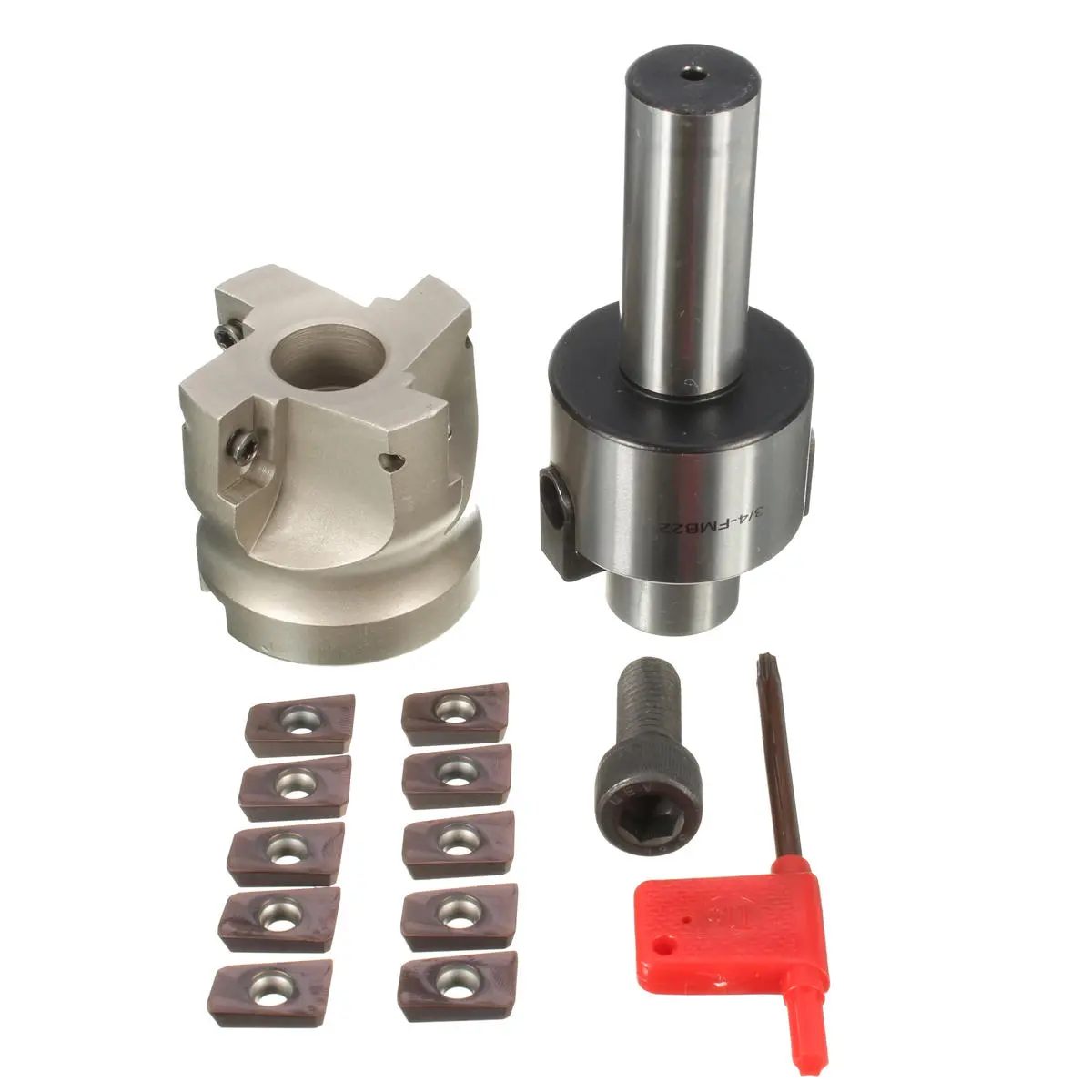
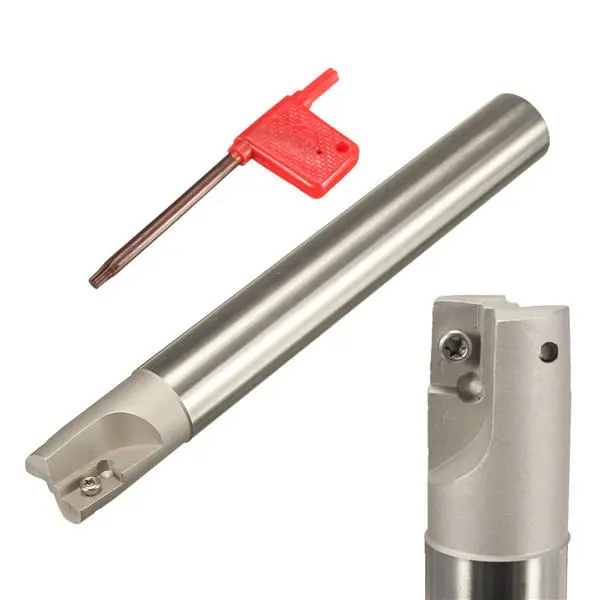
Milling tools are the workhorse of modern machining, transforming raw material into precise, complex components. This category encompasses the rotating cutting tools used in milling machines and CNC machining centers to remove material via cutting edges on their periphery or face. The right milling tool is critical for achieving dimensional accuracy, excellent surface finishes, and efficient production rates across industries from aerospace and automotive to mold making and general fabrication. Key products within this essential category include End Mills, the versatile tools for profiling, slotting, and plunging; Face Mills, designed for rapid material removal and creating large, flat surfaces; and Indexable Milling Cutters, which utilize replaceable, multi-sided carbide inserts for cost-effective machining of tough materials. Benefits of selecting premium milling tools are substantial. They directly impact productivity through higher feed rates and deeper cuts, reduce machine downtime with superior wear resistance and durability, and ensure part quality with consistent performance. Modern advancements in coatings, such as TiAlN and AlTiN, along with specialized geometries for aluminum, stainless steel, or hardened steels, allow machinists to tackle any material challenge. Whether you are engaged in high-speed finishing, heavy-duty roughing, or anything in between, understanding and selecting the appropriate milling tool geometry, substrate, and coating is the foundation of successful and profitable machining operations.
Choosing the right milling tool requires considering your specific application. Start by identifying the workpiece material (e.g., aluminum, steel, titanium) and the operation (roughing, finishing, slotting). For general purpose work, a set of coated carbide end mills offers a great balance. For high-volume production, indexable tooling minimizes cost per part. Key FAQ: **Q: What is the difference between a roughing and a finishing end mill?** A: Roughing end mills have serrated teeth that break chips into small segments, allowing for aggressive cuts. Finishing end mills have more flutes and smoother edges for achieving fine surface finishes. **Q: How many flutes should I choose?** 2-3 flutes are ideal for aluminum and non-ferrous metals for better chip evacuation. 4 or more flutes are used for steels and irons, providing a smoother finish. **Q: What are the signs of a worn tool?** Look for poor surface finish, burrs, unusual noises, or increased cutting forces. Regular inspection and timely replacement prevent part scrap and machine damage. Always consult manufacturer speed and feed charts and ensure proper tool holding rigidity for optimal results and tool life.