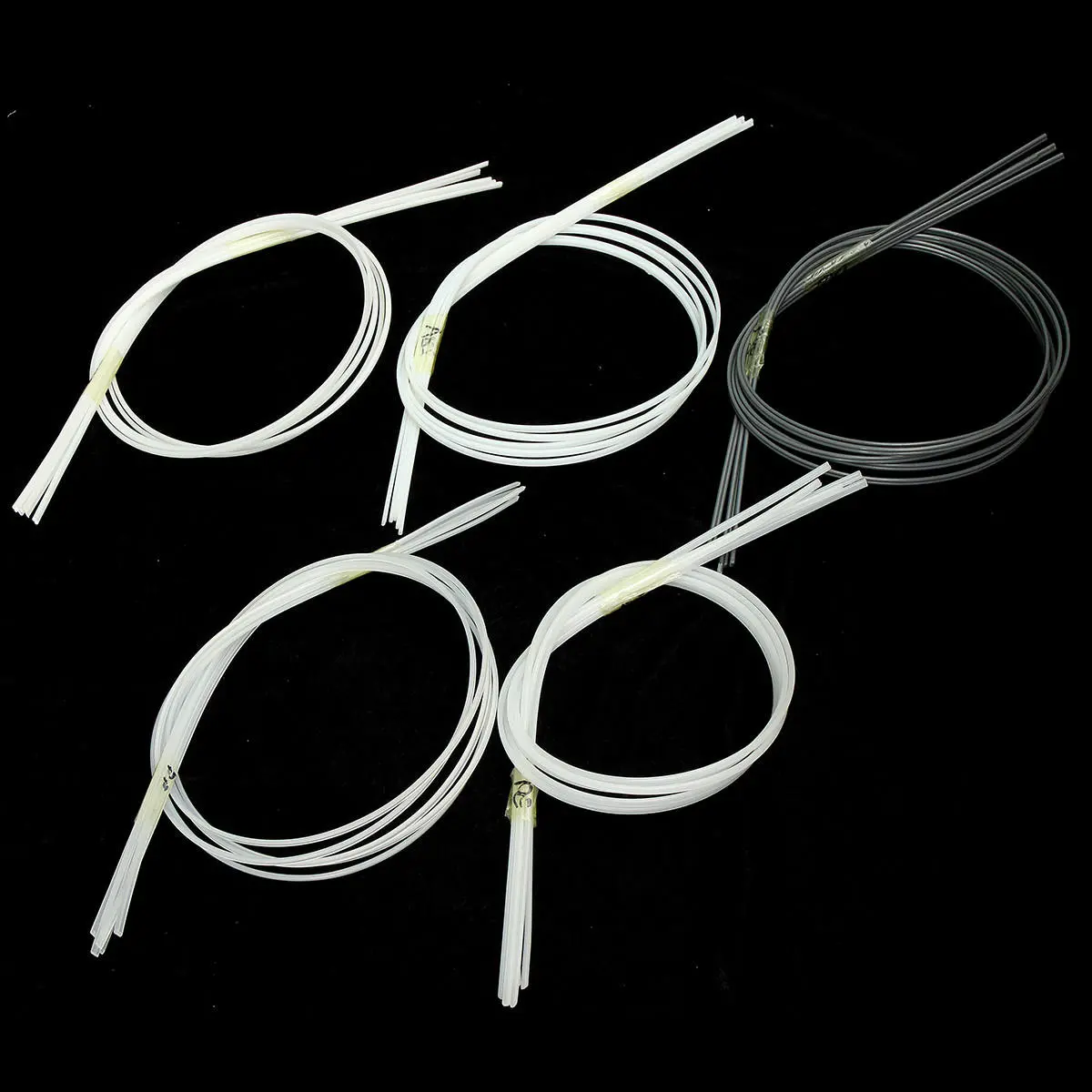
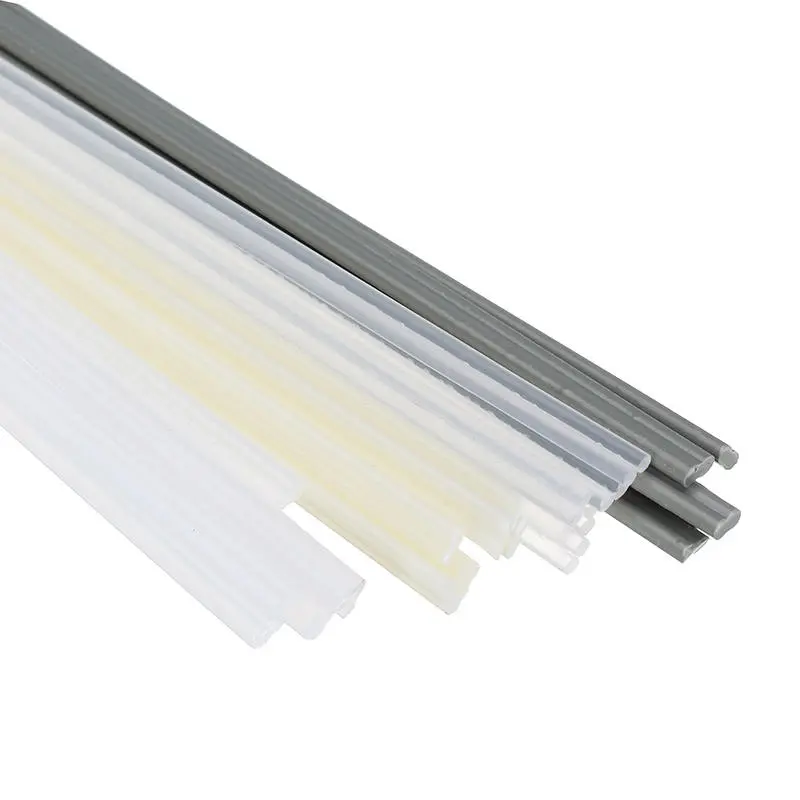
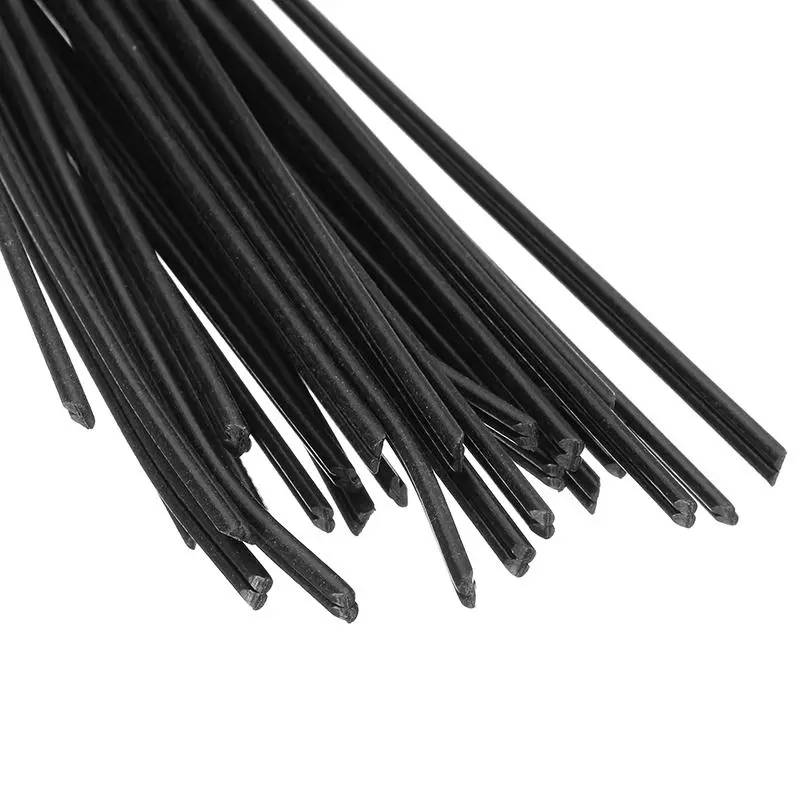
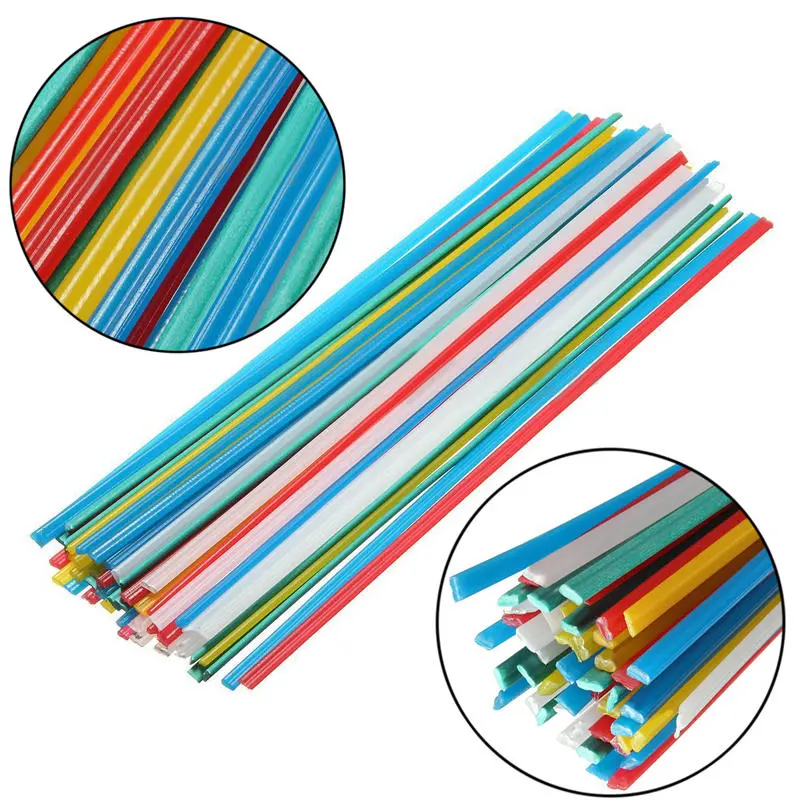
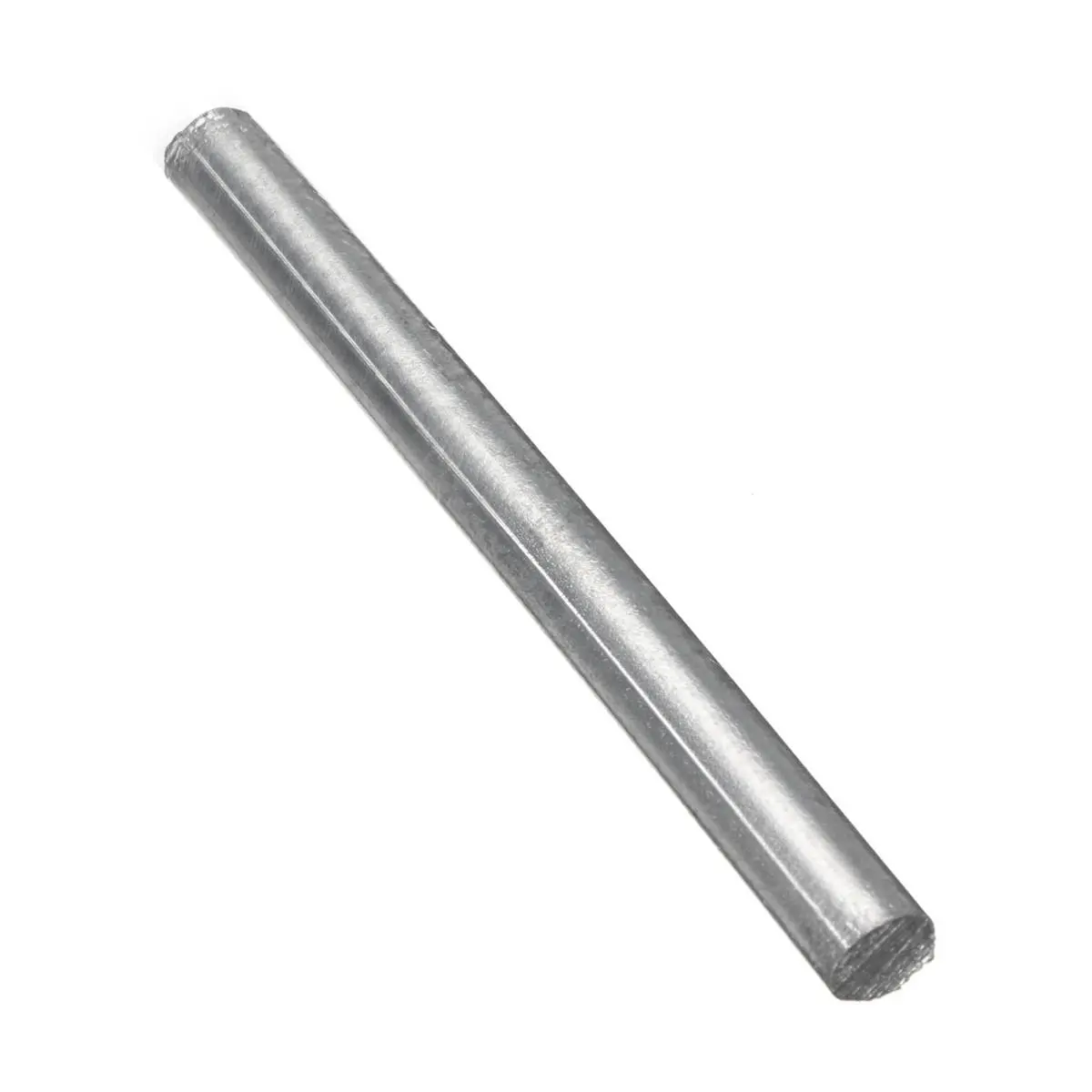
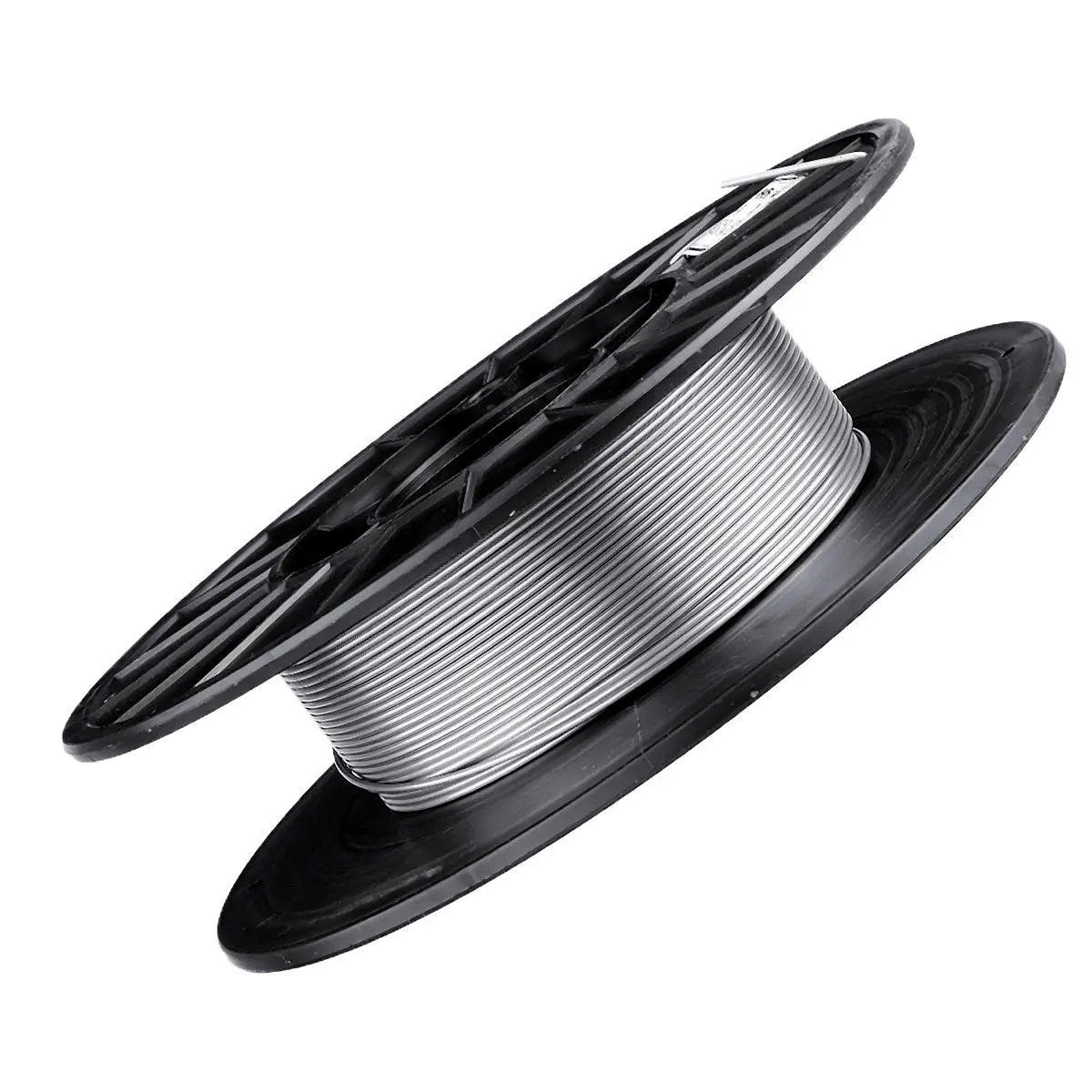
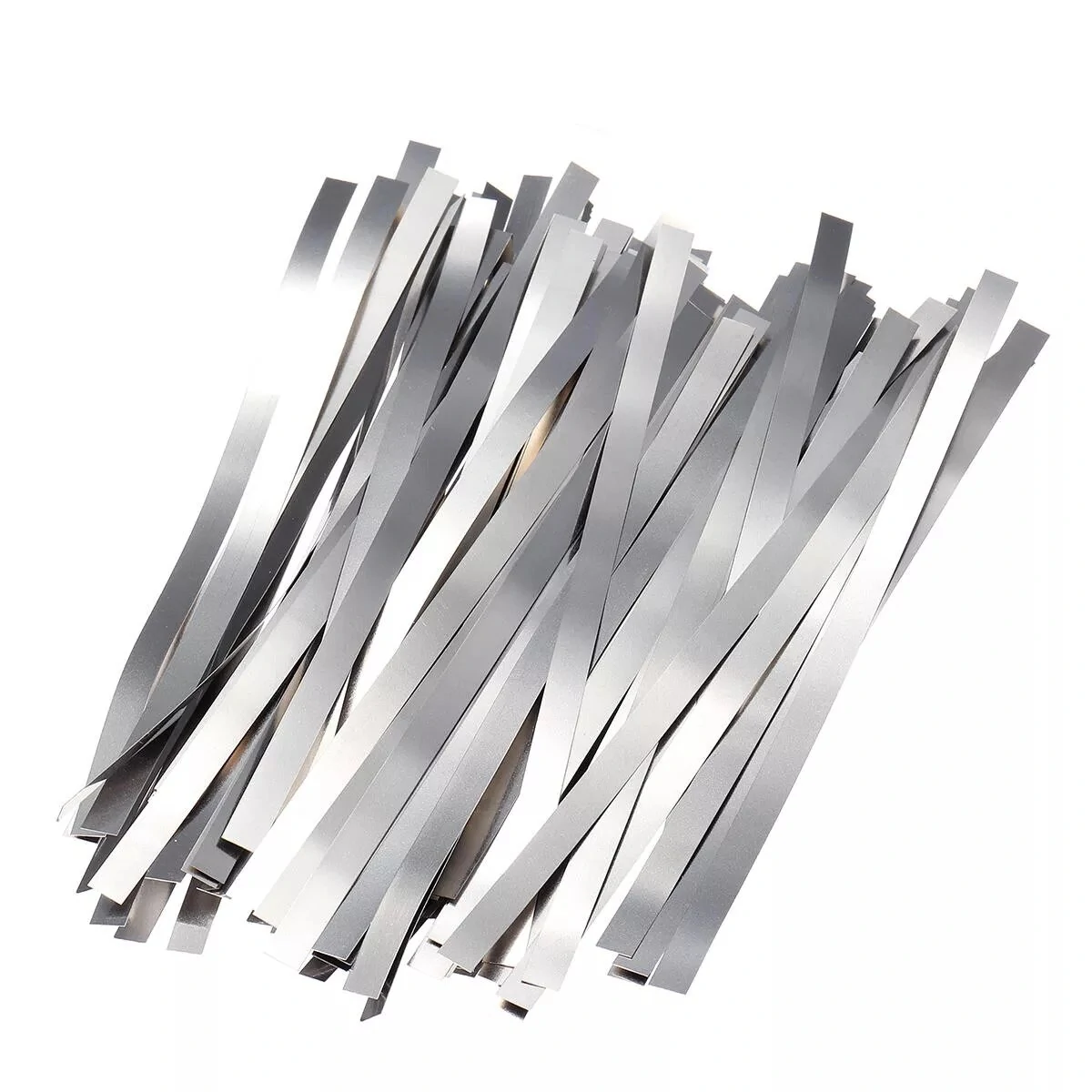
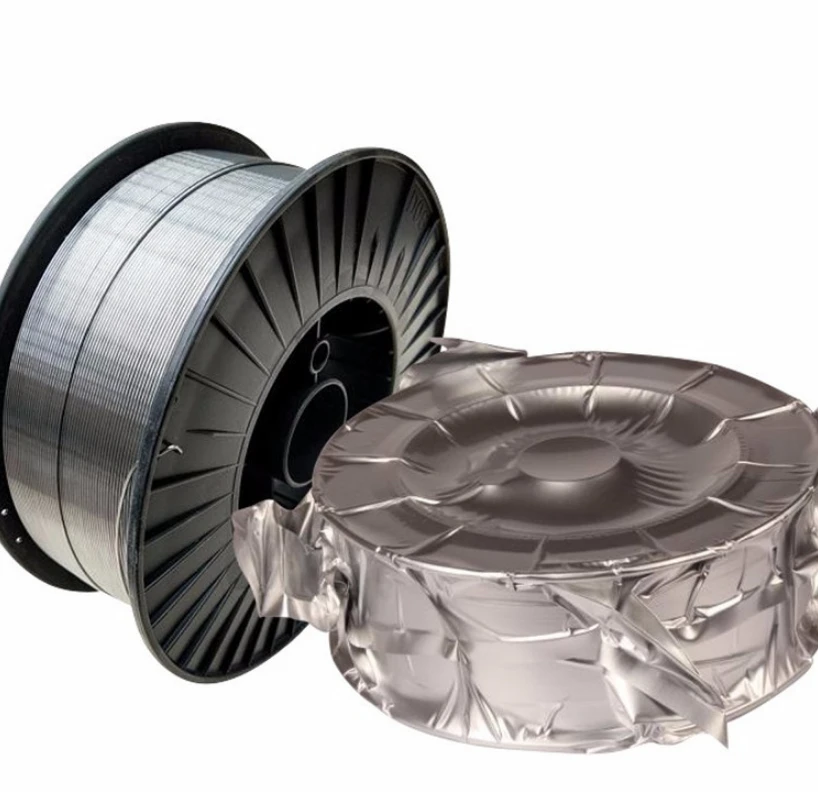
Welding rods and cords, often referred to as electrodes, are the consumable core of shielded metal arc welding (SMAW or stick welding). They are fundamental tools for creating permanent, high-strength bonds between metals in construction, fabrication, repair, and manufacturing. The right welding rod is not a one-size-fits-all product; it is specifically engineered for the base metal, welding position, and desired weld properties. Selecting the correct electrode is critical for achieving a weld that is strong, clean, crack-resistant, and visually sound.
Key products in this category include mild steel electrodes like the popular E6011 and E7018 rods. E6011 rods are versatile, penetrate deeply, and work well on dirty, rusty, or painted metals, making them ideal for repair work. E7018 rods are known for producing smooth, high-quality welds with excellent mechanical properties and are a staple in structural steel welding. For specialized applications, stainless steel rods (e.g., 308L, 316L) prevent corrosion, while cast iron rods are essential for repairing engine blocks and machinery. Hardfacing rods add a wear-resistant layer to extend the life of industrial components.
The primary benefits of using the appropriate welding rod are immense. They provide the filler metal that becomes the weld bead and, in the case of flux-coated rods, the coating vaporizes to create a shielding gas that protects the molten weld pool from atmospheric contamination (oxygen and nitrogen). This results in a denser, stronger weld with superior integrity. Understanding the American Welding Society (AWS) classification system—where codes like E7018 indicate tensile strength, welding position, and flux type—empowers welders to make informed choices, ensuring project success, safety, and efficiency.
Choosing the right welding rod requires considering several key factors. First, identify the base metal you are joining (e.g., mild steel, stainless steel, cast iron). Mismatching the rod to the metal can lead to weld failure. Second, consider the welding position (flat, horizontal, vertical, or overhead). Rods like E7018 are often designated for 'all-position' use, while others are restricted. Third, assess the power source (AC, DC+, or DC-), as not all rods run on all machines. For beginners, E6013 rods are often recommended for their easy arc start and smooth operation on AC transformers.
FAQ: Can I use any rod for any metal? No, using a mild steel rod on stainless steel will cause corrosion and weak joints. Always match the rod type to the base metal. What does the number on a welding rod mean? It's an AWS code detailing tensile strength (70 = 70,000 psi), position (1 = all-position), and flux type. How should I store welding rods? Keep them in a sealed, dry container or oven to prevent moisture absorption, which causes porosity and weak welds, especially with low-hydrogen rods like E7018. Start by mastering a few versatile types for your common projects and expand your inventory as your skills and needs grow.