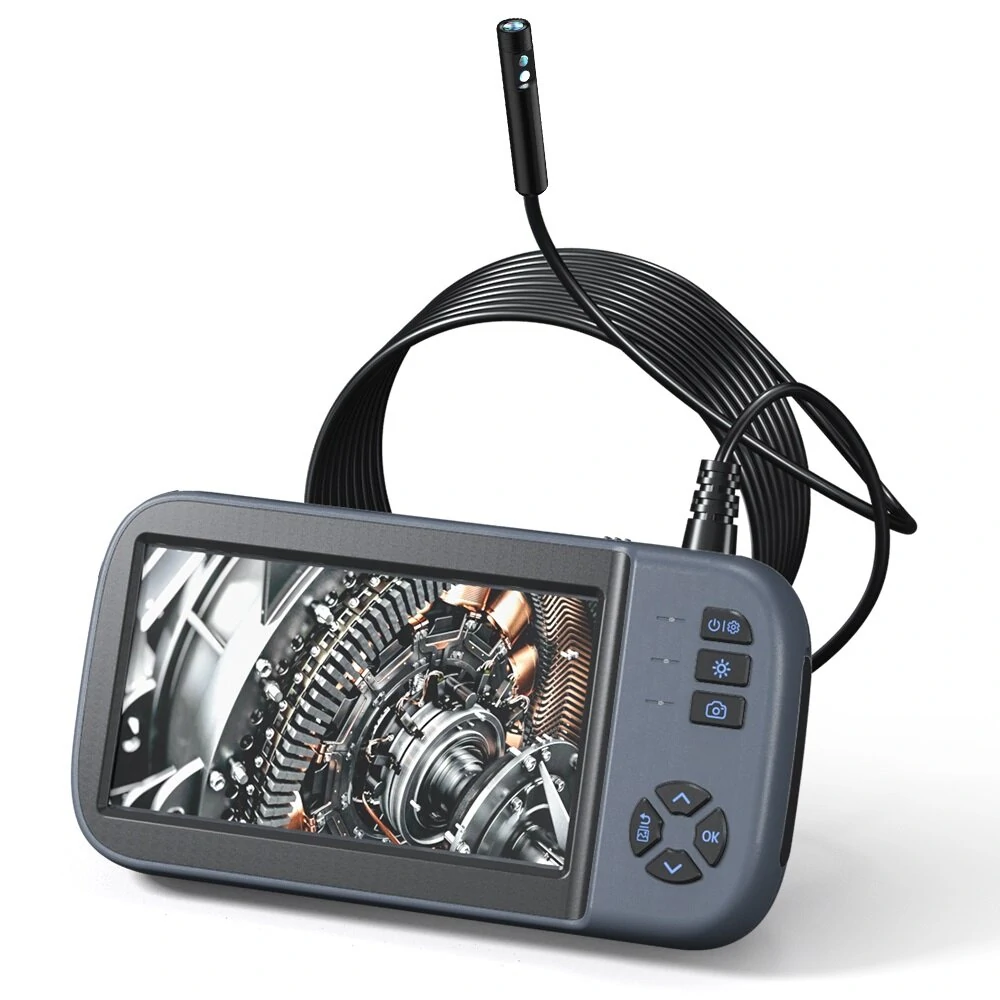
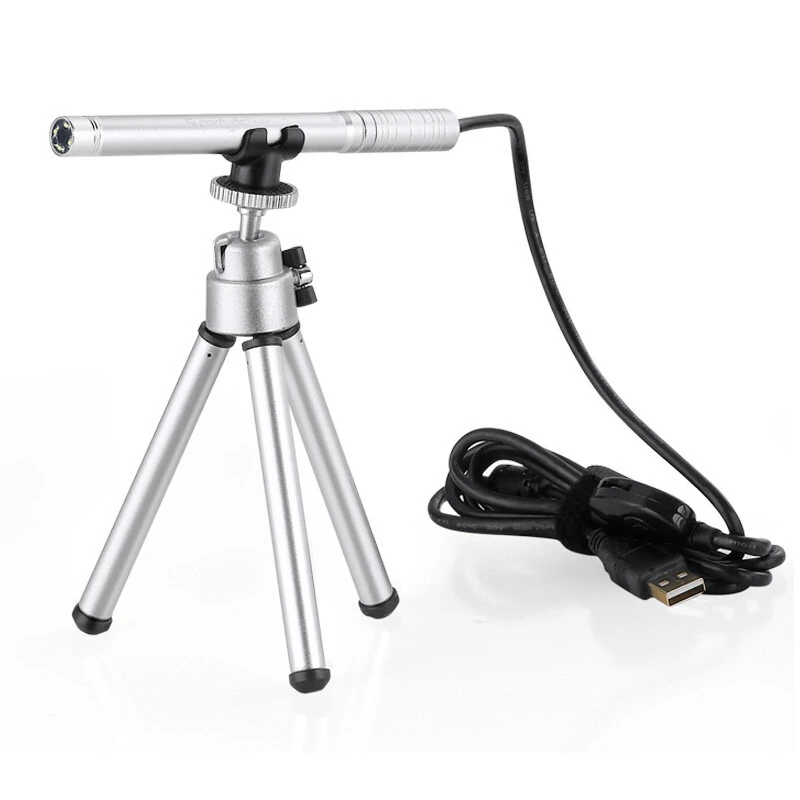
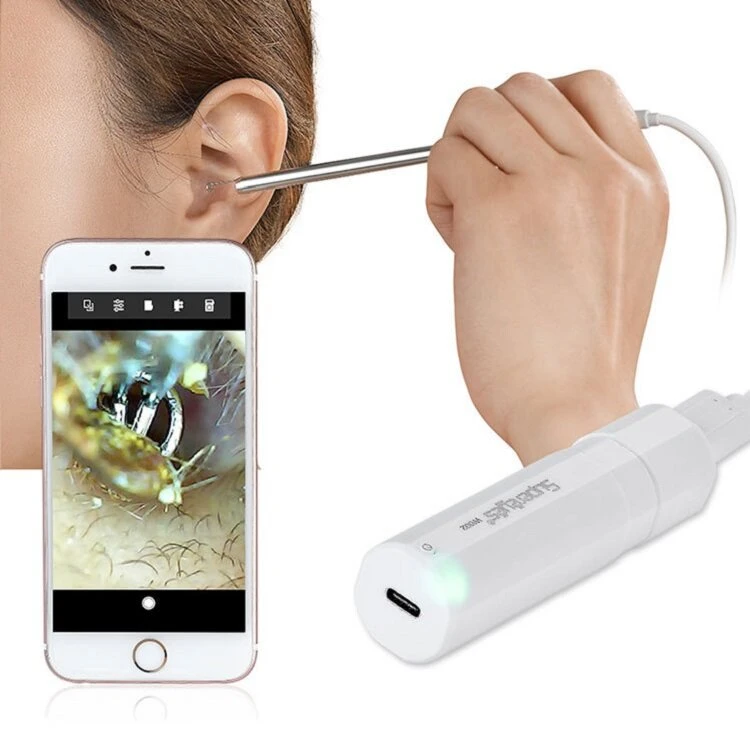
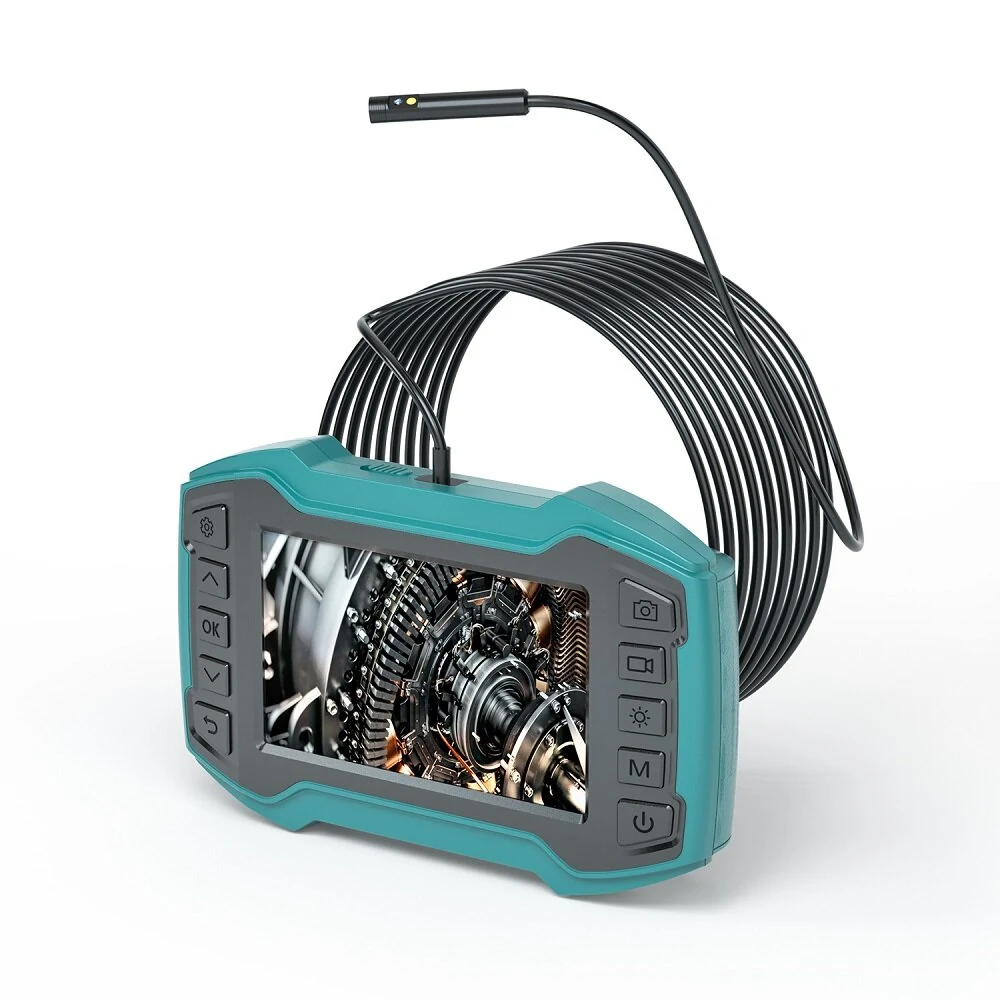
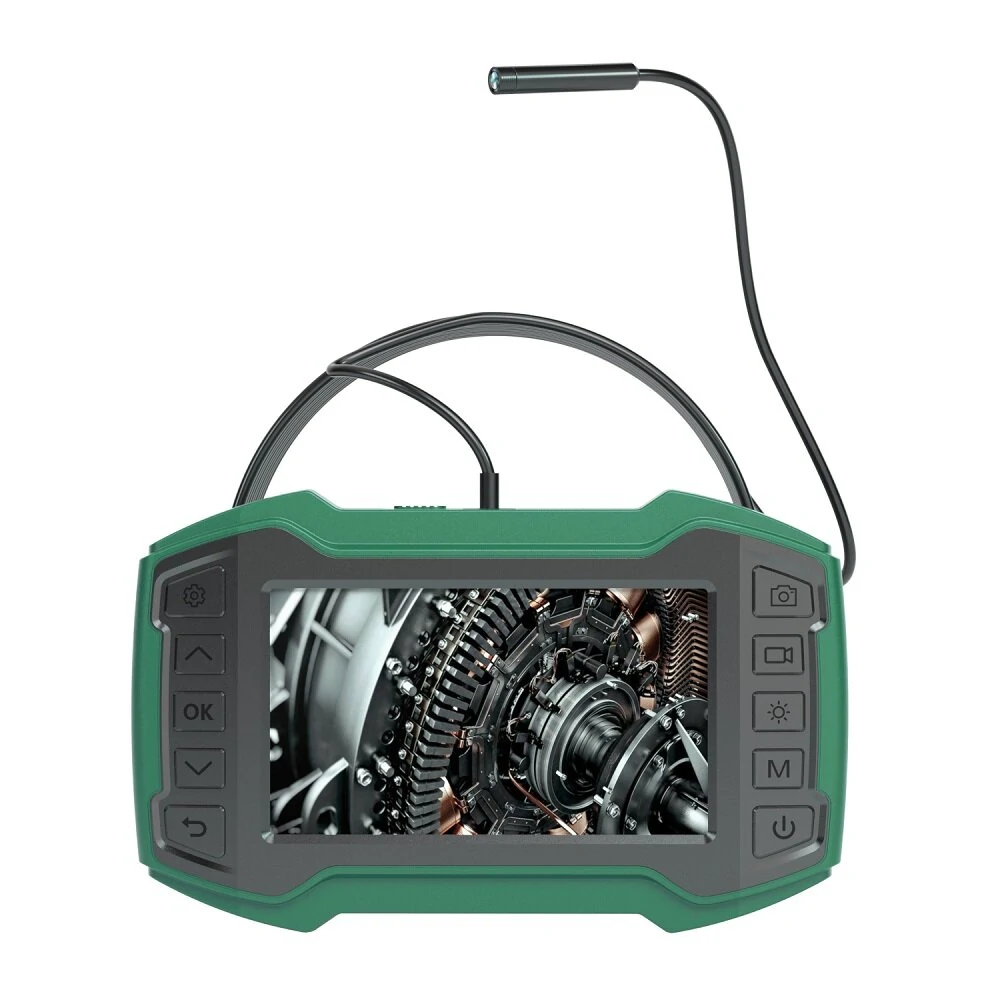
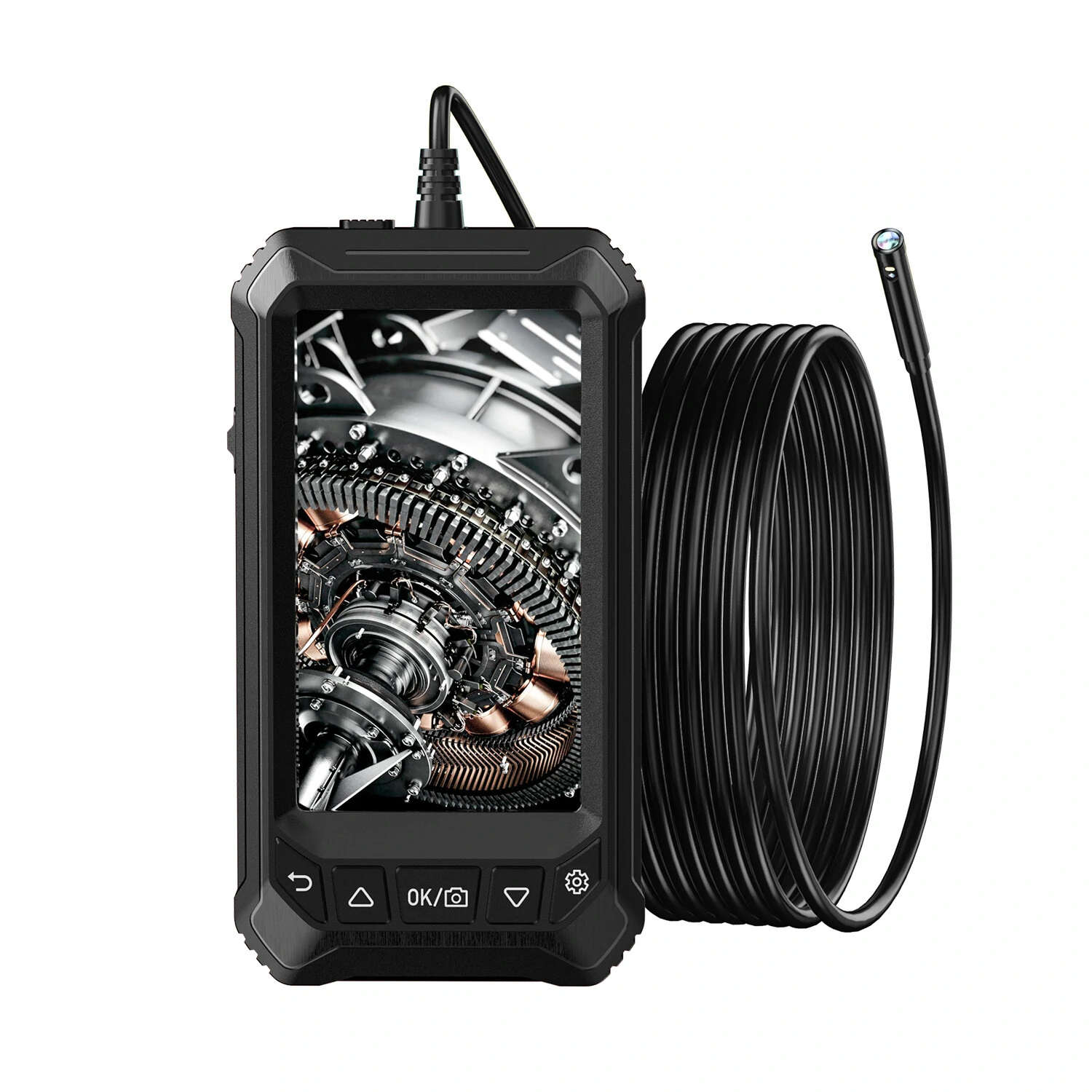
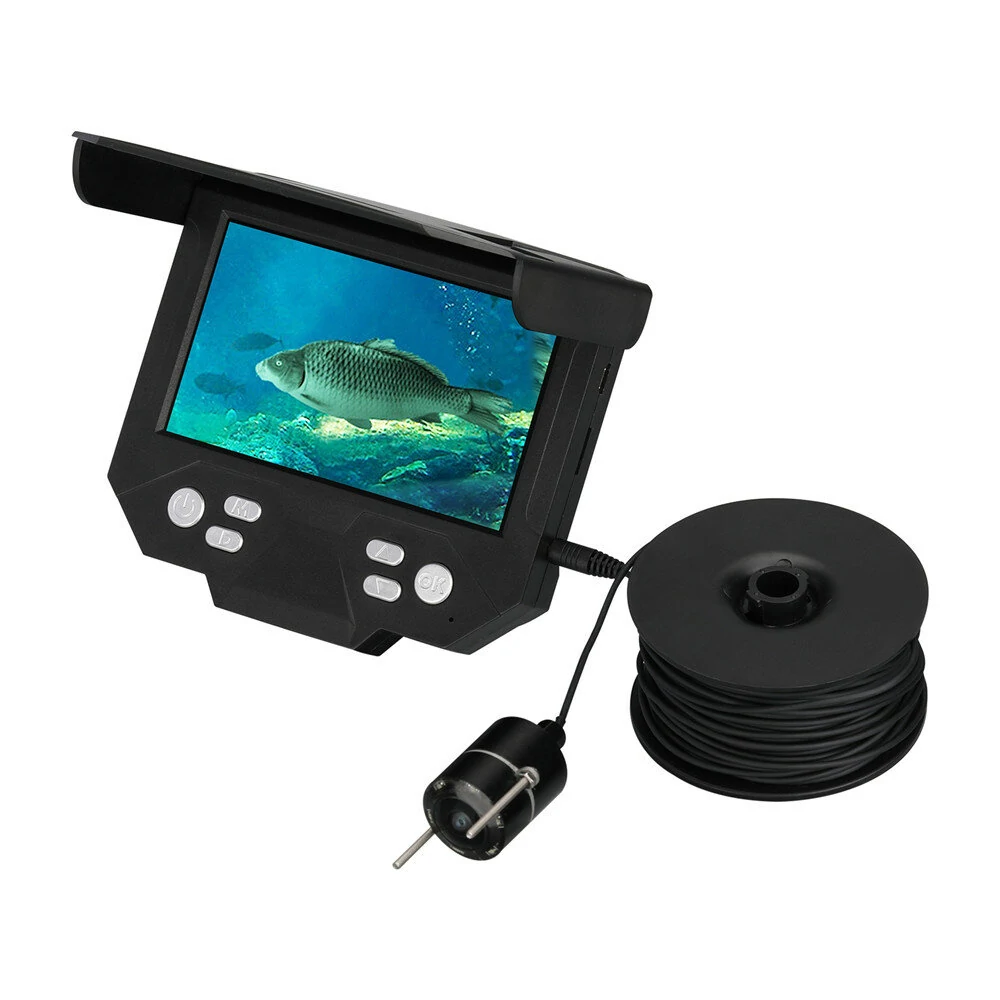
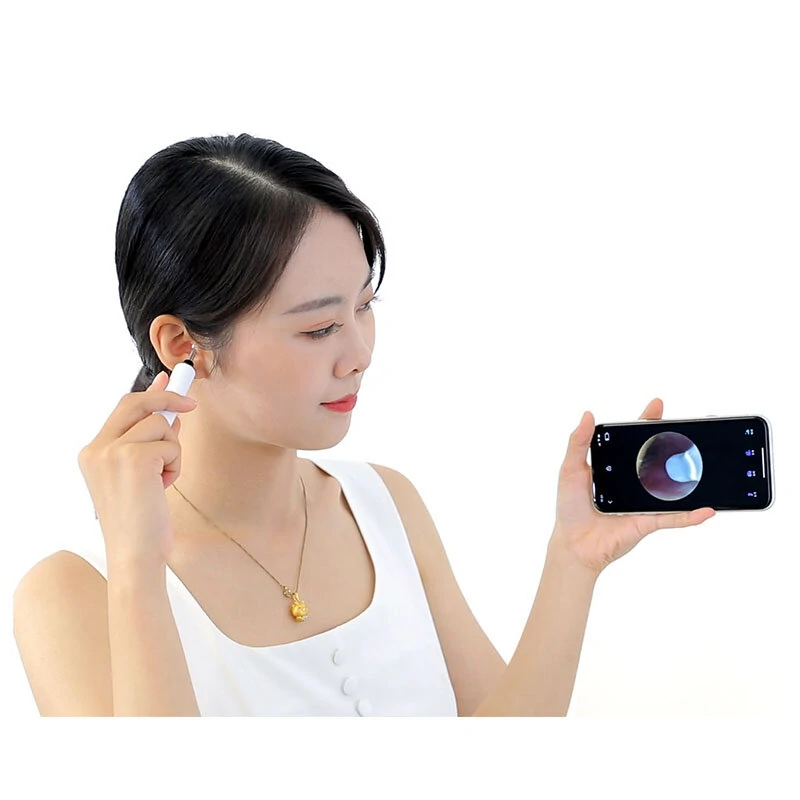
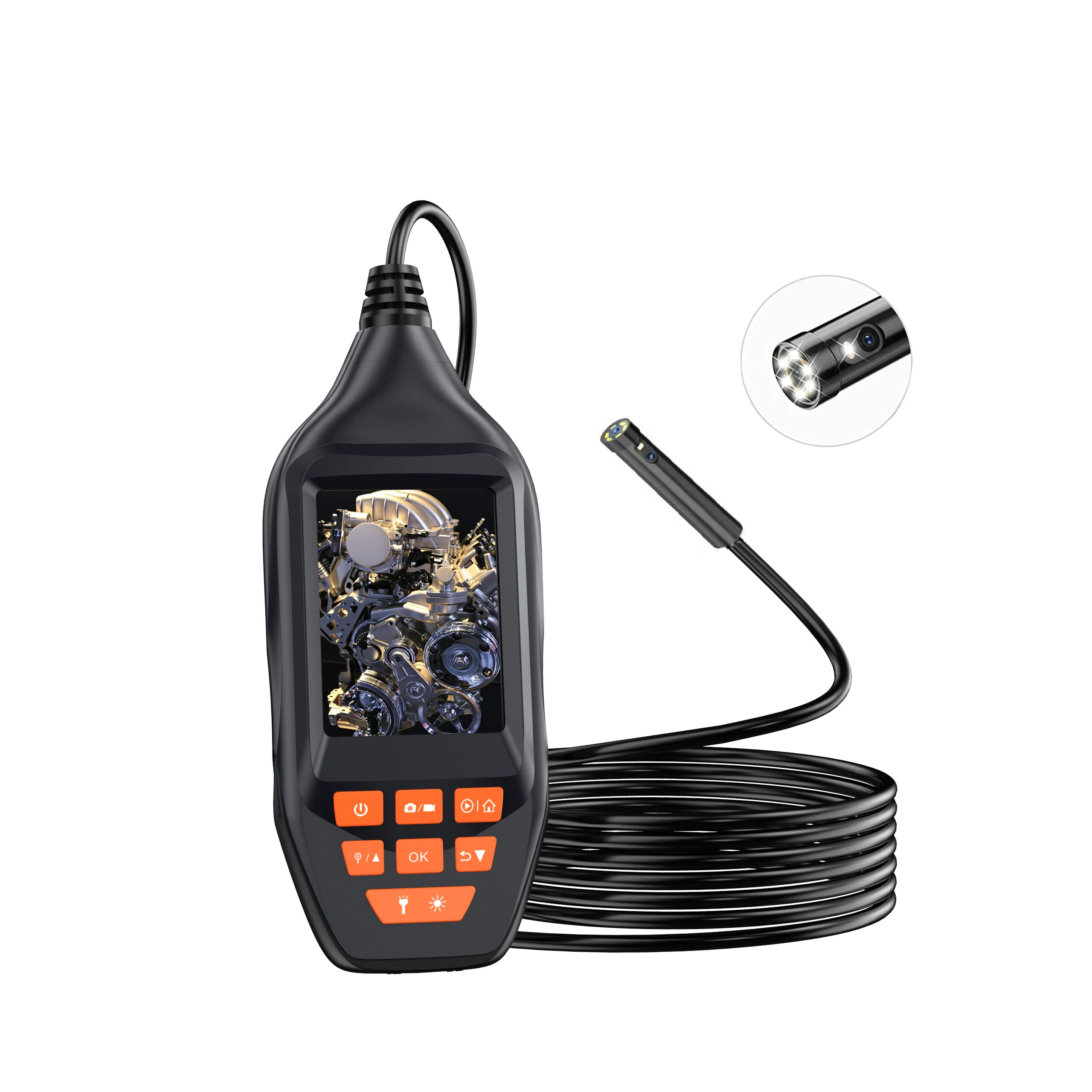
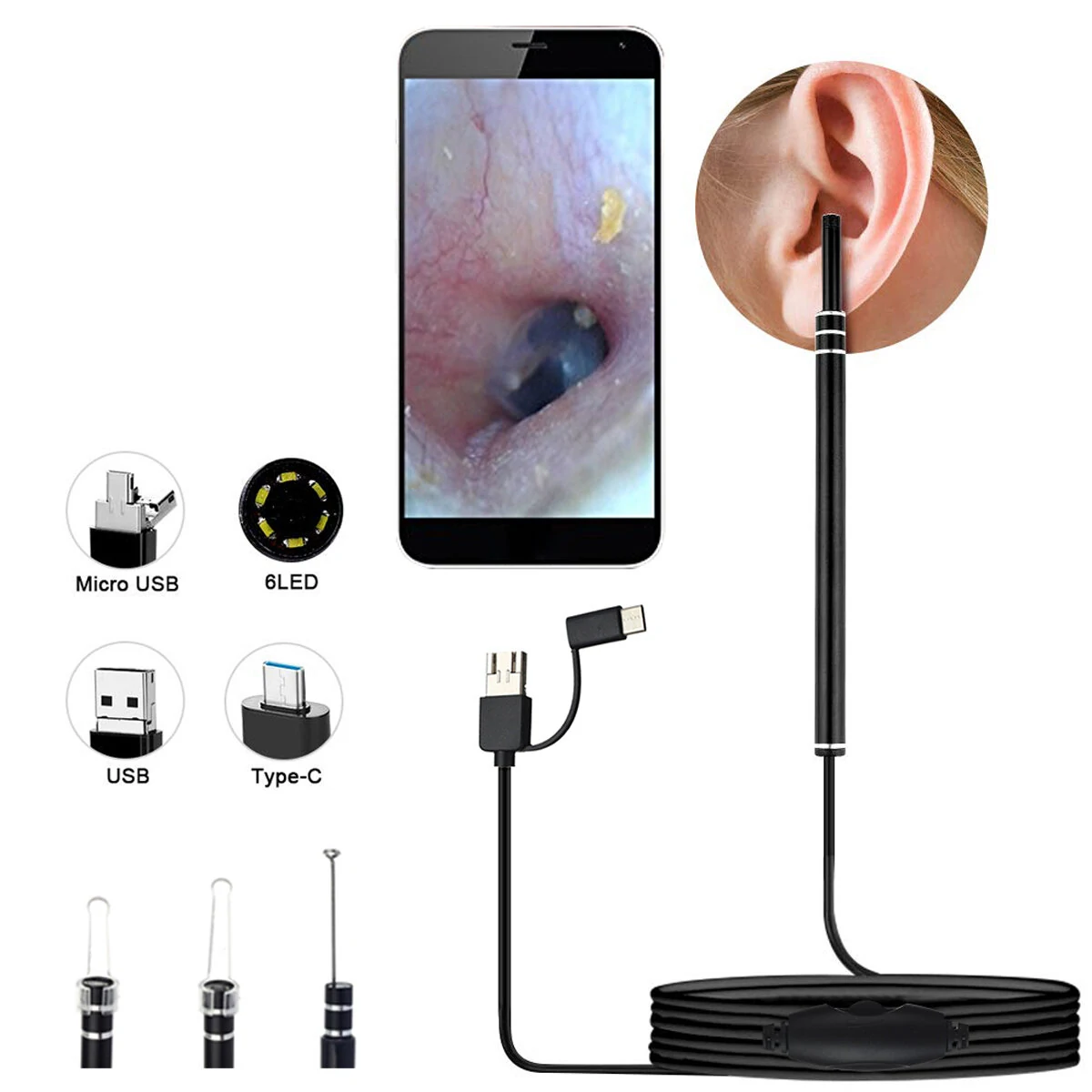
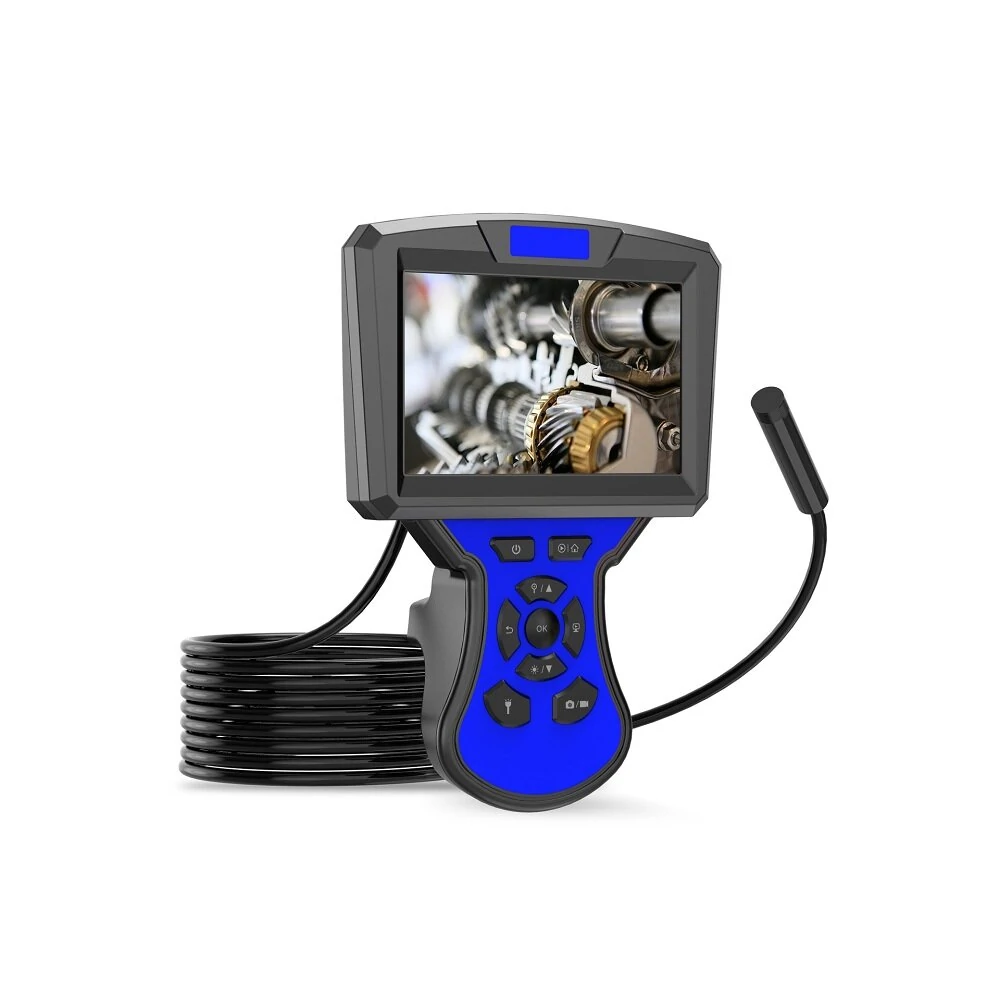
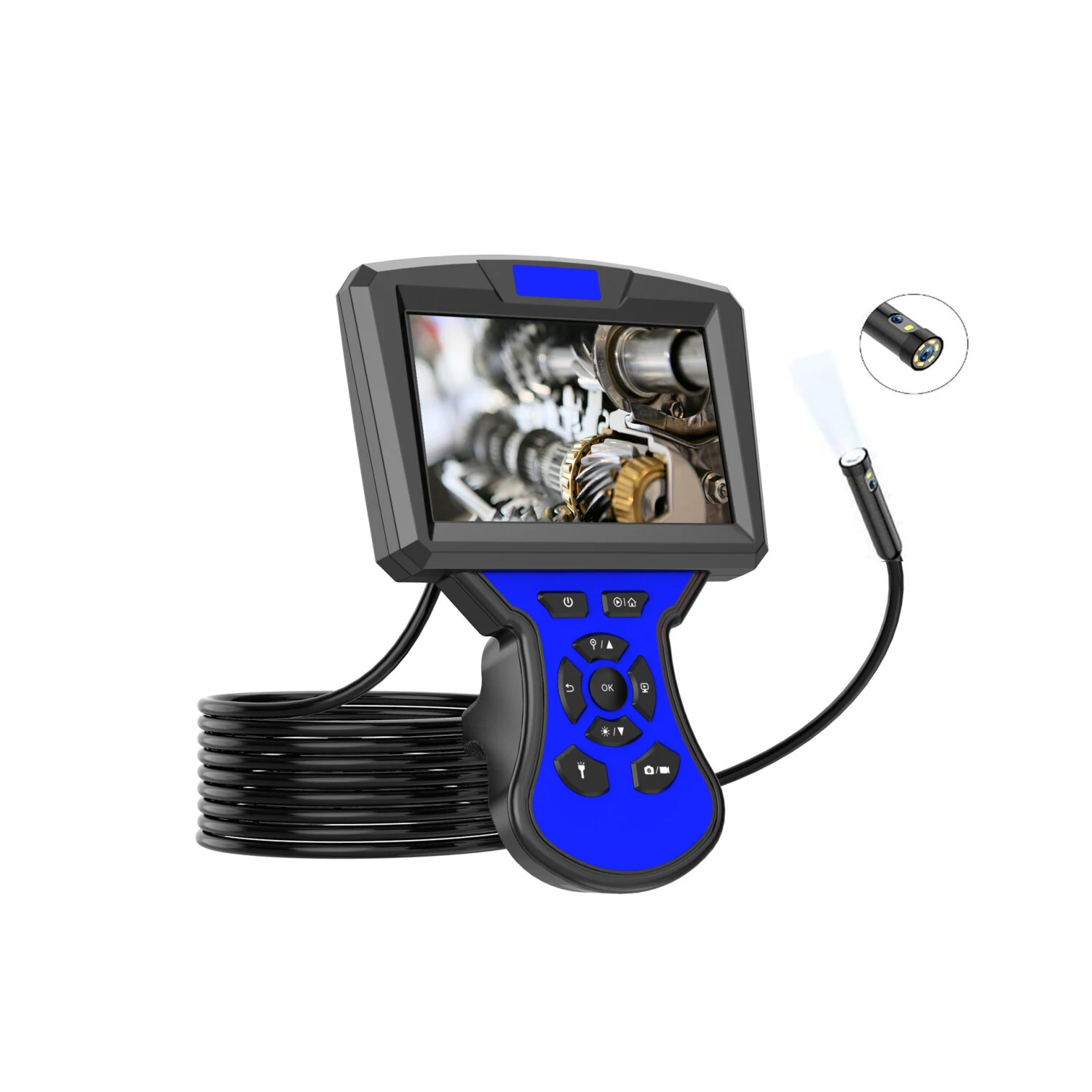
A borescope, also known as an inspection camera or endoscope, is an indispensable visual inspection tool that allows you to see into confined or inaccessible spaces without disassembly. By transmitting a live video feed from a tiny camera mounted on a flexible or rigid probe, borescopes empower mechanics, engineers, plumbers, HVAC technicians, and DIY enthusiasts to diagnose problems, perform quality control, and conduct preventative maintenance with unprecedented ease and accuracy. The core benefit is non-destructive inspection, saving countless hours and costs associated with taking apart complex machinery, engines, or structures.
Key products in this category range from simple, affordable USB borescopes that plug into smartphones or laptops, to robust industrial-grade models with articulating probes, high-definition resolution, and waterproof designs. For automotive and engine diagnostics, flexible borescopes with side-view cameras are essential for examining cylinder walls, valves, and internal components. Industrial applications often demand durable, high-temperature resistant borescopes with powerful LED lighting to inspect pipelines, weld seams, turbines, and castings. Modern wireless borescopes offer exceptional portability, allowing users to maneuver through tight spaces while viewing a clear image on a separate handheld monitor or mobile device.
The primary benefits of using a borescope include enhanced diagnostic precision, reduced downtime, improved safety by avoiding hazardous disassembly, and significant cost savings. Whether you're identifying a blockage in a drain, checking for corrosion inside a wall, or inspecting the internal integrity of an aircraft engine, a quality borescope provides the eyes you need to make informed decisions quickly and confidently.
Choosing the right borescope depends on your specific application. Consider these key factors: Probe Diameter and Length: Thinner probes (as small as 3.9mm) access tighter spaces. Length requirements vary from a few inches for automotive work to several meters for pipe inspection. Camera Quality: Look for resolution (720p, 1080p, or higher) and lens type (front-view or side-view). Articulation: A probe with a steerable tip (controlled manually or via joystick) provides superior navigation around bends. Lighting: Adjustable LED brightness is crucial for illuminating dark cavities. Connectivity: Decide between wired (USB, HDMI) for stable feeds or wireless (Wi-Fi) for greater mobility. Durability: For industrial or wet environments, ensure an IP67 waterproof rating and a robust, flexible cable.
FAQ: Can I use a borescope with my phone? Yes, many models are designed to connect via USB or Wi-Fi to iOS and Android devices. What's the difference between a borescope and an endoscope? The terms are often used interchangeably; 'borescope' is more common in industrial/automotive contexts, while 'endoscope' is medical, but the technology is similar. How do I maintain my borescope? Keep the lens clean, avoid sharp kinks in the cable, and store it in its protective case. For demanding professional use, investing in a model with interchangeable tips and a reliable warranty is highly recommended.