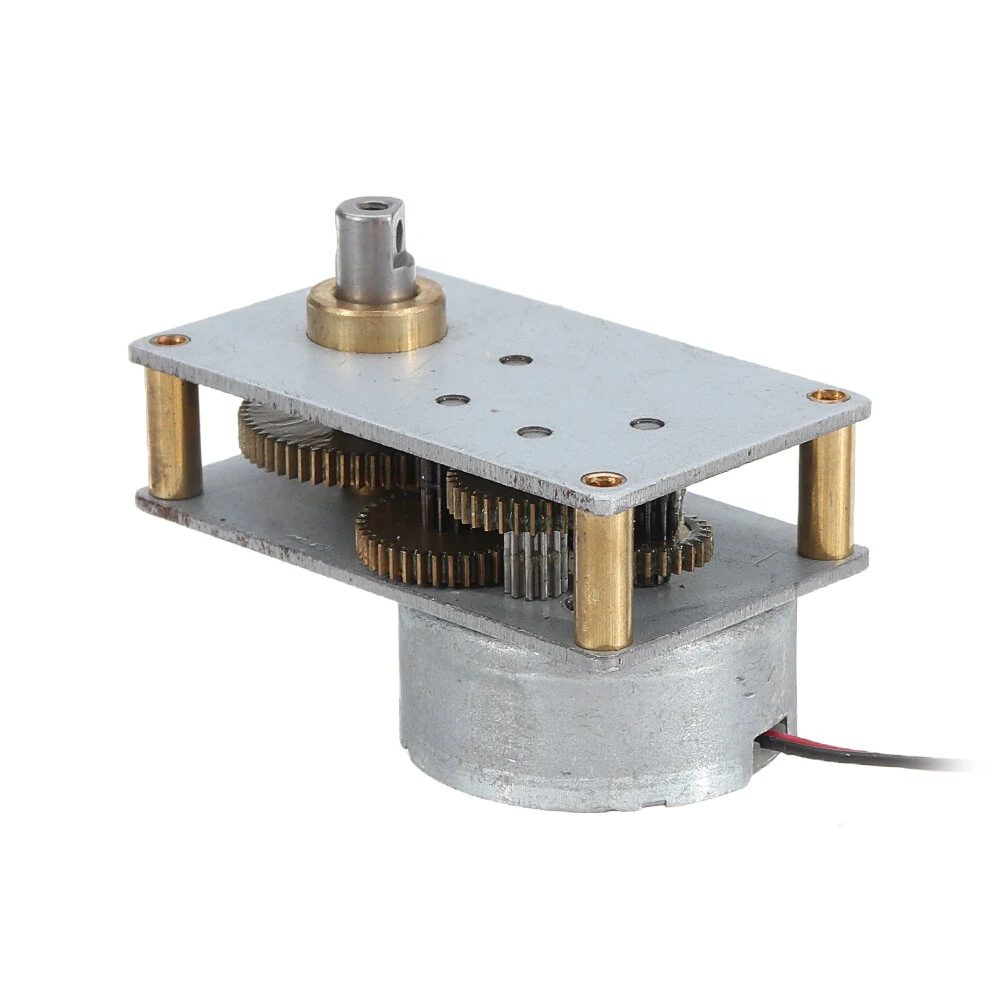
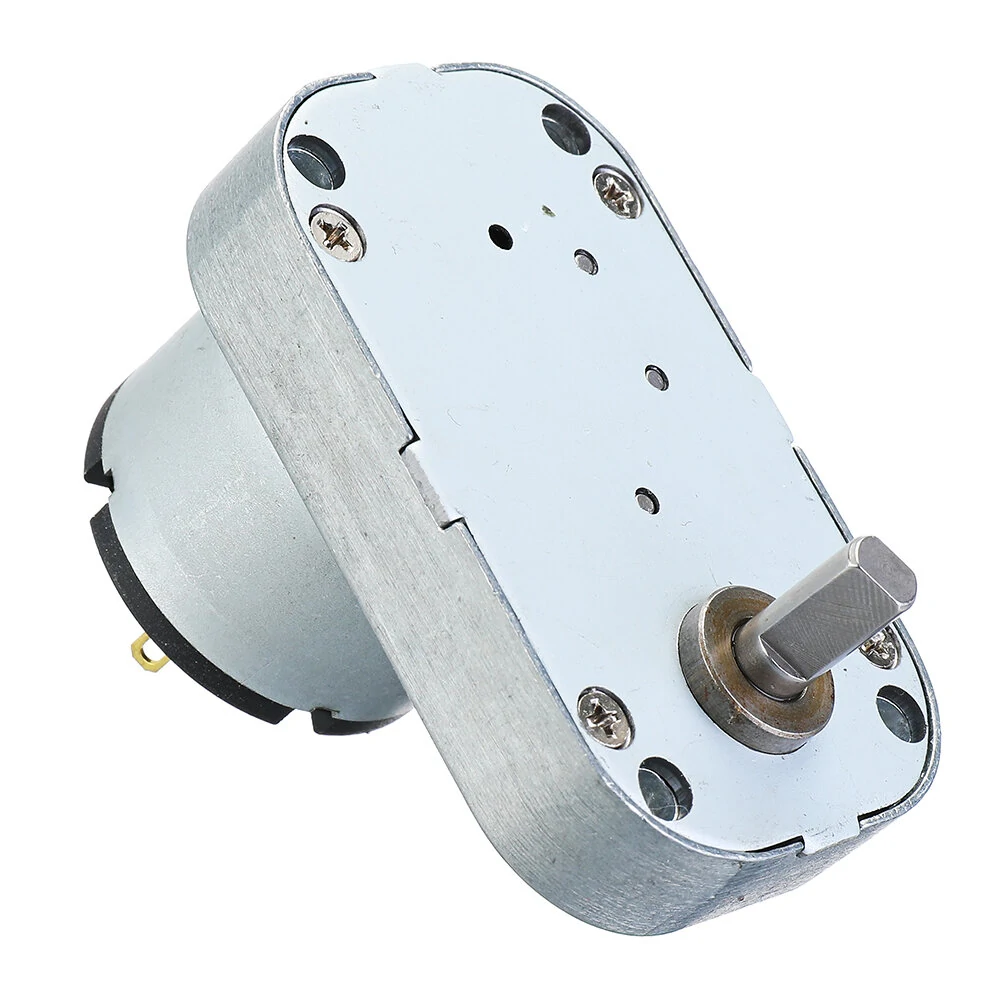
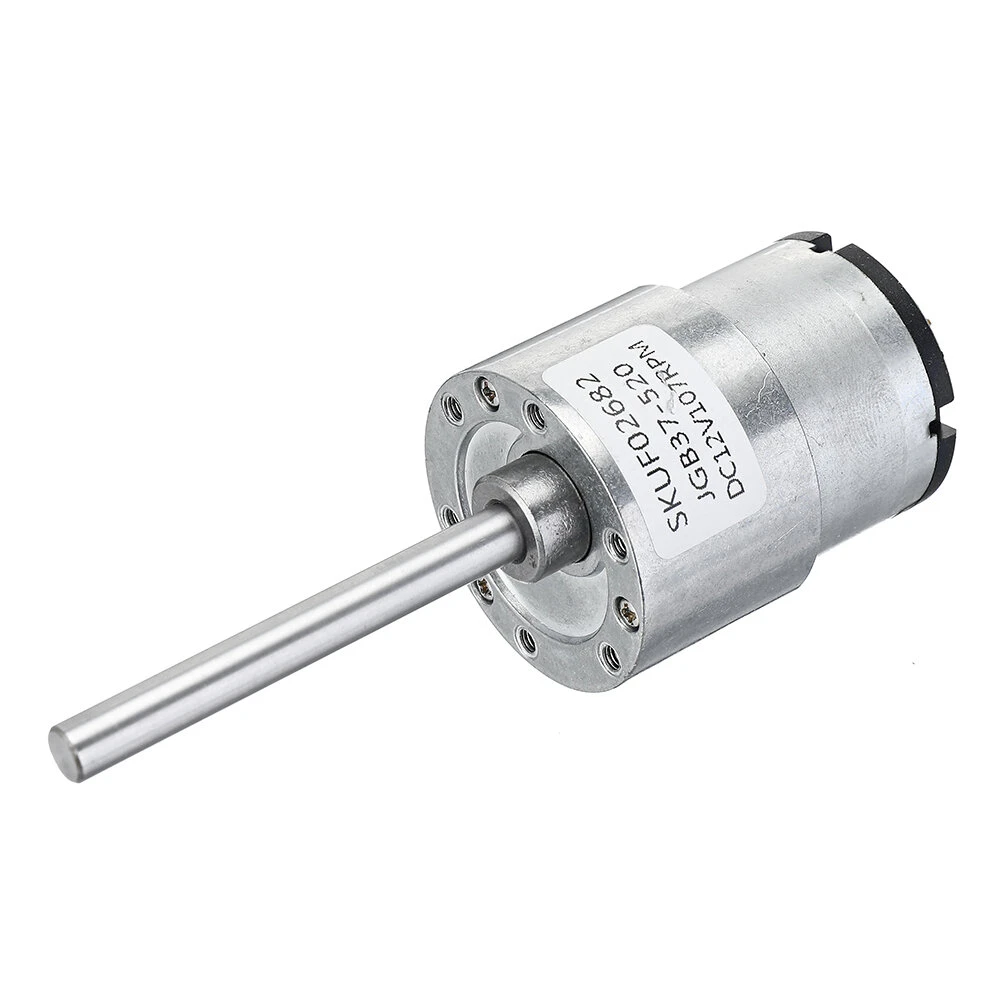
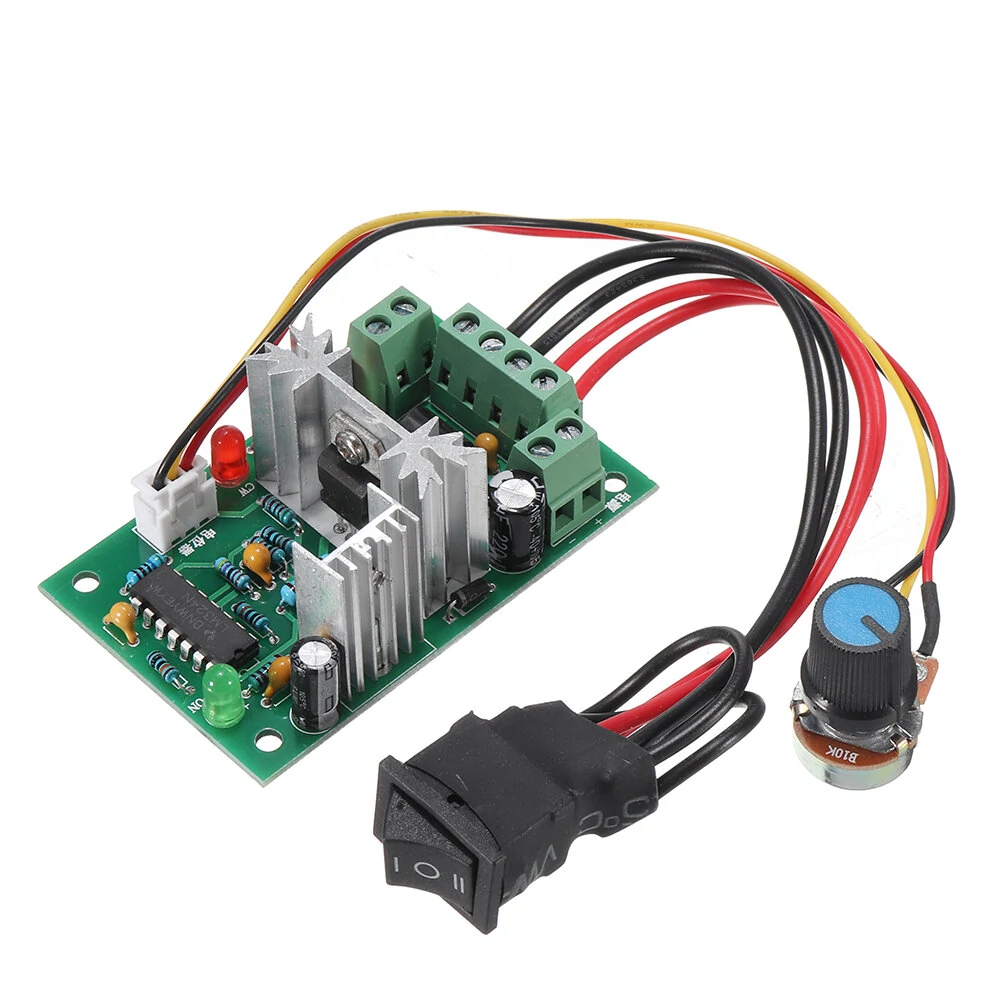
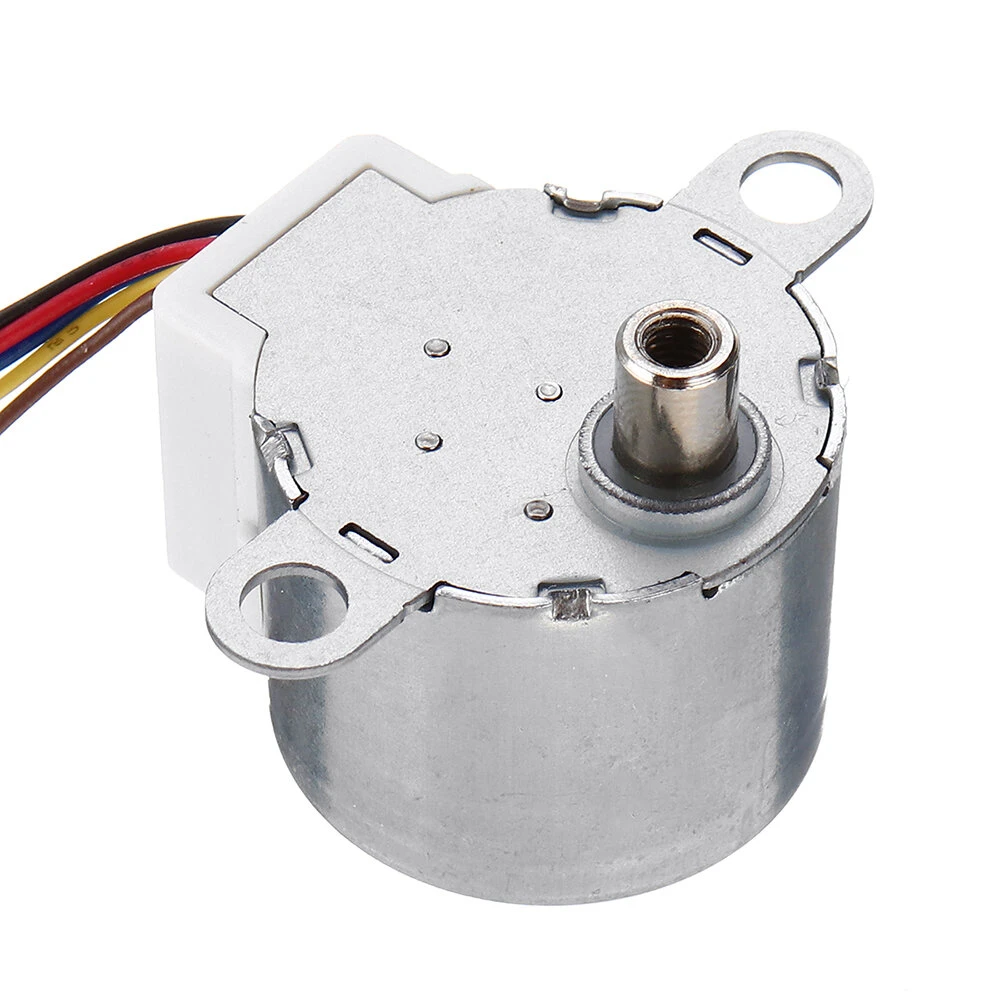
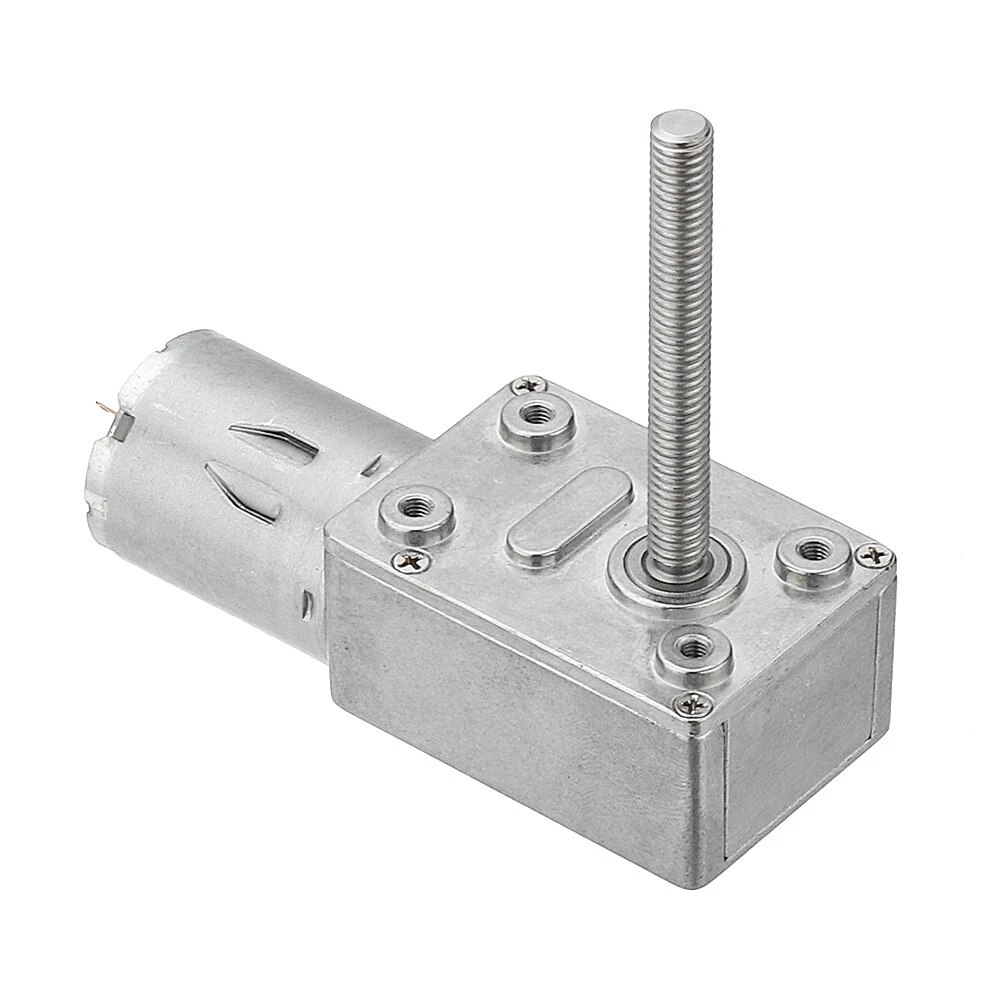
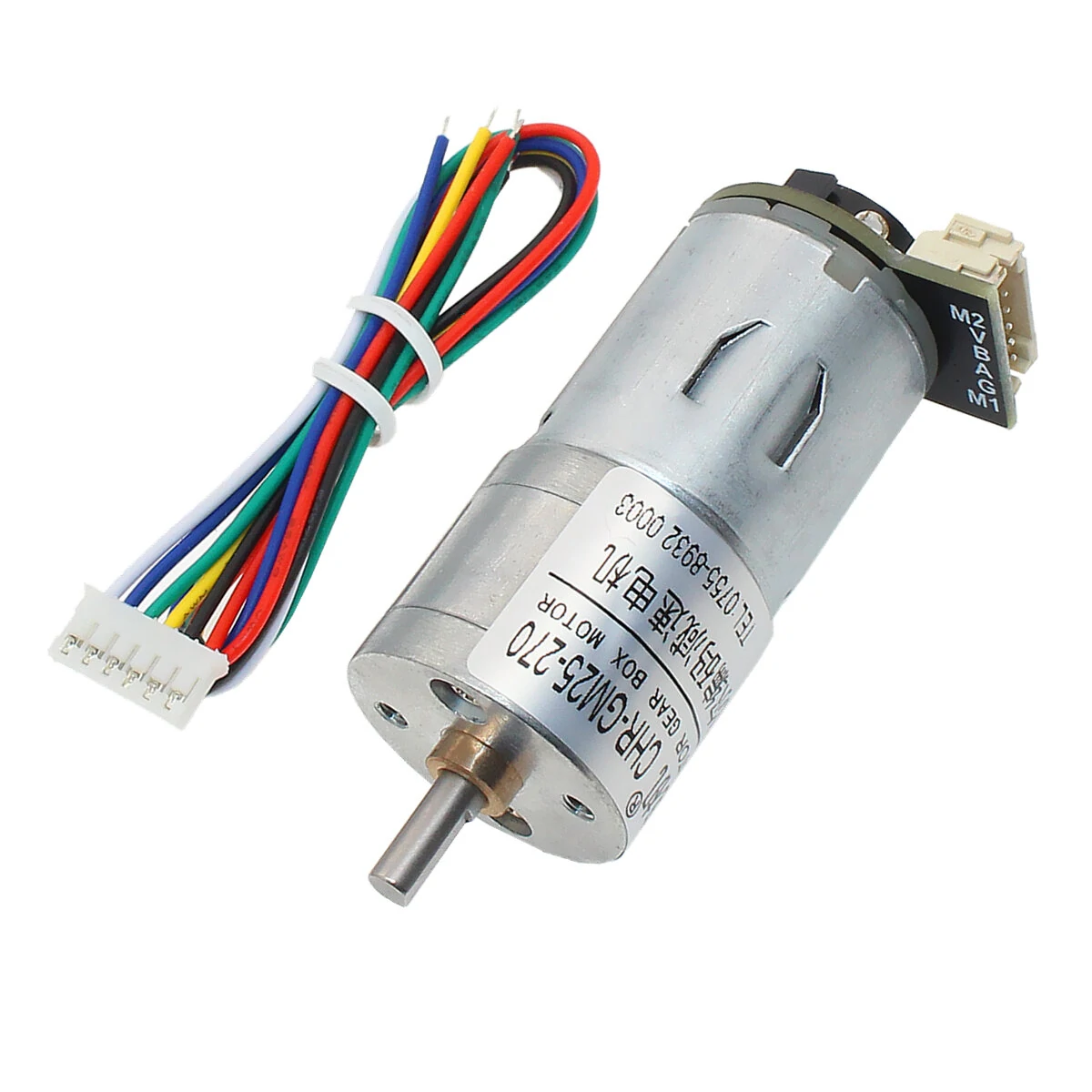
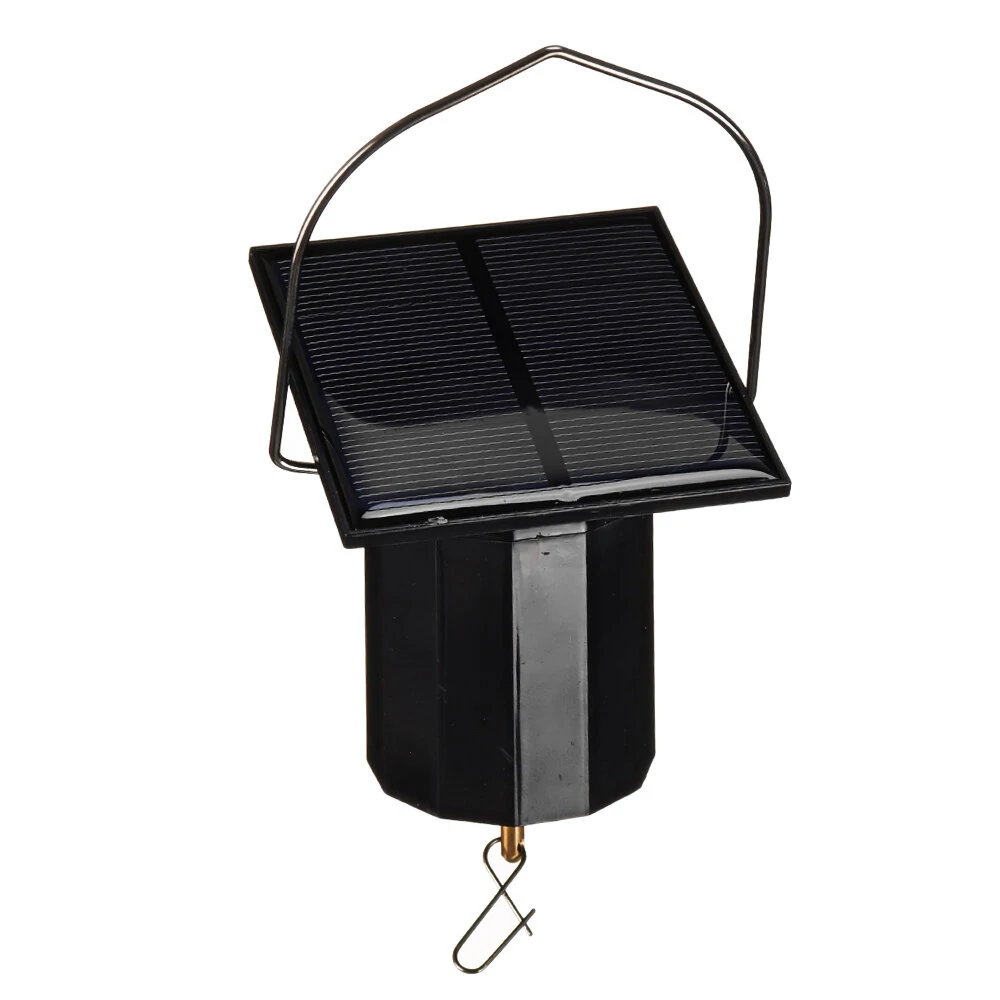
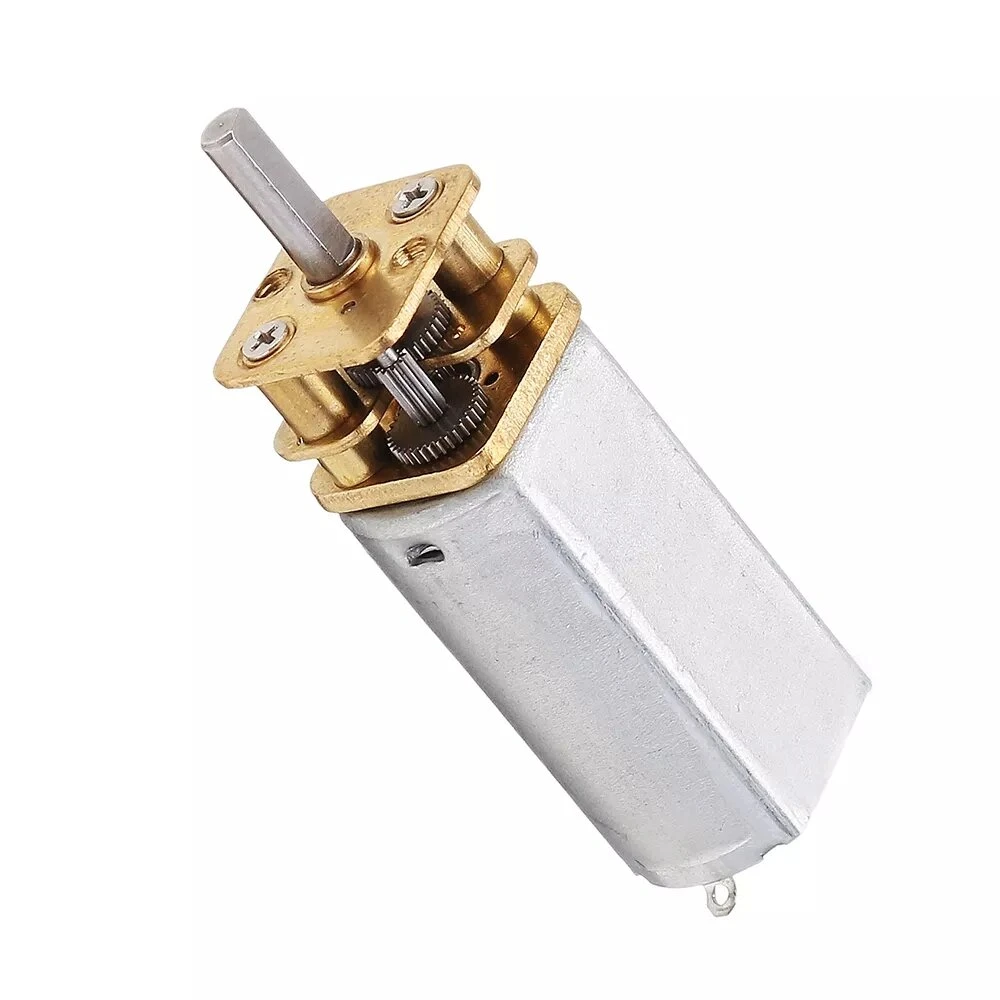
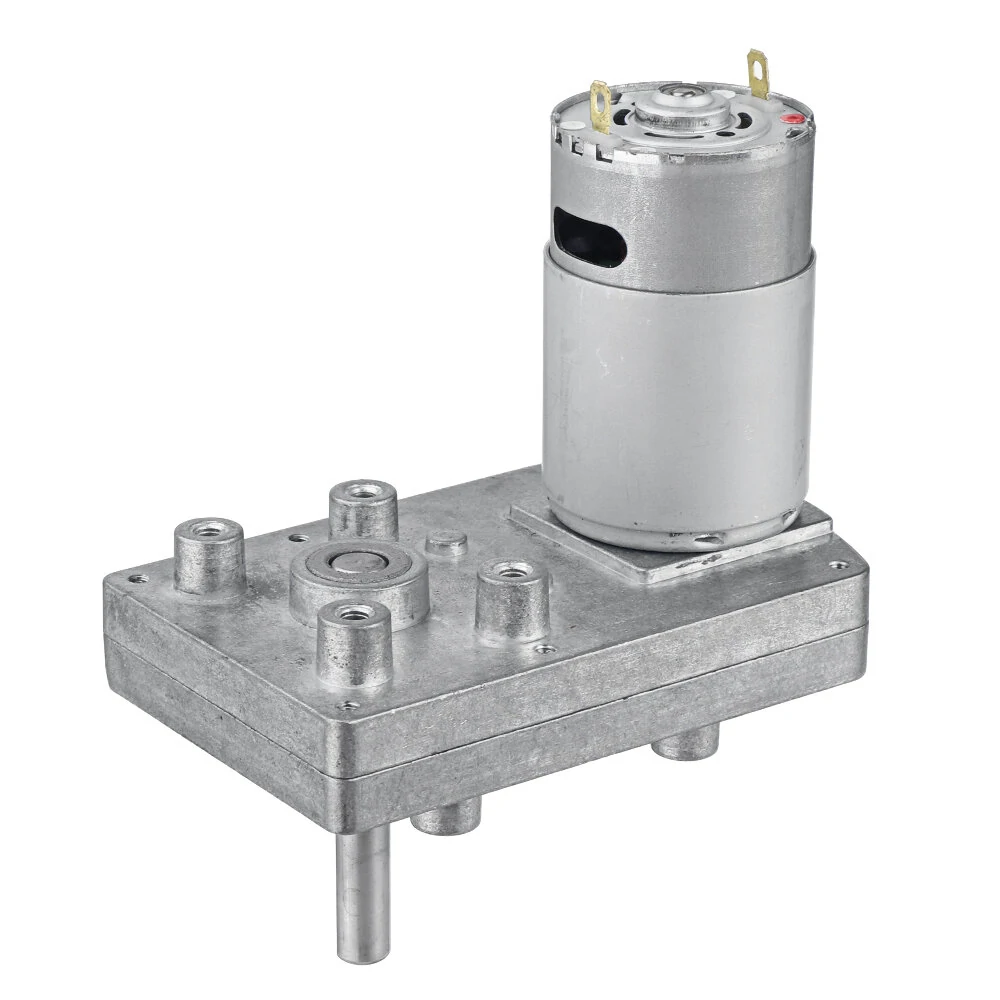
Gear motors are the essential workhorses of modern machinery, combining an electric motor with a gear reduction system into a single, compact unit. This powerful integration is engineered to deliver high torque at low speeds, making them indispensable for applications where precise control and substantial force are required. From intricate robotics and automated production lines to everyday appliances like conveyor belts and medical equipment, gear motors provide the reliable, efficient power needed to drive innovation and productivity.
Our comprehensive category features a diverse range of gear motor types to suit any project. Explore robust AC gear motors for industrial applications requiring continuous operation, or versatile DC gear motors ideal for battery-powered devices and mobility solutions. For applications demanding exceptional precision and control, our servo gear motors offer unparalleled accuracy. We also stock high-efficiency planetary gear motors, renowned for their compact size, high torque density, and excellent durability in demanding environments.
The key benefits of integrating a gear motor into your design are manifold. Primarily, they provide significant mechanical advantage, allowing a smaller, less powerful motor to achieve the necessary output torque. This leads to space savings, reduced energy consumption, and lower overall system costs. Furthermore, gear motors enhance control over speed and positioning, improve system reliability by protecting the motor from overload, and are available in a vast array of sizes, gear ratios, and mounting configurations to meet exact specifications. Whether you're an engineer designing a new machine or a hobbyist building a robot, selecting the right gear motor is crucial for optimal performance.
Choosing the correct gear motor requires careful consideration of your application's specific needs. Start by identifying the required output torque and speed (RPM). The gear ratio directly influences these factors—a higher ratio increases torque but reduces output speed. Next, consider the power source (AC or DC voltage) and the physical constraints, such as mounting type (foot, flange, or shaft) and size limitations. Environmental factors like exposure to moisture, dust, or extreme temperatures will dictate the necessary motor enclosure (e.g., IP rating).
Frequently Asked Questions:
Q: What's the difference between a standard motor and a gear motor?
A: A gear motor has an integrated gearbox that reduces the motor's high speed to a more usable, lower speed while simultaneously multiplying its output torque.
Q: How do I determine the right gear ratio?
A: The gear ratio is calculated based on your desired output speed and torque. Our product specifications and expert support can help you match the ratio to your motor's characteristics and application demands.
Q: Can gear motors be used for precise positioning?
A: Yes, especially when paired with a servo or stepper motor configuration. For the highest precision, a servo gear motor is the recommended choice.
By carefully evaluating these parameters, you can select a gear motor that ensures reliability, efficiency, and longevity for your system. Browse our curated selection to find your perfect power solution.