Machinery parts are the fundamental building blocks of every industrial operation, from massive manufacturing plants to specialized agricultural equipment. This category encompasses a vast array of components designed to keep your machinery running smoothly, efficiently, and reliably. Investing in high-quality parts is not merely a maintenance task; it's a strategic decision that directly impacts productivity, safety, and your bottom line. Downtime caused by part failure is costly, making the selection of durable, precision-engineered components a critical priority for any business.
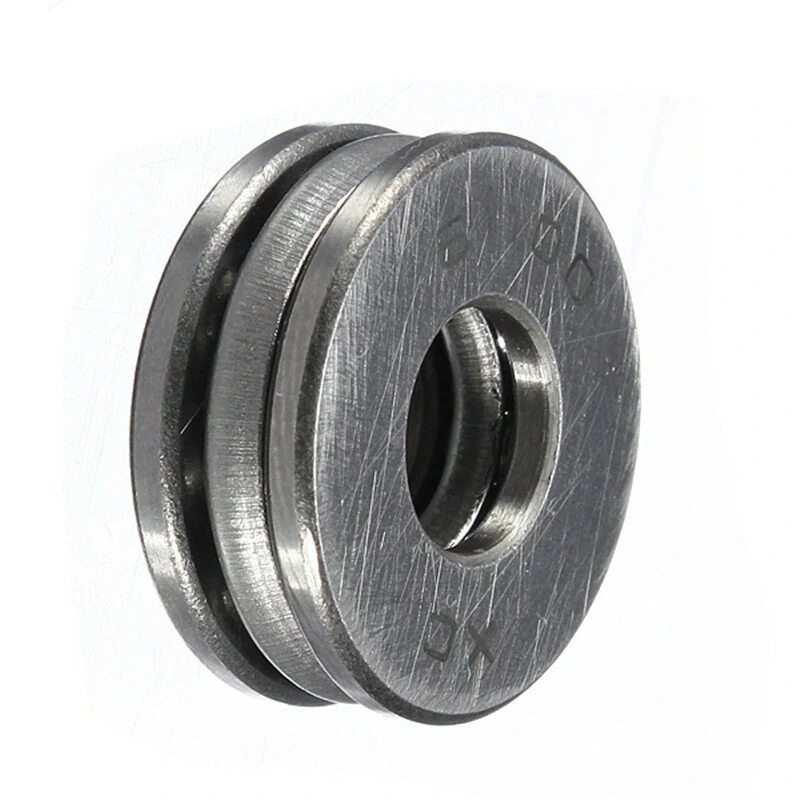
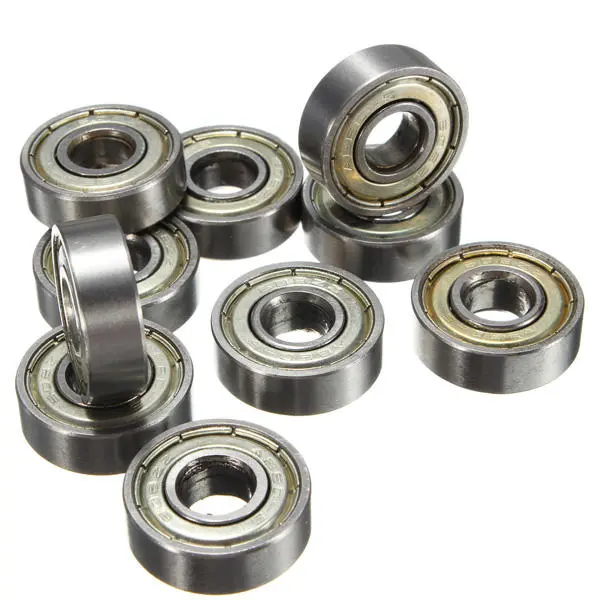
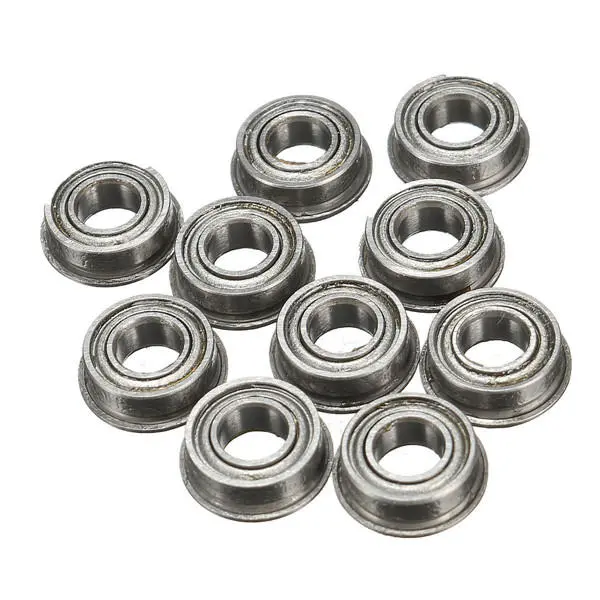
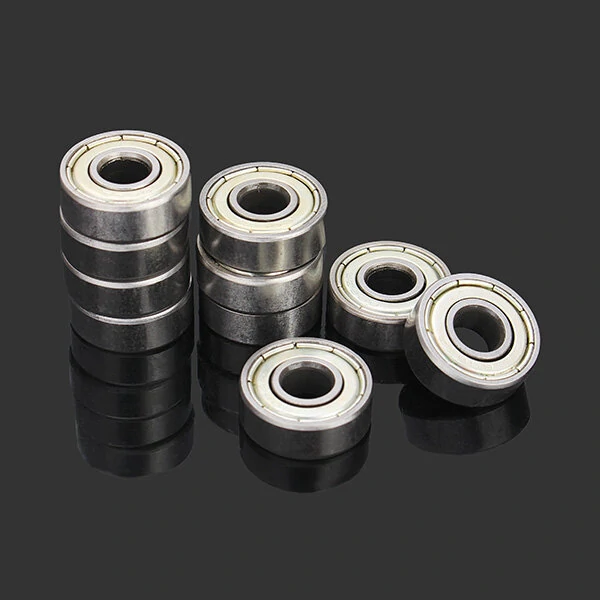
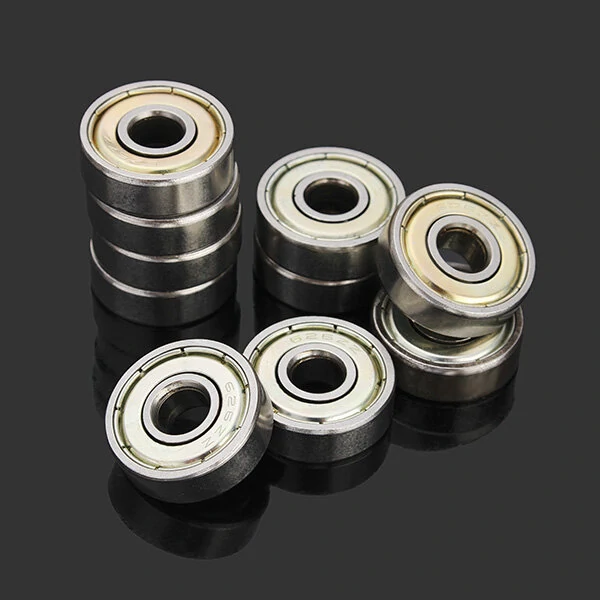
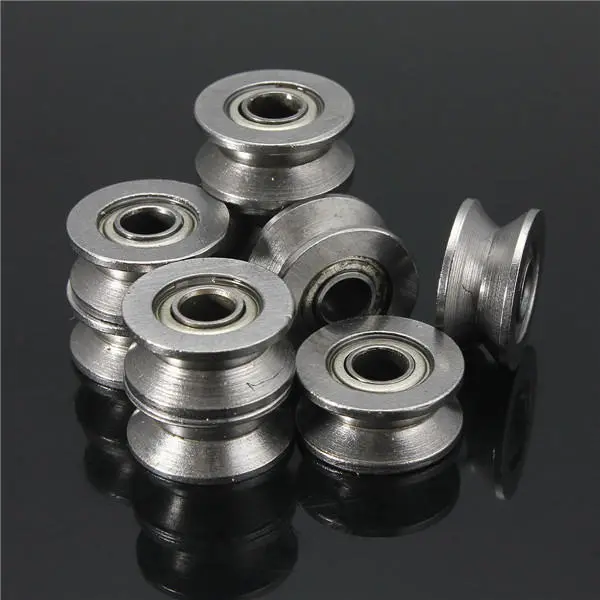
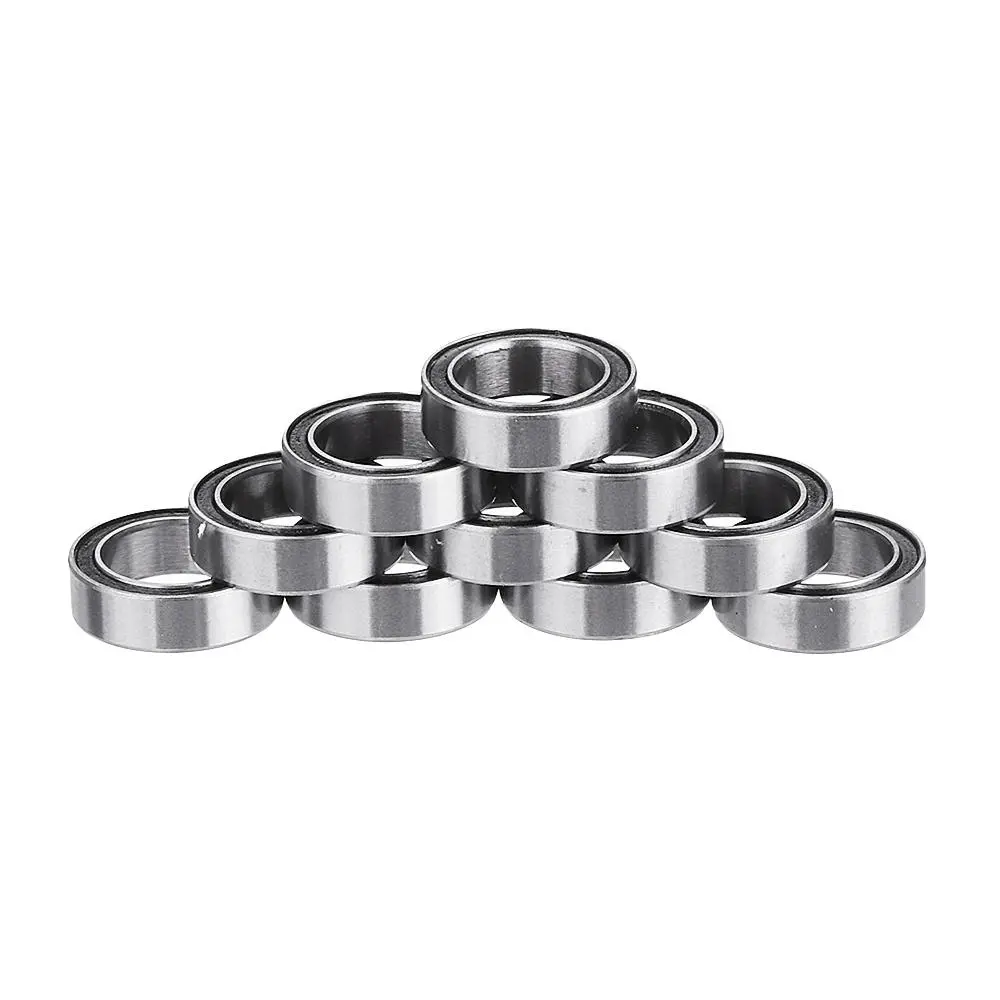
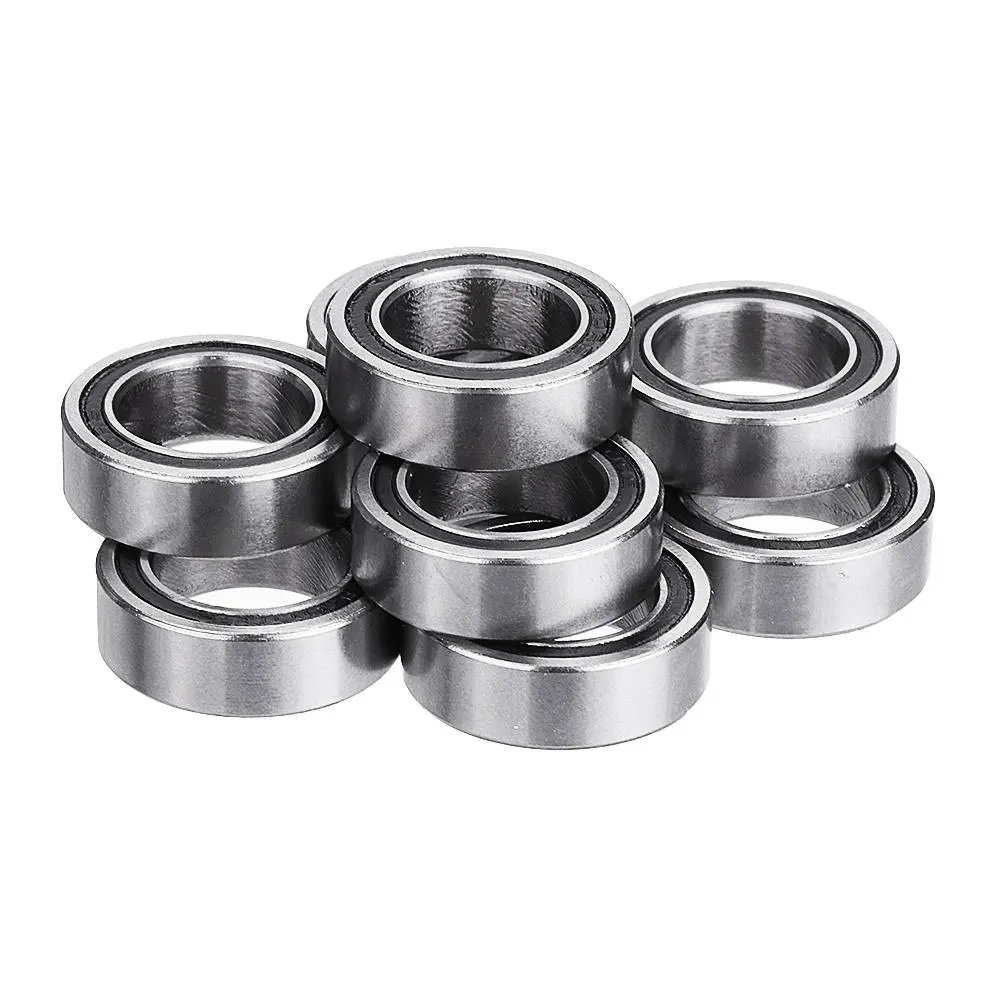
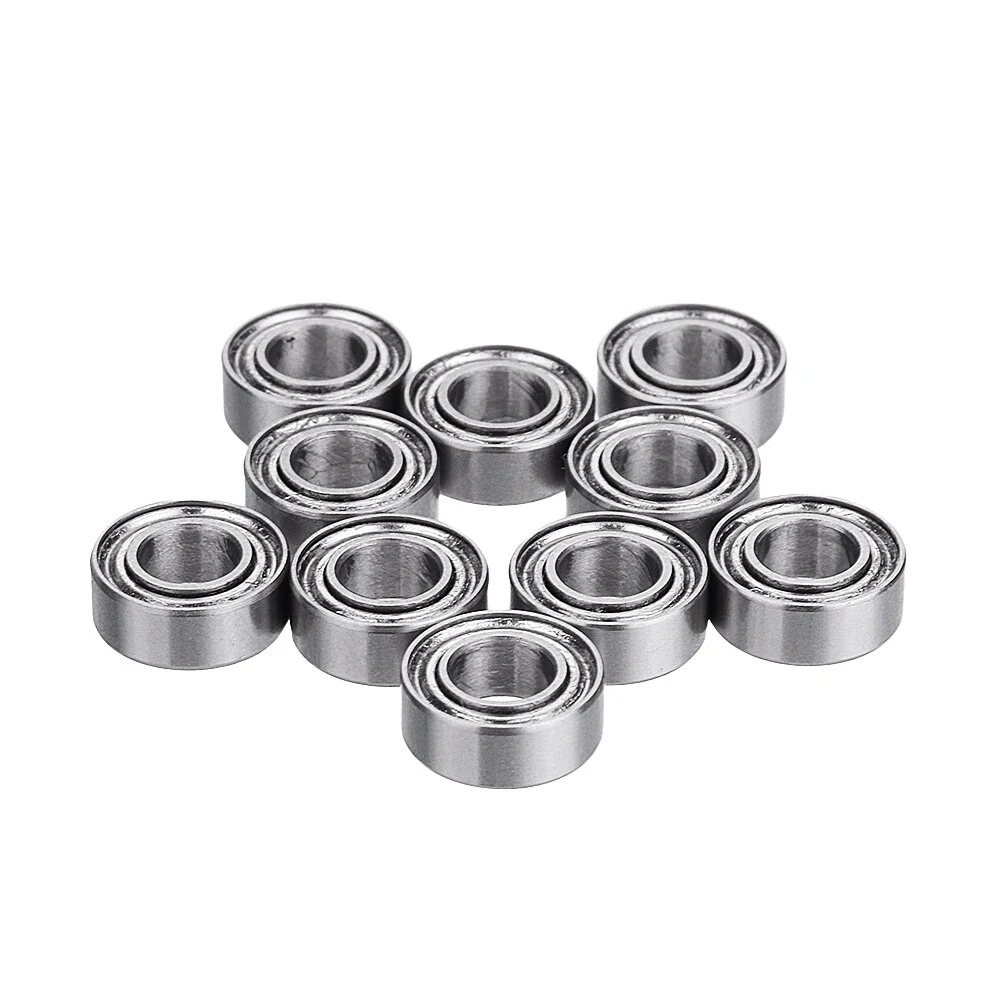
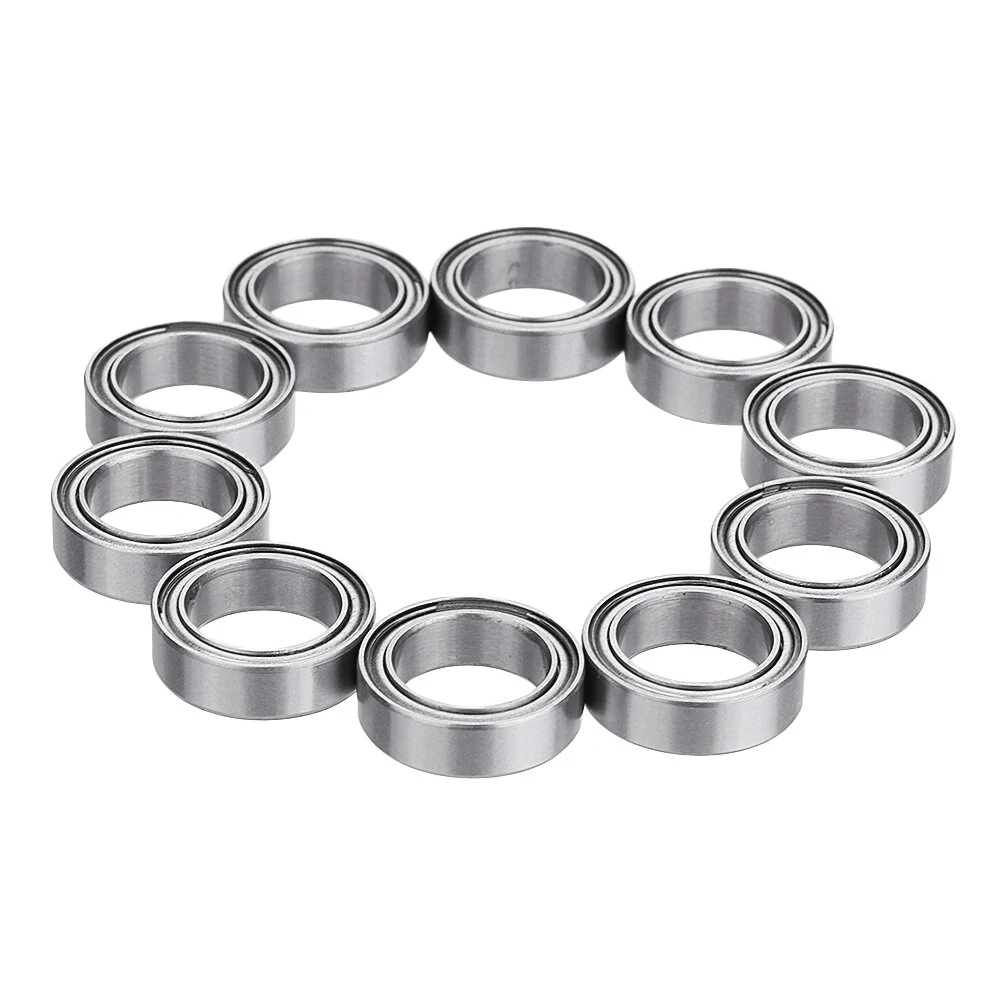
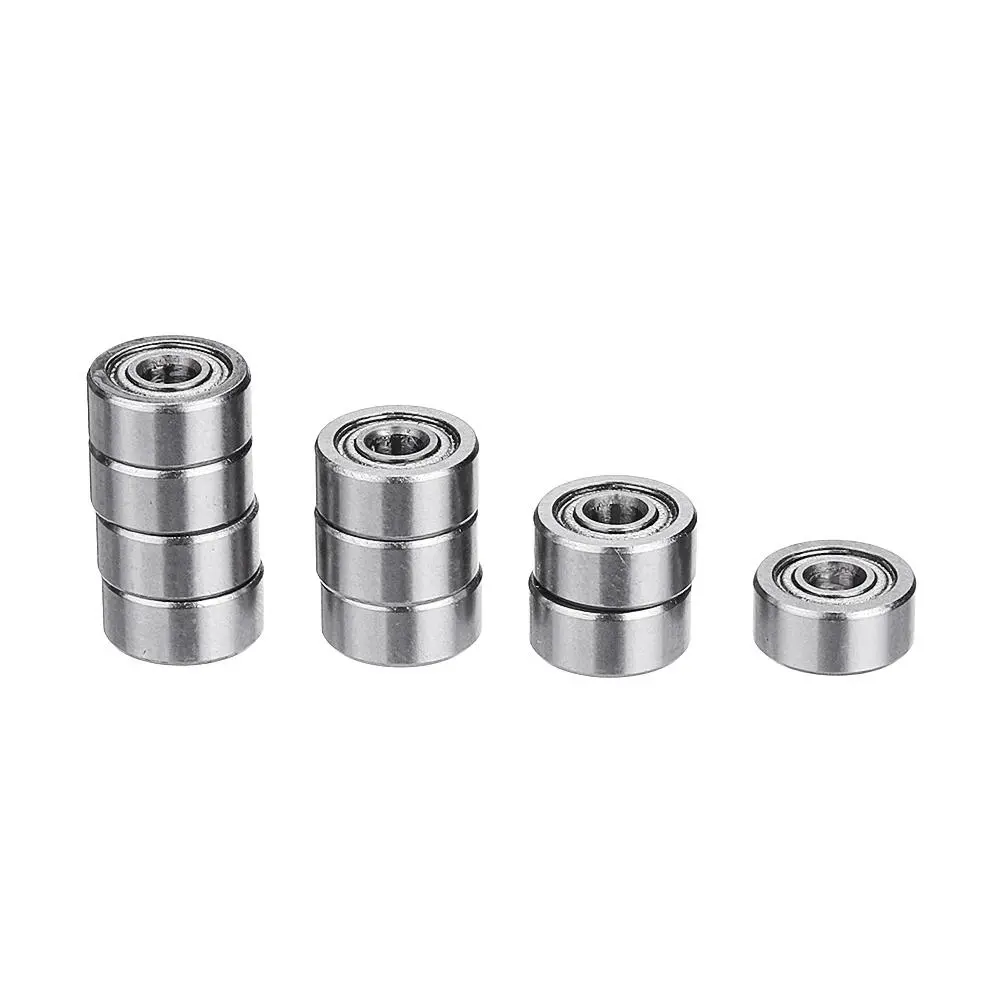
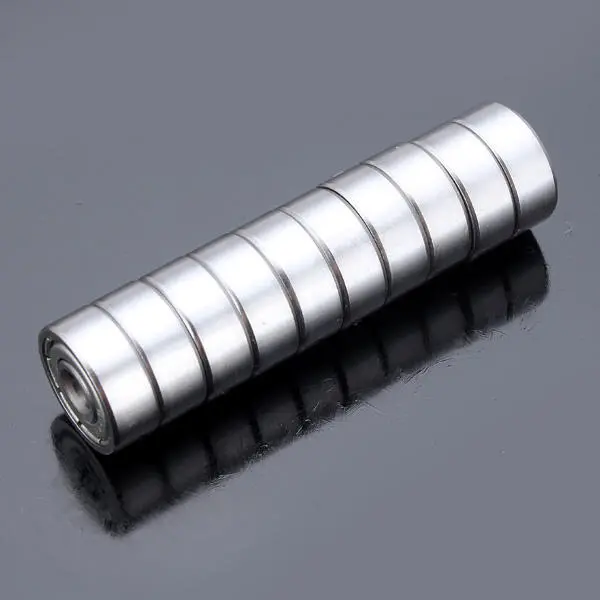
Key products within this essential category include critical wear items like bearings, seals, and gears, which ensure smooth rotational movement and prevent contamination. Hydraulic components such as cylinders, pumps, and valves are vital for systems requiring controlled force and motion. Engine parts, including filters, pistons, and gaskets, are crucial for the heart of mobile and stationary power units. Furthermore, conveyor system parts, drive elements like belts and chains, and fasteners all play indispensable roles in continuous operation.
The primary benefits of sourcing premium machinery parts are manifold. First and foremost is enhanced reliability, reducing the frequency of unexpected breakdowns and associated production losses. High-quality parts also offer superior durability, lasting longer under strenuous conditions and providing a better return on investment. They ensure optimal machine performance, maintaining the efficiency and output quality your processes demand. Finally, using the correct OEM or premium aftermarket parts guarantees compatibility, preserving your equipment's integrity and often extending its overall service life. Whether you need a routine replacement or a critical spare, the right part is key to uninterrupted operation.
Choosing the right machinery part requires careful consideration to ensure a perfect fit and optimal performance. Start by accurately identifying the make, model, and serial number of your equipment. Cross-reference part numbers from the original manufacturer's manual whenever possible. Consider the application's demands: will the part face extreme temperatures, high pressure, or corrosive environments? This will guide your choice of material, whether it's hardened steel, specialized polymers, or corrosion-resistant alloys.
Frequently Asked Questions:
**Q: What is the difference between OEM and aftermarket parts?**
A: OEM (Original Equipment Manufacturer) parts are made by your machine's original builder, guaranteeing exact specifications. Aftermarket parts are produced by third-party companies and can offer cost savings, but quality varies. Always choose reputable suppliers for aftermarket components.
**Q: How can I tell when a machinery part needs replacing?**
A: Look for signs like unusual noises, vibrations, decreased performance, leaks, or visible wear. Adhering to the manufacturer's recommended preventive maintenance schedule is the best way to identify parts needing replacement before they fail.
**Q: Are generic parts as reliable as branded ones?**
A: Not always. While some generic parts meet or exceed OEM standards, others may compromise on materials or tolerances. For non-critical applications, they can be suitable, but for core components, investing in proven, high-quality brands is often safer and more economical in the long run.
Prioritize suppliers with strong technical support, clear warranties, and a proven track record in your industry to ensure you get the right part for the job.