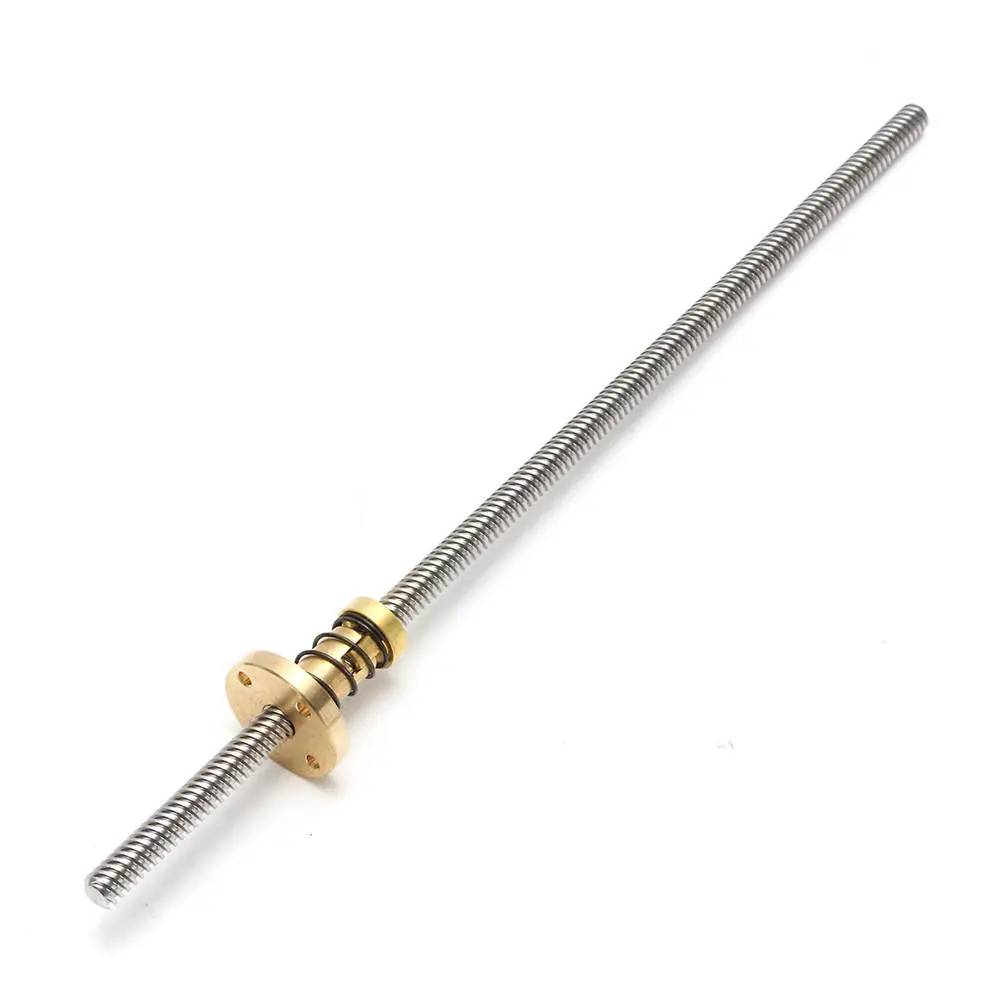
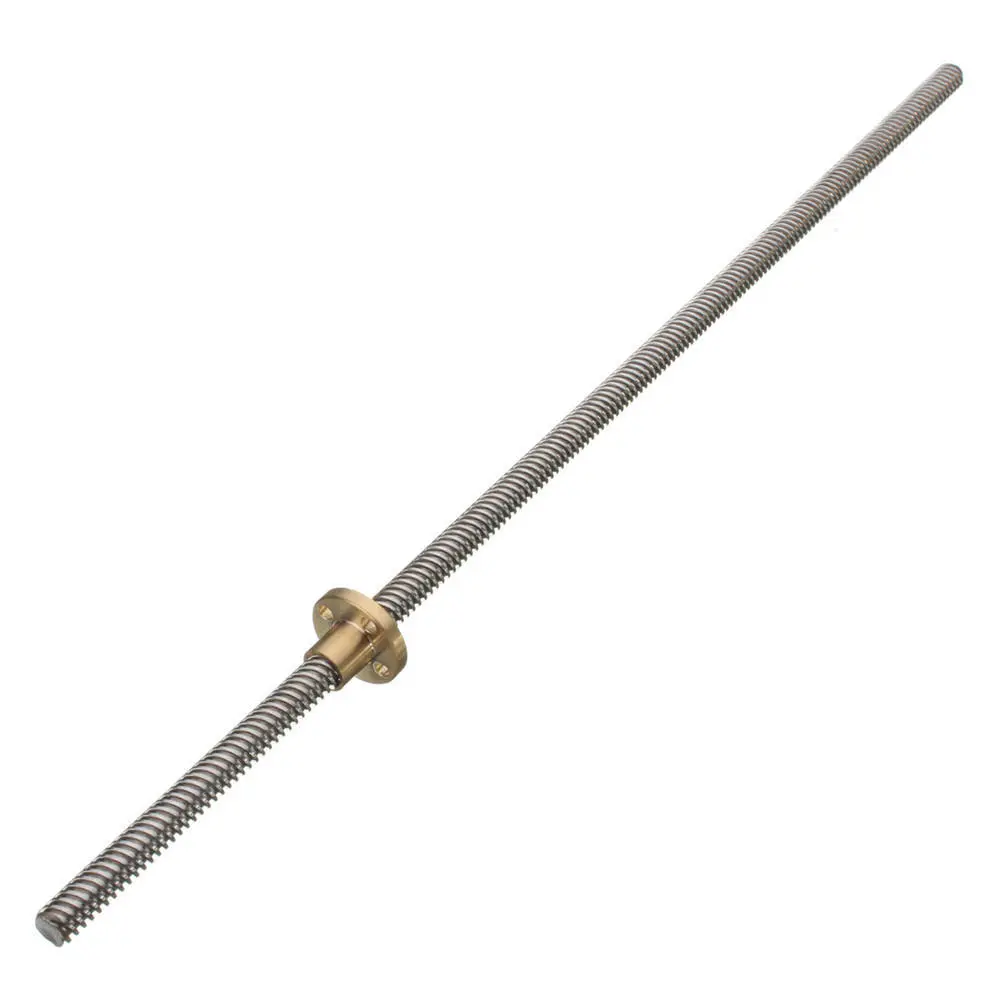
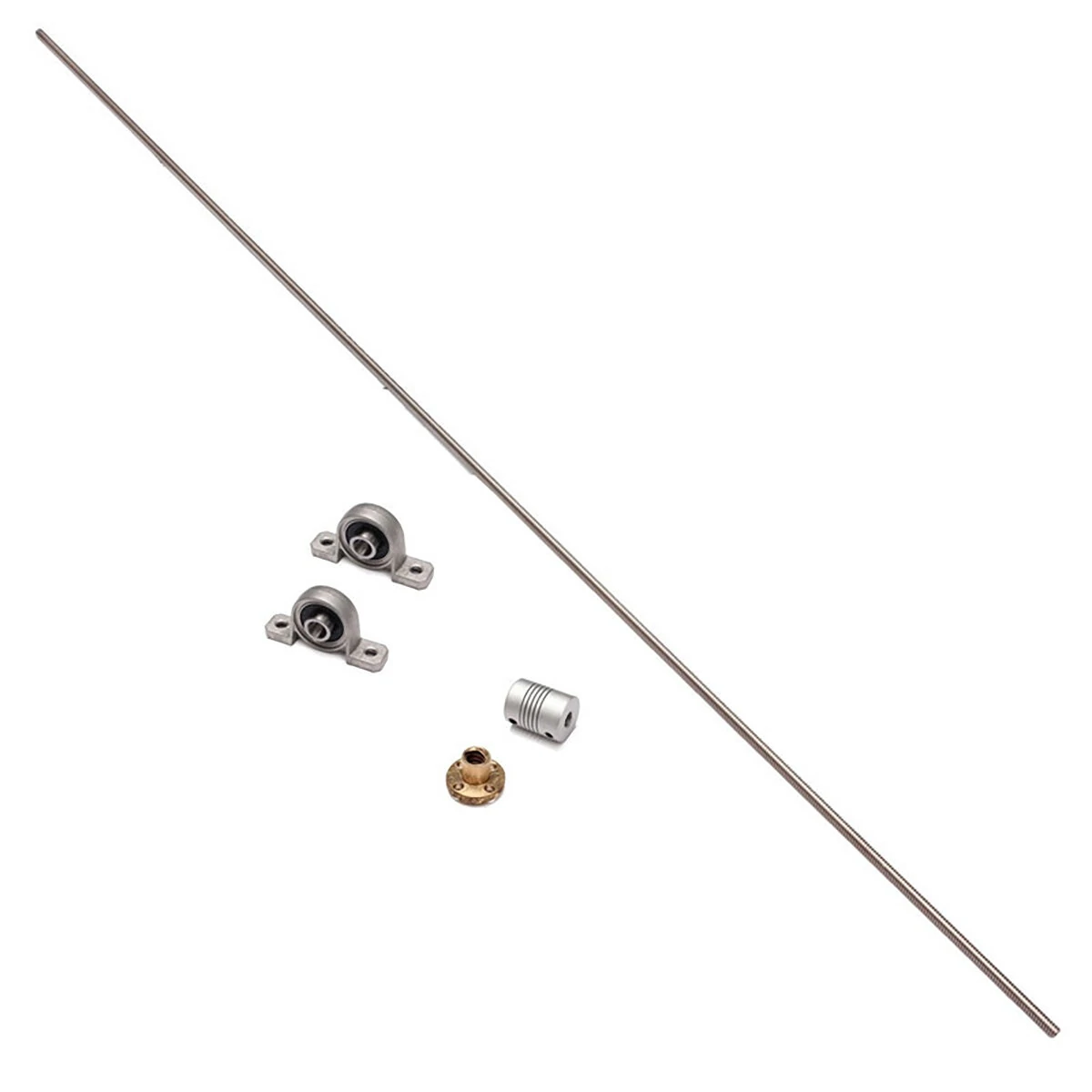
Lead screws are the fundamental mechanical component for converting rotary motion into precise, reliable linear movement. Found in everything from high-speed CNC machines and 3D printers to medical devices and automotive adjustments, a quality lead screw is critical for accuracy, repeatability, and system longevity. This category encompasses a range of screw types, each engineered for specific performance needs. Precision-ground ball screws offer exceptionally high efficiency and speed with minimal friction, making them ideal for demanding CNC and industrial automation. ACME lead screws, known for their trapezoidal thread form, provide excellent load-bearing capability and cost-effectiveness for applications like presses, lifts, and manual adjustments. For less demanding or budget-conscious projects, standard thread lead screws offer a straightforward solution. Key benefits of selecting the right lead screw include achieving micron-level positioning accuracy, handling substantial thrust loads with stability, and ensuring smooth, predictable motion over millions of cycles. When sourcing a lead screw, engineers and buyers prioritize materials like hardened steel or stainless steel for durability, precise thread leads for controlled movement per revolution, and compatibility with anti-backlash nuts to eliminate play. Whether you're upgrading a prototype or specifying components for mass production, understanding the nuances of lead screw technology is the first step toward building a superior motion control system.
Choosing the correct lead screw is vital for your application's success. Start by defining your core requirements: What is the required load capacity and travel speed? Ball screws excel in high-speed, high-duty-cycle scenarios, while ACME screws are robust for slower, high-force applications. Next, consider accuracy grades; precision-ground screws are for machine tools, while rolled threads may suffice for general positioning. The lead (distance traveled per revolution) directly impacts speed and resolution—a smaller lead offers finer control. Material selection is crucial; stainless steel resists corrosion in harsh environments. Finally, don't overlook the nut; an anti-backlash nut is essential for precision applications to prevent 'play.' FAQ: **Q: What's the difference between a lead screw and a ball screw?** A: Lead screws (like ACME) use sliding contact, are self-locking, and are often more economical. Ball screws use recirculating ball bearings for rolling contact, offering higher efficiency and speed but at a greater cost. **Q: How do I prevent backlash?** A: Use a pre-loaded or anti-backlash nut designed to take up clearance between the screw and nut threads. **Q: What maintenance do lead screws require?** A: Most require periodic lubrication to reduce wear and friction. Ball screws may need resealing over time. Always consult with a specialist or manufacturer to match the screw to your specific load, speed, accuracy, and environmental conditions for optimal performance.