Power tool batteries are the heart of any cordless tool system, dictating performance, runtime, and overall productivity. Modern advancements have moved far beyond older nickel-cadmium (Ni-Cd) technology, with Lithium-ion (Li-ion) batteries now dominating the market. These batteries offer significant benefits, including higher energy density for more power in a compact size, minimal self-discharge so they hold a charge longer in storage, and no memory effect, allowing for partial charges without damaging capacity.
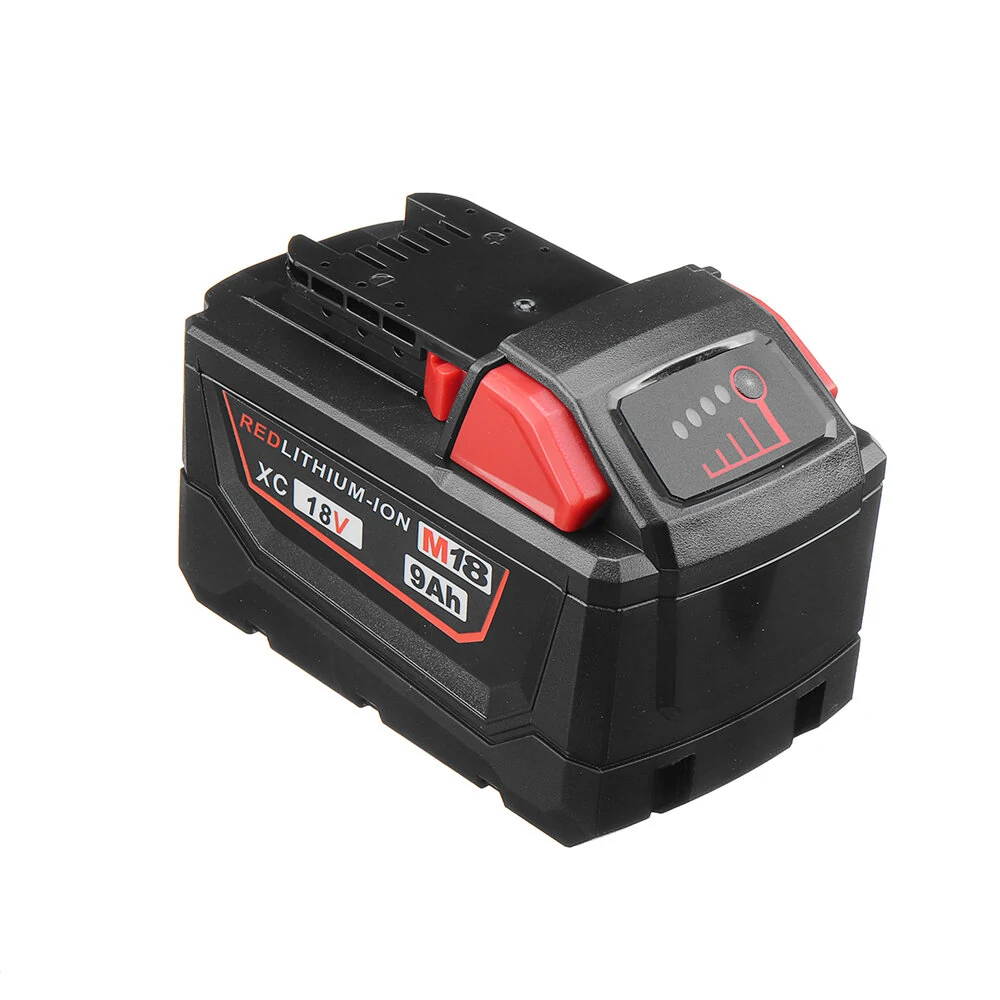
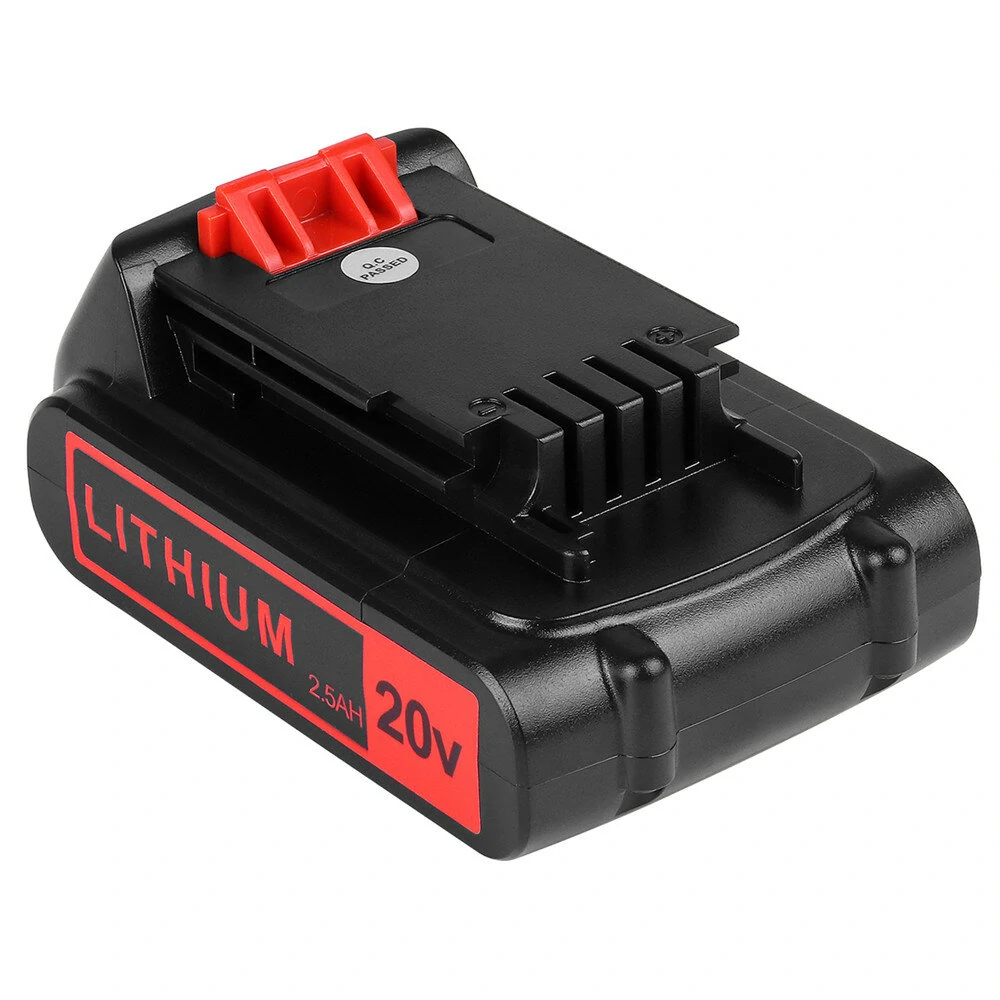
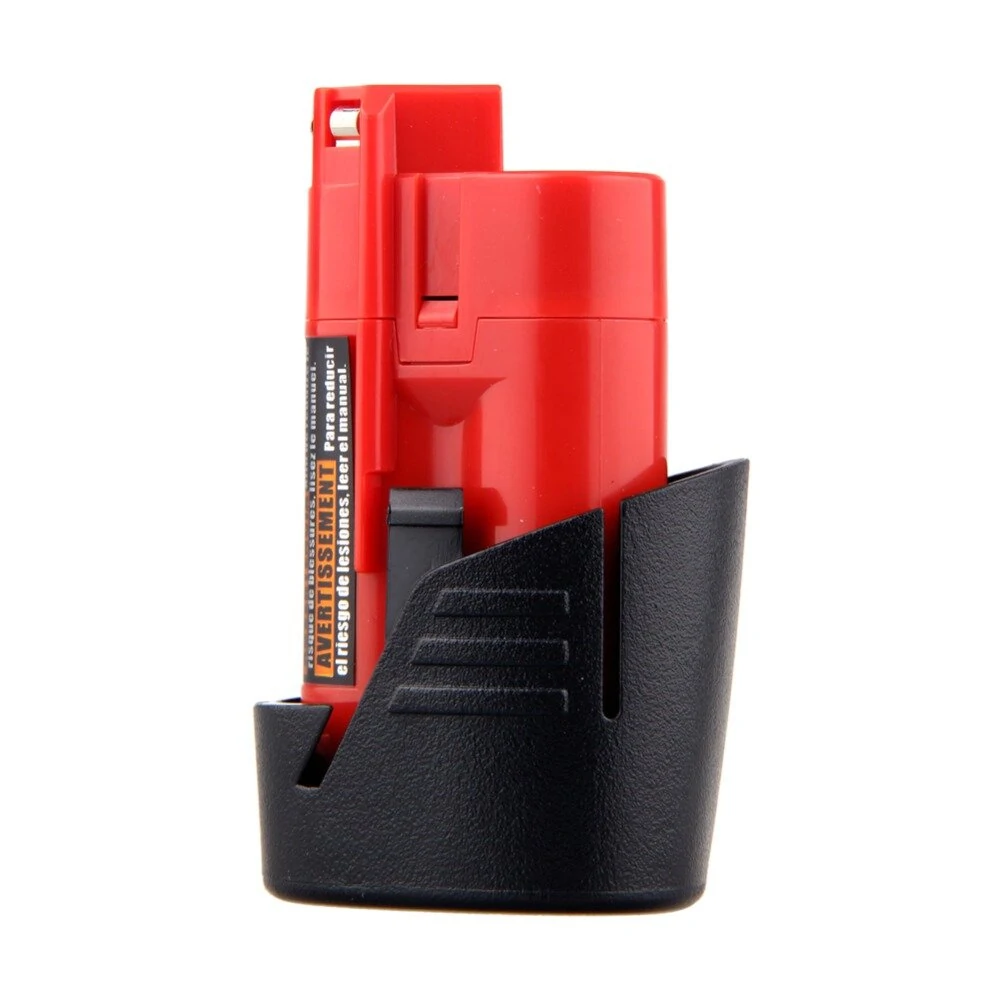
When selecting a power tool battery, key specifications are voltage (V) and amp-hour (Ah) rating. Voltage (e.g., 12V, 18V/20V Max) determines the potential power and is tied to your tool's platform. Amp-hours indicate the battery's capacity or how long it can run; a higher Ah rating means longer runtime between charges. Popular form factors include compact batteries for lightweight tasks and high-capacity packs for demanding applications like sawing or drilling into dense materials.
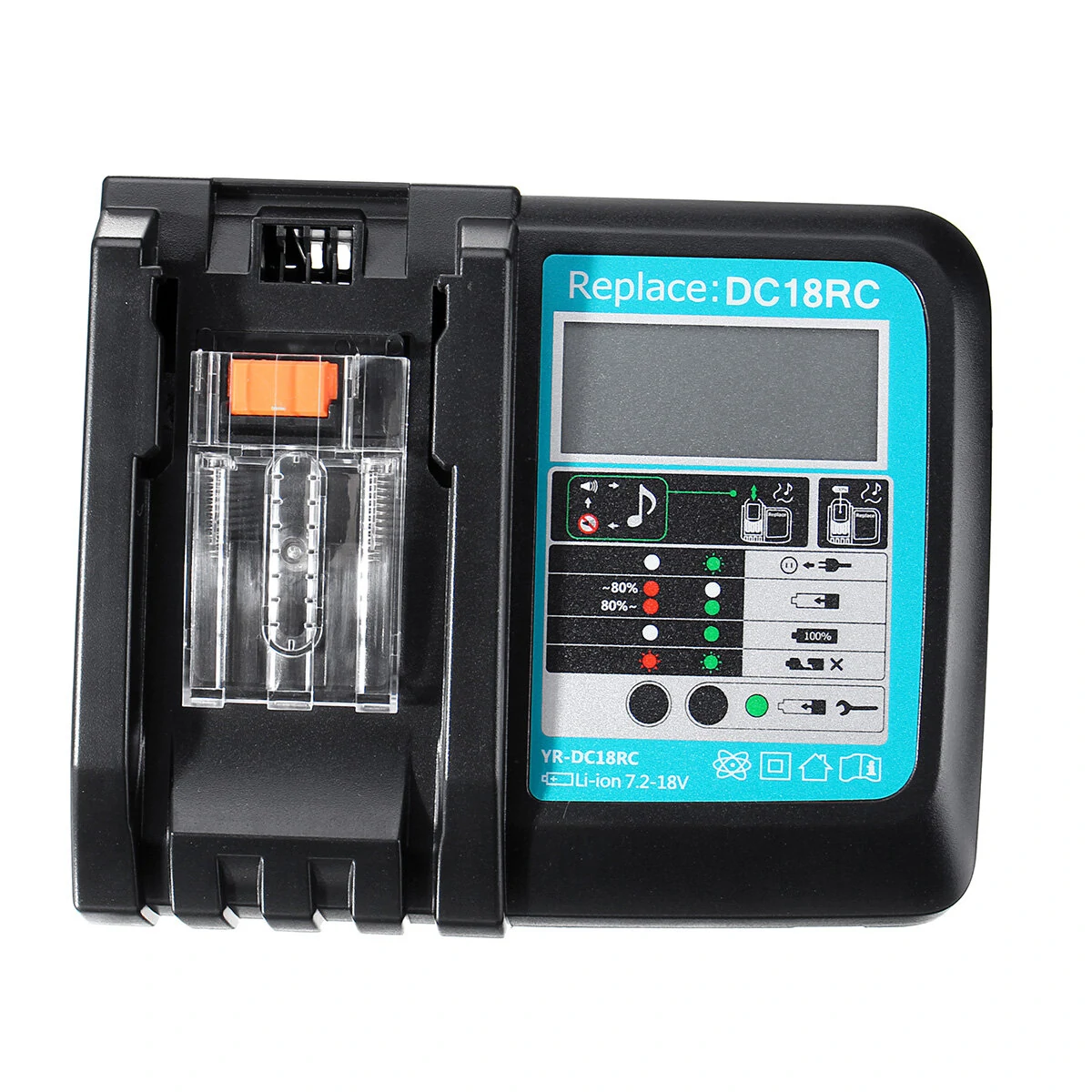
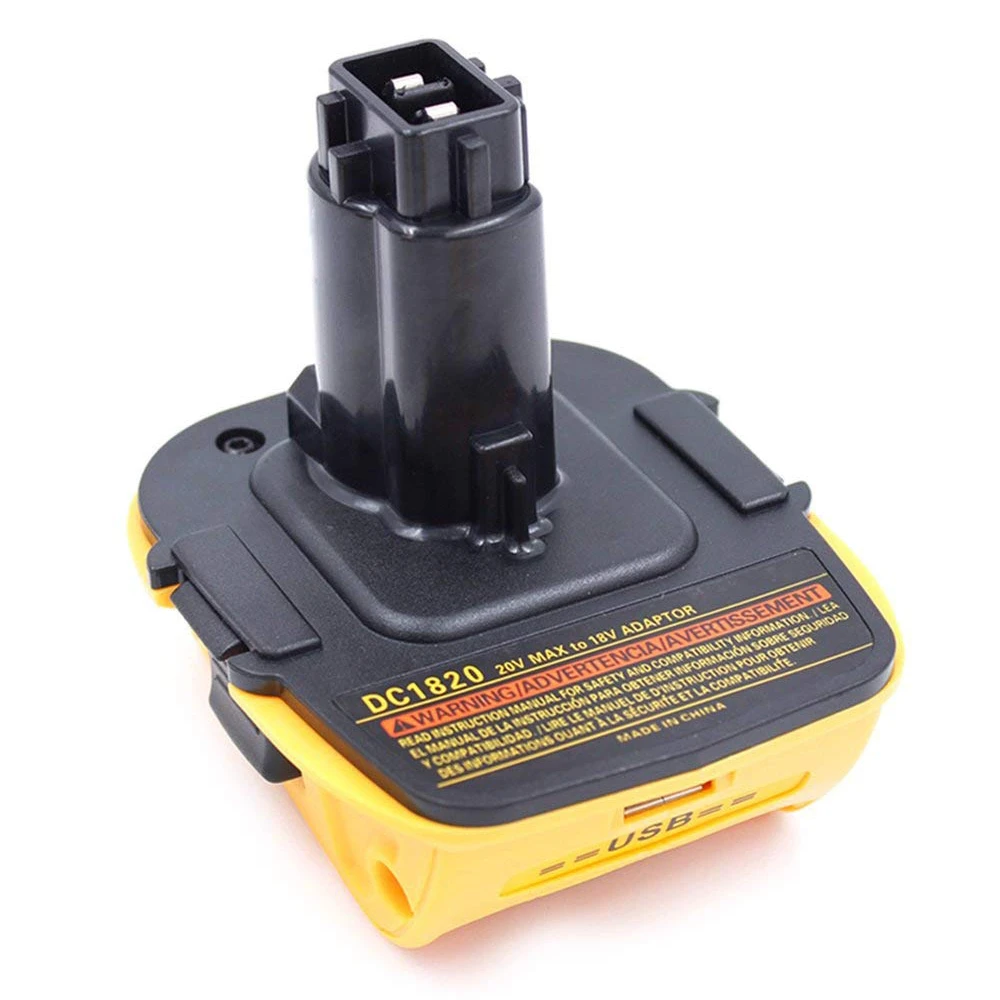
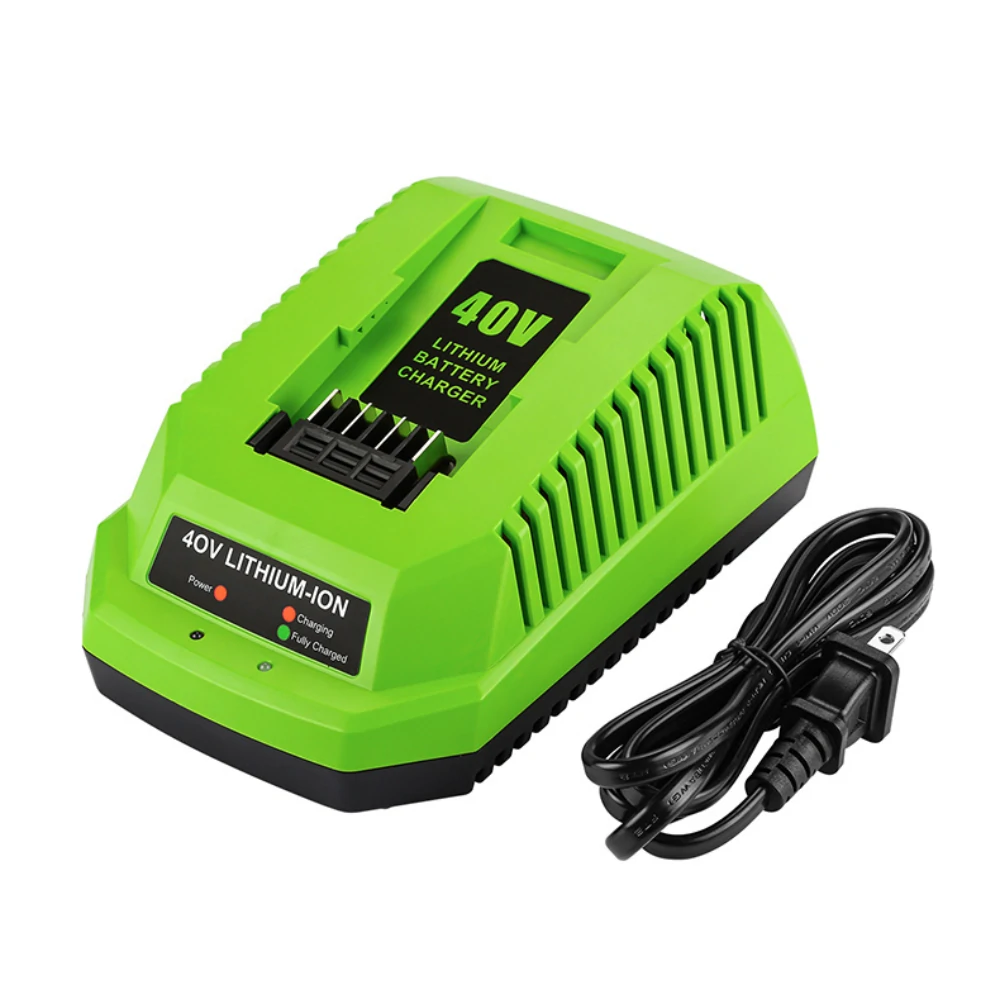
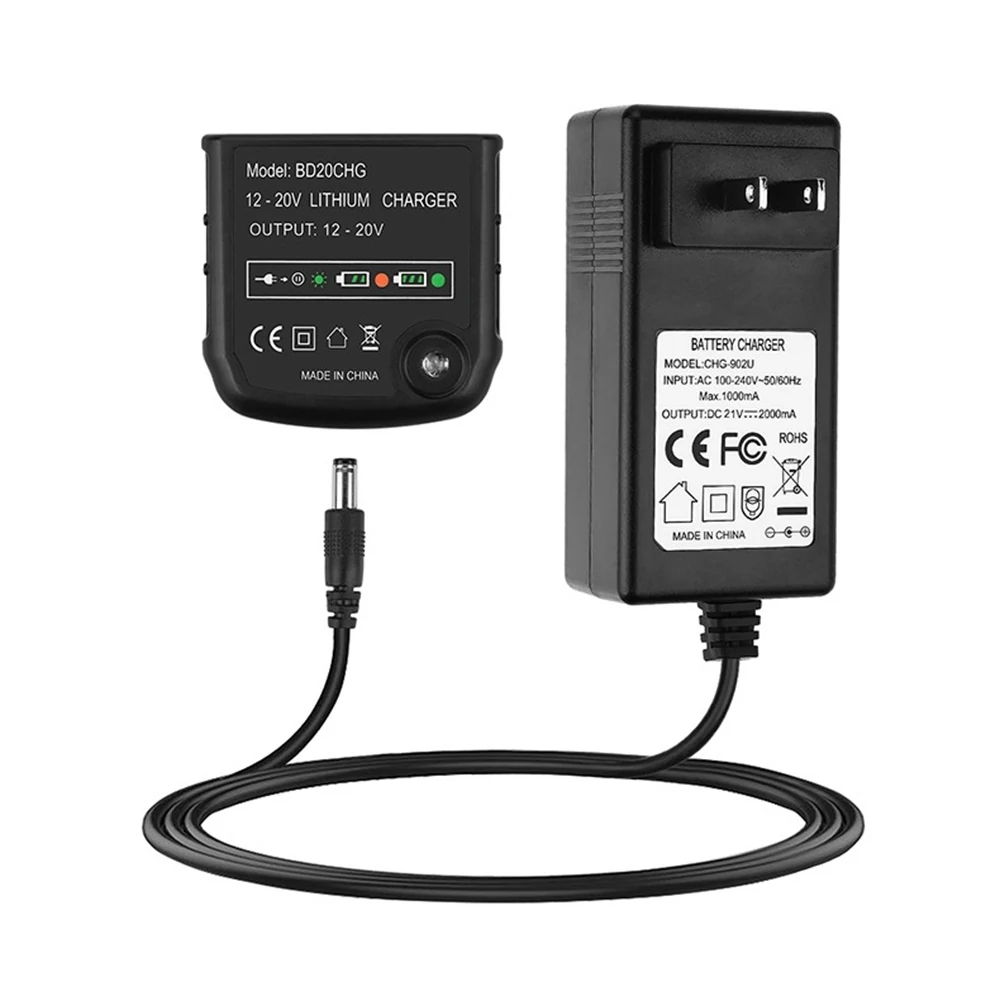
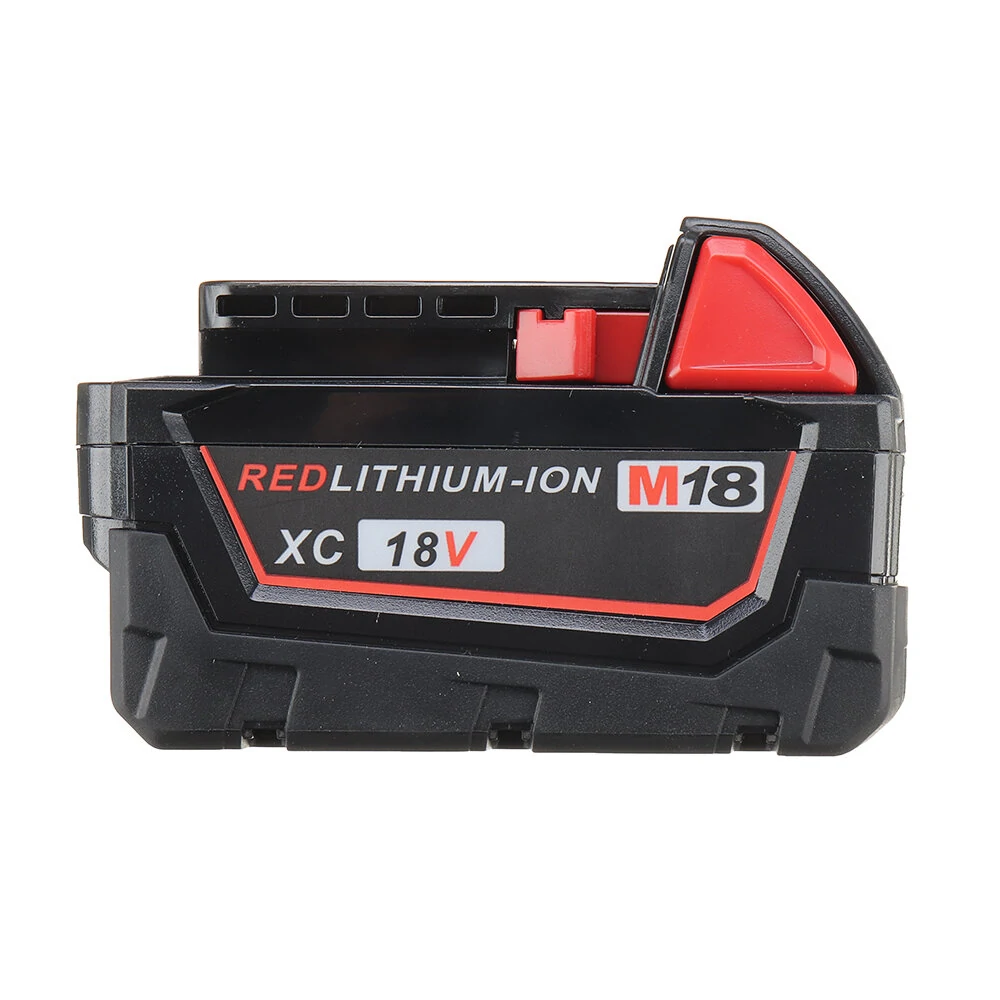
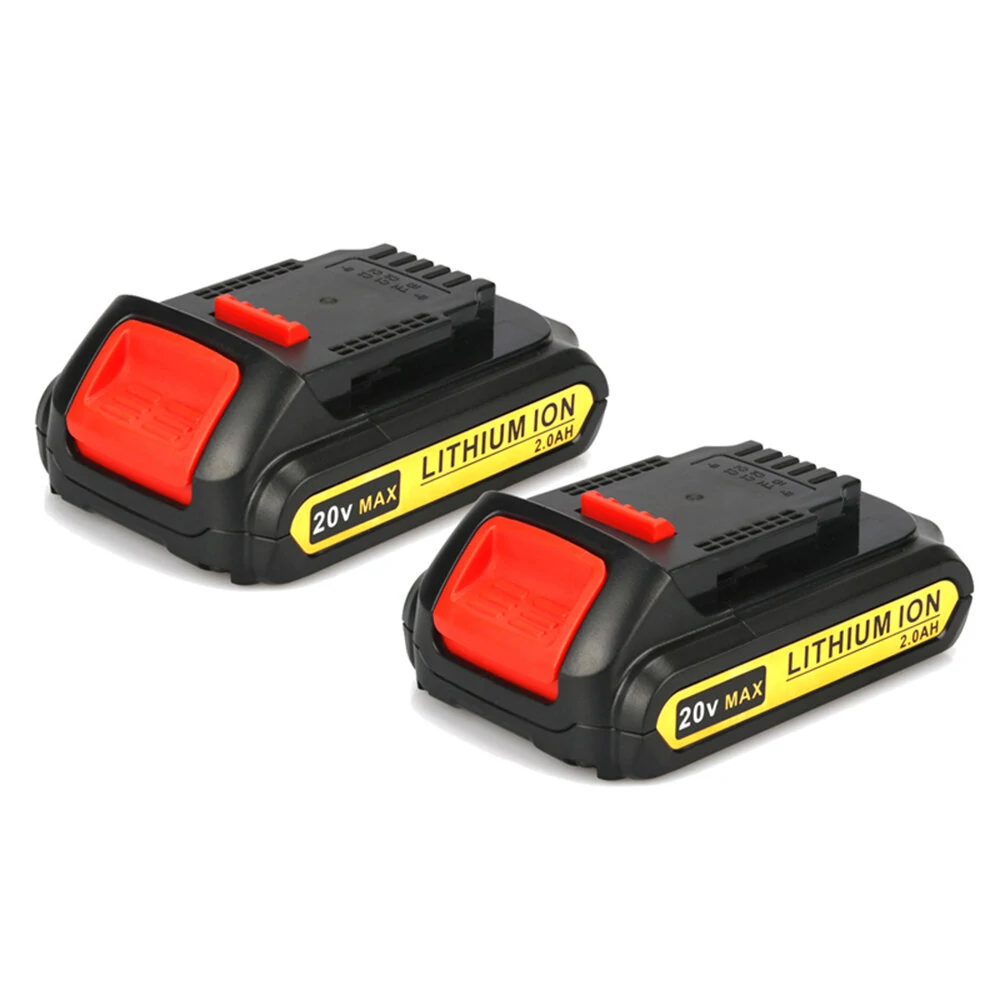
Compatibility is paramount. Batteries are typically designed for specific brand ecosystems (like DEWALT 20V MAX, Milwaukee M18, or Makita 18V LXT). Using the correct battery ensures safe operation and optimal tool function. Beyond the battery itself, smart chargers can significantly reduce charging times and help maintain battery health through features like temperature monitoring and automatic shut-off. Investing in high-quality, compatible batteries is essential for unlocking the full potential of your cordless tools, turning them into reliable partners for DIY projects or professional job sites.
**Buying Guide & FAQ**
**How do I choose the right battery voltage?**
Match the voltage to your existing tools. 12V batteries are great for compact, lightweight tools. 18V/20V Max platforms are the most popular, offering a balance of power and runtime for most drilling, driving, and cutting tasks. Higher voltages (e.g., 36V, 40V) are for heavy-duty outdoor power equipment.
**What does Ah (Amp-hour) mean for me?**
Think of Ah as the fuel tank size. A 2.0Ah battery will power a tool for a shorter period than a 5.0Ah or 6.0Ah battery of the same voltage. For light tasks, smaller Ah is fine. For prolonged use or high-demand tools (like circular saws), choose the highest Ah rating you can for less frequent charging.
**Are aftermarket or generic batteries safe?**
While often cheaper, they may lack the built-in protection circuits, precise fit, and consistent performance of OEM (Original Equipment Manufacturer) batteries. For safety and long-term tool health, OEM or highly reputable third-party batteries are recommended.
**How should I store and care for my batteries?**
Store Li-ion batteries in a cool, dry place, ideally at a 40-50% charge if not used for extended periods. Avoid exposing them to extreme heat or cold. Use the correct charger and never force a battery into a tool or charger it doesn't fit. Proper care maximizes lifespan and safety.