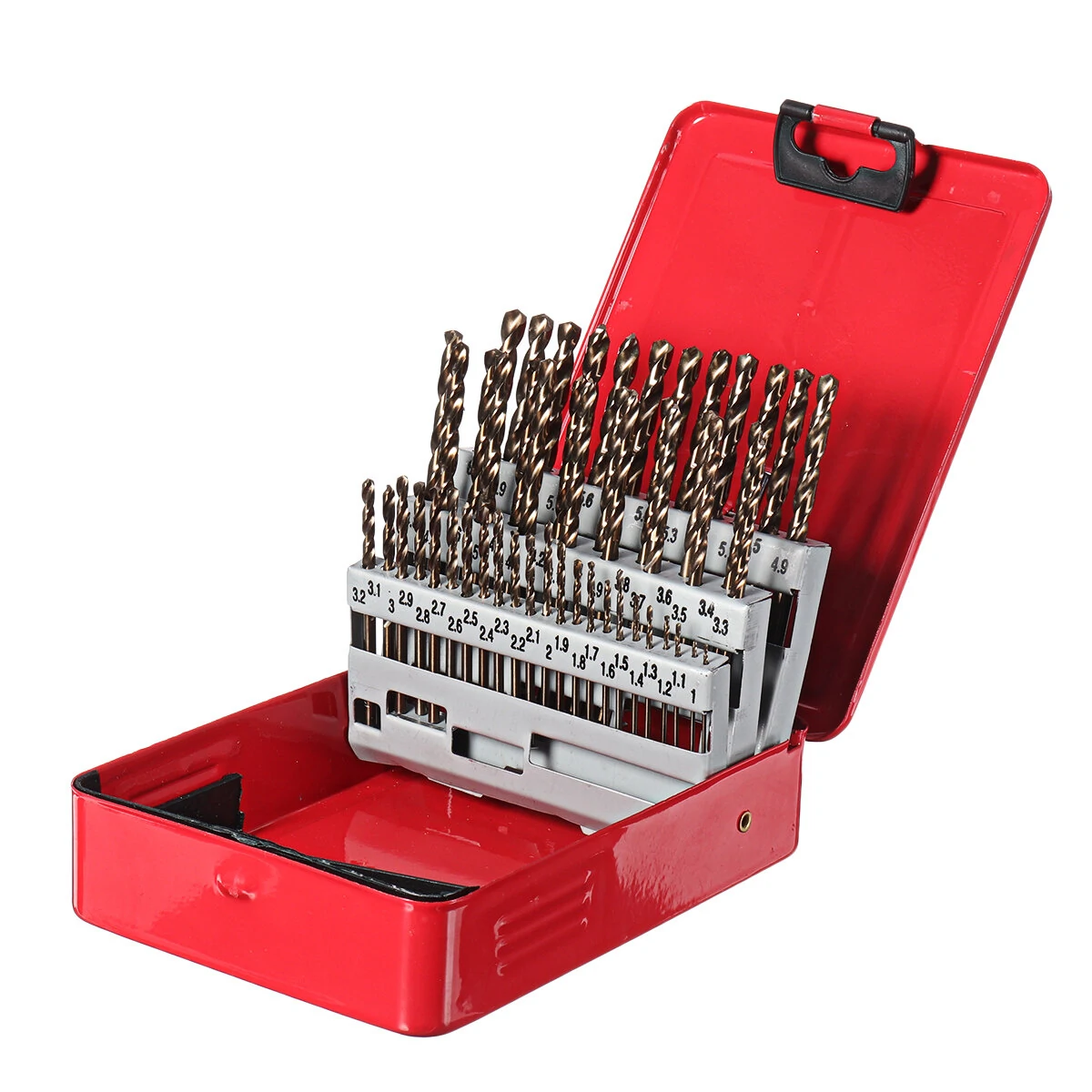
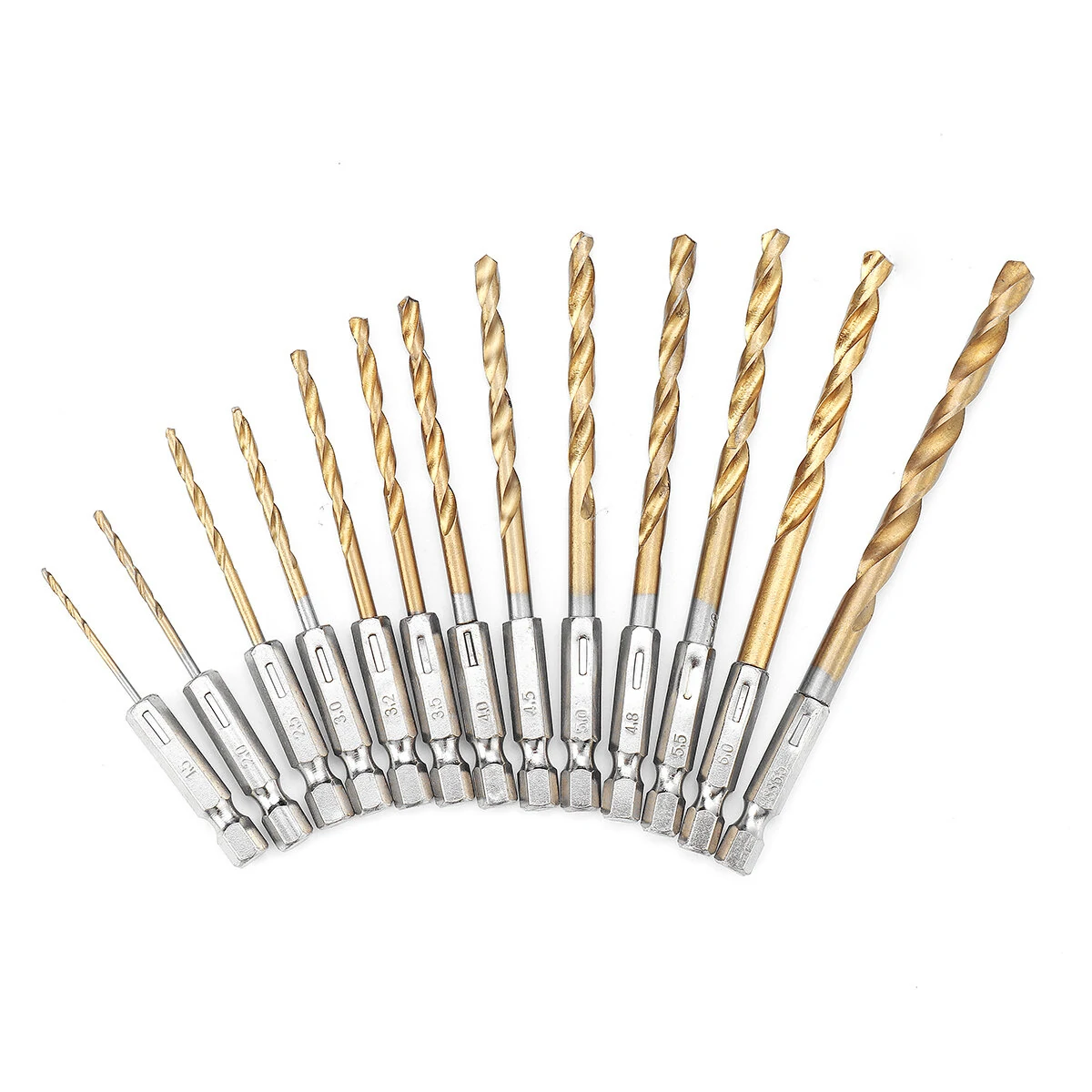
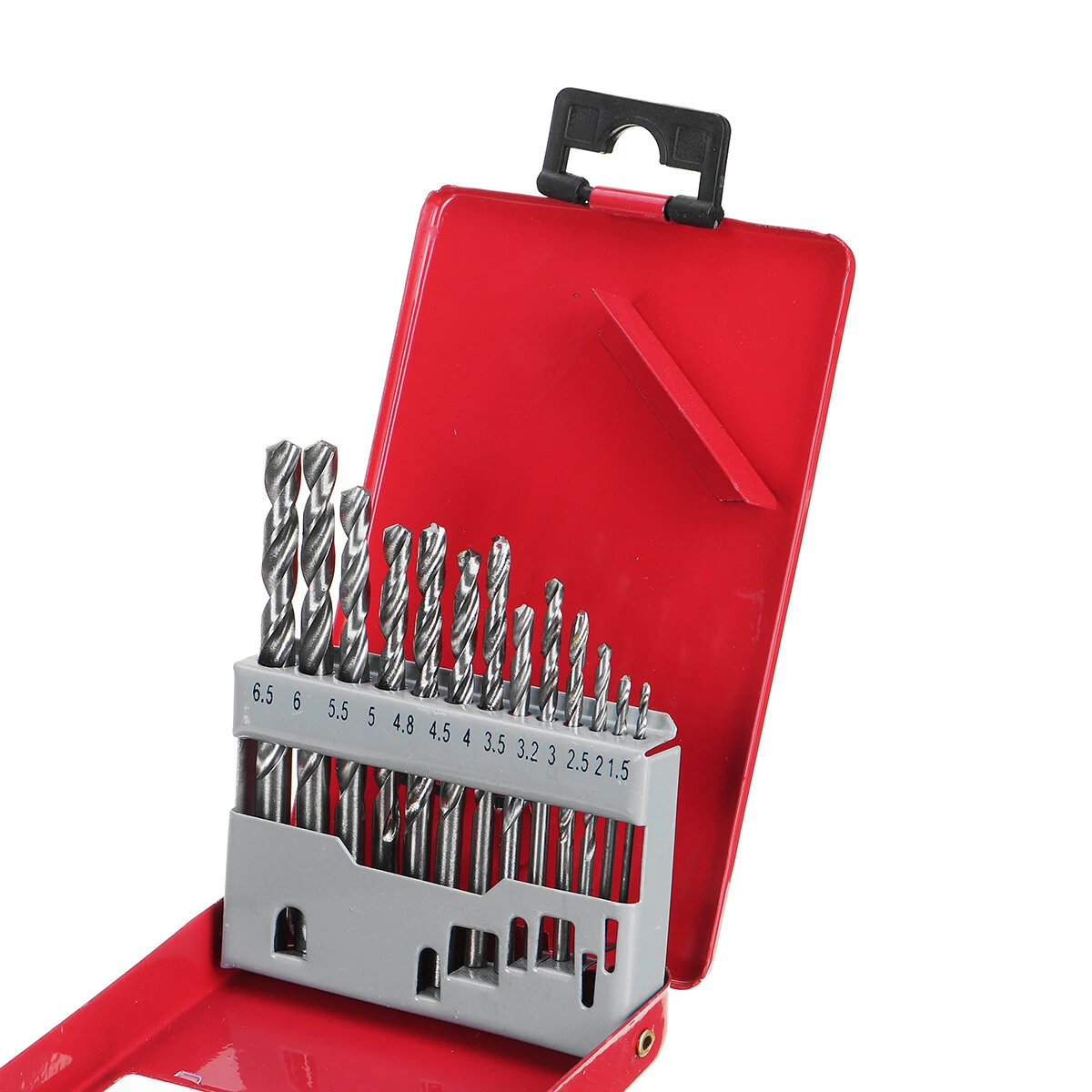
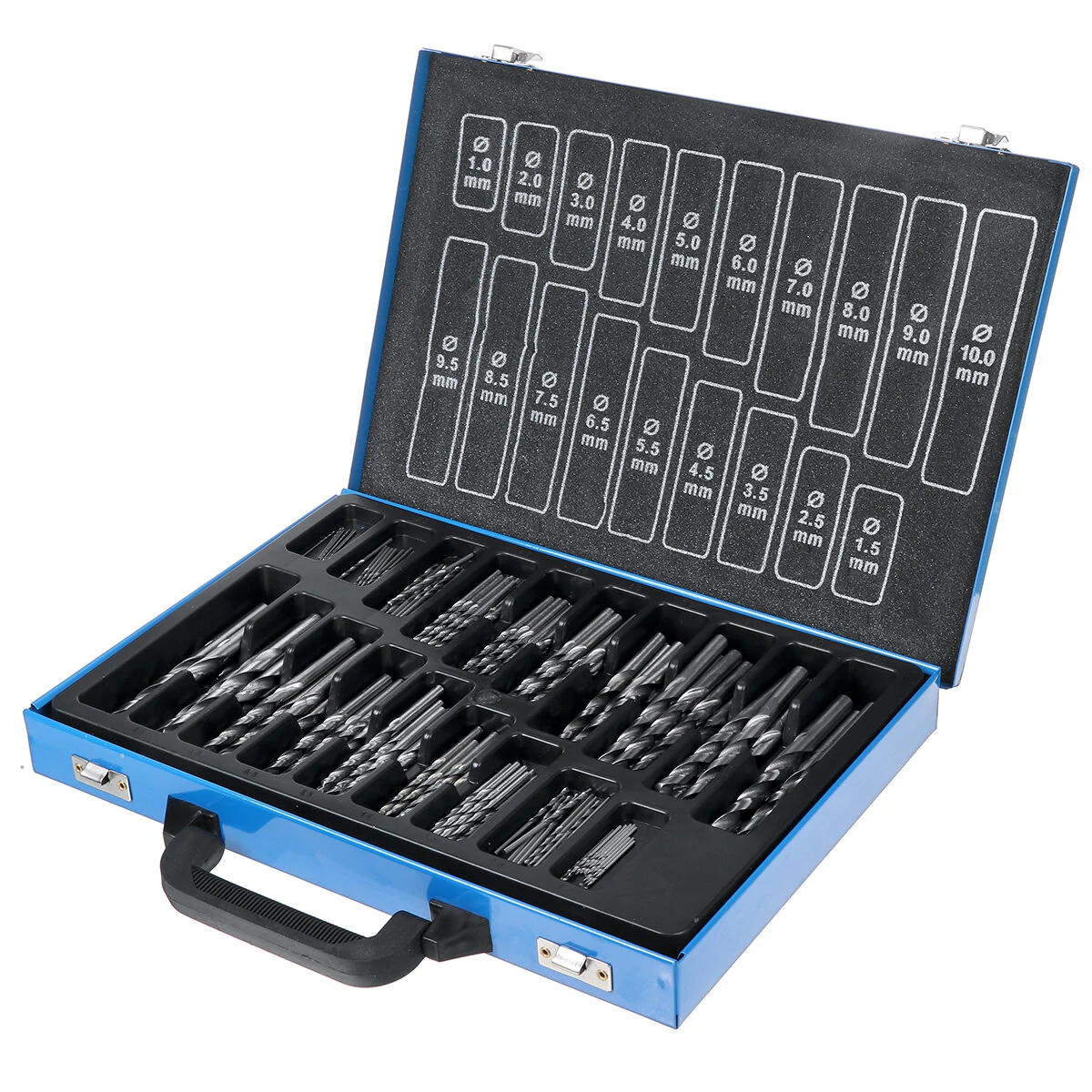
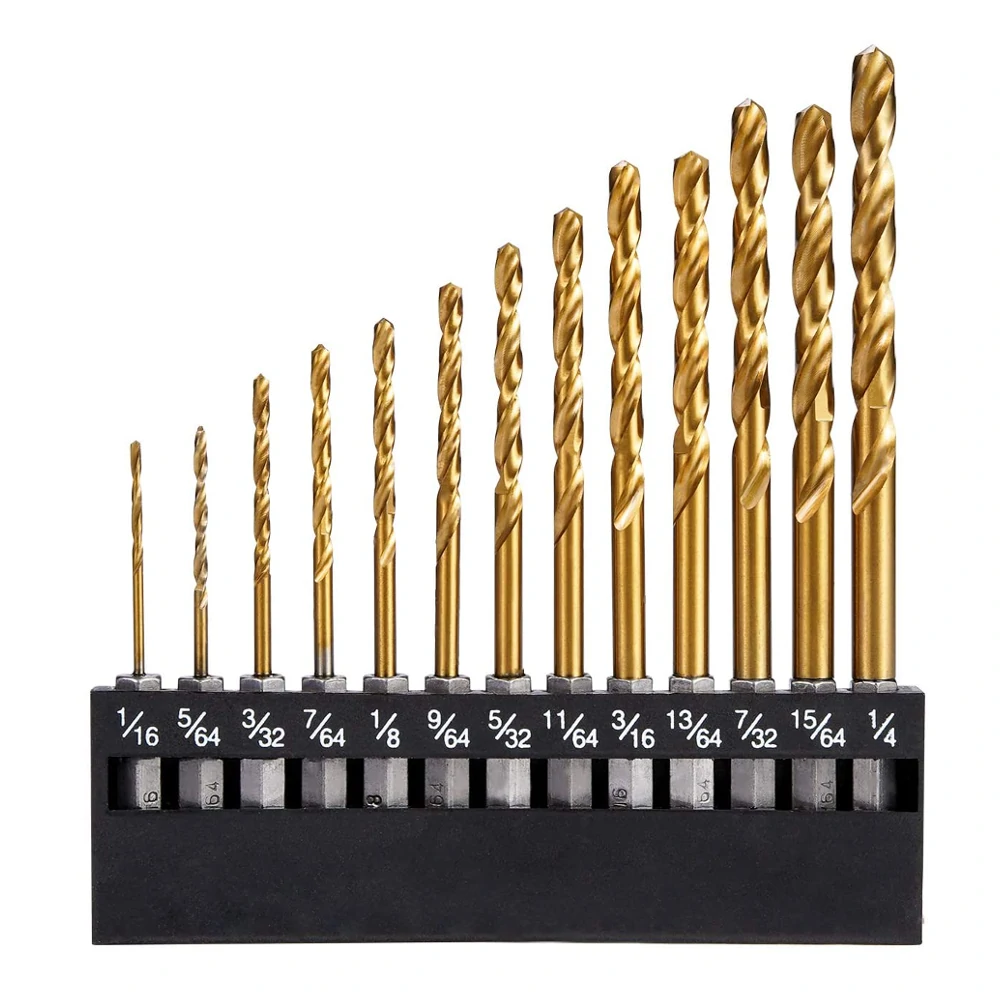
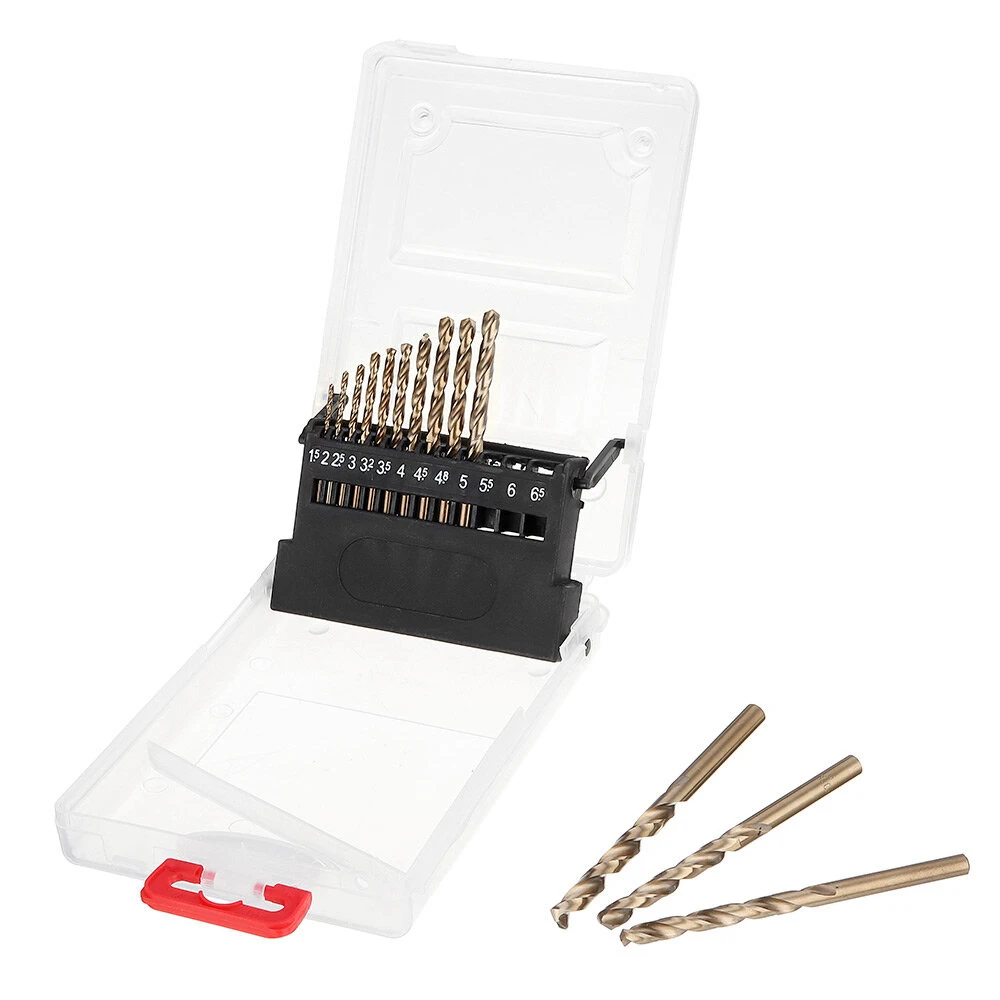
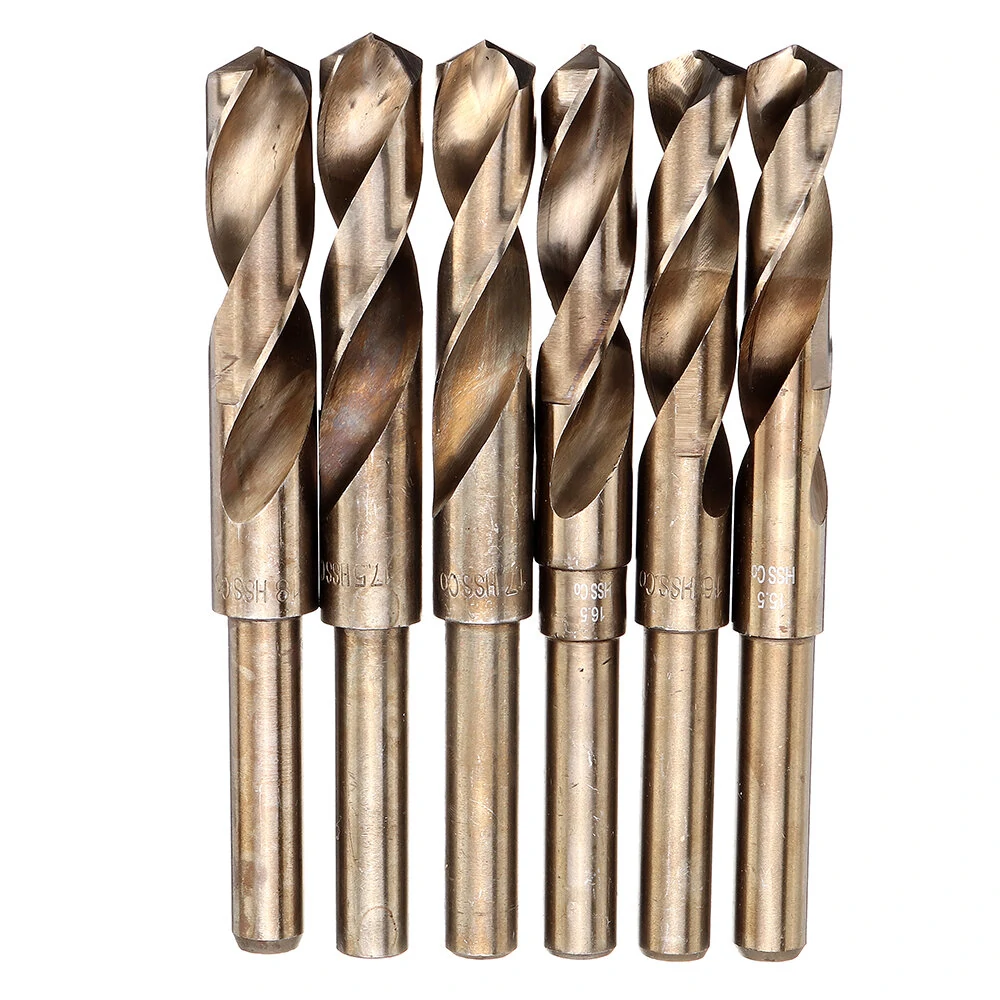
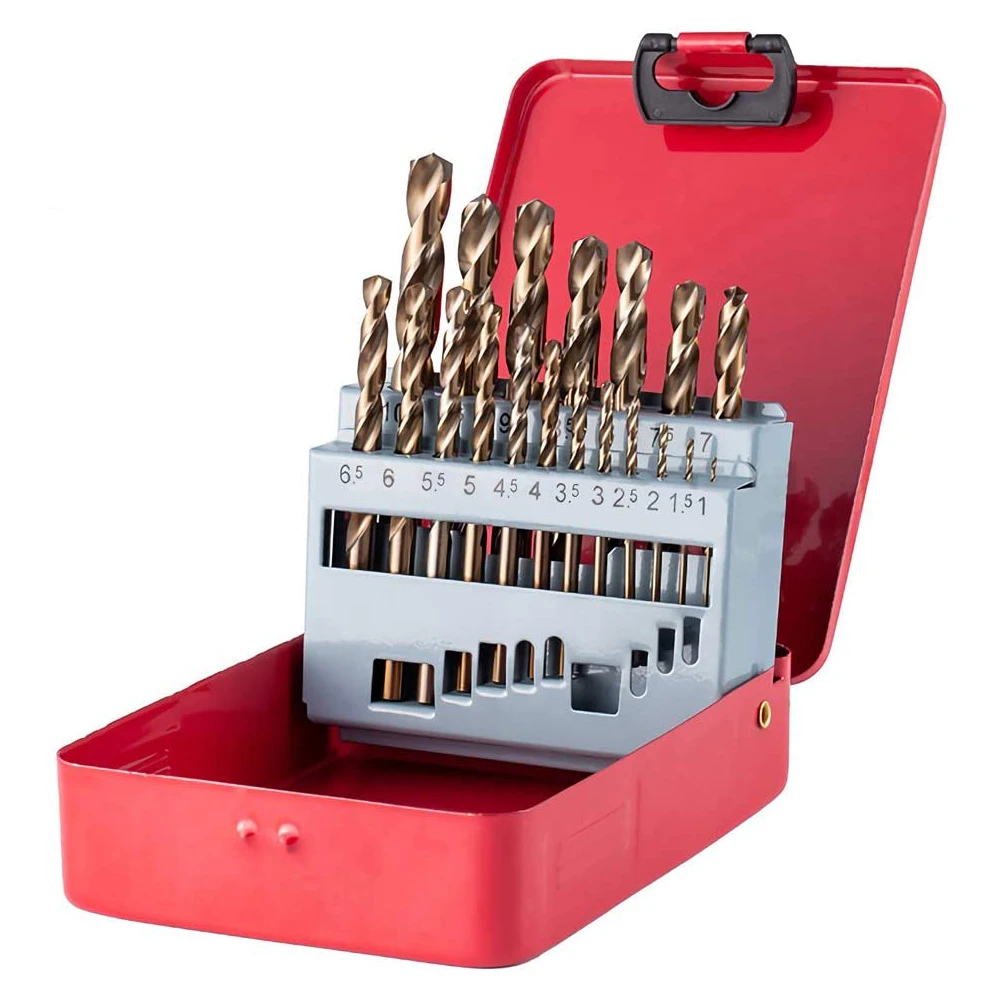
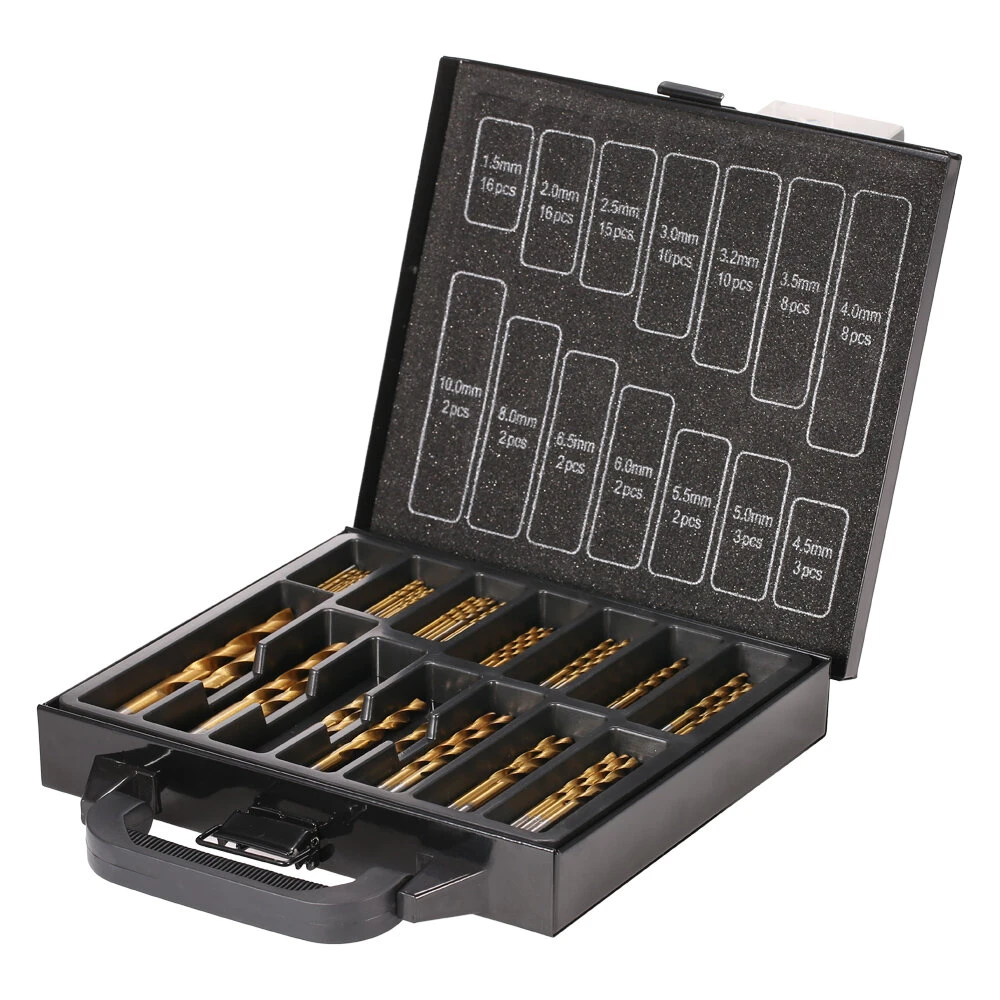
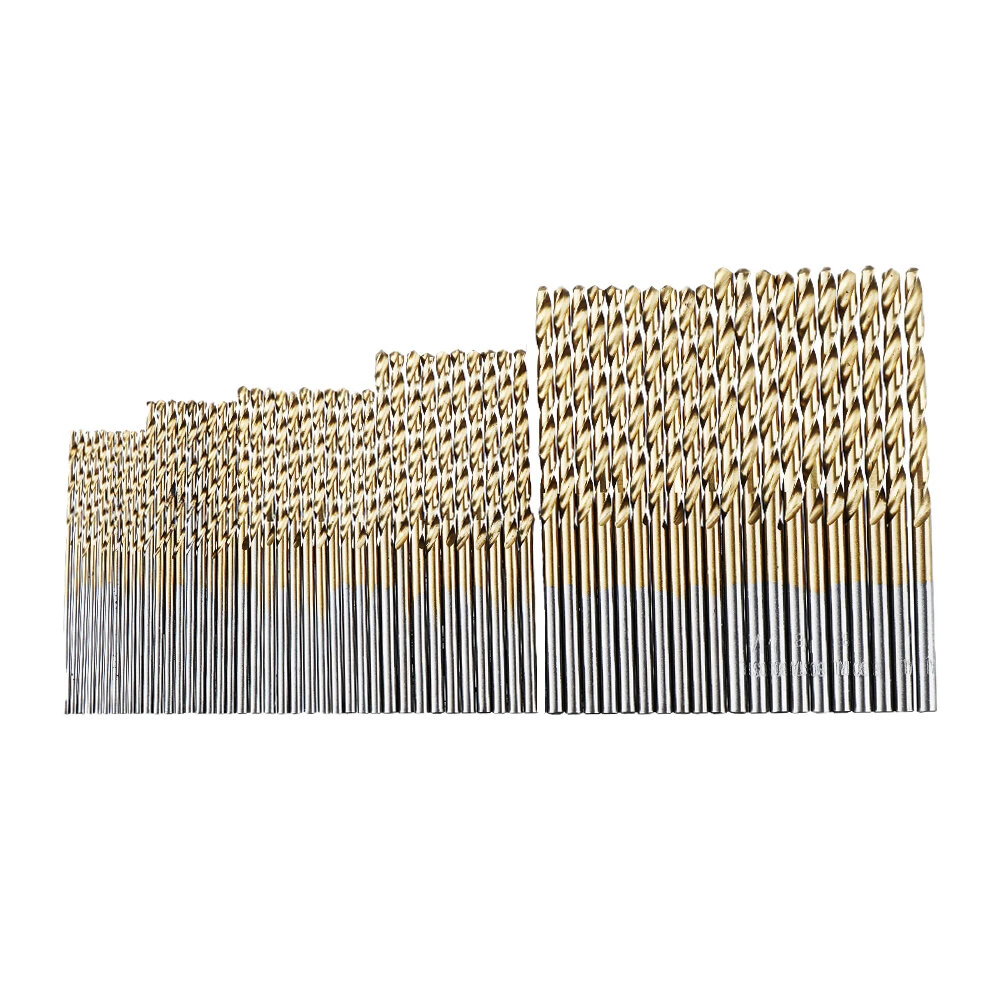
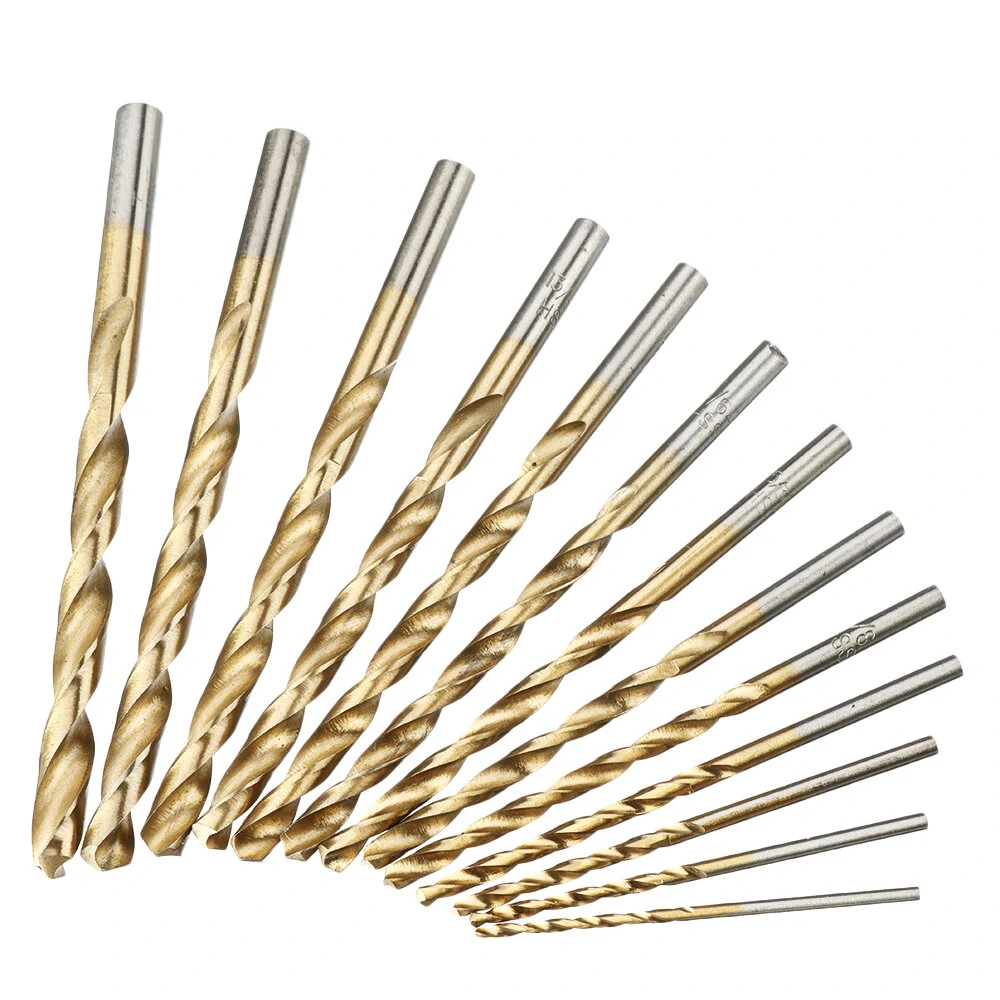
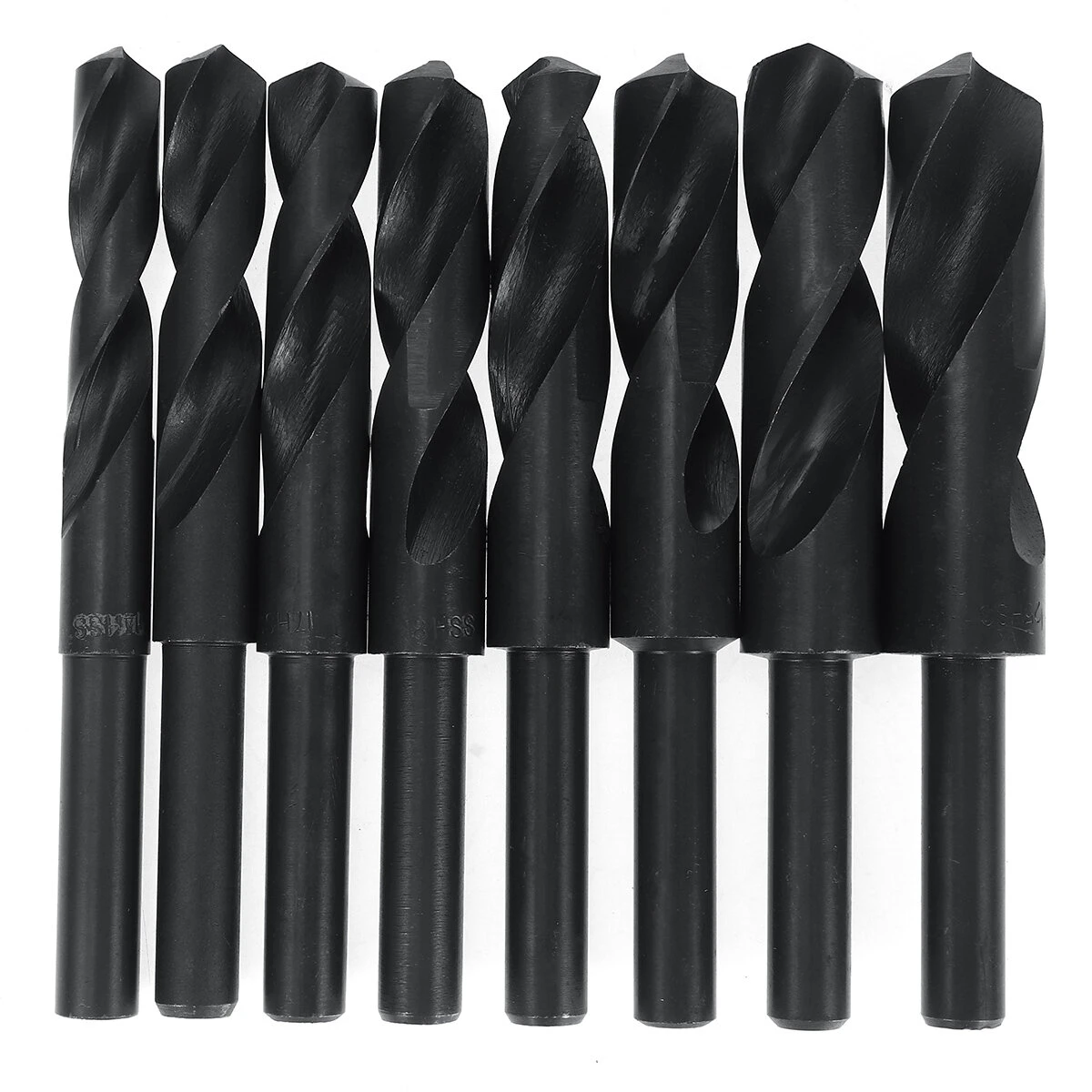
Twist drill bits are the fundamental, most versatile cutting tools found in any workshop, toolbox, or jobsite. Characterized by their spiral flute design, these bits are engineered to efficiently evacuate material chips while drilling clean, precise holes. The right twist drill bit transforms a challenging task into a smooth operation, whether you're working with metal, wood, plastic, or even masonry. At the core of their performance is the material and coating. High-Speed Steel (HSS) bits offer excellent all-around durability and are a cost-effective choice for general-purpose drilling in softer metals, wood, and plastics. For tougher materials like stainless steel or hardened steel, cobalt steel alloy bits (often labeled M35 or M42) provide superior heat resistance and maintain their sharpness far longer. Titanium nitride (TiN) coated bits are a popular upgrade, featuring a recognizable gold surface that reduces friction, increases hardness, and can extend bit life up to 5 times compared to standard HSS. For the ultimate in performance on abrasive materials, look for carbide-tipped masonry bits. Choosing the correct point angle is also key; a 118-degree point is standard for versatility, while a 135-degree split point is ideal for harder metals as it reduces 'walking' and requires less starting pressure. Investing in a comprehensive twist drill bit set ensures you have the exact size needed for every task, from pilot holes for screws to precise clearance holes for bolts. The key benefits are clear: enhanced drilling speed, improved accuracy, reduced operator effort, and exceptional longevity, making them an indispensable asset for DIY enthusiasts and professional tradespeople alike.
**Choosing the Right Twist Drill Bit: A Quick Guide**
**Material Matters:** Match the bit to your workpiece. Use HSS for wood, plastic, and soft metals. Choose cobalt or titanium-coated HSS for hard metals like steel. Carbide-tipped bits are essential for concrete, brick, and masonry.
**Size & Sets:** Individual bits are great for replacements, but a graduated set (e.g., 1mm to 13mm) offers maximum versatility and is more economical long-term.
**Shank Type:** Most bits have a round shank compatible with 3-jaw chucks. For enhanced grip and reduced slippage in high-torque applications, consider bits with a hex shank.
**FAQ:**
**Q: Can I use a wood drill bit on metal?**
A: It's not recommended. Wood bits have a different point geometry and will dull quickly on metal, potentially causing damage. Always use bits designed for the specific material.
**Q: Why does my drill bit get hot and dull?**
A: Excessive heat from high speed or lack of lubrication (especially in metal) can anneal (soften) the steel. Use cutting fluid for metals and apply steady, moderate pressure to allow the flutes to clear chips.
**Q: What does 'split point' mean?**
A: A split point is a self-centering tip design that starts drilling exactly where you place it, with no 'walking.' It requires less pressure to start and is excellent for hard materials and precision work.
By considering these factors, you can select the perfect twist drill bit for efficiency, precision, and professional results every time.