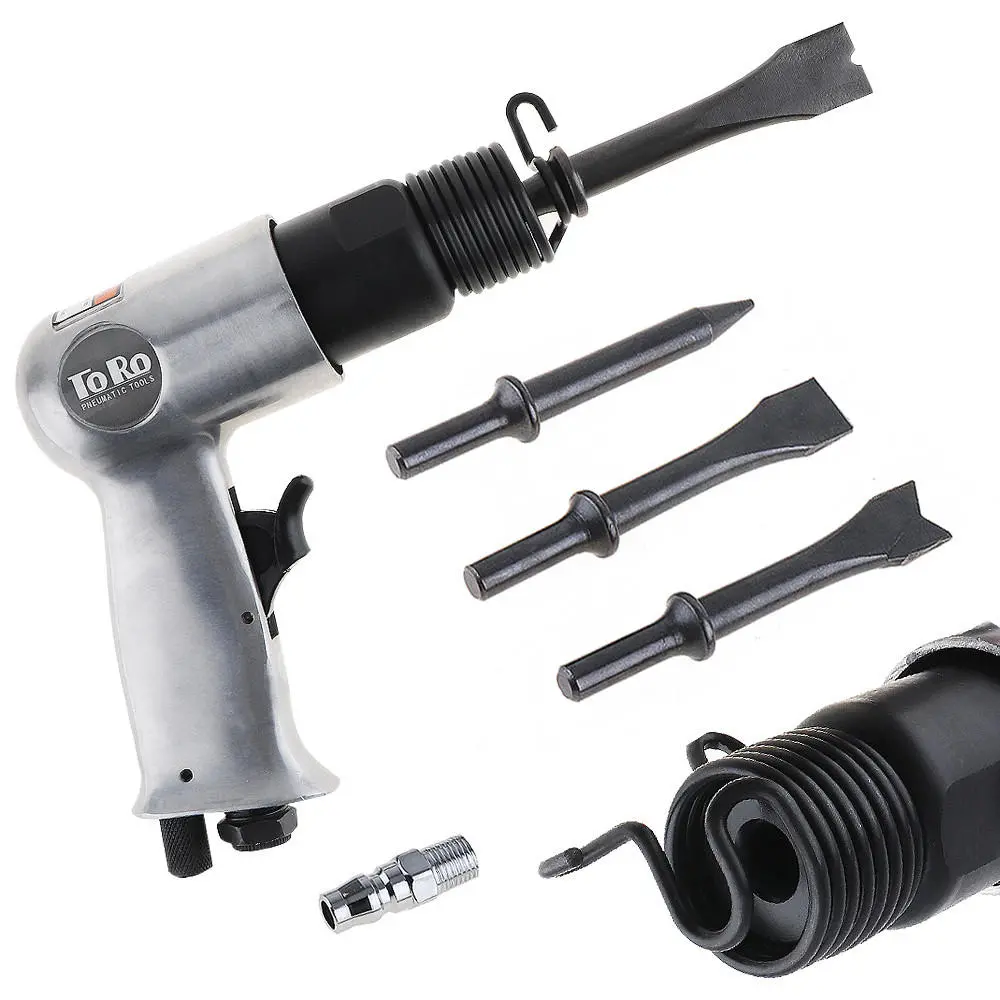
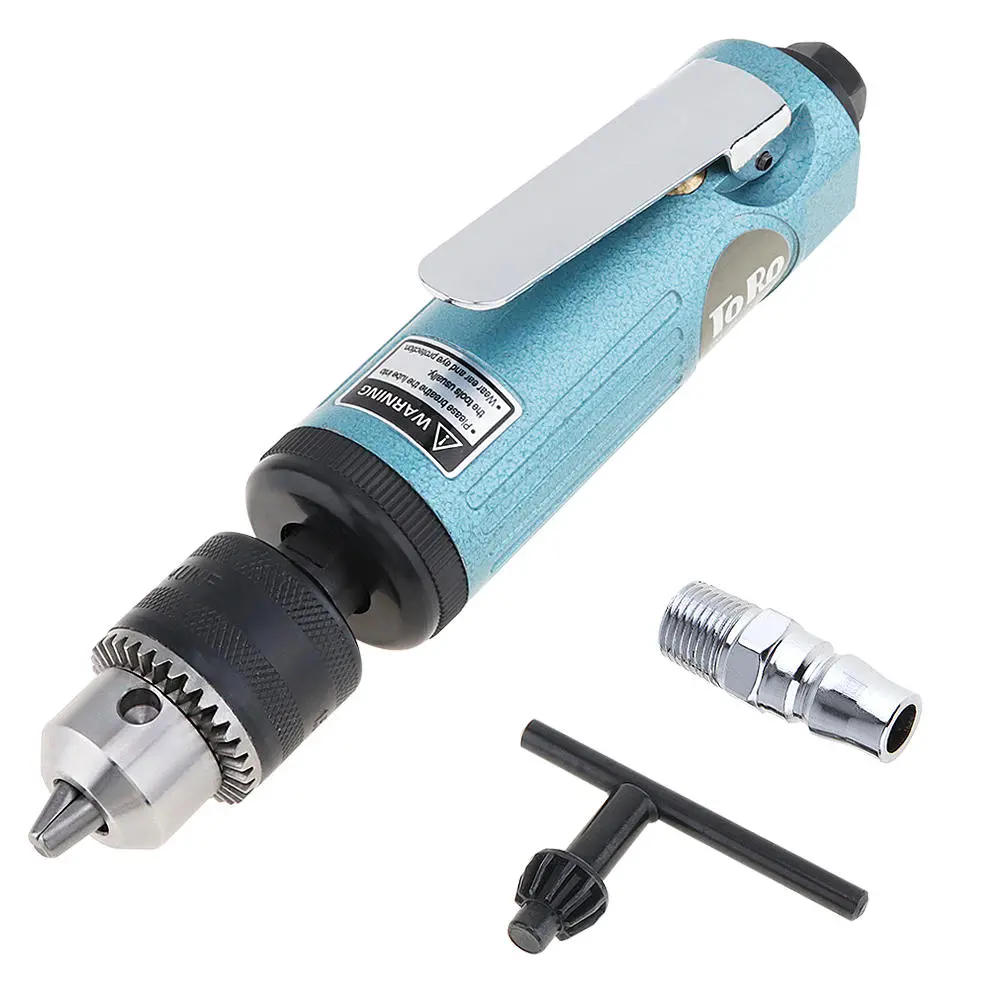
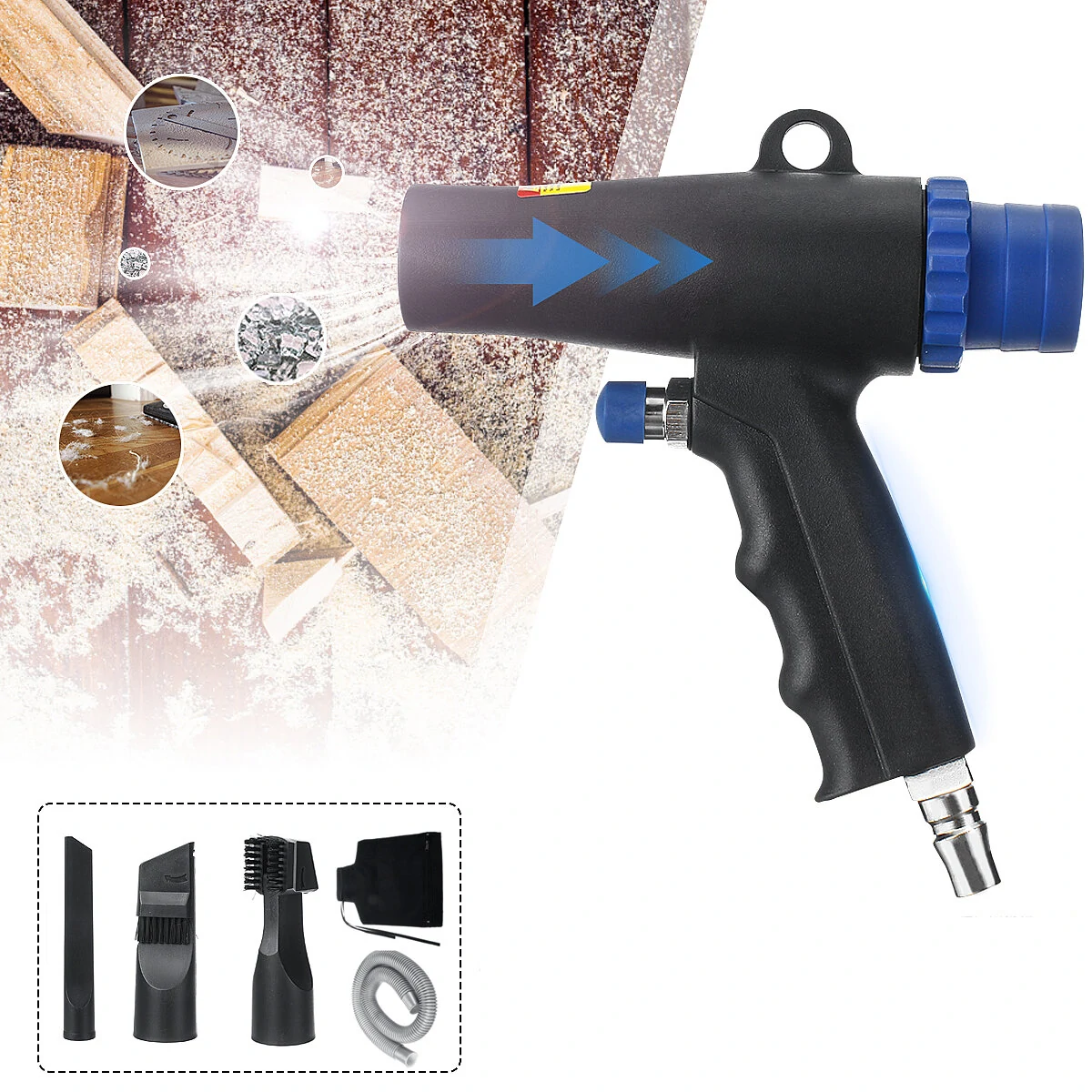
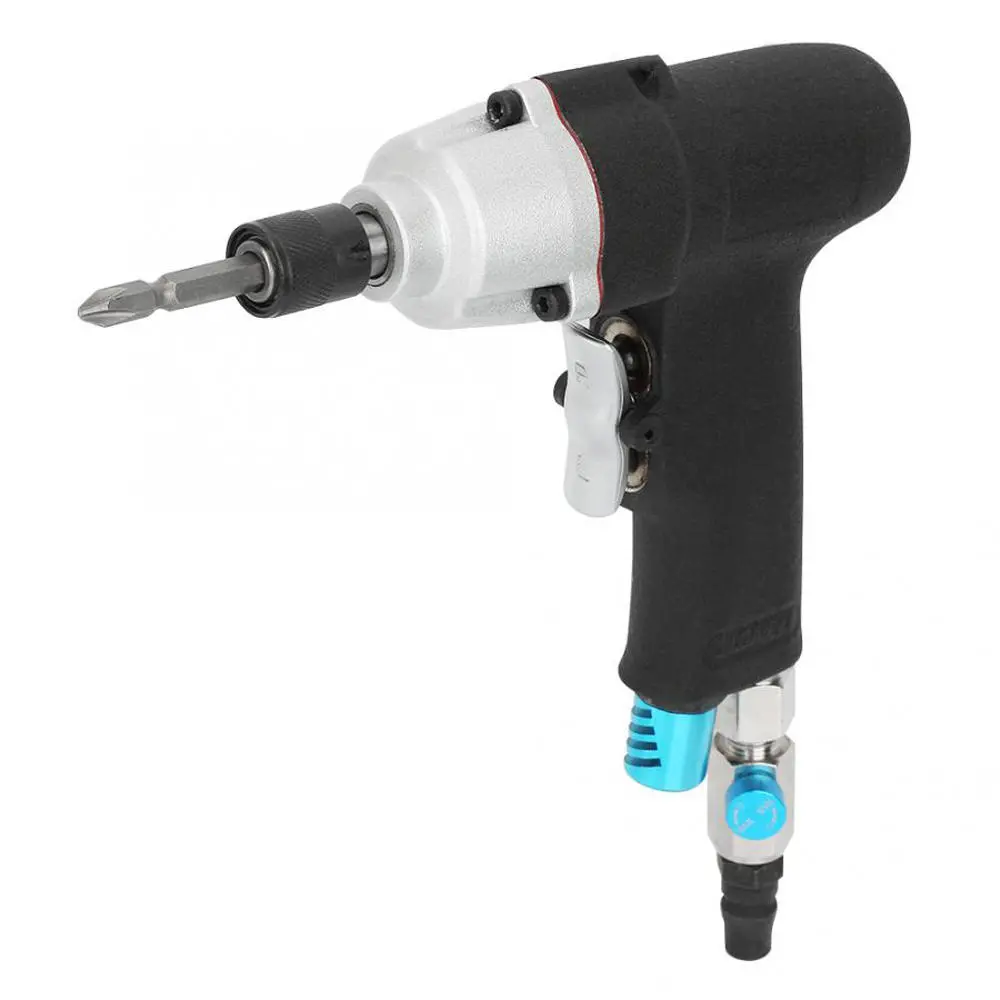
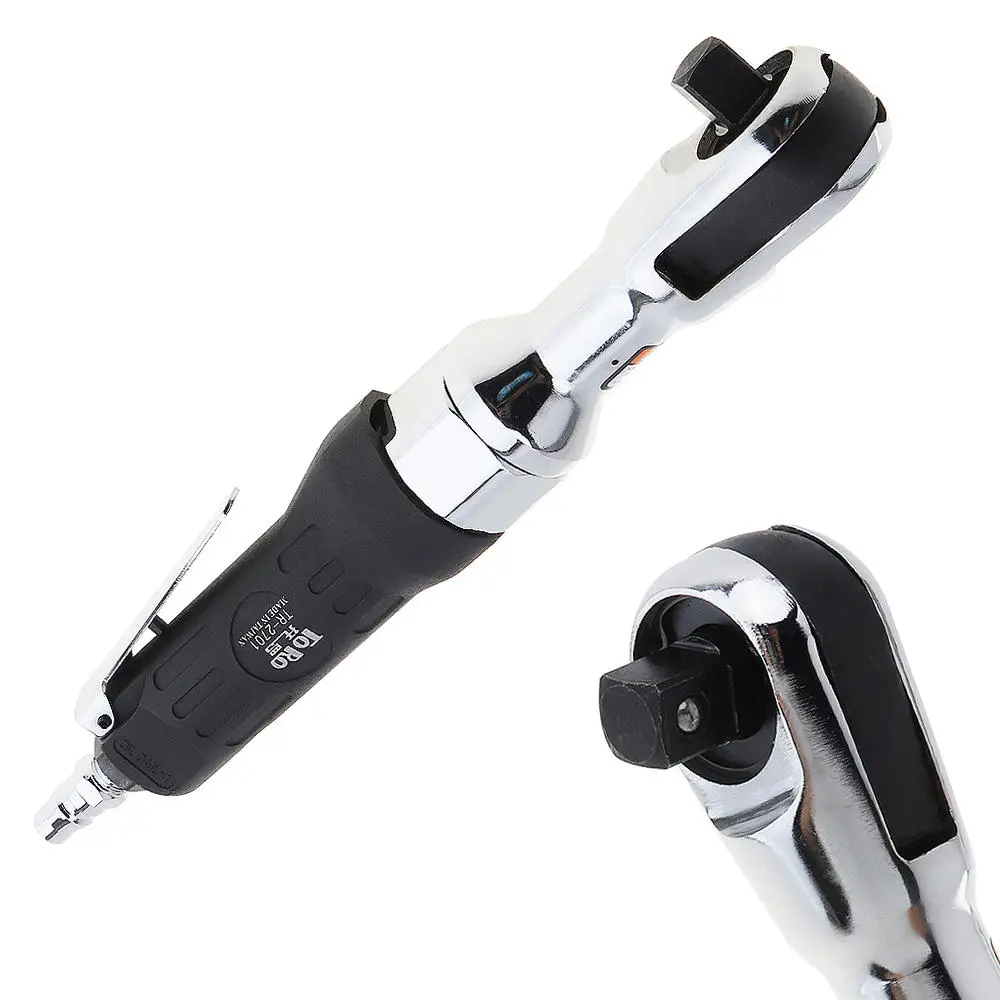
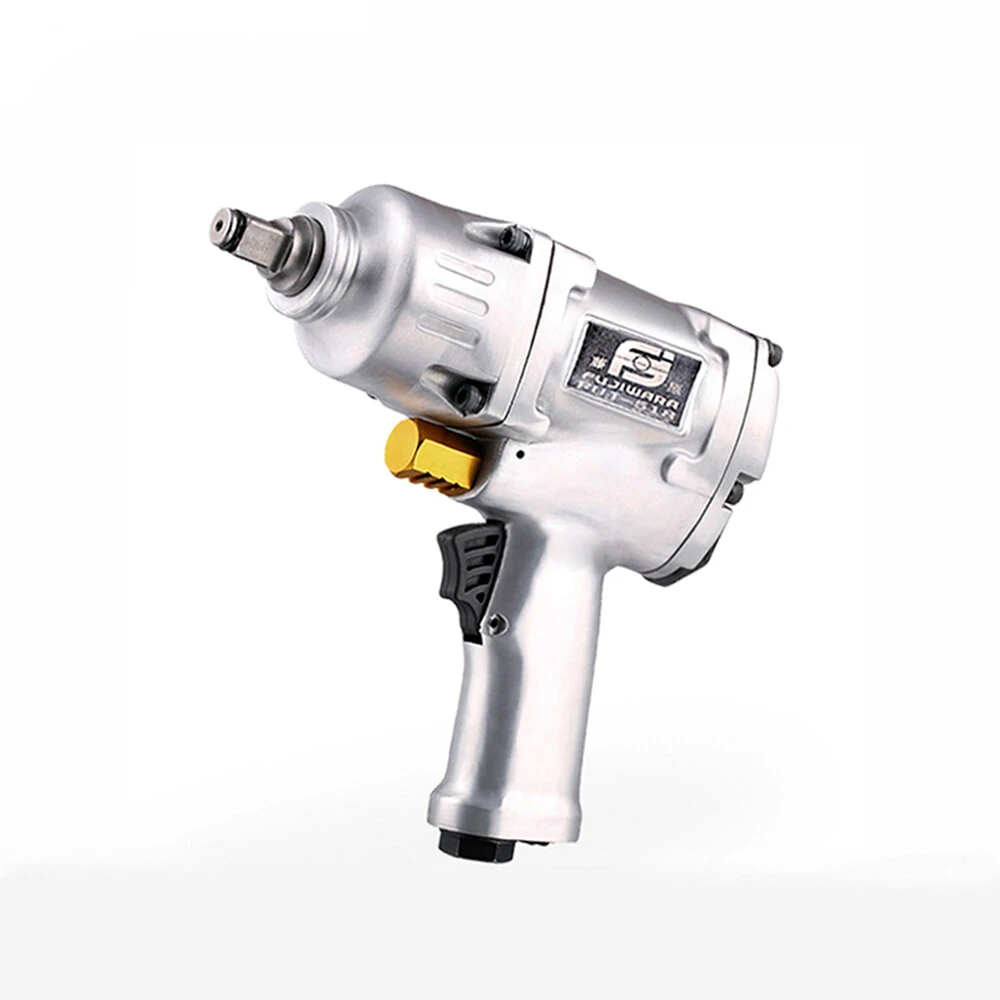
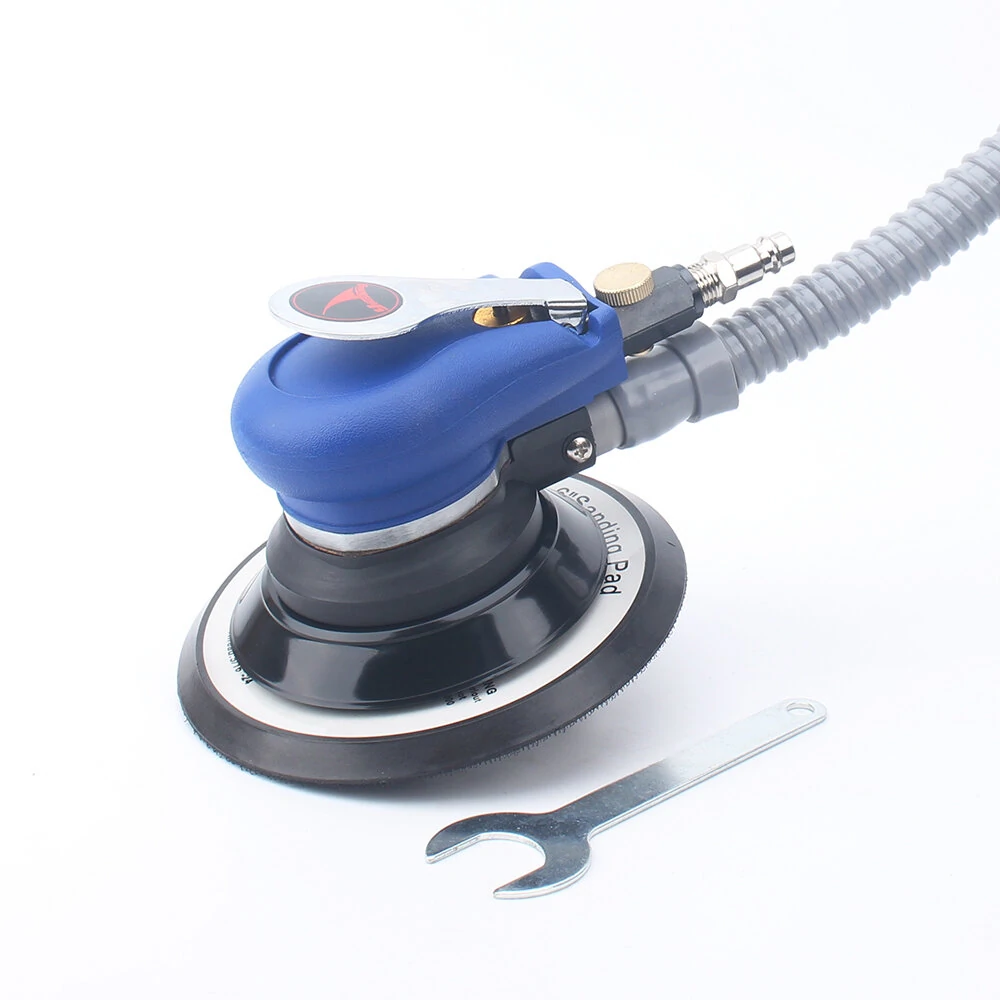
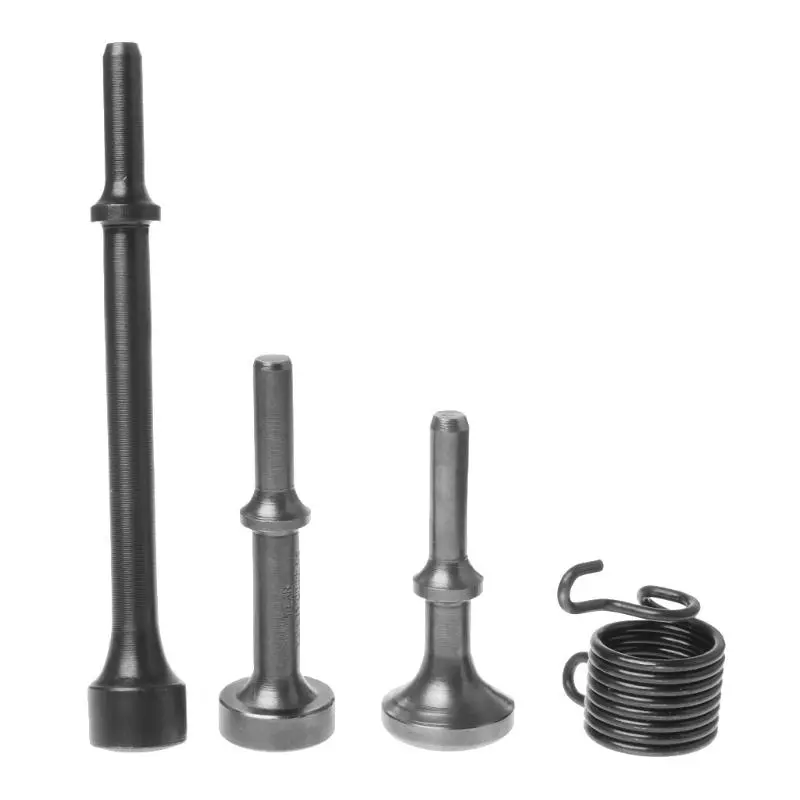
Pneumatic tools, powered by compressed air, are the backbone of professional workshops, manufacturing floors, and serious DIY garages. Renowned for their exceptional power-to-weight ratio, durability, and consistent performance, these air tools offer distinct advantages over their electric counterparts. By harnessing the energy from an air compressor, pneumatic tools deliver relentless torque and high-speed operation without the risk of motor burnout from overloading, making them ideal for heavy-duty, continuous-use applications. The core product range includes impact wrenches for effortlessly loosening stubborn lug nuts and bolts, pneumatic nailers and staplers for rapid-fire fastening in construction and woodworking, and air ratchets for speed and precision in automotive repair. Sanders and grinders provide smooth, vibration-controlled material removal, while spray guns offer a flawless, professional finish. The primary benefits are clear: they are typically lighter, more powerful for their size, and have fewer moving parts, leading to lower maintenance costs and longer tool life. For tasks demanding high torque, rapid cycling, or all-day operation—from building a deck to rebuilding an engine—pneumatic tools provide the reliable, industrial-grade performance that professionals trust. Investing in a quality air compressor and a set of pneumatic tools creates a versatile and enduring system for tackling the toughest jobs with efficiency and ease.
Choosing the right pneumatic tools starts with your air compressor. Ensure your compressor's CFM (cubic feet per minute) and PSI (pounds per square inch) ratings meet or exceed the requirements of the tools you plan to use. A common mistake is under-powering tools with a compressor that can't keep up. FAQ: Are pneumatic tools better than electric? For continuous high-power applications, yes; they are more durable and don't overheat. What maintenance do they require? Regular oiling of the air inlet (for many models) and using an in-line filter/dryer to prevent moisture damage are essential. Do I need special fittings? Most tools use universal quick-connect couplers, but ensure your hose and tool fittings are compatible (e.g., 1/4" NPT). For beginners, start with a core set: an impact wrench, a nailer, and an air blow gun. Always prioritize safety—wear eye and hearing protection, and never point an air tool at yourself or others. By matching your tools to your compressor and project needs, you build a powerful, cost-effective system for years of reliable service.