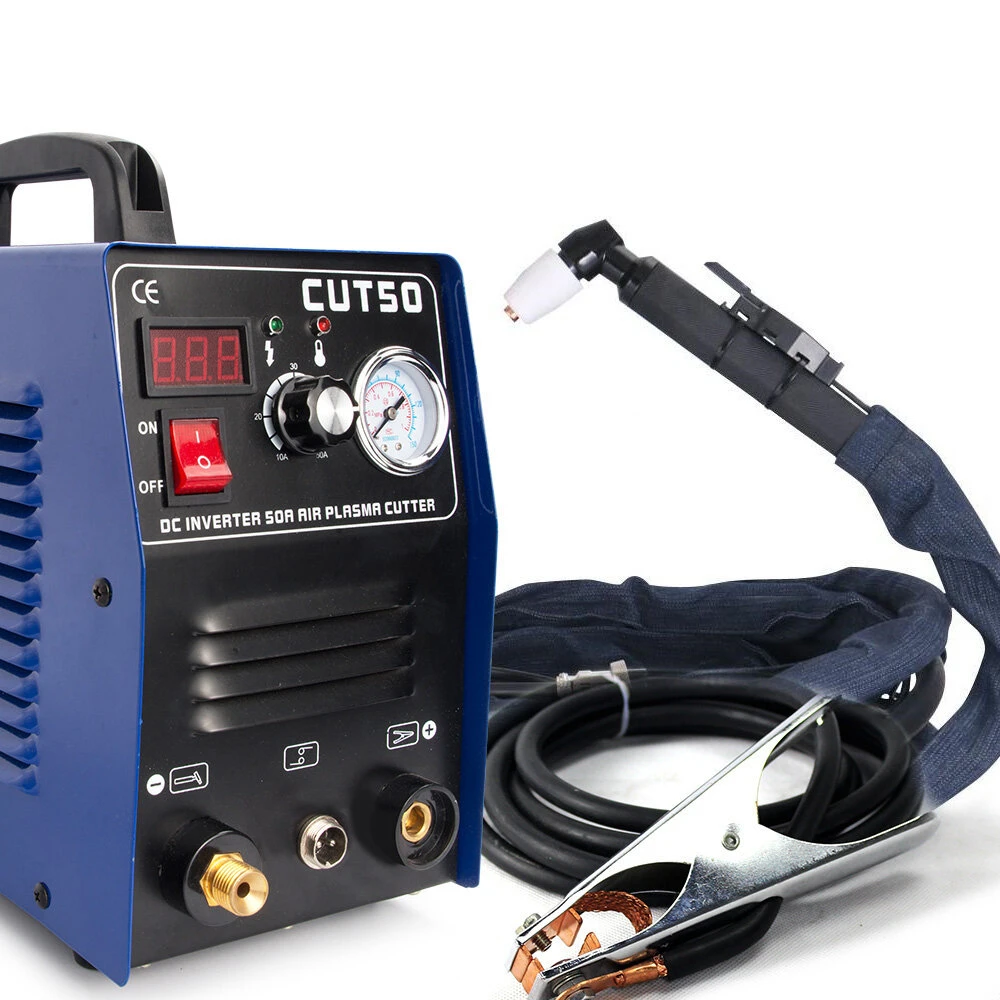
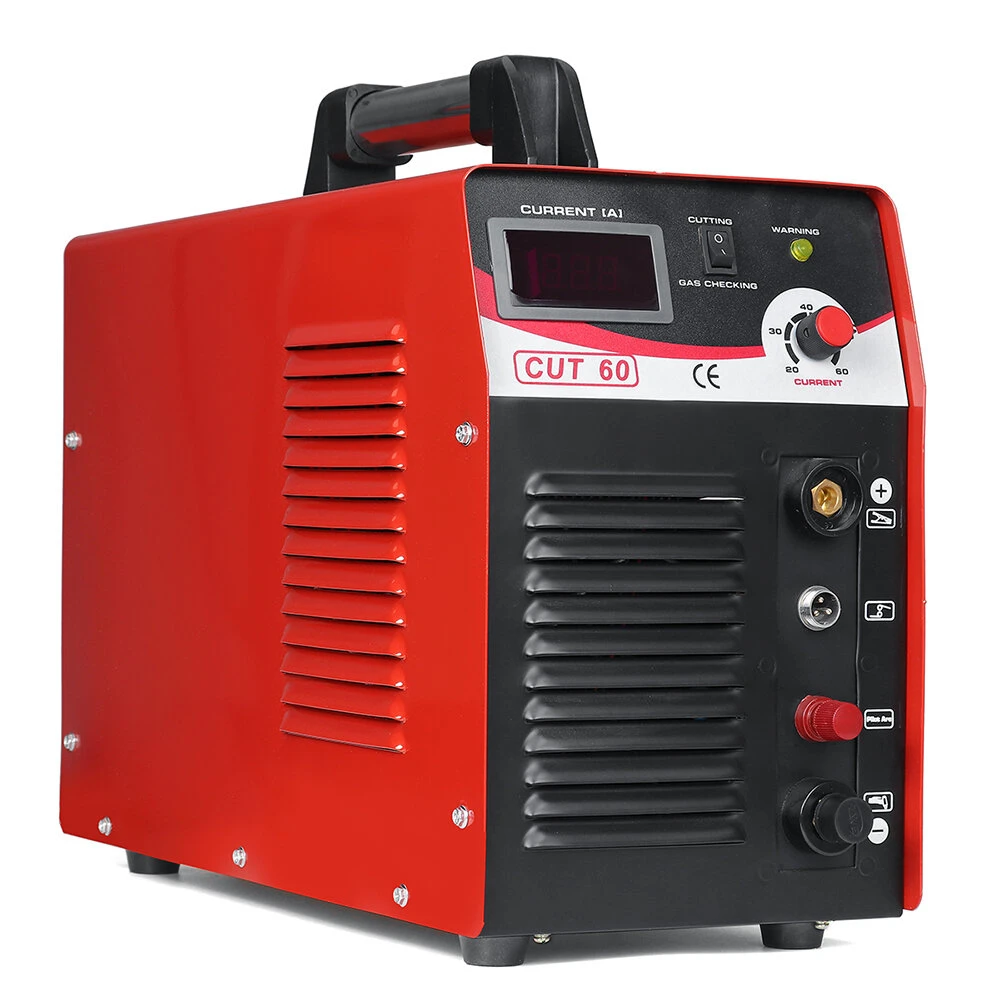
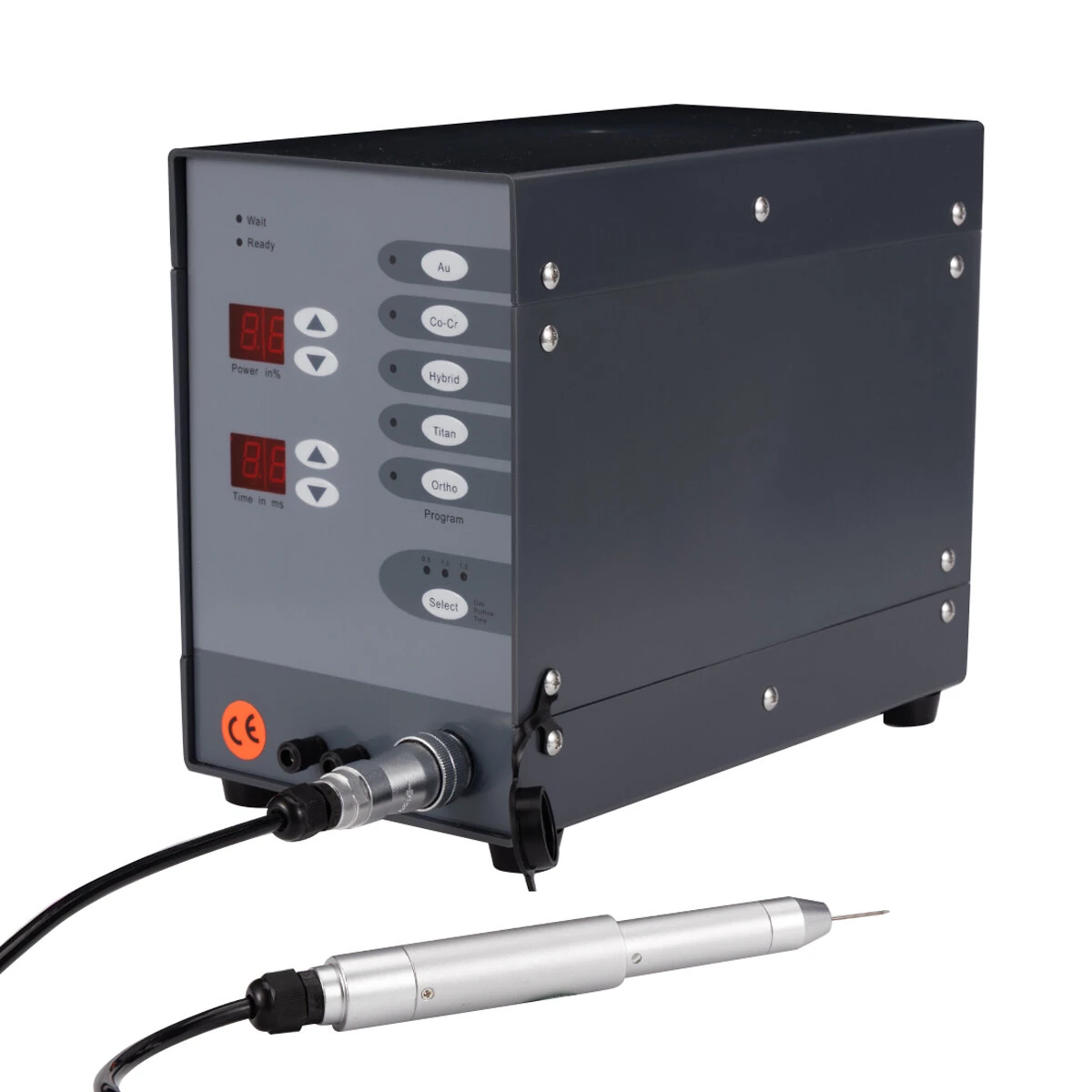
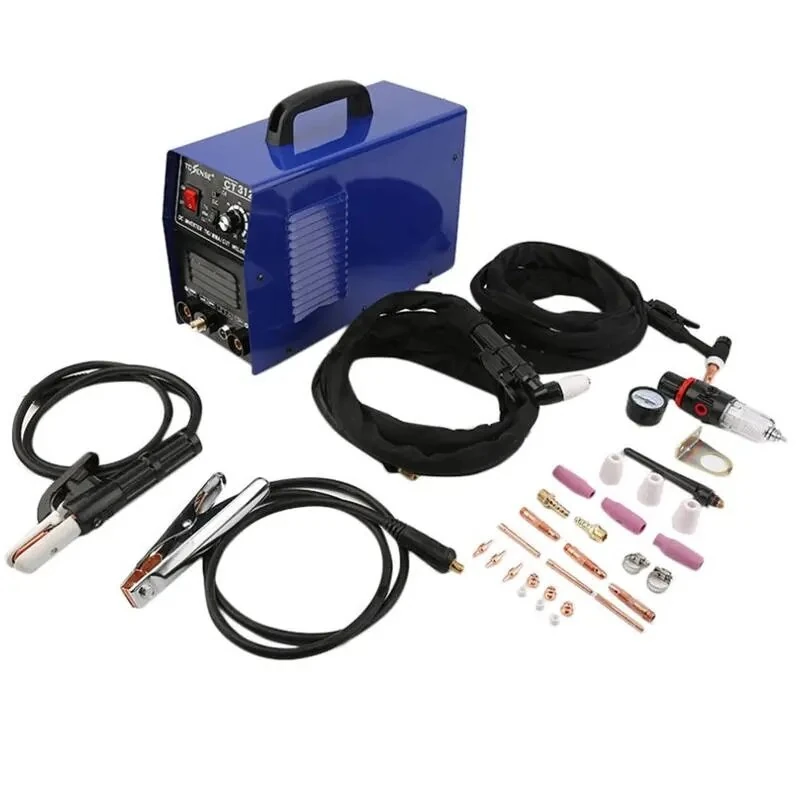
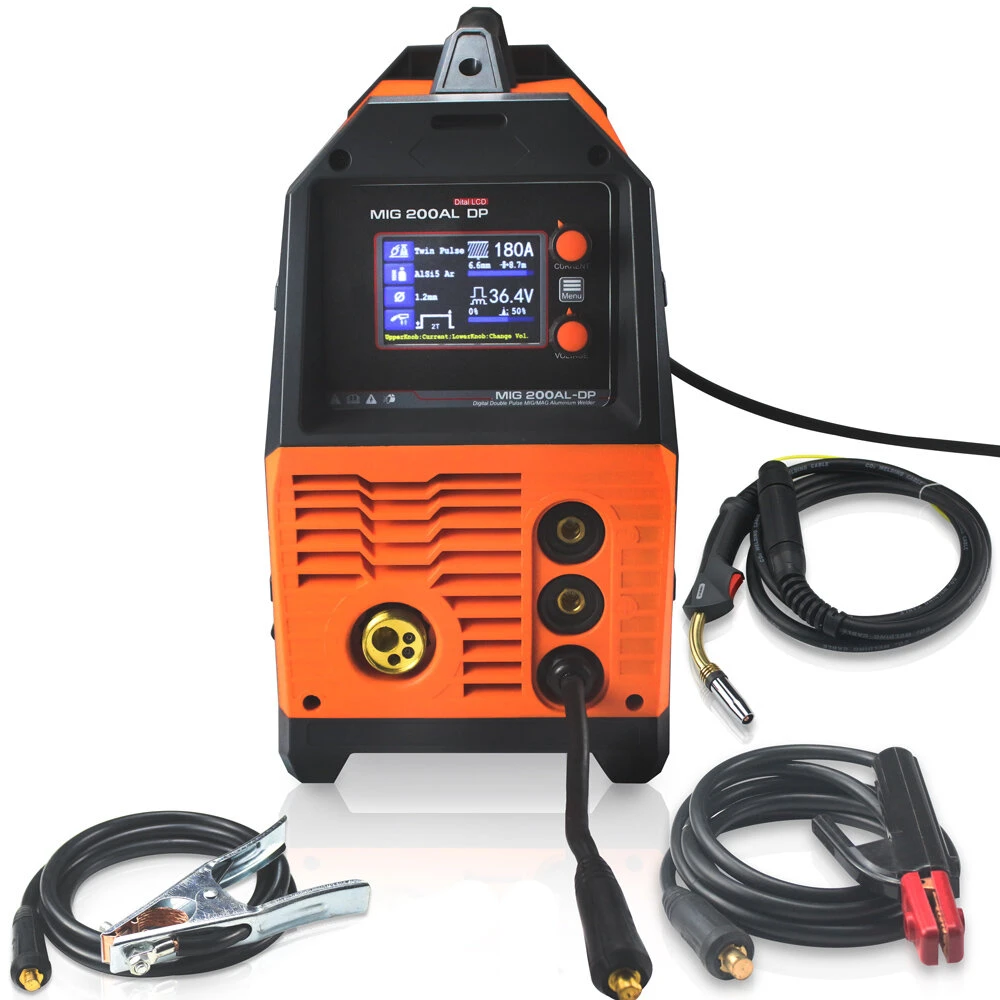
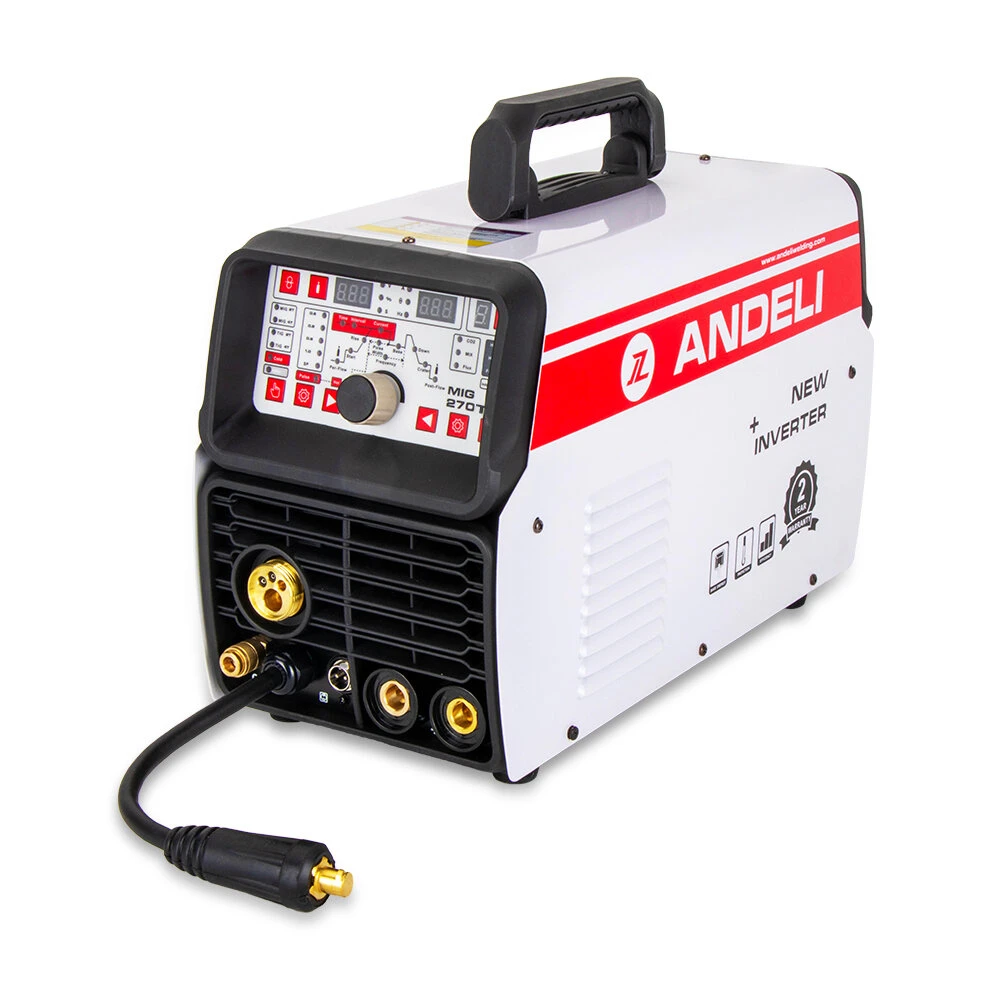
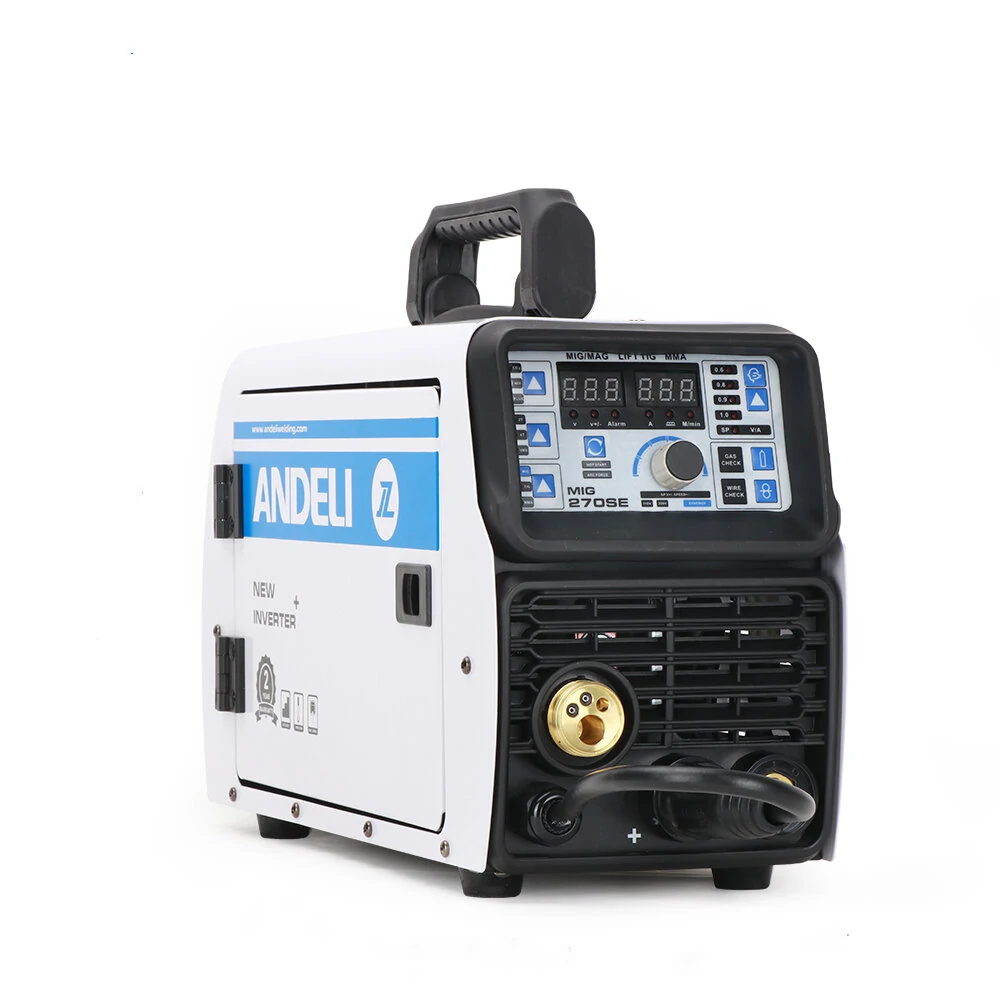
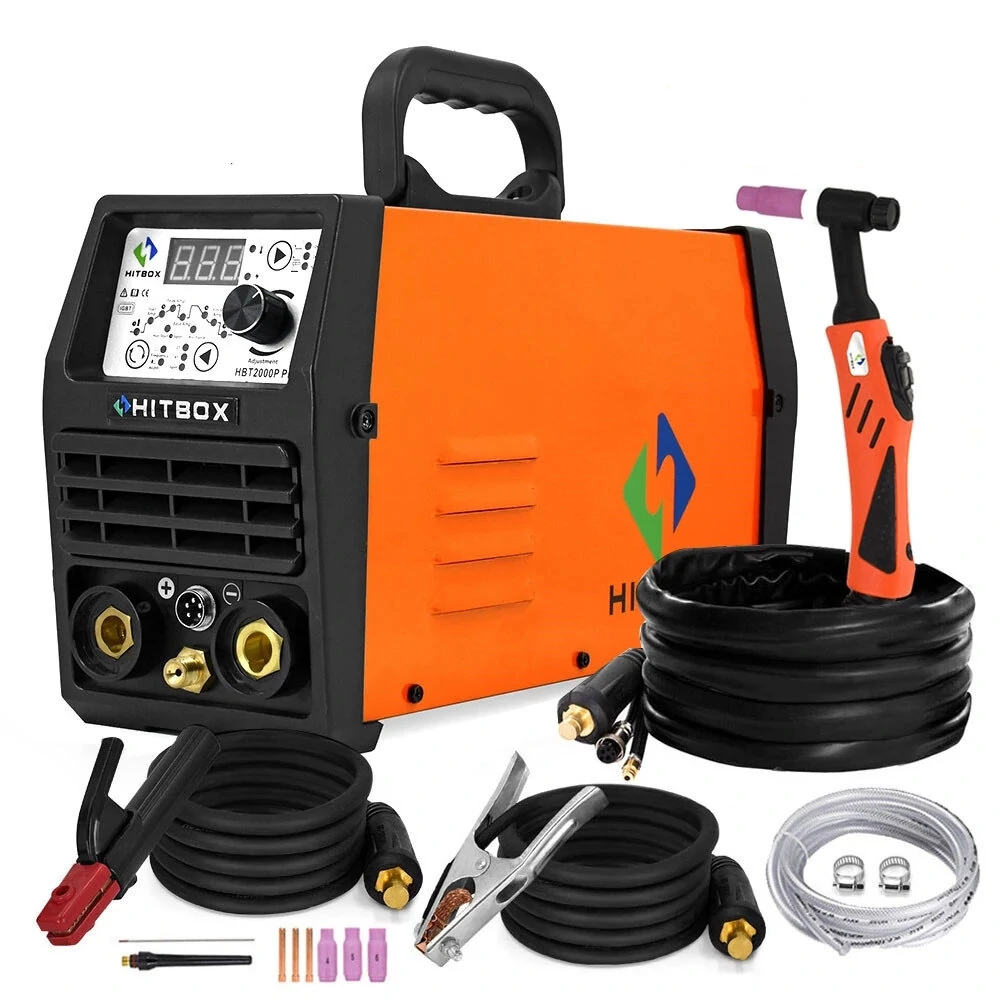
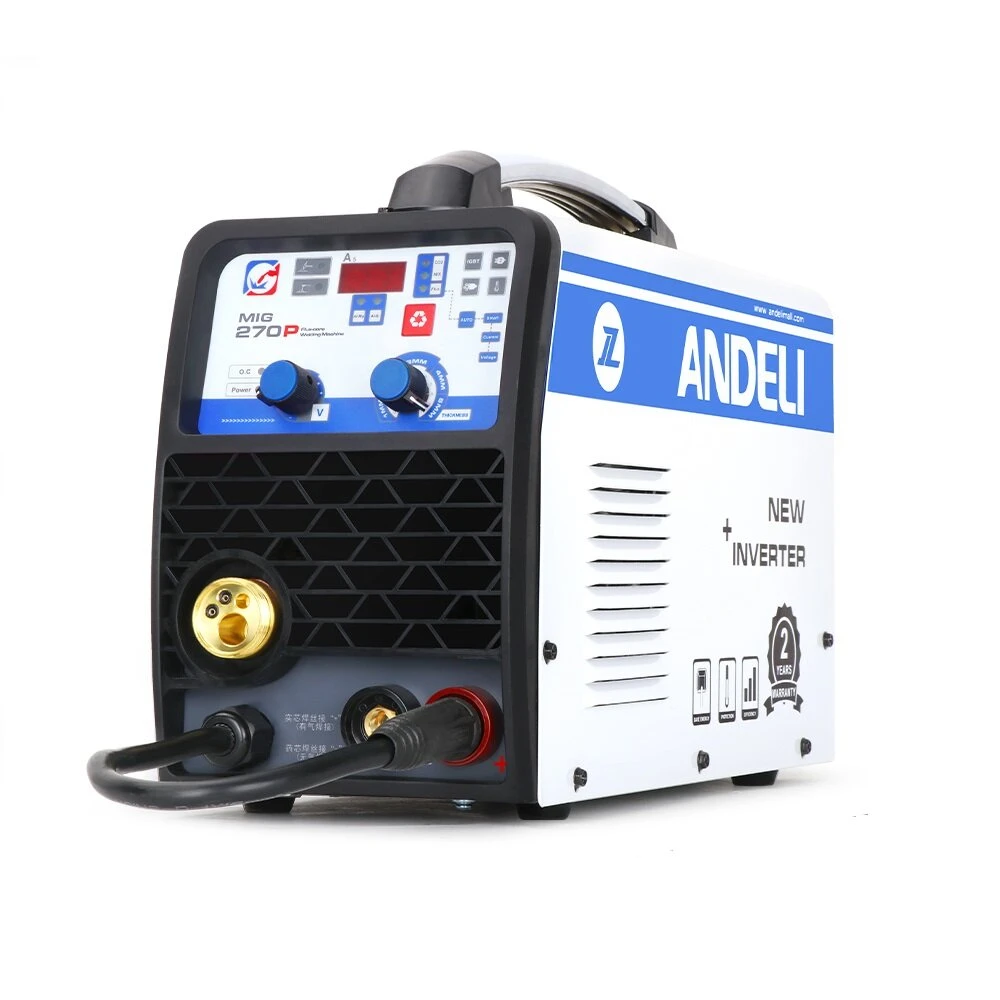
Plasma cutters are the go-to power tools for anyone needing to slice through conductive metals with speed, precision, and versatility. Unlike traditional oxy-fuel torches, plasma cutters use a superheated, electrically conductive arc of plasma to melt metal, which is then blown away by a high-velocity gas stream. This process results in clean, narrow kerf cuts with minimal heat-affected zones, making them ideal for fabrication, automotive repair, metal art, construction, and industrial manufacturing.
Key products in this category range from compact, 110V portable plasma cutters perfect for DIY enthusiasts and mobile welders, to powerful 3-phase industrial machines capable of cutting through several inches of metal. Modern units often feature inverter technology, making them lighter, more energy-efficient, and capable of superior cut quality. For advanced applications, CNC plasma cutting tables automate the process for complex, repeatable shapes with computer-aided precision.
The benefits of using a plasma cutter are substantial. They offer incredible cutting speed, especially on thinner materials, and can handle a variety of metals including mild steel, stainless steel, aluminum, copper, and brass. Setup is typically faster than oxy-fuel, as no flammable gases are required—just electricity and compressed air or other gases like nitrogen. With a plasma cutter, you can achieve cleaner edges that often require little to no post-cut finishing, saving time and labor on your projects. Whether you're creating intricate metal artwork or cutting structural steel, a plasma cutter enhances capability and productivity in any metalworking environment.
**Buying Guide & FAQ**
**What should I consider when buying a plasma cutter?**
Focus on your primary needs: **Cutting Capacity** (thickness of metal you'll cut most often), **Duty Cycle** (how long it can run continuously), **Input Power** (110V/120V for portability vs. 220V/240V for thicker materials), and **Portability**. Features like a built-in air compressor, pilot arc technology for cutting painted/rusty metal, and consumable life are also crucial.
**Can a plasma cutter cut anything besides metal?**
No. Plasma cutters only work on electrically conductive materials. They cannot cut wood, plastic, glass, or concrete.
**What's the difference between a plasma cutter and a welder?**
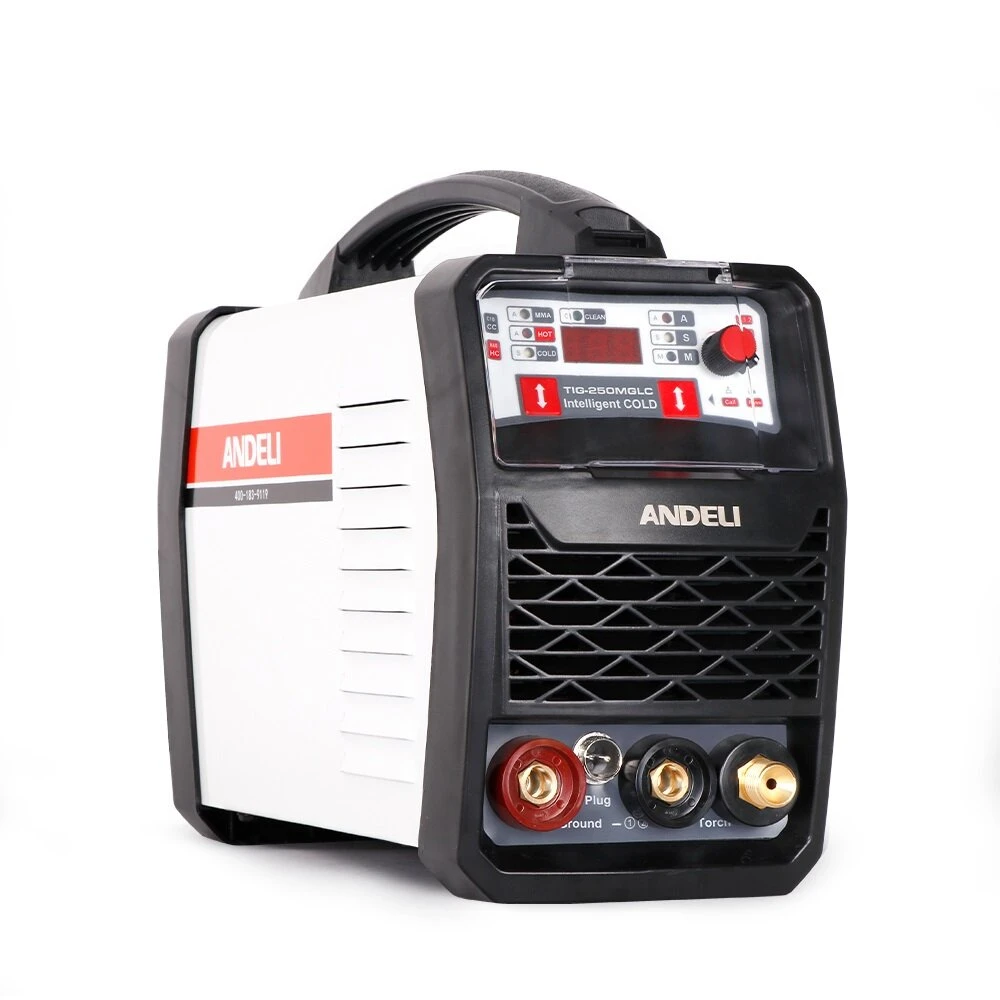
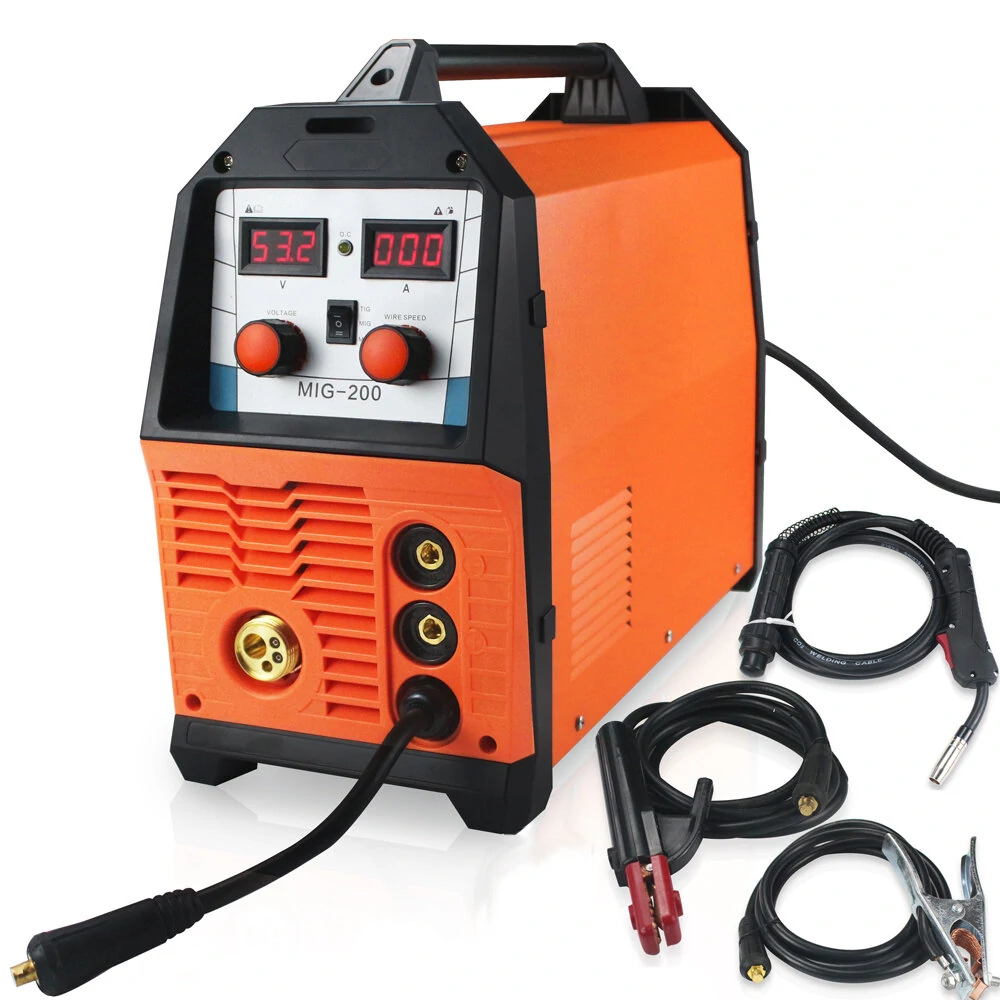
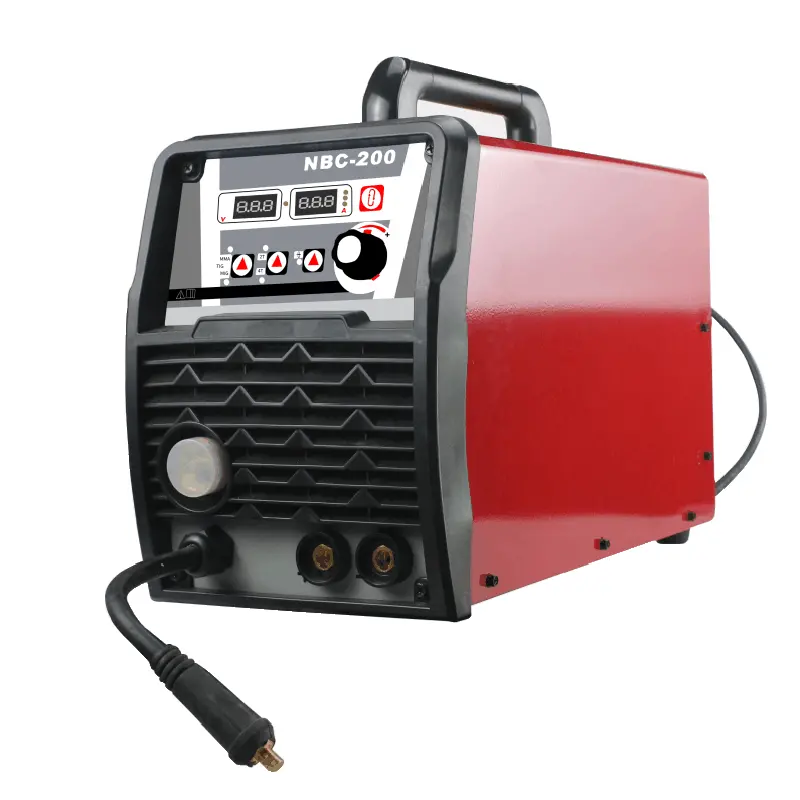
While some multi-process machines combine both, their core functions differ. A welder joins metal, a plasma cutter severs it. The technologies are complementary in a metal shop.
**How do I maintain my plasma cutter?**
Regular maintenance is simple but vital. Always use clean, dry air to prevent damage. Inspect and replace worn consumables (tip, electrode, swirl ring) regularly for optimal cut quality and machine longevity. Keep the torch lead and ground clamp in good condition.
Start by assessing your most common material thickness and choosing a cutter rated for at least 25% more capacity for the best performance and longevity. Investing in the right plasma cutter unlocks new levels of efficiency and creativity in your metalworking projects.