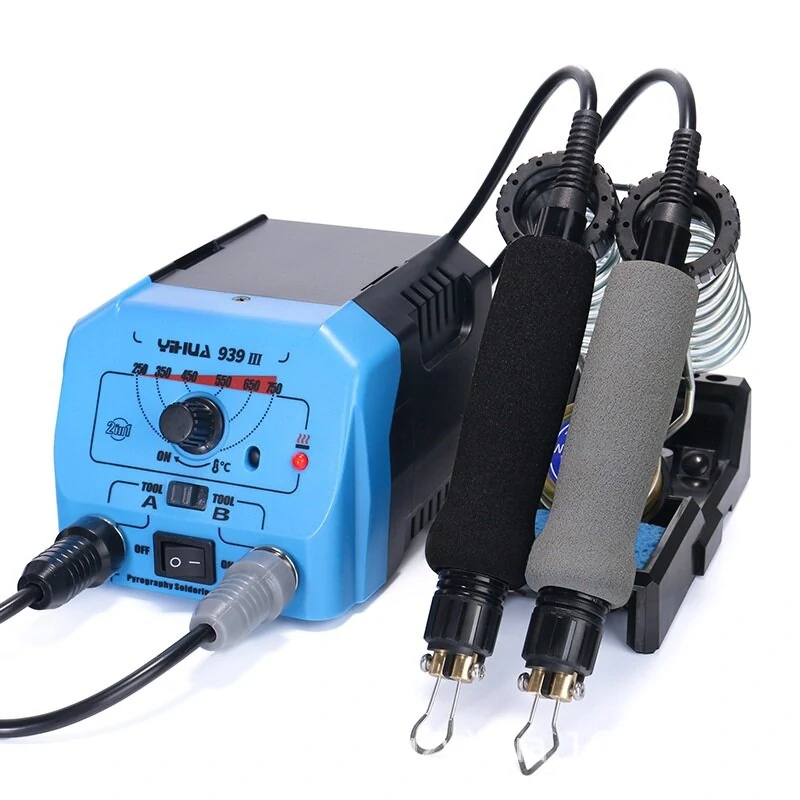
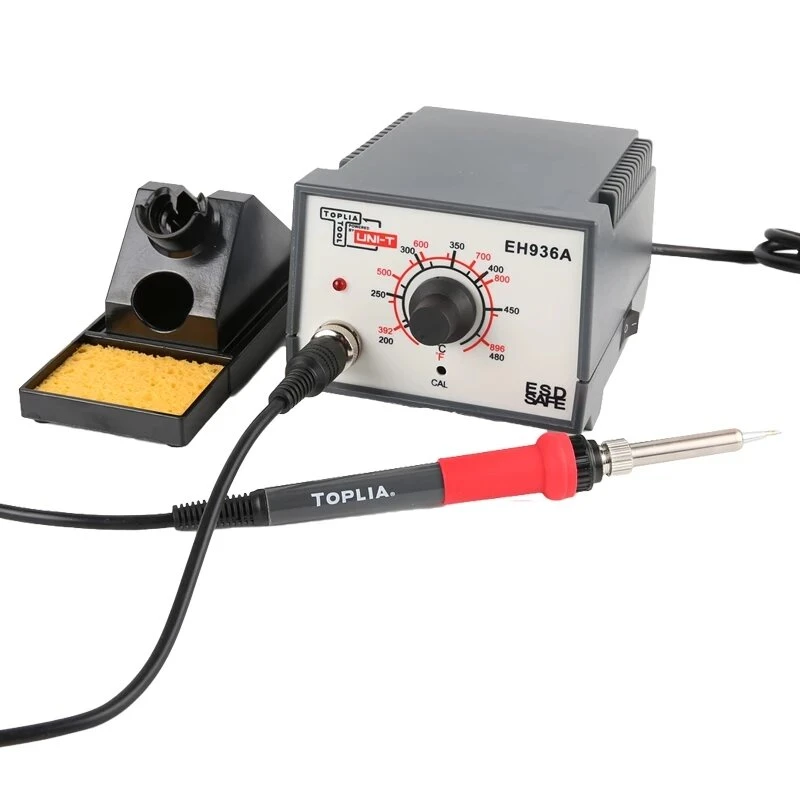
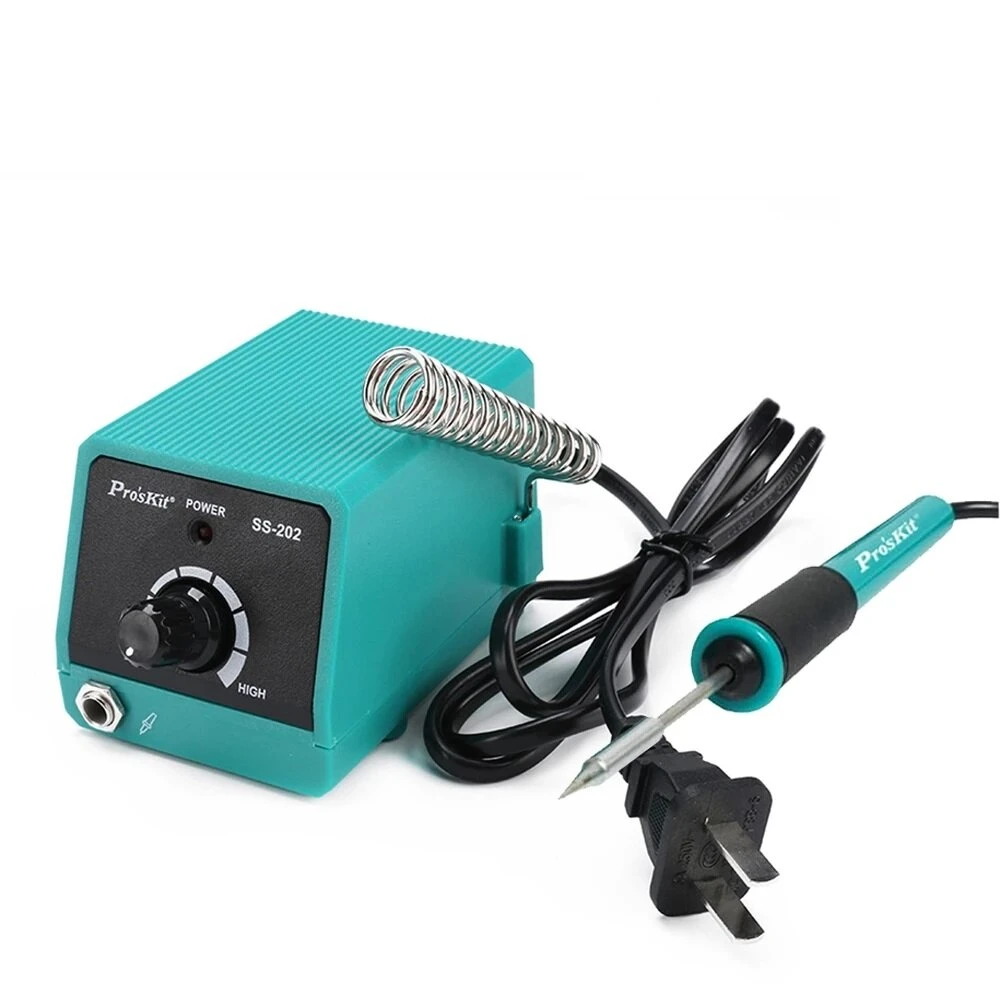
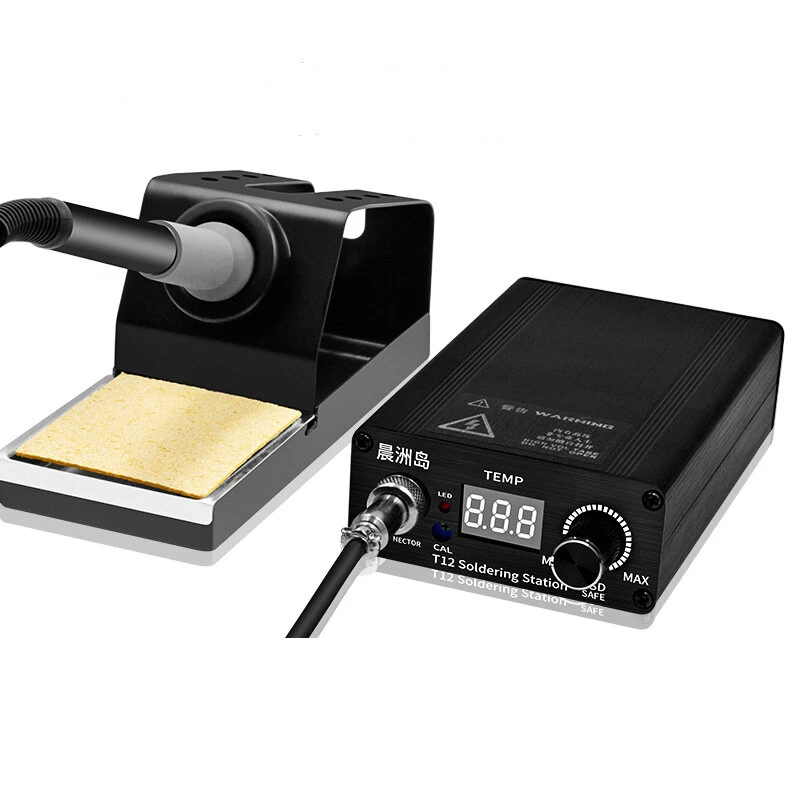
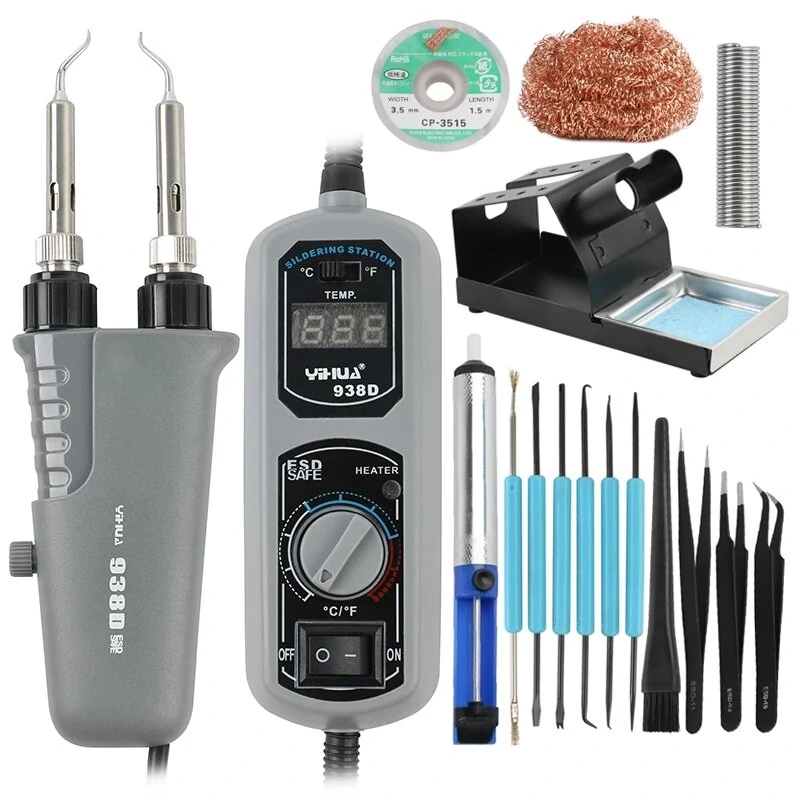
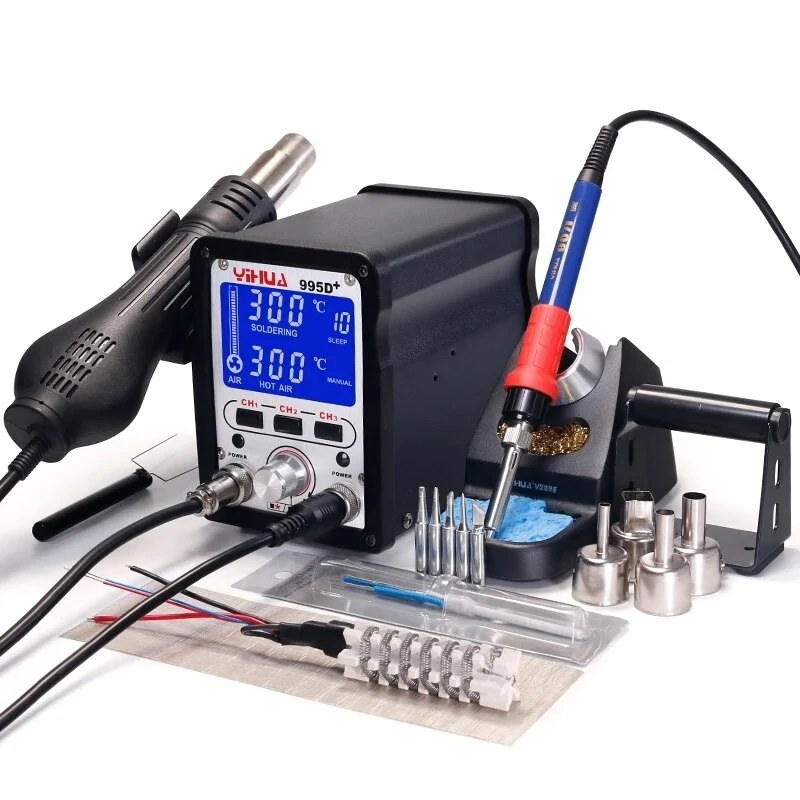
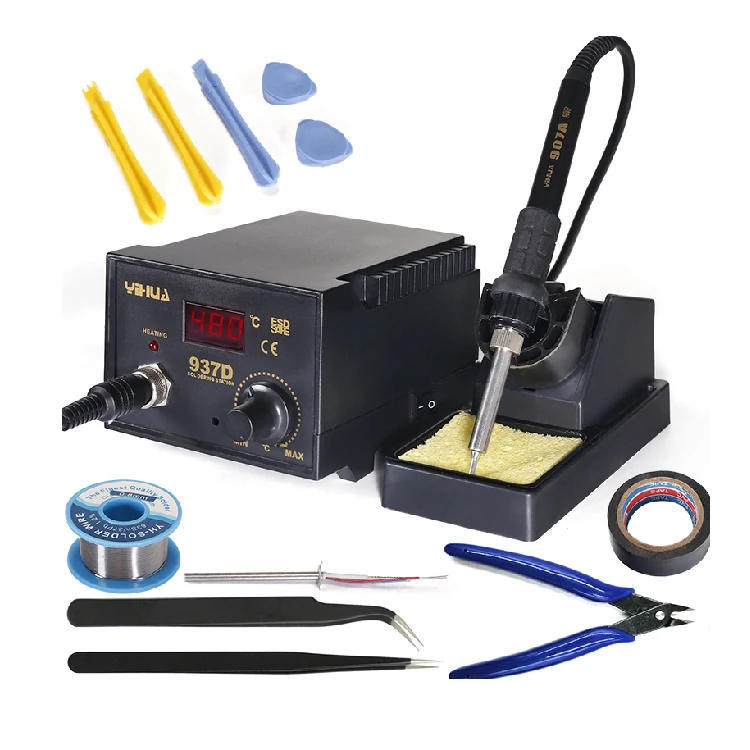
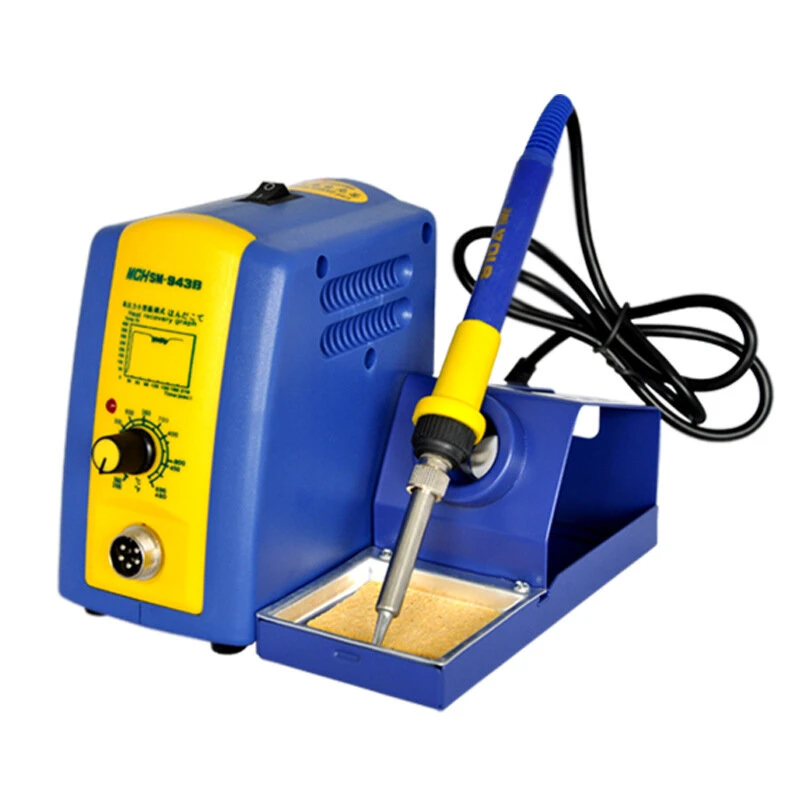
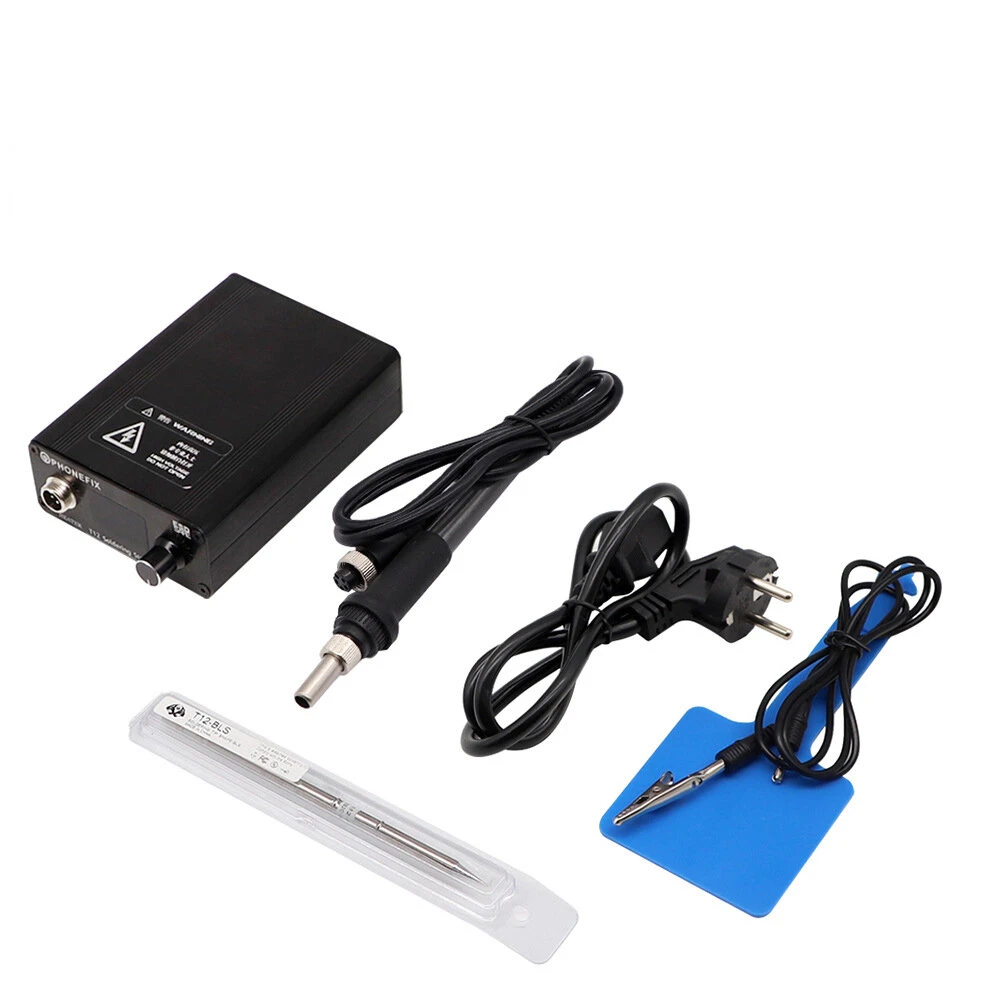
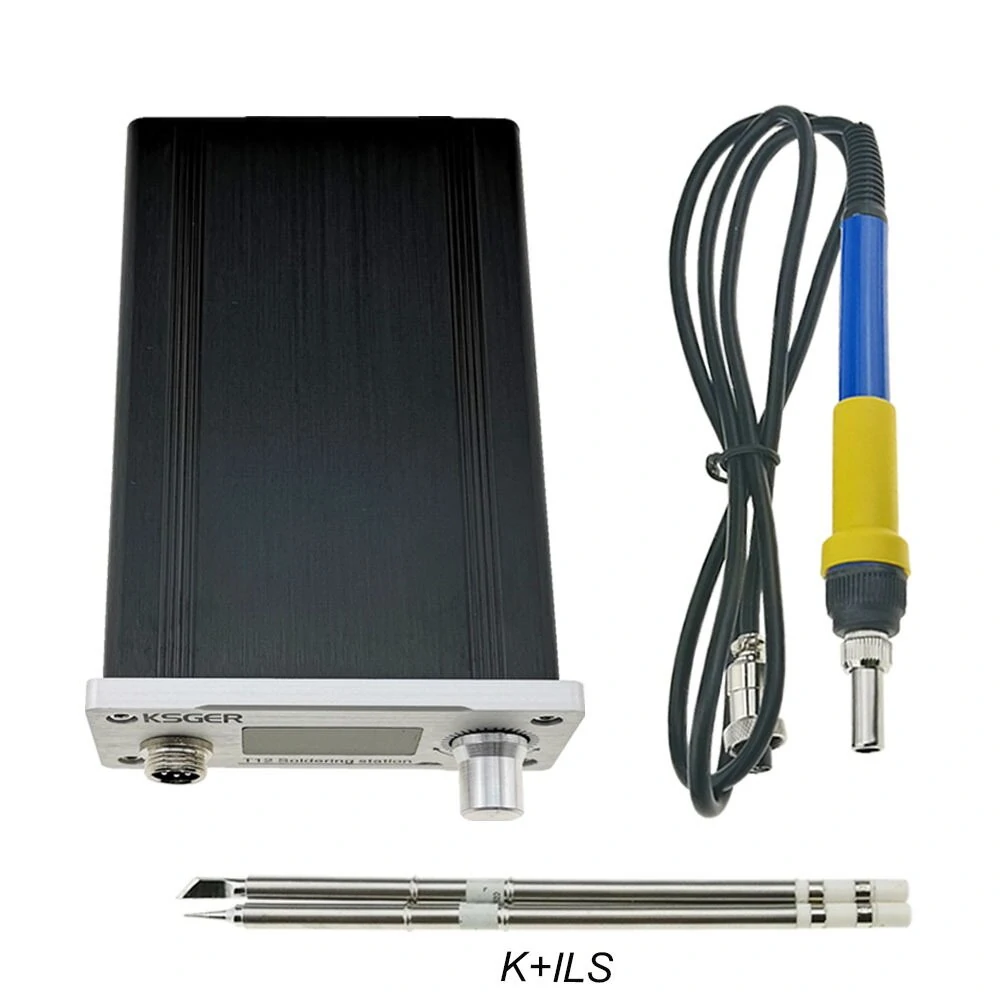
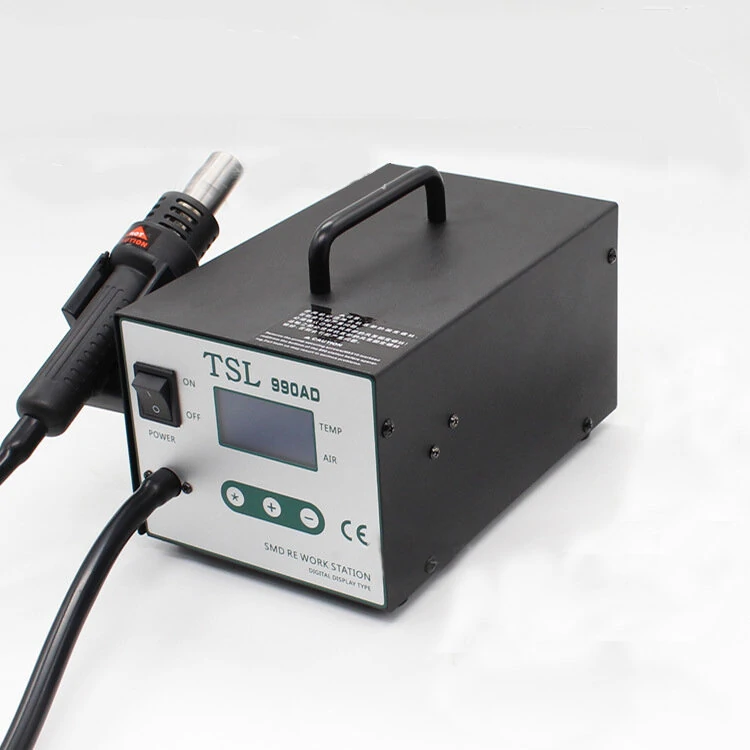
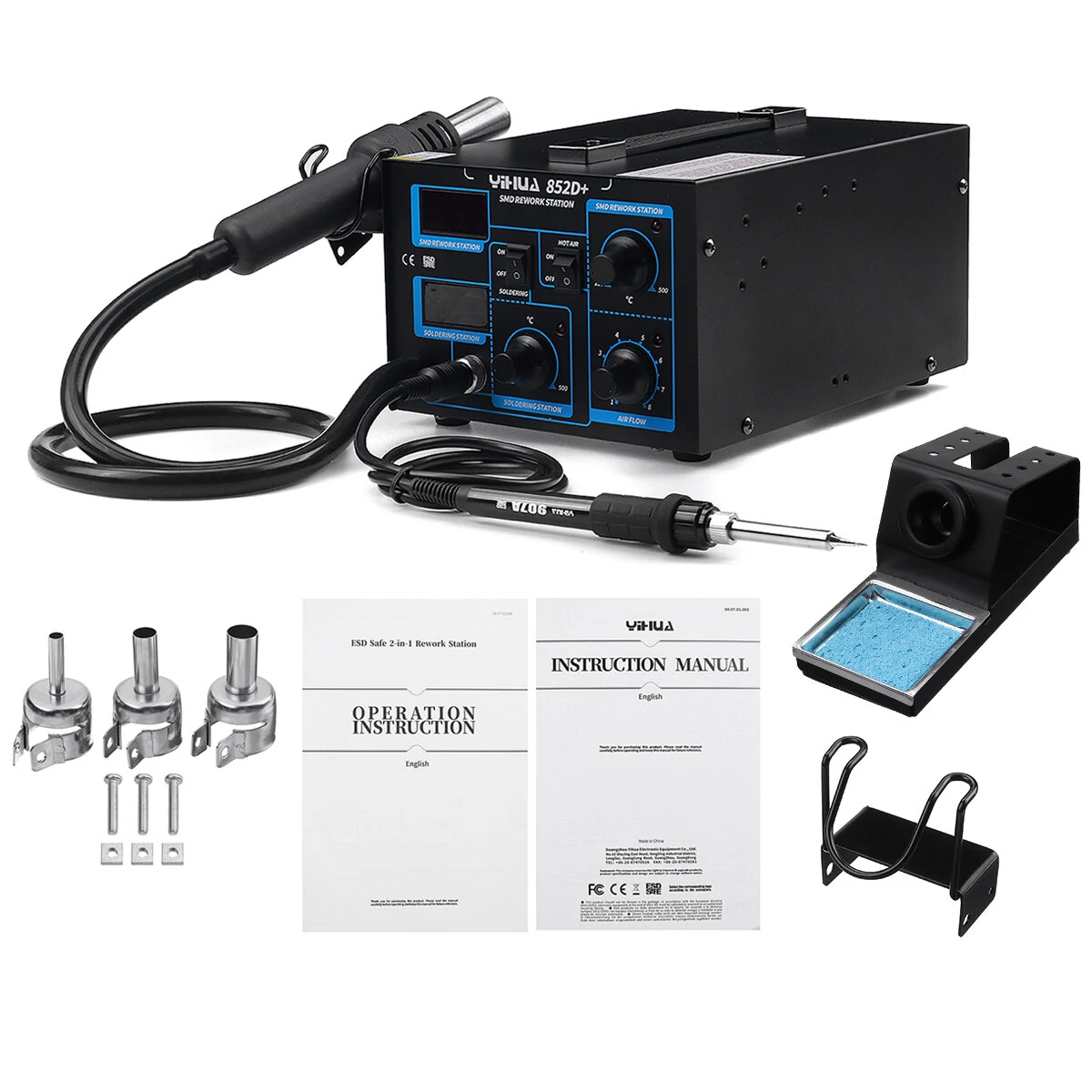
For anyone working with electronics, from hobbyists to professional technicians, a dedicated solder station is the cornerstone of a reliable and efficient workspace. Moving beyond a simple soldering iron, a solder station integrates the heating element with a control unit, offering superior precision, safety, and consistency for tasks like circuit board repair, prototyping, and component assembly. The primary benefit is precise temperature control, which is crucial for working with sensitive modern components and a variety of solder types without causing heat damage. Key products in this category include digital solder stations, which feature an LED display for exact temperature setting and often include memory presets; analog stations with a dial control for adjustable heat; and advanced rework stations that combine a soldering pencil with a hot air gun for surface-mount device (SMD) work. Modern stations prioritize user safety with features like grounded tips to prevent electrostatic discharge (ESD), auto-sleep or shut-off functions to prevent accidents and extend tip life, and ergonomic, heat-resistant handles to reduce fatigue. Investing in a quality solder station translates to cleaner solder joints, faster workflow, and greater longevity of your tools. Whether you're assembling an Arduino project, repairing a gaming console, or maintaining industrial equipment, the right station provides the controlled, repeatable heat necessary for flawless results every time.
Choosing the right solder station depends on your specific needs. For beginners and general-purpose use, a 60W digital station with temperature range of 200°C to 450°C is an excellent start. Professionals handling intricate SMD work should consider a combo rework station. Key features to look for include quick heat-up time, compatibility with a wide range of replaceable tips, and a sturdy stand with a sponge or brass tip cleaner. FAQ: **What wattage do I need?** 40-80W is suitable for most electronics; higher wattage offers better heat recovery for larger joints. **Why is temperature control important?** It prevents damaging PCBs and components—lead-free solder requires higher temps (~350°C) than leaded. **Are branded tips necessary?** Using manufacturer-recommended tips ensures optimal heat transfer and longevity. Finally, consider future needs; a station with upgradeable accessories can grow with your skills. Prioritize safety certifications and good warranty support for a tool that will serve you for years.