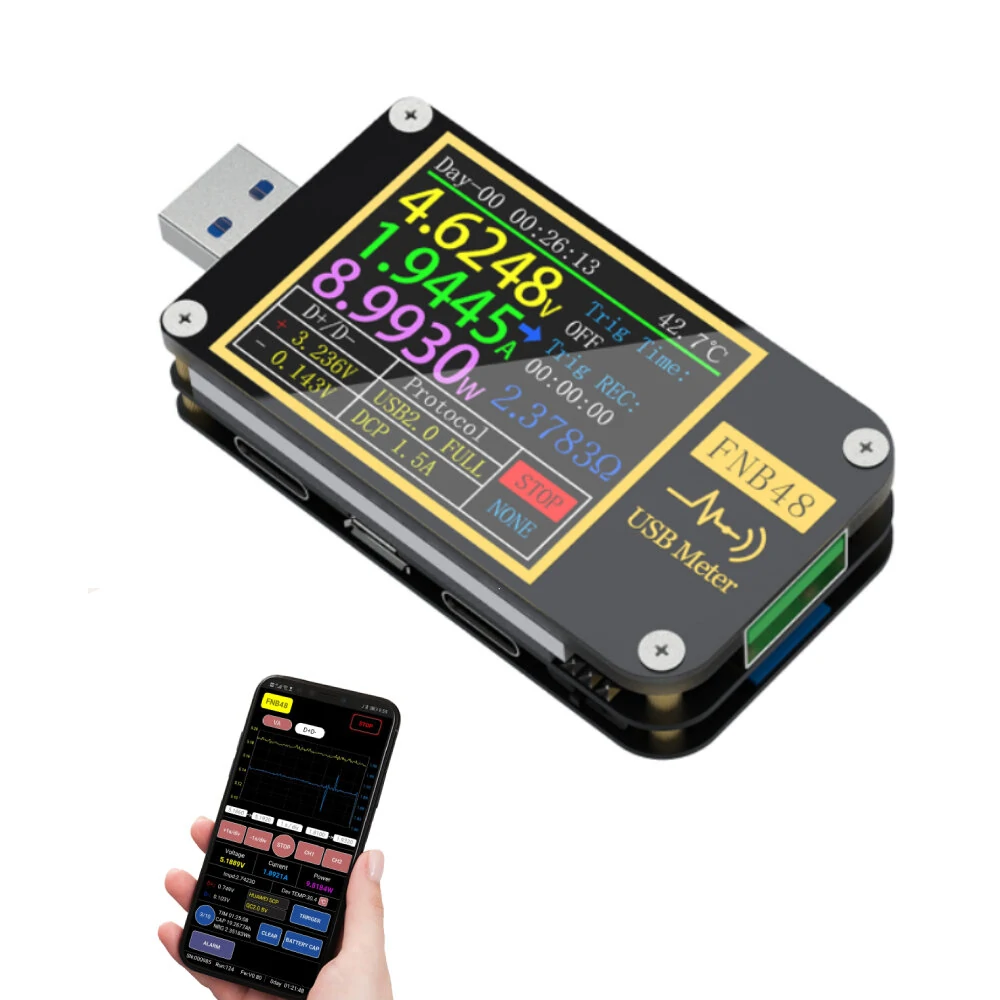
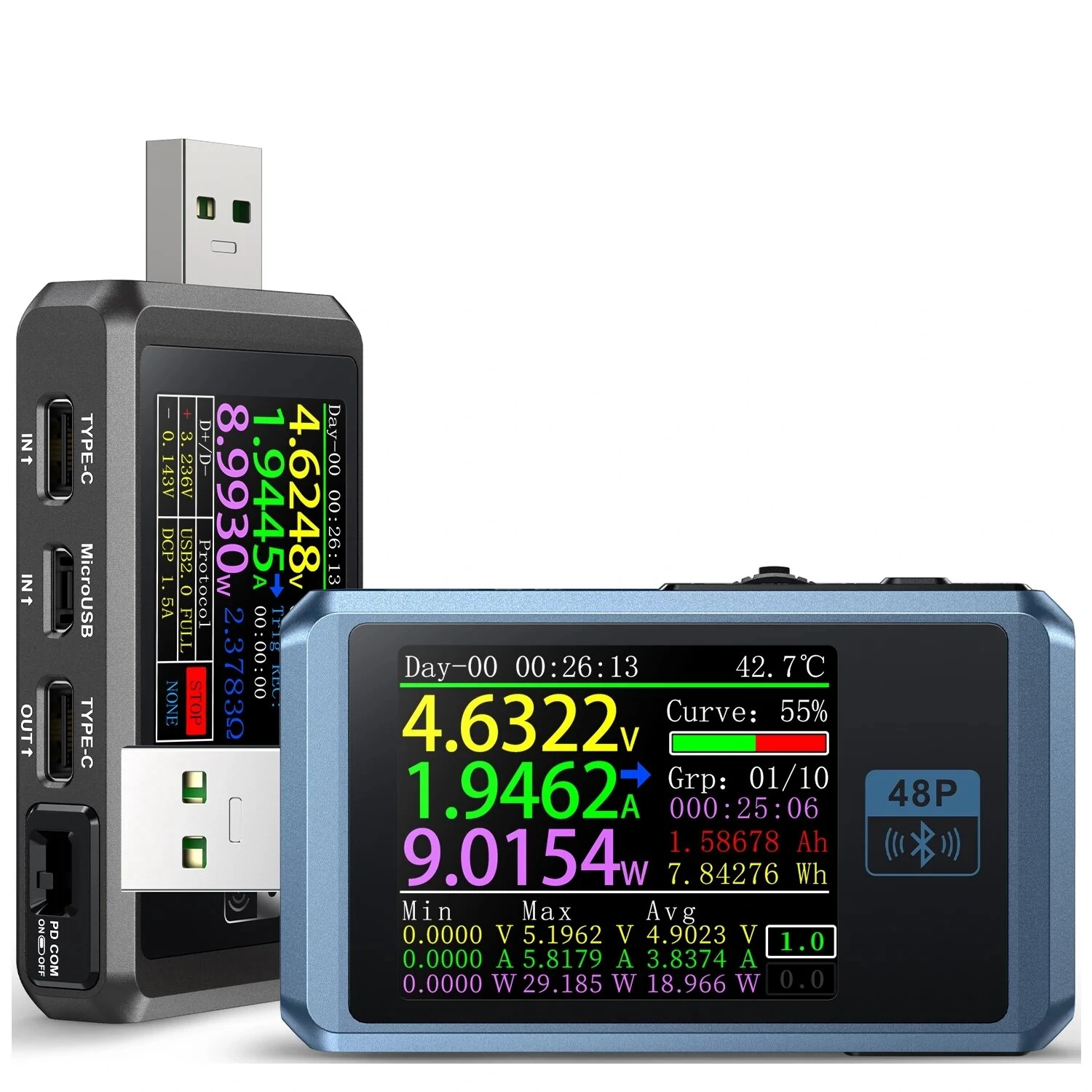
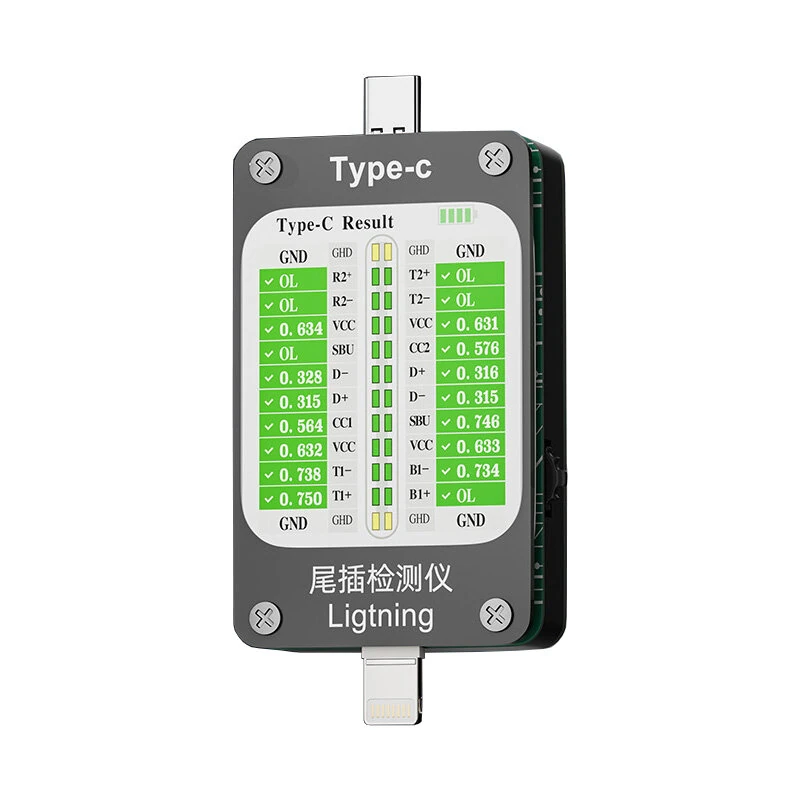
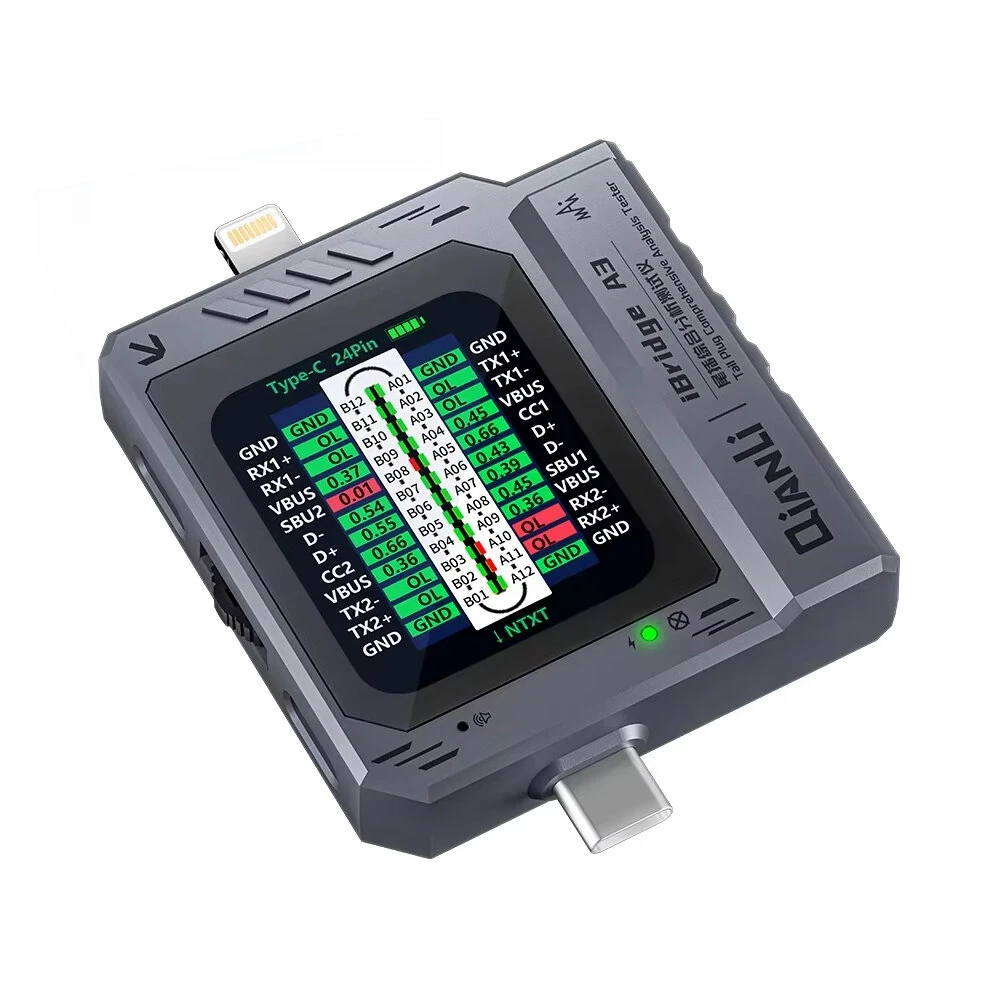
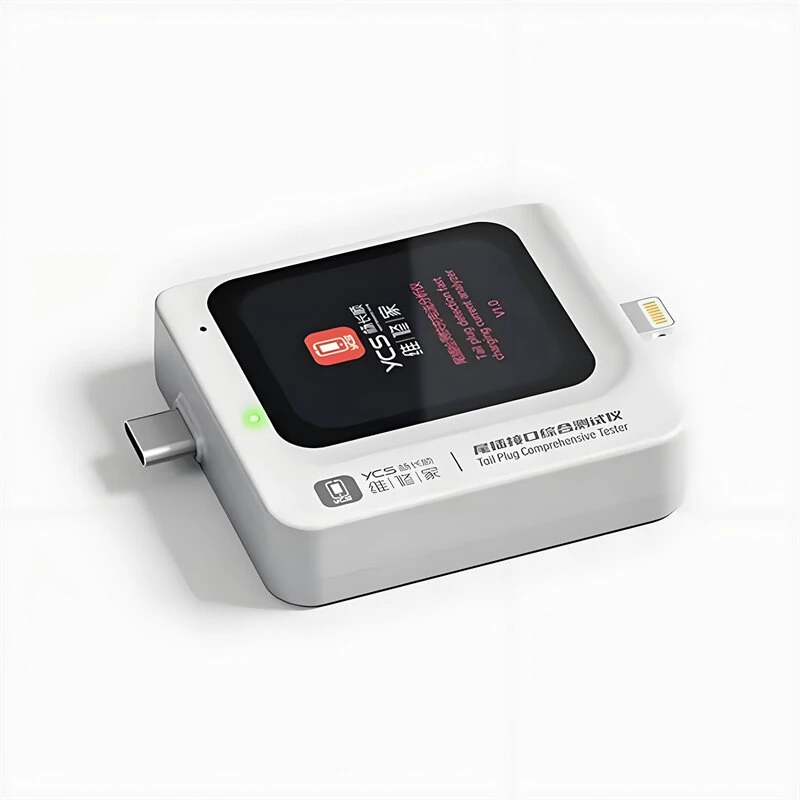
In today's world of smartphones, tablets, and countless gadgets, reliable charging is non-negotiable. But how can you be sure your charger, power bank, or USB port is delivering the promised power safely and efficiently? Enter the essential tool for tech-savvy users and professionals alike: the USB tester. A USB tester is a compact, diagnostic device that plugs in-line between your USB power source (like a wall adapter or laptop) and your device. It provides real-time, precise measurements of critical electrical parameters, transforming guesswork into actionable data. Key products in this category range from basic models displaying voltage and current to advanced analyzers with color screens that track power (in watts), accumulated energy (in ampere-hours), and even test data lines for USB protocol compliance. The primary benefits are immense. First, they ensure **device safety** by detecting faulty or 'dirty' power supplies that could harm your expensive electronics. Second, they promote **charging efficiency**, helping you identify underperforming chargers or cables that slow down charging. For power bank users, a USB tester is indispensable for **capacity verification**, allowing you to measure the actual energy output of your portable battery. Professionals and hobbyists use them for **hardware debugging** and to validate USB Power Delivery (PD) and Quick Charge (QC) handshakes. By providing transparency into the charging process, a USB tester empowers you to optimize your setup, extend battery life, and invest in quality accessories that truly perform.
Choosing the right USB tester depends on your needs. For basic charging checks, a simple model measuring voltage (V) and current (A) is sufficient. If you frequently test power banks, look for a unit with a built-in **capacity tester** that measures accumulated energy in watt-hours (Wh) or milliamp-hours (mAh). For modern laptops, phones, and tablets, ensure the tester supports **USB-C** and protocols like **USB PD** and **QC** to read fast-charging negotiations. A clear **display** (LCD or OLED) and user-friendly interface are key for readability. **FAQ: Do USB testers work with all chargers?** Yes, they are compatible with standard USB-A, USB-C, and sometimes micro-USB ports. **Can they damage my devices?** Reputable testers are passive monitors and pose no risk. **What's the difference between a USB tester and a multimeter?** A USB tester is plug-and-play, designed specifically for USB interfaces, while a multimeter requires probes and more technical knowledge. Ultimately, a USB tester is a small investment that delivers significant peace of mind and performance insights for anyone reliant on portable electronics.